Welcome to our Travel Guide category, where we offer insightful tips, comprehensive guides, and essential information to enhance your travel experiences. Whether you’re a seasoned globetrotter or planning your first adventure, our articles are tailored to meet your needs, helping you navigate new destinations with ease and confidence.
Welcome to our Travel Guide category, where we offer insightful tips, comprehensive guides, and essential information to enhance your travel experiences. Whether you’re a seasoned globetrotter or planning your first adventure, our articles are tailored to meet your needs, helping you navigate new destinations with ease and confidence.
Whether you stay in Bali for a few days or a few weeks, Seminyak Beach remains one of the island’s essential coastal experiences.
Chic, lively, and always photogenic, it is loved for its bars, beach clubs,
villas, hotels, long sandy shoreline, and unforgettable sunsets over the Indian Ocean.
Seminyak Beach stretches for about 3 kilometers (1.86 miles) along Bali’s west coast.
It is ideal for relaxed walks, sunset drinks, beginner surf sessions, massage on the sand, and beach club afternoons that turn into vibrant evenings.
Quick answer: why visit Seminyak Beach?
Seminyak Beach is one of the best beaches in Bali for sunsets, beach clubs, beginner-friendly surf conditions, stylish dining, shopping, spa treatments, and lively beach atmosphere.
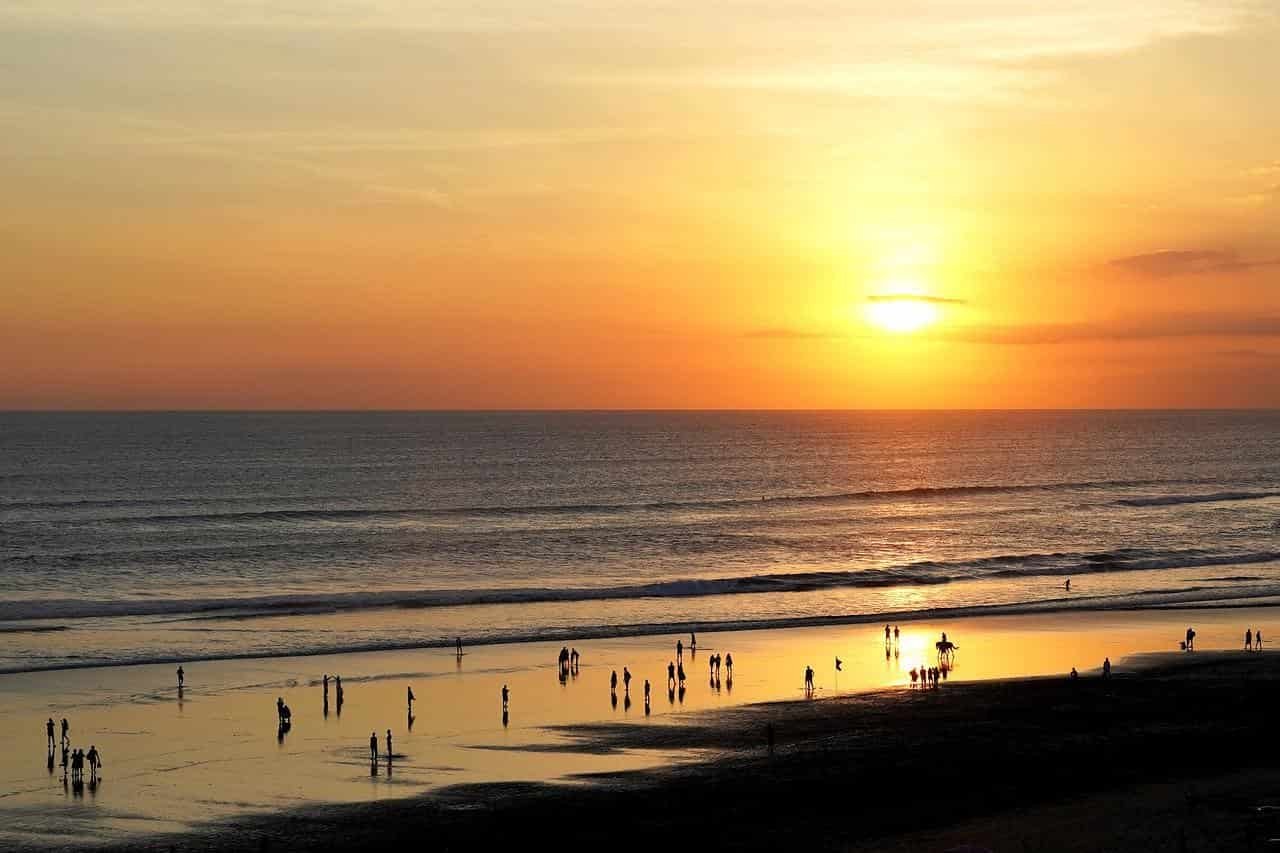
It is especially popular from late afternoon onward, when the sky turns orange and the beachfront fills with beanbags, cocktails, and music.
At a glance
Best for: Sunset, beach clubs, beginner surf, dining, nightlife
Beach length: About 3 km (1.86 miles)
Best time to go: Late afternoon to sunset
Why Seminyak Beach is so popular
Seminyak Beach combines wide golden sand, easy access, a social atmosphere, and one of the best sunset scenes in South Bali.
It is not the island’s quietest beach, but that is exactly why so many travelers love it.
In the late afternoon, usually from around 5:30 p.m., the beach becomes one of Bali’s great sunset stages.
Visitors settle into colorful beanbags, sip cocktails or coconuts, and watch the sky change over the Indian Ocean.
During the day, Seminyak is also a very enjoyable place for beginners who want to try surfing, for beach walks, or for a simple massage on the sand at a very accessible price.
Good to do
Enjoy a massage by the beach
Watch the sunset between about 5 p.m. and 7 p.m.
Take a first surfing lesson
Have drinks at a beach club or beachfront bar
Seminyak Beach atmosphere at sunset
The beaches here are wide and lively, and the energy is festive from day to night. Like nearby Kuta, Seminyak attracts beach vendors offering
clothes, jewelry, tattoos, watches, snacks, and massages. It can feel busy, but it also reflects the vibrant atmosphere of this coast.
Even if surfing is not your thing, you can still enjoy football on the sand, sunset drinks, local food, and the warm orange light that transforms the shoreline every evening.
Seminyak Beach: best places to visit and things to do
Shopping
Seminyak is one of Bali’s best shopping districts, with boutiques, galleries, lifestyle stores, and local design labels.
Popular areas include Seminyak Square, Seminyak Village, and Jalan Laksmana.
Dining
Seminyak is also a major dining destination. You will find everything from Balinese cuisine to modern fine dining.
For a more romantic side of the area, see: Romantic dining experiences in Seminyak.
Spas and wellness
Seminyak has excellent spas and wellness spaces, from Balinese massages to mani-pedi sessions and reflexology.
Read more: Spa and beauty treatments in Seminyak.
Beach clubs
Seminyak is famous for its beach clubs. Some of the best-known names include KU DE TA, Potato Head, and nearby options that stretch toward Petitenget and Batu Belig.
Read more: Seminyak beach clubs.
Nightlife
Seminyak is one of Bali’s most stylish nightlife areas, with bars, lounges, and late-night venues.
Read more: Bali nightlife guide.
Temples and culture
Beyond beach life, Seminyak also offers cultural points of interest such as Pura Petitenget and Pura Masceti,
which reflect Bali’s religious traditions and coastal temple heritage.
Double Six Beach: perfect for swimming and learning to surf
Double Six Beach is one of the best-known parts of the Seminyak shoreline. It is wide, sandy, social, and ideal for swimming on gentler days and for first surfing lessons.
Around 4 p.m., it becomes one of the most photogenic places in Bali, with beach bars bringing out bright beanbags and umbrellas.
This is the classic postcard image of Seminyak.
Places such as La Plancha are famous for music, colorful seating, and sunset energy.
By early evening, the beach becomes lively, social, and very atmospheric.
Seminyak Beach, aka Kayu Aya Beach: sunset in style
The Kayu Aya side of Seminyak feels especially polished and stylish. This is where days of beach relaxation flow naturally into chic sunset drinks and sophisticated dinners.
KU DE TA remains one of the most iconic beachfront venues in Seminyak. Located near Kayu Aya, close to Eat Street and not far from Villa Carissa’s location,
it is known for sunset drinks, events, and refined dining.
Petitenget Beach: surf, swings, and beach club-hopping
Petitenget Beach begins near Pura Petitenget, one of the area’s famous coastal temples. This stretch is one of the best places in Seminyak for mixing surf, temple atmosphere, and beach clubs.
Nearby highlights include Potato Head, Mano Beach House, and other beachfront venues. The beach itself has darker sand and surfable waves that often appeal to beginner and intermediate surfers.
Batu Belig Beach and Berawa side trips
Batu Belig is quieter, more laid-back, and still close to Seminyak and Canggu. It suits travelers who want a calmer base with surf, cafés, and beach bars nearby.
Berawa is a short drive away and feels like a bridge between Seminyak and Canggu. It is known for black volcanic sand, surf, cafés, and large beach clubs.
Seminyak Beach is one of the best places in Bali to enjoy sunset, beach life, beginner surf, beach clubs, shopping, spa time, and nightlife in one area.
It is especially appealing if you want a beach destination that feels stylish, social, and easy to combine with dining and villa living.
Book Your Villa Carissa Getaway and Enjoy Bali’s Famous Seminyak Sunsets
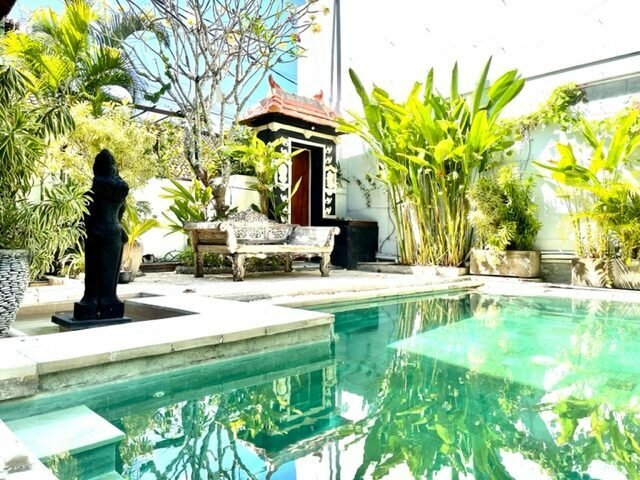
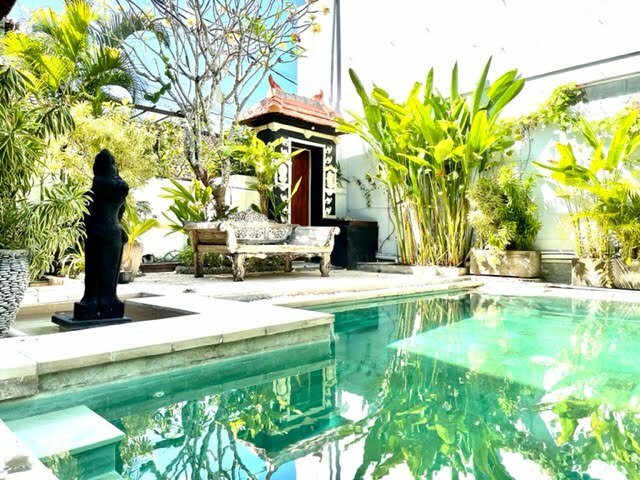
Villa Carissa is located in Seminyak Center and offers a private swimming pool and enclosed garden for privacy and comfort.
It is an excellent base for sunset evenings, beach club afternoons, dining, shopping, and exploring Bali’s best coastal areas.
Experience one of Bali’s most beautiful sunset rituals just minutes from your villa.
Whether you are traveling with family, friends, or as a couple, Villa Carissa offers a stylish and peaceful base for enjoying Seminyak.
East Bali Black Sand Coast Snorkelling • Diving • Volcano Views
Amed, the Little Paradise in Bali
Amed is a peaceful chain of fishing villages on Bali’s northeast coast, bordered by black volcanic beaches and calm clear water.
It is one of the best places in Bali for snorkelling, scuba diving, and slow travel.
Renowned for coral gardens, drop-offs, wreck sites, and spectacular views of Mount Agung, Amed has become one of East Bali’s most rewarding destinations.
If you are looking for a different side of Bali, less hectic and more ocean-focused, Amed is a superb choice.
The drive there is also part of the experience, with beaches, rice fields, temples, and water palaces along the way.
Quick answer: why visit Amed?
Amed is one of the best places in Bali for snorkelling, diving, black sand beaches, fishing village atmosphere, Mount Agung views, and easy day trips to East Bali landmarks.
It is especially attractive for travelers who prefer nature, underwater life, and a slower pace over nightlife and crowds.
At a glance
Best for:
Snorkelling, diving, calm beach days, East Bali road trips
Drive from Seminyak:
Just under 3 hours in normal traffic
Ideal stay:
At least 2 nights
Location of Amed
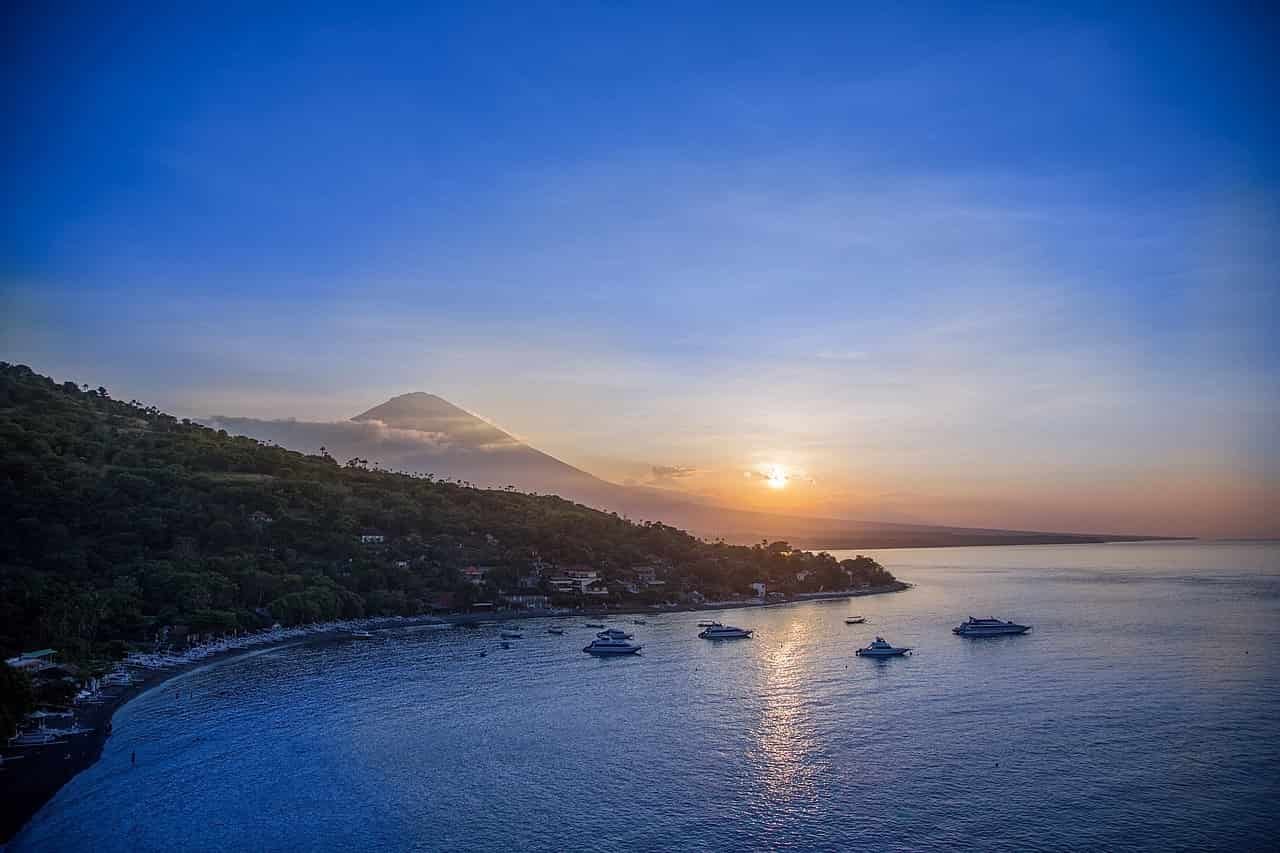
Amed lies on Bali’s eastern coastline, at the foot of Mount Agung, Bali’s most sacred volcano.
The area is known for its long coastal stretch of black sand and pebbled beaches, with excellent access to snorkelling and diving spots.
Nearby beaches and attractions include Lipah Beach, Jemeluk Beach, Virgin Beach,
the Tirta Gangga Water Palace, the Taman Soekasada Ujung Water Palace, and the Lempuyang temple area.
A fishing village
Amed is still very much a fishing village. You will see traditional fishing boats along the shore and a way of life that feels slower and more local than South Bali.
Late afternoon is a wonderful time to take a short traditional boat ride, go fishing, or simply watch the light fade behind Mount Agung.
A diving and snorkelling destination
Amed is one of Bali’s best regions for underwater exploration. Jemeluk Bay, Lipah Beach, Selang Beach, the Japanese Wreck, and nearby Tulamben all offer exceptional underwater scenery.
For divers, the famous Liberty wreck in Tulamben is one of Bali’s must-do sites.
If you only plan to climb one volcano during your Bali trip, many travelers find Mount Batur easier than Agung, especially for a sunrise hike.
But Amed’s setting beneath Agung gives the whole coast a dramatic and almost mystical atmosphere.
Amed is also a great base for discovering East Bali landmarks such as the Taman Soekasada Ujung Water Palace,
Tirta Gangga, and Lempuyang.
Amed overview and East Bali atmosphere
How to get around?
Amed is just under 3 hours by road from Kuta, Seminyak,
Canggu, or Ubud in normal traffic. The easiest way to explore the area is by scooter if you are confident, or with a private driver if you prefer comfort and flexibility.
If you take a private driver, it is worth planning stops along the route, because East Bali has many scenic and cultural places on the way.
What to do in Amed, on the east coast of Bali?
The road to Amed is part of the adventure. If you travel by scooter, you can stop wherever you like. If you hire a driver, tell them in advance which places matter most to you.
The most famous wreck near Amed is the USAT Liberty, a former U.S. Army ship torpedoed during World War II.
After being brought to Tulamben, it was later pushed farther underwater by lava flows during the 1963 eruption of Mount Agung.
To enjoy Amed properly, staying at least 2 nights is a good idea. One day can be spent stopping at places of interest on the road to Amed,
and another can be dedicated to Amed itself, with snorkelling or diving.
1. Go to Pantai Jemeluk (Jemeluk Beach)
Jemeluk Bay is one of Amed’s best playgrounds for snorkelling. Depending on conditions, it can be ideal for beginners because much of the snorkelling is shallow and accessible.
Some submerged structures, including statues and temple-like features, lie at around 2 to 5 meters (6.6 to 16.4 ft) depth. The reef also includes canyons and reliefs that attract schools of fish.
Most beachfront restaurants can arrange snorkel gear rental. If you wear fins, be careful not to strike corals.
2. Snorkel or dive at the Japanese Wreck
The Japanese Wreck is one of Amed’s most fascinating shallow underwater sites. It is unusual to be able to explore a wreck so close to shore with only mask and snorkel.
The remains lie at around 2 to 6 meters (6.6 to 19.7 ft) depending on tide. Soft and hard corals have colonized the wreck,
attracting many fish including trumpetfish, surgeonfish, butterflyfish, bannerfish, and damselfish.
The site is in front of the Kawi Kawa Beach Cottages area and is often indicated by large black buoys.
3. Snorkel or dive at the wreck of the USAT Liberty
From Amed to the USAT Liberty wreck in Tulamben takes around 20 minutes by car, or slightly less by scooter.
Even if you are not diving, part of the wreck can still be appreciated while snorkelling from the beach. Strong freediving skills are not required to enjoy the shallower sections.
Deeper parts of the wreck sit around 30 meters (98.4 ft), but some sections are accessible much shallower, making it one of Bali’s most famous mixed snorkel-and-dive experiences.
4. Relax, snorkel or dive at Lipah Beach
Lipah Beach is often described as one of Amed’s top snorkelling and diving spots. Many of the best reefs begin a few tens of meters from shore and extend toward a drop-off roughly 100 meters (328 ft) offshore.
It is a magical coral garden where you may see octopus, triggerfish, tiny mantis shrimps, and sometimes even small reef sharks.
Snorkelling is often best between mid and low tide.
5. Selang Beach
Selang Beach is a small protected bay shaped like a half moon. It is quieter and less famous than some of Amed’s other snorkelling spots,
which also means it can feel more preserved.
Snorkelling is usually done in shallow water. Blacktip reef sharks are sometimes seen here; they are generally harmless if left undisturbed.
If you encounter one, move calmly and avoid splashing or sudden gestures.
Amed itself is relatively small, so many travelers use it as a base for East Bali excursions. Scooter rental or a driver makes these side trips easy.
1. Visit Tirta Gangga Water Palace
Tirta Gangga is one of East Bali’s most famous water palaces and lies only about 15 minutes by car or less by scooter from Amed.
Its pools, gardens, fountains, and stepping stones make it both a cultural site and one of Bali’s most photographed places.
2. Mount Agung and the sacred mountain landscape
From Amed, Mount Agung is a constant presence. The volcano is both a natural landmark and a sacred mountain in Balinese culture.
The nearby Pura Besakih, Bali’s “mother temple,” is one of the island’s most important spiritual sites.
Besakih temple: about 1 hour 30 minutes by car
Pura Pasar Agung trailhead: about 1 hour 15 minutes by car
Batur trailhead: about 1 hour 30 minutes by car
3. Walk through the Ababi rice fields
The Ababi rice fields are around 20 minutes by car from Amed. They offer a beautiful rural landscape of green terraces, traditional irrigation, and quiet countryside.
It is a rewarding stop if you want to contrast Amed’s coast with East Bali’s inland scenery.
4. Explore Taman Soekasada Ujung Water Palace
The Taman Soekasada Ujung Water Palace is one of East Bali’s most elegant historic sites.
Built in 1909, it combines ponds, pavilions, bridges, and long views toward the sea and nearby islands.
Have you booked your private villa in Seminyak Center?
Villa Carissa offers a private swimming pool and enclosed garden in Seminyak Center, making it an excellent base for exploring Bali’s beaches,
temples, water palaces, volcanoes, and day trips to East Bali destinations like Amed.
Whether you are traveling with family, friends, or on a romantic getaway, Villa Carissa gives you a comfortable and stylish Seminyak base
while keeping Bali’s best attractions within reach.
Bali’s climate is tropical. Bali weather in May, June, July, August, September and October during the dry season which extends from April to October.
December, January and February as this is the rainy season, but the Bali weather is still very warm.
First of all, before leaving, you have to know when to go to Bali! The idea is not only to detail the climate of Bali month by month but rather to explain to you what are the best times to go there.
The island is located near the equator, in the heart of Indonesia and next to Java. So the climate of Bali is a tropical climate. This means that the temperatures are always very hot throughout the year (with an average temperature of 27°C (80°F), and that there are periods of heavy rain.
Bali weather with two seasons climate
Bali has a tropical type climate with two seasons, the rainy season and the dry season. The ideal time to visit Bali runs from May to October, corresponding to the dry season with an average temperature of around 26 °C (78.8 °F), ideal temperature to enjoy the beaches and discover the temples and archaeological sites.
Located near the Equator, Bali is subject to a hot and humid climate all year round with two distinct seasons.
Rainy and dry season
– The hot season or rainy season which goes from December to March. During this season, the month of January is the rainiest.
– The cool season or dry season goes from May to October with July being the driest and coolest month. Note that during this season it can also rain, but the rains are short-lived and usually occur in the late afternoon.
Average temperatures
In terms of temperatures, even if we talk about hot season and cool season, temperatures are very constant throughout the year. They vary between 23° and 32°C (73.4 °C to 89.6 °F), so ideal for discovering the country and enjoying the sumptuous beaches around Seminyak and Nusa Dua.
Note that in the central mountains, the temperatures are a little cooler, ranging from 20°C to 25°C (68 °F to 77 °F), great for nature lovers and hikers ready to attack the Gunung Agung volcano. In Bali, a little advice, it is better to get up early to fully enjoy the day, because the sun rises around 6 a.m. and sets abruptly around 6 p.m. and this throughout the year.
Bali weather by month in Celcius and Fahrenheit
Bali weather – Average temperatures
Month
Min (°C)
Max (°C)
Averge (°C)
January
25
31
27,8
February
25
31
27,9
March
25
31
27,9
April
25
31
28
May
24
31
27,6
June
24
30
27
July
24
29
26,5
August
23
29
26,4
September
24
30
26,8
October
24
31
27,7
November
25
32
28,3
December
25
31
28
YEARLY
24,4
30,6
27,45
We recommend the months of May to October for your trip to Bali. If you can, avoid the months of July and August to avoid more tourists and benefit from cheaper hotel rates. But if you can’t it’s ok too!
Bali weather in Fahrenheit
Bali weather – Average temperatures
Month
Min (°F)
Max (°F)
Averge (°F)
January
77
87.8
82.4
February
77
87.8
82.4
March
77
87.8
82.4
April
77
87.8
82.4
May
75.2
87.8
81.5
June
75.2
86
80.6
July
75.2
84.2
79.7
August
73.4
84.2
78.8
September
75.2
86
80.6
October
75.2
87.8
81.5
November
77
89.6
83.3
December
77
87.8
82.4
YEARLY
75.95
87.05
81.5
Swimming in Bali, Sea temperature
To swim in Bali, no questions to ask: the water is warm all year round, between 27°C and 29°C (80.6 °F to 84.2 °F).
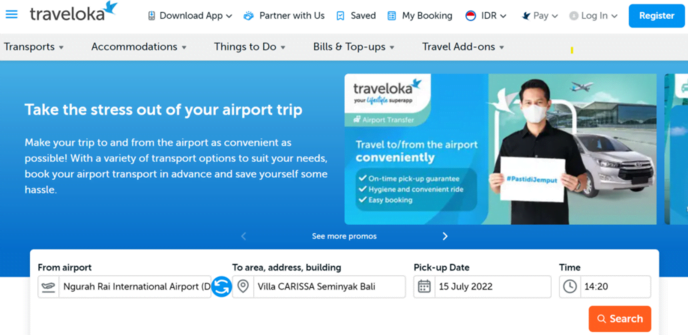
You know when to go to Bali, but do you know where you will land? If this is your first time traveling to Bali, be aware that the airport is not located in the city of Denpasar. Many peopole confused for the sirst time, that’s why we mention it. The airport is actually called Ngurah Rai and is located on the south west coast of the island (south of Kuta).
When you leave the airport, you will be surprised to see dozens of Balinese jumping on you to offer you a taxi! Don’t be offended and just say no with a smile, they will understand and go see another tourist! It’s quite boring! when you have to negotiate for several minutes because we know (WE KNOW) that we are being scammed from the start and that they triple their prices! Then we have two solutions for you:
Now that you know when to go to Bali, when you book your accommodation before you leave, ask the host to arrange a driver for you who will wait directly at the airport. Often they ask you for your number to communicate via WhatsApp for your arrival time. You will have wifi at the airport so you can find your driver right away and won’t have to deal with the cacophony of other taxi drivers!
If you have not booked a driver, try to negotiate your taxi for IDR 250,000 maximum when you stay around Kuta or Seminyak.
Located in Seminyak Center – Bali, Villa Carissa offers a private swimming pool and enclosed garden to guarantee your privacy. You can book your private pool villa here with us.
Whether you’re traveling with family, friends, or on a romantic getaway, villa Carissa in Seminyak center offers the perfect base for exploring Bali’s many attractions and enjoying a relaxing vacation.
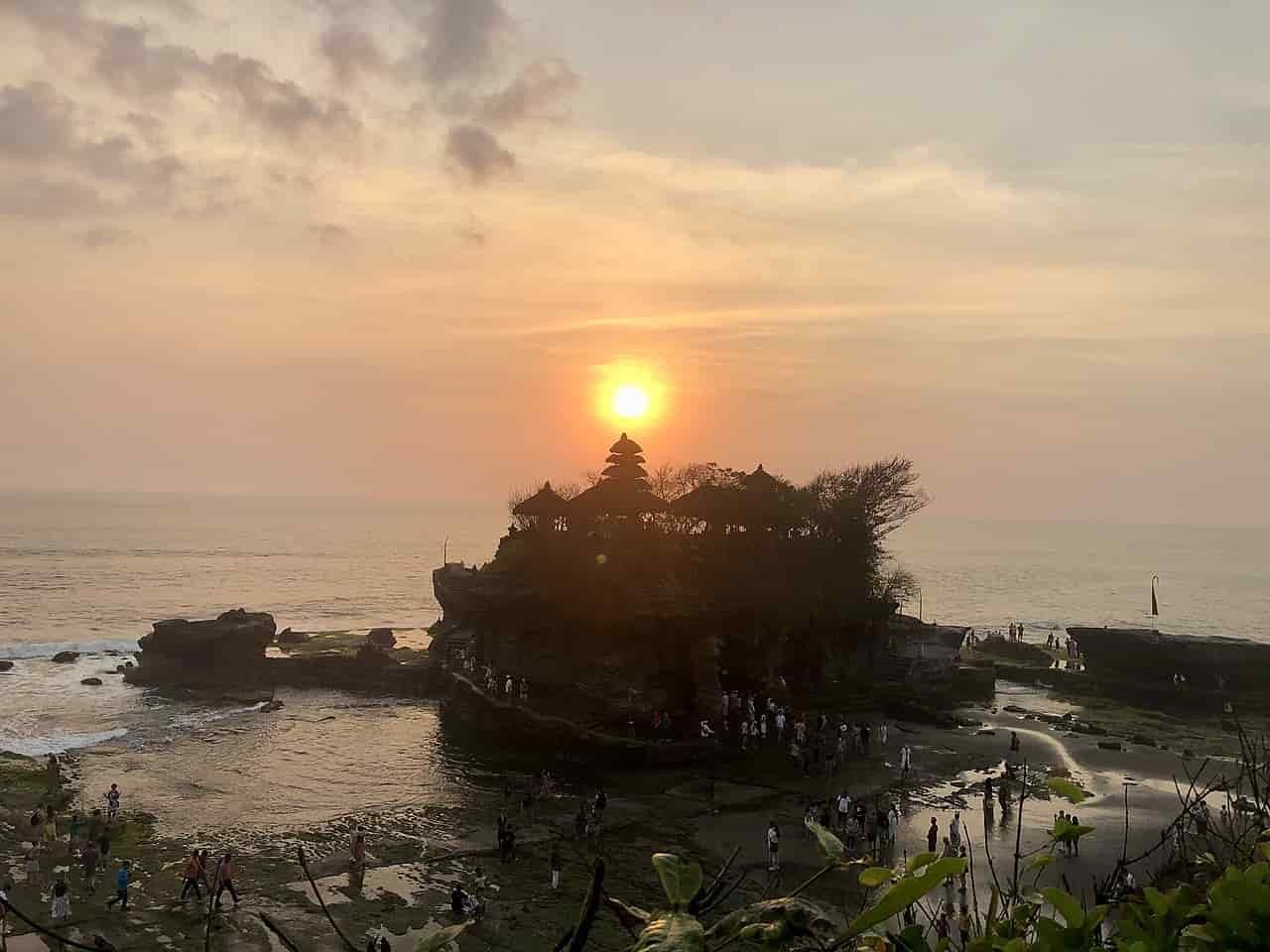
Do not miss to visit the Temple of Tanah Lot in Bali, Temple of legend, and essential of the island! This iconic sea temple is perched on a rock formation just off the coast, making it one of Bali’s most photographed sites, especially during sunset.
Built in the 16th century by order of the priest Nirartha, who came to meditate on an isolated rock in the sea, the temple of Tanah Lot now overlooks this rock. Its name means “land in the sea” in Balinese. According to popular beliefs, the base of the temple is invested by a giant sea serpent which protects the sacred place from intruders.
What is it?
Head for the Indonesian archipelago, where the wonderful island of Bali is located. Between its idyllic beaches, its luxuriant nature, its breathtaking rice fields, its impressive volcanoes, its mystical and authentic culture and the gentleness of its inhabitants, it is truly a dream destination!
But the charm and beauty of Bali also reside in its collection of temples, each more incredible than the next, starting with the Temple of Tanah Lot.
This temple is one of the most famous on the island, because of its location: the Temple of Tanah Lot in Bali is “set” on a small rock in the middle of the ocean, about 100 meters from the coast, accessible at low tide. The spectacle of this temple in the middle of the waves at high tide is just magnificent!
So to help you visit the Tanah Lot Temple in Bali, we have prepared a mini-guide for you with all the important information you need to know.
The temple has acquired its notoriety partly thanks to its particular architecture: located on a rocky promontory, it is cut off from the rest of the island twice a day, at each high tide.
The temple has acquired its notoriety partly thanks to its particular architecture: located on a rocky promontory, it is cut off from the rest of the island twice a day, at each high tide.
Legend has it that the sage once went to the rocky promontory that was then Tanah Lot, connected to the moor by a natural stone bridge.
Captivated by the spectacle of the ocean caressing the banks and by the backwash of the waves, the man would have decided to spend the night there… And in the early morning, in total harmony with the sea stretched out in front of him, he decided to build the temple to pay homage to this element of nature. Even today, the caves dug by the waves at the foot of the cliffs that surround it are said to be inhabited by sacred serpents, descendants of the former protectors of the site.
Tanah Lot Temple at high tide, Bali, Indonesia. Jakub Hałun, CC BY-SA 4.0, via Wikimedia Commons
Myths about Tanah Lot
The myths and legends associated with this sacred place are almost as beautiful as the temple itself. The story goes that the holy priest Danghyang Nirarta spent the night here and the people of Bali decided to build the Tanah Lot temple on his resting place.
It is also said that at the time, there was a bridge between the continent and the temple, but that it was destroyed by the force of the sea. Another interesting detail: there is under Tanah Lot a cave sheltering a source magical. Curiously, the spring water is fresh while the temple is surrounded by the ocean and its salty waters.
The temple of Tanah Lot has thus become one of the 7 temples of the Sea which border the island of Bali. These seven temples have the function of protecting the island of the Gods from any bad influence coming from the waves, and have the particularity of being always visible from at least one of the other temples of the Sea.
Today, Pura (temple) Tanah Lot is one of the most popular religious buildings on the island, and also the most visited. Right next to the temple, a “tourist village” has been created in order to stem the flow of daily visitors to the sacred site.
Sportswear shops, crafts, various clothes, the main street offers everything you need for an entire afternoon of shopping! The sunset is a particularly appreciated moment on this site, which also offers the possibility of enjoying a dinner in a restaurant in height.
Shhh, don’t tell anyone! The Pura Batu Bolong, located 10 minutes walk from the Tanah Lot temple, is just as impressive as its neighbor and much less crowded! Of more modest size, it is perched on a ledge plunging into the Indian Ocean.
During the Melasti celebrations, a few days before the Balinese New Year, hundreds of pilgrims come to deposit earthly offerings intended for the marine deities.
Visit the temple of Tanah Lot: Variable hours, expect about 2 hours to spend in this area.
Price: Allow IDR 20,000 to enter the temple, IDR 20,000 more to touch the tail of a small sacred reptile.
Discover Pura Batu Bolong: Follow the path that runs along the cliff to the west of Pura Tanah Lot: the site is open every day from 8 a.m. to 6 p.m. and admission is free.
Tanah Lot is easily reachable from any locality in South Bali (Sanur, Kuta, Seminyak, Legian or Canggu), or from Ubud, both by your own means (scooter) and by car (taxi or Go-Jek application).
From the latter you can therefore go there for the day, without sleeping there.
From other tourist locations such as Uluwatu, Munduk or Amed it seems complicated and a shame to go there for the day, since you would spend too much time on the road.
It will therefore be necessary to book a room in the surroundings (see below), for at least one night.
Please note that these times are estimates and can be subject to change depending on traffic conditions and other factors. It’s advisable to plan your journey accordingly and consider allowing extra time for unforeseen delays.
Located in Seminyak Center – Bali, Villa Carissa offers a private swimming pool and enclosed garden to guarantee your privacy. You can book your private pool villa here with us.
Whether you’re traveling with family, friends, or on a romantic getaway, villa Carissa in Seminyak center offers the perfect base for exploring Bali’s many attractions and enjoying a relaxing vacation.
Jalan Camplung Tanduk (sometimes referred to as Dhyana Pura) in Seminyak is the center of Bali’s gay nightlife. Bali gay nightlife is witty, charming and a surfer’s paradise, the island of Bali attracts millions of visitors every year, who come here to savor the laid-back lifestyle, tropical beaches and party the night away. what is now considered one of the best nightlife destinations.
Seminyak’s vibrant gay life scene boasts a variety of bars, clubs, and events, making it a popular destination for LGBTQ+ travelers seeking a lively and welcoming atmosphere. It draws a large crowd of LGBTQ+ individuals from around the world.
Homosexuality in Bali and Lombok
While there isn’t a specific “LGBT area” in Bali and Lombok, there are many places that are popular among the LGBTQ+ community.
Homosexuality is generally accepted in Bali and Lombok, with a growing number of establishments catering to the LGBTQ+ community in both destinations. While same-sex marriage is not yet legally recognized in Indonesia, there is a growing awareness and acceptance of the LGBTQ+ community, particularly in Bali, which is known for its liberal and open-minded atmosphere.
However, it’s important to note that Indonesia is still a predominantly Muslim country, and some areas may be less tolerant than others. It’s always a good idea to exercise caution and respect local customs and traditions while exploring Bali and Lombok as an LGBTQ+ traveler.
Bali is a top destination for LGBT visitors, featuring a large community of gay and lesbian expats who run many gay-friendly businesses.
Although same-sex marriage isn’t legal in Indonesia, Bali is known for its open-minded atmosphere. In southern Bali and Ubud, gay couples generally face few issues, but should note the local modesty in public behaviors.
Seminyak, in particular, offers several gay-friendly nightclubs. However, all visitors should avoid public displays of affection due to increasing conservatism.
That said, LGBT visitors to Bali (and Indonesia) should follow the same recommendations as heterosexuals and avoid any public displays of affection. With the country becoming more and more conservative, any form of same-sex closeness is even unwise.
The “waria” community (transvestites and transsexuals) is recognized, albeit not always respectfully. While Muslim communities do not accept homosexuality, incidents of physical assault are rare.
It’s important to note that Lombok is a predominantly Muslim island and therefore may have more conservative attitudes towards LGBTQ+ individuals compared to neighboring Bali.
In Lombok, LGBT travelers should also avoid public displays of affection, like cuddling, kissing… (the advice also applies to heterosexual couples).
It’s important to respect local customs and beliefs while exploring the island and to exercise caution when it comes to public displays of affection, regardless of sexual orientation.
Gay Bars in Bali
Jalan Dhyana Pura (sometimes referred to as Jalan Camplung Tanduk) is famous for having several small gay-friendly bars, while the Batu Belig area near Canggu is quite trendy and less touristy than the rest of Seminyak.
These venues cater to the LGBT community and are known for their friendly atmosphere and lively events. Whether you’re looking for a relaxed evening or a vibrant night out, you’ll find plenty of options to enjoy Bali’s inclusive and diverse nightlife.
Tourists, expats and locals, everyone loves Seminyak! This seaside town buzzes night and day from Double Six to Oberoi and Petitenget. There are too many cool hangouts to discover, but here are the most famous and loved ones:
Bali Joe Bar
A bar/clubbing with super professional transformist shows and gogo boys. Staff and kindness are at the rendezvous here. Very good cocktails served with real non-freulated or sub-brand alcohol. To avoid Saturday evening too many people… Smaller and more confined than its neighbor the Mixwell, also very festive but younger…
Another popular bar on the same street as Mixwell, known for its fun drag performances and friendly crowd. Excellent atmosphere with shows by transformists and gogodancers. Bali Joe is open daily from 4pm until around 3am.
Bali Joe Bar is a popular gay bar located in the heart of Seminyak, Bali’s vibrant nightlife district. The bar is known for its lively and welcoming atmosphere, making it a popular spot for LGBTQ+ travelers and locals alike. Bali Joe Bar offers a range of drinks, including cocktails, beers, and wines, and often hosts drag shows and other live performances.
The bar is relatively small, but it has a lively and energetic atmosphere, making it a great spot for socializing and meeting new people. The staff is known for being friendly and welcoming, and the overall vibe is fun and inclusive.
F Bar Bali
F Bar Bali (previously Facebar) in Seminyak at Jalan Camplung Tanduk is very well known & popular for gay nightlife in Bali. The focus is more on the go-go dancers with a “shower” and pole dancing show. The second floor is available for private parties. F Bar is open Tuesday to Sunday from 7pm to 3am.
Located near Bali Joe and Mixwell, offering entertaining shows and a great cocktail menu.
The bar has a spacious dance floor and a large outdoor terrace, making it a great spot to party and socialize with friends. The club is known for its theme parties, which often attract a diverse and energetic crowd. The staff is known for being friendly and attentive, and the overall vibe is fun and inclusive.
Mixwell Bar
Very popular place, it offers what you need for a festive and colorful evening! Certainly very gay, the Mixwell is very international and almost of all ages.
This establishment is known for its friendly and welcoming atmosphere, making it a popular spot for LGBTQ+ travelers and locals alike. It offers a range of drinks, including cocktails, beers, and wines, and often hosts live music and other events.
A staple in the Bali gay scene, known for its drag shows and lively atmosphere. It is located on Jalan Camplung Tanduk, Seminyak.
Very jovial and courteous welcome from the always smiling team. Mixwell is open daily from 6pm to 3am.
One of the unique features of Mixwell Bar is the balcony area overlooking the street, which is a great spot to people-watch and take in the bustling atmosphere of Seminyak.
The bar also offers a happy hour and other special promotions throughout the week, making it an affordable and enjoyable spot to spend an evening. If you’re looking for a relaxed and welcoming gay bar in Seminyak, Mixwell Bar is definitely worth a visit.
Stonewall Bali
This is a good venue that serves as both a restaurant and a nightlife spot. It offers outdoor seating where guests can enjoy the pleasant Balinese weather. Known for its great cocktails and live performances, Stonewall provides an inclusive and vibrant atmosphere for locals and tourists alike.
Address: Jl. Raya Seminyak, Seminyak, Bali 80361, Indonesia (Near Bintang supermarket)
Enjoy a day of fun at M.A.N Resort Bali, a vibrant day club that features a bar and a crystal clear pool open from 7:30 AM to 10:00 PM. It’s the perfect place to socialize, sip cocktails, and dine at our restaurant, whether you’re grabbing lunch or dinner. You can also relax under the sun or top up your tan.
Address: Jl. Padma Utara Gg. Bujangga No.8, Legian, Bali 80361, Indonesia
Opening hours:
Day Club, Bar, Pool 07:30-10:00pm
SPA treatments available from 9:00 AM to 9:00 PM.
Here are some of the top places to visit in Bali
Seminyak: This trendy neighborhood in Bali is home to a variety of gay-friendly bars, clubs, and restaurants. Some popular spots include Bali Joe Bar, Mixwell Bar Bali, and Bottoms Up Bar.
Kuta: Kuta is another popular area for nightlife in Bali, and it has a number of LGBTQ+ friendly venues. Sky Garden Bali and M-BAR-GO Bali are two popular bars that attract a diverse crowd.
Canggu: This laid-back beach town is popular among surfers and yoga enthusiasts, and it’s also known for its LGBTQ+ friendly vibe. Deus Ex Machina and The Slow are two popular spots that attract a diverse crowd.
Ubud: Ubud is a popular destination for wellness retreats and spiritual experiences, and it has a growing LGBTQ+ scene as well. Bali Bohemia and Nine Heaven Vegan Warung are two popular spots that are known for their welcoming atmosphere.
Gay-friendly accommodations: There are many gay-friendly accommodations in Bali, including hotels, resorts, and private villas.
There are several beaches in Bali and Lombok that are known to be popular among the LGBTQ+ community. It offers a relaxed and welcoming environment for sunbathing, swimming, and socializing.
Bali
There isn’t an official gay beach in Bali.
The most well-known gay beach is Batu Belig Beach, located just north of Seminyak. You’ll find here a mix of locals and tourists, and a relaxed atmosphere where you can soak up the sun and meet new people.
Batu Belig Beach is a calm spot to unwind and catch the sunset. It’s up north from Seminyak, close to the W Hotel. The area is known to be inclusive and welcoming to everyone and has a beach café with colorful flags, tables, chairs, and places to relax in the sun.
It’s better not to swim because the water can be rough, and there’s no one watching over the beach.
To find it, head north on Sunset Road from Seminyak and take a left onto Jalan Petitenget (which turns into Jalan Batu Belig). Just keep going until you reach the end, then turn left again to reach the sandy beach.
Another popular gay-friendly beach in Bali is Padang Padang Beach, located on the Bukit Peninsula. This stunning stretch of sand is surrounded by towering cliffs and crystal-clear water, and is a popular spot for surfing as well as lounging.
In Lombok, the most well-known gay beach is Gili Meno Beach, located on the small island of Gili Meno. Here, you’ll find a laid-back atmosphere and plenty of opportunities for snorkeling, diving, and exploring the island’s natural beauty.
Overall, Bali and Lombok offer a variety of gay-friendly beaches. Each of them with their own unique atmosphere and charm, making them a top destination for LGBTQ+ travelers seeking sun, sand, and relaxation.
Gay Bar in Lombok
The gay comunity in Lombok is rather small. Unfortunately there is no gay bar in Lombok. But thousands of gay travellers pick Lombok to spend their vacations. Here is a gay-friendly bar: The Office Bar and Restaurant in Senggigi, Lombok.
The Office Bar and Restaurant, Senggigi : consultez 295 avis sur The Office Bar and Restaurant, noté 4 sur 5 sur Tripadvisor et classé #27 sur 116 restaurants à Senggigi.
Homosexuality is generally accepted in Lombok. It’s important to note that Lombok is a predominantly Muslim island. They may have more conservative attitudes towards LGBTQ+ individuals compared to neighboring Bali.
While there are some establishments on the island that cater to the LGBTQ+ community, they may be less visible compared to those in Bali.
Overall, while Lombok may be less visible in terms of LGBTQ+ establishments compared to Bali, there are still places on the island where LGBTQ+ travelers can feel comfortable and welcome.
Discover your tranquil haven at Villa Carissa, nestled in the heart of bustling Seminyak, Bali. With a private pool and lush garden exclusively for you, your privacy is our priority. Book your secluded villa experience today.
Whether you’re traveling with family, friends, or on a romantic getaway, villa Carissa in Seminyak center offers the perfect base for exploring Bali’s many attractions and enjoying a relaxing vacation.
Breakfast at Villa Carissa Bali / Petit-déjeuner à la Villa Carissa Bali
Guests staying at Villa Carissa Seminyak can enjoy a highly-rated breakfast during their stay (guest review score: 8.4 (out of 10) according to Booking.com). Savor Balinese and Western breakfast delights at Villa Carissa Bali: indulge in culinary excellence in your private pool villa!
Imagine waking up naturally to the rays of the sun filtering through the curtains, opening your eyes and remembering that you are on a trip to one of the most beautiful places on our planet. You get up, look out the window and discover a floating tray filled with tasty dishes… A floating breakfast! At Villa Carissa, we are always looking for experiences that are both unusual and rejuvenating.
Breakfast will be personally prepared in your villa at your preferred time each morning between 7 A.M. to 11 A.M. Including our unique Floating Breakfast option!
We offer to our guests to have breakfast directly from the comfort of your private pool! It’s the perfect way to start your day.
If breakfast isn’t included in your reservation, you can still have it by informing us upon arrival. The price is IDR 85 000 / person / day (approximately USD 5), payable in IDR cash to the villa manager as we don’t accept credit cards.
Breakfast options include:
Continental
Asian
American
À la carte
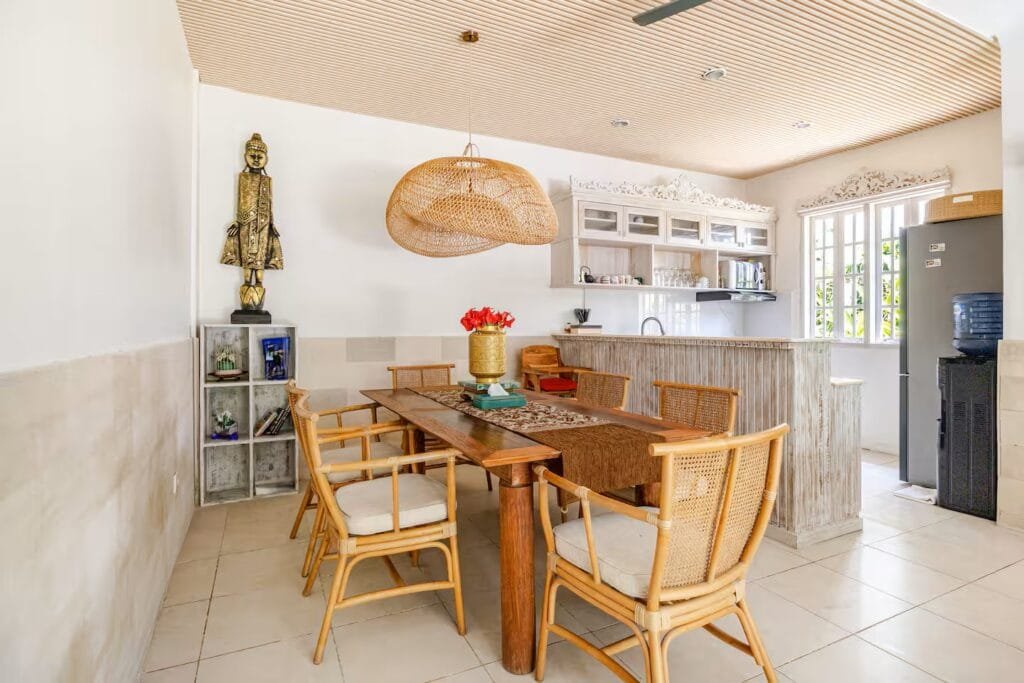
☀️ Enjoy breakfast or a family meal in the cozy dining area beside the open kitchen. Fully equipped with modern appliances, it’s perfect for preparing coffee, fresh tropical fruits, or a Balinese-style breakfast before heading out to explore Seminyak.
The villa features a bright open-plan dining area and a fully equipped kitchen. The wooden table and rattan chairs create a warm Balinese touch, perfect for family meals or friendly gatherings.
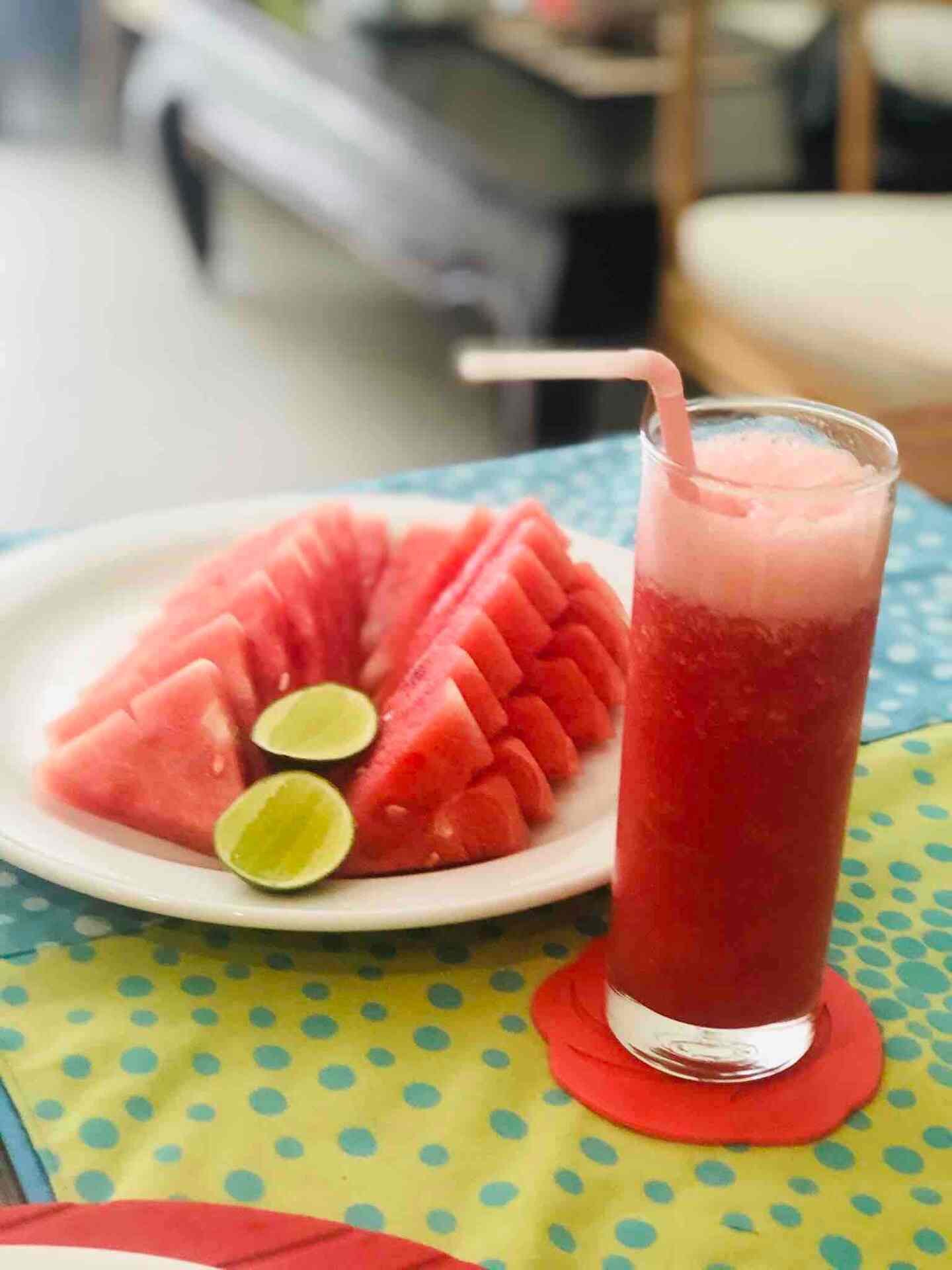
Daily Breakfast includes: Fresh tropical fruit juice of the day, Fresh tropical fruit platter, Tea or Coffee. Plus you may choose a hot dish!
Seasonal fresh fruits at Villa Carissa
Daily Breakfast includes:
Fresh tropical fruit juice of the day
Fresh tropical fruit platter
Tea or Coffee
Balinese coffee or tea
Plus you may choose a dish from below:
Eggs
Boiled, poached, fried or scrambled with toast or Omelette with tomato, onion and mushrooms.
Balinese Nasi Goreng or Mie Goreng
Fried rice or rice noodle sautéed vegetables, Nasi Goreng mixed spices, topped with fried egg.
Pluffy Pancakes
Drizzled with honey or syrup.
French Toast
With chicken sausage and a dash of cinnamon, served with honey or pandan syrup.
Toast or Croissant
Served with marmalades.
Floating breakfast experience
Must try romantic morning breakfast. Forget breakfast in bed!
Start your day in style and indulge yourself to unforgettable floating breakfast experience at the comfort of your private pool at Villa Carissa.
Villa Carissa Bali offers guests a truly unique and unforgettable breakfast experience with fresh and locally sourced ingredients, personalized service, varied menu options, beautiful surroundings, and flexibility in terms of timing and location, including the addition of the floating swimming pool breakfast that you should not miss.
Tailoring your breakfast experience: Inform us of your allergies and preferences
We want to ensure your breakfast experience is tailored to your needs. Please inform us in advance if you have any specific allergies or dietary preferences for breakfast. This includes any allergies to peanuts, a preference for gluten-free options, or if you follow a vegetarian or vegan diet. Your comfort and enjoyment are important to us, and we’ll do our best to accommodate your requests.
Go Green for Breakfast at Villa Carissa
At Villa Carissa, we believe in making thoughtful choices when it comes to buying things. This includes what we use for our breakfast. We make sure to use fresh, local items that are in season. This not only makes our breakfast delicious but also helps Bali’s environment and the people who live here.
Delight in your morning with a refreshing seasonal treat of fresh watermelon and juice! Please note that the availability of other seasonal fruits may vary.Savor the delicious Balinese mee goreng (fried noodles) topped with a perfectly cooked sunny side up egg, or customize it just the way you like!
Petit-déjeuner à la Villa Carissa Bali
Les clients séjournant à la Villa Carissa peuvent profiter d’un petit-déjeuner très bien noté pendant leur séjour (note des clients : 9 (sur 10) selon Booking.com).
Imaginez vous réveiller naturellement par les rayons du soleil filtrant à travers les rideaux, ouvrir les yeux et vous rappeler que vous êtes en voyage dans l’un des plus beaux endroits de notre planète. Vous vous levez, regardez par la fenêtre et découvrez un plateau flottant rempli de savoureux mets… Un petit-déjeuner flottant ! Chez Villa Carissa, nous sommes toujours à la recherche d’expériences à la fois insolites et ressourçante.
Nous vous proposons à nos invités de prendre le petit-déjeuner directement depuis le confort de votre piscine privée ! c’est la façon idéale de commencer votre journée.
Les options de petit-déjeuner comprennent :
Continental
Asiatique
Américain
À la carte
Le petit-déjeuner quotidien comprend : jus de fruits tropicaux frais du jour, plateau de fruits tropicaux frais, thé ou café. De plus, vous pouvez choisir un plat chaud!
Le petit-déjeuner sera personnellement préparé dans votre villa à l’heure de votre choix, chaque matin entre 7h00 et 11h00.
Veuillez noter que si le petit-déjeuner n’est pas inclus dans votre réservation, vous pouvez quand même en profiter en nous informant à votre arrivée. Le prix est de 85 000 IDR /personne/jour (environ 5 USD), payable en espèces, en IDR, directement au responsable de la villa car nous n’acceptons pas les cartes de crédit.
Le petit déjeuner chaque jour comprend
Jus de fruits tropicaux du jour
Assiette de fruits tropicaux
Café ou Thé
De plus, vous pouvez choisir un plat ci-dessous
Les Œufs
Omelette, Œufs brouillés servis avec du pain de mie grillé ou Omelette à la tomate, oignons et champignons.
Nasi Goreng ou Mie Goreng Balinais
Riz frit ou légumes sautés aux nouilles de riz, mélange d’épices Nasi Goreng, nappé d’œuf au plat.
Pancakes Moelleux
Agrémentés avec du miel ou du sirop.
Toast
Accompagné d’une saucisse de poulet avec un soupçon de cannelle, nappé de miel ou de sirop de pandan.
Pain Grillé ou Croissant
Servi avec des marmelades.
Expérience de petit-déjeuner flottant
Oubliez votre petit-déjeuner au lit !
Commencez votre journée avec style et offrez-vous une expérience inoubliable de petit-déjeuner flottant dans le confort de votre piscine privée à la Villa Carissa.
Personnalisez votre petit-déjeuner : Informez-nous de vos allergies et préférences
Nous souhaitons personnaliser votre expérience du petit-déjeuner selon vos besoins. Veuillez nous informer à l’avance de toute allergie spécifique ou de préférences alimentaires pour le petit-déjeuner. Cela comprend toute allergie aux arachides, une préférence pour des options sans gluten, ou si vous suivez un régime végétarien ou végétalien (vegan). Votre confort et votre satisfaction sont importants pour nous, et nous ferons de notre mieux pour répondre à au mieux à vos attentes.
Mettez vous au vert
À la Villa Carissa, nous croyons en la prise de décisions réfléchies lorsqu’il s’agit d’achats. Cela inclut ce que nous utilisons pour notre petit-déjeuner. Nous veillons à utiliser des produits frais et locaux qui sont de saison. Cela rend non seulement notre petit-déjeuner délicieux, mais aide également l’environnement de Bali et les habitants qui y vivent.
En fait, plus de 80% des choses que nous utilisons proviennent de sources locales. Cela signifie que nous soutenons la communauté de Bali et prenons soin de notre environnement
Book Your Exclusive 3-Bedroom Private Pool Villa. Featuring a Private Enclosed Garden and Private Swimming Pool in the Heart of Seminyak, Bali
Create cherished memories at Villa Carissa, where in the heart of Seminyak, Bali, you’ll find a private pool and enclosed garden for your exclusive enjoyment. Secure your private pool villa experience with us today!
Bali has a vibrant community of sustainability advocates and practitioners, with a number of local sustainability projects that are worth highlighting. In reality, responsible tourism and sustainable tourism are two equivalent notions. Their goal is to participate in the development of the country while respecting the environment and the local culture. Local sustainability projects in Bali are initiatives that aim to promote environmental and social sustainability in the region, and encompass a wide range of efforts such as waste management, sustainable agriculture, animal conservation, and community development.
In this article, we will delve into the topic of local sustainability projects in Bali and explore some of the inspiring initiatives and practices that are promoting sustainability and eco-friendliness in this beautiful Indonesian island.
Here are a few examples for local sustainability projects in Bali:
These organizations are recognized for their commitment to transparency, effective use of funds, and impactful projects in Bali:
Eco Bali Recycling
Eco Bali is a waste management and recycling company that helps businesses and households in Bali reduce their environmental impact. They collect and sort recyclable materials such as paper, plastic, and metal, and provide education and training on waste reduction and composting.
By actively participating in waste reduction and recycling efforts, individuals can contribute to a cleaner and more sustainable Bali. Their website is https://eco-bali.com
Kopernik
Kopernik is a Bali-based nonprofit organization that focuses on developing and distributing sustainable technologies to improve the lives of people living in poverty.
The organization was founded in 2010 with the mission to address social and environmental challenges by connecting simple, effective technologies with the people who can benefit from them the most.
They have a range of projects, including distributing solar lanterns, clean cookstoves, and water filters. They also work with local communities to develop sustainable livelihoods, such as producing and selling organic fertilizer.
By supporting Kopernik, you contribute to their efforts in driving positive change and creating a more equitable and sustainable world. Their website https://kopernik.info
BaliWISE
BaliWISE is a non-profit organization that provides vocational training and job opportunities for marginalized women in Bali. They offer courses in hospitality, spa and beauty, and business skills, and they also promote environmental awareness and sustainable practices in their training programs.
To support Bye Bye Plastic Bags and contribute to their mission, you can participate in their events, volunteer your time, or make a donation to help fund their activities.
Bye Bye Plastic Bags is a youth-led movement to eliminate plastic bags from Bali. Founded by sisters Melati and Isabel Wijsen when they were just 10 and 12 years old, the movement has grown to include thousands of volunteers and has successfully lobbied the Balinese government to ban single-use plastics. Their website: https://byebyeplasticbags.org
Bumi Sehat
Bumi Sehat is a Bali-based nonprofit that provides maternal and child health services to underserved communities. One of the core focuses of Bumi Sehat is providing comprehensive prenatal, childbirth, and postnatal care to pregnant women and new mothers.
They focus on providing sustainable and holistic healthcare, including traditional Balinese healing practices and natural childbirth. They also have a program to promote sustainable agriculture and nutrition education.
To support Bumi Sehat’s mission and learn more about their initiatives, you can visit their official website or consider making a donation to help them continue their vital work in promoting maternal and child health in Bali.
Yayasan Gaya Dewata – preventing and caring for people affected by HIV/AIDS
The Yayasan Gaya Dewata (YGD) is an organization in Bali, Indonesia, focused on preventing and caring for people affected by HIV/AIDS or we say it in Indonesian GWL: Gay, Waria, Lesbian (Gay, Intersex and Lesbian).
Yayasan Gaya Dewata dedicated to improving the health and well-being of the gay, lesbian, bisexual, transgender, and intersex (LGBTI) community, as well as offering help to those living with HIV in Bali. They provide a range of free health services, including sexual health education, mental health counseling, and substance abuse treatment.
YGD has been working in Bali for over 30 years, and they have a proven track record of success in implementing sustainable programs.
YGD focuses on three main areas:
Health: They provide HIV/AIDS prevention, sexual health education, mental health counseling, and substance abuse treatment to Bali’s LGBTI community.
Advocacy: YGD raises awareness, fights discrimination, and combats violence against LGBTI individuals in Bali.
Empowerment: They offer training in leadership, entrepreneurship, and community organizing to help LGBTI individuals take control of their lives.
Their work is based on community engagement, partnerships, and financial diversity. They involve LGBTI communities in planning, train them for providing services, and collaborate for resources.
Their sustainable practices include community involvement, skill-building, partnerships, and financial diversity. Through peer education, network establishment, and a business incubator, YGD ensures long-term impact on health, advocacy, and empowerment for Bali’s LGBTI community.
YGD is a leading organization in Indonesia, making a real difference in the lives of LGBTI people in Bali, setting an example for similar efforts globally. Website: https://www.gayadewata.com/english
Bali Green Surf
Bali Green Surf is a sustainable surf school in Seminyak that promotes eco-friendly surfing practices and ocean conservation. They’re actively advocates for the protection of Bali’s surf breaks and coastal areas.
They offer lessons on how to surf in a way that minimizes your impact on the environment, and they also organize beach cleanups and other environmental initiatives. Visit their official website or connect with them through their social media channels to learn more about Bali Green Surf’s initiatives, events, and how to get involved. Their website is https://www.baligreensurfschool.com
Bali Animal Welfare Association (BAWA)
BAWA is a non-profit organization that works to improve the welfare of animals in Bali. They provide free medical care, vaccination, sterilization, and education programs to local communities and animal owners.
They also organize rescue operations for injured and abused animals. To learn more about the Bali Animal Welfare Association, get involved, or make a donation, you can visit their official website or reach out to them directly. Their website is https://bawabali.com
FNPF is a non-profit organization that works to protect and restore natural habitats and wildlife in Bali. They focus on protecting endangered species such as the Bali starling and the Javan leopard, and they also promote reforestation and sustainable farming practices. Their website is http://www.fnpf.org.
East Bali Poverty Project
The East Bali Poverty Project (EBPP) is a non-profit organization dedicated to improving the lives of impoverished communities in remote areas of East Bali. Founded in 1998, EBPP focuses on addressing poverty through holistic and sustainable approaches, with a particular emphasis on education, healthcare, and sustainable livelihoods.
Working to alleviate poverty in remote villages, this project focuses on education, healthcare, and sustainable livelihoods. They support local schools, provide healthcare services, and empower communities through various income-generating initiatives.
To support the East Bali Poverty Project or learn more about their initiatives, you can visit their official website or consider making a donation to contribute to their ongoing efforts. Their website is https://www.eastbalipovertyproject.org.
Bali Women’s Crisis Centre (BWCC)
BWCC supports local sustainability projects in Bali because they believe that a healthy and sustainable community is one where all people feel safe and respected. Domestic violence is a serious problem in Bali, and it can have a devastating impact on victims and their families.
By supporting local sustainability projects in Bali, BWCC is helping to create a community where domestic violence is not tolerated and where victims can get the help they need to rebuild their lives.
Here are some specific examples of local sustainability projects that BWCC supports:
Community outreach and education programs: BWCC works with local organizations to provide education about domestic violence and to raise awareness of the issue. They also offer workshops and seminars to teach people about healthy relationships and conflict resolution.
Economic empowerment programs: BWCC supports programs that help victims of domestic violence become economically independent. This includes training programs, job placement assistance, and microloans.
Mental health care: BWCC provides mental health care to victims of domestic violence to help them cope with the trauma they have experienced. They also work with local mental health providers to ensure that victims have access to the care they need. Website: https://bwcc.or.id/en/home
Organic Farming – IDEP Foundation
Several organizations in Bali promote organic farming practices, reducing reliance on chemical fertilizers and pesticides. These initiatives support local farmers, improve soil health, and provide healthier food options for the community. IDEP Foundation, a Bali-based non-profit, champions sustainable development through permaculture, organic farming, and community empowerment.
With over a decade’s experience, IDEP has implemented successful projects promoting:
Permaculture: Training farmers and communities in sustainable design systems for resilient ecosystems.
Organic Farming: Advocating chemical-free methods and aiding market access for farmers.
Community Empowerment: Supporting leadership, conflict resolution, and financial management.
Their impact includes training 10,000+ farmers, establishing 1,000+ sustainable gardens, aiding 50,000+ disaster survivors, and creating educational resources. IDEP’s work in Bali inspires sustainable initiatives worldwide.
These are just a few examples of the many local sustainability projects in Bali. Bali’s sustainability community actively develops innovative solutions to address pressing environmental and social challenges, promoting a sustainable and equitable future for the island.
By supporting local sustainability projects, you are helping to create a more just, equitable, and sustainable Bali.
We strive for accuracy in the information I provide, but if you have specific concerns or doubts about the NGOs mentioned, we recommend checking their official websites or credible sources to verify their credentials and activities. If there’s a particular aspect you’d like to confirm or inquire about, please let them know!
What are Balinese ancient system, tradition that providing a reliable and sustainable?
The Balinese people have a deep respect for the environment and a strong commitment to sustainable living.
The Balinese pass down their ancient systems and traditions through generations, effectively supporting their way of life and still practicing and celebrating them today, including:
Subak irrigation system, is an essential component of Bali’s agriculture and cultural heritage
Subak is a traditional Balinese irrigation system that has been in use for over a thousand years, providing a reliable and sustainable water supply to rice paddies and other crops.
This ingenious system is based on the principles of:
Collaboration.
Conservation.
Culture.
It is managed by local farmers through a complex network of canals, tunnels, and water temples. Subak not only supports Bali’s agriculture but also represents an essential part of the island’s cultural heritage and identity.
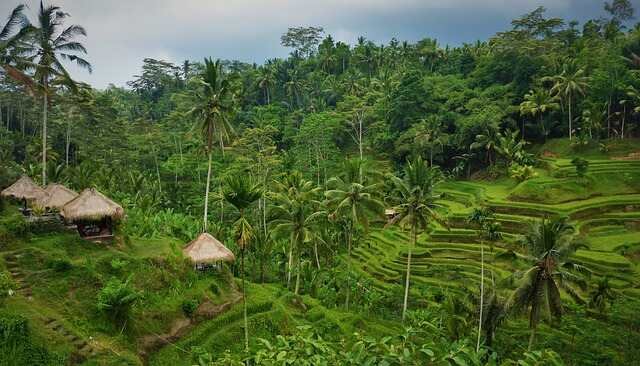
Jatiluwih Rice Terraces with Subak irrigation system. Imacim, CC BY-SA 4.0, via Wikimedia Commons
This traditional irrigation system is designed to manage water flow efficiently and sustainably, making it an excellent example of eco-friendly agricultural practices.
Additionally, Subak is a community-based organization that promotes collaboration and cultural values, which are integral parts of Bali’s identity.
Its historical significance and importance have been recognized by UNESCO, which designated Subak as a World Heritage Site in 2012. Thus, Subak represents the rich cultural and agricultural heritage of Bali and demonstrates the importance of sustainable water management in maintaining the island’s ecology and economy.
Desa Adat (traditional rural village)
Bali’s traditional village governance system, Desa Adat, plays a crucial role in preserving cultural heritage and promoting sustainable practices. They manage natural resources, enforce local regulations, and educate the community about environmental protection.
Desa refers to rural villages found across Indonesia, with some cities also having these areas. Each province might have its own name for traditional villages (desa adat). Leaders of these areas are elected by the public, not government officials. As per Law Number 6 of 2014, desa and desa adat are legal community units responsible for governing local affairs and managing community interests, based on traditional and recognized rights within Indonesia’s government system.
In Bali, there are two types of villages: “desa dinas” and “desa adat.” Desa dinas handles administrative tasks, while desa adat is focused on religious and cultural matters.
Tasks within a desa or desa adat may include:
Local Governance: Managing administrative affairs, local laws, and regulations.
Community Development: Organizing initiatives for infrastructure, education, health, and sanitation.
Cultural Preservation: Safeguarding traditions, ceremonies, and cultural heritage.
Resource Management: Overseeing land usage, farming practices, and environmental conservation.
Community Meetings: Conducting gatherings to discuss issues, decisions, and communal plans.
Election Management: Organizing and supervising the election process for village leadership roles.
Conflict Resolution: Addressing disputes or conflicts within the community through mediation.
Community Initiatives: Supporting community-driven projects and endeavors for collective growth.
This is a philosophical concept that emphasizes the importance of harmony between humans, nature, and the spirit world.
This concept applies the belief that interconnectedness and balance among all 3 elements are necessary for achieving peace and prosperity, influencing all aspects of Balinese life, including agriculture, architecture, and social relationships.
Illustration of the Tri Hita Karana using the Sustainable Development Goals. Furyanto, Public domain, via Wikimedia Commons
Agroforestry
Balinese farmers practice a form of agroforestry that combines the cultivation of rice with the planting of fruit and nut trees. This helps to diversify their income and reduces their dependence on a single crop. It also helps to preserve the local ecosystem by promoting biodiversity and reducing soil erosion.
For example, Balinese farmers practice agroforestry by growing rice paddies alongside fruit and nut trees such as coconut, mango, banana, jackfruit, and rambutan.
Traditional Architecture
Balinese architects design the architecture to be in harmony with nature and promote sustainable living. They construct houses using locally sourced materials such as bamboo, wood, and stone. Additionally, they design the houses to be open and airy, allowing natural ventilation and cooling.
An example of this is the “Joglo” house, which features an open-air design with high-pitched roofs and intricate carvings that reflect the island’s cultural heritage.
This is a traditional living compound for a well-off family. The photo was taken from inside the grounds; it shows the entrance to the shrine area of the compound, which is approached by a split gate, just as in a Balinese temple. Michael Gunther, CC BY-SA 4.0, via Wikimedia Commons
A very fashionable notion at the moment, which should not be taken lightly
The World Tourism Organization (UNWTO | World Tourism Organization a UN Specialized Agency); thus proposes a global code of ethics for tourism in 10 points, the 3rd concerning the importance of the involvement of tourism in sustainable development.
To sum up, responsible tourism must be sustainable over the long term and have a positive impact on the economy and local populations, while avoiding repercussions on the environment.
Respect is one of the essential values of responsible tourism: respect for nature, people and customs. The exchange and meetings with the locals are the common thread.
How we can do responsible and sustainable tourism in Bali?
Most of these tips apply to all countries, but let’s see how we can do responsible and sustainable tourism in Bali:
Importance of the local economy
In recent years, Bali has experienced an economic boom due to tourism. Unfortunately, more than the local population, it is often the large hotel groups and tour operators, already extremely wealthy, who benefit from it. This is why it is important to support activities that benefit the local economy.
To support Bali and its population, it is important to see beyond its small comfort or its desire to infuriate its family and friends who have remained in France, with photos of beautiful villas or beautiful restaurants.
For tourist activities
Try to explore the enchanting villages of Bali and lose yourself in their beauty. You will always find a local who will be happy to show you around their region and its traditions.
Some travel agencies (easy to find on the net) are now focusing their communication on responsible tourism, or eco-tourism, thus helping local populations.
For lodging
For the same reasons, it is preferable to favor Homestays run by locals, rather than large hotels. Or you can try private villas run by locals too.
Yes we know, it’s tempting to afford luxury at a low price in Bali, but when you pay for a luxurious villa with house staff, or a 4-5 star hotels for a handful of Dollars, ask yourself who really gets it? money you spend. It’s a matter of perspective, we agree, I’m not judging anyone! We are the first to have fun from time to time.
If you are interested in local life, you can go to the Keliki Painting School. A group of Bales (traditional local houses) where you can live with families, share their daily life, discover the surroundings, have a few massages and even take painting lessons. The little extra, most locals speak French there!
For the food
In Bali there are a thousand different restaurants all as good as each other. On the other hand, if you want to support the local economy, try to favor warungs, local restaurants. You will always eat very well and cheaply while supporting local families. Read also: Discover the Exotic Flavors of Bali: Authentic Balinese Recipes to Try at Home
For transport
As with accommodation or tourist activities, transport suffers from the monopoly of large groups. For responsible tourism, we normally advise to favor public transport, but unfortunately they are almost non-existent in Bali.
If you want to try the experience, you can try the bemos, a kind of local minibus where you pay a minimum of IDR 4,000 per trip (well, that’s the local price, expect to pay double).
Unfortunately we have already heard stories of tourists being thrown out of a bemo by taxi drivers, because there, the taxi mafia rules the roost. To combat this, you can only take the taxis recommended by your homestay, private villa, or book an Gocar (like Uber) car or scooter.
The simplest and cheapest -only if you feel confident enough- is to rent a scooter. But here again, it is better to go through your homestay or ask a local, rather than going through a professional rental company.
If you are wondering about tips, know that it is more and more widespread and expected by locals, without there being any specific rules. Most of the time it is sufficient to just round the note. On the other hand, restaurants increasingly include the service charge along with the tax at the end of the bill, and in such cases, we do not give a tip.
On the other hand, it is not because a local works for a large group where the prices are high that he will be paid accordingly, a small gesture is always welcome, of course always accompanied by a smile 😊
Everything is negotiated in Bali. The negotiation is cultural, it will therefore be expected by the locals. On the other hand, if for you it is a game, know that it is not for the Balinese. There is no rule, often you just have to divide the price in half and slowly go up to the price you have decided from the start. Once the negotiation has been validated at the price decided at the start, you must not backtrack or renegotiate, it will be seen as an offense.
Located in Center Seminyak – Bali, Villa Carissa offers a private swimming pool and enclosed garden to guarantee your privacy. You can book your private pool villa here with us.
Whether you’re traveling with family, friends, or on a romantic getaway, villa Carissa in Seminyak center offers the perfect base for exploring Bali’s many attractions and enjoying a relaxing vacation.
Embarking on your first journey to the Island of the Gods? Whether you seek tropical shores or emerald rice fields, Bali for first timers is an experience that stays with you forever.
Perfect for a vacation in the Indian Ocean, Bali lives up to its reputation as an island paradise. In the center of the island, Mount Agung is home to the most beautiful temples in the area. Surrounded by forests, the roads that lead there run along the cascading rice fields. In this article, we will explore some of the reasons why we consider Bali is an authentic paradise in the Indian ocean.
Between the Bali Sea and the Indian Ocean, discover the treasures of the Island of the Gods for a most exotic stay!
Bali is one of the most visited destinations in Indonesia, probably due to its sumptuous landscapes and the richness of its culture.
Although Bali is a popular tourist destination, it is still an affordable island for a cheaper trip than many other paradise destinations.
As you plan your visit to Bali, immerse yourself in the rich cultural tapestry, relax on pristine beaches, and embark on unforgettable adventures. Bali offers a unique and authentic experience, where spirituality, nature, and tradition come together harmoniously. Whether you seek relaxation, cultural exploration, or outdoor activities, Bali promises to leave a lasting impression on your heart and soul.
Pristine Beaches
Bali is home to some of the most beautiful beaches in the world. With crystal clear waters and white sand, Bali’s beaches offer the perfect place to relax and unwind. From the popular Kuta Beach to the hidden gem of Nusa Dua, there is a beach for every type of traveler in Bali.
Bali is also known for its rich cultural heritage. With a predominantly Hindu population, Bali is home to numerous temples and religious sites, such as the iconic Tanah Lot temple. Visitors can also witness traditional Balinese dances, music, and art, which are all deeply rooted in the island’s culture.
Bali is not only known for its beaches and cultural heritage but also for its stunning landscapes. The island is home to lush tropical forests, stunning rice terraces, and picturesque mountains. Visitors can explore Bali’s natural beauty through trekking, cycling, or simply taking a leisurely stroll.
World-Class Hospitality
Bali is renowned for its world-class hospitality. From luxurious resorts to budget-friendly guesthouses, Bali offers a wide range of accommodation options for every type of traveler. The island’s friendly and welcoming locals also add to the warm and inviting atmosphere that Bali is known for.
In conclusion, Bali is truly an authentic paradise in the Indian Ocean. With its pristine beaches, rich cultural heritage, stunning landscapes, and world-class hospitality, Bali offers a unique experience for visitors from all over the world.
How to come to Bali?
Bali is generally accessed through the city of Denpasar, in the south of the island, from where numerous flights arrive for this destination.
Upon arrival in Denpasar, you can easily travel to Kuta town. It is the island’s party town with its many trendy nightclubs, bars and restaurants. It is also a place frequented by surfers mainly from Australia. Kuta is also an ideal starting point to discover other nearby cities such as Seminyak and Legian which border the Balinese coast. These two cities are more conducive to idleness than Kuta.
If you have the opportunity to go there, have a cocktail in one of the beds overlooking the sea at Kudeta, a bar located in a zen setting that offers a magnificent panorama.
Bali’s people are known for their warm hospitality, and visitors are welcomed with open arms. The island has a wide range of accommodations, from luxury resorts to budget-friendly guesthouses. Bali is also known for its delicious food, with a variety of local dishes to try, as well as international cuisine.
In terms of culture, Bali is also full of assets, with for example the temples of Uluwaltu and Tanah Lot, in the southern peninsula of the island.
The first temple has a mystical aspect due to its location on the side of a cliff, and the surrounding forest populated by howler monkeys.
The second temple is located on a rock in the middle of the sea, which accentuates its extremely rare beauty. This temple is only accessible during low tides.
However, the city of Ubud remains the cultural and artistic destination of Bali. Ubud is located in the center of the island, bordered by sumptuous rice fields. This city has many art galleries and small museums with impressive collections, including the Puri Lukisan and the Neka. The Balinese dance performances in the downtown temple is another strong attraction of Ubud. The markets that make it up are full of local crafts and paintings that make them ideal places for souvenir shopping. On your way to Ubud, you will also need to devote a day to visiting the rice fields that surround the city: they offer panoramas worthy of the most beautiful postcards.
Hari Nyepi, also known as the Balinese New Year, is a day of silence, fasting, and meditation. It’s a unique and special event celebrated by locals and visitors alike in Bali. It is a time when the entire island comes to a standstill to reflect on the past year and welcome in the new one.
It falls on the first day of the Balinese Saka calendar, typically in March or April. On this day, Balinese Hindus refrain from working, cooking, traveling, and even speaking. The purpose of this day is to reflect on the past year, purify oneself through fasting and prayer, and prepare for the new year ahead.
For locals
Hari Nyepi is a time for self-reflection and cleansing. The day before the celebration, the island is filled with colorful processions called “Melasti” where people carry offerings to the beach and purify themselves in the ocean. On the day of Nyepi, the island is completely silent and all activities are prohibited, including working, traveling, and even turning on lights. This is to encourage self-reflection and meditation, with the hope of bringing harmony and balance to the island.
For visitors
Hari Nyepi is an opportunity to experience the unique Balinese culture and traditions. Many hotels and resorts on the island offer special packages and activities for guests to participate in during the celebrations. This includes attending the Melasti processions, watching the Ogoh-ogoh parades on the eve of Nyepi, and even observing the day of silence from the comfort of the hotel.
It is important for visitors to respect the traditions and customs of the Balinese people during Hari Nyepi. This includes following the rules of the day of silence and not leaving the hotel premises. By doing so, visitors can experience the beauty and spirituality of the Balinese New Year and gain a deeper appreciation for the island and its people.
In conclusion, Hari Nyepi is a special and important celebration for both locals and visitors in Bali. It is a time for reflection, cleansing, and spiritual renewal, and a unique opportunity to experience the rich culture and traditions of the Balinese people.
Hari Nyepi Laut: Ocean Silent Day
Nyepi Laut… shhhhh, the calm remains unshakable…
But what is it ?
Bali is known for its unique and fascinating culture, and one of the most important events in the Balinese calendar is Hari Nyepi Laut, or Ocean Silent Day. It is one of the most important days for the southern islands of Bali. For centuries, spirituality has remained unshaken and locals spend hours commemorating the “Silence of the Ocean”.
Based on the Balinese calendar, the date varies each year and therefore takes place this time on October 11, 2022. This calendar, created on a system of lunar cycles, has 6 months of 35 days or years of 210 days as well as many surprising subtleties.
What would the local do on this day?
On Hari Nyepi Laut, Balinese fishermen and their families gather on the beach to offer prayers and blessings to the sea god Dewa Baruna. The ceremony is a way of giving thanks for the abundance of fish and other seafood that the ocean provides, as well as seeking protection and good fortune for the coming year.
The highlight of the ceremony is the ritual release of fish back into the ocean. The fishermen will catch fish from the sea and bring them to the beach, where they are decorated with flowers and other offerings before being released back into the water. This is a symbolic act of gratitude and respect for the ocean and its creatures.
During Hari Nyepi Laut, it is customary for Balinese people to abstain from working, traveling, and even lighting fires. The day is observed as a time of quiet reflection and meditation, and the entire island falls silent as people stay in their homes or temples. The aim of the day is to cleanse the island of negative energy and to start the new year with a sense of purity and renewal.
For visitors to Bali
For visitors to Bali, Hari Nyepi Laut is a unique opportunity to witness a truly authentic cultural event. While it may be tempting to continue with your usual activities, it is important to respect the customs and traditions of the Balinese people and to observe the day in silence and stillness.
If you are lucky enough to be in Bali during Hari Nyepi Laut, take the time to visit one of the island’s fishing villages and witness the beautiful ceremony of fish release. You will also have the chance to experience the island at its most peaceful and serene, as the streets fall silent and the island’s energy shifts to one of introspection and contemplation.
In conclusion, Hari Nyepi Laut is a wonderful example of the unique and captivating culture that makes Bali such a special place. By participating in this celebration, visitors can gain a deeper understanding and appreciation of the island’s customs and traditions, as well as the importance of preserving the natural environment and its resources.
North Bali
The more adventurous can go visit the north of the island of Bali, to discover the ancient volcano Mount Agung and Lake Batur.
The North and East coasts are also worth exploring, with towns such as Lovina, Tulamben, Amed and Candidasa, idyllic destinations for scuba diving.
To end your stay in Bali in style, you will have to go to the Gili Islands, destinations worthy of the most beautiful paradises on earth.
The Gili Islands are made up of three small islets that each have their own particularity: Gili Trawangan, festive and developed, Gili Meno, serene and wild, and Gili Air, romantic and splendid with its white sand and turquoise waters. Read also: Itinerary in Bali, Lombok and Gilis in 3 Weeks Stay
For those who do not yet have inspiration for their upcoming trip, Bali is therefore a destination that will satisfy you on a multitude of points!
Located in Center Seminyak – Bali, Villa Carissa offers a private swimming pool and enclosed garden to guarantee your privacy. You can book your private pool villa here with us.
Whether you’re traveling with family, friends, or on a romantic getaway, villa Carissa in Seminyak center offers the perfect base for exploring Bali’s many attractions and enjoying a relaxing vacation.
Enjoy drinks in the garden and by your private pool
Bali Airport PickUp, Tips and Recommendations for Stress-Free Arrival
Villa Carissa, located in the heart of Seminyak, Bali, offers a range of travel and transportation services for visitors to Bali. f you’re planning to visit Bali, the first thing you’ll need is a reliable Bali airport pickup service to get you to your accommodation safely and comfortably.
When planning a trip to Bali, consider transportation options such as excursions, car rentals (with or without a driver), and transportation services. Enjoy a hassle-free arrival at Bali International Airport with our private Bali Airport PickUp transfer service. Meet your driver and relax on the journey to Villa Carissa.
Private door-to-door transfer between DPS Airport and our centrally located accommodation in Seminyak. Enjoy a smooth, friendly and hassle-free transfer service Comfortable seats with room for legs and luggage, and air conditioning. Welcome service by a professional driver.
For Bali, there is actually only one airport. Ngurah Rai International Airport, which is officially known by the full name I Gusti Ngurah Rai International Airport, is Bali’s main airport. It has the airport code DPS and is located a few kilometers from Denpasar, the capital of Bali. Rates are includes gasoline, parking fee, mineral water, car and driver.
Choose eco-conscious transportation solutions from their range of hybrid and electric vehicles, offering both sustainability and style for your journeys throughout Bali.
Transportation Options and Tips
Here are some tips to help you choose the best travel and transportation options for your Bali trip:
Airport Pick-Up and Drop-Off:
Villa Carissa provides airport pick-up and drop-off services (with cgarge) to and from Ngurah Rai International Airport (DPS). Their professional drivers will meet you at the airport with a sign bearing your name, and take you directly to the villa. On the day of your departure, they will ensure that you arrive at the airport on time for your flight.
Excursions:
Excursions are a great way to explore Bali’s many attractions without worrying about transportation. Many tour operators offer guided tours that include transportation, so all you have to do is sit back and enjoy the sights.
Excursions can be booked for half-day, full-day, or multi-day trips, and can include visits to temples, waterfalls, rice terraces, and other popular attractions. Some popular excursion providers in Bali include Bali Adventures, Bali Tour Organizer, and Bali Sun Tours. (Scroll down for the online internet booking).
Car Rentals with or without a Driver:
Renting a car is a popular option for travelers who want to explore Bali at their own pace. You can rent a car with or without a driver, depending on your preference and driving experience. If you plan to drive yourself, keep in mind that Bali’s roads can be challenging, with narrow streets, heavy traffic, and occasional road closures.
If you prefer to have a driver, you can easily hire one through your car rental company or through a transportation service. Some popular car rental companies in Bali include Bali Car Rental, Balicarfinder, and Bali Nice Car Rental.
Travel and Transportation Services:
There are several transportation services available in Bali, including taxis, ride-sharing apps, and shuttle buses. Taxis are widely available, but make sure to negotiate the fare in advance to avoid overcharging.
Ride-sharing apps like Grab and Gojek are popular and convenient, but may not be available in all areas of Bali. Shuttle buses are a cost-effective option for getting around Bali, with many companies offering routes to popular tourist destinations. Some popular transportation services in Bali include Blue Bird Taxi, Grab, and Perama Shuttle Bus.
When choosing travel options in Bali, consider your budget, itinerary, and preferences. Fortunately, there are plenty of choices available, including excursions, car rentals, and transportation services, to ensure a hassle-free experience. These options will help you explore Bali’s many attractions and enjoy a hassle-free trip.
Book and pay online with Traveloka (local website) for your airport transfer, Bali airport pickup
When visiting Bali, one of the most important things to arrange is your Bali Airport PickUp from Ngurah Rai International Airport (DPS). After a long flight, you don’t want to waste time negotiating with taxi drivers or worrying about last-minute changes.
That’s why we recommend using Traveloka to book your Bali Airport PickUp. Traveloka is a trusted local platform that allows you to book, pay, and manage your airport transfer online, so everything is secure and hassle-free.
By the way… You may want to check this local website for your airport transfers and they may have promotions / good rates and you can pay online securely.
> From: [type] DPS
> To: [type] Villa Carissa Seminyak
> Insert your date and time and click search
> Choose: Private cars…
Book and Pay Online with Traveloka for Your Bali Airport Transfer
Traveloka is a local website that offers a convenient and hassle-free way to book and pay for your Bali airport transfer. Whether you are travelling for business or leisure, Traveloka’s airport transfer service ensures that you arrive at your destination safely and comfortably. Here’s everything you need to know about their service.
Booking Process:
To book your Bali airport transfer with Traveloka, simply visit their website and enter your pickup and drop-off locations, date and time of your travel, and the number of passengers. You will then be presented with a list of available transfer options, including private cars, shared shuttle buses, and more. Once you have selected your preferred option, you can proceed to make your payment securely online.
Payment Options:
Traveloka offers a range of payment options to suit your needs, including credit/debit cards, bank transfers, and e-wallets. Their payment gateway is secure and reliable, ensuring that your personal and financial information is protected.
Vehicle Options:
Traveloka offers a wide range of vehicle options for your Bali airport transfer, including private cars, shared shuttle buses, and more. Their vehicles are well-maintained and equipped with air conditioning, ensuring that your journey is comfortable and convenient.
Professional Drivers:
Traveloka’s airport transfer service includes professional and experienced drivers who are knowledgeable about Bali’s traffic and road conditions. They will ensure that you arrive at your destination safely and on time.
24/7 Customer Support:
Traveloka provides 24/7 customer support to assist you with any queries or concerns you may have about your airport transfer. Their support team is responsive and helpful, ensuring that your Bali travel experience is stress-free and enjoyable.
In conclusion, Traveloka offers a convenient and reliable way to book and pay for your Bali airport transfer. Their wide range of vehicle options, secure payment gateway, professional drivers, and 24/7 customer support ensure that your Bali travel experience is hassle-free and enjoyable.
Other transports that you can book online by yourself while you’re in Bali
Booking transportation online has never been easier. There are now many platforms available that offer a wide range of transportation options that you can book online, including flights, trains, buses, and taxis. Here are some of the popular options that you can book online by yourself:
Note that, as in many parts of the world, there is an ongoing struggle in Indonesia between traditional (regular) taxis and online taxi services.
Please note that in certain areas online taxis are not allowed to take passengers, then in UBUD, CANGGU, JIMBARAN they are not allowed either, finally there are sometimes hotels or other establishments that require to use the services of their driver or a partner carrier, so it’s up to you to improvise depending on the situation. Please note that if you stay in Villa Carissa, you don’t have to be worried, you can hire an online taxi and it’s easy!
From Bali Airport to Villa Carissa in Seminyak Center
It takes around 30 to 40 minutes from Bali airport (DPS) to Villa Carissa.
Follow Jl. Airport Ngurah Rai to Jl. Bypass Ngurah Rai: 4 min (1.7 km oo 1 mile)
Take Jl. Sunset Road to Jl. Kayu Aya/Jl. Laksamana Basangkasa in Kuta Utara: 15 min (8.0 km or 5 miles)
Continue on Jl. Kayu Aya to your destination: 11 min (2.9 km or 1.8 mile)
From Bali Airport to Villa Carissa: A Guide to Hassle-Free Transportation
When traveling to Bali, transportation from the airport to your accommodation can be daunting, especially for first-time visitors. However, there are various seamless and hassle-free transportation options available. Here’s a guide to transportation from Bali airport to Villa Carissa:
Airport Taxi
Airport taxis are a convenient and reliable option for transportation from the airport to Villa Carissa. You can find official airport taxis at the airport taxi stand, and the rates are fixed based on the destination. The fare from the airport to Villa Carissa should cost around IDR 300,000 – 350,000 ($20 – $25) depending on the time of day and traffic conditions. It’s recommended to only use official airport taxis to avoid scams and overcharging.
Private Car Rental
Another option for transportation from the airport to Villa Carissa is renting a private car. Many car rental companies offer this service, and you can pre-book your car rental online to avoid any last-minute stress. The cost of a private car rental from the airport to Villa Carissa should cost around IDR 400,000 – 500,000 ($28 – $35) for a one-way trip. This option is recommended for those who prefer a more private and comfortable ride.
Online Transportation
Online transportation services, such as ride-hailing apps, are also available in Bali. Apps like Grab and Gojek offer airport pick-up services, and you can pre-book your ride before arriving in Bali. The cost of online transportation from the airport to Villa Carissa should cost around IDR 150,000 – 250,000 ($10 – $18) for a one-way trip, depending on the time of day and traffic conditions.
In conclusion, various transportation options make it easy to travel from Bali airport to Villa Carissa. Airport taxis, private car rentals, and online transportation services offer a convenient and hassle-free way to get to your accommodation. Depending on your preference and budget, you can choose the option that suits you best. Always ensure to use official airport taxis or reputable transportation services to avoid scams and overcharging.
Located in Center Seminyak – Bali, Villa Carissa offers a private swimming pool and enclosed garden to guarantee your privacy. You can book your private pool villa here with us.
Whether you’re traveling with family, friends, or on a romantic getaway, villa Carissa in Seminyak center offers the perfect base for exploring Bali’s many attractions and enjoying a relaxing vacation.
You can also secure your reservation through renowned platforms such as AirBnB, Booking.com, and Agoda,