Tag Archives: Indonesia

Must See Places in Indonesia | Places to See and Go for an Unforgettable Adventure

Indonesia is one of the world’s most rewarding travel destinations. With more than 17,000 islands spread across a massive tropical archipelago, it offers ancient temples, active volcanoes, jungle trekking, diving, wildlife encounters, city breaks, surf destinations, rich cuisines, and cultures that change dramatically from one island to the next.

This guide is designed for travelers who want broad and useful information before deciding where to go. Instead of reducing Indonesia to a simple checklist, the goal is to help future readers compare destinations, understand what each one is best for, and build a trip that matches their travel style.

Best use of this guide: browse by destination, compare the atmosphere, activities, food, and access, then open the linked Villa Carissa Bali articles for deeper route planning.

1. Bali Most Popular

Bali is undoubtedly one of the most popular destinations in Indonesia, and for good reason. This island is a popular destination in Indonesia, known for its beautiful beaches, stunning rice paddies, and ancient temples.

What to see and do: Bali is the most famous island in Indonesia for a reason. Travelers can mix temples, beach life, surf, rice terraces, shopping, spa culture, nightlife, waterfalls, yoga, and art villages in one itinerary. Seminyak is excellent for restaurants, beach clubs, and stylish stays, while Ubud is better for jungle scenery, wellness, culture, and rice field walks.

What to eat: Try nasi goreng, babi guling, sate, lawar, and Balinese seafood.

How to go there: Bali is reached through Ngurah Rai International Airport (DPS), the island’s main air gateway.

Bali Guide,
Seminyak,
Tanah Lot,
Ubud,
Top Attractions in Bali

Why is Bali still one of the best places to visit in Indonesia?

Bali combines beaches, temples, wellness, culture, food, day trips, and accommodation options for almost every budget, which makes it easy to recommend to first-time visitors.

Who is Bali best for?

Bali works for couples, solo travelers, families, surfers, digital nomads, and first-time visitors who want a balanced and convenient Indonesia trip.

2. Borobudur Temple (Central Java)

Located in Central Java, the Borobudur Temple is a UNESCO World Heritage Site and one of the most famous temples in Indonesia. The temple dates back to the 9th century and is a beautiful example of Buddhist architecture. Visitors can explore the temple’s intricate carvings and sculptures, as well as admire the surrounding views.

What to see and do: Borobudur is one of the greatest Buddhist monuments in the world and a major historical highlight of Indonesia. Travelers come for the temple reliefs, sunrise atmosphere, and broader cultural experience around Yogyakarta.

What to eat: Gudeg is one of the best-known regional dishes near Yogyakarta.

How to go there: Borobudur is usually visited from Yogyakarta by car or road transfer.

Yogyakarta Guide

What makes Borobudur special?

Borobudur stands out for its scale, spiritual symbolism, intricate stone reliefs, and its place as one of the most iconic heritage sites in Southeast Asia.

Can Borobudur be combined with other destinations?

Yes. It pairs naturally with Yogyakarta, Prambanan, and a broader Central Java itinerary.

3. Mount Bromo (East Java)

Mount Bromo is an active volcano located in East Java. You can hike to the top of the volcano to see the beautiful sunrise over the Tengger Caldera.

What to see and do: Mount Bromo is one of Indonesia’s most famous volcanic landscapes. The classic experience is an early sunrise viewpoint, followed by crossing the sea of sand and approaching the crater area. It is one of the best choices for travelers who want dramatic scenery without a highly technical volcano expedition.

What to eat: Bakso and other East Java comfort foods are easy finds on this route.

How to go there: Many travelers approach Bromo from Surabaya, Probolinggo, or Yogyakarta.

Bromo Guide,
Surabaya Guide,
Java Island Travel Guide

Why do so many travelers visit Mount Bromo?

Bromo offers one of the most photogenic volcanic sunrises in Indonesia and fits well into short East Java itineraries.

Is Mount Bromo suitable for first-time volcano travelers?

Yes. It is one of the more accessible volcano experiences in Indonesia, especially when organized from Surabaya or with a local driver.

4. Komodo National Park

The Komodo National Park is located in the Lesser Sunda Islands and is home to the world’s largest lizards, the Komodo dragons.

What to see and do: Komodo National Park offers Komodo dragons, rugged island views, pink beaches, snorkelling, diving, boat trips, and some of the most cinematic landscapes in Indonesia. It works for wildlife lovers, divers, couples, and island-hopping travelers.

What to eat: Fresh grilled fish and seafood are the natural choice in this region.

How to go there: Komodo trips are commonly arranged from Flores or by combining Bali with Labuan Bajo access.

Komodo Guide

What is Komodo best known for?

Komodo is best known for Komodo dragons, dramatic island scenery, and marine activities such as diving and snorkelling.

Is Komodo only for divers?

No. It is also excellent for boat trips, viewpoints, short hikes, beaches, and wildlife-focused travel.

5. Raja Ampat Islands – World-Class Coral Reefs

The Raja Ampat Islands are located off the coast of West Papua and are known for their pristine beaches and beautiful coral reefs.

What to see and do: Raja Ampat is famous for extraordinary coral diversity, turquoise water, limestone islands, diving, snorkelling, and remote-island scenery. It is one of the top bucket-list marine destinations in Indonesia.

What to eat: Papeda and simple seafood meals are common regional staples.

How to go there: Raja Ampat is typically reached via Sorong, then by boat into the island region.

Raja Ampat Guide

Who should go to Raja Ampat?

Raja Ampat is best for divers, snorkellers, marine lovers, photographers, and travelers willing to go farther for a more exceptional experience.

Is Raja Ampat easy to combine with Bali?

Yes, but it usually needs flights and a boat connection, so it works best when you allow enough travel time in your itinerary.

6. Sumatra

Traveling to Sumatra, Indonesia, is embarking on a journey through a land of diverse landscapes and vibrant cultures.

What to see and do: Sumatra is one of Indonesia’s strongest choices for travelers who want wildlife, authenticity, volcanoes, jungle trekking, orangutans, and large-scale natural scenery. Highlights include Bukit Lawang for orangutans and Lake Toba for Batak culture and volcanic landscapes.

What to eat: Rendang is one of Indonesia’s most celebrated dishes and one of Sumatra’s strongest culinary symbols.

How to go there: Most travelers enter through Medan, Padang, or other regional gateways depending on the itinerary.

Sumatra Guide,
Lake Toba Guide,
Krakatoa Guide

Why is Sumatra one of the best off-the-beaten-path destinations in Indonesia?

Sumatra combines wildlife, volcanoes, lakes, surf, ethnic diversity, and a more adventurous travel atmosphere than many easier destinations.

Who should choose Sumatra?

Sumatra is ideal for travelers who want nature, authenticity, jungle experiences, road trips, and destinations that feel less polished and more exploratory.

7. Java

The island is renowned for its UNESCO World Heritage sites, including the majestic Borobudur Temple, a magnificent Buddhist monument, and the ancient Hindu temples of Prambanan, which stand as testaments to the island’s ancient religious roots.

What to see and do: Java is one of the most complete islands in Indonesia for first-time cultural travelers. It combines temples, active volcanoes, heritage cities, train journeys, food culture, and very strong transport links. It is ideal for travelers who want a structured but varied trip.

What to eat: Soto ayam, gudeg, nasi pecel, rawon, and street snacks all help make Java a great island for food exploration.

How to go there: Java is easy to reach through Jakarta, Yogyakarta, Surabaya, and other major airports and train routes.

Java Guide,
Yogyakarta,
Jakarta,
Bandung

Why is Java a strong choice for a first Indonesia trip?

Java offers heritage, volcanoes, transport convenience, and major cities, making it easier to organize than some wilder parts of the country.

What makes Java different from Bali?

Java feels bigger, denser, more historical, and more urban, with stronger train routes and a different cultural atmosphere.

8. Gili Islands (off the coast of Lombok)

The Gili Islands are located off the coast of Lombok and are known for their beautiful beaches and crystal-clear waters.

What to see and do: The Gili Islands are known for clear water, turtle snorkelling, no-car island life, beach cafés, diving, and relaxing tropical scenery. Each island has a different mood: Gili Trawangan is the liveliest, Gili Air is more balanced, and Gili Meno is quieter.

What to eat: Grilled seafood, beach barbecue dinners, and fresh tropical fruit are easy favorites.

How to go there: The Gilis are commonly reached by boat from Bali or Lombok.

Gili Guide

Which Gili Island is best?

It depends on your travel style. Gili Trawangan is better for nightlife, Gili Air is better for balance, and Gili Meno is better for peace and slower travel.

Are the Gili Islands good for non-divers?

Yes. They are also excellent for snorkelling, cycling, cafés, beach time, and short tropical escapes.

9. Lombok – Island of a Thousand Mosques

Lombok is an island located next to Bali, known for its stunning landscapes and Islamic culture.

What to see and do: Lombok offers excellent beaches, surf, waterfalls, cultural villages, and the major challenge of Mount Rinjani trekking. It is often chosen by travelers who want a less crowded alternative to Bali while still enjoying strong scenery and island infrastructure.

What to eat: Ayam Taliwang is Lombok’s signature dish and one of the best regional foods in Indonesia.

How to go there: Lombok can be reached by air or by fast boat from Bali.

Lombok Guide,
Rinjani Trek Guide,
Gili Islands

Who is Lombok best for?

Lombok is excellent for travelers who want beaches and adventure but with a calmer atmosphere than Bali.

Can Lombok be combined with the Gili Islands?

Yes. Many travelers combine the two because the route is practical and the experiences complement each other well.

10. Banda Islands

The Banda Islands are located in the Banda Sea and are known for their rich history and beautiful marine life.

What to see and do: The Banda Islands are one of Indonesia’s great historical and diving destinations. Travelers come for spice trade history, forts, nutmeg landscapes, volcano views, and clear marine life. They feel remote, distinctive, and rewarding for people who enjoy historical depth with island beauty.

What to eat: Nutmeg-based products and fresh seafood are the obvious highlights.

How to go there: The Banda route usually involves Ambon and onward transport by boat or flight depending on conditions and schedules.

Banda Guide

Why are the Banda Islands important?

The Banda Islands are central to the history of the spice trade and remain one of Indonesia’s most atmospheric remote-island destinations.

Are the Banda Islands suitable for a short trip?

They are better when you have extra time, because the access is more remote than Bali, Java, or Lombok.

11. Ternate & Tidore – Twin Islands of North Maluku

Ternate and Tidore are two small islands located in North Maluku, known for their beautiful beaches, historical landmarks, and cultural heritage.

What to see and do: Ternate and Tidore blend volcanoes, forts, spice history, local markets, island views, and strong North Maluku identity. They are highly appealing for travelers who want something historic and scenic without going where everyone else goes.

What to eat: Goahu fish and regional seafood dishes are among the local favorites.

How to go there: The islands are reached by air connections into North Maluku, then local onward movement by boat or road.

Ternate & Tidore Guide

Why visit Ternate and Tidore?

They are excellent for travelers who want volcanic scenery, spice-history storytelling, and a less mainstream island experience.

What kind of traveler will enjoy these islands most?

History lovers, photographers, and travelers who prefer under-visited destinations often enjoy Ternate and Tidore the most.

12. Sumba (East Tenggara)

Sumba boasts stunning natural landscapes, with pristine beaches, rugged coastlines, and lush forests. You can explore waterfalls, trek through the hills, and relax on some of the island’s secluded beaches.

What to see and do: Sumba is known for dramatic beaches, waterfalls, rolling hills, traditional villages, strong cultural identity, horseback imagery, and a more raw, spacious island atmosphere. It is ideal for travelers who want scenery and character without mass tourism.

What to eat: Local grilled fish and simpler island-style meals are common and satisfying here.

How to go there: Sumba is reached by flight, often through Bali, depending on the route and airport.

Sumba Guide

Why is Sumba attracting more attention?

Sumba appeals to travelers looking for dramatic landscapes, quieter luxury, culture, and a less saturated alternative to Bali.

Is Sumba more about beaches or culture?

It is strong in both. That mix is one of the island’s biggest strengths.

13. Sumbawa (Lesser Sunda)

Sumbawa is known for its beautiful natural scenery, including stunning beaches, waterfalls, mountains, and forests.

What to see and do: Sumbawa attracts surfers, nature lovers, and travelers who want a large island with less tourist pressure. Mount Tambora, Lakey Peak, Moyo Island, and broad natural scenery make it appealing for active travel.

What to eat: Smoked and grilled regional meats and fish are more realistic food highlights than a polished restaurant scene. Se’i-style smoked preparations are a useful reference point for travelers exploring eastern Indonesian flavors.

How to go there: Sumbawa is reached by air and sea, with links from neighboring islands such as Bali and Lombok.

Sumbawa Guide

What is Sumbawa best known for?

Sumbawa is known for surf spots, wide open landscapes, Mount Tambora, and a quieter travel atmosphere.

Who should consider Sumbawa?

Travelers who want something less crowded, especially surfers and island-road-trip fans, often find Sumbawa very rewarding.

14. Sulawesi (Celebes)

From the fascinating cultural experiences in Tana Toraja to the breathtaking underwater world of Bunaken Marine Park, there’s something for everyone.

What to see and do: Sulawesi is one of Indonesia’s richest islands for diversity. It offers Tana Toraja cultural journeys, Bunaken diving, Wakatobi marine life, mountain scenery, unusual coastal formations, and traditions that feel very different from Java or Bali.

What to eat: Coto Makassar is one of Sulawesi’s best-known dishes and a strong culinary marker for the island.

How to go there: Sulawesi is reached through different regional gateways depending on whether you are heading to Makassar, Manado, Wakatobi, or Toraja routes.

Sulawesi Guide,
Tana Toraja,
Bunaken / Manado

Why is Sulawesi one of Indonesia’s most underrated islands?

Sulawesi combines very strong diving, mountain scenery, local cultures, and more unusual regional identities than many first-time travelers expect.

Is Sulawesi a good island for repeat visitors to Indonesia?

Yes. It is especially rewarding for travelers who already know Bali or Java and want something deeper or less conventional.

15. Jakarta – Capital City of Indonesia

Jakarta is the capital city of Indonesia and a bustling metropolis that offers a mix of modern and traditional attractions.

What to see and do: Jakarta is a huge urban gateway and one of the best places to understand Indonesia’s scale, complexity, food culture, business energy, and modern life. Travelers can visit museums, monuments, old colonial zones, shopping districts, and nightlife areas.

What to eat: Soto Betawi is one of the city’s best-known dishes, and Jakarta is also great for broad Indonesian food sampling.

How to go there: Jakarta is served by major domestic and international flight connections.

Jakarta Guide

Is Jakarta worth visiting or only for transit?

Jakarta can be both. Many people transit, but travelers interested in big-city culture, museums, food, and urban Indonesia can enjoy it a lot.

What type of traveler enjoys Jakarta most?

Food lovers, city travelers, museum visitors, and people who enjoy urban energy often appreciate Jakarta more than beach-focused travelers do.

16. Bandung – City of Flowers

Bandung is a city located in West Java, known for its cool climate and scenic views. It is also a popular shopping destination, with numerous factory outlets and local markets offering a wide range of products.

What to see and do: Bandung is loved for its cooler air, shopping, cafés, nearby volcanoes, tea landscapes, and weekend-city energy. It is one of the best choices for a shorter Java city break combined with nature.

What to eat: Batagor is one of Bandung’s most popular signature foods.

How to go there: Bandung can be reached from Jakarta by air, rail, or road and is a popular domestic escape.

Bandung Guide

Why do many Indonesians like Bandung for a short trip?

Bandung offers food, cafés, shopping, scenic day trips, and a cooler highland feel without needing a long travel commitment.

Is Bandung more about nature or city life?

It works well because it gives you both: city comfort and nearby volcanic and tea-country scenery.

17. Borneo (Kalimantan)

Borneo, found in both Indonesia and Malaysia, promises a one-of-a-kind adventure due to its incredible natural beauty.

What to see and do: Kalimantan is for travelers who want jungle, river travel, wildlife, orangutan areas, longboat-style atmosphere, and Dayak cultural depth. It is one of the strongest choices in Indonesia for rainforest-focused travel.

What to eat: Dayak-influenced regional cuisine and freshwater fish dishes are among the more distinctive local food experiences.

How to go there: Borneo access depends on which part of Kalimantan you want to explore, with several regional airport gateways.

Borneo Guide

Why visit Borneo in Indonesia?

Borneo is one of the best Indonesian regions for rainforest atmosphere, wildlife, river journeys, and a sense of serious adventure.

Who should prioritize Kalimantan?

Nature-first travelers, birdwatchers, wildlife enthusiasts, and those who enjoy slower expedition-style trips often find Kalimantan unforgettable.

10 Tips for Traveling to Indonesia

  1. Bali is not the only island in Indonesia. Looking beyond Bali can open up much richer and more varied experiences.
  2. Learn a few basics of Bahasa Indonesia. Even simple phrases can make a big difference.
  3. Indonesia is huge, so keep your itinerary realistic. Read also: How to Plan Your Itinerary for Traveling in Indonesia.
  4. Distances and travel times are long. Limit the number of islands when time is short.
  5. Inside the islands, a scooter can be useful, but only if you are genuinely comfortable driving in Indonesian traffic.
  6. To make transport easier, use Grab or Gojek where available. Read also: How to Take a Taxi in Bali Without Getting Scammed.
  7. Check destination-specific weather before choosing where to go.
  8. If you want more authenticity, look at Sumatra, Sulawesi, or Kalimantan, but expect less tourist infrastructure.
  9. Respect local culture and religion. This matters across the archipelago and improves the quality of your trip.
  10. Indonesia is one of the world’s best countries for diving, trekking, and island-hopping, so do not underestimate how much variation you can pack into one country.

Strategy for Planning Indonesia

A smart way to use this guide is to group destinations by region on your own travel map. Instead of trying to cover all of Indonesia at once, build clusters.

Cluster 1: Bali and Nearby Islands

  • Bali
  • Gili Islands
  • Lombok
  • Sumba
  • Sumbawa
  • Komodo

Cluster 2: Java and Urban-Cultural Routes

  • Jakarta
  • Bandung
  • Yogyakarta
  • Borobudur
  • Mount Bromo
  • Java overland routes

Cluster 3: Sumatra Adventures

  • Lake Toba
  • Bukit Lawang
  • Padang
  • Sumatra road trips
  • Krakatoa-linked planning

Cluster 4: Eastern Indonesia

  • Raja Ampat
  • Banda Islands
  • Ternate & Tidore
  • Sulawesi
  • Borneo / Kalimantan

Practical idea: create a Google My Maps plan with one color per region, then save airport entries, ports, hotels, and key attractions. This makes Indonesia much easier to understand at a glance.

Get Ready to Make Your Reservation at Villa Carissa in Seminyak, South Bali

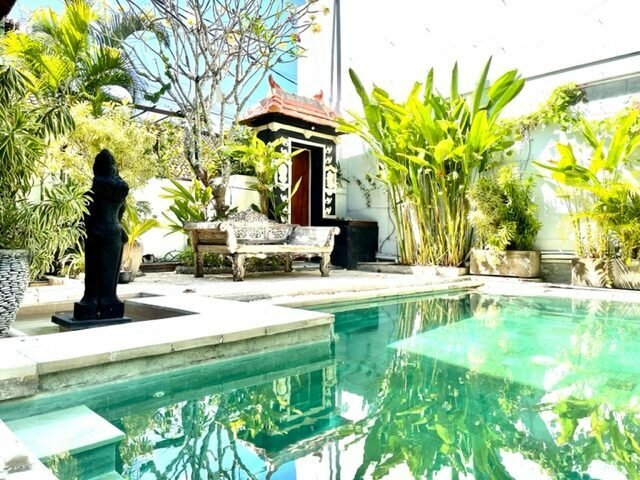
If Bali is part of your Indonesia trip before or after other islands, Villa Carissa gives you a comfortable, private, and central base in Seminyak. It is a practical way to enjoy Bali while also using it as a launch point for wider Indonesia travel.

Situated in the lively heart of Seminyak, Bali, Villa Carissa offers a private swimming pool and enclosed garden for real privacy and comfort. Whether you are traveling with family, friends, or on a romantic trip, it makes an excellent base before or after exploring the wider Indonesian archipelago.

How to Plan Your Itinerary for Traveling in Indonesia?

Planning an Indonesia trip can feel overwhelming. With more than 17,000 islands, world-class diving, ancient temples, volcanoes, surf beaches, rainforests, and dramatically different travel styles from one island to another, it helps to start with a smart route. This guide gives you beautiful, practical itinerary ideas for 1 week, 2 weeks, 3 weeks, 1 month, 6 weeks, and 2 months, while linking you to the best Villa Carissa Bali travel guides for each destination.

Indonesia itineraries from 7 days to 2 months
Bali travel expert perspective
SEO-optimized internal links
Metric + imperial units
17,000+ islands
5,000 km / 3,107 mi east to west
2,000 km / 1,243 mi north to south
1 country countless travel styles

Watch: Indonesia itinerary inspiration
A great overview video if you want a broad feel for how a longer Indonesia route can come together.

Build Your Itinerary

If you are planning a trip to Indonesia, build your route around what you actually want from the trip: temples, beaches, volcanoes, diving, culture, wildlife, or slow island time. Indonesia rewards focus. Trying to cover too many islands too quickly usually means spending too much time in transit.

Smart planning tips

  1. Choose your priority experiences first: surfing, trekking, diving, nature, culture, or luxury downtime.
  2. Match your number of islands to your trip length. Under 1 month, 1 to 2 islands is usually best.
  3. Leave buffer days for ferries, weather, volcanic conditions, and spontaneous stops.
  4. Do not underestimate transfer times, especially on remote routes.
  5. Use one main hub such as Bali, Jakarta, Makassar, or Singapore for cleaner logistics.

Choose an Island

Every island has its own pace, culture, cuisine, and travel logic. Some destinations are easy and highly developed, such as Bali. Others feel more adventurous and require patience, flexibility, and longer transport days.

  • Java: volcanoes, temples, cities, coffee country, and cultural heritage
  • Bali: spirituality, rice terraces, art, beach clubs, wellness, and surf
  • Nusa Tenggara — Lombok, Komodo, Flores and Sumba: diving, beaches, volcanoes, remote villages, island cruises
  • Sulawesi: Toraja culture, diving, jungle, and mountain landscapes
  • Sumatra: orangutans, jungle, volcanoes, Batak culture, surf, and wild coastlines
  • Kalimantan: orangutans, river cruises, rainforests, and wildlife
  • Moluccas: colonial history, spice islands, beaches, diving
  • Papua and Raja Ampat: extraordinary marine biodiversity and remote adventure
Map: Indonesia overview

Duration of Stay

For most travelers, less than one month means choosing only one or two regions. Indonesia looks compact on a map, but the distances are huge. The country spans roughly 5,000 kilometers (3,107 miles) from east to west and around 2,000 kilometers (1,243 miles) from north to south.

Practical rule: if you have 7 to 14 days, focus on Bali plus one neighboring destination. If you have 3 weeks, you can build a proper multi-stop regional loop. A month or more opens up Flores, Sulawesi, Sumatra, Kalimantan, Raja Ampat, and the Moluccas more comfortably.

Travel Time

Travel in Indonesia is part of the adventure. Boats, ferries, night buses, private drivers, short domestic flights, and occasional rough roads are all part of the rhythm. Build in margin. The best itinerary is not the one with the most stops, but the one you can actually enjoy without rushing.

Choices of Transport

Air

Flights are the fastest way to cover long distances across the archipelago. For route-building help, see International Direct Flights to Bali.

Land

Trains, buses, private drivers, scooters, and local minibuses are widely used, but land transfers can be slow. In some regions, 100 kilometers (62 miles) may still take many hours.

Sea

Ferries and speedboats are central to island-hopping. Around Bali, speedboats save time. Elsewhere, public ferries and Pelni ships can take much longer, but they can also be part of the experience.

Departure and Arrival Point

Smart hub choices make Indonesia much easier. Bali, Jakarta, Makassar, and Singapore are especially practical. Singapore is one of the strongest regional air hubs for connecting with Denpasar, Jakarta, Yogyakarta, Medan, Manado, Lombok, and other major gateways.


1 Week Itinerary in Indonesia

If you only have 7 days, the most efficient route is to keep the trip simple and scenic: Bali plus either the Gili Islands or Lombok.

  • Days 1–3: Bali — Seminyak, Ubud, temples, rice fields
  • Days 4–5: Gili Islands — snorkeling, turtles, sunsets
  • Days 6–7: Lombok or return to Bali for a smoother final departure

2 Weeks: Bali and Lombok

This is one of the best-balanced Indonesia routes for first-time visitors. It gives you culture, scenery, beaches, snorkeling, and adventure without exhausting logistics.

  1. Arrival in Denpasar
  2. Ubud, 3 days
  3. Gili Islands, 3 days
  4. Mount Rinjani, 3 days
  5. Nusa Penida, 3 days
  6. Departure from Bali
Watch: Ubud, rice terraces and Bali culture
Perfect for the Ubud and Tegallalang section.

Suggested day-by-day flow

Day 1: Arrive in Denpasar and transfer to Ubud.

Days 2–4: Explore Ubud, Monkey Forest, local markets, temples, Campuhan Ridge Walk, and Tegallalang rice terraces.

Days 5–7: Head to the Gilis. Pick your island based on your style: Gili Trawangan for nightlife, Gili Air for balance, Gili Meno for calm.

Days 8–10: Tackle Mount Rinjani if you are fit and want a serious challenge.

Days 11–13: Finish on Nusa Penida, where the island covers about 200 km² (77 sq mi) and offers dramatic cliffs, beaches, and dive sites.

Day 14: Return to Denpasar via Sanur and fly out.

Alternative: if Rinjani feels too intense, replace it with Nusa Lembongan, Sanur, Ubud, or the quieter east Bali region.

3 Weeks: Bali, Lombok and Komodo

A three-week Indonesia itinerary lets you combine Bali’s culture, Lombok’s mountain-and-island adventure, and the cinematic scenery of Komodo National Park.

  1. Arrival in Denpasar
  2. Ubud, 3 days
  3. Nusa Penida, 3 days
  4. Gili Islands, 4 days
  5. Rinjani trek, 3 days
  6. Komodo cruise, 4 days
  7. Departure from Bali or Labuan Bajo depending on your logistics
Watch: Komodo National Park and Padar Island
Great replacement for the old Padar Wikimedia block.

Komodo cruises usually include Rinca, Padar, Komodo, pink beaches, snorkel stops, and the final arrival in Labuan Bajo. It is one of the strongest “wow factor” additions you can make to a 3-week Indonesia trip.

3 Weeks: Java

Java is ideal if you want volcanoes, train travel, ancient temples, and a more cultural route after several Bali trips.

  1. Arrival in Denpasar or Banyuwangi
  2. Kawah Ijen
  3. Tumpak Sewu
  4. Mount Bromo
  5. Yogyakarta, 5 days
  6. Pangandaran, 3 days
  7. Karimunjawa, 4 days
  8. Departure from Semarang
Watch: Borobudur and Yogyakarta
Better than a broken image block and more engaging for the Java section.

Map: Yogyakarta to Borobudur

Highlights include sunrise at Borobudur, sunset at Prambanan, the Kraton, local food such as gudeg, and efficient train transfers across the island.

3 Weeks: Sulawesi (Celebes)

Sulawesi is one of Indonesia’s most rewarding islands for travelers who want something deeper than the classic Bali route.

  1. Arrival in Makassar
  2. Rantepao and Toraja country, 4 to 5 days
  3. Togian Islands, 6 days
  4. Bunaken, 4 days
  5. Departure from Manado
Watch: Tana Toraja culture and landscapes

Watch: Bunaken National Marine Park

Toraja is known for its Tongkonan architecture, highland scenery, funerary traditions, and village visits. Bunaken is one of Indonesia’s classic diving and snorkeling destinations.

3 Weeks: Kalimantan (Borneo)

Kalimantan is best for wildlife lovers, river expeditions, and remote island add-ons. It is less polished, but unforgettable.

  1. Arrival at Pangkalan Bun
  2. Tanjung Puting, 4 days
  3. Derawan Islands, 5 days
  4. Sipadan area, 4 days
  5. Departure from Tawau
Watch: Derawan Islands

Tanjung Puting means orangutans, klotok houseboats, proboscis monkeys, jungle river life, and a very different side of Indonesia. Derawan adds turquoise water, turtles, and dive-friendly island life.

3 Weeks: Sumatra

Sumatra is one of the most exciting choices for adventurous travelers who want jungle, orangutans, surf, volcanoes, and much wilder energy than Bali.

  1. Arrival in Medan
  2. Bukit Lawang, 4 days
  3. Banyak Islands, 4 days
  4. Mentawai Islands, 5 days
  5. Harau Valley, 3 days
  6. Departure from Pekanbaru

1 Month: Bali, Lombok, Komodo and Flores

If you have a month, this is one of the best Indonesia routes. You get the beauty and accessibility of Bali, the island-hopping and trekking of Lombok, the dramatic marine world of Komodo, and the cultural depth of Flores.

  1. Arrival in Denpasar
  2. Ubud and south Bali
  3. Gili Islands
  4. Rinjani
  5. Komodo cruise
  6. Wae Rebo
  7. Riung and the 17 Islands Marine Park
  8. Kelimutu
  9. Sumba
  10. Departure from Waingapu

This route mixes beaches, trekking, local culture, volcanic landscapes, and some of the most photogenic islands in Indonesia. If you want an eastern Indonesia route without going all the way to Papua, this is a standout choice.

A Month and a Half: Sulawesi, Papua and the Moluccas

This route is for travelers who want Indonesia beyond the classic circuit. It combines Toraja culture, the Togian Islands, Bunaken, Raja Ampat, and the Banda Islands.

  1. Arrival in Makassar
  2. Toraja country
  3. Togian Islands
  4. Bunaken
  5. Raja Ampat
  6. Banda Islands
  7. Departure from Ambon or Makassar depending on sailing schedules

2 Months: Java, Kalimantan, Sulawesi, Papua and Moluccas

If you have two full months, you can finally connect the big Indonesian chapters into one epic overland-and-sea style route. This is not a lazy beach holiday. It is a deep trip across volcanoes, temples, rainforests, ethnic cultures, and some of the best marine life on Earth.

  1. Java — Ijen, Bromo, Yogyakarta, Karimunjawa
  2. Kalimantan — Tanjung Puting
  3. Sulawesi — Rantepao, Togian, Bunaken
  4. Papua — Raja Ampat
  5. Optional Moluccas extension depending on ferry schedules
Best practice for long trips: do not lock every single transfer too early. Indonesia rewards a hybrid approach: major flights and anchor stays booked in advance, with some flexibility left for ferries, weather windows, and local discoveries.

FAQ: Planning an Indonesia Itinerary

How many islands should I visit in 2 weeks in Indonesia?

Usually one or two islands at most. Bali plus Lombok, the Gili Islands, or Nusa Penida is a very realistic combination.

Is Bali enough for a first trip to Indonesia?

Yes. Bali alone can fill 1 to 3 weeks easily, especially if you mix Seminyak, Ubud, Sanur, Uluwatu, Sidemen, Amed, Nusa Penida, or Nusa Lembongan.

Which Indonesia itinerary is best for nature and wildlife?

Kalimantan for orangutans, Sumatra for jungle and wildlife, Komodo for marine scenery and dragons, and Raja Ampat for marine biodiversity.

Which route is best if I already know Bali?

Java, Flores, Sulawesi, or Sumatra are excellent next steps.

When should I use domestic flights?

Use them on long inter-island jumps. Keep land and sea routes for shorter hops or when the journey itself is part of the experience.

More Indonesia Guides from Villa Carissa Bali

Photo credit for the main image:
Kanenori
via
Pixabay


Have you booked your villa in Seminyak center, South Bali?

Located in Seminyak Center, Villa Carissa offers a private swimming pool and an enclosed tropical garden for a calm and private stay. It is an excellent base for exploring Bali while staying close to restaurants, shops, beaches, and nightlife.

Whether you are traveling as a couple, with family, or with friends, Villa Carissa combines privacy, space, and a central location for a more comfortable Bali holiday.

Book Your Private Villa


Villa Carissa in Seminyak Center Bali with private pool


BALI CULTURE • RELIGION • FESTIVALS

Bali and Religions

Bali is often described simply as a small Hindu island within the world’s largest Muslim-majority country, yet the reality is far richer and more nuanced. Religion in Bali shapes daily life, community identity, ceremonies, temple culture, and the rhythm of the year. For travelers, this spiritual dimension is one of the island’s most memorable features.

Seen from Bali, the island feels culturally distinct. Balinese Hinduism is deeply woven into homes, streets, villages, temples, offerings, festivals, music, dance, and social customs. Every day, visitors can witness ceremonies ranging from intimate family rituals to large-scale public processions, especially in towns and temple centers.

Balinese culture is inseparable from ceremony, ritual, and art. From Galungan to Nyepi, from temple anniversaries to daily offerings, these traditions express harmony, spiritual balance, and the enduring connection between people, ancestors, nature, and the divine.
Main Religion in Bali
Balinese Hinduism, with influences from Buddhism, animism, and local ancestral traditions.
What Visitors Notice Most
Daily offerings, temple ceremonies, processions, sacred dress, and community rituals.
Best Cultural Approach
Visit with curiosity, respect temple etiquette, and keep an open mind.

Religion in Bali: A Living Spiritual Culture

Bali is the only island in Indonesia where Hinduism is the dominant religion. However, Balinese Hinduism is distinct from Indian Hinduism because it also integrates Buddhist influences, animist beliefs, and local ritual traditions. This is one reason Bali is often called the Island of the Gods.

The majority of Balinese practice a local spiritual system often described as Agama Tirta, or the “religion of holy water.” Water is central to ceremonies, purification, temple blessings, and agricultural life. Religion is not confined to temples alone; it is present in homes, streets, businesses, fields, and village life.

There are also Bali Aga communities that preserve pre-Hindu traditions. Two of the best-known examples are Tenganan in Karangasem and Trunyan Village on Lake Batur.

Read also on Villa Carissa Bali

Learn more about Bali Aga traditions in
Trunyan Village | Complete Guide to Visit the Skull Village.


Beliefs and Religions in Bali

Hinduism

Hinduism is the dominant religion on the island. Balinese Hindus honor deities associated with Brahma, Shiva, and Vishnu, while also worshipping a supreme divine principle often called Sang Hyang Widhi Wasa.

Buddhism

Buddhism is a minority religion in Bali. One well-known Buddhist site is the Brahma Vihara Arama monastery in Banjar, in North Bali, where visitors may experience meditation and a peaceful hill setting.

Christianity

Christian communities exist across Bali, with Catholic communities especially visible in western Bali and around Denpasar. Churches remain active parts of local life for their congregations.

Islam

Islam is the majority religion in Indonesia, but only a minority religion in Bali. Villages such as Pegayaman show how Muslim and Hindu communities have coexisted peacefully for generations.

The Importance of Water in Balinese Hinduism

Water plays a sacred role in Bali. It symbolizes purification, prosperity, protection, and spiritual cleansing. This is why holy water appears in so many temple rituals, blessings, festivals, and rites of passage.

In everyday Balinese language, ordinary water may be called yeh, while holy water used in ritual settings is known as tirta. Water temples, springs, lakes, rivers, and the sea are therefore not merely natural sites, but spiritually significant places.

Offerings in Bali

Not a day passes in Bali without offerings. You will see small palm-leaf trays filled with flowers, incense, and symbolic items placed at shrines, family compounds, shops, crossroads, and temples. These offerings are part of a living devotional practice rather than a performance for tourists.

Daily offerings express gratitude, seek balance, and honor both benevolent and potentially disruptive spiritual forces. For visitors, they are among the clearest signs that religion in Bali is woven into ordinary life.

Related reading

For a deeper look at Balinese deities, see
Hindu Gods and Goddesses in Bali.

Religion in Lombok

Just east of Bali, Lombok has a very different religious landscape. The Sasak community is mainly Muslim, and mosques shape much of the island’s spiritual and social life. Lombok also preserves local traditions such as Wetu Telu, a syncretic belief system that blends Islamic and ancestral elements.

This contrast between Bali and Lombok makes the region especially fascinating for travelers interested in culture, belief systems, and local identity.

Read also on Villa Carissa Bali

Continue with
From Bali to Lombok | Complete Guide to Visit and Explore This Island.

Balinese Religious Festivals and Public Holidays

Festivals are everywhere in Bali, and they are one of the best ways to understand the island’s spiritual character. Many celebrations follow the Balinese calendar rather than the Gregorian calendar, so dates shift from year to year.

Some ceremonies are family-based and intimate, while others involve village-wide processions, temple celebrations, music, dance, and offerings. Visitors often encounter festivals unexpectedly, which can become one of the highlights of a Bali trip.

Galungan

Galungan marks the victory of Dharma over Adharma, or good over evil. Families return to their ancestral villages, offerings are prepared, and temples become central gathering points.

Kuningan

Celebrated ten days after Galungan, Kuningan honors purification and marks the departure of ancestral spirits from family temples.

Nyepi: Bali’s Day of Silence

Nyepi is one of Bali’s most remarkable religious observances. It marks the Balinese Hindu New Year and is unlike almost any other public holiday in the world. The day before Nyepi, villages hold noisy processions and carry giant demon effigies called ogoh-ogoh through the streets to drive away negative forces.

On Nyepi itself, the island becomes silent. Streets empty, flights pause, businesses close, and most residents remain at home. This silence is intended to promote reflection and to make evil spirits think the island is deserted.

Other Important Festivals in Bali

Melasti

Melasti takes place before Nyepi and is a purification ritual. Villagers bring sacred objects from temples to the sea, lakes, or springs in order to cleanse them. It is visually striking and spiritually significant.

Odalan

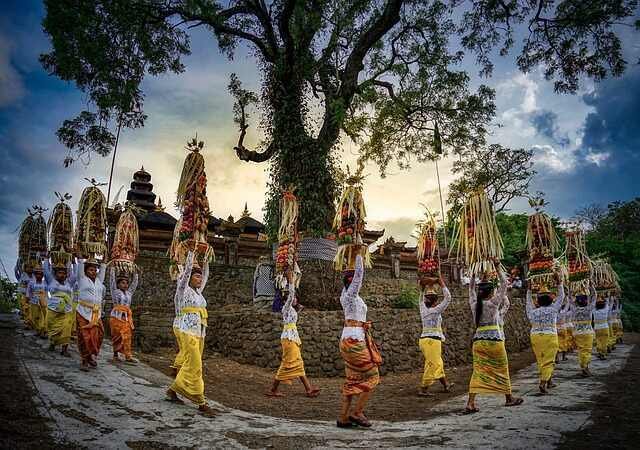
Odalan is the anniversary festival of a temple. Since Bali has thousands of temples, Odalan ceremonies happen constantly across the island. These temple anniversaries are major expressions of community devotion and artistic life.

During Odalan, worshippers gather in ceremonial dress, bring offerings, pray, and participate in temple festivities that may include dance, music, and theatrical performances.

Read also:
Useful Tips for Visiting Temples in Bali

Saraswati

Saraswati is dedicated to the goddess of knowledge. Books and learning are honored, and children commonly pray at school temples and receive blessings with holy water.

Pagerwesi

Pagerwesi is associated with spiritual protection and inner strengthening. Offerings and prayers focus on defending humanity from harmful forces and strengthening the spiritual self.

Tumpek

Tumpek celebrations occur every 35 days and honor different aspects of life, including animals, puppets, metal objects, plants, music, and artistic expression.

  • Tumpek Kandang: offerings for animals, especially cattle
  • Tumpek Wayang: offerings for puppets and shadow art
  • Tumpek Landep: homage to metal objects and tools
  • Tumpek Uduh: blessings for plants and harvests
  • Tumpek Krulut: dedicated to music, masks, and performance

Read also:
Famous Flowers in Bali


World Kite Festival in Bali

Beyond temple ceremonies, Bali also celebrates cultural traditions with deep spiritual roots. The Bali kite season, especially from June to September, is one example. Kites in Bali are not just toys; they are associated with village identity, belief, competition, and the favor of the gods.

During the kite festival, some kites can reach around 5 m in width, which is approximately 16.4 ft. Traditional forms include:

  • Layang Bebean: inspired by fish forms
  • Layang Janggan: dragon- or bird-like designs
  • Layang Pecukan: more experimental and difficult free-form designs

Read also:
Bali Arts Festival in Denpasar

Non-Religious Holidays in Bali

Bali also celebrates non-religious events such as Indonesian Independence Day on August 17, school competitions, and local races such as the buffalo races in Negara. Even outside the temple setting, public celebrations reveal how strongly tradition, identity, and performance shape life on the island.

Read more about Balinese culture

Continue with
Bali Heritage and Culture | Balinese Traditions.


Unwind at Villa Carissa: Your Oasis in Seminyak Center, Bali

After exploring Bali’s temples, rituals, ceremonies, and cultural landmarks, return to a peaceful private villa in the heart of Seminyak. Villa Carissa offers a relaxing base for travelers who want comfort, privacy, and easy access to Bali’s cultural and lifestyle experiences.

Discover the Villa

Explore the private pool villa, enclosed garden, and modern Balinese atmosphere.

Villa in Seminyak Center | Carissa 3BR Private Pool Villa

Plan Your Stay

Check availability, promotions, and booking options for your Bali escape.

Book Your Private Villa
View Promotions

Experience serene tranquility with a private swimming pool and secluded garden, whether you are traveling with family, friends, or for a romantic Bali retreat.


Villa Carissa in Seminyak Center with private pool

Villa Carissa in Seminyak Center, with a private pool.