Where to go Trekking and Trekking in Bali (Hiking)?
Before your trip to Bali, make sure to research where to go hiking and trekking in Bali? There are several great trekking options in Bali, ranging from short walks through rice paddies to challenging hikes up steep mountains.
Our scouting trips to Bali have allowed us to discover how the island lends itself to the game of hiking in the great outdoors. From the Agung volcano to Mount Batur via the rice fields of Sidemen, set off for a walk in a breathtaking natural setting. At Villa Carissa, we share with you our top and the most beautiful hikes to do during your trip to Bali.
Remember to bring appropriate hiking gear, plenty of water, and sun protection when hiking in Bali. It’s also a good idea to hire a local guide for safety and to learn more about the local culture and environment.
Top Hiking and Trekking Trails in Bali: Where to Go and What to Expect
Bali is a beautiful island with a diverse landscape that makes it a great destination for hiking and trekking enthusiasts. From lush jungles and rice paddies to rugged coastlines and volcanoes, Bali has it all. Here are some of the top and most beautiful hikes to explore:
1. Campuhan Hill Ridge Walk, Ubud
Campuhan Ridge Walk: Located in Ubud, the Campuhan Ridge Walk is a popular and easy hiking trail that offers beautiful views of the surrounding rice fields and hills. The trail is about 2 kilometers long and takes about 1-2 hours to complete.
Check out this 3.9-km round-trip route near Gianyar’s Kabupaten, Bali. Generally considered an easy route, it takes an average of 1h 4min to cover it.
Meeting of the rivers at Campuhan. Mx. Granger, CC0, via Wikimedia Commons
It’s a popular place for hiking, running and strolling, so you’re likely to come across a lot of people during your excursion. You can access it all year round and the experience is worth it in any season.
The Campuhan Ridge Walk is a picturesque hike through the rice paddies and green hills of Ubud. The trail is relatively easy and takes around two hours to complete. Along the way, you’ll enjoy stunning views of the surrounding countryside and the lush vegetation.
The trail is about 2 kilometers (1.24 miles) long and takes about 1-2 hours to complete.
2. Munduk Waterfalls trekking
The path starts exactly behind the hotel “Melanting Cottage”. It takes barely 15 minutes to reach the first waterfall, the Redcool waterfall. The trek takes about 2-3 hours and includes a visit to several waterfalls.
The path to get to the second looks like a walk in a botanical garden: flowers, cocoa trees, coffee trees, pineapples, banana trees, etc.
The Melanting Waterfall is at the bottom of the valley and the descent is via endless stairs after paying a small right of way (IDR 20,000 /person or €1). Don’t do the hike in the opposite direction because those stairs would really be a challenge going up.
The climb is done quietly and we arrive in the village at the level of a school. We also arrived at the time of the exit of the classes.
We tested a restaurant just next to the exit of the hiking trail, the Taman Ayu. It was okay.
For dessert, we returned to Eco café2 to eat their banana fritters. I took the opportunity to test the Luwak coffee again because there at least, I was sure that no civet was being mistreated.
The return to the hotel is on the road under construction and without sidewalks but in broad daylight, it is not too awkward.
3. Explore the southern flanks of the Batukaru volcano (near Ubud)
This inactive volcano is found in the western part of Bali and offers an intermediate to difficult hike through the lush jungle. Hikers can also visit the nearby Pura Luhur Batu Karu Temple.
The area is known for its stunning natural beauty, traditional temples, and hiking trails that lead visitors through the lush jungle and up to the peak of Mount Batu Karu.
One of the most popular attractions in Batu Karu is the Batu Karu Temple, also known as Pura Luhur Batukaru. This ancient Hindu temple is located in the middle of the jungle, and visitors can explore its intricate architecture, statues, and shrines.
Take to the skies and face the second highest peak in Bali. Perched at exactly 2276 meters above sea level, this mountain is home to one of the most beautiful landscapes of rice fields on the island and offers small villages full of charm where you can discover the traditional way of life of the inhabitants.
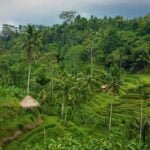
Rice terraces of Mount Batukaru. This Subak landscape is a UNESCO World Heritage Site since 2012. Arabsalam, CC BY-SA 3.0, via Wikimedia Commons
Batu Karu is also an ideal location for hiking enthusiasts. The area has several hiking trails that lead visitors through the jungle to the peak of Mount Batu Karu. The trails offer stunning views of the surrounding rice terraces, forests, and valleys.
Go hiking on the southern flanks of the Batukaru volcano and combine cultural, natural and historical attractions. At the Pura Luhur Batukaru temple, you will discover many species of butterflies with brighter and deeper colors than each other.
4. Stroll along the banks of the volcanic lakes of Tamblingan and Buyan
The volcanic lakes of Tamblingan and Buyan are amazing twin lakes. Set off to explore their banks full of charm and meet inhabitants whose way of life has remained authentic despite the passage of time.
Trekking in the lakes of Tamblingan and Buyan is a popular activity in Bali, especially for those who enjoy nature and outdoor adventures. These two lakes are located in the Bedugul region of Bali, surrounded by lush forests and beautiful scenery.
The trek around the lakes is a moderate level trek, and it takes around 2-3 hours to complete the full circuit. The trek starts from the parking area near the entrance of the Tamblingan Lake, and the trail is well-marked, so it’s easy to follow.
Throughout your hike to the volcanic lakes of Tamblingan and Buyan, you will have the opportunity to admire the scenes of daily life: fishing sessions on the small “pedahu” boats, the care of the monkeys who live not far from there, the sale of fish… A good way to combine immersion in nature and discovery of local life.
Tamblingan Lake is one of the lakes located in the highlands of Bali. This lake has a very beautiful sunrise. Kerildoank, Kerildoank, via Wikimedia Commons
During the trek, you will pass through forests of bamboo and other tropical vegetation, and you’ll have the opportunity to see various species of birds and wildlife. There are also several points along the trek where you can stop to take in the beautiful views of the lakes and the surrounding mountains.
One of the highlights of the trek is the Jangeran Waterfall, which is located near the Buyan Lake. The waterfall is around 25 meters high and is a beautiful spot to take a break and enjoy the scenery.
Overall, trekking in the lakes of Tamblingan and Buyan is a great way to experience the natural beauty of Bali, and it’s a perfect activity for those looking for a bit of adventure and exercise.
Lake Tamblingan. Buleleng Regency, Bali, Indonesia. LBM1948, CC BY-SA 4.0, via Wikimedia Commons
5. Trekking on Mount Batur
Mount Batur: Located in the north-eastern part of Bali, Mount Batur is an active volcano that offers a challenging but rewarding trek. The trek starts early in the morning and takes about 2-3 hours to reach the summit. From the summit, you can enjoy stunning views of the sunrise over Lake Batur.
Mount Batur Sunrise Trek
Mount Batur is an active volcano and one of Bali’s most popular hiking destinations. The trek starts early in the morning, with a two-hour climb to the summit in time for sunrise. The trail can be challenging, but the reward is a stunning view of the sunrise over the mountains and Lake Batur.
Sun is already un and shining on Batur volcano, Bali, Indonesia. Syselpunk, CC BY-SA 4.0, via Wikimedia Commons
A still active volcano considered sacred by Hindus, Mount Batur rises to more than 1700 meters above sea level in the heart of the Kintamani region. It all starts around 3-4am, well before sunrise. Accompanied by a guide, we take you to conquer the steep walls of Mount Batur on a sumptuous path with exceptional panoramas. The end of the hike on Mount Batur takes place at the very top of the summit where the view of the surrounding mountains, the valleys and Lake Batur is simply breathtaking… A crush that we could only share with you! Read also: Hiking Mount Batur in Bali | Hike to witness the sunrise from the top of the volcano!
6. Discover Bali’s highest point at the Agung Volcano
Mount Agung: Located in the eastern part of Bali, Mount Agung is the highest mountain in Bali with 3,031 m (9,944 ft) and offers a challenging trek for experienced hikers. The trek takes about 7-9 hours and requires a guide.
Gunung Agung Sunrise Descension. Taken during a descension of Mount Agung, the highest peak on Bali, you can see the highest peak of the island of Lembongan through the sunlight and clouds. Elizabeth.rice, CC BY-SA 4.0, via Wikimedia Commons
Far from being a walk in the park, climbing Mount Agung allows you to reach the roof of Bali and access magnificent panoramas. This is one of our favorite hikes, and we can assure you that your hard work will pay off when you get to the top. Mount Agung has two main hiking trails: one that starts from the village of Selat and the other from the temple of Besakih. We advise you to leave a few hours before dawn to be able to witness a wonderful sunrise on site. Read also: Mount Agung Adventure Travel in Bali
7. Lose yourself in the heart of the rice fields of Sidemen
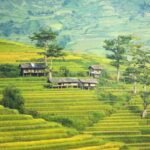
The Sidemen rice fields are considered the most beautiful rice fields in the country, a fact that we affirm with enthusiasm after walking there for several hours. Follow the many paths that crisscross the plantations and take the opportunity to admire the scenes of work in the fields.
We often see views like this in areas with rice terraced landscapes such as in Sidemen, Bali. Adhesaiful, CC BY-SA 4.0, via Wikimedia Commons
We loved hiking in the rice fields of Sidemen and getting lost in the heart of the Balinese countryside… A good opportunity to visit small isolated villages, meet the different communities of the region and immerse yourself in the lush vegetation of Bali.
Departing from the small village of Amed, on the east coast of Bali, this trek will allow you to discover one of the least known regions of the island. You will also have the opportunity to visit the famous Lempuyang temple by accessing it by the circuitous paths, far from the crowds.
This trek, of sustained level, takes about 4 hours and requires good physical condition. You will cover a total of 11 kilometers with an elevation gain of 800 meters. A very early morning departure is recommended as it can be very hot and there is little shade on the course.
9. Sekumpul Waterfall, Lovina, North Bali
Located in Lovina, the northern part of Bali, the Sekumpul Waterfall is a beautiful and challenging trek that takes you through lush jungle and rice fields. The trek takes about 2-3 hours and includes a steep descent down to the waterfall.
Sekumpul Waterfall is considered one of the most beautiful waterfalls in Bali, and it is known for its towering height, lush green surroundings, and multiple streams of water that cascade down the rocks. The waterfall consists of seven different streams of water, and visitors can enjoy a panoramic view of the waterfall from a nearby viewpoint before embarking on the trek down to the waterfall.
Sekumpul Waterfall is also known as Gerombong Waterfall. This waterfall has a height of about 100 m. The location is located in Sekumpul Village, Sawan District, Buleleng Regency, Bali Province. Putu Andika Panendra, CC BY-SA 4.0, via Wikimedia Commons
Trek down to Sekumpul waterfall
The trek down to the waterfall is quite challenging, but it is also a highlight of the experience. Visitors will walk through a dense forest, cross several streams, and climb down a steep stairway. The trek takes around 30-45 minutes and requires a good level of fitness, comfortable shoes, and appropriate attire. Along the way, visitors will be able to enjoy the beautiful scenery of the forest and listen to the sound of birds and insects.
Upon reaching the bottom of the trek, visitors will be greeted by the stunning view of Sekumpul Waterfall. The waterfall is surrounded by rocks and boulders, which create small pools of water where visitors can take a refreshing swim. The water is usually cool and fresh, making it a great place to escape from the heat of Bali’s tropical weather.
Sekumpul Waterfall is also a great place for photography enthusiasts. The natural beauty of the waterfall and its surroundings make for some stunning shots, especially during the day.
10. Pemuteran – West Bali Barat National Park (Taman Nasional Bali Barat)
Located in the North West of Bali, Pemuteran is a small peaceful fishing village where you can discover the authentic Bali. The atmosphere is calm and the setting magnificent, with seabed that will delight snorkelling and diving enthusiasts. Far from mass tourism, Pemuteran is nestled between black sand beaches and turquoise water and arid mountains stretching to the horizon.
Bali Barat National Park (West of Bali National Park)
Bali Barat National Park, a multi-faceted park that is home to several natural ecosystems and endangered animal species, is located in the western part of Bali. Bali Barat is walkable and home to mangroves, swamps, coral reefs and many plant and animal species.
Sea and landscape from West bali National Parks. From the west coast of West Bali National Park, you can see the view of the Bali Strait’s sea and the island of Java which shows the hills and Mount Ijen. Divergent43, CC BY-SA 4.0, via Wikimedia Commons
In the park, the landscapes are varied: volcanic mountains with slopes covered with dense vegetation, such as the Gunung Kelatakan which rises to 698 m in height, savannahs, coastal mangroves and sandy beaches. And the numerous fauna: black monkeys, iguanas, wild boars, Java deer and green snakes are among them. The fine sandy beaches of Bali National Park, its islets and aquatic reserves are among the best diving sites in Indonesia. From the small port of Laguhan Lalang, you can embark for the island of Menjangan. If you like to bubble, this spot – the most famous of Bali – allows very beautiful scuba diving.
For experienced divers
For experienced divers, Anker, a ghostly wooden wreck, will be a holy grail to land. Unless you prefer to admire the tropical fish while snorkeling. During an underwater hike, you swim along soft corals without ever touching them to preserve them. And sometimes at the bend of a reef, we are lucky enough to see a whale shark or a majestic manta ray. Read also: Best Dive Spots in Bali: A Guide to the Best Underwater Wonders
No matter which trek you choose, be sure to wear appropriate footwear, bring plenty of water, and follow safety guidelines. Hiring a local guide is also recommended for a safe and enjoyable experience.
When hiking in Bali, it’s essential to come prepared with the right gear, such as sturdy hiking shoes, a hat, sunscreen, and insect repellent. Always check the weather forecast and trail conditions before setting out, and consider hiring a local guide for more challenging treks. With its beautiful scenery and diverse landscapes, Bali is a hiker’s paradise that’s waiting to be explored.
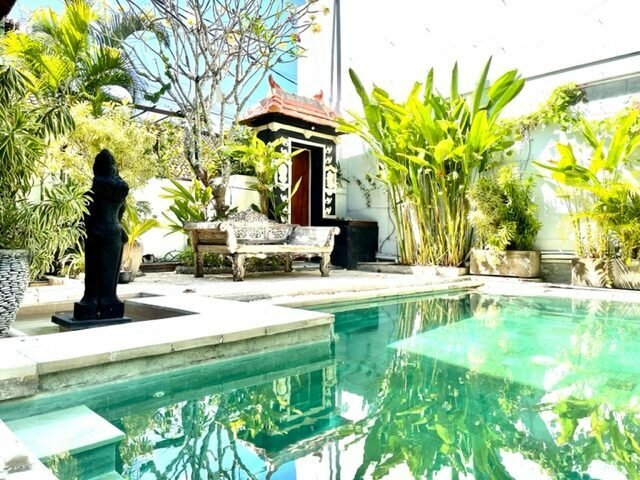
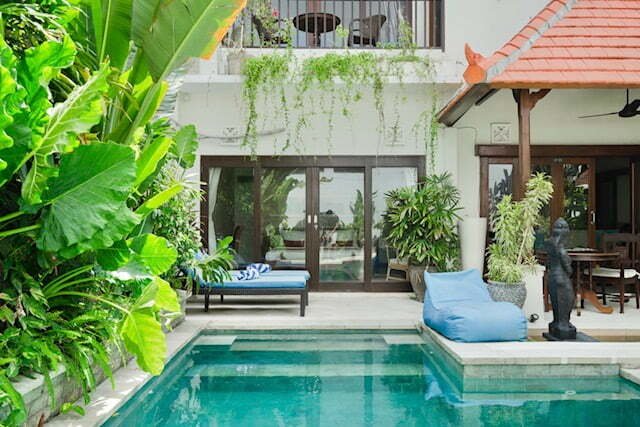
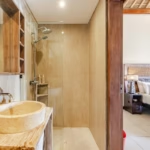
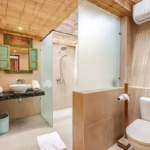
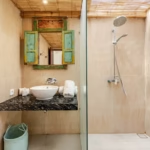
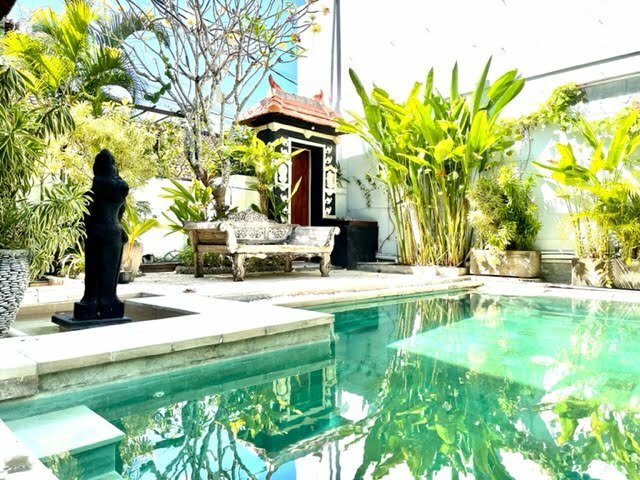
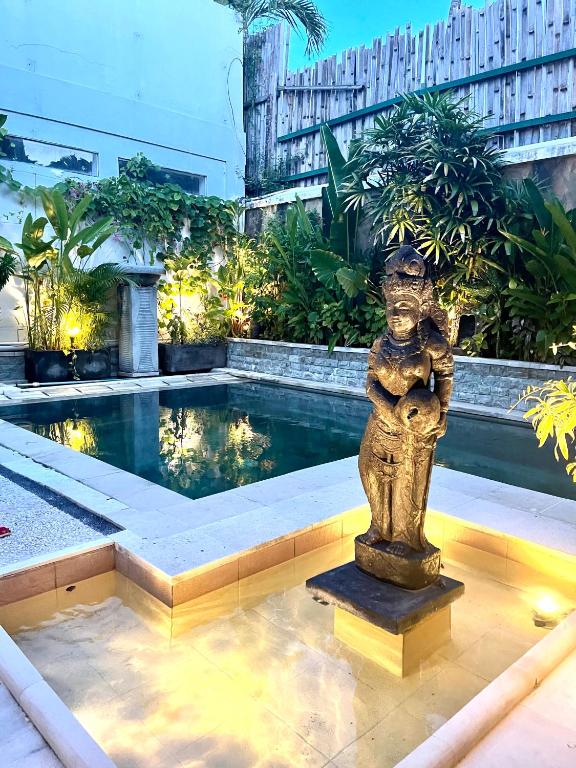
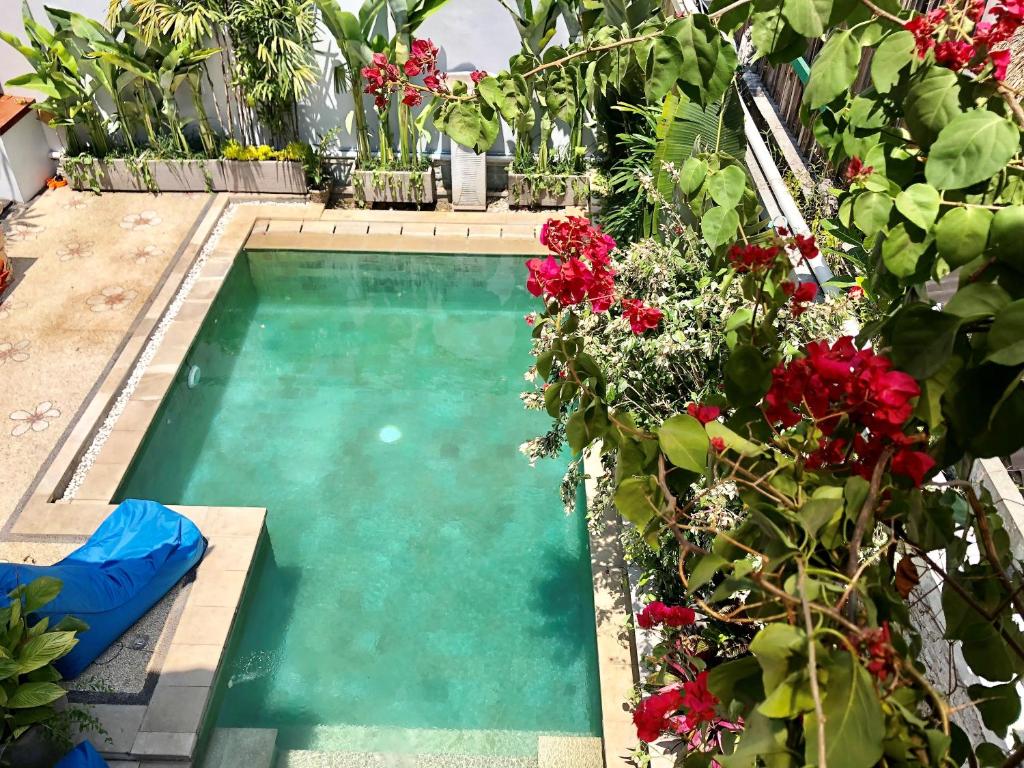
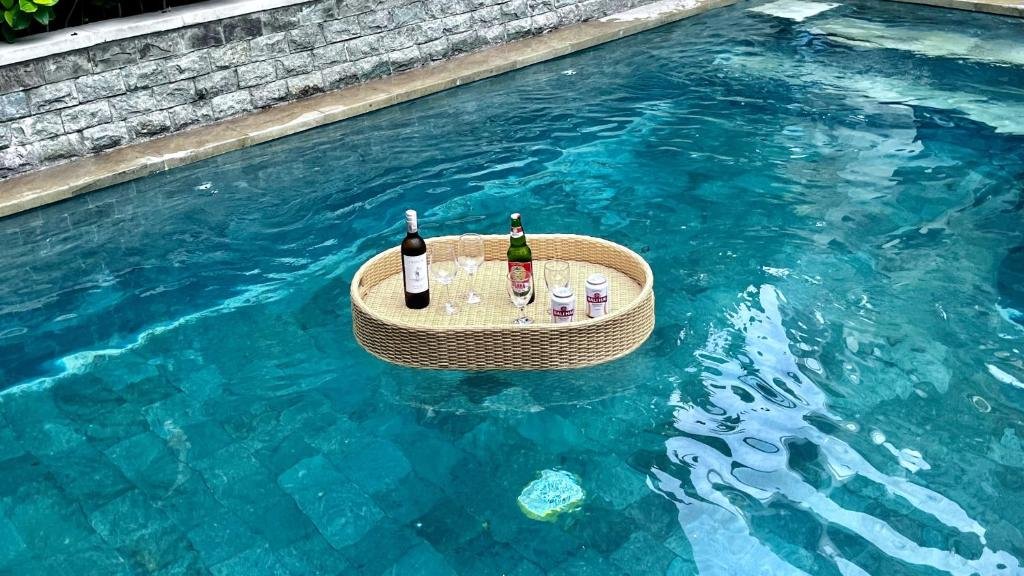
Experience a Haven of Serenity with your very own private swimming pool and enclosed garden, providing an exclusive sanctuary during your stay.
Whether you’re embarking on a family adventure, a getaway with friends, or a romantic retreat, Villa Carissa serves as the perfect starting point to uncover the beauty of Bali and immerse yourself in a truly revitalizing escape.
Book Your Stay at Villa Carissa Today and immerse yourself in a soothing retreat in the heart of Seminyak, Bali.
Villa Carissa in Seminyak Center, with a private pool
Bali has a rich cultural and artistic heritage, and its museums offer visitors a unique opportunity to learn about the island’s history, traditions, and contemporary art scene. From traditional Balinese art forms to modern and contemporary art, the museums in Bali showcase a diverse range of exhibits that appeal to a broad audience.
Many of the museums in Bali are located in beautiful settings, with stunning views of Bali’s lush landscape and traditional architecture. The museums also offer a range of events and workshops, such as artist talks, musical performances, and traditional Balinese dance and music classes.
While some of the museums in Bali may have limited space or outdated exhibits, the overall quality of the museums is quite good, and they are generally well-maintained and organized. The museums also provide visitors with an opportunity to support the local arts and culture scene by purchasing artwork or participating in cultural events.
Overall, if you are interested in art, culture, and history, the museums in Bali are definitely worth a visit. They offer a unique and engaging perspective on Bali’s rich heritage and contemporary art scene.
There are several interesting museums in Bali. Here are some examples:
The Agung Rai Museum (ARMA) – Ubud
This museum has a large collection of traditional and contemporary Balinese art, including paintings, sculptures, textiles and ritual objects.
The museum was founded by Agung Rai, a Balinese art collector and philanthropist, in order to preserve and promote traditional Balinese art and culture.
The museum is home to a large collection of Balinese and Indonesian art, including traditional paintings, sculptures, and textiles, as well as contemporary works by local and international artists. The museum is housed in several buildings, each showcasing a different aspect of Balinese culture and art.
Pintu masuk Museum Seni Agung Rai (ARMA) Ubud, Bali, Indonesia. Harditaher, CC BY-SA 4.0, via Wikimedia Commons
One of the highlights of the museum is the Wayang Museum, which features an extensive collection of wayang kulit, or shadow puppets. The museum also includes a traditional Balinese house, or joglo, which has been restored and furnished with antique Balinese furniture.
The Agung Rai Museum also hosts a range of cultural events and activities, such as Balinese dance performances, gamelan music concerts, and traditional puppet shows. The museum also offers a range of educational programs, including art classes, workshops, and lectures, allowing visitors to learn more about Balinese art and culture.
The front room of the Agung Rai Museum of Art. Harditaher, CC BY-SA 4.0, via Wikimedia Commons
What is wayang?
Wayang is a traditional form of puppet theatre that originated in Indonesia and is most commonly associated with the island of Java. The term “wayang” refers to both the puppets themselves and the performance art of puppetry.
Wayang puppets are typically made of wood, although some may be made of leather or other materials. The puppets are intricately carved and painted, with movable arms, legs, and heads. Each puppet represents a different character, with distinct personalities and characteristics.
Wayang performances typically tell stories from ancient Javanese epics, such as the Ramayana and Mahabharata. The puppeteer, known as a dalang, sits behind a screen and manipulates the puppets while simultaneously narrating the story and providing voices for the different characters. The dalang is often accompanied by a gamelan orchestra, which provides musical accompaniment to the performance.
Wayang is a highly respected and revered art form in Indonesia, and is considered an important part of the country’s cultural heritage. In addition to its artistic and cultural significance, wayang has also played a role in education and moral instruction, as many stories feature moral lessons and teachings.
Today, wayang continues to be performed throughout Indonesia and has also gained international recognition as a unique and fascinating form of puppet theatre.
The museum is open daily from 9 am to 6 pm, with guided tours available for groups. Admission fees apply, with discounts available for students and children.
Overall, the Agung Rai Museum (ARMA) is a fantastic destination for anyone interested in Balinese art and culture. The museum provides a comprehensive and engaging perspective on Balinese art and culture, with a range of exhibits, events, and educational programs to suit all interests.
Address: Jl. Raya Pengosekan Ubud, Bali, 80571, Indonesia.
The Puri Lukisan Museum, the Painting Museum of Ubud
This museum is one of Bali’s oldest art museums and features a large collection of modern and traditional Balinese artwork. This Balinese art museum has a collection of traditional and modern paintings, sculptures and artwork.
The Burning of Lontar by I Gusti Ketut Kobot, 1958, Museum Puri Paintings. Pinerineks, CC BY-SA 4.0, via Wikimedia Commons
The museum was founded in 1954 by Tjokorda Gede Agung Sukawati, the prince of Ubud, with the aim of preserving and promoting traditional Balinese art and culture.
The museum’s collection consists of traditional Balinese paintings, sculptures, and textiles, as well as contemporary works by local and international artists. The collection is divided into several galleries, each showcasing a different aspect of Balinese art and culture.
One of the highlights of the museum is its collection of works by the Ubud School of Painting, a group of Balinese artists who gained international recognition in the 1930s and 1940s. The museum also features works by other notable Balinese artists, including I Gusti Nyoman Lempad, Ida Bagus Made, and Anak Agung Gede Sobrat.
The Puri Lukisan Museum is housed in a series of traditional Balinese-style buildings, with high-pitched thatched roofs and intricately carved wooden doors and windows. The museum is surrounded by lush gardens and offers stunning views of the surrounding rice paddies and tropical forest.
In addition to its permanent collection, the Puri Lukisan Museum also hosts temporary exhibitions, workshops, and cultural events. The museum offers guided tours and educational programs, allowing visitors to learn more about Balinese art and culture.
Ogoh-ogoh statues (demonic figures) in front of the Puri Lukisan Museum in Ubud. MagdaLena7, CC BY-SA 4.0, via Wikimedia Commons
History
This Museum of Fine Arts was erected in 1956 thanks to the alliance of two important figures: Cokorda Raka Sukawati, Prince of Ubud from 1910 to 1978 and the Dutch painter Rudolf Bonnet. This is the oldest art museum in Bali which specializes in Balinese paintings and sculptures. At the origin of this museum, the fear of seeing Balinese art disappear throughout the world, without keeping any trace of it within it: Ubud Bali. Indeed, Balinese art becoming world famous, paintings and sculptures began to leave for foreign countries or other Indonesian regions.
The famous Dutch painter thought that at this rate, works of art would disappear forever, scattered around the world. For this reason, in 1936, together with the prince, they created a foundation called Pita Maha. Little by little, a second foundation was born in 1953, then the first stone of the museum was laid in 1954. Prince Cokorda Raka Sukawati became the director of the museum and Rudolf Bonnet, its curator.
To supply the museum, Rudolf Bonnet began by depositing the works of art in his possession there. Subsequently, other artists donated their paintings to give this museum all the grandeur it deserved. In total, three pavilions make up this exceptional Museum of Painting.
Address: Jl. Raya Ubud, Ubud, Gianyar, Bali 80571, Indonesia.
The museum is located on the main street of Ubud, 300m (984ft or 0.18 mile) from Ubud Palace and Ubud Market at the intersection of Monkey Forest Road.
Open daily from 9:00 a.m. to 5:00 p.m., with admission fees applying. Discounts are available for students and groups. Overall, the museum is a must-visit destination for anyone interested in Balinese art and culture, providing a comprehensive and engaging perspective on the island’s rich artistic heritage.
The Neka Museum – Ubud
This museum houses a large collection of traditional and contemporary Balinese art, as well as works by foreign artists who have worked in Bali.
It was founded by Suteja Neka, a Balinese art collector, in 1982 with the aim of preserving and promoting traditional Balinese art.
The museum’s collection includes a wide range of Balinese art, including traditional paintings, sculptures, and textiles, as well as contemporary works by local and international artists. The museum’s collection is divided into several galleries, each focusing on a different aspect of Balinese art and culture.
One of the highlights of the museum is its collection of works by renowned Balinese artist I Gusti Nyoman Lempad. The museum also features a large collection of works by other notable Balinese artists, including Ida Bagus Made, Ida Bagus Tilem, and Ida Bagus Nyoman Rai.
The Neka Museum is housed in a traditional Balinese-style building, with a series of high-pitched roofs and intricate carvings on the walls and doors. The museum is surrounded by lush gardens and offers stunning views of the surrounding rice paddies.
The Death of Abhimanyu (Abhimanyu Gugur), a painting at the Neka Art Museum in Ubud, Bali. Late 19th century; mineral pigments, indigo, and ink on bark cloth; 100 x 106 cm. Anonymous. Kamasan, Klungkung, Bali. Mx. Granger, Public domain, via Wikimedia Commons
In addition to its permanent collection, the Neka Museum also hosts a range of temporary exhibitions, workshops, and cultural events. The museum offers guided tours and educational programs, allowing visitors to learn more about Balinese art and culture.
The Neka Museum is open daily from 9 am to 5 pm, with admission fees applying. Discounts are available for students and groups. Overall, the Neka Museum is a must-visit destination for anyone interested in Balinese art and culture, providing a comprehensive and engaging perspective on the island’s rich artistic heritage.
Address: Jl. Raya Sanggingan, Kedewatan, Ubud, Gianyar, Bali 80571, Indonesia.
Open daily from 9:00 a.m. to 5:00 p.m.
Blanco Renaissance Museum – Ubud
This museum is dedicated to the life and work of the painter Antonio Blanco, who lived in Bali for several decades. It houses Blanco’s paintings, drawings, sculptures and personal items.
It was founded by the Philippine-born artist Antonio Blanco, who lived and worked in Bali for over 40 years until his death in 1999. The museum showcases a collection of his works, as well as the works of his son, Mario Blanco.
The museum is housed in a stunning building, with Balinese architecture and lush gardens. It is divided into several galleries, each displaying a different period of Blanco’s art. The galleries are adorned with his paintings, drawings, and sculptures, showcasing his distinctive style, which blends Western and Balinese artistic traditions.
The Blanco Renaissance Museum also features a studio and workshop, where visitors can watch artists at work and even try their hand at painting or drawing. The museum offers a range of art classes and workshops, allowing visitors to explore their own creativity and learn more about Balinese art and culture.
In addition to the permanent collection, the museum also hosts regular temporary exhibitions, featuring the works of other artists, both local and international.
Antonio Blanco Museum, Ubud, Bali, Indonesia. Taguelmoust, CC BY-SA 3.0, via Wikimedia Commons
The museum is open daily from 9 am to 5 pm, with guided tours available for groups. Admission fees apply, with discounts available for students and children.
Overall, the Blanco Renaissance Museum is a must-visit destination for art lovers and those interested in Balinese art and culture. The museum provides a unique and engaging perspective on the life and works of Antonio Blanco and his legacy in Bali’s art scene.
Address: Jl. Raya Penestanan, Sayan, Ubud, Gianyar, Bali 80571, Indonesia.
Open daily from 9:00 a.m. to 5:00 p.m. The museum houses a collection of paintings, sculptures and works of art by the Spanish painter Antonio Blanco.
Rudana Museum – Ubud
The Rudana Museum & Rudana Fine Art Gallery is a museum of contemporary Indonesian art located in the village of Peliatan in Ubud, Bali. The museum was founded in 1995 by Nyoman Rudana, a Balinese art collector and entrepreneur, and features a collection of modern and contemporary Indonesian art.
The museum’s collection includes works by some of Indonesia’s most well-known artists, such as Affandi, S. Sudjojono, and Raden Saleh. The exhibits include paintings, sculptures, and mixed-media installations, as well as traditional Balinese art forms such as Wayang Kulit (shadow puppetry) and Batuan-style paintings. The museum has a strong focus on showcasing the diversity and richness of Indonesian art and culture.
The museum’s building is a beautiful example of traditional Balinese architecture, with open-air pavilions and courtyards featuring intricate carvings and sculptures. The museum’s location on a hillside also provides visitors with stunning views of the surrounding rice paddies and tropical landscape.
In addition to its exhibits, the Rudana Museum also hosts regular events and workshops, such as artist talks, musical performances, and art classes. Visitors can also enjoy a meal or refreshment at the museum’s on-site restaurant and cafe.
The Rudana Museum is open every day from 9 am to 5 pm, and admission fees apply. Discounts are available for children and groups. Overall, the museum is a must-visit destination for anyone interested in contemporary Indonesian painting art and culture.
Address: Jl. Cok Rai Pudak No. 44, Peliatan, Ubud, Bali, Indonesia. It is situated about 2 km east of the central Ubud area and can be easily accessed by car or motorbike.
Open every day from 10 am to 4 pm.
There are several museums in Bali outside of Ubud, here are some examples
Le Mayeur Museum in Sanur
This museum is dedicated to the Belgian artist Adrien-Jean Le Mayeur de Merprès, who lived in Bali for more than 25 years and produced many works inspired by the island. The museum is housed in the former residence of Le Mayeur, who lived in Bali from 1932 until his death in 1958.
The museum displays a collection of Le Mayeur’s paintings, which are known for their vibrant colors and depiction of Balinese daily life. Many of the paintings feature Balinese women, whom Le Mayeur considered his muse, and showcase their traditional costumes, dances, and ceremonies. The museum also features some of Le Mayeur’s personal belongings, including furniture, photographs, and art materials.
The building itself is a beautiful example of traditional Balinese architecture, with an open-air layout and intricate carvings on the walls and ceilings. The museum is surrounded by a lush tropical garden, which provides a peaceful and serene atmosphere for visitors.
In addition to its collection, the Le Mayeur Museum also hosts temporary exhibitions and cultural events, such as traditional dance performances and music concerts. The museum’s location in Sanur, a popular beach resort town, also makes it a great destination for tourists looking to experience both Balinese culture and natural beauty.
The museum is open every day from 8 am to 4 pm, except on Sundays and public holidays. Admission fees apply, with discounts available for students and groups. Overall, the Le Mayeur Museum is a must-visit for art enthusiasts and anyone interested in learning about Balinese culture and history.
Address: Jl. Hang Tuah, Sanur, Denpasar Sel., Kota Denpasar, Bali 80227, Indonesia.
Open daily from 8:00 a.m. to 4:00 p.m. Except on Sundays and public holidays
Pasifika Museum in Nusa Dua
This contemporary art museum houses an impressive collection of Asian and Oceanian artwork, with a strong presence of Balinese art.
The museum is dedicated to the art and culture of the Pacific region, featuring a collection of traditional and contemporary art from various countries in the Pacific.
The museum’s collection includes artworks from Indonesia, the Philippines, Papua New Guinea, Fiji, Vanuatu, and other Pacific islands. Visitors can explore the exhibits which showcase a diverse range of art styles, including paintings, sculptures, textiles, and mixed media works. The museum also features interactive displays and multimedia installations, providing a unique and engaging experience for visitors.
One of the highlights of the Pasifika Museum is its collection of works by Balinese artist Nyoman Gunarsa. Gunarsa is known for his colorful and expressive paintings that depict traditional Balinese scenes and mythology. The museum also has a collection of works by other prominent Indonesian artists, including Affandi and Raden Saleh.
The Pasifika Museum is housed in a beautiful building that features traditional Balinese architecture with a modern touch. The museum is surrounded by lush tropical gardens, providing a tranquil and peaceful atmosphere for visitors.
Museum Pasifika, Nusa Dua, Bali, Indonesia. Lasthib, CC BY-SA 4.0, via Wikimedia Commons
In addition to its collection, the museum also offers cultural workshops, art classes, and guided tours. The museum’s location in Nusa Dua, a popular tourist destination, makes it an ideal destination for those looking to experience both Balinese culture and art from the wider Pacific region.
The museum is open every day from 10 am to 6 pm, and admission fees apply. Discounts are available for children, students, and groups. Overall, the Pasifika Museum is a fascinating attraction for art enthusiasts and anyone interested in the rich culture and history of the Pacific region.
Address: Complex Bali Tourism Development Corporation (BTDC), Nusa Dua, Benoa, South Kuta, Badung Regency, Bali 80363
Open daily from 10 a.m. to 6 p.m.
Bali Museum, Denpasar Historical Museum
This museum showcases the history of Bali from prehistoric times to the present day, with exhibits on the island’s art, culture and traditions.
The Denpasar Historical Museum, also known as the Bali Museum, is a museum located in the capital city of Denpasar, Bali, Indonesia. The museum was founded in 1932 and is dedicated to preserving and showcasing the cultural and historical heritage of Bali.
The museum’s collection includes a wide range of objects, such as traditional clothing, ceremonial objects, musical instruments, and paintings. The exhibits are accompanied by detailed explanations of the cultural and historical significance of each object.
In addition to its exhibits, the museum also hosts regular cultural events, such as Balinese dance performances and traditional music concerts. The museum’s location in the heart of Denpasar also makes it a convenient stop for those exploring the city.
The human penis in the Bali museum in Denpasar in Bali. Rudolph.A.furtado, CC0, via Wikimedia Commons
The museum’s exhibits are spread across four buildings, each representing a different period of Balinese history. The first building focuses on prehistoric Bali, featuring artifacts such as stone tools and pottery. The second building covers the Hindu-Javanese period, with displays of statues, carvings, and textiles from the 8th to 16th century. The third building covers the Dutch colonial period, with exhibits on colonial life and the Balinese resistance. Finally, the fourth building covers the post-colonial era and Bali’s modern history.
The museum was built in 1931 by architect P.J. Moojen, near the location of the former royal palace of Denpasar, which had been burnt to the ground during the Dutch intervention in Bali (1906), and used it as a model for its outside walls and courtyards.
The building is constructed from carved teak wood, with a series of high-pitched roofs and intricate carvings on the walls and doors. The museum is divided into several pavilions, each showcasing different aspects of Balinese art and culture.
Main pavilion
The main pavilion of the Bali Museum is known as the “Tabanan Pavilion,” and it features a collection of prehistoric and historical artifacts from the island of Bali, including pottery, tools, and weapons. The pavilion also includes a replica of a traditional Balinese village, showcasing the daily life and customs of the Balinese people.
Another pavilion of the museum, the “Gianyar Pavilion,” is dedicated to Balinese art, including traditional paintings, sculptures, and textiles. The pavilion showcases the evolution of Balinese art from ancient times to the present day.
The Bali Museum also includes a special pavilion dedicated to Balinese masks and puppets, known as the “Klungkung Pavilion.” The pavilion features an extensive collection of masks and puppets, which are an important part of Balinese theater and performance.
Bali Museum, inside courtyards and gates, seen from the belvedere. PHGCOM, CC BY-SA 3.0, via Wikimedia Commons
The Denpasar Historical Museum is open every day except on major holidays, from 8 am to 3 pm. Admission fees apply, with discounts available for children and groups. Overall, the museum is a must-visit destination for anyone interested in Balinese culture and history.
Address: Denpasar Historical Museum: Jl. Mayor Wisnu No.1, Bali, 80232, Indonesia.
Open Tuesday to Thursday from 8:00 a.m. to 3:00 p.m. and Friday from 8:00 a.m. to 1:00 p.m.
Mask and Puppet Museum (Setia Darma House) in Gianyar (20 minutes from Ubud)
The Mask and Puppet Museum, also known as Setia Darma House, is a museum located in the Gianyar regency of Bali, Indonesia. The museum is home to a large collection of masks and puppets from Indonesia and other parts of the world.
The museum was established in 2006 by Mr. Hadi Sunyoto, a collector of traditional Indonesian masks and puppets. The museum is set in a beautiful garden, and visitors can stroll through the grounds and admire the traditional Balinese architecture. The collection includes over 1,300 masks and over 4,500 puppets from Indonesia and other parts of the world.
The museum is divided into different sections, each dedicated to a specific type of mask or puppet. For example, there is a section for wayang kulit (shadow puppets), a section for topeng (masks used in dance dramas), and a section for masks used in traditional Balinese ceremonies. Visitors can also see traditional puppets and masks from other parts of Indonesia and other countries, such as India and China.
In addition to the museum’s collection, Setia Darma House also hosts workshops and performances, where visitors can learn about traditional puppet and mask making techniques or watch performances by local artists. The museum also has a café and a gift shop where visitors can purchase traditional Balinese crafts and souvenirs.
Collections
The museum’s collection includes over 1,300 masks and over 4,500 puppets, representing various types and styles of Indonesian and Balinese masks and puppets. Some of the types of masks and puppets on display at the museum include:
Wayang kulit (shadow puppets)
Wayang golek (rod puppets)
Topeng (masks used in dance dramas)
Barong and Rangda masks (used in traditional Balinese ceremonies)
Janger masks (used in the Janger dance)
Chinese and Indian masks and puppets
The museum is located in a beautiful garden setting, featuring traditional Balinese architecture. Visitors can wander through the museum’s grounds, admiring the exhibits and taking in the peaceful atmosphere. The museum is also known for hosting performances and workshops, where visitors can learn about traditional mask and puppet making techniques or watch performances by local artists.
In addition to the museum’s collection, Setia Darma House also has a café and a gift shop where visitors can purchase traditional Balinese crafts and souvenirs.
Overall, the Mask and Puppet Museum in Gianyar is a must-visit destination for anyone interested in traditional Indonesian culture and art, and is a great way to learn about the rich history and traditions of Balinese puppetry and mask making.
Address: Jl. Setia Budi No. 8, Gianyar, Bali 80511, Indonesia.
Open daily from 8:00 a.m. to 4:00 p.m.
Subak Museum in Tabanan
Subak is a traditional Balinese irrigation system that has been in use for over a thousand years, providing a reliable and sustainable water supply to rice paddies and other crops.
Subak museum is dedicated to the traditional Balinese irrigation system known as subak. The museum is located in a traditional Balinese house with a beautiful garden.
The subak irrigation system is an ancient system that was developed by the Balinese farmers to ensure a sustainable and efficient use of water for irrigation. The system consists of a series of canals, weirs, and tunnels that distribute water from the rivers to the rice fields. This system has been in use for over a thousand years and is still in use today.
Jatiluwih Rice Terraces with Subak irrigation system. Imacim, CC BY-SA 4.0, via Wikimedia Commons
This ingenious system is based on the principles of collaboration, conservation, and culture, and is managed by local farmers through a complex network of canals, tunnels, and water temples. Subak not only supports Bali’s agriculture but also represents an essential part of the island’s cultural heritage and identity.
Avis Questions et réponses Contrôle des avis Avant publication, chaque avis passe par notre système de suivi automatisé afin de contrôler s’il correspond à nos critères de publication. Si le système détecte un problème avec un avis, celui-ci est manuellement examiné par notre équipe de spécialistes de contenu, qui contrôle également tous les avis qui nous sont signalés après publication par notre communauté.
Displays
The Subak Museum displays a collection of traditional tools and equipment used in the subak irrigation system, including bamboo pipes, wooden water wheels, and traditional farming tools. The museum also has a collection of paintings, photographs, and models that illustrate the history and development of the subak irrigation system.
In addition to its collection, the museum also provides information on the culture and traditions of the Balinese people. Visitors can learn about the role of the subak system in Balinese society and the importance of water management for the sustainability of the island’s agriculture.
Overall, the Subak Museum is an interesting and informative attraction for those interested in learning about Balinese culture, history, and agriculture. It is open every day from 9 am to 5 pm, and admission is free.
Address: Jl. Kediri, Belalang, Kediri, Tabanan Regency, Bali 82121, Indonesia.
These are just a few examples of museums in Bali outside of Ubud. There are also other museums to discover according to your interests.
Please note that opening hours may vary due to local holidays and events, so it’s best to check times before visiting the museum. Additionally, it is important to respect local rules and customs when visiting these museums, especially regarding appropriate dress and respectful behavior.
Gedong Kirtya Museum and Library in Singaraja (North Bali)
Gedong Kirtya is a museum and library located in Singaraja, Bali, Indonesia. It is known for its vast collection of Balinese and Indonesian manuscripts and lontar (palm-leaf manuscripts) that document Balinese culture, history, and religion.
The museum was founded in 1928 by Gusti Putu Jelantik, a member of the royal family of Buleleng, and it was officially opened to the public in 1953. The museum was established as a repository for ancient Balinese manuscripts, with the aim of preserving and promoting Balinese culture and heritage.
Gedong Kertya Museum, Singaraja Photo : museum gedong kirtya – Découvrez les 15 photos et vidéos de Gedong Kertya Museum prises par des membres de Tripadvisor.
The collection at Gedong Kirtya includes over 4,000 manuscripts and lontar, some of which date back to the 10th century. The collection includes religious texts, histories, genealogies, calendars, and literature, all written in the Balinese script. The manuscripts and lontar are made from palm leaves that have been inscribed with a sharp tool and bound together with string.
Visitors to Gedong Kirtya can view the manuscripts and lontar in the museum’s reading room, which is open to the public. The museum also has a research library that is accessible to scholars and researchers.
In addition to its collection of manuscripts and lontar, Gedong Kirtya also has a collection of traditional Balinese paintings and sculptures, as well as a collection of antique weapons and armor.
Address: Jl. Veteran No. 23, Singaraja, Buleleng, Bali, Indonesia
Opening Hours:
Monday – Friday: 8:00 am to 3:00 pm
Saturday: 8:00 am to 2:00 pm
Sunday and Public Holidays: Closed
Buleleng Museum (Singaraja – North Bali)
The Buleleng Museum is a cultural treasure located in the heart of the Buleleng region of Bali. It offers a fascinating insight into the life of the last Raja of Buleleng, Pandji Tisna, an iconic figure who contributed greatly to the development of tourism in Lovina and throughout West Bali.
Among the jewels of this collection is the Royal typewriter, Pandji Tisna’s faithful companion in writing his travel stories until his death in 1978. This object, steeped in history, testifies to his commitment to documenting and share his love for the region.
In addition to this relic, the museum houses a multitude of precious artifacts and objects that tell the rich and diverse history of Buleleng. From traditional artwork to ancient tools, each piece offers a unique insight into the culture and traditions of this community.
The Buleleng Museum also aims to be a place of education and awareness. It offers detailed information on the history of the region, enlightening visitors on the events and people who shaped Buleleng’s destiny.
To discover this cultural treasure, go to the Jl Veteran 23. The museum opens its doors Monday to Friday, from 9 a.m. to 4 p.m. This is the perfect opportunity to delve into the captivating history of Buleleng and its notable personalities. An unforgettable experience for history lovers and curious people eager for cultural discoveries.
Most famous Bali painter
I Gusti Nyoman Lempad (1862-1978) is considered one of the most famous painters from Bali. He was born in 1862 in Bedulu village near Ubud and lived to be over 100 years old. Lempad is known for his distinctive style, which combines traditional Balinese themes with modern influences, including elements of Art Nouveau and Art Deco.
Ramayana by I Gusti Nyoman Lempad. Museum Pasifika, Public domain, via Wikimedia Commons
Lempad was not only a painter but also an architect, sculptor, and calligrapher. He played an important role in the development of Balinese art and culture and was influential in the formation of the Ubud School of Painting, which gained international recognition in the 1930s and 1940s.
Lempad’s work is characterized by its strong lines, bold compositions, and attention to detail. He often depicted scenes from Balinese mythology and daily life, as well as landscapes and architecture. Some of his most famous works include the mural paintings at the Puri Lukisan Museum in Ubud and the bas-relief sculptures at the Tirta Empul temple in Tampaksiring.
Today, Lempad’s legacy continues to inspire generations of Balinese artists and his work is highly sought after by collectors around the world.
Where to see I Gusti Nyoman Lempad arts?
If you would like to see I Gusti Nyoman Lempad’s art, there are several places in Bali where his works can be found.
One of the best places to see his works is at the Puri Lukisan Museum in Ubud, which has a large collection of Lempad’s paintings and drawings. The museum also houses works by other famous Balinese artists, including his contemporaries from the Ubud School of Painting.
Another place to see Lempad’s art is at the Neka Art Museum, also located in Ubud. The museum has a collection of his sketches and drawings, as well as paintings by other Balinese artists.
In addition, some of Lempad’s sculptures can be found at the Tirta Empul temple in Tampaksiring, which is known for its elaborate carvings and bas-reliefs.
Finally, there are also galleries and private collections throughout Bali that feature Lempad’s works. It’s always a good idea to do some research ahead of time or ask for recommendations from locals or art experts to find specific pieces or collections.
Located in Center Seminyak – Bali, Villa Carissa offers a private swimming pool and enclosed garden to guarantee your privacy. You can book your private pool villa here with us.
Whether you’re traveling with family, friends, or on a romantic getaway, villa Carissa in Seminyak center offers the perfect base for exploring Bali’s many attractions and enjoying a relaxing vacation.
The Kintamani (Kintamani-Bali dog) originates from the island of Bali (Indonesia). It is very rare outside its homeland. It was developed from the local street dogs of Bali. They are very caring and loyal to their owner and family.They are great family dogs, but they can be very territorial and aggressive towards other dogs.
These dogs have been used as working dogs for centuries, often used as hunting dogs and as guardians of villages. They are highly prized for their loyalty, intelligence, and affectionate nature towards their owners and family members.
One of the key characteristics of Bali Dogs is their exceptional loyalty towards their owners and family members.
One of the most notable features of the Bali Dog is their physical appearance. They have a medium-sized, muscular build with a short, dense coat. They are typically white or cream-colored, with patches of brown or black on their fur. Their ears are erect, and their tails are typically curled.
Kintamani mostly have a pure white or cream coat with apricot ears. There are also individuals with a black dress but these are not very popular with breeders1. These dogs measure about 44–57 cm (17.3–22,4 inches) at the withers and weigh 13–18 kg (28.6–39.6 lbs).
It has a lifespan of about fifteen years. He is known to be a sturdy dog. Because of his authoritarian and affectionate temperament, he is considered a good companion and a good watchdog.
Attentive, intelligent, watchful, gentle, loyal and easy to train.
They are curious and affectionate with his master and his family but can be aggressive and fierce with other people. Probably due to the fact that he has wild dog origins, he likes to climb roofs and dig burrows (a tunnel or hole).
Bali Dogs are also highly intelligent, which makes them easy to train. They are quick learners and respond well to positive reinforcement training methods. This trait also makes them highly adaptable, as they can easily adjust to new environments and situations.
Kintamani is a canine breed originating from the mountains of Kintamani, Bali, Indonesia. V.Thamaraiselvi, CC BY-SA 4.0, via Wikimedia Commons
History
The Kintamani is a dog originating from the province of Kintamani in Bali and more precisely from the village of Sukawana not far from Mount Batur.
The Kintamani breed is an evolution of Balinese wild dogs. A local legend claims that the kintamani dog is a descendant of a chow-chow that was brought to the island in the 13th century by a Chinese merchant named Lee who mixed his chow-chow with Balinese wild dogs.
Evidence that Lee had lived in Kintamani is that there is a Chinese temple of the Confucian faith in the province, within the grounds of the Pura Ulun Danu Batur.
However, it is more likely that the kintamani was crossed with the dogs of the Javanese invaders of the Majapahit kingdom during the 14th century or with those of the Javanese refugees of the 15th century.
The undercoat is soft, relatively short. The outer coat is harsh and of medium length on the sides of the body. The neck and the withers are covered with a long and harsh outer coat. The tail is very thick.
(The longer outer coat at the neck is called “BADONG” and forms a ruff. The longer coat that extends from the withers to the back is called “BULU GUMBA”. “BADONG” and “BULU GUMBA” are more visible in males than in females).
Hair / fur colour: white, black, fawn, brindle.
White: White coat with biscuit-coloured rims of the ears. A white coat without biscuit hair around the edges of the ears is admitted although not desired. The truffle is black or brown.
Black: Completely black. A little white is allowed on the chest, toes and/or tip of the tail. The truffle is black.
Fawn: The different shades of fawn, ranging from light fawn to intense red. A black mask is preferable. The truffle is black. A little white is allowed on the chest, toes and/or tip of the tail.
Brindle: Dark or black stripes on a fawn background (various shades ranging from light fawn to intense red). A black mask is preferable. The truffle is black. A little white is allowed on the chest, toes and/or tip of the tail.
How to Help Bali Dogs (Without Too Much Effort)?
Wandering the streets of Bali offers a myriad of sensory delights. Stray dogs are an integral part of the traditional Balinese landscape. They are as much a part of the community as the traveling monkeys and incense offerings in every store.
Street dogs in Bali, at a glance
Many animals have long struggled to survive in the streets, beaches, and villages of Bali facing hunger, illness, mistreatment, and uncontrolled breeding.
Street dogs in Bali are not really considered pets, and the relationship the Balinese have with dogs is very different from those in the cultural context of Western life. The people of Bali do not class dogs as pets. Due to increasing poverty, many dog owners who cannot afford spays and vaccinations end up letting their dogs run around the streets.
You can adopt, donate, adopt and foster
Show your love by adopt, donate, adopt and foster them.
Volunteer activities
It could be summed up as giving love:
Walking old or recovering dogs.
Spend time in the boxes with the dogs (adolescents and adults), who need companionship, caresses and socialization. This is an opportunity to take a look at the weakest and most dominant.
Spend time in the dog box: socialization, games and petting.
Socialize the puppies: if some are in cages because they are sick, they need to go out daily, play and receive affection. Some spend their days crying, sleep a few hours, and cry again. As much as possible, it is a question of taking them in the arms in order to make them listen to the beats of our heart: this reassures them. Anecdote: if you welcome puppies at home, do not hesitate to wrap an alarm clock in a fabric and place it in the basket.
Help the team distribute food.
Wash puppies and sometimes adult dogs.
Pipette feeding kittens and puppies in difficulty.
Participate in the laundry (washing machine / dryer).
Occasionally clean cages, receive visitors, help veterinarians…
Dogs associations in Bali play a pivotal role in improving the welfare and well-being of canines on the island, working tirelessly to address issues such as stray dog population control, vaccination and sterilization programs, adoption and rescue efforts, and community education to promote responsible pet ownership and compassion towards animals. Here are some examples:
BARC (Bali Dog Adoption Rehabilitation Centre)
BARC is a no-kill shelter providing vaccination, sterilization and other necessary medical assistance to all rescued animals. We operate a street sterilization program to help stop the relentless flow of unwanted puppies. Additionally, we conduct education programs in the Balinese community.
BARC runs a basic clinic in central Ubud where the non – emergency cases can be treated and receive care, we also have an adoption centre and retail outlet, the retail outlet hosts our charity store, our pet store and our BARC merchandise store, 100% of profits from these three stores go directly to the care of the animals.
Bali Dog Association is creating a hidden paradise for Dog lovers waiting to be discovered.
With views of lush rice fields all around, a team of with the biggest heart to help in any way they can, and a wonderful retreat with all the doggies sorrounded that incorporate all the beauty of this island.
BAWA is a registered non-profit and 501(c)3 founded in 2007 by Janice Girardi, an American resident who has made Bali her home for over 30 years.
They are absolutely everything in our power to change the lives of animals in Bali, by changing the world that they live in. Until suffering is no longer ignored; until all lives are valued equally.
Located in Center Seminyak – Bali, Villa Carissa offers a private swimming pool and enclosed garden to guarantee your privacy. You can book your private pool villa here with us.
Whether you’re traveling with family, friends, or on a romantic getaway, villa Carissa in Seminyak center offers the perfect base for exploring Bali’s many attractions and enjoying a relaxing vacation.
Trunyan village is an ancient village inhabited by the Bali Aga who are descendants of the first Balinese, this community lives in a very different way compared to the rest of the population of Bali. The Trunyan village temple is called Puser Jagat which means vessel of the universe and its architecture is unusual and is erected in the protective shade of a massive banyan tree.
Lake in the crater of Mount Batur with Trunyan village on the shore. Bangli Regency, Bali, Indonesia. LBM1948, CC BY-SA 4.0, via Wikimedia Commons
Unique civilizations
Trunyan (where it stores many very unique civilizations such as a completely different burial system with tradition in the southern part of Bali). Likewise, this lake has been trained by the eruption of Mount Batur that occurred in past centuries, can now be included Lake Batur is a volcanic lake.
The villagers of Trunyan have a strange way of treating their dead. Instead of cremating the bodies or burying them they place them just below the banyan tree and the smell is mysteriously masked by the fragrance of a Taru Menyan tree growing nearby. Taru means “tree” and menyan “smelling/fragrant” the village name Trunyan also derives from this.
In Trunyan not only are the dead not cremated or buried but simply placed on the ground and surrounded by bamboo cages to protect them from animals, it seems that bones often disappear victims of monkeys that roam in the forest.
Skulls collection
A macabre collection skulls and bones are lined up on the nearby stone platform. The women of the Trunyan village are prohibited from entering the cemetery when a body is brought there. It is believed that if a woman goes there at this time, a disaster will strike the village such as a landslide or a volcanic eruption. There we also believe that if we burned the dead it would cause problems with the volcano.
11 (eleven)
The village is dominated by merus which are the mirror of the 11 bodies exposed in the cemetery. The number 11 having an important meaning in Hinduism is why there are just 11 bamboo cages with bodies in them. When all the cages are filled with the dead, the villagers then remove the oldest ones, which they move to an altar where the dead man’s head will be placed.
Namely that in Trunyan there are 3 cemeteries accessible by boat: one being intended for the deceased married or who died of natural causes who will have the right they will have their body covered with white cloth and will be at Semah Wayah, their body will be then surrounded by the famous bamboo cage.
Those who died of unnatural causes: accident, suicide murder will go to Semah Bantas and children or those who have not married will go to Semah Muda. These dead will be buried.
Bali Aga village, inhabited by descendants of the original Balinese, who do not cremate or bury their dead, but just lay them out to decompose, bones can be found on the ground. Paracetamol, CC BY-SA 3.0, via Wikimedia Commons
How to get there?
In the past, Trunyan was only accessible by boat. Today, you can go there by car, however, the road is very steep and even dangerous in places. To get there, the first step is to travel to Kintamani area, Bangli district. You then have to go down to Lake Batur and go to the end of the road (opposite bank to the natural springs).
Terunyan port (Dermaga Terunyan)
If you want to visit this civilization, from Denpasar, take the Jalan Raya Kintamani towards Bangli. After approximately 45 kilometers (28 miles), you will reach the village of Terunyan. Turn right at the main junction in the village and follow the signs for Dermaga trunyan. The port is located approximately 2 kilometers (1.24 miles) from the junction.
Here are some additional tips for getting to Dermaga trunyan:
Allow plenty of time for your journey, as the roads can be congested, especially during peak season.
Be aware that the road to Dermaga trunyan is quite narrow and winding.
If you are not comfortable driving in Bali, you may want to consider hiring a car with a driver.
THE BETURUK RITUAL
In Trunyan village another tradition that only exists there: it is a ceremony which consists of a procession of teenagers dressed in dried banana leaves and they have a sacred mask. There is no music during this dance. These young men who have been specially chosen will spend 42 days in quarantine to purify themselves. This ritual of Berutuk represents the legend of the migration of the villagers of Trunyan from the other Balinese Aga from the east of the island.
This performance requires the purification of teenagers and the appropriate offerings, prayers which will allow them to be possessed by Beraha Beturuk. While the young people run around the temples, the spectators try to steal their banana leaves which will become protective amulets, while the dancers will repel them with a whip which says anyone who gets whipped can be cured of illness. This Berutuk ceremony lasts for 3 consecutive days.
King and Queen Berutuk engage in courtship dance inspired by the movements of a common bird around Trunyan and the queen must be successfully captured by the king to ensure the fertility of Trunyan’s village and the dancer. It is only after the ritual that the young men can be officially ready to marry.
The deceased are inside the bamboo cages. Trunyan, Lake Batur, Bali, Indonesia. Anggabuana, CC BY-SA 4.0, via Wikimedia Commons
Barong Brutuk Dance
This is an ancient dance and art thought to have existed since Pre Hinduism.
Barong Brutuk is a pair of Balinese statues or barongs. Balinese Hindus believe that Barong Brutuk is a symbol of the rulers in Trunyan Village, Ratu Sakti Pancering Jagat (the man / in the inscription is called Ratu Datonta) and Ida Ratu Ayu Pingit Dalem Dasar (woman). Barong Brutuk imparts knowledge about their ancestors to their next generation. Barong Brutuk is also said to be a symbol of meeting women with men as a process of human life in Hinduism called Purusa and Pradana.
Barong Batuk dance in Trunyan, Bali. Kochiana, CC BY-SA 4.0, via Wikimedia Commons
This barong brutuk is danced by 21 young men who previously had to go through a quarantine period of 42 days which was carried out around the sacred area of the temple, during these 42 days the youth were prohibited from leaving the temple area and prohibited from having intercourse with women. The barong mask is made of coconut shells and the costume is made of dry banana leaves.
The Barong Brutuk Dance tradition in Trunyan Kintamani Bangli Village is held on the full moon on the Balinese calendar every 4 years. This sacred dance performance was held at Puserin Jagat Trunyan Temple for 2 consecutive days. Kochiana, CC BY-SA 4.0, via Wikimedia Commons
Ritual
The ritual ends when the queen is captured and the dancers bathe in Lake Batur. This ritual occurs at irregular intervals and depends on the needs of the village, however it cannot take place when there are diseases or bad harvests in the village.
The dancers are not trained in the dance of Berutuk but for the necessary prayers. It is not the dance technique but the selection and ritual preparation of the dancers that is important since they temporarily become the vessels of Bethara Berutuk: Ratu Gede Pancing Jagat.
Since forgotten times the village of Trunyan worships an ancient god connected to the Batur volcano and the guardian of the village, Ratu Gede Pancering. In the forbidden zone of Truyan one can find a huge, neolithic statue of this god who is said to be the husband of the goddess danu Batur.
During the special initiation rites of the village flowers are offered and the statue is ritually cleaned with rainwater and a special oil, precisely as shown on an old bronze tablet (911 AD) that has been found at the Tegeh Koripan temple built in the shape of a Neolithic pyramid on Mount Penulisan, the second highest point of the Batur volcano’s caldera.
THE 3 MOST POPULAR MYTHS OF THE ORIGIN OF TRUNYAN
MYTH #1
At first there was nothing in Trunyan except a big tree called taru menyan, a kind of benzoin tree, which gave off a strong and impetuous scent. Attracted by the scent, a goddess descended from heaven and settled near the tree. One day, while working in the fields, she was impregnated by the sun and subsequently gave birth to the twins: the first born was a hermaphrodite with male characteristics and the last born a girl. The goddess subsequently returned to heaven and the twins were left alone on earth.
At the Trunyan village temple neither the goddess nor the sun have an altar dedicated to them.
Tarumenyan Tree, Terunyan Grave. Eka343, CC BY-SA 4.0, via Wikimedia Commons
MYTH #2
The King of Solo, in Central Java, had four children: three sons and a daughter who was his youngest child. The four children came to Bali, attracted by the scent of the benzoin tree. They landed on the eastern coast in Karangasem, then traveled north to Gunung Batur. Arriving in the Batur area, the little sister decided to move to Pura Batur, where she still resides today as Ratu Ayu Mas Maketeg. His three brothers continued their journey to the shores of the lake. The youngest brother settled in Kedisan and the middle brother in Abang Dukuh. The eldest brother meanwhile eventually continued where the benzoin tree grew. There he saw the daughter of a goddess and a passion grew under that tree.
He then went to see her hermaphrodite brother to ask him for permission to marry his sister.
This was granted to him but under 2 conditions, the son of the king of Solo had to move with his wife and become the head of the foundation of Trunyan. Ayan accepted these conditions the couple got married, the Javanese prince thus becoming the king of Trunyan and bearing the title of Ratu Sakti Jagat Bali “the powerful root of the world of Bali” and the little sister became the titular deity of the lake bearing the title of Ratu Ayu Pingit Dalam Dasar: the sacred inner source/origin”. As for the hermaphrodite elder brother, he continued to reign as the creator of ancestral laws and customs.
MYTH #3
This myth explains the origin of the effigy of Ratu Sakti Pancing Jagat (also known as Batara Da Tonta), which occupies the main altar in the original village temple. According to this, Trunyan used to be located further south where Cimelandung is today. The site on which the Pura Desa now stands was then known as the Dalem, the place where ancient spirits go after the last purificatory rites performed after death, though the myth makes no mention of a temple only of a tree, the tantan buni, used today to hang the placenta and other substances connected with birth.
One day a local was hunting in the Dalem with his dog who found a small statue emerging from the ground. The statue then began to grow, soon reaching its present height of four meters. Eventually a holy place was built there. Originally the shrine had a roof with eleven merus which marks the highest status in Balinese society, but in the myth the growing statue broke through the roof and demolished four meru leaving only seven. Pancing Jagat Bali was built around the holy place which nowadays stands in sacred together with the wife of the creator Ratu Ayu Pingit Dalam Dasar.
Visit around Trunyan village
Lake Batur
A grandiose view of the entire caldera is offered to us, with the volcano in the center, and Lake Batur overlooked by Mount Abang (3rd highest mountain on Bali and is located on the southeast side of Batur Lake and 10.6km or 6.6 miles northwest of Gunung Agung). The latter culminates at 2152 meters (7060 ft) and is the second highest peak in Bali behind the famous Mount Agung.
A beautiful ancient temple located on the shores of Lake Batur, Kintamani, Bangli. The Temple provides holy water for the Pura Ulun Danu ceremony. Surya Edy Gautama, CC BY-SA 4.0, via Wikimedia Commons
On the flanks of Gunung Batur, large flows of black basaltic lava testify to past eruptions and have permanently settled in the landscape. A still active volcano whose last eruption dates back to 2000, one can occasionally observe white fumaroles escaping from its craters – there are three craters at the top of Mount Batur.
In Kintamani, many restaurants offering an extraordinary view of the entire caldera allow you to take a break to eat and drink, before descending to the lake and exploring its surrounding villages.
Penelokan village
At more than 1,400 meters above sea level, you may find it difficult to appreciate the charms of the village of Penelokan despite the beauty of the panorama that stretches out at its feet. Located on the southern edge of the caldera, this natural balcony embraces its view inside it: the lake and the Batur volcano and the Abang volcano to the east. The name of the village also means: “place where to look”.
On arrival, you have to pay for entry into the Batur area (IDR 52,000 per adult) for cameras and cameras, for parking, and, in addition, you have to endure the pressure of small street vendors, aggressive hawkers, an avalanche of small groups of women carrying baskets full of memories on their heads.
Most tourists, arriving by bus and in groups, will stay in Penelokan for lunch in one of the many panoramic restaurants in the village. Independent travellers, assailed as soon as they arrive, generally stop there for photography before continuing on their way.
Located in Center Seminyak – Bali, Villa Carissa offers a private swimming pool and enclosed garden to guarantee your privacy. You can book your private pool villa here with us.
Whether you’re traveling with family, friends, or on a romantic getaway, villa Carissa in Seminyak center offers the perfect base for exploring Bali’s many attractions and enjoying a relaxing vacation.
Villa Carissa in Seminyak Center, with a private pool
Want a good dose of adrenaline? Here are the best rafting spots in Bali to discover!
Are you looking for new activities to do in Bali? Rafting is an original and fun way to explore the landscapes of the Indonesian island, and to meet its flora and fauna. Don’t worry – rafting in Bali is not dangerous at all.
Feel the thrills of the river as you raft past jungle scenery, wildlife, and river beaches.
There are three main rafting spots in Bali, which are the Agung, Telaga Waja and Melangit rivers. In the heart of lush nature, live an extraordinary experience aboard an inflatable boat, while being supervised by a professional! We present these three must-do Bali rafting spots to help you find the adventure that’s right for you. There are many rafting organising companies you can choose from, visit each of the official websites and select which one suits you the best.
Not recommended for travelers with back problems, no heart problems or other serious medical conditions!
GOOD TO KNOW for the international rafting class system
International scale for river difficulty or rapids are classified into 6 levels, as follows:
1: very easy (calm and regular course, small currents and eddies, and slight slopes)
2: easy (slightly uneven course, weak rapids and simple obstacles)
3: intermediate (irregular course with waves and eddies, marked currents and some visible obstacles)
4: difficult (technical rapids, powerful waves and rolls, significant elevation changes and invisible obstacles)
5: very difficult (very technical rapids, strong waves, dangerous obstacles, whirlpools / violent rapids and significant drops)
6: almost impassable
To practice them, you will need:
– a suitable outfit
– a helmet
– a life jacket
– shoes that fit on your feet
Most of the time, the equipment is loaned by the organizers. Remember to take old shoes that hold your feet well to avoid losing them in the event of a lurch (move wildly down path)!
Prices (for information only)
For 1 Person around : IDR 750.000 (Solo Traveler) 2 Person : IDR 500.000/person. 3 Person : IDR 400.000/person. 4 Person : IDR 375.000/person.
1. Ayung River, Ubud
Level: 2-3
Duration of the descent: 2h
Distance: 12km (7.4 miles)
Ayung is simply the widest and longest river in Bali. Located in the Ubud region, it extends over nearly 70 kilometers. It forms in the mountains in the north of the island, crosses the regions of Bangli, Badung and Gianyar, before flowing into the Badung Strait in Sanur. From Seminyak to Ayung River rafting will take 56 minutes drive by car.
With its many rapids, this river is the perfect playground for those who wish to practice rafting in Bali.
The rafting course
Ayung offers a whitewater rafting course of about 12 kilometers, or between 1h30 and 2h30 of descent. Along the water, you can then appreciate all the diversity of Bali’s landscapes: the valley, lush forests, brilliant green rice fields or even majestic waterfalls such as the Tegenungan waterfall.
The average power of Ayung falls is estimated at 2-3. The river has only a few rocks, rough passages and small falls. Overall, this rafting spot remains family friendly and the proposed route is accessible to as many people as possible. Is this your first time? The Ayung River is therefore a favorable spot for a rafting baptism in Bali.
Note however that in the rainy season, when the water level increases and medium waves form, it can go to force 4. Under these conditions, a first experience of rafting or any other activity with a paddle is highly recommended.
Useful information
The Ayung River is ideally located since it is only a 20min drive from Ubud or 1h30 from Kuta. Thus, you will find in the city many agencies offering rafting excursions on the day or half-day. Most include pickup and drop-off at your accommodation, plus lunch.
The price of a rafting excursion on the Ayung River in Bali is between 5€ and 65€ per person depending on the offers. But like almost everything in Bali, it is always possible to negotiate the price directly with the agency.
Note: you will have to go up and down hundreds of steps to access the river.
2. Telaga Waja River
Level: 1-2 (with a class 3 pass)
Duration of the descent: 3h
Distance: 17km (10.5 miles)
The clear water of Telaga Waja flows in the Sidemen area in the east of the island of Bali, Indonesia. This river has its sources at Mount Abang, crosses the Rendang region and finally flows into the Bali Sea.
With its currents and numerous waterfalls, the wild river of Telaga Waja is ideal for rafting in Bali.
The course
With nearly 17km of track, the Telaga Waja River offers the longest white water rafting course in Bali. It takes about 3 hours to complete this descent. Rafting in Bali is an opportunity to observe the panorama of green rice fields, mountains, rocky cliffs, jungle and waterfalls from an unprecedented perspective. A real immersion in the wilderness, away from the hustle and bustle of the city, this is what awaits you on Telaga Waja!
The Telaga Waja rapids are classified as strength 1-2, and include a class 3 passage. Thus, this rafting spot is suitable for everyone, even beginners and/or children.
Using your paddle and your team spirit, you will overcome the torrents, tight turns, twists and a few slopes of this exceptional course. Finally, you will finish your race by taking up a major challenge: jumping from a five-meter-high water dam! Thrills guaranteed!
Useful information
This Bali rafting spot is located in Karangasem, north of Sidemen, about 2 hours drive from Kuta. You will find the excursion of your dreams in any agency on the island. If you are not there, departures are offered from most tourist towns in Bali.
Do you want to go rafting in Bali on Telaga Waja? It will still be necessary to count between 20€ and 65€ per person depending on the service. However, it is up to you to negotiate the best price! Hotel pickup and drop-off, lunch, and a guide are usually included in the price.
Good to know: access to the start and finish requires only a little walking.
3. Melangit Klungkung River
Level: 2-3
Duration of the descent: 1h30
Distance: 8km (5 miles)
Melangit Klungkung River is in Bakas Village, Banjarangkan District, Klungkung Regency, Bali. Melangit passes through unspoiled rainforest. It is considered one of the most beautiful Balinese rivers for rafting.
The course
At 8km long, the Melangit River rafting trail is shorter than those of the Ayung and Telaga Waja rivers. With multiple twists, drops and rocks, however, it requires some maneuvering, which makes it very exciting! By opting for this rafting spot in Bali, be ready to marvel throughout the journey in the heart of this tropical rainforest. In addition, remember to look up during periods of calm to try to see the wild animals hiding there!
Intermediate level, this course is more suitable for adventure lovers and/or people who have already practiced rafting. It counts more than thirty rapids, from 1 to 4 meters in height, a sharp bend and fast currents. So expect to get watered!
Useful information
Melangit Klungkung rafting spot is located 45min drive from Ubud and 1 hour from Denpasar. On site, the car park is only a 5-minute walk from the starting point of the course. At the point of arrival, you will reach the car park from the bank in less than 10 minutes on foot. As with other rafting spots in Bali, you will have the choice between going directly to the starting point or being picked up by the agency selected for your excursion. The pickup schedule will depend on where you are staying in Bali.
The average price of the service with transport, the presence of a guide and lunch included is €25 per person. Nevertheless, this price can obviously vary according to the agency, the content of the excursion and your bargaining power!
So, what are you waiting for to book your rafting session in Bali?
Located in Center Seminyak – Bali, Villa Carissa offers a private swimming pool and enclosed garden to guarantee your privacy. You can book your private pool villa here with us.
Whether you’re traveling with family, friends, or on a romantic getaway, villa Carissa in Seminyak center offers the perfect base for exploring Bali’s many attractions and enjoying a relaxing vacation.
Bali Snorkelling Guide Family to Advanced Beaches • Reefs • Wrecks
Best Snorkelling Spots in Bali
Bali is one of the best islands in Indonesia for snorkelling. You do not need to descend to 20 meters (65.6 ft) to enjoy marine life here. In some places, even shallow water is enough to discover colorful fish,
corals, turtles, and beautiful reef scenery.
This guide covers the best snorkelling spots in Bali, from easy family beaches such as Sanur and Blue Lagoon to iconic places like Nusa Penida, Amed, Tulamben, and Menjangan Island.
Quick answer: where is the best snorkelling in Bali?
The best snorkelling spots in Bali include Sanur, Blue Lagoon in Padang Bai, Nusa Penida, Nusa Lembongan, Jemeluk Bay in Amed, Tulamben, Tanjung Jepun, and Menjangan Island.
Each spot suits a different style, from easy beach entry snorkelling to boat-access sites with stronger current.
Why snorkelling in Bali is so special
Bali sits in one of the most biodiverse marine regions in the world. Depending on the site and the season,
you may see reef fish, turtles, lionfish, moray eels, octopus, rays, and, in some areas, even manta rays and reef sharks.
Water conditions vary a lot, so always choose the right spot for your level.
Sanur (South Bali)
Sanur is one of the easiest and most family-friendly snorkelling areas in South Bali. The reef is located around 200 meters (656 ft) from the shore, with water depths roughly between 2 and 12 meters (6.6 and 39.4 ft) depending on the tide and location.
Sanur Beach: ideal for families and easy snorkelling
Sanur’s long coastline, calm atmosphere, and easier sea conditions make it one of the best places for travelers who want a relaxed beach day with snorkelling.
You can often enjoy coral fish and reef life without needing a full diving setup.
Good to know: from May to September, there are also wind and kitesurf activities in the area, with some spots located about 2 kilometers (1.24 miles) from the main Sanur beach stretch.
Good for
Families
Beginners
Sandy beach access
Easy snorkelling from shore or short boat ride
Nusa Penida and Nusa Lembongan (East of Bali)
Nusa Penida and Nusa Lembongan are among the most famous island escapes from Bali. They are usually reached by speedboat,
often in around 1 hour from the Bali side depending on departure point and sea conditions.
These islands are known for clear water, dramatic cliffs, sandy-bottom bays, and exceptional marine life. Snorkellers can sometimes encounter
manta rays, turtles, and rich reef life. However, some areas are affected by strong currents, so site choice matters.
Kelingking is world-famous for its cliffside viewpoint and T-Rex-shaped headland. It is more iconic as a scenic stop than as an easy snorkelling launch,
but it belongs on any Nusa Penida itinerary.
Dream Beach – Nusa Lembongan
Dream Beach is one of the prettiest beaches in Nusa Lembongan, with bright sand, turquoise water, and dramatic nearby cliffs.
It is more scenic than technical and works well as a beach stop during an island day out.
Blue Lagoon Beach (Padang Bai, East Bali)
Blue Lagoon is one of the best-known snorkelling beaches in East Bali. It is a small, intimate lagoon with white sand,
clear blue water, and easy access to colorful underwater life close to shore.
Snorkellers can often see tropical reef species among corals, and depending on luck and conditions, even turtles, lionfish,
scorpionfish, frogfish, octopus, moray eels, trumpetfish, clownfish, and sometimes small reef sharks.
Good for
Sandy beach access
Beginner-friendly snorkelling
Colorful reef fish
Short boat trips to nearby snorkelling sites
Lovina Beach and Amed (North and East Bali)
Lovina Beach is known for calmer north-coast water and dolphin trips, while Amed is one of Bali’s most rewarding areas for both snorkelling and diving.
In Amed, several sites can be explored from the beach.
The best-known snorkelling areas around Amed include Jemeluk Bay, Lipah Beach,
the nearby USAT Liberty wreck in Tulamben, and other reef sites along the coast.
Jemeluk Bay is one of the easiest and most popular snorkelling spots in Amed. The bay offers calm water, reef life, and good visibility on many days.
It is an excellent option for travelers who want to snorkel straight from the beach.
Good for
Easy entry from shore
Families and couples
Clear reef scenery
Half-day snorkelling trips in Amed
Tulamben and the USAT Liberty Shipwreck (East Bali)
Tulamben is one of Bali’s most famous underwater destinations. The wreck of the USAT Liberty,
an American ship from World War II, lies close to shore and can be explored by both divers and snorkellers depending on conditions.
The site ranges from around 3 to 30 meters (9.8 to 98.4 ft) in depth. Parts of the wreck and surrounding reef can be visible even to snorkellers,
especially in calmer weather. The wreck itself is about 100 meters (328 ft) long and sits roughly 50 meters (164 ft) offshore.
This is one of the best places in Bali to combine history, coral growth, and rich marine life in one memorable session.
Tanjung Jepun and blue-spotted stingrays (East Bali)
Tanjung Jepun is reached by a short boat trip of around 15 minutes from Padang Bai.
It is known for soft and hard corals, reef fish, turtles, and especially the beautiful blue-spotted stingray.
It works for a broad range of travelers because you can enjoy the marine life with mask and fins,
while more experienced divers can also explore deeper sections and underwater structures nearby.
Menjangan Island (Northwest Bali)
Menjangan Island, inside Bali Barat National Park, is one of the best snorkelling and diving destinations in Northwest Bali.
It is known for excellent visibility, water temperatures around 28°C (82.4°F), and rich marine life.
Expect healthy reefs, soft corals, reef fish, seahorses, starfish, and beautiful underwater walls. Reaching Menjangan from central or South Bali
usually requires a long day trip, often around 4 hours by road before the boat crossing.
Located in Seminyak Center, Bali, Villa Carissa offers a private swimming pool and enclosed garden for privacy and comfort.
Whether you’re traveling with family, friends, or on a romantic getaway, it is a peaceful base for exploring Bali’s beaches,
reefs, and day trips.
Bali Surf Guide Beginner to Expert West Coast • East Coast • Bukit
Best Spots to Surf in Bali
Bali is one of the world’s great surf destinations. From beginner-friendly beach breaks in Kuta and Canggu
to world-class reef waves in Uluwatu, Padang Padang, and Keramas, the island offers surf for every level.
Bali’s main surf season usually runs from April to October, when strong swells hit the west-facing reefs.
During this period, waves are often around 1 to 2 meters (3.3 to 6.6 ft) in average conditions, though they can be much bigger on strong swell days.
During the wet season, the east coast often becomes the better option because of offshore winds.
Quick answer: where are the best surf spots in Bali?
The most famous surf spots in Bali include Uluwatu, Kuta, Seminyak, Canggu, Balangan, Padang Padang, Medewi, Nusa Dua, Bingin, Dreamland, Impossibles, Keramas, Serangan, Green Bowl, and Gunung Payung.
When to surf in Bali
During the dry season (May to October), the west coast is usually best.
Air and water temperatures are often around 28°C (82.4°F).
During the wet season, air temperature is often around 30°C (86°F) and the east coast becomes more attractive because of offshore winds.
The very best surf spots in Bali
Bali is renowned for world-class surfing. This guide highlights the best beaches, reef breaks, and points around the island,
with notes on conditions, skill level, and what makes each place special.
1. Uluwatu: the legendary surf spot
Uluwatu is one of Bali’s most iconic surf spots and a must-visit for serious surfers. Located on the southwestern edge of the Bukit Peninsula,
it offers dramatic cliffs, a famous cave entry, and powerful reef waves that can reach around 3 meters (10 ft) or more on strong days.
This is a fast left-hand reef wave with sections that can barrel beautifully. It generally works best at mid tide to high tide, especially during the dry season from May to October.
Uluwatu is a surfers’ haven with powerful waves, stunning cliffs, and one of the most unforgettable surf atmospheres in Bali.
Be careful with currents and entry/exit timing. Access is through a narrow opening in the cliff, and missing the return line-up exit can mean a long paddle.
At low tide, the reef becomes very shallow and unforgiving.
If you are not surfing, it is still one of the best spectator spots in Bali. Watching barrels at sunset from the cliffside is unforgettable.
2. Learn to surf in Seminyak, Kuta, and Canggu
If you want to learn surfing in Bali, the easiest starting points are usually Kuta, Seminyak,
and parts of Canggu. These areas are famous because many waves break on sand rather than coral, making them more forgiving for beginners.
Typical wave size here can reach around 1.8 meters (6 ft), though beginner conditions are often smaller.
Board rentals and lessons are easy to find, and many surf camps operate in these areas.
Kuta
Kuta is one of Bali’s classic beginner beaches. The sand-bottom waves and easy board rental scene make it one of the most accessible places to take a first lesson.
Seminyak
Seminyak offers a lively surf atmosphere with a mix of beginner-friendly days and more challenging sections depending on swell.
It is also ideal if you want surf plus cafés, restaurants, and nightlife.
Canggu
Canggu is one of Bali’s surf capitals. Batu Bolong is popular with beginners, Echo Beach is more powerful, and Berawa can be a good alternative when you want fewer people in the line-up.
Useful sub-spots in Canggu
Batu Bolong (Old Man’s): long, gentle waves for beginners and longboarders
Echo Beach: more powerful A-frame waves and a more competitive line-up
Berawa: a slightly mellower option on the right day
3. Balangan Beach: from beginner to advanced
Balangan is a Bukit surf spot not far from New Kuta Golf.
It is a beautiful left-hand reef break with a dramatic limestone backdrop.
On smaller swells and higher tides, beginners can sometimes take lessons here. But on stronger swell, especially at lower tide,
Balangan becomes faster, hollower, and far less forgiving over coral.
Board rentals and instructors are often available at the beach warungs. Morning sessions are often the cleanest.
4. Padang Padang Beach: iconic and demanding
Padang Padang is one of Bali’s most legendary surf spots and one of the most famous left-hand waves on the island.
It is also one of the most photographed.
The wave offers multiple sections and can become very serious when the swell is strong. The atmosphere in the water can be highly competitive,
especially when it is firing. Always study the line-up before paddling out.
Even if you do not surf it, this is one of the best places in Bali to watch experienced surfers from the cliffs with a drink and a snack.
5. Medewi Beach: Bali’s long left
Medewi is a peaceful village in West Bali and home to one of the longest left-hand rides on the island.
It is especially loved by longboarders, but shortboarders also enjoy the speedier inside sections.
The setting is more traditional and less hectic than South Bali. If the main point is crowded, nearby waves can still offer good options.
The bottom is mixed, with pebbles, rocks, and sandy sections. It can work on many tides and is a great contrast to the more intense Bukit reefs.
6. Nusa Dua: powerful East Coast surf
Nusa Dua is better known for luxury resorts, but surfers know it for a complex zone of reef waves including Temple Lefts, Elevators,
Keyhole Left, Keyhole Right, Main Peak, and Chickens.
These waves are often best in the wet season (October to April) when the east side benefits from offshore winds.
Access can be difficult because of the sharp reef and distance from the beach.
This is not a beginner surf area. It is best for experienced surfers who are comfortable with reef, current, and larger surf.
7. Bingin Beach: for intermediate and advanced surfers
Bingin is one of the most photogenic lefts in Bali and a true tube machine.
It breaks over a shallow volcanic slab and can function on many tides and swell directions.
Depending on tide and swell, the water above the reef can be only around 30 to 60 cm (12 to 24 inches), so falls can be punishing.
It is crowded, competitive, and beautiful. If you know how to surf tubes well, it can be one of the highlights of a Bali surf trip.
8. Dreamland Beach: accessible and fun
Dreamland sits between Bingin and Balangan and is famous for its bright turquoise water.
Unlike many of the Bukit’s sharper reef waves, Dreamland is more approachable because it is more beach-break oriented,
though conditions still vary with tide and swell.
It can offer both right and left waves and is one of the more flexible options for surfers who want something fun without the full intensity of the heaviest Bukit reefs.
9. Impossibles Beach: experienced surfers only
Located near Uluwatu,
Impossibles is a long, fast, powerful left over reef.
Reaching the main take-off often means paddling around 400 meters (1,312 ft), and the wave has several sections that can close quickly.
It is rewarding in the right conditions, but it is not for casual intermediate surfers.
Be in good physical shape, and always study entry and exit zones before paddling out.
10. Keramas Beach: East Bali power
Keramas is one of Bali’s most famous right-hand reef breaks and one of the best East Coast options in the wet season.
It lies between Padang Bai and Sanur.
It is fast, often tubular, and can be extremely good when winds line up. It has hosted international surf events and remains a favorite among high-level surfers.
The strong currents, reef, and local/pro presence make it less suitable for beginners.
11. Serangan Beach
Serangan is one of Bali’s most versatile surf spots, with rights and lefts that can suit beginners through intermediate surfers depending on conditions.
It can work on high, mid, and lower tides. The bottom is reef-based, but the set-up is often easier than some of Bali’s heavier Bukit spots.
Warungs nearby make it easy to refuel between sessions.
Access is via the bypass route between Sanur and Kuta, followed by a rougher road toward the beach.
12. Green Bowl Beach: hidden and powerful
Green Bowl is a hidden gem in South Bali, reached by a long staircase. It is more isolated than many better-known spots and can offer long, hollow lines in clear water.
It is best suited to intermediate and advanced surfers, especially because of its strong currents and reef set-up.
At high tide, beach access can become difficult.
After a long session, the climb back up can feel serious, especially after more than two hours in the water.
13. Gunung Payung Beach
Gunung Payung lies between Nusa Dua and Green Bowl in South Bukit. It is more secretive, less serviced, and often much less crowded than the island’s headline spots.
It has similarities to Green Bowl, but one of its great advantages is that you may have far more space in the water.
Bring your own water and snacks, because facilities are limited.
For surfers looking for “virgin” waves and a more off-the-radar feel, this can be a very special session.
Final thoughts
Bali offers some of the best surf spots in the world, from beginner beach breaks to technical reef waves for experts.
Whether you want your first take-off in Kuta or Seminyak, clean walls in Canggu, classic long rides in Medewi, or heavy reef surf in Uluwatu and Padang Padang,
Bali has a wave for you.
Safety always comes first. Watch the tide, currents, reef, and crowd level carefully. If you are less experienced, use a reputable instructor or local surf guide.
Have you secured your villa in the heart of Seminyak?
Villa Carissa in Seminyak Center is a practical and elegant base for exploring Bali’s surf coasts.
Stay close to restaurants, nightlife, and day-trip routes while enjoying your own private pool villa after a session.
Whether you are traveling as a couple, with friends, or with family, Villa Carissa’s three-bedroom villa offers comfort, privacy,
Balinese design, and easy access to Bali’s beaches and surf destinations.
Welcome to your home away from home! Let’s get your holiday started with a relaxing stay at our villa in beautiful Seminyak, complete with a private pool and garden for your enjoyment
Welcome to Bali and Villa Carissa!
Dear Guests,
We extend our warmest welcome to Seminyak Bali and Villa Carissa. It is an honor to have you choose our villa as your “home in Seminyak, Bali”. Our entire team is dedicated to making your stay as comfortable and memorable as possible.
Bali is a place to disconnect from the ordinary and reconnect with yourself. Be open to new experiences, embrace the friendly Balinese culture, and create memories that will last a lifetime.
Selamat datang di Bali (Welcome to Bali)!
Our guests have created wonderful memories here by exploring the beautiful beach, local restaurants, shops, nightlife and breathtaking sunsets. We hope that you will feel at home during your stay, no matter how brief it may be.
If you require any assistance, please do not hesitate to contact us on Whatsapp at +62 811 3526000. We are available for emergencies or if you have any questions or concerns that may improve your stay.
We have provided a digital welcome book below with our favorite local eateries, house rules, check-out times, and other essential information to help you get started on your vacation.
In this guide, our team has chosen the best spots in the area, all of which are highly recommended for making your stay in Bali memorable.
Finally, enjoy your stay and we hope that you will find the guide useful and join us again in the future!
We wish you a lovely stay with us!
Warm Regards,
Villa Carissa Team
Highlights of the villa
Whether you’re on a romantic getaway, family vacation, or traveling with friends, Villa Carissa is the perfect base for exploring Bali’s many attractions and enjoying a relaxing vacation.
Escape to your own private oasis at Villa Carissa, where you can unwind in tranquility with a refreshing pool and a tranquil tropical garden. Immerse yourself in the charm of Bali with our modern take on traditional Balinese architecture, featuring intricate details and a timeless aesthetic that creates a truly unique atmosphere. Pamper yourself without leaving the villa – our dedicated in-villa spa treatment room allows you to book personalized massages and beauty treatments for ultimate relaxation.
Beyond the Villa:
Nestled in the heart of Seminyak Center, Villa Carissa offers a tranquil location with easy access to the vibrant energy of nearby shops, bars, and restaurants. Start your day with a unique twist – indulge in our famous floating breakfast served in the privacy of your villa or poolside.
About the Place
The modern Balinese-style Villa Carissa is located in the heart of Seminyak, offers a private outdoor pool, an enclosed garden for your privacy and a sunny terrace.
Relax in this stunning 3-bedroom pool villa with lush garden, located in the heart of cosmopolitan Seminyak, just 2 mn walk from Jalan Laksmana (Eat Street, recently renamed Jl. Kayu Aya). It doesn’t get more central than this! Located a few meters from the most exciting restaurants, spas and shops of the island and a stone’s throw from the beach, Villa Carissa is the ideal place to discover the magical atmosphere of the tropical region of Bali. Location, location, location!
What to expect when you book our Villa Carissa?
Villa Carissa, centrally located in Seminyak, offers effortless access to stunning beaches, restaurants, fine dining, beach clubs, spas, entertainment, nightlife, and exclusive shopping. It features a blend of modern Balinese style, privacy, and serene living spaces, including a private pool and premium rooms.
The Main Door of Villa Carissa: A stunning Balinese welcome
Very private pool in the heart of Seminyak
Villa Carissa in Seminyak Centre
Private Pool at Villa Carissa in Seminyak Center.
The first bedroom on the ground floor of Villa Carissa provides a charming view of the private pool.
The second bedroom’s balcony offers a peaceful escape, featuring cozy seating with a pool view, ideal for enjoying coffee or drinks.
Enjoy TV Entertainment in the Living Room
Bathroom n° 3 at Villa Carissa offers a rejuvenating rain shower and a stylish marble countertop for the hand wash sink.
The versatile living space, you can open or close for your comfort at Villa Carissa
Enjoy in-villa private massage and spa services during your holiday. If you dream of a moment of pure relaxation where all your daily worries disappear, then Seminyak is the ultimate destination for you. Allow yourself to be pampered by its welcoming establishments, solely dedicated to fulfilling your desires and ensuring a blissful escape from the everyday hustle.
Villa Carissa offers services and supplies, ensuring that you enjoy a comfortable stay in your villa with a private swimming pool. These include daily housekeeping, a fully equipped kitchen, a private swimming pool, and a concierge service for any assistance you may require.
When you choose to stay at Villa Carissa, you’re not just booking a villa, but a complete experience tailored to make your vacation truly special. Our commitment to your comfort and satisfaction is reflected in the array of services and amenities we offer. Find out our multiple services and amenities at Villa Carissa at your disposal: Services and Amenities at Villa Carissa | Seminyak, Bali
Go green at Villa Carissa
In our dedicated effort towards environmental responsibility, we’ve implemented a policy to provide fresh bed linens and towels after every four nights of your stay. This subtle adjustment complements our sustainable hospitality approach. We also offer guests the option to opt out of this service if they prefer. Your choice contributes to a more eco-conscious experience!
WiFi
Fast internet connection with fiber optic internet connection @VillaCarissaBali and no more long waits to upload or send large files. For the wifi password, please kindly ask our villa attendant.
Unique Experiences
Villa Carissa offers guests unique experiences, such as the floating swimming pool breakfast, which allows guests to enjoy their breakfast while floating on a specially designed tray in the villa’s beautiful swimming pool.
In-villa spa and massage treatments
Immerse yourself in a world of relaxation and rejuvenation with our exclusive in-spa and massage treatments, available right in the privacy of your own private pool villa. Elevate your experience and let the tranquil ambiance enhance your wellness journey.
Checking In and Out
Check-in at Dream Villa Carissa Seminyak Centre is from 2:00 PM, and check-out is until 12:00 PM (noon).
Emergency Contacts
It’s essential to have access to emergency numbers when traveling to a foreign country, and it’s no different in Bali.
Discover the highlights of Seminyak and Bali in general, where the chic and glamorous Seminyak beach attracts tourists for its bars, restaurants, clubs, long stretches of beaches for surfing and beach club experiences, and breathtaking sunsets, while the area itself is home to many expats who have set up shops, art galleries, and top-notch restaurants, making it an upscale counterpart to Kuta, located further south.
Seminyak Area Recommendations
Seminyak is a chic and vibrant area in Bali that has become a popular tourist destination due to its wide range of restaurants, nightlife establishments, hotels, and shops.
However, to truly experience the essence of Seminyak, it’s recommended to seek out the top local recommendations from residents who can guide you to the best hidden gems, from street food stalls to boutiques and more.
The bustling city is active day and night, with visitors spending their days shopping or lounging on the beaches of Kudeta or Double Six or Petitenget, located near our villa. Come nightfall, visitors can enjoy the best restaurants in town, and cap off the evening at one of the beach clubs or nightclubs that have become popular destinations in Bali.
It’s only a 10-minute walk from Villa Carissa to the iconic Kudeta beach club, which stands as a symbol of Seminyak’s vibrant nightlife. If you’re looking for a chic and refined atmosphere, the club features an outdoor space with large mattresses, perfect for relaxation. Sipping on cocktails while watching the surf on one of Bali’s famous beaches is a must-try experience, alongside the club’s delicious food, great music, and hip crowd that make it one of the top destinations for beach clubs in Seminyak.
Located on Bali’s west coast, Seminyak is the sophisticated counterpart to the bustling town of Kuta located further south, and is a hub for the island’s expat community, with many setting up shops, galleries, and many good restaurants in the area. If you’re looking for the best places to dine in Seminyak or where to go for a night out, we’ve curated a list of some of the top spots in the area for you to explore.
Look no further than Seminyak’s exquisite restaurants if you’re searching for a fine dining experience coupled with a romantic atmosphere. With a wide range of dining options, from beachfront seafood spots to high-end fusion cuisine, Seminyak offers some of Bali’s most exceptional dining experiences.
Coming to Bali on vacation? You definitely want to be pampered! In this case, you have come to the right island because Balinese massages are reputed to be among the best. Take advantage of being in Seminyak as there are many quality spas and salons. You can treat yourself to a professional haircut, ManiPedi and many other beauty treatments. Spas in Seminyak range from chic and elegant salons to modern studios with views of the rice paddies. These services will generally cost you between IDR 60,000 and 1,000,000 (from less than € 4 (yes!) to € 89 and more.
Whether you come to Bali for a few days or a few weeks, Seminyak beach remains an obligatory crossing point for all tourists. Chic, glamorous, the city attracts for its bars, beach clubs, villas and hotels but also its long beaches which give everyone the opportunity to try their hand at surfing, try out some Beach Clubs and enjoy the magnificent sunsets.
Seminyak beach is golden sand stretching 3 km (1.8 miles), as far as the eye can see on this west coast of the island is a pure wonder for any lover of sunbathing, swimming or surfing.
As the evening approaches and the clock strikes 5:30 p.m., the beach transforms into a scene straight out of St. Tropez, with thousands of people lounging on colorful poufs to witness the magnificent sunset over the Indian Ocean. It’s a sight that is not to be missed and is sure to leave a lasting impression on any traveler.
There are plenty of options to enjoy Bali swings in Seminyak and other places in Bali, offering breathtaking views and a unique way to experience the island’s natural beauty.
Embrace the thrill of soaring amidst Bali’s breathtaking landscapes on captivating rope swings. From iconic rice paddies to secluded beaches, these unique attractions offer unparalleled views and a chance to connect with nature’s beauty. Take a leap of faith, feel the wind rush through your hair, and create unforgettable memories.
Savor the laid-back lifestyle, tropical beaches and party the night away. What is now considered one of the best nightlife destinations. From Seminyak, Canggu, Uluwatu and many more…
Bali’s nightlife is an exciting and diverse scene that caters to every taste, from the laid-back island vibe to the high-energy party scene that has made it a world-renowned destination for nightlife enthusiasts.
Bali is known for its vibrant and diverse culture, and this extends to its welcoming attitude towards the LGBTQ+ community. Seminyak: This trendy neighborhood in Bali is home to a variety of gay-friendly bars, clubs, and restaurants. Some popular spots include Bali Joe Bar, Mixwell Bar Bali, and Bottoms Up Bar.
For those seeking to immerse themselves in Bali’s artistic heritage, a visit to the art galleries of Seminyak is a must. It’s an opportunity to discover the talent and creativity that thrives on this enchanting island, and to take home a piece of Bali’s vibrant artistic spirit.
Restaurant recommendations in Bali
Explore these top restaurant recommendations in Bali for an unforgettable dining experience that showcases the diverse culinary scene of the island.
Savor the authentic taste of Bali at the best Balinese restaurants, where traditional recipes, aromatic spices, and culinary mastery come together to create a truly unforgettable dining experience
From charming local eateries showcasing the rich heritage of Balinese gastronomy to upscale restaurants redefining traditional flavors with a modern twist, these culinary gems offer a taste of Bali’s vibrant food culture and showcase the incredible diversity and depth of Balinese cuisine.
Whether you’re craving wood-fired pizzas or homemade pastas, you’ll find something to love at Bali’s Best Italian Eateries, which can be found in popular areas such as Seminyak, Canggu, Ubud, and beyond.
Indulge in culinary excellence and elevate your dining experience at the best fine dining restaurants in Bali, where innovative flavors, exquisite presentations, and impeccable service come together to create a memorable gastronomic journey.
Discover the best Chinese restaurant in Bali for a delightful culinary journey filled with authentic flavors and a captivating dining experience. From savory dim sum and succulent Peking duck to aromatic stir-fries and delicate seafood dishes, these establishments showcase the artistry of Chinese culinary traditions, ensuring a memorable dining experience for food enthusiasts and lovers of Asian cuisine.
Indulging in authentic Japanese cuisine is a treat for the senses, and Bali offers some of the finest establishments to do just that. Here’s a curated list of the best Japanese restaurants on the island, promising an unforgettable culinary experience.
Savor the finest cuts and impeccable dining experiences at Bali’s premier steakhouse destinations. These renowned establishments offer a delectable selection of prime meats, prepared to perfection, promising an unparalleled culinary journey for steak enthusiasts.
Top Local Bali Recommendations
When it comes to discovering the top local recommendations in Bali for culture, cuisine, must-visit sights, and sports, there’s no better way than to seek out top local recommendations, which offer a truly immersive and unforgettable experience.
This little paradise brings together all the essential elements for a successful holiday. Get the inside scoop on everything Bali has to offer by reading our comprehensive guide, which covers everything from top attractions and accommodations to local customs and hidden gems.
It’s very simple, in Bali there are jungles, rice fields, fine sand beaches, black sand beaches, volcanoes, mountains, waterfalls… in short, there are always something to do and see for everyone during your holiday.
To help you organise your stay in Bali, we have listed the visits and places of interest to do in Bali.
If you’re visiting Bali, one of the must-do experiences is trying the local cuisine. Embark on a culinary adventure and discover the diverse array of Balinese food and specialties, each offering a unique and tantalizing taste of the island’s rich culture and history. Balinese cuisine also offers a variety of traditional snacks and desserts that are worth trying.
Bali, the “Land of the Gods,” has long been a haven for couples seeking a romantic getaway. With its stunning beaches, lush rainforests, ancient temples, and vibrant culture, Bali offers an unparalleled backdrop for love to blossom. Whether you’re planning a honeymoon, an anniversary celebration, or simply a romantic escape, Bali has something special to offer every couple.
When traveling, it is always good to learn some basics of the language out of politeness and respect, but also to be able to manage in different situations and to be able to interact with the locals. Speaking Indonesian during a trip to Indonesia also means being less of a tourist, being able to negotiate prices and enjoying your trip better. Indonesian is a relatively simple language.
Enjoy a hassle-free arrival in Bali with this private Bali Airport PickUp transfer service (in and out). Meet your driver at Bali International Airport and relax on the journey to our Villa Carissa. Find and book vehicle rental available with driver or without driver (please click here for more information).
Tanah Lot Bali only 30 minutes drive from our Villa Carissa. Do not miss to visit the Temple of Tanah Lot in Bali, Temple of legend, and essential of the island! Built in the 16th century by order of the priest Nirartha, who came to meditate on an isolated rock in the sea, the temple of Tanah Lot now overlooks this rock. Tanah Lot Bali | Temples Bordering the Indian Ocean
Only 50 minutes drive from our villa Carissa to Ubud center. Here is our Ubud complete travel guide and we have concocted a complete program for you to visit Ubud Bali and discover its must-see places. Without forgetting the unique landscape of the surrounding rice fields… Ubud is a city located in the southwest of the island of Bali. It is recognized worldwide for being the center of Balinese culture.
A little paradise 1 hour away by fast boad from Bali to Gili islands. The Gili Islands in Bali are 3 small pieces of paradise land lined up off Lombok, Indonesia. Gili Trawangan is the largest and busiest of the three islands. It is also the most accessible by Fast-boat.
Nusa Penida is the dream island which faces the east coast of Bali and which attracts more and more tourists year after year. With its breathtaking views from its high limestone cliffs, its dream beaches, its lush jungle and its seabed inhabited in particular by Manta rays to meet while scuba diving or simply snorkeling.
Looking for heavenly beaches to enhance your Balinese stay or simply give yourself a relaxing break? here is the list of the best beaches in Bali. For relaxation to the rhythm of the waves, do not miss Bali’s most famous beach during your stay in Indonesia.
Go on a day trip to discover Bali according to your desires, you will relax on the beach, deckchairs, enjoy the sea, go snorkeling, rafting or have a massage (optional on site). Take your stay in Bali to the next level with one of the water sports activities. Although many imagine partying or lazing on the beach during an island vacation, the daredevil flock to the island for more than fun in the sun.
It takes a lot of courage to venture into the world of extreme (or less extreme) water sports and pleasures. But being in Bali, you simply cannot fail to try at least one of these thrilling water sports and activities to try at least once.
There are so many dive spots on the Island of the Gods (Bali) that it can be difficult to choose. So we made a small selection of the best spots, for beginners, intermediate and advanced levels. The closest best dive spot from Seminyak is Nusa Dua and it takes only 30 minutes by car.
Bali is home to some of the most stunning landscapes in Indonesia, making it a popular destination for outdoor enthusiasts. From lush rice terraces to towering volcanoes, there are plenty of opportunities for hiking and trekking in Bali. Whether you’re a seasoned hiker or a beginner, Bali has a range of trails and routes that offer breathtaking views and unforgettable experiences. Some of the best hiking and trekking spots in Bali include Mount Batur, Mount Agung, Campuhan Ridge Walk, and the rice terraces in Ubud.
For travelers seeking a nature-inspired adventure, exploring the best waterfalls in Bali offers an unparalleled opportunity to immerse oneself in the island’s lush tropical scenery; and discover the hidden beauty of its cascading waterfalls and serene natural pools.
Embarking on a family trip to Bali is a breeze, especially when accompanied by young children. Discover a curated selection of engaging visits and activities, ensuring your little adventurers have a blast during their Bali escapade!
A comprehensive guide to Bali’s Heritage, Culture, Local Ecosystems, Museums, Sustainability Projects, and Important Cultural Events
This comprehensive guide offers an in-depth exploration of Bali’s diverse and fascinating heritage, culture, local ecosystems, museums, sustainability projects, and important cultural events, providing a wealth of information and insights into the island’s vibrant way of life.
Discover the enchanting world of Bali’s heritage, culture, and traditions in this captivating article that will transport you to the heart of the island’s vibrant and colorful way of life.
The rich and diverse ecosystems of Bali harbor a unique array of plant and animal species found nowhere else in the world. This biological diversity contributes to the island’s natural charm and ecological significance.
If you’re interested in learning more about the fascinating Bali local ecosystems and the importance of preserving them, we encourage you to read this informative article.
Visiting museums in Bali is a great way to explore the island’s inspirational art and culture. Bali’s museums showcase a diverse range of artistic styles and cultural artifacts, providing visitors with a deeper understanding of the island’s rich cultural heritage and inspiring them with its unique art.
Bali is a culturally rich destination that is home to several unique festivals and cultural events. These events offer visitors an opportunity to witness and experience the rich traditions, customs, and beliefs of the Balinese people. To learn more about these events and their significance, please click here.
No trip to Bali would be complete without exploring some of the island’s magnificent temples, so we would encourage you to take the time to visit Bali’s best temples, which not only showcase the island’s unique religious and cultural heritage, but also provide breathtaking vistas and photo opportunities.
We will highlight the importance of local sustainability projects in Bali and showcase some of the exemplary initiatives and organizations that are working towards a more sustainable future for this tropical paradise.
More to see and do in Bali
Beyond its stunning beaches and natural beauty, there’s so much more to see and do in Bali. From exploring ancient temples and vibrant markets to indulging in delicious cuisine and thrilling outdoor adventures.
Seminyak
An upscale area on the west coast of Bali, just north of Kuta and Legian, filled with luxury rejuvenating spas, hotels, shops, high-end boutiques and vibrant gay nightlife. This area stands as a testament to Bali’s ability to seamlessly blend luxury, culture, and diversity into an unforgettable experience for all who visit.
Kuta
A popular area district in the south of Bali and one of the main tourist destinations in Indonesia. It takes 20 minutes to drive from Seminyak to Kuta or you can walk, it takes 50 minutes. Tips: you can walk from Seminyak beach to Kuta beach and it takes around 50 minutes.
Legian
A suburban beach on the west coast of Bali, just north of Kuta and south of Seminyak.
Only 30 mn walk from Seminyak to Legian or you can take a taxi, it take only 8 minutes drive.
Pura Ulun Danu Bratan (Lake Bratan Temple)
Built in 1633, this iconic temple sits on the western shore of Lake Bratan and can give the illusion of floating on water. The reflection in the water of the temple (also known as Bedugul) and the mountainous surroundings provide a superb setting for a visit. From Seminyak to Lake Bratan Temple takes 1h 30 minutes.
One of the nine main directional temples in Bali. Its visit provides beautiful views of the ocean, but you will have to be careful with your belongings because the temple is inhabited by many thieving monkeys. It takes 50 minutes drive from Seminyak to Uluwatu Temple. You can watch the sunset over the temple while enjoying a traditional Kecak dance performance.
Tanah Lot Temple is open from 8 a.m. to 6 p.m. daily, but you can only visit it when the tide is low.
The ideal is to go there during low tide so that you can discover it by foot. Its name means “land in the sea” in Balinese. According to popular beliefs, the base of the temple is invested by a giant sea serpent which protects the sacred place from intruders. It takes 40 mn drive from Seminyak to Tanah Lot temple.
The central highland district of Bali, filled with verdant rice terraces and forests. You will also see a lot of rice fields, terraced or not, during your journey in the Balinese lands. Here are the most remarkable: Tegalalang, Antosari, Busungbiu, Karangasem, Jatiluwih and Pupuan. It takes 1 hour drive from Seminyak to Ubud center.
Jatiluwih
A beautiful view of the contoured rice terraces using a water system developed by Balinese farmers (nominated for designation as a UNESCO World Heritage Site). It takes 1h 30mn drive from Seminyak to Jatiuwih Jatiluwih rice terraces.
Tirta Gangga Water Palace
Means “water of the Ganges”; a popular site of worship for Balinese Hindus. You may visit the Water Palace on your way between Amed and Ubud. Whether you are traveling from Ubud to Amed or vice versa, make sure you have a stopover. From Seminyak to Tirta Gangga takes 1 hour 50 minutes drive. Because this park is quite remote so much more convenient to do it on your way.
Jimbaran
A fishing village and a tourist beach in the south of Bali. It takes 30 mn drive from Seminyak to Jimbaran. Jimbaran is indeed quieter except in the evening on the beach where the seafood dinners “feet in the water” attract many people (more local).
Tanjung Benoa, which offers a wide range of water sports: jetski, kitesurfing, parasailing, banana boat, flyfish, snorkeling, wake board, sea walker. Find the center is fully equipped: showers, changing room with changing room and individual lockers + safety equipment is required with life jacket for all activities. It takes 35 minutes drive from Seminyak to Tanjung Benoa.
Bali is often described simply as a small Hindu island within the world’s largest Muslim-majority country, yet the reality is far richer and more nuanced. Religion in Bali shapes daily life, community identity, ceremonies, temple culture, and the rhythm of the year. For travelers, this spiritual dimension is one of the island’s most memorable features.
Seen from Bali, the island feels culturally distinct. Balinese Hinduism is deeply woven into homes, streets, villages, temples, offerings, festivals, music, dance, and social customs. Every day, visitors can witness ceremonies ranging from intimate family rituals to large-scale public processions, especially in towns and temple centers.
Balinese culture is inseparable from ceremony, ritual, and art. From Galungan to Nyepi, from temple anniversaries to daily offerings, these traditions express harmony, spiritual balance, and the enduring connection between people, ancestors, nature, and the divine.
Main Religion in Bali
Balinese Hinduism, with influences from Buddhism, animism, and local ancestral traditions.
What Visitors Notice Most
Daily offerings, temple ceremonies, processions, sacred dress, and community rituals.
Best Cultural Approach
Visit with curiosity, respect temple etiquette, and keep an open mind.
Religion in Bali: A Living Spiritual Culture
Bali is the only island in Indonesia where Hinduism is the dominant religion. However, Balinese Hinduism is distinct from Indian Hinduism because it also integrates Buddhist influences, animist beliefs, and local ritual traditions. This is one reason Bali is often called the Island of the Gods.
The majority of Balinese practice a local spiritual system often described as Agama Tirta, or the “religion of holy water.” Water is central to ceremonies, purification, temple blessings, and agricultural life. Religion is not confined to temples alone; it is present in homes, streets, businesses, fields, and village life.
There are also Bali Aga communities that preserve pre-Hindu traditions. Two of the best-known examples are Tenganan in Karangasem and Trunyan Village on Lake Batur.
Hinduism is the dominant religion on the island. Balinese Hindus honor deities associated with Brahma, Shiva, and Vishnu, while also worshipping a supreme divine principle often called Sang Hyang Widhi Wasa.
Buddhism
Buddhism is a minority religion in Bali. One well-known Buddhist site is the Brahma Vihara Arama monastery in Banjar, in North Bali, where visitors may experience meditation and a peaceful hill setting.
Christianity
Christian communities exist across Bali, with Catholic communities especially visible in western Bali and around Denpasar. Churches remain active parts of local life for their congregations.
Islam
Islam is the majority religion in Indonesia, but only a minority religion in Bali. Villages such as Pegayaman show how Muslim and Hindu communities have coexisted peacefully for generations.
The Importance of Water in Balinese Hinduism
Water plays a sacred role in Bali. It symbolizes purification, prosperity, protection, and spiritual cleansing. This is why holy water appears in so many temple rituals, blessings, festivals, and rites of passage.
In everyday Balinese language, ordinary water may be called yeh, while holy water used in ritual settings is known as tirta. Water temples, springs, lakes, rivers, and the sea are therefore not merely natural sites, but spiritually significant places.
Offerings in Bali
Not a day passes in Bali without offerings. You will see small palm-leaf trays filled with flowers, incense, and symbolic items placed at shrines, family compounds, shops, crossroads, and temples. These offerings are part of a living devotional practice rather than a performance for tourists.
Daily offerings express gratitude, seek balance, and honor both benevolent and potentially disruptive spiritual forces. For visitors, they are among the clearest signs that religion in Bali is woven into ordinary life.
Just east of Bali, Lombok has a very different religious landscape. The Sasak community is mainly Muslim, and mosques shape much of the island’s spiritual and social life. Lombok also preserves local traditions such as Wetu Telu, a syncretic belief system that blends Islamic and ancestral elements.
This contrast between Bali and Lombok makes the region especially fascinating for travelers interested in culture, belief systems, and local identity.
Festivals are everywhere in Bali, and they are one of the best ways to understand the island’s spiritual character. Many celebrations follow the Balinese calendar rather than the Gregorian calendar, so dates shift from year to year.
Some ceremonies are family-based and intimate, while others involve village-wide processions, temple celebrations, music, dance, and offerings. Visitors often encounter festivals unexpectedly, which can become one of the highlights of a Bali trip.
Galungan
Galungan marks the victory of Dharma over Adharma, or good over evil. Families return to their ancestral villages, offerings are prepared, and temples become central gathering points.
Kuningan
Celebrated ten days after Galungan, Kuningan honors purification and marks the departure of ancestral spirits from family temples.
Nyepi: Bali’s Day of Silence
Nyepi is one of Bali’s most remarkable religious observances. It marks the Balinese Hindu New Year and is unlike almost any other public holiday in the world. The day before Nyepi, villages hold noisy processions and carry giant demon effigies called ogoh-ogoh through the streets to drive away negative forces.
On Nyepi itself, the island becomes silent. Streets empty, flights pause, businesses close, and most residents remain at home. This silence is intended to promote reflection and to make evil spirits think the island is deserted.
Melasti takes place before Nyepi and is a purification ritual. Villagers bring sacred objects from temples to the sea, lakes, or springs in order to cleanse them. It is visually striking and spiritually significant.
Odalan
Odalan is the anniversary festival of a temple. Since Bali has thousands of temples, Odalan ceremonies happen constantly across the island. These temple anniversaries are major expressions of community devotion and artistic life.
During Odalan, worshippers gather in ceremonial dress, bring offerings, pray, and participate in temple festivities that may include dance, music, and theatrical performances.
Saraswati is dedicated to the goddess of knowledge. Books and learning are honored, and children commonly pray at school temples and receive blessings with holy water.
Pagerwesi
Pagerwesi is associated with spiritual protection and inner strengthening. Offerings and prayers focus on defending humanity from harmful forces and strengthening the spiritual self.
Tumpek
Tumpek celebrations occur every 35 days and honor different aspects of life, including animals, puppets, metal objects, plants, music, and artistic expression.
Tumpek Kandang: offerings for animals, especially cattle
Tumpek Wayang: offerings for puppets and shadow art
Tumpek Landep: homage to metal objects and tools
Tumpek Uduh: blessings for plants and harvests
Tumpek Krulut: dedicated to music, masks, and performance
Beyond temple ceremonies, Bali also celebrates cultural traditions with deep spiritual roots. The Bali kite season, especially from June to September, is one example. Kites in Bali are not just toys; they are associated with village identity, belief, competition, and the favor of the gods.
During the kite festival, some kites can reach around 5 m in width, which is approximately 16.4 ft. Traditional forms include:
Layang Bebean: inspired by fish forms
Layang Janggan: dragon- or bird-like designs
Layang Pecukan: more experimental and difficult free-form designs
Bali also celebrates non-religious events such as Indonesian Independence Day on August 17, school competitions, and local races such as the buffalo races in Negara. Even outside the temple setting, public celebrations reveal how strongly tradition, identity, and performance shape life on the island.
Unwind at Villa Carissa: Your Oasis in Seminyak Center, Bali
After exploring Bali’s temples, rituals, ceremonies, and cultural landmarks, return to a peaceful private villa in the heart of Seminyak. Villa Carissa offers a relaxing base for travelers who want comfort, privacy, and easy access to Bali’s cultural and lifestyle experiences.
Discover the Villa
Explore the private pool villa, enclosed garden, and modern Balinese atmosphere.
Experience serene tranquility with a private swimming pool and secluded garden, whether you are traveling with family, friends, or for a romantic Bali retreat.
Villa Carissa in Seminyak Center, with a private pool.
Seminyak Center long term rental Villa Carissa 3-bedroom
Looking for a Seminyak Center long term rental Villa that combines privacy, walkability, and full-service comfort? Villa Carissa is a spacious 3-bedroom private pool villa in the heart of Seminyak, tucked away in a quiet lane, so you get calm at home and instant access to Bali’s best restaurants, shops, beach clubs, and beaches.
Quick facts
Location: Seminyak Center, Bali
Villa type: 3-bedroom, private pool, enclosed garden
Land size: 220 m² (2,368 ft²)
Building size: 180 m² (1,937 ft²)
Max occupancy: 6 guests
Why choose a Seminyak Center long term rental Villa?
Seminyak Center is one of Bali’s most convenient areas for long stays because you can live like a local without sacrificing comfort:
Walk to restaurants, cafés, shops, spas, and nightlife
Easy beach access and sunsets close by
Great base for day trips (Ubud, Canggu, Tanah Lot, Uluwatu)
Ideal for expats, remote work, families, and extended holidays
Villa Carissa is designed for exactly that: long-term living with privacy, in the most in-demand part of Seminyak.
Villa Carissa 3-Bedroom: What you get
Bedrooms & bathrooms
3 bedrooms designed for comfort and privacy
En-suite bathrooms for each room
Air-conditioned bedrooms (ideal for long stays)
Living & dining
Enclosed living area (cool and comfortable year-round)
Kitchenette for easy daily cooking and snacks
Indoor dining and relaxed lounge setup
Outdoor space
Private swimming pool
Terrace for sunbathing or shade time
Enclosed garden for privacy and quiet
Our 3 bedrooms
Experience the perfect blend of Balinese charm and modern comfort. Each of our 3 spacious bedrooms is designed as a private sanctuary.
1st bedroom
1st bedroom
2nd bedroom
2nd bedroom
3rd bedroom
3rd bedroom
Our 3 bathrooms
Villa Carissa provides 3 private ensuite bathrooms, each featuring a semi-open design that reflects the premium Balinese lifestyle.
All payments must be made in Indonesian Rupiah (IDR), up-front.
What’s included in the rent (long-stay package)
Included
Utilities: electricity, water, internet
Services:
Cleaning 3x/week
Pool cleaning 2x/week
Garden care 2x/week
Banjar fee + security contribution
Bin collection
Laundry for linens + towel change (1x/week)
Not included
Drinking water (bottle refill station)
Gas refill for stove
Tenant insurance
Damages caused by tenant/guests
Extra services beyond included frequency (cleaning, pool, garden, laundry)
Deposits, cancellation & house rules
Security deposit
1-year rent deposit: IDR 300,000,000
Monthly rent deposit: IDR 39,000,000
Occupancy: maximum 6 persons
Cancellation / modifications
Non-refundable
No modification
No subletting (strictly prohibited)
Villa Carissa Seminyak with private pool.
How the long-term rental process works (step-by-step)
1) Reserve the villa
Pay a 50% non-refundable booking deposit to secure your dates. You receive a receipt confirmation.
2) Contract & remaining payment
You receive the long-term rental contract. The remaining 50% is due upon signing (bank transfer).
3) Security deposit payment
The full security deposit is paid at signing (see amounts above).
4) Check-in & move-in
Once balance is received, schedule check-in and move in.
5) End of tenancy & check-out
Vacate the villa and ensure it is left in the same condition as move-in (normal wear-and-tear expected).
6) Security deposit refund
After inspection, any deductions (damages/unpaid bills) are applied. Remaining balance is refunded within 1 month after check-out (if no outstanding issues).
Villa Carissa’s location for your Seminyak Center long term rental villa
For example, you can walk to Ku De Ta beach club for only 12 mn….
For information, you can rent daily, weekly, monthly and yearly at the Villa Carissa Seminyak Center.
Learn more about villa for year-round rental in Seminyak Central, Bali
Seminyak centre, a well-known and touristic area in the south of Bali. If you want to rent in a lively area, which offers you many activities, and which will allow you to never get bored, then Seminyak is the right place for you!
Several very different neighborhoods in Seminyak
You will find several very different neighborhoods in Seminyak. The Batu Belig district is concentrated around the main axis of Jalan Batu Belig. It is now a must in Bali. Indeed, you will find many unmissable restaurants such as Strawberry Fields or Watercress, but you can also do a lot of shopping there, relax in a spa, or share a drink with friends in one of the many lively bars in this area. area.
This district has also become a must for its perfect location: halfway between the center of Seminyak and Canggu, it is the ideal place if you want to stay close to these two lively areas of the island.
Batu Belig
This area is also located just a few minutes by scooter from Umalas, which will offer you proximity to schools and in particular to the Lycée Français de Bali. Around this area also offers you its beach and its many bars and beach clubs: we particularly recommend the Tropicola, this beach club will immerse you in a colorful and modern atmosphere, and you can enjoy the swimming pool during the day, and enjoy tasty dinners there.
Petitenget area
The Petitenget area is also a highly developed area of Seminyak. Located just two or three minutes by scooter from other areas of Seminyak, you can also find many trendy restaurants like Clean Canteen, bars, and nightclubs if you like to go out. Petitenget Beach, quieter than Seminyak Beach, will offer you peace facing the Indian Ocean.
We particularly recommend the Mano, a much less known beach club, which will allow you to enjoy the beach in a heavenly setting. You can do many activities in Petitenget, if you like Balinese culture, the Petitenget temple will immerse you in the heart of Balinese authenticity.
Oberoi or Kayu Aya street is often described as the chic neighborhood of Seminyak
This area of Bali offers many restaurants and high-end shops. You will find Vin + Seminyak, a restaurant where you can enjoy tasty dishes around quality wines.
You can also enjoy the beach in this area, the Ku De Ta is the perfect beach club to admire a magnificent sunset. Kayu Aya Street, the main axis of this area of Bali, offers an impressive number of shops, restaurants, spas, and bars. If you like to go out, this is also the ideal place for you. You can spend an evening with friends at La Favela, a place that has become a must in Bali today for its heavenly decor.
Area near Sunset Road
Finally, area near Sunset Road. This area of Seminyak is also extremely lively. Very close to Kuta, it is one of the most touristic places on the island. You will find plenty of restaurants, bars, shops, spas and gyms. On the beach of Double Six, you will find a lot of beach bars, with many colorful beanbags that create a unique atmosphere. To admire the sunset and share good tapas with friends, we recommend La Plancha. Also very close to Sunset Road, the main axis of South Bali, you will have quick and direct access to many other areas of Bali.
If you like entertainment, Seminyak is the city for you. By renting our villa for the year in this part of Bali, you can enjoy Balinese life in one of the most developed areas, and you will also stay close to other must-see places such as Berawa for example, only 15 minutes by scooter.
Unveiling Villa Carissa’s Interior and Exterior Spaces: A Tropical Haven in Seminyak
Step into a world of enchantment as we unveil the captivating blend of interior and exterior spaces at Villa Carissa – an exquisite tropical haven nestled in the heart of Seminyak. Offering a harmonious fusion of contemporary elegance and Balinese charm, this hidden gem invites you to immerse yourself in a unique experience that seamlessly marries the lush outdoors with the inviting comfort of its interiors.
Outdoor spaces
Villa Carissa has a private terrace and out-door private pool providing a relaxing and sunny spot to spend a lazy day. Whether you like to enjoy the sun or hide in the shade, the terrace is able to meet everyone’s needs. You can stand in the pool or lay back for an afternoon siesta. It’s the perfect intimate villa extension for spending some quality one-on-one time with your loved one in a tropical paradise.
Interior spaces
The enclosed living room of Villa offers a cool escape from the Bali sun. Filled with colorful decor and Balinese touch, it’s a contemporary space to spend tropical evenings dining on delicious local delicacies.
The equipped kitchenette is ideal if you are looking to prepare homemade meals or snacks throughout your trip. Serve your treats on the dining table or order from the room service menu to sample dishes cooked by the in-house chefs. The quaint living room features a relaxing sofa, perfect for kicking back with your favorite book. Surrounded by windows, the room fills with natural light while allowing you to enjoy the magnificent view of the garden and the sea.
The versatile living space, you can open or close for your comfort at Villa Carissa
Staff and services
Villa Carissa managed by a team of friendly and dedicated staff. With housekeepers and security, you can rest assured that you are in safe hands. Offering uncompromising service to help arrange additional services such as chefs, spa treatments and tour drivers, the team wants to ensure you have the most memorable trip. Read also: Seminyak Center long term rental Villa Carissa 3-bedroom
Seaside Villa in Seminyak
During your stay in Bali, Villa Carissa is ideal for beautiful evenings with friends with drinks around the pool or on the balcony. You can easily prolong the party in the various bars and nightclubs around.
With contemporary design, nearby beach access, and personalized service, experience the perfect blend of tranquility and indulgence in our villa.
The main living room is a large open space combining kitchen, dining room and living room, spacious enough to accommodate 7 people (see our room configurations). In the garden, the downstair bedroom offer a view of the swimming pool. Each bedroom has its own bathroom. The bathrooms are closed and it invites you to relax. The modern-traditional architecture is great. The roofs in alang alang (Indonesian thatch) bring an incredible height under ceiling.
This villa has all the assets to make you spend an original and exceptional stay with several people.
Located in thecentral of Seminyak, you are close to all amenities, directly accessible on foot: beach, shops, restaurants, nightlife… It takes about 20 minutes by car to reach your villa from the airport.
This seaside town is often described as “bobo chic”. Discovering Bali is possible with a private driver for the day. Live unforgettable experiences such as rafting on the river in the middle of the jungle or an elephant back safari in a beautiful wooded park.
It takes 10 minutes to reach the KUDETA beach on foot. In the surrounding streets, many spas invite you to relax. It is not excluded to leave for the day with a private driver to discover the sumptuous landscapes of the island of the gods. Please Google our address to see more of the surrounding streets: https://g.page/villacarissa
Indulge in Luxury: Elevate Your Morning with a Floating Breakfast and Drinks at Villa Carissa
Experience the epitome of indulgence during your stay at Villa Carissa with our exclusive Floating Breakfast and Drinks option. Imagine starting your day with a sumptuous meal served right at the edge of your private pool, creating a picturesque and unforgettable moment.
Whether you’re celebrating a special occasion or simply treating yourself to a luxurious morning, our Floating Breakfast and Drinks experience is designed to create lasting memories during your stay at Villa Carissa.
Indulge in this unique and personalized offering, turning your mornings into a celebration of luxury and relaxation. Book your Floating Breakfast and Drinks experience now and elevate your stay with us.
Enjoy the luxury of floating drinks in your private pool, ensuring a serene and exclusive experience.
If you want a long stay in the most convenient part of Bali without giving up privacy, Villa Carissa is a rare fit: 3 bedrooms, private pool, full services, and walkable Seminyak Center.
Nestled at the heart of Bali’s vibrant Seminyak Center, Villa Carissa stands as a testament to comfort and privacy. Immerse yourself in a personal oasis with a private swimming pool and a beautifully enclosed garden that guarantees your peace of mind. Your journey towards finding the perfect private pool villa commences right here with us.