Welcome to our Travel Guide category, where we offer insightful tips, comprehensive guides, and essential information to enhance your travel experiences. Whether you’re a seasoned globetrotter or planning your first adventure, our articles are tailored to meet your needs, helping you navigate new destinations with ease and confidence.
Welcome to our Travel Guide category, where we offer insightful tips, comprehensive guides, and essential information to enhance your travel experiences. Whether you’re a seasoned globetrotter or planning your first adventure, our articles are tailored to meet your needs, helping you navigate new destinations with ease and confidence.
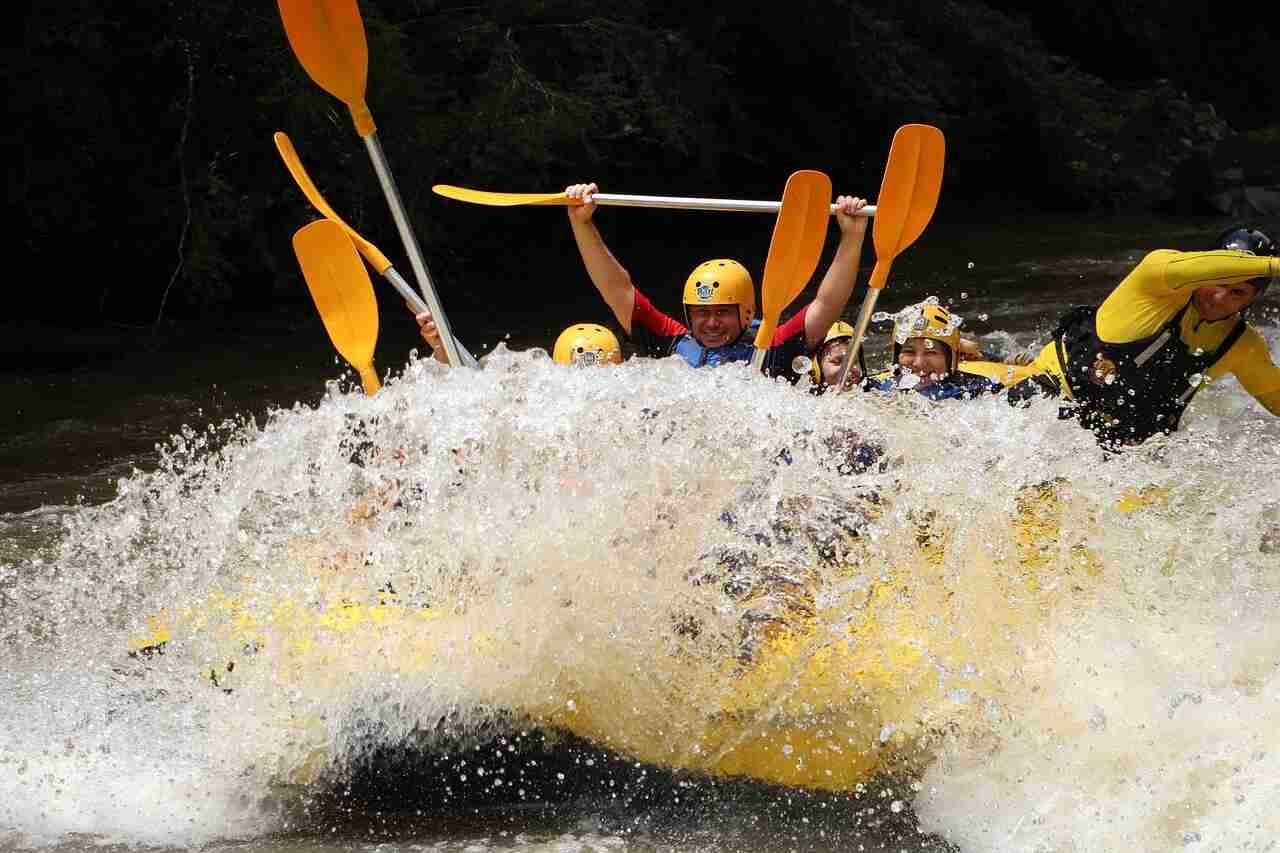
Want a good dose of adrenaline? Here are the best rafting spots in Bali to discover!
Are you looking for new activities to do in Bali? Rafting is an original and fun way to explore the landscapes of the Indonesian island, and to meet its flora and fauna. Don’t worry – rafting in Bali is not dangerous at all.
Feel the thrills of the river as you raft past jungle scenery, wildlife, and river beaches.
There are three main rafting spots in Bali, which are the Agung, Telaga Waja and Melangit rivers. In the heart of lush nature, live an extraordinary experience aboard an inflatable boat, while being supervised by a professional! We present these three must-do Bali rafting spots to help you find the adventure that’s right for you. There are many rafting organising companies you can choose from, visit each of the official websites and select which one suits you the best.
Not recommended for travelers with back problems, no heart problems or other serious medical conditions!
GOOD TO KNOW for the international rafting class system
International scale for river difficulty or rapids are classified into 6 levels, as follows:
1: very easy (calm and regular course, small currents and eddies, and slight slopes)
2: easy (slightly uneven course, weak rapids and simple obstacles)
3: intermediate (irregular course with waves and eddies, marked currents and some visible obstacles)
4: difficult (technical rapids, powerful waves and rolls, significant elevation changes and invisible obstacles)
5: very difficult (very technical rapids, strong waves, dangerous obstacles, whirlpools / violent rapids and significant drops)
6: almost impassable
To practice them, you will need:
– a suitable outfit
– a helmet
– a life jacket
– shoes that fit on your feet
Most of the time, the equipment is loaned by the organizers. Remember to take old shoes that hold your feet well to avoid losing them in the event of a lurch (move wildly down path)!
Prices (for information only)
For 1 Person around : IDR 750.000 (Solo Traveler) 2 Person : IDR 500.000/person. 3 Person : IDR 400.000/person. 4 Person : IDR 375.000/person.
1. Ayung River, Ubud
Level: 2-3
Duration of the descent: 2h
Distance: 12km (7.4 miles)
Ayung is simply the widest and longest river in Bali. Located in the Ubud region, it extends over nearly 70 kilometers. It forms in the mountains in the north of the island, crosses the regions of Bangli, Badung and Gianyar, before flowing into the Badung Strait in Sanur. From Seminyak to Ayung River rafting will take 56 minutes drive by car.
With its many rapids, this river is the perfect playground for those who wish to practice rafting in Bali.
The rafting course
Ayung offers a whitewater rafting course of about 12 kilometers, or between 1h30 and 2h30 of descent. Along the water, you can then appreciate all the diversity of Bali’s landscapes: the valley, lush forests, brilliant green rice fields or even majestic waterfalls such as the Tegenungan waterfall.
The average power of Ayung falls is estimated at 2-3. The river has only a few rocks, rough passages and small falls. Overall, this rafting spot remains family friendly and the proposed route is accessible to as many people as possible. Is this your first time? The Ayung River is therefore a favorable spot for a rafting baptism in Bali.
Note however that in the rainy season, when the water level increases and medium waves form, it can go to force 4. Under these conditions, a first experience of rafting or any other activity with a paddle is highly recommended.
Useful information
The Ayung River is ideally located since it is only a 20min drive from Ubud or 1h30 from Kuta. Thus, you will find in the city many agencies offering rafting excursions on the day or half-day. Most include pickup and drop-off at your accommodation, plus lunch.
The price of a rafting excursion on the Ayung River in Bali is between 5€ and 65€ per person depending on the offers. But like almost everything in Bali, it is always possible to negotiate the price directly with the agency.
Note: you will have to go up and down hundreds of steps to access the river.
2. Telaga Waja River
Level: 1-2 (with a class 3 pass)
Duration of the descent: 3h
Distance: 17km (10.5 miles)
The clear water of Telaga Waja flows in the Sidemen area in the east of the island of Bali, Indonesia. This river has its sources at Mount Abang, crosses the Rendang region and finally flows into the Bali Sea.
With its currents and numerous waterfalls, the wild river of Telaga Waja is ideal for rafting in Bali.
The course
With nearly 17km of track, the Telaga Waja River offers the longest white water rafting course in Bali. It takes about 3 hours to complete this descent. Rafting in Bali is an opportunity to observe the panorama of green rice fields, mountains, rocky cliffs, jungle and waterfalls from an unprecedented perspective. A real immersion in the wilderness, away from the hustle and bustle of the city, this is what awaits you on Telaga Waja!
The Telaga Waja rapids are classified as strength 1-2, and include a class 3 passage. Thus, this rafting spot is suitable for everyone, even beginners and/or children.
Using your paddle and your team spirit, you will overcome the torrents, tight turns, twists and a few slopes of this exceptional course. Finally, you will finish your race by taking up a major challenge: jumping from a five-meter-high water dam! Thrills guaranteed!
Useful information
This Bali rafting spot is located in Karangasem, north of Sidemen, about 2 hours drive from Kuta. You will find the excursion of your dreams in any agency on the island. If you are not there, departures are offered from most tourist towns in Bali.
Do you want to go rafting in Bali on Telaga Waja? It will still be necessary to count between 20€ and 65€ per person depending on the service. However, it is up to you to negotiate the best price! Hotel pickup and drop-off, lunch, and a guide are usually included in the price.
Good to know: access to the start and finish requires only a little walking.
3. Melangit Klungkung River
Level: 2-3
Duration of the descent: 1h30
Distance: 8km (5 miles)
Melangit Klungkung River is in Bakas Village, Banjarangkan District, Klungkung Regency, Bali. Melangit passes through unspoiled rainforest. It is considered one of the most beautiful Balinese rivers for rafting.
The course
At 8km long, the Melangit River rafting trail is shorter than those of the Ayung and Telaga Waja rivers. With multiple twists, drops and rocks, however, it requires some maneuvering, which makes it very exciting! By opting for this rafting spot in Bali, be ready to marvel throughout the journey in the heart of this tropical rainforest. In addition, remember to look up during periods of calm to try to see the wild animals hiding there!
Intermediate level, this course is more suitable for adventure lovers and/or people who have already practiced rafting. It counts more than thirty rapids, from 1 to 4 meters in height, a sharp bend and fast currents. So expect to get watered!
Useful information
Melangit Klungkung rafting spot is located 45min drive from Ubud and 1 hour from Denpasar. On site, the car park is only a 5-minute walk from the starting point of the course. At the point of arrival, you will reach the car park from the bank in less than 10 minutes on foot. As with other rafting spots in Bali, you will have the choice between going directly to the starting point or being picked up by the agency selected for your excursion. The pickup schedule will depend on where you are staying in Bali.
The average price of the service with transport, the presence of a guide and lunch included is €25 per person. Nevertheless, this price can obviously vary according to the agency, the content of the excursion and your bargaining power!
So, what are you waiting for to book your rafting session in Bali?
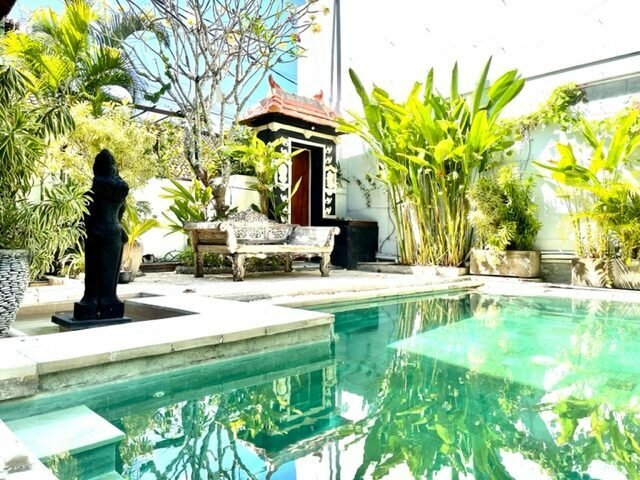
Located in Center Seminyak – Bali, Villa Carissa offers a private swimming pool and enclosed garden to guarantee your privacy. You can book your private pool villa here with us.
Whether you’re traveling with family, friends, or on a romantic getaway, villa Carissa in Seminyak center offers the perfect base for exploring Bali’s many attractions and enjoying a relaxing vacation.
Bali Snorkelling Guide Family to Advanced Beaches • Reefs • Wrecks
Best Snorkelling Spots in Bali
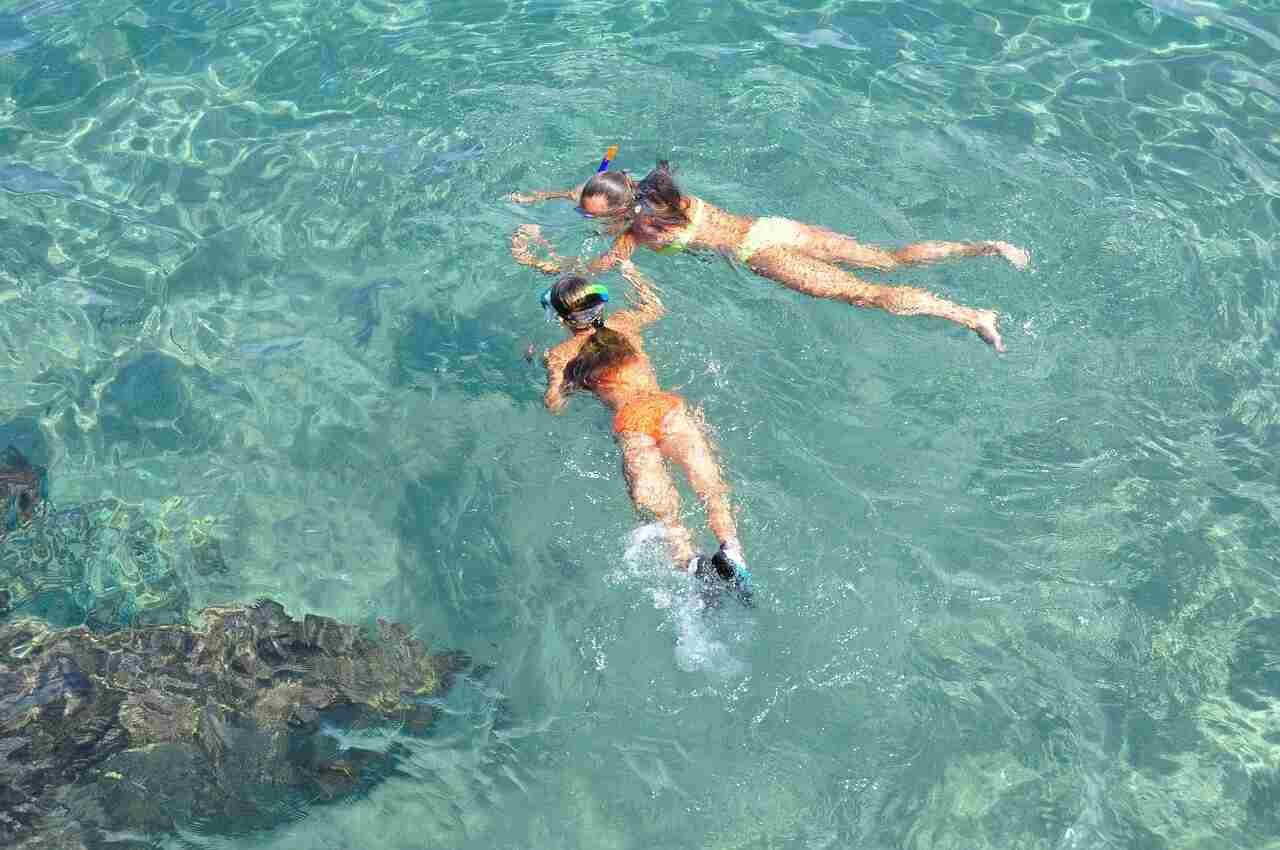
Bali is one of the best islands in Indonesia for snorkelling. You do not need to descend to 20 meters (65.6 ft) to enjoy marine life here. In some places, even shallow water is enough to discover colorful fish,
corals, turtles, and beautiful reef scenery.
This guide covers the best snorkelling spots in Bali, from easy family beaches such as Sanur and Blue Lagoon to iconic places like Nusa Penida, Amed, Tulamben, and Menjangan Island.
Quick answer: where is the best snorkelling in Bali?
The best snorkelling spots in Bali include Sanur, Blue Lagoon in Padang Bai, Nusa Penida, Nusa Lembongan, Jemeluk Bay in Amed, Tulamben, Tanjung Jepun, and Menjangan Island.
Each spot suits a different style, from easy beach entry snorkelling to boat-access sites with stronger current.
Why snorkelling in Bali is so special
Bali sits in one of the most biodiverse marine regions in the world. Depending on the site and the season,
you may see reef fish, turtles, lionfish, moray eels, octopus, rays, and, in some areas, even manta rays and reef sharks.
Water conditions vary a lot, so always choose the right spot for your level.
Sanur (South Bali)
Sanur is one of the easiest and most family-friendly snorkelling areas in South Bali. The reef is located around 200 meters (656 ft) from the shore, with water depths roughly between 2 and 12 meters (6.6 and 39.4 ft) depending on the tide and location.
Sanur Beach: ideal for families and easy snorkelling
Sanur’s long coastline, calm atmosphere, and easier sea conditions make it one of the best places for travelers who want a relaxed beach day with snorkelling.
You can often enjoy coral fish and reef life without needing a full diving setup.
Good to know: from May to September, there are also wind and kitesurf activities in the area, with some spots located about 2 kilometers (1.24 miles) from the main Sanur beach stretch.
Good for
Families
Beginners
Sandy beach access
Easy snorkelling from shore or short boat ride
Nusa Penida and Nusa Lembongan (East of Bali)
Nusa Penida and Nusa Lembongan are among the most famous island escapes from Bali. They are usually reached by speedboat,
often in around 1 hour from the Bali side depending on departure point and sea conditions.
These islands are known for clear water, dramatic cliffs, sandy-bottom bays, and exceptional marine life. Snorkellers can sometimes encounter
manta rays, turtles, and rich reef life. However, some areas are affected by strong currents, so site choice matters.
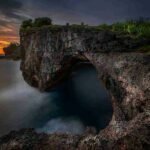
Kelingking is world-famous for its cliffside viewpoint and T-Rex-shaped headland. It is more iconic as a scenic stop than as an easy snorkelling launch,
but it belongs on any Nusa Penida itinerary.
Dream Beach – Nusa Lembongan
Dream Beach is one of the prettiest beaches in Nusa Lembongan, with bright sand, turquoise water, and dramatic nearby cliffs.
It is more scenic than technical and works well as a beach stop during an island day out.
Blue Lagoon Beach (Padang Bai, East Bali)
Blue Lagoon is one of the best-known snorkelling beaches in East Bali. It is a small, intimate lagoon with white sand,
clear blue water, and easy access to colorful underwater life close to shore.
Snorkellers can often see tropical reef species among corals, and depending on luck and conditions, even turtles, lionfish,
scorpionfish, frogfish, octopus, moray eels, trumpetfish, clownfish, and sometimes small reef sharks.
Good for
Sandy beach access
Beginner-friendly snorkelling
Colorful reef fish
Short boat trips to nearby snorkelling sites
Lovina Beach and Amed (North and East Bali)
Lovina Beach is known for calmer north-coast water and dolphin trips, while Amed is one of Bali’s most rewarding areas for both snorkelling and diving.
In Amed, several sites can be explored from the beach.
The best-known snorkelling areas around Amed include Jemeluk Bay, Lipah Beach,
the nearby USAT Liberty wreck in Tulamben, and other reef sites along the coast.
Jemeluk Bay is one of the easiest and most popular snorkelling spots in Amed. The bay offers calm water, reef life, and good visibility on many days.
It is an excellent option for travelers who want to snorkel straight from the beach.
Good for
Easy entry from shore
Families and couples
Clear reef scenery
Half-day snorkelling trips in Amed
Tulamben and the USAT Liberty Shipwreck (East Bali)
Tulamben is one of Bali’s most famous underwater destinations. The wreck of the USAT Liberty,
an American ship from World War II, lies close to shore and can be explored by both divers and snorkellers depending on conditions.
The site ranges from around 3 to 30 meters (9.8 to 98.4 ft) in depth. Parts of the wreck and surrounding reef can be visible even to snorkellers,
especially in calmer weather. The wreck itself is about 100 meters (328 ft) long and sits roughly 50 meters (164 ft) offshore.
This is one of the best places in Bali to combine history, coral growth, and rich marine life in one memorable session.
Tanjung Jepun and blue-spotted stingrays (East Bali)
Tanjung Jepun is reached by a short boat trip of around 15 minutes from Padang Bai.
It is known for soft and hard corals, reef fish, turtles, and especially the beautiful blue-spotted stingray.
It works for a broad range of travelers because you can enjoy the marine life with mask and fins,
while more experienced divers can also explore deeper sections and underwater structures nearby.
Menjangan Island (Northwest Bali)
Menjangan Island, inside Bali Barat National Park, is one of the best snorkelling and diving destinations in Northwest Bali.
It is known for excellent visibility, water temperatures around 28°C (82.4°F), and rich marine life.
Expect healthy reefs, soft corals, reef fish, seahorses, starfish, and beautiful underwater walls. Reaching Menjangan from central or South Bali
usually requires a long day trip, often around 4 hours by road before the boat crossing.
Located in Seminyak Center, Bali, Villa Carissa offers a private swimming pool and enclosed garden for privacy and comfort.
Whether you’re traveling with family, friends, or on a romantic getaway, it is a peaceful base for exploring Bali’s beaches,
reefs, and day trips.
Bali Surf Guide Beginner to Expert West Coast • East Coast • Bukit
Best Spots to Surf in Bali
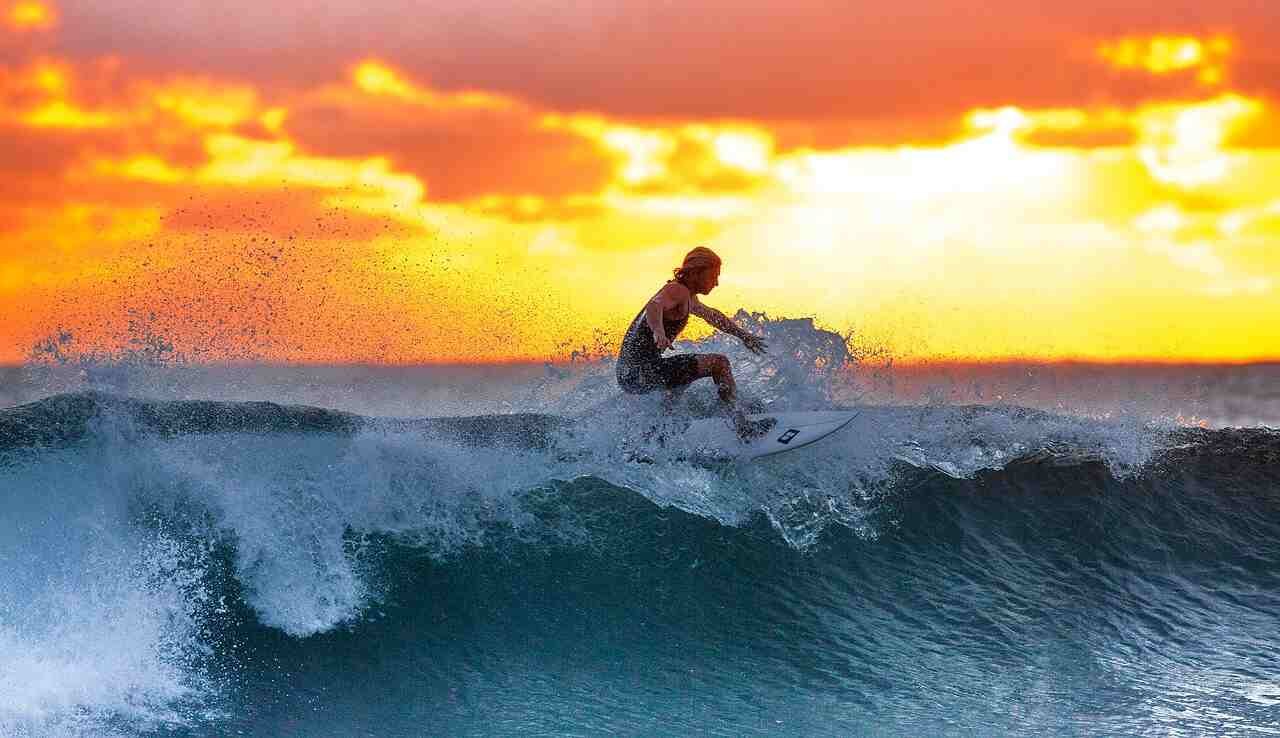
Bali is one of the world’s great surf destinations. From beginner-friendly beach breaks in Kuta and Canggu
to world-class reef waves in Uluwatu, Padang Padang, and Keramas, the island offers surf for every level.
Bali’s main surf season usually runs from April to October, when strong swells hit the west-facing reefs.
During this period, waves are often around 1 to 2 meters (3.3 to 6.6 ft) in average conditions, though they can be much bigger on strong swell days.
During the wet season, the east coast often becomes the better option because of offshore winds.
Quick answer: where are the best surf spots in Bali?
The most famous surf spots in Bali include Uluwatu, Kuta, Seminyak, Canggu, Balangan, Padang Padang, Medewi, Nusa Dua, Bingin, Dreamland, Impossibles, Keramas, Serangan, Green Bowl, and Gunung Payung.
When to surf in Bali
During the dry season (May to October), the west coast is usually best.
Air and water temperatures are often around 28°C (82.4°F).
During the wet season, air temperature is often around 30°C (86°F) and the east coast becomes more attractive because of offshore winds.
The very best surf spots in Bali
Bali is renowned for world-class surfing. This guide highlights the best beaches, reef breaks, and points around the island,
with notes on conditions, skill level, and what makes each place special.
1. Uluwatu: the legendary surf spot
Uluwatu is one of Bali’s most iconic surf spots and a must-visit for serious surfers. Located on the southwestern edge of the Bukit Peninsula,
it offers dramatic cliffs, a famous cave entry, and powerful reef waves that can reach around 3 meters (10 ft) or more on strong days.
This is a fast left-hand reef wave with sections that can barrel beautifully. It generally works best at mid tide to high tide, especially during the dry season from May to October.
Uluwatu is a surfers’ haven with powerful waves, stunning cliffs, and one of the most unforgettable surf atmospheres in Bali.
Be careful with currents and entry/exit timing. Access is through a narrow opening in the cliff, and missing the return line-up exit can mean a long paddle.
At low tide, the reef becomes very shallow and unforgiving.
If you are not surfing, it is still one of the best spectator spots in Bali. Watching barrels at sunset from the cliffside is unforgettable.
2. Learn to surf in Seminyak, Kuta, and Canggu
If you want to learn surfing in Bali, the easiest starting points are usually Kuta, Seminyak,
and parts of Canggu. These areas are famous because many waves break on sand rather than coral, making them more forgiving for beginners.
Typical wave size here can reach around 1.8 meters (6 ft), though beginner conditions are often smaller.
Board rentals and lessons are easy to find, and many surf camps operate in these areas.
Kuta
Kuta is one of Bali’s classic beginner beaches. The sand-bottom waves and easy board rental scene make it one of the most accessible places to take a first lesson.
Seminyak
Seminyak offers a lively surf atmosphere with a mix of beginner-friendly days and more challenging sections depending on swell.
It is also ideal if you want surf plus cafés, restaurants, and nightlife.
Canggu
Canggu is one of Bali’s surf capitals. Batu Bolong is popular with beginners, Echo Beach is more powerful, and Berawa can be a good alternative when you want fewer people in the line-up.
Useful sub-spots in Canggu
Batu Bolong (Old Man’s): long, gentle waves for beginners and longboarders
Echo Beach: more powerful A-frame waves and a more competitive line-up
Berawa: a slightly mellower option on the right day
3. Balangan Beach: from beginner to advanced
Balangan is a Bukit surf spot not far from New Kuta Golf.
It is a beautiful left-hand reef break with a dramatic limestone backdrop.
On smaller swells and higher tides, beginners can sometimes take lessons here. But on stronger swell, especially at lower tide,
Balangan becomes faster, hollower, and far less forgiving over coral.
Board rentals and instructors are often available at the beach warungs. Morning sessions are often the cleanest.
4. Padang Padang Beach: iconic and demanding
Padang Padang is one of Bali’s most legendary surf spots and one of the most famous left-hand waves on the island.
It is also one of the most photographed.
The wave offers multiple sections and can become very serious when the swell is strong. The atmosphere in the water can be highly competitive,
especially when it is firing. Always study the line-up before paddling out.
Even if you do not surf it, this is one of the best places in Bali to watch experienced surfers from the cliffs with a drink and a snack.
5. Medewi Beach: Bali’s long left
Medewi is a peaceful village in West Bali and home to one of the longest left-hand rides on the island.
It is especially loved by longboarders, but shortboarders also enjoy the speedier inside sections.
The setting is more traditional and less hectic than South Bali. If the main point is crowded, nearby waves can still offer good options.
The bottom is mixed, with pebbles, rocks, and sandy sections. It can work on many tides and is a great contrast to the more intense Bukit reefs.
6. Nusa Dua: powerful East Coast surf
Nusa Dua is better known for luxury resorts, but surfers know it for a complex zone of reef waves including Temple Lefts, Elevators,
Keyhole Left, Keyhole Right, Main Peak, and Chickens.
These waves are often best in the wet season (October to April) when the east side benefits from offshore winds.
Access can be difficult because of the sharp reef and distance from the beach.
This is not a beginner surf area. It is best for experienced surfers who are comfortable with reef, current, and larger surf.
7. Bingin Beach: for intermediate and advanced surfers
Bingin is one of the most photogenic lefts in Bali and a true tube machine.
It breaks over a shallow volcanic slab and can function on many tides and swell directions.
Depending on tide and swell, the water above the reef can be only around 30 to 60 cm (12 to 24 inches), so falls can be punishing.
It is crowded, competitive, and beautiful. If you know how to surf tubes well, it can be one of the highlights of a Bali surf trip.
8. Dreamland Beach: accessible and fun
Dreamland sits between Bingin and Balangan and is famous for its bright turquoise water.
Unlike many of the Bukit’s sharper reef waves, Dreamland is more approachable because it is more beach-break oriented,
though conditions still vary with tide and swell.
It can offer both right and left waves and is one of the more flexible options for surfers who want something fun without the full intensity of the heaviest Bukit reefs.
9. Impossibles Beach: experienced surfers only
Located near Uluwatu,
Impossibles is a long, fast, powerful left over reef.
Reaching the main take-off often means paddling around 400 meters (1,312 ft), and the wave has several sections that can close quickly.
It is rewarding in the right conditions, but it is not for casual intermediate surfers.
Be in good physical shape, and always study entry and exit zones before paddling out.
10. Keramas Beach: East Bali power
Keramas is one of Bali’s most famous right-hand reef breaks and one of the best East Coast options in the wet season.
It lies between Padang Bai and Sanur.
It is fast, often tubular, and can be extremely good when winds line up. It has hosted international surf events and remains a favorite among high-level surfers.
The strong currents, reef, and local/pro presence make it less suitable for beginners.
11. Serangan Beach
Serangan is one of Bali’s most versatile surf spots, with rights and lefts that can suit beginners through intermediate surfers depending on conditions.
It can work on high, mid, and lower tides. The bottom is reef-based, but the set-up is often easier than some of Bali’s heavier Bukit spots.
Warungs nearby make it easy to refuel between sessions.
Access is via the bypass route between Sanur and Kuta, followed by a rougher road toward the beach.
12. Green Bowl Beach: hidden and powerful
Green Bowl is a hidden gem in South Bali, reached by a long staircase. It is more isolated than many better-known spots and can offer long, hollow lines in clear water.
It is best suited to intermediate and advanced surfers, especially because of its strong currents and reef set-up.
At high tide, beach access can become difficult.
After a long session, the climb back up can feel serious, especially after more than two hours in the water.
13. Gunung Payung Beach
Gunung Payung lies between Nusa Dua and Green Bowl in South Bukit. It is more secretive, less serviced, and often much less crowded than the island’s headline spots.
It has similarities to Green Bowl, but one of its great advantages is that you may have far more space in the water.
Bring your own water and snacks, because facilities are limited.
For surfers looking for “virgin” waves and a more off-the-radar feel, this can be a very special session.
Final thoughts
Bali offers some of the best surf spots in the world, from beginner beach breaks to technical reef waves for experts.
Whether you want your first take-off in Kuta or Seminyak, clean walls in Canggu, classic long rides in Medewi, or heavy reef surf in Uluwatu and Padang Padang,
Bali has a wave for you.
Safety always comes first. Watch the tide, currents, reef, and crowd level carefully. If you are less experienced, use a reputable instructor or local surf guide.
Have you secured your villa in the heart of Seminyak?
Villa Carissa in Seminyak Center is a practical and elegant base for exploring Bali’s surf coasts.
Stay close to restaurants, nightlife, and day-trip routes while enjoying your own private pool villa after a session.
Whether you are traveling as a couple, with friends, or with family, Villa Carissa’s three-bedroom villa offers comfort, privacy,
Balinese design, and easy access to Bali’s beaches and surf destinations.
This is Kawah Ijen, culminating at 2799 meters (9084 ft) above sea level and renowned for the turquoise lake that its crater shelters. Driving from Bali to Mount Ijen takes 5 hours 30 minutes including the ferry crossing. You can hike during the day to see the turquoise lake and night to see the famous blue flames. Ijen is listed in UNESCO Global Geopark.
Here, unlike Bromo, no accommodation is available in the immediate vicinity. We advise you to take start in the town of Banyuwangi and find a minibus to drop us off there in the middle of the night to watch the sunrise (more practical details await you at the bottom of the article). The closest accommodations: Banyuwangi (1 hour) or Bondowoso (2 hours).
Mount Ijen Craters. Ijen Crater is one of the mountains that has a beauty that is very suitable as a photographic object. around the crater there are trees that can add to the beauty of the ijen crater. In Ijen Crater, we can also enjoy the blue fire phenomenon at night where there are only 2 of these phenomena in the world and one of them is here in Ijen and and in Dallol mountain, Ethiopia. HarfiBimantara, CC BY-SA 4.0, via Wikimedia Commons
The mount Ijen
Kawah Ijen is a volcano located near Bali, east of Java. The crater of this volcano is filled with an acid lake and its heart is a sulfur deposit.
Mount Ijen, known as “Kawah Ijen” in Indonesian, is an active volcano located in the east of the island of Java. It is located in the middle of a breathtaking landscape of volcanic cones and culminates at 2799 meters (9084 ft). Its crater contains a sulphurous lake of turquoise color, considered the most acidic lake in the world and, at night, you can also observe the famous electric blue flames which emanate (emerge) from the crater.
Many travelers travel to the island of Java, by ferry from the port of Gilimanuk in Bali, to do this must-do hike and then continue their journey with the Mount Bromo trek. Follow our guide to find out everything you need to organize your night hike on Mount Ijen, whether on your own or via an agency, you will be amazed.
What is the time difference between Kawah Ijen and Bali?
Bali is 1h ahead of Kawah Ijen. When 3:50 PM in Kawah Ijen, it’s 4:50 PM in Bali.
What time to start the hiking?
If you want to descend into the crater to see the blue flames, you have to get to the top of the volcano before 3am, so you have to leave the hotel at midnight.
If you don’t want to descend into the crater but just enjoy the sunrise over the lake, you can leave the hotel at 3 a.m. to arrive at dawn, which we did.
Make an appointment with your taxi to pick you up at the desired time from your hotel. Plan a little margin ahead…
How to get to the plateau of Mount Ijen?
The Ijen plateau is accessible by the towns of Bondowoso west of Ijen or by the port of Banyuwangi in the far east of Java, the city where you will disembark if you come to Java by ferry from Bali.
Generally, travelers from West or Central Java head to Probolingo Station which provides several daily trips to Banyuwangi. From Banyuwangi, count 1h30 drive to Mount Ijen. Java is also rather well served by direct buses to Bondowoso, or Banyuwangi from Probolingo bus station.
If you come from Bali by ferry and you come to Java to directly climb Mount Ijen, you can also disembark at the port of Ketapang then go by taxi or car to Bondowoso or Banyuwangi which are not very far from the port.
Practical information for going from Bali to Mount Ijen by bus
1. Take the local bus to the port of Gilimanuk in West Bali
In Pemuteran, you will need to catch the local bus on the big main road. There are regular ones, ask at the warungs where the stop is. The journey to the Gilimanuk pier is about thirty kilometers. The bus will drop you off in front of the port. Ask for the ferry to Java and buy your ticket at the cash desk (around IDR 35,000 for a return ticket in 2019, i.e. € 2 per crossing). A paper is to be filled in with surname, first name, nationality etc…
2. Arrival at Ketapang port in Java
At the exit of the ferry in Ketapang, I advise you to move away a little from the pier and to negotiate a bemo or a taxi away from the touts. Fix the price beforehand and don’t be fooled, because the drivers very often try to make detours to inflate the price of the race.
How to get from Banyuwangi to Ijen Volcano?
There are 2 options to see the volcano:
Either you book a tour with the hotel with a driver or a minibus that will take you to the volcano for around €80 per person, but you can just as easily organize everything yourself by taking a taxi to bring you to the level from the Paltudingparking area at the foot of the Kawah Ijen volcano.
We advise you to find it in advance, either on the internet or by negotiating a taxi away from the pier. Few Balinese taxis agree to go to Java, for them it’s the end of the world. It is better to find a taxi on Java by paying attention to scams!
The taxi ride takes about 30 minutes from Banyuwangi. He will leave you at the parking lot and wait for you. Take note of the location of his car, because when you return, there will be a hundred buses and vehicles parked here. The entrance to the path is well indicated and begins after the wooden hut.
Hike during the day to see the turquoise lake
A crazy view of the turquoise lake of the Ijen volcano and the sulfur extraction mine. Moreover, Kawah Ijen means “green crater” in Indonesian. The fumaroles (solfataras) loaded with hydrogen sulfide and sulfur dioxide will react on contact with oxygen and condense into a bright orange liquid sulfur deposit.
The color of Lake Kawah Ijen comes mainly from two parameters. The first is of course due to its extreme acidity. But the acidity does not entirely explain the magnificent hue of this lake. You also have to add a subtle touch of molten metals to the recipe to get the right combination.
Sunrise over lake in Ijen crater, Jawa, Indonesia. Syselpunk, CC BY-SA 4.0, via Wikimedia Commons
An open pit sulfur mine
Going down to the bottom of the crater, you will be able to see the daily life of the miners who venture to the bottom of the crater every day to collect sulfur with their pickaxe. If you ever get tired during your hike, tell yourself that every day, no less than 300 miners descend and ascend the crater 2 to 3 times a day, carrying up to 80kg (176 lbs) of sulfur per person. They load large blocks of sulfur into their two baskets tied with a wooden stick and placed on their shoulders.
The composition of the lake, as follows:
1,300,000 tons of aluminum sulphate
600,000 tons of hydrochloric acid
550,000 tons of sulfuric acid
200,000 tons of alumina
170,000 tons of iron sulphate
140,000 tons of magnesium sulphate
120,000 tons of calcium sulphate
100,000 tons of potassium sulphate
30,000 tons of 99% pure sulfur
Sulfur is 90% used to prepare sulfuric acid, the basic product of the chemical industry, used to make fertilizers and lead-acid batteries, making car batteries, oil refining, water processing, and mineral extraction. Other applications for sulfur-based chemicals include rubber vulcanization, bleaching paper, and product making such as cement, detergents, and pesticides. And some gunpowder too.
Traditional Sulfur Miners at Kawah Ijen. It is heartbreaking to see the miners making their way up from the bottom of the crater, carrying 80-90 kg of sulfur in baskets on their shoulders. Still the experience is definitely worth it and a must see place. Emjeha, CC BY-SA 4.0, via Wikimedia Commons
Hike at Night to see the blue flames of Mount Ijen
Mount Ijen is best known for its famous blue flames, visible at night. These electric blue flames appear during the combustion of sulfuric gases.
The gases escape from the fissures of the volcano at high pressure and at a temperature of up to 600°C (1112°F). Then, the gases ignite when they come into contact with the air, which creates the famous blue flames which can reach up to 5 meters (6.5 ft) in height.
Blue fire of Kawah Ijen, East Java, Indonesia. Jakub Hałun, CC BY-SA 4.0, via Wikimedia Commons
These volcanoes that produce blue flames: an unusual case of natural chemiluminescence
At night, the craters of certain volcanoes, such as Dallol in Ethiopia or Kawah Ijen in Indonesia (on the island of Java), offer a grandiose, exceptional and intriguing spectacle: they seem to produce blue lava. In fact, it is the flames above the lava that are azure blue in color.
But where does this blue color come from? It is mainly due to the large amount of sulfur present in the crater. Thus, the sulfur vapors which escape with a temperature of 200°C (392°F) ignite on contact with the air producing blue flames which can sometimes reach up to 5 meters (16.5 ft) in height.
The blue sulfur flames in the Ijen Caldera. Arie Basuki, CC BY-SA 4.0, via Wikimedia Commons
Descent into the crater to see the blue flames
At this place, we can admire the blue flames, if the conditions allow it (there should not be too much wind). You can wait a few minutes, nothing happens. Then suddenly shows a small formation of blue flames. After 5 minutes, the flame has grown, it’s a real little blue fire that burns!
How to hike to Mount Ijen?
The hike consists of climbing the volcano at night to arrive at the summit an hour before sunrise. Once at the top, while it is still dark, you will descend into the crater to observe the famous blue flames that emerge from it. You will then have to go back up to enjoy a breathtaking view of the crater and the surrounding mountains, and admire the emerald lake at sunrise.
Total hiking time is around 2 hours from Paltuding. The journey continues until you reach the Paltuding Post and you can go to the location by climbing 3 km (1.85 miles) to the edge of the Ijen Crater caldera.
The departure is around 2am from the beginning of the trek. Throughout the ascent, the path is well indicated, wide and without rocks, but the slope is sometimes very steep. You will quickly be out of breath, but since the climb to the summit is no more than 4km, you have plenty of time to take breaks.
The last 30 minutes of the hike (which lasts no more than 2 hours in total) are flat. Finally, the most exhausting part of the hike is the descent to the bottom of the crater, then its ascent before sunrise.
Ijen Volcano at dawn. Ijen Volcano houses the most acidic lake in the world, it is also a source of sulfur, such sulfur creates a chemical reaction that makes the flames in the volcano blue. Jrivera175, CC BY-SA 4.0, via Wikimedia Commons
What to bring for the hike?
A gas mask to protect you from sulfur fumes that sting the nose and eyes and are dangerous for the lungs!
A flashlight or headlamp because the hike is done at night.
Warm clothes: sweaters, gloves, hats. It is very cold at the top of the volcano! And possibly a rain poncho, in case of a downpour…
Good walking shoes (but no need to buy real trekking shoes)
Something to eat for breakfast (cereal bar, dried fruit…) and at least 1L of water per person, because there is nothing to buy to drink or eat during the ascent.
If you want to get to the starting point of the trek on your own, you will need a powerful scooter because the slope is steep.
Yes ! You can easily climb Mount Ijen without a guide. As explained above, the path is wide and really well indicated. Also, there will be a lot of hikers around you. So you can’t get lost. In reality, the only time the guide can be useful is during the descent and then the ascent of the crater. Indeed, the path to the bottom of the crater is narrow and quite difficult, and can be slippery at times. But go at your own pace and you’ll be fine 🙂
For fares: if you go by yourself to the starting point of the hike from Banyuwangi, count 6,000 IDR for the toll on the road. Then, entrance to Mount Ijen costs IDR 150,000 per person (for tourists) and 10,000 for locals.
Climbing Mount Ijen from Bali with an agency
If you prefer to be taken care of from start to finish, it is possible to go through an agency: Private transport A/R between Bali and Ijen, Ferry crossing, private guide for the ascent.
Ijen Crater Facility
Traveling to Ijen Crater certainly aims to enjoy the natural beauty of Ijen Crater with facilities that are quite complete and in accordance with our tourism needs. Here are some of the facilities in the Ijen Crater tour, including:
Located in Center Seminyak – Bali, Villa Carissa offers a private swimming pool and enclosed garden to guarantee your privacy. You can book your private pool villa here with us.
Whether you’re traveling with family, friends, or on a romantic getaway, villa Carissa in Seminyak center offers the perfect base for exploring Bali’s many attractions and enjoying a relaxing vacation.
If Indonesia is studded with volcanoes, Mount Bromo, on Java, offers with its immensity and surreal beauty one of the most incredible natural spectacles in the whole country. The fastest way to go from Bali to Bromo takes 3 hours 30 minutes. First of all you need to take a plane from Bali Airport (DPS) to Surabaya (SUB) around 1 hour, then drive from Surabaya to Bromo Cemoro Lawang (the village closest to Mount Bromo) takes 2 hours and 30 minutes. Or you can drive from Bali to Bromo takes 10 hours.
To live new experiences and meet great people. The trip opened our eyes and especially the doors to new worlds. Culminating at 2389 meters above sea level, Mount Bromo is one of the many active volcanoes of Indonesians, located east of the island of Java. This volcano is part of the Bromo-Tengger-Semeru National Park. Its crater is 200 meters deep and has a diameter of 800 meters.
Mount Bromo has a vast crater (10 km in diameter, the result of the violent volcanic history of the Tengger caldera) seems “pierced” by the often smoking peak of Bromo. Huge plains of ash and volcanic sand stretch to the towering crater cliffs, and the nearby peaks of Kursi and Batok appear as menacing companions to Bromo. The crater is best seen filling the horizon at sunrise. In order to see this admirable scorched-earth landscape, 4×4 excursions depart around 3:30 am from the nearby town of Cemoro Lawang.
Flying is by far the fastest and easiest way to reach Bromo from Bali. The flight from Bali Airport to Surabaya (SUB) takes 1 hour and then drive from Surabaya to Bromo takes 2 hours 30 minutes.
What airline companies run direct flight services from Bali and Bromo?
By bus from Bali to Surabaya, then to Cemoro Lawang (the village closest to Mount Bromo)
This is the most used route to get there. To get there from Surabaya, you have to go to the Bungarasih bus terminal (also called Purabaya) and then from there take a bus to Probolinggo. From Probolinggo it is then possible to take a minibus to Cemoro Lawang (the village closest to Mount Bromo).
How to get to Mount Bromo by bus or train?
From Probolinggo: by bus
Probolinggo is the nearest big city to Mount Bromo, located in North Java. You can get to Probolinggo by bus (or train, see below) from Surabaya: go to Bus Terminal Bungurasih the bus station located south of Surabaya to catch a bus that will take you to Probolinggo. The trip is inexpensive (50,000 IDR on average) and takes about 2 hours. You can book a bus ticket on this site
Once you arrive in Probolinggo, you can take a minibus to the village of Cemoro Lawang. The price per person is IDR 35,000 if the bus is full (about 15 seats).
From Surabaya: by train
You can also take the train from Surabaya to Probolinggo and then a minibus from Probolinggo to Cemoro Lawang. The train station in Surabaya to get to Probolinggo is called Surabaya Gudeng, economy class train tickets cost on average IDR 30,000 (yes, it’s cheaper than the bus!) and the trip also takes 2 hours. To book a train ticket, the best site is Tiket.com, a reliable site for booking train tickets, planes and hotels in Indonesia.
In summary, the best way to see the sunrise at Mount Bromo is to do the trip: Surabaya – Probolinggo – Cemoro Lawang 🙂
Everything you need to know to organize your hike to Mount Bromo in Java
Bromo Tengger Semeru National Park is a national park located in the east of the island of Java in Indonesia. It is made up of a mountainous region whose highest point is Mount Semeru at 3,676 m, the highest peak in Java. The Tengger Massif and Mount Bromo are part of the park. There are also 4 lakes: Ranu Pani, Ranu Regulo, Ranu Kumbolo and Ranu Darungan, and about fifty rivers.
Sunrise in the steaming crater of Mount Bromo with stately Mount Semeru imposing in the background. Alec.bernstein, CC BY-SA 4.0, via Wikimedia Commons
The preparation to climb Mount Bromo
From the village of Cemoro Lawang: on foot or by jeep
Cemoro Lawang is the village at the foot of Mount Bromo where most visitors come to sleep before climbing to see the sunrise. This village is accessible from Probolinggo and you will easily find hotels or guesthouses there. From Cemoro Lawang, count about 1 hour of walking to go to Mount Bromo, or you can directly rent a jeep in a group (5 to 6 people depending on whether you take a driver) for IDR 400,000.
Departure by jeep and climb
To see the sunrise at Mount Bromo, you leave around 3:30 am from Cemoro Cawang. If you rent a jeep, allow 1 hour to reach the starting point of Mount Bromo. The distance is short but there is a horde of jeeps on the road so it goes really very slowly…
Then the jeep drops you at the starting point and you walk under a beautiful starry sky (if the weather is good) until reach the viewpoint overlooking Mount Bromo and its crater. The ascent on foot is widely accessible even for the less athletic, and takes barely 1 hour (45 minutes to be exact).
Once you get to the viewpoint, the view is simply spectacular! It is without exaggerating one of the most beautiful landscapes of Java. You can have a local breakfast at the top: banana fritters (pisang goreng) fried with the means at hand right before your eyes, which adds so much charm to this unique experience. And for really nothing: 2,000 IDR each! You can also buy hot or cold drinks.
Descent to the sea of sand then ascent of the smoking crater
A small crossing of the “sand sea” leads me at the foot of the Bromo.
Then you descend and return to the jeep around 6:30 a.m. to see the smoking crater. Again, the scenery is breathtaking. A sea of black sand stretching as far as the eye can see, locals moving from one point to another on their horses, itinerant sellers of bananas, masks, ponchos and souvenirs of all kinds…
To see the crater, you have to take a staircase of about 200 steps, but the ascent is very easy. This is the only downside: there are so many people that you take a break every 2 steps.
Exploring Bromo National Park
Once you arrive at Bromo National Park, there are several activities and attractions to explore:
Sunrise viewpoint: Watching the sunrise over Mount Bromo is the most popular activity in the area. You can hike up to the viewpoint on Mount Penanjakan to watch the sunrise, which offers breathtaking panoramic views of the surrounding mountains and caldera.
Bromo Crater: The Bromo Crater is an active volcano that last erupted in 2019, and hiking to the crater offers a unique experience of getting up close to an active volcano.
Sea of Sand: The area surrounding Bromo is known as the Sea of Sand, a vast expanse of sand that covers the caldera floor, giving the area an otherworldly and surreal feel.
Other scenic spots: The area around Bromo has several scenic spots, such as the Savanna and
Whispering Sands, offering stunning views of the mountains and caldera.
Cultural experiences: The Tenggerese people, who live around Bromo, have their own unique culture and traditions, adding a cultural element to your visit to Bromo National Park.
No, you do not need a guide at all to climb Mount Bromo. On the other hand, it is strongly recommended to rent a jeep and a driver because the climb to the starting point of Mount Bromo is really long on foot and complicated because you take the same road as all the jeeps. Almost no one does it on foot.
Warm clothes: hat, gloves, sweater… It is really cold at the top, you will be very happy to be covered while waiting for sunrise.
Torch or headlamp: depending on the tour you take, it will not always be provided so it is better to have your own lamp.
1L of water/person and a few snacks: once the sun is up, it is really hot on the sea of sand and above the crater. And apart from pisang goreng and bananas, there is no food on site so don’t forget to bring your own.
A scarf or something to protect you from the dust: on the sea of sand and going up the crater there is a lot of dust, so if you have a scarf or a cloth to cover your mouth and nose, it can be very practical. Otherwise, they sell pharmacy masks on site.
Tips:
Wear sturdy shoes for hiking to the summit of Mount Bromo.
Hire a jeep or a motorcycle for exploring the area, as it can be difficult to navigate the rugged terrain on foot.
Respect the local culture and traditions, and ask for permission before taking pictures of people.
In conclusion, a visit to Bromo National Park is an unforgettable experience that should not be missed when traveling to Indonesia. With its stunning natural beauty, unique cultural experiences, and adventurous activities, Bromo National Park is a must-visit destination for nature lovers and adventure seekers.
Located in Center Seminyak – Bali, Villa Carissa offers a private swimming pool and enclosed garden to guarantee your privacy. You can book your private pool villa here with us.
Whether you’re traveling with family, friends, or on a romantic getaway, villa Carissa in Seminyak center offers the perfect base for exploring Bali’s many attractions and enjoying a relaxing vacation.
Welcome to your home away from home! Let’s get your holiday started with a relaxing stay at our villa in beautiful Seminyak, complete with a private pool and garden for your enjoyment
Welcome to Bali and Villa Carissa!
Dear Guests,
We extend our warmest welcome to Seminyak Bali and Villa Carissa. It is an honor to have you choose our villa as your “home in Seminyak, Bali”. Our entire team is dedicated to making your stay as comfortable and memorable as possible.
Bali is a place to disconnect from the ordinary and reconnect with yourself. Be open to new experiences, embrace the friendly Balinese culture, and create memories that will last a lifetime.
Selamat datang di Bali (Welcome to Bali)!
Our guests have created wonderful memories here by exploring the beautiful beach, local restaurants, shops, nightlife and breathtaking sunsets. We hope that you will feel at home during your stay, no matter how brief it may be.
If you require any assistance, please do not hesitate to contact us on Whatsapp at +62 811 3526000. We are available for emergencies or if you have any questions or concerns that may improve your stay.
We have provided a digital welcome book below with our favorite local eateries, house rules, check-out times, and other essential information to help you get started on your vacation.
In this guide, our team has chosen the best spots in the area, all of which are highly recommended for making your stay in Bali memorable.
Finally, enjoy your stay and we hope that you will find the guide useful and join us again in the future!
We wish you a lovely stay with us!
Warm Regards,
Villa Carissa Team
Highlights of the villa
Whether you’re on a romantic getaway, family vacation, or traveling with friends, Villa Carissa is the perfect base for exploring Bali’s many attractions and enjoying a relaxing vacation.
Escape to your own private oasis at Villa Carissa, where you can unwind in tranquility with a refreshing pool and a tranquil tropical garden. Immerse yourself in the charm of Bali with our modern take on traditional Balinese architecture, featuring intricate details and a timeless aesthetic that creates a truly unique atmosphere. Pamper yourself without leaving the villa – our dedicated in-villa spa treatment room allows you to book personalized massages and beauty treatments for ultimate relaxation.
Beyond the Villa:
Nestled in the heart of Seminyak Center, Villa Carissa offers a tranquil location with easy access to the vibrant energy of nearby shops, bars, and restaurants. Start your day with a unique twist – indulge in our famous floating breakfast served in the privacy of your villa or poolside.
About the Place
The modern Balinese-style Villa Carissa is located in the heart of Seminyak, offers a private outdoor pool, an enclosed garden for your privacy and a sunny terrace.
Relax in this stunning 3-bedroom pool villa with lush garden, located in the heart of cosmopolitan Seminyak, just 2 mn walk from Jalan Laksmana (Eat Street, recently renamed Jl. Kayu Aya). It doesn’t get more central than this! Located a few meters from the most exciting restaurants, spas and shops of the island and a stone’s throw from the beach, Villa Carissa is the ideal place to discover the magical atmosphere of the tropical region of Bali. Location, location, location!
What to expect when you book our Villa Carissa?
Villa Carissa, centrally located in Seminyak, offers effortless access to stunning beaches, restaurants, fine dining, beach clubs, spas, entertainment, nightlife, and exclusive shopping. It features a blend of modern Balinese style, privacy, and serene living spaces, including a private pool and premium rooms.
The Main Door of Villa Carissa: A stunning Balinese welcome
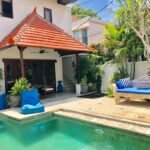
Very private pool in the heart of Seminyak
Villa Carissa in Seminyak Centre
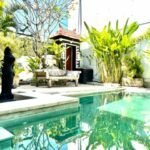
Private Pool at Villa Carissa in Seminyak Center.
The first bedroom on the ground floor of Villa Carissa provides a charming view of the private pool.
The second bedroom’s balcony offers a peaceful escape, featuring cozy seating with a pool view, ideal for enjoying coffee or drinks.
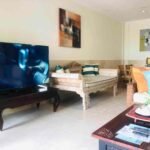
Enjoy TV Entertainment in the Living Room
Bathroom n° 3 at Villa Carissa offers a rejuvenating rain shower and a stylish marble countertop for the hand wash sink.
The versatile living space, you can open or close for your comfort at Villa Carissa
Enjoy in-villa private massage and spa services during your holiday. If you dream of a moment of pure relaxation where all your daily worries disappear, then Seminyak is the ultimate destination for you. Allow yourself to be pampered by its welcoming establishments, solely dedicated to fulfilling your desires and ensuring a blissful escape from the everyday hustle.
Villa Carissa offers services and supplies, ensuring that you enjoy a comfortable stay in your villa with a private swimming pool. These include daily housekeeping, a fully equipped kitchen, a private swimming pool, and a concierge service for any assistance you may require.
When you choose to stay at Villa Carissa, you’re not just booking a villa, but a complete experience tailored to make your vacation truly special. Our commitment to your comfort and satisfaction is reflected in the array of services and amenities we offer. Find out our multiple services and amenities at Villa Carissa at your disposal: Services and Amenities at Villa Carissa | Seminyak, Bali
Go green at Villa Carissa
In our dedicated effort towards environmental responsibility, we’ve implemented a policy to provide fresh bed linens and towels after every four nights of your stay. This subtle adjustment complements our sustainable hospitality approach. We also offer guests the option to opt out of this service if they prefer. Your choice contributes to a more eco-conscious experience!
WiFi
Fast internet connection with fiber optic internet connection @VillaCarissaBali and no more long waits to upload or send large files. For the wifi password, please kindly ask our villa attendant.
Unique Experiences
Villa Carissa offers guests unique experiences, such as the floating swimming pool breakfast, which allows guests to enjoy their breakfast while floating on a specially designed tray in the villa’s beautiful swimming pool.
In-villa spa and massage treatments
Immerse yourself in a world of relaxation and rejuvenation with our exclusive in-spa and massage treatments, available right in the privacy of your own private pool villa. Elevate your experience and let the tranquil ambiance enhance your wellness journey.
Checking In and Out
Check-in at Dream Villa Carissa Seminyak Centre is from 2:00 PM, and check-out is until 12:00 PM (noon).
Emergency Contacts
It’s essential to have access to emergency numbers when traveling to a foreign country, and it’s no different in Bali.
Discover the highlights of Seminyak and Bali in general, where the chic and glamorous Seminyak beach attracts tourists for its bars, restaurants, clubs, long stretches of beaches for surfing and beach club experiences, and breathtaking sunsets, while the area itself is home to many expats who have set up shops, art galleries, and top-notch restaurants, making it an upscale counterpart to Kuta, located further south.
Seminyak Area Recommendations
Seminyak is a chic and vibrant area in Bali that has become a popular tourist destination due to its wide range of restaurants, nightlife establishments, hotels, and shops.
However, to truly experience the essence of Seminyak, it’s recommended to seek out the top local recommendations from residents who can guide you to the best hidden gems, from street food stalls to boutiques and more.
The bustling city is active day and night, with visitors spending their days shopping or lounging on the beaches of Kudeta or Double Six or Petitenget, located near our villa. Come nightfall, visitors can enjoy the best restaurants in town, and cap off the evening at one of the beach clubs or nightclubs that have become popular destinations in Bali.
It’s only a 10-minute walk from Villa Carissa to the iconic Kudeta beach club, which stands as a symbol of Seminyak’s vibrant nightlife. If you’re looking for a chic and refined atmosphere, the club features an outdoor space with large mattresses, perfect for relaxation. Sipping on cocktails while watching the surf on one of Bali’s famous beaches is a must-try experience, alongside the club’s delicious food, great music, and hip crowd that make it one of the top destinations for beach clubs in Seminyak.
Located on Bali’s west coast, Seminyak is the sophisticated counterpart to the bustling town of Kuta located further south, and is a hub for the island’s expat community, with many setting up shops, galleries, and many good restaurants in the area. If you’re looking for the best places to dine in Seminyak or where to go for a night out, we’ve curated a list of some of the top spots in the area for you to explore.
Look no further than Seminyak’s exquisite restaurants if you’re searching for a fine dining experience coupled with a romantic atmosphere. With a wide range of dining options, from beachfront seafood spots to high-end fusion cuisine, Seminyak offers some of Bali’s most exceptional dining experiences.
Coming to Bali on vacation? You definitely want to be pampered! In this case, you have come to the right island because Balinese massages are reputed to be among the best. Take advantage of being in Seminyak as there are many quality spas and salons. You can treat yourself to a professional haircut, ManiPedi and many other beauty treatments. Spas in Seminyak range from chic and elegant salons to modern studios with views of the rice paddies. These services will generally cost you between IDR 60,000 and 1,000,000 (from less than € 4 (yes!) to € 89 and more.
Whether you come to Bali for a few days or a few weeks, Seminyak beach remains an obligatory crossing point for all tourists. Chic, glamorous, the city attracts for its bars, beach clubs, villas and hotels but also its long beaches which give everyone the opportunity to try their hand at surfing, try out some Beach Clubs and enjoy the magnificent sunsets.
Seminyak beach is golden sand stretching 3 km (1.8 miles), as far as the eye can see on this west coast of the island is a pure wonder for any lover of sunbathing, swimming or surfing.
As the evening approaches and the clock strikes 5:30 p.m., the beach transforms into a scene straight out of St. Tropez, with thousands of people lounging on colorful poufs to witness the magnificent sunset over the Indian Ocean. It’s a sight that is not to be missed and is sure to leave a lasting impression on any traveler.
There are plenty of options to enjoy Bali swings in Seminyak and other places in Bali, offering breathtaking views and a unique way to experience the island’s natural beauty.
Embrace the thrill of soaring amidst Bali’s breathtaking landscapes on captivating rope swings. From iconic rice paddies to secluded beaches, these unique attractions offer unparalleled views and a chance to connect with nature’s beauty. Take a leap of faith, feel the wind rush through your hair, and create unforgettable memories.
Savor the laid-back lifestyle, tropical beaches and party the night away. What is now considered one of the best nightlife destinations. From Seminyak, Canggu, Uluwatu and many more…
Bali’s nightlife is an exciting and diverse scene that caters to every taste, from the laid-back island vibe to the high-energy party scene that has made it a world-renowned destination for nightlife enthusiasts.
Bali is known for its vibrant and diverse culture, and this extends to its welcoming attitude towards the LGBTQ+ community. Seminyak: This trendy neighborhood in Bali is home to a variety of gay-friendly bars, clubs, and restaurants. Some popular spots include Bali Joe Bar, Mixwell Bar Bali, and Bottoms Up Bar.
For those seeking to immerse themselves in Bali’s artistic heritage, a visit to the art galleries of Seminyak is a must. It’s an opportunity to discover the talent and creativity that thrives on this enchanting island, and to take home a piece of Bali’s vibrant artistic spirit.
Restaurant recommendations in Bali
Explore these top restaurant recommendations in Bali for an unforgettable dining experience that showcases the diverse culinary scene of the island.
Savor the authentic taste of Bali at the best Balinese restaurants, where traditional recipes, aromatic spices, and culinary mastery come together to create a truly unforgettable dining experience
From charming local eateries showcasing the rich heritage of Balinese gastronomy to upscale restaurants redefining traditional flavors with a modern twist, these culinary gems offer a taste of Bali’s vibrant food culture and showcase the incredible diversity and depth of Balinese cuisine.
Whether you’re craving wood-fired pizzas or homemade pastas, you’ll find something to love at Bali’s Best Italian Eateries, which can be found in popular areas such as Seminyak, Canggu, Ubud, and beyond.
Indulge in culinary excellence and elevate your dining experience at the best fine dining restaurants in Bali, where innovative flavors, exquisite presentations, and impeccable service come together to create a memorable gastronomic journey.
Discover the best Chinese restaurant in Bali for a delightful culinary journey filled with authentic flavors and a captivating dining experience. From savory dim sum and succulent Peking duck to aromatic stir-fries and delicate seafood dishes, these establishments showcase the artistry of Chinese culinary traditions, ensuring a memorable dining experience for food enthusiasts and lovers of Asian cuisine.
Indulging in authentic Japanese cuisine is a treat for the senses, and Bali offers some of the finest establishments to do just that. Here’s a curated list of the best Japanese restaurants on the island, promising an unforgettable culinary experience.
Savor the finest cuts and impeccable dining experiences at Bali’s premier steakhouse destinations. These renowned establishments offer a delectable selection of prime meats, prepared to perfection, promising an unparalleled culinary journey for steak enthusiasts.
Top Local Bali Recommendations
When it comes to discovering the top local recommendations in Bali for culture, cuisine, must-visit sights, and sports, there’s no better way than to seek out top local recommendations, which offer a truly immersive and unforgettable experience.
This little paradise brings together all the essential elements for a successful holiday. Get the inside scoop on everything Bali has to offer by reading our comprehensive guide, which covers everything from top attractions and accommodations to local customs and hidden gems.
It’s very simple, in Bali there are jungles, rice fields, fine sand beaches, black sand beaches, volcanoes, mountains, waterfalls… in short, there are always something to do and see for everyone during your holiday.
To help you organise your stay in Bali, we have listed the visits and places of interest to do in Bali.
If you’re visiting Bali, one of the must-do experiences is trying the local cuisine. Embark on a culinary adventure and discover the diverse array of Balinese food and specialties, each offering a unique and tantalizing taste of the island’s rich culture and history. Balinese cuisine also offers a variety of traditional snacks and desserts that are worth trying.
Bali, the “Land of the Gods,” has long been a haven for couples seeking a romantic getaway. With its stunning beaches, lush rainforests, ancient temples, and vibrant culture, Bali offers an unparalleled backdrop for love to blossom. Whether you’re planning a honeymoon, an anniversary celebration, or simply a romantic escape, Bali has something special to offer every couple.
When traveling, it is always good to learn some basics of the language out of politeness and respect, but also to be able to manage in different situations and to be able to interact with the locals. Speaking Indonesian during a trip to Indonesia also means being less of a tourist, being able to negotiate prices and enjoying your trip better. Indonesian is a relatively simple language.
Enjoy a hassle-free arrival in Bali with this private Bali Airport PickUp transfer service (in and out). Meet your driver at Bali International Airport and relax on the journey to our Villa Carissa. Find and book vehicle rental available with driver or without driver (please click here for more information).
Tanah Lot Bali only 30 minutes drive from our Villa Carissa. Do not miss to visit the Temple of Tanah Lot in Bali, Temple of legend, and essential of the island! Built in the 16th century by order of the priest Nirartha, who came to meditate on an isolated rock in the sea, the temple of Tanah Lot now overlooks this rock. Tanah Lot Bali | Temples Bordering the Indian Ocean
Only 50 minutes drive from our villa Carissa to Ubud center. Here is our Ubud complete travel guide and we have concocted a complete program for you to visit Ubud Bali and discover its must-see places. Without forgetting the unique landscape of the surrounding rice fields… Ubud is a city located in the southwest of the island of Bali. It is recognized worldwide for being the center of Balinese culture.
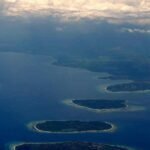
A little paradise 1 hour away by fast boad from Bali to Gili islands. The Gili Islands in Bali are 3 small pieces of paradise land lined up off Lombok, Indonesia. Gili Trawangan is the largest and busiest of the three islands. It is also the most accessible by Fast-boat.
Nusa Penida is the dream island which faces the east coast of Bali and which attracts more and more tourists year after year. With its breathtaking views from its high limestone cliffs, its dream beaches, its lush jungle and its seabed inhabited in particular by Manta rays to meet while scuba diving or simply snorkeling.
Looking for heavenly beaches to enhance your Balinese stay or simply give yourself a relaxing break? here is the list of the best beaches in Bali. For relaxation to the rhythm of the waves, do not miss Bali’s most famous beach during your stay in Indonesia.
Go on a day trip to discover Bali according to your desires, you will relax on the beach, deckchairs, enjoy the sea, go snorkeling, rafting or have a massage (optional on site). Take your stay in Bali to the next level with one of the water sports activities. Although many imagine partying or lazing on the beach during an island vacation, the daredevil flock to the island for more than fun in the sun.
It takes a lot of courage to venture into the world of extreme (or less extreme) water sports and pleasures. But being in Bali, you simply cannot fail to try at least one of these thrilling water sports and activities to try at least once.
There are so many dive spots on the Island of the Gods (Bali) that it can be difficult to choose. So we made a small selection of the best spots, for beginners, intermediate and advanced levels. The closest best dive spot from Seminyak is Nusa Dua and it takes only 30 minutes by car.
Bali is home to some of the most stunning landscapes in Indonesia, making it a popular destination for outdoor enthusiasts. From lush rice terraces to towering volcanoes, there are plenty of opportunities for hiking and trekking in Bali. Whether you’re a seasoned hiker or a beginner, Bali has a range of trails and routes that offer breathtaking views and unforgettable experiences. Some of the best hiking and trekking spots in Bali include Mount Batur, Mount Agung, Campuhan Ridge Walk, and the rice terraces in Ubud.
For travelers seeking a nature-inspired adventure, exploring the best waterfalls in Bali offers an unparalleled opportunity to immerse oneself in the island’s lush tropical scenery; and discover the hidden beauty of its cascading waterfalls and serene natural pools.
Embarking on a family trip to Bali is a breeze, especially when accompanied by young children. Discover a curated selection of engaging visits and activities, ensuring your little adventurers have a blast during their Bali escapade!
A comprehensive guide to Bali’s Heritage, Culture, Local Ecosystems, Museums, Sustainability Projects, and Important Cultural Events
This comprehensive guide offers an in-depth exploration of Bali’s diverse and fascinating heritage, culture, local ecosystems, museums, sustainability projects, and important cultural events, providing a wealth of information and insights into the island’s vibrant way of life.
Discover the enchanting world of Bali’s heritage, culture, and traditions in this captivating article that will transport you to the heart of the island’s vibrant and colorful way of life.
The rich and diverse ecosystems of Bali harbor a unique array of plant and animal species found nowhere else in the world. This biological diversity contributes to the island’s natural charm and ecological significance.
If you’re interested in learning more about the fascinating Bali local ecosystems and the importance of preserving them, we encourage you to read this informative article.
Visiting museums in Bali is a great way to explore the island’s inspirational art and culture. Bali’s museums showcase a diverse range of artistic styles and cultural artifacts, providing visitors with a deeper understanding of the island’s rich cultural heritage and inspiring them with its unique art.
Bali is a culturally rich destination that is home to several unique festivals and cultural events. These events offer visitors an opportunity to witness and experience the rich traditions, customs, and beliefs of the Balinese people. To learn more about these events and their significance, please click here.
No trip to Bali would be complete without exploring some of the island’s magnificent temples, so we would encourage you to take the time to visit Bali’s best temples, which not only showcase the island’s unique religious and cultural heritage, but also provide breathtaking vistas and photo opportunities.
We will highlight the importance of local sustainability projects in Bali and showcase some of the exemplary initiatives and organizations that are working towards a more sustainable future for this tropical paradise.
More to see and do in Bali
Beyond its stunning beaches and natural beauty, there’s so much more to see and do in Bali. From exploring ancient temples and vibrant markets to indulging in delicious cuisine and thrilling outdoor adventures.
Seminyak
An upscale area on the west coast of Bali, just north of Kuta and Legian, filled with luxury rejuvenating spas, hotels, shops, high-end boutiques and vibrant gay nightlife. This area stands as a testament to Bali’s ability to seamlessly blend luxury, culture, and diversity into an unforgettable experience for all who visit.
Kuta
A popular area district in the south of Bali and one of the main tourist destinations in Indonesia. It takes 20 minutes to drive from Seminyak to Kuta or you can walk, it takes 50 minutes. Tips: you can walk from Seminyak beach to Kuta beach and it takes around 50 minutes.
Legian
A suburban beach on the west coast of Bali, just north of Kuta and south of Seminyak.
Only 30 mn walk from Seminyak to Legian or you can take a taxi, it take only 8 minutes drive.
Pura Ulun Danu Bratan (Lake Bratan Temple)
Built in 1633, this iconic temple sits on the western shore of Lake Bratan and can give the illusion of floating on water. The reflection in the water of the temple (also known as Bedugul) and the mountainous surroundings provide a superb setting for a visit. From Seminyak to Lake Bratan Temple takes 1h 30 minutes.
One of the nine main directional temples in Bali. Its visit provides beautiful views of the ocean, but you will have to be careful with your belongings because the temple is inhabited by many thieving monkeys. It takes 50 minutes drive from Seminyak to Uluwatu Temple. You can watch the sunset over the temple while enjoying a traditional Kecak dance performance.
Tanah Lot Temple is open from 8 a.m. to 6 p.m. daily, but you can only visit it when the tide is low.
The ideal is to go there during low tide so that you can discover it by foot. Its name means “land in the sea” in Balinese. According to popular beliefs, the base of the temple is invested by a giant sea serpent which protects the sacred place from intruders. It takes 40 mn drive from Seminyak to Tanah Lot temple.
The central highland district of Bali, filled with verdant rice terraces and forests. You will also see a lot of rice fields, terraced or not, during your journey in the Balinese lands. Here are the most remarkable: Tegalalang, Antosari, Busungbiu, Karangasem, Jatiluwih and Pupuan. It takes 1 hour drive from Seminyak to Ubud center.
Jatiluwih
A beautiful view of the contoured rice terraces using a water system developed by Balinese farmers (nominated for designation as a UNESCO World Heritage Site). It takes 1h 30mn drive from Seminyak to Jatiuwih Jatiluwih rice terraces.
Tirta Gangga Water Palace
Means “water of the Ganges”; a popular site of worship for Balinese Hindus. You may visit the Water Palace on your way between Amed and Ubud. Whether you are traveling from Ubud to Amed or vice versa, make sure you have a stopover. From Seminyak to Tirta Gangga takes 1 hour 50 minutes drive. Because this park is quite remote so much more convenient to do it on your way.
Jimbaran
A fishing village and a tourist beach in the south of Bali. It takes 30 mn drive from Seminyak to Jimbaran. Jimbaran is indeed quieter except in the evening on the beach where the seafood dinners “feet in the water” attract many people (more local).
Tanjung Benoa, which offers a wide range of water sports: jetski, kitesurfing, parasailing, banana boat, flyfish, snorkeling, wake board, sea walker. Find the center is fully equipped: showers, changing room with changing room and individual lockers + safety equipment is required with life jacket for all activities. It takes 35 minutes drive from Seminyak to Tanjung Benoa.
Bali is often described simply as a small Hindu island within the world’s largest Muslim-majority country, yet the reality is far richer and more nuanced. Religion in Bali shapes daily life, community identity, ceremonies, temple culture, and the rhythm of the year. For travelers, this spiritual dimension is one of the island’s most memorable features.
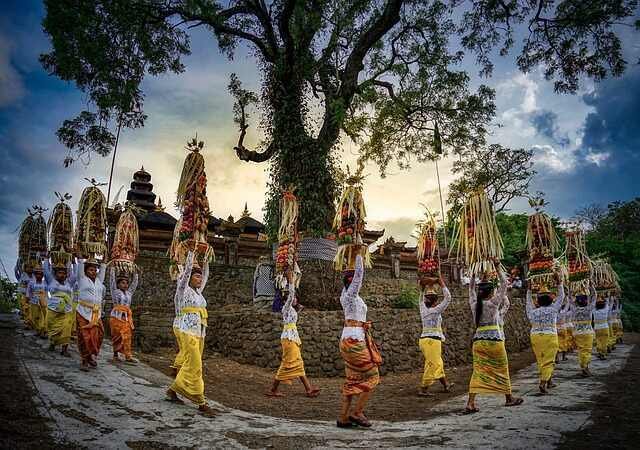
Seen from Bali, the island feels culturally distinct. Balinese Hinduism is deeply woven into homes, streets, villages, temples, offerings, festivals, music, dance, and social customs. Every day, visitors can witness ceremonies ranging from intimate family rituals to large-scale public processions, especially in towns and temple centers.
Balinese culture is inseparable from ceremony, ritual, and art. From Galungan to Nyepi, from temple anniversaries to daily offerings, these traditions express harmony, spiritual balance, and the enduring connection between people, ancestors, nature, and the divine.
Main Religion in Bali
Balinese Hinduism, with influences from Buddhism, animism, and local ancestral traditions.
What Visitors Notice Most
Daily offerings, temple ceremonies, processions, sacred dress, and community rituals.
Best Cultural Approach
Visit with curiosity, respect temple etiquette, and keep an open mind.
Religion in Bali: A Living Spiritual Culture
Bali is the only island in Indonesia where Hinduism is the dominant religion. However, Balinese Hinduism is distinct from Indian Hinduism because it also integrates Buddhist influences, animist beliefs, and local ritual traditions. This is one reason Bali is often called the Island of the Gods.
The majority of Balinese practice a local spiritual system often described as Agama Tirta, or the “religion of holy water.” Water is central to ceremonies, purification, temple blessings, and agricultural life. Religion is not confined to temples alone; it is present in homes, streets, businesses, fields, and village life.
There are also Bali Aga communities that preserve pre-Hindu traditions. Two of the best-known examples are Tenganan in Karangasem and Trunyan Village on Lake Batur.
Hinduism is the dominant religion on the island. Balinese Hindus honor deities associated with Brahma, Shiva, and Vishnu, while also worshipping a supreme divine principle often called Sang Hyang Widhi Wasa.
Buddhism
Buddhism is a minority religion in Bali. One well-known Buddhist site is the Brahma Vihara Arama monastery in Banjar, in North Bali, where visitors may experience meditation and a peaceful hill setting.
Christianity
Christian communities exist across Bali, with Catholic communities especially visible in western Bali and around Denpasar. Churches remain active parts of local life for their congregations.
Islam
Islam is the majority religion in Indonesia, but only a minority religion in Bali. Villages such as Pegayaman show how Muslim and Hindu communities have coexisted peacefully for generations.
The Importance of Water in Balinese Hinduism
Water plays a sacred role in Bali. It symbolizes purification, prosperity, protection, and spiritual cleansing. This is why holy water appears in so many temple rituals, blessings, festivals, and rites of passage.
In everyday Balinese language, ordinary water may be called yeh, while holy water used in ritual settings is known as tirta. Water temples, springs, lakes, rivers, and the sea are therefore not merely natural sites, but spiritually significant places.
Offerings in Bali
Not a day passes in Bali without offerings. You will see small palm-leaf trays filled with flowers, incense, and symbolic items placed at shrines, family compounds, shops, crossroads, and temples. These offerings are part of a living devotional practice rather than a performance for tourists.
Daily offerings express gratitude, seek balance, and honor both benevolent and potentially disruptive spiritual forces. For visitors, they are among the clearest signs that religion in Bali is woven into ordinary life.
Just east of Bali, Lombok has a very different religious landscape. The Sasak community is mainly Muslim, and mosques shape much of the island’s spiritual and social life. Lombok also preserves local traditions such as Wetu Telu, a syncretic belief system that blends Islamic and ancestral elements.
This contrast between Bali and Lombok makes the region especially fascinating for travelers interested in culture, belief systems, and local identity.
Festivals are everywhere in Bali, and they are one of the best ways to understand the island’s spiritual character. Many celebrations follow the Balinese calendar rather than the Gregorian calendar, so dates shift from year to year.
Some ceremonies are family-based and intimate, while others involve village-wide processions, temple celebrations, music, dance, and offerings. Visitors often encounter festivals unexpectedly, which can become one of the highlights of a Bali trip.
Galungan
Galungan marks the victory of Dharma over Adharma, or good over evil. Families return to their ancestral villages, offerings are prepared, and temples become central gathering points.
Kuningan
Celebrated ten days after Galungan, Kuningan honors purification and marks the departure of ancestral spirits from family temples.
Nyepi: Bali’s Day of Silence
Nyepi is one of Bali’s most remarkable religious observances. It marks the Balinese Hindu New Year and is unlike almost any other public holiday in the world. The day before Nyepi, villages hold noisy processions and carry giant demon effigies called ogoh-ogoh through the streets to drive away negative forces.
On Nyepi itself, the island becomes silent. Streets empty, flights pause, businesses close, and most residents remain at home. This silence is intended to promote reflection and to make evil spirits think the island is deserted.
Melasti takes place before Nyepi and is a purification ritual. Villagers bring sacred objects from temples to the sea, lakes, or springs in order to cleanse them. It is visually striking and spiritually significant.
Odalan
Odalan is the anniversary festival of a temple. Since Bali has thousands of temples, Odalan ceremonies happen constantly across the island. These temple anniversaries are major expressions of community devotion and artistic life.
During Odalan, worshippers gather in ceremonial dress, bring offerings, pray, and participate in temple festivities that may include dance, music, and theatrical performances.
Saraswati is dedicated to the goddess of knowledge. Books and learning are honored, and children commonly pray at school temples and receive blessings with holy water.
Pagerwesi
Pagerwesi is associated with spiritual protection and inner strengthening. Offerings and prayers focus on defending humanity from harmful forces and strengthening the spiritual self.
Tumpek
Tumpek celebrations occur every 35 days and honor different aspects of life, including animals, puppets, metal objects, plants, music, and artistic expression.
Tumpek Kandang: offerings for animals, especially cattle
Tumpek Wayang: offerings for puppets and shadow art
Tumpek Landep: homage to metal objects and tools
Tumpek Uduh: blessings for plants and harvests
Tumpek Krulut: dedicated to music, masks, and performance
Beyond temple ceremonies, Bali also celebrates cultural traditions with deep spiritual roots. The Bali kite season, especially from June to September, is one example. Kites in Bali are not just toys; they are associated with village identity, belief, competition, and the favor of the gods.
During the kite festival, some kites can reach around 5 m in width, which is approximately 16.4 ft. Traditional forms include:
Layang Bebean: inspired by fish forms
Layang Janggan: dragon- or bird-like designs
Layang Pecukan: more experimental and difficult free-form designs
Bali also celebrates non-religious events such as Indonesian Independence Day on August 17, school competitions, and local races such as the buffalo races in Negara. Even outside the temple setting, public celebrations reveal how strongly tradition, identity, and performance shape life on the island.
Unwind at Villa Carissa: Your Oasis in Seminyak Center, Bali
After exploring Bali’s temples, rituals, ceremonies, and cultural landmarks, return to a peaceful private villa in the heart of Seminyak. Villa Carissa offers a relaxing base for travelers who want comfort, privacy, and easy access to Bali’s cultural and lifestyle experiences.
Discover the Villa
Explore the private pool villa, enclosed garden, and modern Balinese atmosphere.
Experience serene tranquility with a private swimming pool and secluded garden, whether you are traveling with family, friends, or for a romantic Bali retreat.
Villa Carissa in Seminyak Center, with a private pool.
From Bali to Tana Toraja | Complete Travel Guide to a Millennial Animist Culture in South Sulawesi
Tana Toraja is one of the most fascinating cultural destinations in Indonesia.
It is not a city but an ethnic highland region in South Sulawesi, famous for its ancestral traditions, dramatic mountain scenery, spectacular rice terraces, Tongkonan houses, cliff burials, Tau Tau effigies, and extraordinary funeral ceremonies.
There is no direct flight from Bali to Tana Toraja. The most practical route is usually to fly from Ngurah Rai Airport (DPS) to Makassar (UPG), then continue to Toraja Airport (TRT) or continue by road to Rantepao. Depending on connections, the full journey can take from a few hours to most of the day.
The Toraja are best known for their funeral rites, hanging graves, cliff burials, Tau Tau figures, and boat-shaped Tongkonan houses. Between July and August, many villages become especially lively because this is one of the best-known funeral ceremony periods.
Although many Toraja are Christian today, their culture still preserves deep ancestral beliefs and ritual traditions. Death is not treated simply as a sad event, but as an important passage celebrated with ceremony, family gatherings, music, offerings, and buffalo sacrifices.
Responsive video embed for mobile and desktop: an overview of Tana Toraja and its landscapes.
The Toraja are often said to descend from seafaring peoples who later settled in the highlands of Sulawesi. Isolated by geography, they developed a culture that is unlike anywhere else in Indonesia. Their mountain homeland is filled with terraced rice fields, ceremonial grounds, megaliths, cliff tombs, carved wooden houses, and villages that still preserve a distinct identity.
One of the most striking symbols of Toraja culture is the Tongkonan, the ancestral house with a dramatically curved roof that resembles a boat. These traditional houses are not simple homes: they are markers of lineage, inheritance, and family prestige.
A second responsive video section replacing broken Wikimedia visuals with a stronger travel view.
From Bali to Tana Toraja by plane
Best route from Bali to Tana Toraja
DPS → Makassar (UPG): around 1 hour 20 minutes
Makassar (UPG) → Toraja Airport (TRT): around 55 minutes
Toraja Airport (TRT) → Rantepao: around 1 hour 15 minutes by car
Total travel time varies widely with transit time. In practice, many travelers should expect a journey of around 7 to 9 hours door to door.
Example Bali to Tana Toraja flight options
DPS → UPG → TRT
Flight time: approximately 2 hours 15 minutes excluding transit. Then about 1 hour 15 minutes by car to Rantepao.
DPS → UPG → LLO (Palopo)
Flight time: around 2 hours 20 minutes excluding transit, then about 4 hours by road to Tana Toraja.
DPS → CGK → UPG → TRT
Longer but sometimes useful depending on schedules.
DPS → UPG then overland to Rantepao
Fast to Makassar by air, then about 9 hours by road to Tana Toraja.
Important: flight schedules in Sulawesi can change. Before publishing exact times on your website, it is better to keep wording like “approximate travel time” unless you verify the current timetable again.
How to get to Toraja by bus or car
The main tourism base in Toraja is Rantepao. If you arrive in Makassar or from other parts of Sulawesi, overland travel is possible:
Night buses can be very cold because of strong air conditioning. Bring long pants, socks, and a sweater.
A private minivan is more flexible, but night buses are often more comfortable than expected for long-distance travel.
The overland route from Makassar is scenic, with rice terraces, Bugis villages, and mountain views.
Strong points of Tana Toraja
Traditional villages and Tongkonan houses
Funerary caves, balconies, and Tau Tau effigies
Mountain landscapes and rice terraces
Animist-inspired beliefs and unforgettable funeral ceremonies
Things to do and see in Tana Toraja
1. Rantepao, the tourism base of Tana Toraja
Rantepao is the main base for discovering Tana Toraja. It is where many travelers sleep, organize day trips, hire guides, rent scooters, and arrange visits to traditional villages and burial sites.
The town itself is not huge, but it is practical and full of guesthouses, restaurants, coffee stops, local shops, and transport connections. Its market is one of the most interesting places in town. The daily market is colorful and lively, while the animal market is especially famous for buffalo trading.
Some buffalo are worth thousands of euros, and the rare albino or spotted ceremonial buffalo can reach astonishing prices.
Best time to visit Rantepao and Tana Toraja
Tana Toraja has a humid tropical climate with a rainy season roughly from November to April and a drier season from May to October. Many travelers prefer June to October.
2. Ke’te Kesu, one of the most iconic Toraja villages
Ke’te Kesu is one of the most famous cultural sites in Tana Toraja. It combines traditional Tongkonan houses, carved rice barns, ancient graves, hanging coffins, and a strong sense of ancestral history.
This village is often one of the first places travelers visit because it offers both architecture and burial culture in a single stop. It is also photogenic without losing its spiritual atmosphere.
3. Londa cliff tombs and cave cemetery
Londa is one of the best-known burial sites in Toraja country. Here, caves in the cliff serve as ancient repositories for coffins, bones, and family remains. Above the cave entrance, you can often see rows of Tau Tau, the carved wooden effigies representing the dead.
Londa is only about 6 km (3.7 miles) from Rantepao, and the drive is short. Inside the cave, conditions can be dark and narrow, so a guide and proper light source are strongly recommended.
Tau Tau figurines
Tau Tau are symbolic wooden statues placed near certain burial sites. Traditionally, they represented people of high status. Today they remain one of the most powerful visual symbols of Toraja culture.
4. Funeral sites and ceremonies
One of the most extraordinary reasons to visit Tana Toraja is the opportunity to better understand its funeral traditions. These ceremonies are complex social and spiritual events involving family networks, offerings, ritual speeches, and buffalo sacrifice.
If you want to attend a ceremony, a local guide is highly recommended, both for access and for understanding what you are seeing.
Lemo
Lemo is one of the largest and most famous cliff cemeteries in Tana Toraja. The wall is punctuated with burial chambers and Tau Tau balconies. It is one of the easiest major funeral sites to visit from Rantepao.
Bori Rante
Bori Rante is known for its megalithic stone complex, ceremonial ground, and funerary importance. It is a memorable stop if you want to understand the ritual landscape beyond the most photographed sites.
Lokomata
Lokomata is known for its huge burial rock, around 20 meters (65.6 ft) across, carved with graves.
Tampang Allo
Tampang Allo is another fascinating burial cave, often described as a former chiefs’ cemetery, with wooden coffins, bones, and effigies inside a more hidden cave setting.
5. Trekking in the Toraja highlands
Tana Toraja is not only about ceremonial culture. It is also a beautiful trekking region with mountain roads, terraced rice fields, villages, and valleys. Good trekking areas include:
Lemo surroundings
Makale and nearby funerary sites
Batutumonga and the landscapes around it
Palawa and the northern villages
Mamasa region for those continuing farther
6. Traditional villages
Ke’te Kesu: Tongkonan houses and burial site
Palawa: classic Toraja village atmosphere
Mamasa villages: a slightly different style of architecture
Ballapeu and surroundings
7. Jesus Christ Blessing statue (Buntu Burake)
The Jesus Buntu Burake statue in Makale stands on a hill at about 1,700 meters (5,577 ft) above sea level. At around 40 meters (131 ft) tall, it is one of the tallest Jesus statues in the world and offers a beautiful panoramic view over the Toraja highlands.
8. Tilanga Natural Pool
Tilanga Natural Pool is a peaceful blue spring area near Makale and not far from Lemo. It is a good soft stop between heavier cultural visits and can add a more relaxed side to your Toraja itinerary.
Other best South Sulawesi places to visit
Makassar, the main city of South Sulawesi
Makassar is the main gateway city to South Sulawesi and often the first stop before continuing to Tana Toraja. It mixes urban life, coastal promenades, colonial history, and access to regional travel routes.
It takes about 1 hour 20 minutes to fly from Bali to Makassar.
Fort Rotterdam
Losari Beach
Samalona Island
Akkarena Beach
Dome 99 Mosque
Lake Tempe and its floating houses
Lake Tempe is one of the most unusual places in South Sulawesi. It is famous for floating houses inhabited mainly by fishing families. The houses shift with the wind and water, creating a dreamlike atmosphere.
From Sengkang, you can hire a longboat to explore the floating settlement. A typical journey takes around an hour each way, and the experience is one of the most memorable in the region.
Taka Bonerate National Park (Selayar)
Taka Bonerate National Park lies in the Flores Sea south of Sulawesi and is famous for its huge atoll system, coral reefs, marine life, and diving opportunities. It is one of the most beautiful marine areas in Indonesia.
Selayar can be reached by air from Makassar in around 40 minutes, or by road and ferry in a much longer journey.
Fresh seafood in Benteng
Boat trips and snorkeling
Mangroves and island scenery
Traditional stilt-house villages nearby
Bantimurung-Bulusaraung National Park
North of Makassar, Bantimurung-Bulusaraung National Park combines karst landscapes, caves, lowland forest, butterflies, and the famous Bantimurung waterfall. It is a good extension if you want nature after Toraja culture.
The park is around 50 km (31 miles) north of Makassar, or about 1 hour by road, and around 20 km (12.4 miles) from the airport.
Responsible travel note: funeral ceremonies and burial sites in Tana Toraja are not only tourist attractions. They are living cultural and spiritual spaces. Dress respectfully, ask permission before taking close photos, and follow your local guide’s instructions.
Located in Seminyak Center – Bali, Villa Carissa offers a private swimming pool and enclosed garden to guarantee your privacy.
Whether you’re traveling with family, friends, or on a romantic getaway, Villa Carissa in Seminyak center offers the perfect base for exploring Bali’s many attractions and enjoying a relaxing vacation.
Learn Indonesian, The vocabulary to know for a trip to Indonesia
It is never easy to learn a new language. Most Indonesians you come into contact with will speak some English, but the locals are much more open if you put in the effort and learn the basics of Indonesian. What luck, it’s a rather an easy language to learn Indonesian language.
Why learn Indonesian?
When traveling, it is always good to learn some basics of the language out of politeness and respect, but also to be able to manage in different situations and to be able to interact with the locals. Speaking Indonesian during a trip to Indonesia also means being less of a tourist, being able to negotiate prices and enjoying your trip better. Indonesian is a relatively simple language.
Take a small dictionary or download an application on your phone and learn a few words every day during your trip to Indonesia. You will see, when you learn Indonesian language, you will get a taste for it and your trip will be improved!
There are many other languages in the country, but everyone understands Bahasa Indonesia and you will be able to make yourself understood easily on all the islands, although you may be laughed at a little if you speak with it, accent from another island! Let’s learn Indonesian!
Did you know that the Indonesian flag is the same flag as Monaco?
The flag of Monaco is graphically similar to the flag of Indonesia. Dave Johnston and Gambar Animasi, Copyrighted free use, via Wikimedia Commons
An easy language and rules to learn Indonesian language
Indonesian is perceived as a “very easy” language. The learning itself is a very useful experience, and you can make progress in just a few weeks. Here are the reasons put forward for this “ease”.
No time
There is no time at all in Indonesian. Instead we use time markers (yesterday, next week, etc.) and aspect markers (done, in progress, etc.).
No gender or case
In Indonesian there is no gender or grammatical case attached to the noun. That’s one less rule to learn.
Simple Plurals
The commonly accepted idea is that the plurals are really very simple to construct in Indonesian and that it consists of repeating the noun (for example the plural of buku, a book, is buku-buku, books), or of add quantitative indicators (eg several, a few, etc.) in the sentence (thus: beberapa buku → several books). A somewhat serious study quickly makes it clear that duplication has a completely different function, much more productive, than the formation of a “plural”.
A simple system of conjugation
Indonesian language has a very simple conjugation system. Unlike Indo-European languages like Spanish or French, words are conjugated to form new words based on the original. For example satu means one, and hence bersatu means to unify. This implies that there are fewer words to memorize and that it is possible, in a way, to compose from certain known words and conjugations to form one’s own words. The catch is that some words cannot be conjugated with certain prefixes or suffixes, but you’ll learn that it’s actually quite simple.
Use of the 26-character Latin alphabet
Which means that there is no need to relearn an alphabet, or to use specific software to write.
Consistent Spelling
Indonesian is very phonetic, just like Italian. Each character is spelled the same in any word, with rare exceptions. If you come across a new word, you will always be able to spell it correctly.
Tonal accent
The stress of Indonesian words typically falls on the last syllable of the word. However, no matter where the emphasis is, generally people will understand.
Sentence structure
Generally, sentences begin with a subject, followed by a verb (also called a predicate), and then an object. It’s good news that Indonesian verbs do not change depending on tense.
As in French. Indonesian is a so-called “SVO (subject-verb-object)” language, that is to say that the structure of the sentence follows a subject + verb + [complement of] object order. So you can form sentences simply.
Everything is regular
The word derivation system by prefixation, suffixation and circumfixation (combination of prefixation and suffixation) follows simple rules. In principle, you do not have too many irregularities to learn in addition to the basic rules.
Indonesian pronunciation
Indonesian is easy to pronounce for the French, indeed the letters are pronounced the same way as the language of Molière except:
C = “tch” as in child.
E = according to its position in the word, is pronounced “eu”, “é”, or “è”.
H = is aspirated, as in Arabic.
J = “dj”, which explains why Jakarta became Jakarta without changing its pronunciation.
K = in final position is not pronounced entirely, the sound must be stopped before it comes out.
R = Spanish roll
U = pronounced “ou”
W = “ou” also as in English water
The only real novelty are the nasal consonances like “ing“, “ang“, “ung“, “ong“, you should not press the g but break down “i-ng” etc…
Vowels prononciation
a like a in “father”
i like ea in “neat”
u like ou in “soup”
e like e in “mechanic”
e like e in “permit”
o like o in “ok”
o like o in “ton”
ai like ie in “tie”
au like ow in “how”
Lexicon and first conversation in Indonesian
Bagus: good, a word that we hear everywhere and on all subjects, which expresses admiration, joy, satisfactions.
Yes / No: Ya / Tidak (also used for the negation of verbs and adjectives)
Time
Good morning (5 a.m. to 10 a.m.): Selamat pagi
Good morning (11 a.m. to 3 p.m.): Selamat siang
Hello (3 p.m. to 6 p.m.): Selamat sore
Good evening (night greeting): Selamat malam
Good night: Selamat tidur
Welcome: Selamat datang
Goodbye: Selamat jalan (if you stay) / Selamat tinggal (if you leave)
See you soon: Sampai jumpa lagi or Sampai bertemu lagi
Politeness
Please (help): Tolong (please help me = tolong saya)
Please: Silakan (please wait = silakan tunggu or silakan duduk = please sit down)
Sorry, Excuse me: Ma’af, permisi
Thank you (a lot): Terima kasih (banyak)
How are you?: Apa kabar?
What time is it?: Jam berapa?
It’s okay: Kabar baik
My name is: Nama saya…
Is there a free room: Ada kamar kosong (empty room)
Eat, Drink: Makan, Minum
Large, Small: Besar, Kecil
Day, Night: Hari, Malam
What, Who, Why, When: Apa, Siapa, Mengapa, Kapan
Personal pronouns
I, me, my: Saya or aku (very common Javanese)
You, you, your: Kamu
He, she, him: Dia
We: Kita (inclusive, speaker included)
We: Kami (exclusive, without the interlocutor)
You (singular): Anda
You (plural): Kalian
They, they, them, their: Mereka
Basic Expressions / Common Words to know
Do you speak English: Bisa bicara bahasa Inggris?
I don’t understand: Saya tidak mengerti
Where is there a bus station: Di mana ada terminal bis?
What is this..: Apa ini..?
How much is this: Berapa harganya?
Expensive / Cheap: Mahal / Murah
You’re welcome: Sama-sama
I need your help: Saya minta tolong
I am lost: Saya tersesat
I want to go to the market. : Saya mau ke pasar
I am looking for the street: Saya mencari jalan
How long does it take to get to…: Berapa lama sampai ke…
Where can I rent a bike?: Di mana saya bisa menyewa sepeda?
Common Words to know (cont’d)
I am Australian: Saya orang Australia
I’m English: Saya orang Inggris
I am French: Saya orang Perancis
Left / Right / Straight: Kiri / Kanan / terus
Mr, Mrs, Miss: Bapak, Ibu, Nona
Are you already married: Sudah nikah
Where are you going: Mau ke mana? (want, towards, where)
More, Less: Lebih, Kurang
Minutes, Hours: Menit, Jam
Days, Weeks: Hari, Minggu
Month, Year: Bulan, Tahun
Yesterday, Today, Tomorrow: Kemarin, Hari ini, Besok
I’m not interested: Saya tidak tertarik
I want to rent a car: Saya mau sewa mobil
Numbers
Français
Bahasa Indonesia
Zero, one, two, three, four, five, six, seven, eight, nine and ten
Dua puluh, tiga puluh, empat puluh, lima puluh, enam puluh
Seventy, eighty, ninety
Tujuh puluh, delapan puluh, sembilan puluh
HundredS
eratus
10 – sepuluh / 20 – dua puluh / 21 – dua puluh satu
100 – seratus / 200 – dua ratus
1000 – seribu / 2000 – dua ribu
1,000,000 – satu juta or sejuta
1,000,000,000 – satu milyar
Shops
English
Bahasa Indonesia
How much is it?
Berapa harganya?
It’s very cheap
Sangat murah
It’s too expensive!
Mahal!
Can you lower the price?
Dapat mengurangi harga?
I would like to buy…this, this one!
Saya ingin membelinya
I love / I hate
Saya suka / Aku benci
Money
Uang
I’m just watching.
Aku hanya melihat
Transports
English
Bahasa Indonesia
I would like to go to…
Saya ingin pergi ke…
Air plane
Pesawat terbang
Boat
Perahu
Train
Kereta api
Taxi
Taksi
Bus
Bis
I would like to rent…
Saya ingin untuk menyewa…
Motor bike
Sepeda motor
Car
Mobil
Bicycle
Sepeda
How much is a bus ticket for …, Berapa harga karcis bis ke …
A ticket for…: Tolong, satu tiket ke…
Where does this bus go: Bis ini ke mana
What is the bus for…: Di mana bis ke…
Turn left, right: Belok kiri, kanan
Continue straight: Terus saja
Located in Center Seminyak – Bali, Villa Carissa offers a private swimming pool and enclosed garden to guarantee your privacy. You can book your private pool villa here with us.
Whether you’re traveling with family, friends, or on a romantic getaway, villa Carissa in Seminyak center offers the perfect base for exploring Bali’s many attractions and enjoying a relaxing vacation.
From Bali to Jakarta – Best Travel Options, Map & Top Things to Do in Jakarta
Traveling from Bali to Jakarta is easy, and the fastest option is a direct flight. The direct flight from Bali to Jakarta usually takes around 1 hour 35 minutes to 1 hour 50 minutes. Driving from Bali to Jakarta takes around 18 hours and includes a ferry crossing plus toll / express roads across Java.
To help you visit Jakarta, here is a complete Jakarta travel guide with places to see, activities to do, and practical transport options from Bali. If you are wondering what to do in Jakarta after Bali, this guide keeps the original useful information while making the page cleaner, more visual, and easier to understand.
Jakarta is the capital of Indonesia and is located on the northwest coast of Java. The city itself has more than 11 million inhabitants, and the wider metropolitan area has more than 30 million people. Very different from Bali, Jakarta offers a mix of history, museums, religious landmarks, colonial heritage, modern rooftops, shopping districts, and island escapes.
Because Jakarta and Bali are not far apart by air, it is easy to combine both in one Indonesia itinerary.
Quick answer: the best way to go from Bali to Jakarta is by plane. But if you have more time, you can also combine bus + ferry + train for a long overland journey across Java.
The main airport of Jakarta is Soekarno-Hatta International Airport (CGK), which handles most flights from Bali. Flight time is usually around 1 hour 50 minutes, sometimes a little less depending on the airline and schedule.
Low-cost fares can be very attractive. In the original article, Airasia was highlighted as one of the cheapest choices, with one-way fares sometimes starting around €24 and round trips under €50 depending on season and availability.
Bali to Jakarta by Land
You can also use a combination of bus, train and ferry, or drive. This is longer, but it allows you to see more landscapes across Java and can sometimes cost a little less.
Bali – Jakarta by Bus
You can book a seat on a bus traveling all the way from Denpasar in Bali to Jakarta.
The companies mentioned in the original article are:
Lorena
Pahala Kencana
The trip takes around 24 hours. Buses are generally clean and tickets may include meals, but delays can happen and sometimes be long. Approximate budget in the original text: around €25 per person.
Bali – Jakarta by Bus and Ferry
Bus from Bali to Yogyakarta: for less than €20, evening buses can take you to Yogyakarta in roughly 15 hours, including the ferry crossing.
Train from Yogyakarta to Jakarta: from the station, the express train reaches Jakarta in around 8 to 10 hours for roughly €18.
Menteng, the old history of Jakarta
First of all, Jakarta is a megalopolis. It is certainly not the most beautiful place to visit in Indonesia, but it is a very lively city with cultural and historical places to see.
What to Do and See in Jakarta?
Jakarta has a population of over 30 million in the metro area. It is a cosmopolitan city with Javanese, Malay, Arab, Indian, Chinese and European influences. Jakarta is on the northeast coast of Java in Indonesia and offers a very different experience from Bali.
Visit Jakarta: the must-sees
1. National Monument or Monas
Monumen Nasional, or Monas, is Jakarta’s most famous landmark. It is a 137-meter tower (449 ft) in central Jakarta at Merdeka Square.
This monument was built to commemorate Indonesia’s struggle for independence. Construction took about 14 years and involved the first two presidents of the Republic of Indonesia.
At the top is the famous gold flame. Visitors can take the elevator to the top for panoramic views of Jakarta, while the lower levels include displays about Indonesian history.
Merdeka Square
Merdeka Square literally means Independence Square. It is a huge public square in central Jakarta with an area of approximately 1 square kilometer (0.39 square miles). Monas stands at its center.
2. Old Batavia – Fatahillah Square and Museum
Fatahillah Square is the historical center of the old quarter of Batavia, now known as Kota Tua. This pedestrian-friendly zone includes the famous Fatahillah Museum, the Wayang Museum, and the Museum of Fine Arts and Ceramics.
You can walk around the neighborhood and discover one of the most atmospheric areas in Jakarta.
Jakarta History Museum (The Fatahillah Museum)
Jakarta History Museum, also known as Fatahillah Museum or Batavia Museum, is located right in Fatahillah Square in Kota Tua. The building dates from 1710 and became a museum in 1974.
It contains rare objects from prehistoric periods found around Jakarta and Java, and it also traces the history of Dutch colonization through to Indonesian independence in 1945.
3. The Seribu Islands
The Seribu Islands, or Kepulauan Seribu, are an archipelago of around 100 islands off Jakarta, roughly 45 kilometers (28 miles) away.
Only some of the islands are inhabited. The better-known names include Bidadari Island, Ayer Island, Onrust Island, Tidung Island, Pari Island, Pramuka Island, Sepa Island, Pelangi Island, Macan Island and Putri Island.
You can explore marine life, beaches and snorkeling spots there. It is one of the best island escapes from Jakarta.
4. Kota Tua (Old Town District)
Kota Tua is part of downtown Jakarta and is also called Old Batavia. The district covers about 1.3 square kilometers (0.5 square miles) in the northwest of the city.
It includes Chinatown and many colonial-era buildings, some restored and others still weathered by time. It remains one of the most interesting areas to explore on foot.
Places of interest in Kota Tua:
Batavia Cafe
The Jembatan Kota Intan drawbridge
Gereja Sion Church
Luar Batang Mosque
Yuan Jin Temple
Wayang Museum (Traditional Puppet Museum)
The Wayang Museum in Kota Tua is dedicated to the Indonesian art of Wayang, the traditional world of shadow and puppet performance. It is a very good stop if you want to learn more about one of Indonesia’s best-known cultural arts.
5. St. Mary of the Assumption Cathedral in Jakarta
The Cathedral of St. Mary of the Assumption in Jakarta, also called Gereja Santa Maria Diangkat ke Surga, is a neo-Gothic cathedral rebuilt in 1901. It is one of the finest Christian landmarks in central Jakarta.
6. The Great Istiqlal Mosque
The Istiqlal Mosque is the largest mosque in Southeast Asia. Located near Merdeka Square, it can accommodate more than 110,000 people. Its giant hemispherical dome measures 45 meters (147 ft) in diameter.
7. Jakarta Art Building
The Jakarta Art Building, or Gedung Kesenian Jakarta, is a concert hall in central Jakarta with Dutch colonial architecture. It is worth seeing for its elegant façade even if you do not attend a performance.
8. Pulau Bidadari Island
Pulau Bidadari is part of the Kepulauan Seribu archipelago and is a pleasant island escape from Jakarta. The beaches are known for white sand and blue water, and the island is also covered with mangroves and tropical vegetation.
You will be able to stroll in a luxuriant nature also inhabited by monitor lizards. A great experience to do a few kilometers from Jakarta.
9. The National Museum of Indonesia
The National Museum of Indonesia, known as Museum Nasional or Museum Gajah, is one of the country’s most important museums. It opened officially in 1868 and contains prehistoric, anthropological, archaeological and ethnographic collections from all over Indonesia and Asia.
You can visit the treasure room, ceramics collection, ethnography collection, prehistory collection and colonial relics section.
The ceramic collection
The collection includes ceramics from the Majapahit empire and from China, Japan, Vietnam, Thailand and Burma.
The ethnography collection
The ethnographic collection presents daily life and ritual objects from across the archipelago: Sumatra, Java, Kalimantan, Bali, Nusa Tenggara, Sulawesi, Maluku and Papua.
The prehistory collection
Artifacts include fossils, stone tools, beads, menhirs and bronze or stone axes.
The collection of relics
There are relics from the VOC period and the Dutch East Indies, especially furniture and colonial-era objects.
10. The National Gallery of Indonesia
The National Gallery of Indonesia is an art museum and gallery in Jakarta with more than 1,700 works by Indonesian and international artists. It is a good stop for visitors interested in art and exhibitions.
11. The old port of Sunda Kelapa
Sunda Kelapa is Jakarta’s historic port at the estuary of the Ciliwung River. Today it is still known for old wooden boats and traditional phinisi schooners. It is a beautiful place for photos and to feel Jakarta’s maritime history.
12. Glodok Chinatown and Temple
Glodok Chinatown in Kota Tua is one of the most atmospheric parts of Jakarta. It offers food, temples, old Chinese shopfronts and a lively street feeling.
Vihara Dharma Bhakti Temple (also known as klenteng Jin De Yuan or Kim Tek Ie.)
This Chinese Buddhist temple was first built in 1650 and is the oldest Chinese temple in Jakarta.
It remains one of the most interesting religious sites in Jakarta, especially during Chinese New Year festivities.
History
The Vihara Dharma Bhakti complex was originally built under Lieutenant Kwee Hoen, later restored in the 18th century, renamed Kim Tek Ie, and eventually recommended to use the Indonesian name Vihara Dharma Bhakti during the post-colonial period. It suffered severe fire damage in March 2015.
13. Taman Mini Indonesia Park
Taman Mini Indonesia Indah is a large cultural park representing the provinces of Indonesia through architecture, costumes, music and traditional arts. It is one of the best family attractions in Jakarta.
14. Ragunan Zoo
Ragunan Zoo is in South Jakarta and covers about 140 hectares (346 acres). It is home to more than 270 animal species and more than 170 plant species.
It is one of the rare big green spaces in Jakarta and a popular family outing.
Hang Out Places in Jakarta
1. Skye Bar rooftop
Skye Bar is one of the best-known rooftops in Jakarta. It is located on the upper floors of Menara BCA in central Jakarta and offers excellent skyline views.
Address: Jl. M.H. Thamrin no. 1. Located on 56th Floor, Menara BCA, Jakarta 10350 Indonesia
SKYE Bar & Restaurant, Jakarta : consultez 2 020 avis sur SKYE Bar & Restaurant, noté 4 sur 5 sur Tripadvisor et classé #60 sur 10 114 restaurants à Jakarta.
2. Tugu Kunstkring Paleis Restaurant, €€€€ Dutch, International, Asian
This is one of the most beautiful heritage dining places in Jakarta. It is a 1914 palace building restored by the Tugu group and remains famous for its décor and atmosphere.
Several decorated rooms that take you to a bygone era. It feels like we are back in the 19th century.
The establishment has enormous charm and remains one of the memorable places for dining in Jakarta.
Main photo credit: Gunawan Kartapranata, CC BY-SA 3.0, via Wikimedia Commons.
Photo description: view around Medan Merdeka (Merdeka Square), central Jakarta and Monas with the Jakarta skyline in the background.
Have you booked your villa in Seminyak center, Bali?
Located in Seminyak Center – Bali, Villa Carissa offers a private swimming pool and enclosed garden to guarantee your privacy. You can book your private pool villa here with us.
Whether you’re traveling with family, friends, or on a romantic getaway, Villa Carissa in Seminyak center offers the perfect base for exploring Bali’s many attractions and enjoying a relaxing vacation.