Welcome to our Travel Guide category, where we offer insightful tips, comprehensive guides, and essential information to enhance your travel experiences. Whether you’re a seasoned globetrotter or planning your first adventure, our articles are tailored to meet your needs, helping you navigate new destinations with ease and confidence.
Welcome to our Travel Guide category, where we offer insightful tips, comprehensive guides, and essential information to enhance your travel experiences. Whether you’re a seasoned globetrotter or planning your first adventure, our articles are tailored to meet your needs, helping you navigate new destinations with ease and confidence.
Seminyak is one of Bali’s most desirable destinations, offering a refined blend of tropical beaches, world-class dining, luxury villas, and vibrant nightlife.
More sophisticated than Kuta and more central than Canggu, Seminyak is ideal for travelers seeking comfort, style, and easy access to Bali’s best experiences. Whether you’re planning a romantic escape, a family holiday, or a long-stay villa retreat, Seminyak stands out as a strategic and enjoyable base in Bali.
“Seminyak: The Perfect Balance of Beach, Lifestyle, and Luxury”
A destination par excellence for a honeymoon, this refined town attracts tourists seeking an unforgettable travel experience where stunning beaches and vibrant culture meet.
A Taste of Love: Discovering the Most Romantic Restaurants in Seminyak, Bali
A romantic dinner in Seminyak Bali is the perfect way to spend a special evening with your loved one. Immerse yourself in the ultimate romantic dining experience in Seminyak, Bali where you can savor the finest cuisine and indulge in a luxurious fine dining atmosphere.
With so many dining options available, it can be difficult to decide which restaurant to choose. To help you out, we’ve compiled a list of the best romantic dining options in Seminyak Bali, including their explanations, price ranges, opening hours, and ambiance.
These exceptional dining establishments in Seminyak redefine the concept of indulgence, offering a symphony of flavors, impeccable service, and breathtaking settings. While they come with a higher price tag, they deliver an unforgettable experience that transcends the ordinary. Each visit to these exclusive restaurants promises to be a culinary journey worth savoring.
Here’s an article on the best romantic dining options in Seminyak Bali with their explanations, price ranges, opening hours, and ambiance
Romantic dining goes beyond the confines of formal fine dining. It’s about creating an atmosphere that speaks to the heart, where the setting, ambiance, and personal connection take precedence over elaborate setups or haute cuisine.
Indulge in romance and create unforgettable memories with your loved one at some of the most enchanting dining destinations in Seminyak. The elegant setting and delectable cuisine made for an unforgettable romantic dinner and fine dining experience in Seminyak. These are just a few of the many romantic restaurants in Seminyak that offer a special atmosphere for couples to enjoy a romantic dinner together:
MÉTIS – French Mediterranean Cuisine $$$$ (permanently closed)
MÉTIS is a French Mediterranean restaurant located in a beautiful garden setting. The ambiance is perfect for a romantic dinner, with candlelit tables and a menu that features fresh, local ingredients. This French restaurant offers excellent dishes in a magnificent setting. wanting to be elegant while remaining in a Balinese setting with the “rice paddy garden” on which the restaurant terraces overlook as well as the large lounge area where you can also dine here.
The menu is clearly French inspired with touches from the south, both south west foie gras and south east bouillabaisse, socca… but you can also order sashimi so it is still extremely varied and in the together it is refined and good.
This French Mediterranean restaurant has a romantic atmosphere with a beautiful garden setting and candlelit tables.
The prices are higher than average, with mains ranging from IDR 200,000 to IDR 550,000 (approximately USD 14-39). The restaurant is open from 11:00 AM to 11:00 PM daily. Metis’ dinner menu.
Sardine is a seafood restaurant that has a beautiful garden setting with a pond and a romantic ambiance with candlelit tables.
This popular restaurant is run by a French couple. Sardine is known for its innovative cuisine essentially based on seafood. Its menu changes daily and promises fresh and tasty products. The architecture made of bamboo is completely open to the outside and offers an absolutely incredible view of the rice fields and banana trees.
Sardine offers a unique dining experience amidst lush rice fields, creating a tranquil and serene setting.
A very pleasant setting and a refined decor! It is an environment that you will appreciate as much for dinner and lunch as for having an aperitif with friends. Do not hesitate to ask the chef for his suggestion of the day, he will be more than happy to advise you.
The menu features fresh seafood and organic produce, and the prices are mid-range, with mains ranging from IDR 150,000 to IDR 350,000 (approximately USD 11-25). The restaurant is open from 11:00 AM to 11:00 PM daily.
Sardine by K Club, Kerobokan: See 3,633 unbiased reviews of Sardine by K Club, rated 4.5 of 5 on Tripadvisor and ranked #23 of 217 restaurants in Kerobokan.
Bambu – Indonesian Cuisine $$$
If you want to have a romantic dining in Seminyak, Bambu is one of the Indonesian restaurants that offers a romantic setting with bamboo accents and a lush garden view. The ambiance is perfect for a romantic dinner, with candlelit tables and a menu that features Indonesian cuisine with a modern twist.
This Indonesian restaurant features a romantic setting with bamboo accents and a lush garden view.
High quality Indonesian cuisine in this establishment created by the Lucciola team. Decor both Balinese and modern, the terrace surrounded by water is sublime and the staff in traditional dress welcomes you in the best possible way.
An explosion of flavor that has already conquered thousands of people on the plate and around the plate (the architecture, the suspension bridge…). Reservation strongly recommended because the restaurant is crowded with both regulars and curious people eager to discover this experience.
Prices are mid-range, with mains ranging from IDR 120,000 to IDR 300,000 (approximately USD 8-21). The restaurant is open from 11:00 AM to 11:00 PM daily.
Bambu, Seminyak : consultez 5 136 avis sur Bambu, noté 4,5 sur 5 sur Tripadvisor et classé #31 sur 518 restaurants à Seminyak.
Merah Putih – Indonesian Cuisine $$$
Step into an awe-inspiring architectural masterpiece adorned with towering columns and soaring ceilings. The menu showcases authentic Indonesian dishes reimagined with modern techniques, resulting in a harmonious blend of tradition and innovation.
Merah Putih is an Indonesian restaurant that offers a modern twist on traditional Indonesian cuisine. The restaurant has a beautiful and romantic setting with a high ceiling and large glass walls.
Merah Putih means Red and White, the two colors of the Indonesian national flag. The restaurant offers a rather rare concept of typical Indonesian meals in a gourmet style with a mix of traditional and contemporary Asian cuisine.
In a unique decor, the restaurant has an unparalleled charm thanks to its large atrium and its long white columns.
This restaurant offers Indonesian cuisine with a modern twist and has a beautiful and romantic setting with a high ceiling and large glass walls.
Prices are higher than average, with mains ranging from IDR 160,000 to IDR 450,000 (approximately USD 11-32). The restaurant is open from 11:00 AM to 11:00 PM daily.
La Lucciola – Italian Cuisine $$$
La Lucciola is an Italian restaurant that offers a beautiful oceanfront setting with candlelit tables and a menu of fresh seafood and homemade pasta.
Close your eyes. Imagine a paradise beach, peaceful and abandoned, the blue-pink tones of a sun that is about to set, and a gentle summer breeze that brushes the down on your forearms and makes the palm fronds flutter.
There is only a small wooden bridge that separates you from La Lucciola, this restaurant/haven of peace built on the beach of Oberoi with nothing but a bit of thatch and wood, where there is no no walls, only a roof. While torches and torches filter the bamboo tables, waiters and waitresses in sarongs are ready to take care of you. On the first floor, the view is plunging, the hostesses smiling, the breeze delicious and the menu enticing. Now open your eyes, because you’re going to dinner soon, and no one here wants you to put it everywhere.
La Lucciola – This Italian restaurant offers a beautiful oceanfront setting with candlelit tables and a menu of fresh seafood and homemade pasta.
The ambiance is perfect for a romantic dinner, with an upscale atmosphere and prices to match, with mains ranging from IDR 170,000 to IDR 450,000 (approximately USD 12-32). The restaurant is open from 9:00 AM to 11:00 PM daily.
La Lucciola, Seminyak : consultez 8 029 avis sur La Lucciola, noté 4,5 sur 5 sur Tripadvisor et classé #76 sur 518 restaurants à Seminyak.
Overall, these are a best few restaurants offer a romantic ambiance, great food, and a special experience that you and your loved one will cherish. Depending on your budget and preferences, you can choose the perfect romantic dining option for your special evening in Seminyak Bali. Read also: Bali nightlife. Guide to nightlife or clubs in Bali
Discover your tranquil haven at Villa Carissa, nestled in the heart of bustling Seminyak, Bali. With a private pool and lush garden exclusively for you, your privacy is our priority. Book your secluded villa experience today.
Embark on a family adventure, create cherished memories with friends, or enjoy a romantic escape. Villa Carissa in Seminyak is your starting point for exploring Bali’s treasures and savoring a peaceful vacation.
Located in Seminyak Center – Bali, Villa Carissa offers a private swimming pool and enclosed garden to guarantee your privacy. You can book your private pool villa here with us. Or you can book via AirBnB, Booking.com
Whether you’re traveling as a couple, with friends, or with family, Villa Carissa’s three-bedroom villas offer comfortable and luxurious accommodations in the heart of Seminyak center. With modern amenities and beautiful Balinese design, the bedrooms at Villa Carissa are the perfect place to relax and unwind during your stay in Bali.
Where to go Trekking and Trekking in Bali (Hiking)?
Before your trip to Bali, make sure to research where to go hiking and trekking in Bali? There are several great trekking options in Bali, ranging from short walks through rice paddies to challenging hikes up steep mountains.
Our scouting trips to Bali have allowed us to discover how the island lends itself to the game of hiking in the great outdoors. From the Agung volcano to Mount Batur via the rice fields of Sidemen, set off for a walk in a breathtaking natural setting. At Villa Carissa, we share with you our top and the most beautiful hikes to do during your trip to Bali.
Remember to bring appropriate hiking gear, plenty of water, and sun protection when hiking in Bali. It’s also a good idea to hire a local guide for safety and to learn more about the local culture and environment.
Top Hiking and Trekking Trails in Bali: Where to Go and What to Expect
Bali is a beautiful island with a diverse landscape that makes it a great destination for hiking and trekking enthusiasts. From lush jungles and rice paddies to rugged coastlines and volcanoes, Bali has it all. Here are some of the top and most beautiful hikes to explore:
1. Campuhan Hill Ridge Walk, Ubud
Campuhan Ridge Walk: Located in Ubud, the Campuhan Ridge Walk is a popular and easy hiking trail that offers beautiful views of the surrounding rice fields and hills. The trail is about 2 kilometers long and takes about 1-2 hours to complete.
Check out this 3.9-km round-trip route near Gianyar’s Kabupaten, Bali. Generally considered an easy route, it takes an average of 1h 4min to cover it.
Meeting of the rivers at Campuhan. Mx. Granger, CC0, via Wikimedia Commons
It’s a popular place for hiking, running and strolling, so you’re likely to come across a lot of people during your excursion. You can access it all year round and the experience is worth it in any season.
The Campuhan Ridge Walk is a picturesque hike through the rice paddies and green hills of Ubud. The trail is relatively easy and takes around two hours to complete. Along the way, you’ll enjoy stunning views of the surrounding countryside and the lush vegetation.
The trail is about 2 kilometers (1.24 miles) long and takes about 1-2 hours to complete.
2. Munduk Waterfalls trekking
The path starts exactly behind the hotel “Melanting Cottage”. It takes barely 15 minutes to reach the first waterfall, the Redcool waterfall. The trek takes about 2-3 hours and includes a visit to several waterfalls.
The path to get to the second looks like a walk in a botanical garden: flowers, cocoa trees, coffee trees, pineapples, banana trees, etc.
The Melanting Waterfall is at the bottom of the valley and the descent is via endless stairs after paying a small right of way (IDR 20,000 /person or €1). Don’t do the hike in the opposite direction because those stairs would really be a challenge going up.
The climb is done quietly and we arrive in the village at the level of a school. We also arrived at the time of the exit of the classes.
We tested a restaurant just next to the exit of the hiking trail, the Taman Ayu. It was okay.
For dessert, we returned to Eco café2 to eat their banana fritters. I took the opportunity to test the Luwak coffee again because there at least, I was sure that no civet was being mistreated.
The return to the hotel is on the road under construction and without sidewalks but in broad daylight, it is not too awkward.
3. Explore the southern flanks of the Batukaru volcano (near Ubud)
This inactive volcano is found in the western part of Bali and offers an intermediate to difficult hike through the lush jungle. Hikers can also visit the nearby Pura Luhur Batu Karu Temple.
The area is known for its stunning natural beauty, traditional temples, and hiking trails that lead visitors through the lush jungle and up to the peak of Mount Batu Karu.
One of the most popular attractions in Batu Karu is the Batu Karu Temple, also known as Pura Luhur Batukaru. This ancient Hindu temple is located in the middle of the jungle, and visitors can explore its intricate architecture, statues, and shrines.
Take to the skies and face the second highest peak in Bali. Perched at exactly 2276 meters above sea level, this mountain is home to one of the most beautiful landscapes of rice fields on the island and offers small villages full of charm where you can discover the traditional way of life of the inhabitants.
Rice terraces of Mount Batukaru. This Subak landscape is a UNESCO World Heritage Site since 2012. Arabsalam, CC BY-SA 3.0, via Wikimedia Commons
Batu Karu is also an ideal location for hiking enthusiasts. The area has several hiking trails that lead visitors through the jungle to the peak of Mount Batu Karu. The trails offer stunning views of the surrounding rice terraces, forests, and valleys.
Go hiking on the southern flanks of the Batukaru volcano and combine cultural, natural and historical attractions. At the Pura Luhur Batukaru temple, you will discover many species of butterflies with brighter and deeper colors than each other.
4. Stroll along the banks of the volcanic lakes of Tamblingan and Buyan
The volcanic lakes of Tamblingan and Buyan are amazing twin lakes. Set off to explore their banks full of charm and meet inhabitants whose way of life has remained authentic despite the passage of time.
Trekking in the lakes of Tamblingan and Buyan is a popular activity in Bali, especially for those who enjoy nature and outdoor adventures. These two lakes are located in the Bedugul region of Bali, surrounded by lush forests and beautiful scenery.
The trek around the lakes is a moderate level trek, and it takes around 2-3 hours to complete the full circuit. The trek starts from the parking area near the entrance of the Tamblingan Lake, and the trail is well-marked, so it’s easy to follow.
Throughout your hike to the volcanic lakes of Tamblingan and Buyan, you will have the opportunity to admire the scenes of daily life: fishing sessions on the small “pedahu” boats, the care of the monkeys who live not far from there, the sale of fish… A good way to combine immersion in nature and discovery of local life.
Tamblingan Lake is one of the lakes located in the highlands of Bali. This lake has a very beautiful sunrise. Kerildoank, Kerildoank, via Wikimedia Commons
During the trek, you will pass through forests of bamboo and other tropical vegetation, and you’ll have the opportunity to see various species of birds and wildlife. There are also several points along the trek where you can stop to take in the beautiful views of the lakes and the surrounding mountains.
One of the highlights of the trek is the Jangeran Waterfall, which is located near the Buyan Lake. The waterfall is around 25 meters high and is a beautiful spot to take a break and enjoy the scenery.
Overall, trekking in the lakes of Tamblingan and Buyan is a great way to experience the natural beauty of Bali, and it’s a perfect activity for those looking for a bit of adventure and exercise.
Lake Tamblingan. Buleleng Regency, Bali, Indonesia. LBM1948, CC BY-SA 4.0, via Wikimedia Commons
5. Trekking on Mount Batur
Mount Batur: Located in the north-eastern part of Bali, Mount Batur is an active volcano that offers a challenging but rewarding trek. The trek starts early in the morning and takes about 2-3 hours to reach the summit. From the summit, you can enjoy stunning views of the sunrise over Lake Batur.
Mount Batur Sunrise Trek
Mount Batur is an active volcano and one of Bali’s most popular hiking destinations. The trek starts early in the morning, with a two-hour climb to the summit in time for sunrise. The trail can be challenging, but the reward is a stunning view of the sunrise over the mountains and Lake Batur.
Sun is already un and shining on Batur volcano, Bali, Indonesia. Syselpunk, CC BY-SA 4.0, via Wikimedia Commons
A still active volcano considered sacred by Hindus, Mount Batur rises to more than 1700 meters above sea level in the heart of the Kintamani region. It all starts around 3-4am, well before sunrise. Accompanied by a guide, we take you to conquer the steep walls of Mount Batur on a sumptuous path with exceptional panoramas. The end of the hike on Mount Batur takes place at the very top of the summit where the view of the surrounding mountains, the valleys and Lake Batur is simply breathtaking… A crush that we could only share with you! Read also: Hiking Mount Batur in Bali | Hike to witness the sunrise from the top of the volcano!
6. Discover Bali’s highest point at the Agung Volcano
Mount Agung: Located in the eastern part of Bali, Mount Agung is the highest mountain in Bali with 3,031 m (9,944 ft) and offers a challenging trek for experienced hikers. The trek takes about 7-9 hours and requires a guide.
Gunung Agung Sunrise Descension. Taken during a descension of Mount Agung, the highest peak on Bali, you can see the highest peak of the island of Lembongan through the sunlight and clouds. Elizabeth.rice, CC BY-SA 4.0, via Wikimedia Commons
Far from being a walk in the park, climbing Mount Agung allows you to reach the roof of Bali and access magnificent panoramas. This is one of our favorite hikes, and we can assure you that your hard work will pay off when you get to the top. Mount Agung has two main hiking trails: one that starts from the village of Selat and the other from the temple of Besakih. We advise you to leave a few hours before dawn to be able to witness a wonderful sunrise on site. Read also: Mount Agung Adventure Travel in Bali
7. Lose yourself in the heart of the rice fields of Sidemen
The Sidemen rice fields are considered the most beautiful rice fields in the country, a fact that we affirm with enthusiasm after walking there for several hours. Follow the many paths that crisscross the plantations and take the opportunity to admire the scenes of work in the fields.
We often see views like this in areas with rice terraced landscapes such as in Sidemen, Bali. Adhesaiful, CC BY-SA 4.0, via Wikimedia Commons
We loved hiking in the rice fields of Sidemen and getting lost in the heart of the Balinese countryside… A good opportunity to visit small isolated villages, meet the different communities of the region and immerse yourself in the lush vegetation of Bali.
Departing from the small village of Amed, on the east coast of Bali, this trek will allow you to discover one of the least known regions of the island. You will also have the opportunity to visit the famous Lempuyang temple by accessing it by the circuitous paths, far from the crowds.
This trek, of sustained level, takes about 4 hours and requires good physical condition. You will cover a total of 11 kilometers with an elevation gain of 800 meters. A very early morning departure is recommended as it can be very hot and there is little shade on the course.
9. Sekumpul Waterfall, Lovina, North Bali
Located in Lovina, the northern part of Bali, the Sekumpul Waterfall is a beautiful and challenging trek that takes you through lush jungle and rice fields. The trek takes about 2-3 hours and includes a steep descent down to the waterfall.
Sekumpul Waterfall is considered one of the most beautiful waterfalls in Bali, and it is known for its towering height, lush green surroundings, and multiple streams of water that cascade down the rocks. The waterfall consists of seven different streams of water, and visitors can enjoy a panoramic view of the waterfall from a nearby viewpoint before embarking on the trek down to the waterfall.
Sekumpul Waterfall is also known as Gerombong Waterfall. This waterfall has a height of about 100 m. The location is located in Sekumpul Village, Sawan District, Buleleng Regency, Bali Province. Putu Andika Panendra, CC BY-SA 4.0, via Wikimedia Commons
Trek down to Sekumpul waterfall
The trek down to the waterfall is quite challenging, but it is also a highlight of the experience. Visitors will walk through a dense forest, cross several streams, and climb down a steep stairway. The trek takes around 30-45 minutes and requires a good level of fitness, comfortable shoes, and appropriate attire. Along the way, visitors will be able to enjoy the beautiful scenery of the forest and listen to the sound of birds and insects.
Upon reaching the bottom of the trek, visitors will be greeted by the stunning view of Sekumpul Waterfall. The waterfall is surrounded by rocks and boulders, which create small pools of water where visitors can take a refreshing swim. The water is usually cool and fresh, making it a great place to escape from the heat of Bali’s tropical weather.
Sekumpul Waterfall is also a great place for photography enthusiasts. The natural beauty of the waterfall and its surroundings make for some stunning shots, especially during the day.
10. Pemuteran – West Bali Barat National Park (Taman Nasional Bali Barat)
Located in the North West of Bali, Pemuteran is a small peaceful fishing village where you can discover the authentic Bali. The atmosphere is calm and the setting magnificent, with seabed that will delight snorkelling and diving enthusiasts. Far from mass tourism, Pemuteran is nestled between black sand beaches and turquoise water and arid mountains stretching to the horizon.
Bali Barat National Park (West of Bali National Park)
Bali Barat National Park, a multi-faceted park that is home to several natural ecosystems and endangered animal species, is located in the western part of Bali. Bali Barat is walkable and home to mangroves, swamps, coral reefs and many plant and animal species.
Sea and landscape from West bali National Parks. From the west coast of West Bali National Park, you can see the view of the Bali Strait’s sea and the island of Java which shows the hills and Mount Ijen. Divergent43, CC BY-SA 4.0, via Wikimedia Commons
In the park, the landscapes are varied: volcanic mountains with slopes covered with dense vegetation, such as the Gunung Kelatakan which rises to 698 m in height, savannahs, coastal mangroves and sandy beaches. And the numerous fauna: black monkeys, iguanas, wild boars, Java deer and green snakes are among them. The fine sandy beaches of Bali National Park, its islets and aquatic reserves are among the best diving sites in Indonesia. From the small port of Laguhan Lalang, you can embark for the island of Menjangan. If you like to bubble, this spot – the most famous of Bali – allows very beautiful scuba diving.
For experienced divers
For experienced divers, Anker, a ghostly wooden wreck, will be a holy grail to land. Unless you prefer to admire the tropical fish while snorkeling. During an underwater hike, you swim along soft corals without ever touching them to preserve them. And sometimes at the bend of a reef, we are lucky enough to see a whale shark or a majestic manta ray. Read also: Best Dive Spots in Bali: A Guide to the Best Underwater Wonders
No matter which trek you choose, be sure to wear appropriate footwear, bring plenty of water, and follow safety guidelines. Hiring a local guide is also recommended for a safe and enjoyable experience.
When hiking in Bali, it’s essential to come prepared with the right gear, such as sturdy hiking shoes, a hat, sunscreen, and insect repellent. Always check the weather forecast and trail conditions before setting out, and consider hiring a local guide for more challenging treks. With its beautiful scenery and diverse landscapes, Bali is a hiker’s paradise that’s waiting to be explored.
Experience a Haven of Serenity with your very own private swimming pool and enclosed garden, providing an exclusive sanctuary during your stay.
Whether you’re embarking on a family adventure, a getaway with friends, or a romantic retreat, Villa Carissa serves as the perfect starting point to uncover the beauty of Bali and immerse yourself in a truly revitalizing escape.
Book Your Stay at Villa Carissa Today and immerse yourself in a soothing retreat in the heart of Seminyak, Bali.
Villa Carissa in Seminyak Center, with a private pool
Bali has a rich cultural and artistic heritage, and its museums offer visitors a unique opportunity to learn about the island’s history, traditions, and contemporary art scene. From traditional Balinese art forms to modern and contemporary art, the museums in Bali showcase a diverse range of exhibits that appeal to a broad audience.
Many of the museums in Bali are located in beautiful settings, with stunning views of Bali’s lush landscape and traditional architecture. The museums also offer a range of events and workshops, such as artist talks, musical performances, and traditional Balinese dance and music classes.
While some of the museums in Bali may have limited space or outdated exhibits, the overall quality of the museums is quite good, and they are generally well-maintained and organized. The museums also provide visitors with an opportunity to support the local arts and culture scene by purchasing artwork or participating in cultural events.
Overall, if you are interested in art, culture, and history, the museums in Bali are definitely worth a visit. They offer a unique and engaging perspective on Bali’s rich heritage and contemporary art scene.
There are several interesting museums in Bali. Here are some examples:
The Agung Rai Museum (ARMA) – Ubud
This museum has a large collection of traditional and contemporary Balinese art, including paintings, sculptures, textiles and ritual objects.
The museum was founded by Agung Rai, a Balinese art collector and philanthropist, in order to preserve and promote traditional Balinese art and culture.
The museum is home to a large collection of Balinese and Indonesian art, including traditional paintings, sculptures, and textiles, as well as contemporary works by local and international artists. The museum is housed in several buildings, each showcasing a different aspect of Balinese culture and art.
Pintu masuk Museum Seni Agung Rai (ARMA) Ubud, Bali, Indonesia. Harditaher, CC BY-SA 4.0, via Wikimedia Commons
One of the highlights of the museum is the Wayang Museum, which features an extensive collection of wayang kulit, or shadow puppets. The museum also includes a traditional Balinese house, or joglo, which has been restored and furnished with antique Balinese furniture.
The Agung Rai Museum also hosts a range of cultural events and activities, such as Balinese dance performances, gamelan music concerts, and traditional puppet shows. The museum also offers a range of educational programs, including art classes, workshops, and lectures, allowing visitors to learn more about Balinese art and culture.
The front room of the Agung Rai Museum of Art. Harditaher, CC BY-SA 4.0, via Wikimedia Commons
What is wayang?
Wayang is a traditional form of puppet theatre that originated in Indonesia and is most commonly associated with the island of Java. The term “wayang” refers to both the puppets themselves and the performance art of puppetry.
Wayang puppets are typically made of wood, although some may be made of leather or other materials. The puppets are intricately carved and painted, with movable arms, legs, and heads. Each puppet represents a different character, with distinct personalities and characteristics.
Wayang performances typically tell stories from ancient Javanese epics, such as the Ramayana and Mahabharata. The puppeteer, known as a dalang, sits behind a screen and manipulates the puppets while simultaneously narrating the story and providing voices for the different characters. The dalang is often accompanied by a gamelan orchestra, which provides musical accompaniment to the performance.
Wayang is a highly respected and revered art form in Indonesia, and is considered an important part of the country’s cultural heritage. In addition to its artistic and cultural significance, wayang has also played a role in education and moral instruction, as many stories feature moral lessons and teachings.
Today, wayang continues to be performed throughout Indonesia and has also gained international recognition as a unique and fascinating form of puppet theatre.
The museum is open daily from 9 am to 6 pm, with guided tours available for groups. Admission fees apply, with discounts available for students and children.
Overall, the Agung Rai Museum (ARMA) is a fantastic destination for anyone interested in Balinese art and culture. The museum provides a comprehensive and engaging perspective on Balinese art and culture, with a range of exhibits, events, and educational programs to suit all interests.
Address: Jl. Raya Pengosekan Ubud, Bali, 80571, Indonesia.
The Puri Lukisan Museum, the Painting Museum of Ubud
This museum is one of Bali’s oldest art museums and features a large collection of modern and traditional Balinese artwork. This Balinese art museum has a collection of traditional and modern paintings, sculptures and artwork.
The Burning of Lontar by I Gusti Ketut Kobot, 1958, Museum Puri Paintings. Pinerineks, CC BY-SA 4.0, via Wikimedia Commons
The museum was founded in 1954 by Tjokorda Gede Agung Sukawati, the prince of Ubud, with the aim of preserving and promoting traditional Balinese art and culture.
The museum’s collection consists of traditional Balinese paintings, sculptures, and textiles, as well as contemporary works by local and international artists. The collection is divided into several galleries, each showcasing a different aspect of Balinese art and culture.
One of the highlights of the museum is its collection of works by the Ubud School of Painting, a group of Balinese artists who gained international recognition in the 1930s and 1940s. The museum also features works by other notable Balinese artists, including I Gusti Nyoman Lempad, Ida Bagus Made, and Anak Agung Gede Sobrat.
The Puri Lukisan Museum is housed in a series of traditional Balinese-style buildings, with high-pitched thatched roofs and intricately carved wooden doors and windows. The museum is surrounded by lush gardens and offers stunning views of the surrounding rice paddies and tropical forest.
In addition to its permanent collection, the Puri Lukisan Museum also hosts temporary exhibitions, workshops, and cultural events. The museum offers guided tours and educational programs, allowing visitors to learn more about Balinese art and culture.
Ogoh-ogoh statues (demonic figures) in front of the Puri Lukisan Museum in Ubud. MagdaLena7, CC BY-SA 4.0, via Wikimedia Commons
History
This Museum of Fine Arts was erected in 1956 thanks to the alliance of two important figures: Cokorda Raka Sukawati, Prince of Ubud from 1910 to 1978 and the Dutch painter Rudolf Bonnet. This is the oldest art museum in Bali which specializes in Balinese paintings and sculptures. At the origin of this museum, the fear of seeing Balinese art disappear throughout the world, without keeping any trace of it within it: Ubud Bali. Indeed, Balinese art becoming world famous, paintings and sculptures began to leave for foreign countries or other Indonesian regions.
The famous Dutch painter thought that at this rate, works of art would disappear forever, scattered around the world. For this reason, in 1936, together with the prince, they created a foundation called Pita Maha. Little by little, a second foundation was born in 1953, then the first stone of the museum was laid in 1954. Prince Cokorda Raka Sukawati became the director of the museum and Rudolf Bonnet, its curator.
To supply the museum, Rudolf Bonnet began by depositing the works of art in his possession there. Subsequently, other artists donated their paintings to give this museum all the grandeur it deserved. In total, three pavilions make up this exceptional Museum of Painting.
Address: Jl. Raya Ubud, Ubud, Gianyar, Bali 80571, Indonesia.
The museum is located on the main street of Ubud, 300m (984ft or 0.18 mile) from Ubud Palace and Ubud Market at the intersection of Monkey Forest Road.
Open daily from 9:00 a.m. to 5:00 p.m., with admission fees applying. Discounts are available for students and groups. Overall, the museum is a must-visit destination for anyone interested in Balinese art and culture, providing a comprehensive and engaging perspective on the island’s rich artistic heritage.
The Neka Museum – Ubud
This museum houses a large collection of traditional and contemporary Balinese art, as well as works by foreign artists who have worked in Bali.
It was founded by Suteja Neka, a Balinese art collector, in 1982 with the aim of preserving and promoting traditional Balinese art.
The museum’s collection includes a wide range of Balinese art, including traditional paintings, sculptures, and textiles, as well as contemporary works by local and international artists. The museum’s collection is divided into several galleries, each focusing on a different aspect of Balinese art and culture.
One of the highlights of the museum is its collection of works by renowned Balinese artist I Gusti Nyoman Lempad. The museum also features a large collection of works by other notable Balinese artists, including Ida Bagus Made, Ida Bagus Tilem, and Ida Bagus Nyoman Rai.
The Neka Museum is housed in a traditional Balinese-style building, with a series of high-pitched roofs and intricate carvings on the walls and doors. The museum is surrounded by lush gardens and offers stunning views of the surrounding rice paddies.
The Death of Abhimanyu (Abhimanyu Gugur), a painting at the Neka Art Museum in Ubud, Bali. Late 19th century; mineral pigments, indigo, and ink on bark cloth; 100 x 106 cm. Anonymous. Kamasan, Klungkung, Bali. Mx. Granger, Public domain, via Wikimedia Commons
In addition to its permanent collection, the Neka Museum also hosts a range of temporary exhibitions, workshops, and cultural events. The museum offers guided tours and educational programs, allowing visitors to learn more about Balinese art and culture.
The Neka Museum is open daily from 9 am to 5 pm, with admission fees applying. Discounts are available for students and groups. Overall, the Neka Museum is a must-visit destination for anyone interested in Balinese art and culture, providing a comprehensive and engaging perspective on the island’s rich artistic heritage.
Address: Jl. Raya Sanggingan, Kedewatan, Ubud, Gianyar, Bali 80571, Indonesia.
Open daily from 9:00 a.m. to 5:00 p.m.
Blanco Renaissance Museum – Ubud
This museum is dedicated to the life and work of the painter Antonio Blanco, who lived in Bali for several decades. It houses Blanco’s paintings, drawings, sculptures and personal items.
It was founded by the Philippine-born artist Antonio Blanco, who lived and worked in Bali for over 40 years until his death in 1999. The museum showcases a collection of his works, as well as the works of his son, Mario Blanco.
The museum is housed in a stunning building, with Balinese architecture and lush gardens. It is divided into several galleries, each displaying a different period of Blanco’s art. The galleries are adorned with his paintings, drawings, and sculptures, showcasing his distinctive style, which blends Western and Balinese artistic traditions.
The Blanco Renaissance Museum also features a studio and workshop, where visitors can watch artists at work and even try their hand at painting or drawing. The museum offers a range of art classes and workshops, allowing visitors to explore their own creativity and learn more about Balinese art and culture.
In addition to the permanent collection, the museum also hosts regular temporary exhibitions, featuring the works of other artists, both local and international.
Antonio Blanco Museum, Ubud, Bali, Indonesia. Taguelmoust, CC BY-SA 3.0, via Wikimedia Commons
The museum is open daily from 9 am to 5 pm, with guided tours available for groups. Admission fees apply, with discounts available for students and children.
Overall, the Blanco Renaissance Museum is a must-visit destination for art lovers and those interested in Balinese art and culture. The museum provides a unique and engaging perspective on the life and works of Antonio Blanco and his legacy in Bali’s art scene.
Address: Jl. Raya Penestanan, Sayan, Ubud, Gianyar, Bali 80571, Indonesia.
Open daily from 9:00 a.m. to 5:00 p.m. The museum houses a collection of paintings, sculptures and works of art by the Spanish painter Antonio Blanco.
Rudana Museum – Ubud
The Rudana Museum & Rudana Fine Art Gallery is a museum of contemporary Indonesian art located in the village of Peliatan in Ubud, Bali. The museum was founded in 1995 by Nyoman Rudana, a Balinese art collector and entrepreneur, and features a collection of modern and contemporary Indonesian art.
The museum’s collection includes works by some of Indonesia’s most well-known artists, such as Affandi, S. Sudjojono, and Raden Saleh. The exhibits include paintings, sculptures, and mixed-media installations, as well as traditional Balinese art forms such as Wayang Kulit (shadow puppetry) and Batuan-style paintings. The museum has a strong focus on showcasing the diversity and richness of Indonesian art and culture.
The museum’s building is a beautiful example of traditional Balinese architecture, with open-air pavilions and courtyards featuring intricate carvings and sculptures. The museum’s location on a hillside also provides visitors with stunning views of the surrounding rice paddies and tropical landscape.
In addition to its exhibits, the Rudana Museum also hosts regular events and workshops, such as artist talks, musical performances, and art classes. Visitors can also enjoy a meal or refreshment at the museum’s on-site restaurant and cafe.
The Rudana Museum is open every day from 9 am to 5 pm, and admission fees apply. Discounts are available for children and groups. Overall, the museum is a must-visit destination for anyone interested in contemporary Indonesian painting art and culture.
Address: Jl. Cok Rai Pudak No. 44, Peliatan, Ubud, Bali, Indonesia. It is situated about 2 km east of the central Ubud area and can be easily accessed by car or motorbike.
Open every day from 10 am to 4 pm.
There are several museums in Bali outside of Ubud, here are some examples
Le Mayeur Museum in Sanur
This museum is dedicated to the Belgian artist Adrien-Jean Le Mayeur de Merprès, who lived in Bali for more than 25 years and produced many works inspired by the island. The museum is housed in the former residence of Le Mayeur, who lived in Bali from 1932 until his death in 1958.
The museum displays a collection of Le Mayeur’s paintings, which are known for their vibrant colors and depiction of Balinese daily life. Many of the paintings feature Balinese women, whom Le Mayeur considered his muse, and showcase their traditional costumes, dances, and ceremonies. The museum also features some of Le Mayeur’s personal belongings, including furniture, photographs, and art materials.
The building itself is a beautiful example of traditional Balinese architecture, with an open-air layout and intricate carvings on the walls and ceilings. The museum is surrounded by a lush tropical garden, which provides a peaceful and serene atmosphere for visitors.
In addition to its collection, the Le Mayeur Museum also hosts temporary exhibitions and cultural events, such as traditional dance performances and music concerts. The museum’s location in Sanur, a popular beach resort town, also makes it a great destination for tourists looking to experience both Balinese culture and natural beauty.
The museum is open every day from 8 am to 4 pm, except on Sundays and public holidays. Admission fees apply, with discounts available for students and groups. Overall, the Le Mayeur Museum is a must-visit for art enthusiasts and anyone interested in learning about Balinese culture and history.
Address: Jl. Hang Tuah, Sanur, Denpasar Sel., Kota Denpasar, Bali 80227, Indonesia.
Open daily from 8:00 a.m. to 4:00 p.m. Except on Sundays and public holidays
Pasifika Museum in Nusa Dua
This contemporary art museum houses an impressive collection of Asian and Oceanian artwork, with a strong presence of Balinese art.
The museum is dedicated to the art and culture of the Pacific region, featuring a collection of traditional and contemporary art from various countries in the Pacific.
The museum’s collection includes artworks from Indonesia, the Philippines, Papua New Guinea, Fiji, Vanuatu, and other Pacific islands. Visitors can explore the exhibits which showcase a diverse range of art styles, including paintings, sculptures, textiles, and mixed media works. The museum also features interactive displays and multimedia installations, providing a unique and engaging experience for visitors.
One of the highlights of the Pasifika Museum is its collection of works by Balinese artist Nyoman Gunarsa. Gunarsa is known for his colorful and expressive paintings that depict traditional Balinese scenes and mythology. The museum also has a collection of works by other prominent Indonesian artists, including Affandi and Raden Saleh.
The Pasifika Museum is housed in a beautiful building that features traditional Balinese architecture with a modern touch. The museum is surrounded by lush tropical gardens, providing a tranquil and peaceful atmosphere for visitors.
Museum Pasifika, Nusa Dua, Bali, Indonesia. Lasthib, CC BY-SA 4.0, via Wikimedia Commons
In addition to its collection, the museum also offers cultural workshops, art classes, and guided tours. The museum’s location in Nusa Dua, a popular tourist destination, makes it an ideal destination for those looking to experience both Balinese culture and art from the wider Pacific region.
The museum is open every day from 10 am to 6 pm, and admission fees apply. Discounts are available for children, students, and groups. Overall, the Pasifika Museum is a fascinating attraction for art enthusiasts and anyone interested in the rich culture and history of the Pacific region.
Address: Complex Bali Tourism Development Corporation (BTDC), Nusa Dua, Benoa, South Kuta, Badung Regency, Bali 80363
Open daily from 10 a.m. to 6 p.m.
Bali Museum, Denpasar Historical Museum
This museum showcases the history of Bali from prehistoric times to the present day, with exhibits on the island’s art, culture and traditions.
The Denpasar Historical Museum, also known as the Bali Museum, is a museum located in the capital city of Denpasar, Bali, Indonesia. The museum was founded in 1932 and is dedicated to preserving and showcasing the cultural and historical heritage of Bali.
The museum’s collection includes a wide range of objects, such as traditional clothing, ceremonial objects, musical instruments, and paintings. The exhibits are accompanied by detailed explanations of the cultural and historical significance of each object.
In addition to its exhibits, the museum also hosts regular cultural events, such as Balinese dance performances and traditional music concerts. The museum’s location in the heart of Denpasar also makes it a convenient stop for those exploring the city.
The human penis in the Bali museum in Denpasar in Bali. Rudolph.A.furtado, CC0, via Wikimedia Commons
The museum’s exhibits are spread across four buildings, each representing a different period of Balinese history. The first building focuses on prehistoric Bali, featuring artifacts such as stone tools and pottery. The second building covers the Hindu-Javanese period, with displays of statues, carvings, and textiles from the 8th to 16th century. The third building covers the Dutch colonial period, with exhibits on colonial life and the Balinese resistance. Finally, the fourth building covers the post-colonial era and Bali’s modern history.
The museum was built in 1931 by architect P.J. Moojen, near the location of the former royal palace of Denpasar, which had been burnt to the ground during the Dutch intervention in Bali (1906), and used it as a model for its outside walls and courtyards.
The building is constructed from carved teak wood, with a series of high-pitched roofs and intricate carvings on the walls and doors. The museum is divided into several pavilions, each showcasing different aspects of Balinese art and culture.
Main pavilion
The main pavilion of the Bali Museum is known as the “Tabanan Pavilion,” and it features a collection of prehistoric and historical artifacts from the island of Bali, including pottery, tools, and weapons. The pavilion also includes a replica of a traditional Balinese village, showcasing the daily life and customs of the Balinese people.
Another pavilion of the museum, the “Gianyar Pavilion,” is dedicated to Balinese art, including traditional paintings, sculptures, and textiles. The pavilion showcases the evolution of Balinese art from ancient times to the present day.
The Bali Museum also includes a special pavilion dedicated to Balinese masks and puppets, known as the “Klungkung Pavilion.” The pavilion features an extensive collection of masks and puppets, which are an important part of Balinese theater and performance.
Bali Museum, inside courtyards and gates, seen from the belvedere. PHGCOM, CC BY-SA 3.0, via Wikimedia Commons
The Denpasar Historical Museum is open every day except on major holidays, from 8 am to 3 pm. Admission fees apply, with discounts available for children and groups. Overall, the museum is a must-visit destination for anyone interested in Balinese culture and history.
Address: Denpasar Historical Museum: Jl. Mayor Wisnu No.1, Bali, 80232, Indonesia.
Open Tuesday to Thursday from 8:00 a.m. to 3:00 p.m. and Friday from 8:00 a.m. to 1:00 p.m.
Mask and Puppet Museum (Setia Darma House) in Gianyar (20 minutes from Ubud)
The Mask and Puppet Museum, also known as Setia Darma House, is a museum located in the Gianyar regency of Bali, Indonesia. The museum is home to a large collection of masks and puppets from Indonesia and other parts of the world.
The museum was established in 2006 by Mr. Hadi Sunyoto, a collector of traditional Indonesian masks and puppets. The museum is set in a beautiful garden, and visitors can stroll through the grounds and admire the traditional Balinese architecture. The collection includes over 1,300 masks and over 4,500 puppets from Indonesia and other parts of the world.
The museum is divided into different sections, each dedicated to a specific type of mask or puppet. For example, there is a section for wayang kulit (shadow puppets), a section for topeng (masks used in dance dramas), and a section for masks used in traditional Balinese ceremonies. Visitors can also see traditional puppets and masks from other parts of Indonesia and other countries, such as India and China.
In addition to the museum’s collection, Setia Darma House also hosts workshops and performances, where visitors can learn about traditional puppet and mask making techniques or watch performances by local artists. The museum also has a café and a gift shop where visitors can purchase traditional Balinese crafts and souvenirs.
Collections
The museum’s collection includes over 1,300 masks and over 4,500 puppets, representing various types and styles of Indonesian and Balinese masks and puppets. Some of the types of masks and puppets on display at the museum include:
Wayang kulit (shadow puppets)
Wayang golek (rod puppets)
Topeng (masks used in dance dramas)
Barong and Rangda masks (used in traditional Balinese ceremonies)
Janger masks (used in the Janger dance)
Chinese and Indian masks and puppets
The museum is located in a beautiful garden setting, featuring traditional Balinese architecture. Visitors can wander through the museum’s grounds, admiring the exhibits and taking in the peaceful atmosphere. The museum is also known for hosting performances and workshops, where visitors can learn about traditional mask and puppet making techniques or watch performances by local artists.
In addition to the museum’s collection, Setia Darma House also has a café and a gift shop where visitors can purchase traditional Balinese crafts and souvenirs.
Overall, the Mask and Puppet Museum in Gianyar is a must-visit destination for anyone interested in traditional Indonesian culture and art, and is a great way to learn about the rich history and traditions of Balinese puppetry and mask making.
Address: Jl. Setia Budi No. 8, Gianyar, Bali 80511, Indonesia.
Open daily from 8:00 a.m. to 4:00 p.m.
Subak Museum in Tabanan
Subak is a traditional Balinese irrigation system that has been in use for over a thousand years, providing a reliable and sustainable water supply to rice paddies and other crops.
Subak museum is dedicated to the traditional Balinese irrigation system known as subak. The museum is located in a traditional Balinese house with a beautiful garden.
The subak irrigation system is an ancient system that was developed by the Balinese farmers to ensure a sustainable and efficient use of water for irrigation. The system consists of a series of canals, weirs, and tunnels that distribute water from the rivers to the rice fields. This system has been in use for over a thousand years and is still in use today.
Jatiluwih Rice Terraces with Subak irrigation system. Imacim, CC BY-SA 4.0, via Wikimedia Commons
This ingenious system is based on the principles of collaboration, conservation, and culture, and is managed by local farmers through a complex network of canals, tunnels, and water temples. Subak not only supports Bali’s agriculture but also represents an essential part of the island’s cultural heritage and identity.
Avis Questions et réponses Contrôle des avis Avant publication, chaque avis passe par notre système de suivi automatisé afin de contrôler s’il correspond à nos critères de publication. Si le système détecte un problème avec un avis, celui-ci est manuellement examiné par notre équipe de spécialistes de contenu, qui contrôle également tous les avis qui nous sont signalés après publication par notre communauté.
Displays
The Subak Museum displays a collection of traditional tools and equipment used in the subak irrigation system, including bamboo pipes, wooden water wheels, and traditional farming tools. The museum also has a collection of paintings, photographs, and models that illustrate the history and development of the subak irrigation system.
In addition to its collection, the museum also provides information on the culture and traditions of the Balinese people. Visitors can learn about the role of the subak system in Balinese society and the importance of water management for the sustainability of the island’s agriculture.
Overall, the Subak Museum is an interesting and informative attraction for those interested in learning about Balinese culture, history, and agriculture. It is open every day from 9 am to 5 pm, and admission is free.
Address: Jl. Kediri, Belalang, Kediri, Tabanan Regency, Bali 82121, Indonesia.
These are just a few examples of museums in Bali outside of Ubud. There are also other museums to discover according to your interests.
Please note that opening hours may vary due to local holidays and events, so it’s best to check times before visiting the museum. Additionally, it is important to respect local rules and customs when visiting these museums, especially regarding appropriate dress and respectful behavior.
Gedong Kirtya Museum and Library in Singaraja (North Bali)
Gedong Kirtya is a museum and library located in Singaraja, Bali, Indonesia. It is known for its vast collection of Balinese and Indonesian manuscripts and lontar (palm-leaf manuscripts) that document Balinese culture, history, and religion.
The museum was founded in 1928 by Gusti Putu Jelantik, a member of the royal family of Buleleng, and it was officially opened to the public in 1953. The museum was established as a repository for ancient Balinese manuscripts, with the aim of preserving and promoting Balinese culture and heritage.
Gedong Kertya Museum, Singaraja Photo : museum gedong kirtya – Découvrez les 15 photos et vidéos de Gedong Kertya Museum prises par des membres de Tripadvisor.
The collection at Gedong Kirtya includes over 4,000 manuscripts and lontar, some of which date back to the 10th century. The collection includes religious texts, histories, genealogies, calendars, and literature, all written in the Balinese script. The manuscripts and lontar are made from palm leaves that have been inscribed with a sharp tool and bound together with string.
Visitors to Gedong Kirtya can view the manuscripts and lontar in the museum’s reading room, which is open to the public. The museum also has a research library that is accessible to scholars and researchers.
In addition to its collection of manuscripts and lontar, Gedong Kirtya also has a collection of traditional Balinese paintings and sculptures, as well as a collection of antique weapons and armor.
Address: Jl. Veteran No. 23, Singaraja, Buleleng, Bali, Indonesia
Opening Hours:
Monday – Friday: 8:00 am to 3:00 pm
Saturday: 8:00 am to 2:00 pm
Sunday and Public Holidays: Closed
Buleleng Museum (Singaraja – North Bali)
The Buleleng Museum is a cultural treasure located in the heart of the Buleleng region of Bali. It offers a fascinating insight into the life of the last Raja of Buleleng, Pandji Tisna, an iconic figure who contributed greatly to the development of tourism in Lovina and throughout West Bali.
Among the jewels of this collection is the Royal typewriter, Pandji Tisna’s faithful companion in writing his travel stories until his death in 1978. This object, steeped in history, testifies to his commitment to documenting and share his love for the region.
In addition to this relic, the museum houses a multitude of precious artifacts and objects that tell the rich and diverse history of Buleleng. From traditional artwork to ancient tools, each piece offers a unique insight into the culture and traditions of this community.
The Buleleng Museum also aims to be a place of education and awareness. It offers detailed information on the history of the region, enlightening visitors on the events and people who shaped Buleleng’s destiny.
To discover this cultural treasure, go to the Jl Veteran 23. The museum opens its doors Monday to Friday, from 9 a.m. to 4 p.m. This is the perfect opportunity to delve into the captivating history of Buleleng and its notable personalities. An unforgettable experience for history lovers and curious people eager for cultural discoveries.
Most famous Bali painter
I Gusti Nyoman Lempad (1862-1978) is considered one of the most famous painters from Bali. He was born in 1862 in Bedulu village near Ubud and lived to be over 100 years old. Lempad is known for his distinctive style, which combines traditional Balinese themes with modern influences, including elements of Art Nouveau and Art Deco.
Ramayana by I Gusti Nyoman Lempad. Museum Pasifika, Public domain, via Wikimedia Commons
Lempad was not only a painter but also an architect, sculptor, and calligrapher. He played an important role in the development of Balinese art and culture and was influential in the formation of the Ubud School of Painting, which gained international recognition in the 1930s and 1940s.
Lempad’s work is characterized by its strong lines, bold compositions, and attention to detail. He often depicted scenes from Balinese mythology and daily life, as well as landscapes and architecture. Some of his most famous works include the mural paintings at the Puri Lukisan Museum in Ubud and the bas-relief sculptures at the Tirta Empul temple in Tampaksiring.
Today, Lempad’s legacy continues to inspire generations of Balinese artists and his work is highly sought after by collectors around the world.
Where to see I Gusti Nyoman Lempad arts?
If you would like to see I Gusti Nyoman Lempad’s art, there are several places in Bali where his works can be found.
One of the best places to see his works is at the Puri Lukisan Museum in Ubud, which has a large collection of Lempad’s paintings and drawings. The museum also houses works by other famous Balinese artists, including his contemporaries from the Ubud School of Painting.
Another place to see Lempad’s art is at the Neka Art Museum, also located in Ubud. The museum has a collection of his sketches and drawings, as well as paintings by other Balinese artists.
In addition, some of Lempad’s sculptures can be found at the Tirta Empul temple in Tampaksiring, which is known for its elaborate carvings and bas-reliefs.
Finally, there are also galleries and private collections throughout Bali that feature Lempad’s works. It’s always a good idea to do some research ahead of time or ask for recommendations from locals or art experts to find specific pieces or collections.
Located in Center Seminyak – Bali, Villa Carissa offers a private swimming pool and enclosed garden to guarantee your privacy. You can book your private pool villa here with us.
Whether you’re traveling with family, friends, or on a romantic getaway, villa Carissa in Seminyak center offers the perfect base for exploring Bali’s many attractions and enjoying a relaxing vacation.
An essential destination for a stay in the Land of Smiles, the city oscillates between modernity and traditions. You can also visit historic sites and temples that you walk in the middle of ultra modern buildings! The fastest way from Bali to Bangkok is by plane and it takes 4 hours 15 minutes.
Direct airlines from Bali to Bangkok Suvarnabhumi (from DPS to BKK)
DMK (Don Mueang International Airport) and BKK (Suvarnabhumi Airport) are the two main airports in Bangkok, Thailand. Which airport is better depends on several factors such as the airline you’re flying with, your travel itinerary, and your personal preferences.
DMK (Don Mueang International Airport)
If you’re flying with a low-cost carrier such as AirAsia or Nok Air, you’re more likely to arrive and depart from DMK, which is the main hub for budget airlines in Bangkok. DMK is also closer to the city center than BKK, so it may be more convenient if you’re staying in the central area of Bangkok. However, DMK is an older airport and can be a bit more crowded and chaotic than BKK.
BKK (Suvarnabhumi Airport)
On the other hand, if you’re flying with a full-service airline or an international carrier, you’re more likely to arrive and depart from BKK. BKK is a newer and larger airport with more amenities such as lounges, shops, and restaurants. It’s also better connected to other transportation options such as the BTS Skytrain and the Airport Rail Link, making it easier to get to and from the airport.
In terms of travel time and cost, both airports are relatively similar, so it really depends on your individual circumstances. It’s always a good idea to check your flight details and compare the airport options before booking your travel.
Several options for traveling from Bali to Bangkok
There are several options for traveling from Bali to Bangkok. Here are some of the most common options:
Flight
the fastest and most practical way to travel from Bali to Bangkok is to take a direct flight. There are several airlines that offer direct flights between Bali and Bangkok, such as Airasia, Thai Airways, Bangkok Airways, and Garuda Indonesia.
Car
It is possible to drive from Bali to Bangkok, but it requires careful planning and i -depth knowledge of driving in this region. It is also important to remember that road rules can be different in each country. From Bali to Bangkok by care takes 3.5 days.
What to do in Bangkok, this huge city of more than 1,500 km2 which has 10 million inhabitants? The city of angels is sometimes criticized for being too polluted, noisy and sulphurous, even stunning. But everyone agrees that it is impossible to be bored in this cosmopolitan capital, with multiple facets. With more than 20 million visitors per year, Bangkok is the most touristy city in the world! And one thing is certain, the vibrant Thai capital does not leave anyone indifferent.
In this Asian city with Western influences, the modern rubs shoulders with the traditional, and great gastronomy is as popular as street food. But we do not always know where to give the head between its skyscraper forest, its majestic temples and its grumbling streets of life. Wondering that seeing absolutely? With this top 15 essential things to do in Bangkok, be sure not to miss anything during your stay!
The Grand Palace and the Wat Phra Kaew (Chao Phraya River)
It is located at the edge of the Chao Phraya river and surrounded by a surrounding wall of almost 1.9 km (1.1 mile).
It is inconceivable to visit Bangkok without going to the Royal Palace, also called the Grand Palace. Erected in 1782 by King Rama I on the right bank of Chao Phraya, it is a high place of Thai political and spiritual life. Its architecture is eclectic, like the kings who have succeeded, and its perfectly maintained gardens. The Royal Palace brings together the Throne hall, a museum, the former royal residence, and one of the most important temples in Thailand, Wat Phra Kaew (Temple of the Emerald Buddha).
Thailand: The Grand Palace and Wat Phra. Preecha.MJ, CC BY-SA 4.0, via Wikimedia Commons
The Wat Phra Kaew is a sumptuous and colorful temple which owes its renown to the emerald Buddha that it houses. Sculpted in jade and dressed in a gold costume, this sacred statue is the emblem of the Chakri dynasty. This temple alone is worth the visit!
Like everywhere else in Thailand, note that a decent outfit is required to access the temple!
Wat Phra Kaew, viewed from the Outer Court of the Grand Palace, just inside the Wisetchaisi Gate. Also known as the Temple of the Emerald Buddha, it is Thailand’s primary Buddhist temple. Located within the grounds of the Grand Palace, Wat Phra Kaew is technically a royal chapel, as unlike regular temples it does not include living quarters for Buddhist monks. Original image: Ninara from Helsinki, Finland. Edit: TSP, CC BY 4.0, via Wikimedia Commons
Grand Palace Bangkok (Chao Phraya River)
The Grand Palace is a major tourist attraction of Bangkok, the capital of Thailand. It is a palatial complex which was once the official residence of the kings of Siam (ancient name of Thailand) from the 18th century until the middle of the 20th century. Today, the complex is used for royal ceremonies, official visits and events.
The Grand Palace is located in the historic district of Bangkok, near the Chao Phraya river. The complex includes several magnificent buildings, gardens and temples, including the temple of the emerald Buddha, which houses a statue of Buddha sculpted in a single block of green jade. Visitors can explore well -maintained gardens and admire the architecture and complex details of each building.
The Grand Palace is open every day of the year, but there may be public holidays and unforeseen closures for official events. It is recommended to check the opening hours and days before visiting. It is also important to note that visitors must respect a strict dress code when visiting the Grand Palace, including wearing appropriate clothing that cover the shoulders and legs.
The former Royal Palace of Bangkok (Thai: พระ บรม บรม, Phra Borom Maha Ratcha Wang) of Bangkok was built in 1782 by King Rama Ier, the founder of the Cariouati dynasty, on the right (eastern) shore of the chao Phraya when he moved the capital of Thonburi to Bangkok. Throughout successive kingdoms, many new buildings and structures have been added, in particular during the reign of King Chulalongkorn (Rama V).
The palace not only houses the royal residence and the throne room, but also a large number of government offices and the temple of the emerald Buddha (Wat Phra Kaeo, recently renovated).
The current monarch, King Vajiralongkorn (Rama X), is currently at the Chitralada Palace, but the Grand Palais is still used for official events. Several royal ceremonies take place within the walls of the palace each year.
Wat Pho, The Reclining Buddha (Chao Phraya River)
Wat Pho is one of Bangkok’s most famous and visited temples. It is located in the historic district of the city, near the Grand Palace and the Chao Phraya river.
The temple of Wat Pho is also known as the temple of the Buddha lying due to its statue of lying Buddha, which is 46 meters long and 15 meters high. It is one of the largest statues of Buddha in Thailand. The temple also houses more than 1,000 images of Buddha and a collection of steles and historical inscriptions.
Image from the Temple of the Reclining Buddga, inside the central Wat Pho temple complex of Bangkok. Bjoertvedt, CC BY-SA 4.0, via Wikimedia Commons
In addition to the statue of lying Buddha, visitors can explore peaceful gardens and buildings decorated with the temple. There is also a traditional Thai massage school inside the temple, which offers massage lessons and massage services for visitors.
When visiting Wat Pho in Bangkok, there are several sights and areas that you shouldn’t miss:
1. The Reclining Buddha
The highlight of Wat Pho is the impressive Reclining Buddha statue, which is 46 meters long and 15 meters high. Take your time to walk around the statue and admire the intricate details on the soles of the Buddha’s feet.
2. The Four Chedis
Wat Pho features four impressive chedis, which are covered in colorful tiles and intricate carvings. Each chedi represents a different king of the Chakri Dynasty.
3. The Courtyards
Wat Pho is home to several beautiful courtyards, each with its own unique features and decorations. Take a stroll through the courtyards and admire the intricate details and architecture.
4. The Thai Massage School
If you’re interested in traditional Thai massage, you can visit the Thai Massage School within Wat Pho. The school offers courses in Thai massage and visitors can also enjoy a massage treatment.
Wat Pho is home to some beautiful murals, depicting scenes from Thai mythology and history. Take a closer look at the murals and appreciate the intricate details and colors.
6. The Chinese Collection
In addition to Thai art and architecture, Wat Pho also features a Chinese collection, with impressive ceramic and porcelain statues and figures.
Remember to dress modestly when visiting Wat Pho, and be respectful of the temple and its grounds. Take your time to explore the complex and appreciate the intricate details and beautiful architecture.
Wat Arun, Temple of Dawn (Chao Phraya River)
Wat Arun, also known as the Temple of Dawn, is a Buddhist temple located on the west bank of the Chao Phraya river in Bangkok, Thailand. The temple is famous for its 70 -meter high central tower, decorated with colored and glass porcelain mosaics.
When you visit Wat Arun, there are several points of interest to see:
The central tower: the central tower of Wat Arun is the most emblematic characteristic of the temple. To access the tower, you must climb a series of narrow and steep steps. From there, you will have a panoramic view of the Chao Phraya river and on Bangkok.
Prangs: Wat Arun also has four “Prangs” (Tours), each decorated with complex patterns and sculptures. Prangs are important symbols of Buddhist architecture.
The Buddha: inside Wat Arun, you can also see a statue of Buddha in solid gold, as well as other statues and images of Buddha.
The gardens: The temple also has peaceful gardens, where you can walk and enjoy the calm and serene atmosphere.
Wat Arun is open every day from 8 a.m. to 5.30 p.m. The entrance is 100 baht for foreigners and free for Thai. If you want to climb the central tower, it is recommended to wear comfortable shoes and be in good physical shape.
Wat Arun, Temple of Dawn, Bangkok. Paul_012, CC BY-SA 4.0, via Wikimedia Commons
Bangkok National Museum (Chao Phraya River)
By visiting the Bangkok National Museum, you will access the largest collection of Thai art and ancient objects in the country. It is also a good introduction to the history of Thailand, from Prehistory to the beginning of the 20th century.
It is the largest museum in the country and is dedicated to the art, history, and culture of Thailand.
Founded in 1874 by King Rama V, it consists of galleries, but also a temple and pavilions. Treasures, jewelry, sculptures, weapons or instruments from all southeast Asia are exhibited there. Among the masterpieces of the museum, we find the heads of terracotta Buddha of the Dvaravati era, or one of the wheels of the law.
A Thai pavilion in National Museum (Bangkok). Z3144228, CC BY-SA 4.0, via Wikimedia Commons
The museum is open to the public every day except for Mondays, Tuesdays, and public holidays. It is located on Na Phra That Road in the Phra Nakhon district of Bangkok, near the Grand Palace and Wat Phra Kaew (the Temple of the Emerald Buddha).
The museum’s collection includes artifacts and artwork from various periods of Thai history, including prehistoric times, the Sukhothai and Ayutthaya periods, and the Rattanakosin era. The collection includes ceramics, sculptures, textiles, weapons, musical instruments, and other items that showcase the richness and diversity of Thailand’s cultural heritage.
The Gallery of Thai History in Siwamokkhaphiman Hall. Paul_012, CC BY-SA 4.0, via Wikimedia Commons
Some of the most notable items in the museum’s collection include the Phra Buddha Sihing, a bronze Buddha image believed to have been cast in the 13th century, and the King Rama IV Collection, which includes personal belongings of King Mongkut (Rama IV) and his family.
Jim Thompson’s house
Jim Thompson’s house is an old teak house located in Bangkok, Thailand. It was built in 1959 by Jim Thompson, an American who worked in the silk industry in Thailand and who helped to revitalize the Thai silk industry.
Jim Thompson’s house is a remarkable example of traditional Thai architecture and is surrounded by peaceful gardens. Visitors can discover the history of Jim Thompson and his work in the silk industry by visiting the house and its different rooms.
This teak house is today a museum dedicated to the American businessman and art lovers Jim Thompson. He played a major role in the Thai silk industry, then declining in the middle of the 20th century. By founding Thai Silk Company Limited, Jim Thompson contributed to the development of this industry abroad.
In the 1950s, he built this superb Thai architecture house, surrounded by a lush tropical garden. Today it houses its collections of ancient Asian art objects and personal effects. The one nicknamed the king of Thai silk was also a secret agent. He mysteriously disappeared in Malaysia in 1967.
Interiors of the Jim Thompson House / Museum, Bangkok. Bjoertvedt, CC BY-SA 4.0, via Wikimedia Commons
By visiting Jim Thompson’s house, you can see:
The house: The house is built in teak and is decorated with Thai works of art, antiques and old furniture. You can walk in the different rooms of the house and discover the daily life of Jim Thompson.
The gardens: The gardens of the house of Jim Thompson are peaceful and green. You can walk in the gardens and enjoy the calm atmosphere.
The silk shop: Jim Thompson’s house also houses a silk shop, where you can buy high -quality Thai silk fabrics and handicraft products.
Jim Thompson’s house is open daily from 9 a.m. to 6 p.m. Guided tours are available in English and Thai, and audioguides are available in French, German, Spanish, Japanese and Mandarin. Entrance is chargeable.
The Jim Thompson House is now a museum in Bangkok. It is a complex of various old Thai structures that the American businessman Jim Thompson collected from all parts of Thailand in the 1950s and 1960s. It is one of the most popular tourist destinations in Thailand. Deror_avi, CC BY-SA 3.0, via Wikimedia Commons
The Chatuchak market
Do you plan to visit Bangkok for a weekend? Do not miss Chatuchak, the largest market in the country! There are nearly 15,000 merchants and food stands in its narrow and lively aisles.
The Chatuchak market, also known as the catuchak weekend market, is an outdoor market located in Bangkok, Thailand.
Formerly a market exclusively reserved for wholesalers and other merchants, the catuchak market is today a tourist institution and an essential place for tourists in Bangkok.
The clock tower of the Chatuchak Weekend Market in Bangkok. Christophe95, CC BY-SA 4.0, via Wikimedia Commons
Here we walk, we negotiate and we find absolutely everything that sells in Thailand, at very affordable prices. Despite the high attendance, the Chatuchak market remains the best place to make good deals in the capital.
The catuchak market is famous for its variety of products and articles, ranging from clothing, jewelry and fashion accessories, plants, pets, works of art and antiques. There are also many food stands offering a variety of Thai and international dishes.
By visiting the catuchak market, here is what you can find there:
Clothes: The Chatuchak market offers a wide variety of clothing for men, women and children. You can find cheap clothes and trendy fashion items.
Jewelry and accessories: There are also many stands offering jewelry, handbags, hats, shoes and other fashion accessories.
Plants and pets: The Chatuchak market is also known for its plant and flower section. You can find rare plants and exotic flowers there. There is also a section of pets where you can buy dogs, cats and other animals.
Works of art and antiques: The catuchak market also offers a section dedicated to antiquities, art and Thai crafts. You can find traditional Thai art objects, Buddha statues and rare antiques.
The Chatuchak market is open on Saturdays and Sundays from 9 a.m. to 6 p.m. It is recommended to wear comfortable shoes and be ready to negotiate prices with sellers.
Stroll through the catuchak market
For those of which this is the first time, “tame” the catuchak market seems mission impossible, but it is not. It is actually quite easy to find your way there once you have understood the system. A single large avenue goes around the market. Inside, the ramifications of small streets are numbered in order (Self 1, Self 2, Self … etc).
These aisles are grouped into 27 different sections. Do not try to find a logic “by product category” here because there is none. The sections are just useful to find your way on the map where to find a particular point.
It becomes easy to find your way after a few hours by taking benchmarks like stopping BTS Skytrain and MRT or the banks.
Visiting Bangkok can be as exciting as it is exhausting. So, strolling in one of its parks is the best way to escape the frenzy of the city, without getting too far away.
Lumpini Park, Bangkok, Thailand view of the Ratchadamri-Ratchaphrasong Commercial District. Jarcje, CC BY-SA 3.0, via Wikimedia Commons
Appointed according to the Buddha birthplace in Nepal, Lumpini Park is one of the green lungs in the capital. It includes a large artificial lake, beautiful lawns and shaded alleys, which temporarily filter the roar of traffic. You can rent pedalos there, attend concerts or observe the geckos and varans that populate the park.
Chinatown Bangkok (Yaowarat road in the Samphanthawong district)
Chinatown Bangkok, also known as Yaowarat, is a bustling neighborhood in Bangkok, Thailand. It is one of the oldest and largest Chinatowns in the world, and it is home to a vibrant Chinese community.
The neighborhood is known for its lively street markets, food stalls, and traditional Chinese architecture. It is a popular destination for tourists and locals alike who come to sample the delicious street food, shop for souvenirs, and experience the vibrant atmosphere.
Some of the top attractions in Chinatown Bangkok include the Wat Mangkon Kamalawat, a Chinese Buddhist temple that dates back to the late 19th century; the Odean Circle, a historic roundabout that is surrounded by shops and food stalls; and the Sampeng Lane Market, a narrow street that is filled with vendors selling everything from clothing to electronics.
Main Hall of Wat Mangkon Kamalawat, Bangkok, Thailand. hkgalbert, Public domain, via Wikimedia Commons
One of the best ways to explore Chinatown Bangkok is by taking a walking tour, which will take you through the winding streets and alleys and give you a chance to sample some of the delicious food. Some of the most popular dishes include dim sum, seafood, and noodles.
Chinatown Bangkok is located in the Samphanthawong district of Bangkok
Chinatown Bangkok is located in the Samphanthawong district of Bangkok, and it is easily accessible by public transportation. It is a vibrant and exciting destination that is not to be missed when visiting Bangkok.
Bangkok is considered the capital of street cuisine. Admittedly, gourmet restaurants at the top of the most beautiful towers in the city are increasing. But just walk in the street to feast on with delicious culinary specialties, for a few baht. Pad Thai, donuts, sticky rice with mango, sautéed noodles…
Bangkok is famous for its street cuisine, which is considered one of the best in the world. Street food stands are everywhere in the city, offering a wide variety of delicious and inexpensive dishes.
We eat everything and all time! The hardest part will be to resist, because street food stands hide at every street corner of the Thai capital.
Here are some of the most popular street food specialties in Bangkok:
Pad Thai – A sautéed rice noodle dish with eggs, vegetables and peanuts.
Som Tam – A spicy green papaya salad with tomatoes, green beans, peanuts and lemon juice.
Khao Pad – Frit rice with eggs, vegetables and meat or seafood.
Moo Ping – grilled pork skewers marinated in a sweet sauce.
Satay – grilled meat skewers, generally chicken or beef, with peanut sauce.
Kai Jeow – A Thai omelet made with eggs, vegetables and meat or seafood.
GAI TOD – Fried chicken served with a spicy sauce.
Guay Teow – A Thai noodle soup with meat or seafood.
Khanom Krok – Coconut and sweet and salty rice pancakes.
ROTI – A kind of Thai pancake served with sweet concentrated milk or curry.
Pad Thai. Iudexvivorum, CC0, via Wikimedia Commons
It is important to note that street food stands in Bangkok are not regulated in the same way as traditional restaurants, so it is important to choose clean and popular stands to avoid health risks.
Khanom Krok, coconut and sweet and salty rice pancakes. User:Mattes, CC BY-SA 3.0, via Wikimedia Commons
Rooftops
To gain height and appreciate a breathtaking view of the city, a rooftop is always a good idea! Bangkok has a multitude of skyscrapers whose roofs have been set up in the pool, bar or restaurant.
Sunset seen from The Speakeasy rooftop bar, Bangkok. kallerna, CC BY-SA 4.0, via Wikimedia Commons
Generally very classy, they allow you to enjoy the sweet Thai evenings on the terrace, a cocktail in hand, above the illuminated city.
Bangkok City as viewed from Octave Rooftop Bar and Lounge. Wishva de Silva, CC BY-SA 4.0, via Wikimedia Commons
If you decide to please yourself, here is a non-exhaustive list of the best Rooftops in Bangkok:
On site, you can travel by taxi or tuk-tuk. Otherwise, public transport is well developed in the Thai capital. There are many bus lines, an air metro (BTS) and an underground metro (MRT). In addition, a special line connects the airport to the city center (Airport Rail Link). The Chao Praya Express and the different shuttles will allow you to move to the river.
There are several transport options to move around in Bangkok:
Tuk-tuk – Tuk-tuks are motorized tricycles which are a popular form of transport in Bangkok. They are often used for short journeys and can be a little more expensive than other transport options.
Taxis – Taxis are a practical and inexpensive way to move to Bangkok. Taxis are easily available throughout the city and are equipped with a counter. It is important to ensure that the driver activates the counter before starting the journey.
BTS Skytrain – The BTS Skytrain is an air metro system which links several districts of Bangkok. It is a quick and practical way to move around the city, especially during peak hours.
Subway MRT – Subway MRT is another public transportation system in Bangkok. It covers areas of downtown Bangkok and can be useful for getting around the city quickly.
Bus – there are many public buses in Bangkok, but they can be tricky to navigate if you don’t know the city well. It is recommended to use a transport app to find the right bus to take.
2023 Bangkok actual rail transport scheme – BTS, MRT, Airlink, Monorail. Nord794ub, CC BY-SA 4.0, via Wikimedia Commons
It is important to note that Bangkok is a very busy city and traffic can be very heavy, especially during rush hour. It is therefore important to allow enough time to move from place to place and to choose the mode of transport that best suits your needs.
Located in Center Seminyak – Bali, Villa Carissa offers a private swimming pool and enclosed garden to guarantee your privacy. You can book your private pool villa here with us.
Whether you’re traveling with family, friends, or on a romantic getaway, villa Carissa in Seminyak center offers the perfect base for exploring Bali’s many attractions and enjoying a relaxing vacation.
Located in Seminyak Center – Bali, Villa Carissa offers a private swimming pool and enclosed garden to guarantee your privacy. You can book your private pool villa here with us. Or you can book via AirBnB, Booking.com
Not much is known about Malaysia, right? Unlike its neighbors in Southeast Asia such as Indonesia, Thailand, Vietnam or Singapore for example, Malaysia is still little known. However, for those who want to visit Kuala Lumpur, the capital of Malaysia, it is the assurance of experiencing a radical change, as much on the religious level as on the climate, habits or local gastronomy. But what can you see in Kuala Lumpur? How do you make people want to discover this wonderful city that never seems to rest? There are many direct flights from Bali to Kuala Lumpur and it takes 2 hours 45 minutes. And this is the fastest way to get from Bali to Kuala Lumpur.
Direct airlines from Bali to Kuala Lumpur (from DPS to KUL)
It is simply called “KL” by most residents. Many different cultures and religions are represented in the metropolis, you can see minarets of the mosques, Christian church towers, Chinese pagodas and Indian temples throughout the city.
The melting pot of Malay, Chinese and Indian cultures form a curious mixture at first glance, but everything seems to work well… the infrastructures are modern, the roads are well maintained, there are many greens, there are great restaurants and almost everything can be visited on foot.
Petronas Twin Tower
Erected in 1996, the Petronas Towers were the tallest in the world at the time (standing at 451.9 metres or 1,483 feet). They mix modern and Islamic architecture. A bridge connects the two towers that can be visited. Right at the foot of the towers is the KLCC, a huge shopping center where you can enjoy the air conditioning. There are international brand stores, many restaurants, a cinema, a supermarket…
Don’t miss a walk in the park located just in front of the towers. If you stick around in the evening there is a sound and light show with the fountains located in the small lake at the foot of the towers. Finally, to enjoy a great view of the Petronas Towers, you can go to the skybar located on the 33rd floor of the Traders Hotel (don’t forget your swimsuit, there’s even a swimming pool!).
TV Tower
Also called the Menara Tower, this tower dominates the urban landscape of Kuala Lumpur with a height reaching 421 meters (note that the Eiffel Tower rises up to 320 meters “only”!). To access it, you have to go through a platform that is 276 meters above the ground. For those who can afford to spend a little money, it is absolutely necessary to have a meal at the restaurant which is located at the very top of the tower, thus enjoying a sensational 360° panorama over the whole of Kuala Lumpur.
Many different activities are offered in the Menara tower such as a Formula 1 simulator or the opportunity to learn everything you have always dreamed of knowing about Malaysian culture.
Bukit Bintang, shopping district and nightlife in KL
A very lively shopping district where you have to come in the evening. There is a huge shopping center there, the Pavilion KL (thanks again for the air conditioning!) with a great food court where you can eat. There are also quite a few bars nearby. If you want to shop in KL, this is the place to go. Bukit Bintang is not far from Jalan Alor.
Bukit Bintang (or Hill of Stars in Malay) is a commercial and entertainment district of Kuala Lumpur. This area is home to many cafes, pubs, hotels, restaurants and shopping malls. It is well known to tourists and local youth.
Pavilion, Bukit Bintang – Kuala Lumpur. Renek78, CC BY-SA 4.0, via Wikimedia Commons
Bukit Bintang is located between three main arteries: Jalan Bukit Bintang, Jalan Pugu and Jalan Sultan Ismail. Many restaurants, sometimes right on the street, offer food at a democratic price in a relaxed atmosphere. Most of the restaurants are Asian such as Chinese, Indian, Malay, Thai and Indonesian.
This area is well known for its nightlife, as well as gatherings during the New Year and Malaysian Independence Day celebrations.
The area is served by the KL monorail, the Kuala Lumpur Urban Metro, Bukit Bintang station.
Bukit Bintang: crossing between Jalan Sultan Ismail and Jalan Bukit Bintang. Patrice78500, Public domain, via Wikimedia Commons
Kuala Lumpur railway station
The station is notable for its architecture, adopting a mixture of Eastern and Western styles. Completed in 1910, it replaces an old station that was on the same site. The current infrastructure was the Kuala Lumpur rail hub for the Federated Malay States Railways and the Keretapi Tanah Melayu (Malaysian Railway), before the Kuala Lumpur Sentral station replaced it in this function in 2001.
Opposite the Square de l’Indépendance stands this superb building in the Anglo-Indian style.
Not far from KL station, you cannot miss the Sultan Abdul Samad Building, its copper dome and bell tower facing Independence Square. Its premises are occupied by the offices of the Ministry of Malaysia, you will only go here to admire the facade. This building was designed under the British administration, its Moorish-style architecture being inspired by colonial buildings in North Africa.
It was previously the seat of the Federal Court of Malaysia, the Court of Appeal and the High Court. The first two moved to the Putrajaya Palace of Justice in the early 2000s, and the third to the Kuala Lumpur court complex (Kompleks Mahkamah Kuala Lumpur) in 20073.
History
This building was designed by A.C. Norman and built between 1894 and 1897 to house several government departments under British administration. A.C. Norman had lived in Africa and was inspired by the Moorish style for the design of the building. It has a copper dome and a 41.2 meter bell tower. Damaged by a flood in 1971, it was renovated between 1978 and 1984.
Designed in 1894 by the architect Hubback, this former headquarters of the English colonial government now houses the Ministry of Communication. A mixture of Moorish and Victorian architecture, it is the most imposing and majestic of the city’s colonial buildings. In 1974, it was renamed after Abdul Samad, the king of Selangor in office when the building was constructed.
➜ Nearest station to the Sultan Abdul Samad building: Kuala Lumpur station. Or take the LRT and stop at the Masjid Jamek station; the building is only a 10-minute walk away.
Yes, you can visit inside the building but there are certain hours in the morning where you can visit inside the building. But inside there is nothing much to see and you can avoid that visit. Instead the walk along the whole street is much better if sun is not too harsh. You can enter the building free of cost, but closed on Saturdays and Sundays.
No particular timing to visit Sultan Abdul Samad Building. The place is open for 24-hours on weekdays, that is, Monday to Friday. It remains closed on Saturday and Sunday. However, certain festivals can affect the visiting time of the building.
It is recommended to consult with the authorities about the timings of the building on the day you are visiting to avoid any confusion.
Little India and the Sri Maha Mariamman Temple
It is one of the cultural districts of Kuala Lumpur: here, you are guaranteed to taste the best Indian cuisine in the country. Between the smells, the colors, the flavors, all your senses will be called upon in this place.
Kuala Lumpur. Brickfields aka Little India. Shesmax, CC BY-SA 4.0, via Wikimedia Commons
After walking the streets of the colorful Indian quarter, we spent a good hour in the Sri Maha Mariamman Temple. In full Hindu celebration, Malaysian men and women gathered in fervor welcomed us with open arms. The Hindu community offered us food, drink and flowers to make an offering to show us that we were welcome. A wave of human warmth to begin our journey.
Sri Maha Mariamman Temple, Kuala Lumpur. Chainwit., CC BY-SA 4.0, via Wikimedia Commons
China Town in Kuala Lumpur
Like New York, Paris or Toronto, Kuala Lumpur also has its Chinatown. Here, it is the paradise of trinkets of all kinds but also cheap restaurants. Take a trip to the Central Market, the open-air flea market, the show is really worth a look.
The facade of Central Market, Kuala Lumpur, Malaysia. Bearsmalaysia, CC BY-SA 3.0, via Wikimedia Commons
A few steps from the temple, as night fell, we discovered Chinatown, its hundreds of lanterns and street-food vendors. Many pop-up street restaurants set up in a snap to serve beer, tasty noodles and fried rice. We picked a table at random in a quiet little alley. Throughout the evening, our son provoked many encounters. A lively and spicy first evening!
In some streets like the Jalan Petaling, there is a row of two-storey houses in the Baba and Nyonya style, an architectural style initiated by the British settlers. Today, these colorful houses all display commercial signs.
Jalan Petaling Jaya, a China Town in Kuala Lumpur. khalzuri, CC BY-SA 3.0, via Wikimedia Commons
Be that as it may, this district which will most certainly be your starting point in Malaysia guarantees you a real change of scenery from the outset!
Historical Hotel in Kuala Lumpur
Majestic Hotel
It offers you a return to the colonial era, a top-of-the-range stay, between refinement and authentic charm of the old colonial counters of Malaysia. The original building of the Majestic Hotel is one of many grand remains in the city. A unique address to travel to the past of Kuala Lumpur.
Majestic Hotel was built in 1932 as a hotel consisting of 51 rooms. It was used during World War II as a transit camp for Japan.
When Japan surrendered, word spread that one of the soldiers had committed suicide in Room 48. Dato’ On Bin Jaafar held an inaugural session for the formation of the Malaya Independence Party, a non-racial party, at the Majestic Hotel on September 17, 1951.
The Majestic Hotel Kuala Lumpur includes the original Hotel Majestic which is documented as a national heritage site under the Malaysian Antiquities Act. This colonial heritage building was built in 1932 and became one of the great hotels of Kuala Lumpur in its time.
The session was presided over by Mr. Tan Cheng Lok, Chairman Malaysian Chinese Association (MCA). A decision was made by a thousand people – representatives of the Malay, Chinese, Indian, Eurasian and other communities – to seek self-government within ten years.
With the opening of new hotels such as Merlin, Hilton, Equatorial and Federal Hotel, the hotel finally closed in 1984. After 28 years, the hotel opened its doors again after being renovated and a new building was added to it.
Carcosa Seri Negara (closed)
The buildings were originally the official residence and guest house of the British High Commissioner in Malaya . Today they belong to the Government of Malaysia (Kerajaan Persekutuan Malaysia). The name is a combination of the names of two colonial buildings that stand on the site: the residence, “Carcosa” (1898), and the guest house, “Seri Negara” (1913).
The buildings were of great importance in the Malaysian independence movement (Hari Merdeka). Several important meetings were held there. Since independence in 1957, the building ensemble has served as a residence for high-ranking state guests (1957-1989) and as a luxury hotel from 1989 to 2015. It has been a museum since 2017.
Located in Center Seminyak – Bali, Villa Carissa offers a private swimming pool and enclosed garden to guarantee your privacy. You can book your private pool villa here with us.
Whether you’re traveling with family, friends, or on a romantic getaway, villa Carissa in Seminyak center offers the perfect base for exploring Bali’s many attractions and enjoying a relaxing vacation.
To visit Singapore for the first time is to explore a city with a thousand facets. We all have in mind the emblematic Marina Bay Sands hotel and its roof in the shape of a surfboard, as well as the gardens of Gardens by the Bay and their giant trees, lively day and night. But, Singapore is much more than the “Switzerland of Asia” and that is what we are going to show you in this post from our travel blog. There are many direct flights from Bali to Singapore and it takes 2 hours 20 minutes.
This island is very densely urbanized, but the lush vegetation – even in the city center – has earned Singapore the nickname of “garden city”.
Direct airlines from Bali to Singapore (from DPS to SIN)
Do you want to get away from it all and are you planning to go to Singapore? This city-state in southern Malaysia is known for its very modern neighborhoods, but many people underestimate the variety of things it has to offer.
Architectural marvels, picturesque neighborhoods, cultural sites, shopping, nightlife… in this post, we take you on a discovery of the best things to do and see in Singapore. And if you don’t know where to sleep in Singapore, our article can help you.
Gardens by the Bay
Gardens by the Bay is probably the most popular tourist spot in all of Singapore. This large park of more than 100 hectares located in the heart of the city attracts more than 5 million visitors every year.
Supertree Grove in the Gardens by the Bay, Singapore, at night (viewed from Marina Bay Sands). Zairon, CC BY-SA 4.0, via Wikimedia Commons
This is where the Supertrees are located, large metal trees over 20 meters high and which have today become true emblems of the city. They are completely covered with LEDs and light up at night to offer an amazing spectacle. Walkways are located at the top of these structures, to allow visitors to enjoy superb views of the garden and Singapore.
Gardens By The Bay at night, Singapore. Mike Enerio mikeenerio, CC0, via Wikimedia Commons
It is a great place to take a memorable ride, and you can also find plenty of facilities, playgrounds, food stalls, cafes and restaurants here.
Gardens by the Bay also consists of two other areas that are located under very large domes: the Cloud Forest and its incredible artificial waterfall, and the Flower Dome, a botanical garden where you can see a wide variety of floral species from Many countries.
The Merlion
This is Singapore’s most famous landmark. The Sentosa Merlion is a nearly 40-meter-long statue of a merlion, an animal with a lion’s head and a fish’s body, the symbol of the city-state of Singapore. Originally, “Singapore” means “the city of the lion”, and the presence of a fish body reminds us that this city was mainly developed around the activity of fishing.
Merlion statue in Singapore. Stryn, CC BY-SA 4.0, via Wikimedia Commons
This statue made in 1964 is in the park of the same name, at the mouth of the river. Along with the Supertrees, it is the most photographed site in Singapore. From this esplanade, in addition to discovering an emblematic monument, you can enjoy a superb view of Singapore Bay and the famous hotel located there. Do not hesitate to go there at the end of the day to admire a very pretty sunset.
The Singapore Botanic Garden
The Singapore Botanical Garden actually brings together 6 gardens in a large park of over 60 hectares. This exceptional garden is listed as a UNESCO World Heritage Site and can be visited almost entirely free of charge. It is also the most visited botanical garden on the planet.
Half a day will not be too much to discover all the beauty of this park and its various thematic gardens. You can see a wide variety of flowers and plants there, but also a lot of decorations and even monuments and historical buildings. It also houses a museum and an important scientific research center which works for the conservation of plant species.
The Marina Bay Sands is one of the most famous hotels in the world, to the point of having also become one of the great symbols of Singapore. In many ways it is comparable to the Burj Al Arab in Dubai. More than a 5-star hotel, it is also a real architectural feat that has made this city famous throughout the world.
Orchard Road, the most important shopping street in Singapore
Orchard Road is a wide tree-lined avenue where you will find several shopping malls, the most luxurious hotels and some of the best shopping in Singapore.
The name of the street comes from an orchid plantation that existed there until the beginning of the 20th century. Following various natural disasters, this plantation disappeared in less than a year.
It was from 1970 that glass buildings such as Singapore Square and the Mandarin Hotel gave shape to what is now Orchard Road: the more capitalist side of Singapore.
Shiny glass facade of an illuminated shopping mall, located 268 Orchard Road, Singapore, at blue hour. Exterior view with vertical symmetry impression. Among the identifiable shops: Off-White Singapore, Christian Dada Singapore, The Heeren. Basile Morin, CC BY-SA 4.0, via Wikimedia Commons
Istana, the presidential palace
You can combine the visit to Orchard Road with a walk to Istana (“palace” in Malay). This palace was built in 1867 for the British Governor and is now the residence of the President of Singapore.
While access to the Istana grounds is only open to the public five days a year, the Istana Heritage Gallery, located just across the road provides year-round insights for visitors with exciting educational exhibitions.
Across Orchard Road from the Istana on the grounds of Istana Park, the Istana Heritage Gallery offers insight into the history of the governor’s mansion and presidential palace.
National Gallery Singapore: Southeast Asian Art Museum
The National Gallery Singapore aims to promote awareness and appreciation of art and culture through a variety of media, with an emphasis on Singapore’s culture and heritage and its relationship to other Southeast Asian cultures, Asia and the world.
The French architect Jean-François Milou won the project among more than 100 proposals and undertook pharaonic works to renovate the buildings. The result is a real architectural success, fully reflecting the economic power of today’s Singapore.
The National Gallery is the result of the conservation and transformation of two historic buildings in Singapore: the Supreme Court of Justice and the old City Hall.
If you only have time to visit one and only one museum in Singapore: go to the National Gallery Singapore! Without hesitation. Nearest MRT station: City Hall. Open daily from 10am to 7pm.
Admission and ticket sales end 30 minutes before closing time. For Singaporeans / PR free admission. More information about general admission available here.
Beyond its permanent collection, the National Gallery Singapore systematically offers a temporary exhibition. The building itself is also worth a visit. Indeed, as often in Singapore, the museum perfectly combines ancient architecture and modernity.
In this post, I will also mention one of the two restaurants of the museum, the Yàn restaurant which offers Cantonese cuisine.
National Gallery Singapore Permanent Collection
The permanent collection of the National Gallery of Singapore covers the art of Southeast Asia, from the 19th century to the present day.
It houses two permanent galleries: the DBS Singapore Gallery and the UOB Southeast Asia Gallery. With its collection, the gallery presents the development of the cultures of Singapore and the region and tells the story of their social, economic and political development.
This collection brings together more than 8,000 works. These works are by artists from different countries in South East Asia such as Thailand, Malaysia or Burma.
Restaurants at National Gallery Singapore
Art-inspired venues including a suite of specially curated dining and retail spaces that offer a variety of cuisines and one-of-a-kind museum merchandise. More information available here.
Famous paintings
Life by the River (1975), Liu Kang
Liu Kang (1911-2004) was born in Fujian Province, China and received his formal training in Xinhua Art Academy of Shanghai. ‘Life By The River’ (oil on canvas) portrays a typical, local scene of village life in the 1970s near the Pasir Panjang area, located at the western part of Singapore. He painted the way people lived in Singapore, particularly during the 1960s and 1970s.
Liu Kang (1911-2004) was born in Fujian Province, China and received his formal training in Xinhua Art Academy of Shanghai, where he was exposed to Chinese paintings. In 1928, he went to Paris where he was influenced by art movements such as Fauvism and Post-Impressionism.
Chinatown
Today, nearly three-quarters of Singaporeans are of Chinese descent. But the first Chinese settlers arrived in Singapore at the beginning of the 19th century, and it was here that they settled, near the south bank of the river.
Buddha Tooth Relic Temple and Museum
The temple was founded in 2002 and built in the Tang dynasty style. It was officially opened in 2007. Buddha Tooth Relic Temple and Museum houses a relic, a piece of tooth, of Sakyamuni Buddha.
Buddha Tooth Relic Temple and Museum. Night shot of The Buddha Tooth Relic Temple from the 7th floor of a nearby Housing and Development Board block. Pierrick Lemaret, CC BY 3.0, via Wikimedia Commons
Even if this district bears the nickname of Chinatown, like this island state, it is a particularly cosmopolitan place, which shelters for example two mosques, the Al Abrar mosque and the Jamae mosque, but also the Hindu temple Sri Mariamman or even Taoist and Buddhist temples.
By visiting this essential district of the city, you will inevitably be seduced by the unique atmosphere and the beauty of the architecture of the buildings.
Of course, as in any self-respecting Chinatown, you will also find here a lot of souvenir shops, fabrics, clothes and handicrafts, and above all a good number of very good restaurants.
During your discovery of this district, you will also have the opportunity to visit the Chinatown Heritage Centre, a museum housed in a historic building that traces the history of the first Chinese settlers in Singapore.
Chinatown Heritage Centre at Pagoda Street. User:Sengkang, Copyrighted free use, via Wikimedia Commons
Duxton Road and Duxton Hill consist of conservation commercial shophouses. Ground floor is typically a shop, restaurant or bar and upper floors are typically offices. The nearest MRT station is Tanjong Pagar MRT Station (5 mins walk from MRT station). Many food, retail and hotel amenities nearby.
Row of shophouses along Duxton Hill where Inner Circle is located. Elisa.rolle, CC BY-SA 4.0, via Wikimedia Commons
Along with the city center and Marina Bay, Chinatown is one of the best places to stay in Singapore.
This is the Indian district of Singapore. It is probably the most colorful place in the city, which is home to many colorful houses like the famous Tan Teng Niah House.
Little India is one of the most exotic places in Singapore, spending a moment at the Tekka Center, you will feel like you have traveled to India.
Finding such an authentic covered market is almost amazing in a place as modern as Singapore. There is also a museum here that allows you to learn a lot about the history of the district, the Indian Heritage Center.
Little India is an ethnic neighbourhood found in Singapore that has Tamil cultural elements and aspects of other cultures. Little India lies to east of the Singapore River—across from Chinatown, located west of the river—and north of Kampong Glam. Bernard Spragg. NZ from Christchurch, New Zealand, CC0, via Wikimedia Commons
Little India is also an area that is also home to many shops, especially in the Little Indian Arcade where many shops of all kinds gather.
Sri Veeramakaliamman temple in Little India, Serangoon Road, Singapore. Zairon, CC BY-SA 4.0, via Wikimedia Commons
In this district, you can also discover magnificent Hindu temples and Buddhist monasteries:
The Sri Veeramakaliamman, a temple dedicated to the goddess Kali.
The Sakya Muni Buddha Gaya, a small monastery nicknamed the “temple of 1000 lights” where there is a Buddha statue of 300 tons and 15 meters (49.2 ft) high.
The Sri Srinivasa Perumal Temple, a building dedicated to Vishnu which is one of the oldest temples in Singapore. Its imposing entrance tower is decorated with many sculptures of Vishnu incarnations.
Little India is definitely an area not to be missed during your trip to Singapore, and if you have a fairly tight budget, you can even find hostels or hotels there that are more affordable than elsewhere.
Kampong Glam
After discovering the Chinese quarter and the Indian quarter, head for the Malay quarter of Singapore. Here, you will be able to discover the Muslim culture and see in particular the superb Sultan Mosque, with its impressive golden dome.
In the streets of this district, you can make beautiful cultural discoveries, see works of street art, taste local culinary specialties and enjoy a mint tea.
One of the attractions of this area is Haji Lane. It is not a very large avenue, quite the contrary, but it is undoubtedly one of the busiest streets in Singapore. This very colorful and lively street is a place with an alternative atmosphere, where many artists have taken up residence.
During the day, it is one of the best places to go shopping, you can find many often very original shops there.
This street is also home to some upscale restaurants. and after dark, this is the place to go if you want to party and enjoy Singapore nightlife in trendy bars.
Restored shophouses on Kandahar Street. User:Sengkang, Copyrighted free use, via Wikimedia Commons
In Kampong Glam, you can also visit the Malay Heritage Center, a museum located in one of the former royal palaces and which is dedicated to the history of Singapore and the culture of the inhabitants of the city for more than a millennium.
Aerial perspective of Kampong Glam. Bob Tan, CC BY-SA 4.0, via Wikimedia Commons
Esplanade – Theatres on the Bay (Singapore Opera House)
It is actually an artistic and cultural center and a huge performance hall, vast over 60,000 square meters (645 834 ft²) and able to accommodate 1,600 people.
With the idea of making Singapore the cultural capital of Asia, in 1992 the government asked for an international competition to choose the Esplanade Complex project, a cultural center comprising four halls and a concert hall.
Interior of the Esplanade, Singapore. Intforce, CC BY-SA 4.0, via Wikimedia Commons
The complex is located in a four-hectare bayside area, bordering the Civic Center and a historic area of Singapore. The site is called Esplanade and is at the end of Marina Bay promenade.
The architects’ idea was to create a complex with flexible halls that accommodate a wide variety of Eastern and Western theatrical genres, in line with Singapore’s multi-ethnic population.
With the assumption of elevating a design to represent the past and the future, the designers were dedicated to fusing modern techniques with local tradition.
From there emerged the design of the complex with its two large halls (the concert hall and the opera house) and the sea urchin shells. Also associated with the two volumes with durian, a typical Asian fruit with a bright yellow and thorny shell.
View from Marina Bay Sands to Esplanade – Theatres on the Bay at Night, Singapore. Zairon, CC BY-SA 4.0, via Wikimedia Commons
The Singapore Flyer
The Singapore Flyer is simply the tallest Ferris wheel in Asia. In fact, it rises to 165 meters (541ft) from the ground and was even for a period the highest in the world, before being exceeded by just 2 meters (6.5ft) by the High Roller which dominates the Las Vegas Strip.
Placed at the edge of the water in the heart of the city, it inevitably recalls the London Eye, but the Singapore Flyer rises still 30 meters (98ft) higher than the London wheel.
If you want to be able to enjoy an amazing panoramic view of Singapore, this observation Ferris wheel is by far the best place.
From one of its 28 gondolas, you can see the whole city of Singapore, but also part of the Malaysian islands. Here too, you can be in the front row to watch the sunset.
Sentosa
Unlike Yas Island in Abu Dhabi, Sentosa is not an artificial island, but it’s all about entertainment. More than 5 million visitors come to this island every year to enjoy the many tourist attractions.
This island, which has more than 3 km of coastline, is home to three popular beaches:
Siloso Beach, a well-appointed beach, the busiest of the three.
Tanjong Beach, located a little away to the east and which is the quietest beach.
Palawan Beach, a beach with a pleasant atmosphere. It’s less lively than Siloso and where there is a point that allows you to reach the mainland.
But even if these beaches are very pleasant, it is above all for the many entertainments offered that so many people visit Sentosa:
Universal Studios Singapore, a large amusement park opened in 2010 and composed of different areas (Hollywood, New York, Sci Fi City, Ancient Egypt, Lost World…)
Adventure Cove Waterpark, a large water park with slides and wave pools, where it is also possible to do diving and other water activities.
singapore aquarium
The S.E.A Aquarium, Singapore’s superb aquarium that houses more than 100,000 animals of more than 1,000 species, in tanks and vivariums that best reproduce natural environments.
HydroDash, a small water park with inflatable structures located on Palawan Beach.
The Tiger Sky Tower is an observation tower with a rotating platform located 131 meters above the ground. After the Singapore Flyer, it is one of the best observation spots in Singapore.
The Sentosa 4 D AdventureLand, a very modern theme park that combines attractions and virtual reality, for even stronger sensations.
Pulau Ubin
Pulau Ubin is a small island just northeast of the main island of Singapore. It is the ideal place to find yourself in the heart of a wild and preserved nature, just a few minutes by boat from one of the most modern cities in the world.
To get there, you will need to reach the Changi Point Ferry Terminal, easily accessible by metro from the city center.
Sinking into the dense and lush vegetation of this island, it is hard to believe that the tall buildings of the business districts, the metro, the shopping centers and the major tourist sites are so close.
The island can be visited on foot or by bike, and you can discover different types of vegetation, with a real jungle and to the south Chek Jawa Wetlands, a wetland with a mangrove of several hundred hectares, where there is also a small traditional village.
A traditional village house on Pulau Ubin, Singapore. Cmglee, CC BY-SA 3.0, via Wikimedia Commons
This island is also home to a variety of wildlife, and if you keep your eyes peeled, you can see wild pigs, macaques and tropical birds.
We recommend that you visit this island in the morning if possible, so as not to be bothered by the temperature and humidity.
During your hike, do not hesitate to climb to the top of the Jejawi Tower to admire a good part of Pulau Ubin.
Pulau Ubin Jetty and Settlement. DonQue, CC BY-SA 3.0, via Wikimedia Commons
The Southern Ridges, hike in the heart of the city of Singapore
If you want to do a real hike in the heart of the city of Singapore, you can follow the Southern Ridges, a great path about ten kilometers long, which connects several of the largest parks of the city-state: Mount Faber Park, HortPark, Telok Blangah Hill Park, Kent Ridge Park and the Labrador Nature Reserve.
By following this path which is easily accessible by several entry points. You can admire superb natural sites. Discover also the fauna and flora of the region, observe birds, learn more about the history of Singapore and above all relax and quiet in the heart of the city.
The Henderson Waves Bridge that connects Mount Faber Park to Telok Blangah Hill Park is the highest pedestrian bridge in Singapore, its wooden structure alone is worth a visit, and it is another of the must-see sites for enjoy very beautiful views of the region.
Henderson Waves is the highest pedestrian bridge in Singapore (a 274-metre (900-foot) long pedestrian bridge). It connects the Mount Faber and Telok Blangah Hill. The Soon, CC BY-SA 3.0, via Wikimedia Commons
Just before this bridge on the side of Mount Faber Park, you can also take the cable car to reach Sentosa Island. During the journey, you will enjoy the best view of all the attractions on the island.
Food in Singapore
The local cuisine reflects the diversity of populations: Chinese, Malay, Indian, Indonesian, English, Peranakan etc. There is a great offer both in terms of street food and more gourmet restaurants.
The country offers an impressive array of food options that evoke the multiple nature of the city-state. Asian dishes from different countries can be expected to feature on the Singaporean menu, but there is also a great assortment of Western dishes that enrich Singaporean gastronomy.
Top local dishes from Singapore
Below are some of the delicious specialties of Singapore cuisines:
Crab:
Whether cooked with pepper, chilli or any other way, crab is the most typical dish in Singapore. Crab chili is a popular seafood dish in Malaysia, Singapore and Indonesia. Mangrove crabs are commonly used for its preparation. They are fried and served with a tomato and chili sauce. Despite its name, crab chili is not a very spicy dish.
Famous Singaporean black pepper crab. The dish consists of hard shell crabs cooked in a thick gravy made with black pepper. Smuconlaw., CC BY-SA 4.0, via Wikimedia Commons
Sate skewers:
Marinated chicken or pork skewers served with peanut sauce. It is certainly the favorite dish of international tourists.
The term “sate sauce” regularly used to designate, in particular, an accompaniment to fries is an abuse of language passed into the usual language: indeed, the sate is the skewer itself.
Peanut sauce whose real name is bumbu kacang is just one of the many varieties of sauces that can accompany skewers.
Sate or satay (word from Malay and Indonesian) is a dish invented in Java in the 19th century by street vendors from the island’s big cities like Yogyakarta.
Rice noodles cooked in garlic with meat, shrimp and served with various sauces.
Char kway teow, literally “fried rice cake strips”, is a popular noodle dish in Malaysia, Singapore, Brunei, as well as Indonesia.
It is a dish made from flat rice noodles (河粉, hé fěn in Mandarin) approximately 1 cm or, in northern Singapore, 0.5 cm (1.96) in width, fried with soy sauce, chilli, a small amount of belacan, prawns, shelled Tegillarca granosa, bean sprouts and Chinese spring onion. The dish is also usually mixed with egg, sliced Chinese sausage, and fishcake. Char kway teow is traditionally fried in pork fat with bacon bits, and served on a banana leaf.
Char kway teow. Elizetang, Public domain, via Wikimedia Commons
Laksa:
Vermicelli soup. It is a rich and complete soup made with coconut milk, noodles, prawns, fish or meat, flavored with curry paste, chilli, lemongrass and coriander. Laksa is mainly consumed in Malaysia, Indonesia and Singapore. There are three main types of laksa: curry laksa, asam laksa and sarawak laksa. Curry laksa is a coconut curry soup with noodles, while asam laksa is a bitter fish soup with noodles. We use thick rice noodles (or “laksa noodles“), but we also find rice vermicelli (bee hoon or mee hoon).
Steamed chicken with rice and various sauces. The chicken is boiled whole with pork and chicken bones, prepared according to a traditional Hainanese recipe. Another chicken broth is prepared specifically for making the rice, giving it an oily texture. The dish is usually served with several dips and sauces.
Although an original dish from India, Roti Prata has become a classic for Singaporeans. It is a kind of pancake that can contain different ingredients. It is served with a sauce dish, usually curry.
The Singapore sling is a fancy drink type cocktail. It was created in 1915 at the “Long bar”, one of two bars in the Raffles hotel in Singapore, allowing women to deceive when they were prohibited from drinking alcohol in public.
Recipe of Singapore Sling Cocktail:
3 cl of gin
1.5 cl cherry liqueur (Peter Herring)
0.75 cl of Benedictine
0.75 cl of Demerrara syrup
1 dash of Angostura bitters
6 cl of Selz (or Perrier) water
1 dash of orange bitters
However, it is also possible to observe variants of this cocktail, which may include, in particular, a mixture based on Pastis and Get 27. This without losing the Singapore sling.
Opened in 1887, it was named after Briton Thomas Stamford Raffles, the town’s founder. In colonial style, the heritage of which it transmits, the establishment is the property of Raffles Hotels and Resorts, which developed from this site. The hotel was founded by four Armenian brothers, Martin, Tigran, Aviet and Arshak Sarkies.
The Goodwood Park Hotel opened in 1900 as the Teutonia Club, a social club for Germans living in British colonial Singapore. After that, due to the effects of World War I, Germans living in Singapore were treated as “enemy aliens” and the building was confiscated.
The building was put up for auction in 1918 and purchased by the Manasseh brothers, Jewish traders in Calcutta, who named it ‘Club Goodwood Hall’ after ‘Goodwood Park Racecourse’. Opened in February 1922, it was used as a wedding hall, movie theater, and dance hall .
Later, due to a shortage of hotels in Singapore, it was reborn as a hotel in April 1929 and named ‘Goodwood Park Hotel’. At the time, the Brunei Suite (now the Rose Marie Suite) was described as “one of the most beautiful rooms east of Suez”.
Goodwood Park Hotel. User:Sengkang, Copyrighted free use, via Wikimedia Commons
Located in Center Seminyak – Bali, Villa Carissa offers a private swimming pool and enclosed garden to guarantee your privacy. You can book your private pool villa here with us.
Whether you’re traveling with family, friends, or on a romantic getaway, villa Carissa in Seminyak center offers the perfect base for exploring Bali’s many attractions and enjoying a relaxing vacation.
The Kintamani (Kintamani-Bali dog) originates from the island of Bali (Indonesia). It is very rare outside its homeland. It was developed from the local street dogs of Bali. They are very caring and loyal to their owner and family.They are great family dogs, but they can be very territorial and aggressive towards other dogs.
These dogs have been used as working dogs for centuries, often used as hunting dogs and as guardians of villages. They are highly prized for their loyalty, intelligence, and affectionate nature towards their owners and family members.
One of the key characteristics of Bali Dogs is their exceptional loyalty towards their owners and family members.
One of the most notable features of the Bali Dog is their physical appearance. They have a medium-sized, muscular build with a short, dense coat. They are typically white or cream-colored, with patches of brown or black on their fur. Their ears are erect, and their tails are typically curled.
Kintamani mostly have a pure white or cream coat with apricot ears. There are also individuals with a black dress but these are not very popular with breeders1. These dogs measure about 44–57 cm (17.3–22,4 inches) at the withers and weigh 13–18 kg (28.6–39.6 lbs).
It has a lifespan of about fifteen years. He is known to be a sturdy dog. Because of his authoritarian and affectionate temperament, he is considered a good companion and a good watchdog.
Attentive, intelligent, watchful, gentle, loyal and easy to train.
They are curious and affectionate with his master and his family but can be aggressive and fierce with other people. Probably due to the fact that he has wild dog origins, he likes to climb roofs and dig burrows (a tunnel or hole).
Bali Dogs are also highly intelligent, which makes them easy to train. They are quick learners and respond well to positive reinforcement training methods. This trait also makes them highly adaptable, as they can easily adjust to new environments and situations.
Kintamani is a canine breed originating from the mountains of Kintamani, Bali, Indonesia. V.Thamaraiselvi, CC BY-SA 4.0, via Wikimedia Commons
History
The Kintamani is a dog originating from the province of Kintamani in Bali and more precisely from the village of Sukawana not far from Mount Batur.
The Kintamani breed is an evolution of Balinese wild dogs. A local legend claims that the kintamani dog is a descendant of a chow-chow that was brought to the island in the 13th century by a Chinese merchant named Lee who mixed his chow-chow with Balinese wild dogs.
Evidence that Lee had lived in Kintamani is that there is a Chinese temple of the Confucian faith in the province, within the grounds of the Pura Ulun Danu Batur.
However, it is more likely that the kintamani was crossed with the dogs of the Javanese invaders of the Majapahit kingdom during the 14th century or with those of the Javanese refugees of the 15th century.
The undercoat is soft, relatively short. The outer coat is harsh and of medium length on the sides of the body. The neck and the withers are covered with a long and harsh outer coat. The tail is very thick.
(The longer outer coat at the neck is called “BADONG” and forms a ruff. The longer coat that extends from the withers to the back is called “BULU GUMBA”. “BADONG” and “BULU GUMBA” are more visible in males than in females).
Hair / fur colour: white, black, fawn, brindle.
White: White coat with biscuit-coloured rims of the ears. A white coat without biscuit hair around the edges of the ears is admitted although not desired. The truffle is black or brown.
Black: Completely black. A little white is allowed on the chest, toes and/or tip of the tail. The truffle is black.
Fawn: The different shades of fawn, ranging from light fawn to intense red. A black mask is preferable. The truffle is black. A little white is allowed on the chest, toes and/or tip of the tail.
Brindle: Dark or black stripes on a fawn background (various shades ranging from light fawn to intense red). A black mask is preferable. The truffle is black. A little white is allowed on the chest, toes and/or tip of the tail.
How to Help Bali Dogs (Without Too Much Effort)?
Wandering the streets of Bali offers a myriad of sensory delights. Stray dogs are an integral part of the traditional Balinese landscape. They are as much a part of the community as the traveling monkeys and incense offerings in every store.
Street dogs in Bali, at a glance
Many animals have long struggled to survive in the streets, beaches, and villages of Bali facing hunger, illness, mistreatment, and uncontrolled breeding.
Street dogs in Bali are not really considered pets, and the relationship the Balinese have with dogs is very different from those in the cultural context of Western life. The people of Bali do not class dogs as pets. Due to increasing poverty, many dog owners who cannot afford spays and vaccinations end up letting their dogs run around the streets.
You can adopt, donate, adopt and foster
Show your love by adopt, donate, adopt and foster them.
Volunteer activities
It could be summed up as giving love:
Walking old or recovering dogs.
Spend time in the boxes with the dogs (adolescents and adults), who need companionship, caresses and socialization. This is an opportunity to take a look at the weakest and most dominant.
Spend time in the dog box: socialization, games and petting.
Socialize the puppies: if some are in cages because they are sick, they need to go out daily, play and receive affection. Some spend their days crying, sleep a few hours, and cry again. As much as possible, it is a question of taking them in the arms in order to make them listen to the beats of our heart: this reassures them. Anecdote: if you welcome puppies at home, do not hesitate to wrap an alarm clock in a fabric and place it in the basket.
Help the team distribute food.
Wash puppies and sometimes adult dogs.
Pipette feeding kittens and puppies in difficulty.
Participate in the laundry (washing machine / dryer).
Occasionally clean cages, receive visitors, help veterinarians…
Dogs associations in Bali play a pivotal role in improving the welfare and well-being of canines on the island, working tirelessly to address issues such as stray dog population control, vaccination and sterilization programs, adoption and rescue efforts, and community education to promote responsible pet ownership and compassion towards animals. Here are some examples:
BARC (Bali Dog Adoption Rehabilitation Centre)
BARC is a no-kill shelter providing vaccination, sterilization and other necessary medical assistance to all rescued animals. We operate a street sterilization program to help stop the relentless flow of unwanted puppies. Additionally, we conduct education programs in the Balinese community.
BARC runs a basic clinic in central Ubud where the non – emergency cases can be treated and receive care, we also have an adoption centre and retail outlet, the retail outlet hosts our charity store, our pet store and our BARC merchandise store, 100% of profits from these three stores go directly to the care of the animals.
Bali Dog Association is creating a hidden paradise for Dog lovers waiting to be discovered.
With views of lush rice fields all around, a team of with the biggest heart to help in any way they can, and a wonderful retreat with all the doggies sorrounded that incorporate all the beauty of this island.
BAWA is a registered non-profit and 501(c)3 founded in 2007 by Janice Girardi, an American resident who has made Bali her home for over 30 years.
They are absolutely everything in our power to change the lives of animals in Bali, by changing the world that they live in. Until suffering is no longer ignored; until all lives are valued equally.
Located in Center Seminyak – Bali, Villa Carissa offers a private swimming pool and enclosed garden to guarantee your privacy. You can book your private pool villa here with us.
Whether you’re traveling with family, friends, or on a romantic getaway, villa Carissa in Seminyak center offers the perfect base for exploring Bali’s many attractions and enjoying a relaxing vacation.
Trunyan village is an ancient village inhabited by the Bali Aga who are descendants of the first Balinese, this community lives in a very different way compared to the rest of the population of Bali. The Trunyan village temple is called Puser Jagat which means vessel of the universe and its architecture is unusual and is erected in the protective shade of a massive banyan tree.
Lake in the crater of Mount Batur with Trunyan village on the shore. Bangli Regency, Bali, Indonesia. LBM1948, CC BY-SA 4.0, via Wikimedia Commons
Unique civilizations
Trunyan (where it stores many very unique civilizations such as a completely different burial system with tradition in the southern part of Bali). Likewise, this lake has been trained by the eruption of Mount Batur that occurred in past centuries, can now be included Lake Batur is a volcanic lake.
The villagers of Trunyan have a strange way of treating their dead. Instead of cremating the bodies or burying them they place them just below the banyan tree and the smell is mysteriously masked by the fragrance of a Taru Menyan tree growing nearby. Taru means “tree” and menyan “smelling/fragrant” the village name Trunyan also derives from this.
In Trunyan not only are the dead not cremated or buried but simply placed on the ground and surrounded by bamboo cages to protect them from animals, it seems that bones often disappear victims of monkeys that roam in the forest.
Skulls collection
A macabre collection skulls and bones are lined up on the nearby stone platform. The women of the Trunyan village are prohibited from entering the cemetery when a body is brought there. It is believed that if a woman goes there at this time, a disaster will strike the village such as a landslide or a volcanic eruption. There we also believe that if we burned the dead it would cause problems with the volcano.
11 (eleven)
The village is dominated by merus which are the mirror of the 11 bodies exposed in the cemetery. The number 11 having an important meaning in Hinduism is why there are just 11 bamboo cages with bodies in them. When all the cages are filled with the dead, the villagers then remove the oldest ones, which they move to an altar where the dead man’s head will be placed.
Namely that in Trunyan there are 3 cemeteries accessible by boat: one being intended for the deceased married or who died of natural causes who will have the right they will have their body covered with white cloth and will be at Semah Wayah, their body will be then surrounded by the famous bamboo cage.
Those who died of unnatural causes: accident, suicide murder will go to Semah Bantas and children or those who have not married will go to Semah Muda. These dead will be buried.
Bali Aga village, inhabited by descendants of the original Balinese, who do not cremate or bury their dead, but just lay them out to decompose, bones can be found on the ground. Paracetamol, CC BY-SA 3.0, via Wikimedia Commons
How to get there?
In the past, Trunyan was only accessible by boat. Today, you can go there by car, however, the road is very steep and even dangerous in places. To get there, the first step is to travel to Kintamani area, Bangli district. You then have to go down to Lake Batur and go to the end of the road (opposite bank to the natural springs).
Terunyan port (Dermaga Terunyan)
If you want to visit this civilization, from Denpasar, take the Jalan Raya Kintamani towards Bangli. After approximately 45 kilometers (28 miles), you will reach the village of Terunyan. Turn right at the main junction in the village and follow the signs for Dermaga trunyan. The port is located approximately 2 kilometers (1.24 miles) from the junction.
Here are some additional tips for getting to Dermaga trunyan:
Allow plenty of time for your journey, as the roads can be congested, especially during peak season.
Be aware that the road to Dermaga trunyan is quite narrow and winding.
If you are not comfortable driving in Bali, you may want to consider hiring a car with a driver.
THE BETURUK RITUAL
In Trunyan village another tradition that only exists there: it is a ceremony which consists of a procession of teenagers dressed in dried banana leaves and they have a sacred mask. There is no music during this dance. These young men who have been specially chosen will spend 42 days in quarantine to purify themselves. This ritual of Berutuk represents the legend of the migration of the villagers of Trunyan from the other Balinese Aga from the east of the island.
This performance requires the purification of teenagers and the appropriate offerings, prayers which will allow them to be possessed by Beraha Beturuk. While the young people run around the temples, the spectators try to steal their banana leaves which will become protective amulets, while the dancers will repel them with a whip which says anyone who gets whipped can be cured of illness. This Berutuk ceremony lasts for 3 consecutive days.
King and Queen Berutuk engage in courtship dance inspired by the movements of a common bird around Trunyan and the queen must be successfully captured by the king to ensure the fertility of Trunyan’s village and the dancer. It is only after the ritual that the young men can be officially ready to marry.
The deceased are inside the bamboo cages. Trunyan, Lake Batur, Bali, Indonesia. Anggabuana, CC BY-SA 4.0, via Wikimedia Commons
Barong Brutuk Dance
This is an ancient dance and art thought to have existed since Pre Hinduism.
Barong Brutuk is a pair of Balinese statues or barongs. Balinese Hindus believe that Barong Brutuk is a symbol of the rulers in Trunyan Village, Ratu Sakti Pancering Jagat (the man / in the inscription is called Ratu Datonta) and Ida Ratu Ayu Pingit Dalem Dasar (woman). Barong Brutuk imparts knowledge about their ancestors to their next generation. Barong Brutuk is also said to be a symbol of meeting women with men as a process of human life in Hinduism called Purusa and Pradana.
Barong Batuk dance in Trunyan, Bali. Kochiana, CC BY-SA 4.0, via Wikimedia Commons
This barong brutuk is danced by 21 young men who previously had to go through a quarantine period of 42 days which was carried out around the sacred area of the temple, during these 42 days the youth were prohibited from leaving the temple area and prohibited from having intercourse with women. The barong mask is made of coconut shells and the costume is made of dry banana leaves.
The Barong Brutuk Dance tradition in Trunyan Kintamani Bangli Village is held on the full moon on the Balinese calendar every 4 years. This sacred dance performance was held at Puserin Jagat Trunyan Temple for 2 consecutive days. Kochiana, CC BY-SA 4.0, via Wikimedia Commons
Ritual
The ritual ends when the queen is captured and the dancers bathe in Lake Batur. This ritual occurs at irregular intervals and depends on the needs of the village, however it cannot take place when there are diseases or bad harvests in the village.
The dancers are not trained in the dance of Berutuk but for the necessary prayers. It is not the dance technique but the selection and ritual preparation of the dancers that is important since they temporarily become the vessels of Bethara Berutuk: Ratu Gede Pancing Jagat.
Since forgotten times the village of Trunyan worships an ancient god connected to the Batur volcano and the guardian of the village, Ratu Gede Pancering. In the forbidden zone of Truyan one can find a huge, neolithic statue of this god who is said to be the husband of the goddess danu Batur.
During the special initiation rites of the village flowers are offered and the statue is ritually cleaned with rainwater and a special oil, precisely as shown on an old bronze tablet (911 AD) that has been found at the Tegeh Koripan temple built in the shape of a Neolithic pyramid on Mount Penulisan, the second highest point of the Batur volcano’s caldera.
THE 3 MOST POPULAR MYTHS OF THE ORIGIN OF TRUNYAN
MYTH #1
At first there was nothing in Trunyan except a big tree called taru menyan, a kind of benzoin tree, which gave off a strong and impetuous scent. Attracted by the scent, a goddess descended from heaven and settled near the tree. One day, while working in the fields, she was impregnated by the sun and subsequently gave birth to the twins: the first born was a hermaphrodite with male characteristics and the last born a girl. The goddess subsequently returned to heaven and the twins were left alone on earth.
At the Trunyan village temple neither the goddess nor the sun have an altar dedicated to them.
Tarumenyan Tree, Terunyan Grave. Eka343, CC BY-SA 4.0, via Wikimedia Commons
MYTH #2
The King of Solo, in Central Java, had four children: three sons and a daughter who was his youngest child. The four children came to Bali, attracted by the scent of the benzoin tree. They landed on the eastern coast in Karangasem, then traveled north to Gunung Batur. Arriving in the Batur area, the little sister decided to move to Pura Batur, where she still resides today as Ratu Ayu Mas Maketeg. His three brothers continued their journey to the shores of the lake. The youngest brother settled in Kedisan and the middle brother in Abang Dukuh. The eldest brother meanwhile eventually continued where the benzoin tree grew. There he saw the daughter of a goddess and a passion grew under that tree.
He then went to see her hermaphrodite brother to ask him for permission to marry his sister.
This was granted to him but under 2 conditions, the son of the king of Solo had to move with his wife and become the head of the foundation of Trunyan. Ayan accepted these conditions the couple got married, the Javanese prince thus becoming the king of Trunyan and bearing the title of Ratu Sakti Jagat Bali “the powerful root of the world of Bali” and the little sister became the titular deity of the lake bearing the title of Ratu Ayu Pingit Dalam Dasar: the sacred inner source/origin”. As for the hermaphrodite elder brother, he continued to reign as the creator of ancestral laws and customs.
MYTH #3
This myth explains the origin of the effigy of Ratu Sakti Pancing Jagat (also known as Batara Da Tonta), which occupies the main altar in the original village temple. According to this, Trunyan used to be located further south where Cimelandung is today. The site on which the Pura Desa now stands was then known as the Dalem, the place where ancient spirits go after the last purificatory rites performed after death, though the myth makes no mention of a temple only of a tree, the tantan buni, used today to hang the placenta and other substances connected with birth.
One day a local was hunting in the Dalem with his dog who found a small statue emerging from the ground. The statue then began to grow, soon reaching its present height of four meters. Eventually a holy place was built there. Originally the shrine had a roof with eleven merus which marks the highest status in Balinese society, but in the myth the growing statue broke through the roof and demolished four meru leaving only seven. Pancing Jagat Bali was built around the holy place which nowadays stands in sacred together with the wife of the creator Ratu Ayu Pingit Dalam Dasar.
Visit around Trunyan village
Lake Batur
A grandiose view of the entire caldera is offered to us, with the volcano in the center, and Lake Batur overlooked by Mount Abang (3rd highest mountain on Bali and is located on the southeast side of Batur Lake and 10.6km or 6.6 miles northwest of Gunung Agung). The latter culminates at 2152 meters (7060 ft) and is the second highest peak in Bali behind the famous Mount Agung.
A beautiful ancient temple located on the shores of Lake Batur, Kintamani, Bangli. The Temple provides holy water for the Pura Ulun Danu ceremony. Surya Edy Gautama, CC BY-SA 4.0, via Wikimedia Commons
On the flanks of Gunung Batur, large flows of black basaltic lava testify to past eruptions and have permanently settled in the landscape. A still active volcano whose last eruption dates back to 2000, one can occasionally observe white fumaroles escaping from its craters – there are three craters at the top of Mount Batur.
In Kintamani, many restaurants offering an extraordinary view of the entire caldera allow you to take a break to eat and drink, before descending to the lake and exploring its surrounding villages.
Penelokan village
At more than 1,400 meters above sea level, you may find it difficult to appreciate the charms of the village of Penelokan despite the beauty of the panorama that stretches out at its feet. Located on the southern edge of the caldera, this natural balcony embraces its view inside it: the lake and the Batur volcano and the Abang volcano to the east. The name of the village also means: “place where to look”.
On arrival, you have to pay for entry into the Batur area (IDR 52,000 per adult) for cameras and cameras, for parking, and, in addition, you have to endure the pressure of small street vendors, aggressive hawkers, an avalanche of small groups of women carrying baskets full of memories on their heads.
Most tourists, arriving by bus and in groups, will stay in Penelokan for lunch in one of the many panoramic restaurants in the village. Independent travellers, assailed as soon as they arrive, generally stop there for photography before continuing on their way.
Located in Center Seminyak – Bali, Villa Carissa offers a private swimming pool and enclosed garden to guarantee your privacy. You can book your private pool villa here with us.
Whether you’re traveling with family, friends, or on a romantic getaway, villa Carissa in Seminyak center offers the perfect base for exploring Bali’s many attractions and enjoying a relaxing vacation.
Villa Carissa in Seminyak Center, with a private pool
From Bali to Mount Bromo – Complete Travel Guide (Flights, Sunrise & Hiking)
Mount Bromo is one of the most spectacular volcano landscapes in Indonesia. Located inside the Bromo-Tengger-Semeru National Park in East Java, this active volcano rises about 2,200 meters above sea level and is famous for its smoking crater, sunrise viewpoints, and the surreal “Sea of Sand”.
If you are visiting Bali, adding Mount Bromo to your itinerary is one of the best travel experiences in Indonesia.
Quick summary: • Distance Bali → Bromo: ~350 km or 217 miles
• Fastest route: flight Bali → Surabaya + car
• Travel time: about 3.5 hours
• Best activity: sunrise hike from Mount Penanjakan
Airlines: Garuda Indonesia, Citilink, Lion Air, Batik Air
From Surabaya you continue by car to Mount Bromo.
2. Surabaya → Mount Bromo (Car)
The drive from Surabaya to Bromo takes about 2.5 hours. Most travelers stay in the village of Cemoro Lawang, located directly on the crater rim of the Bromo caldera.
The Dewi Sri statue (or Lakshmi) at Villa Carissa embodies the Balinese goddess of rice, wealth, fortune, power, beauty, fertility, and prosperity, adding a touch of cultural significance to your experience.


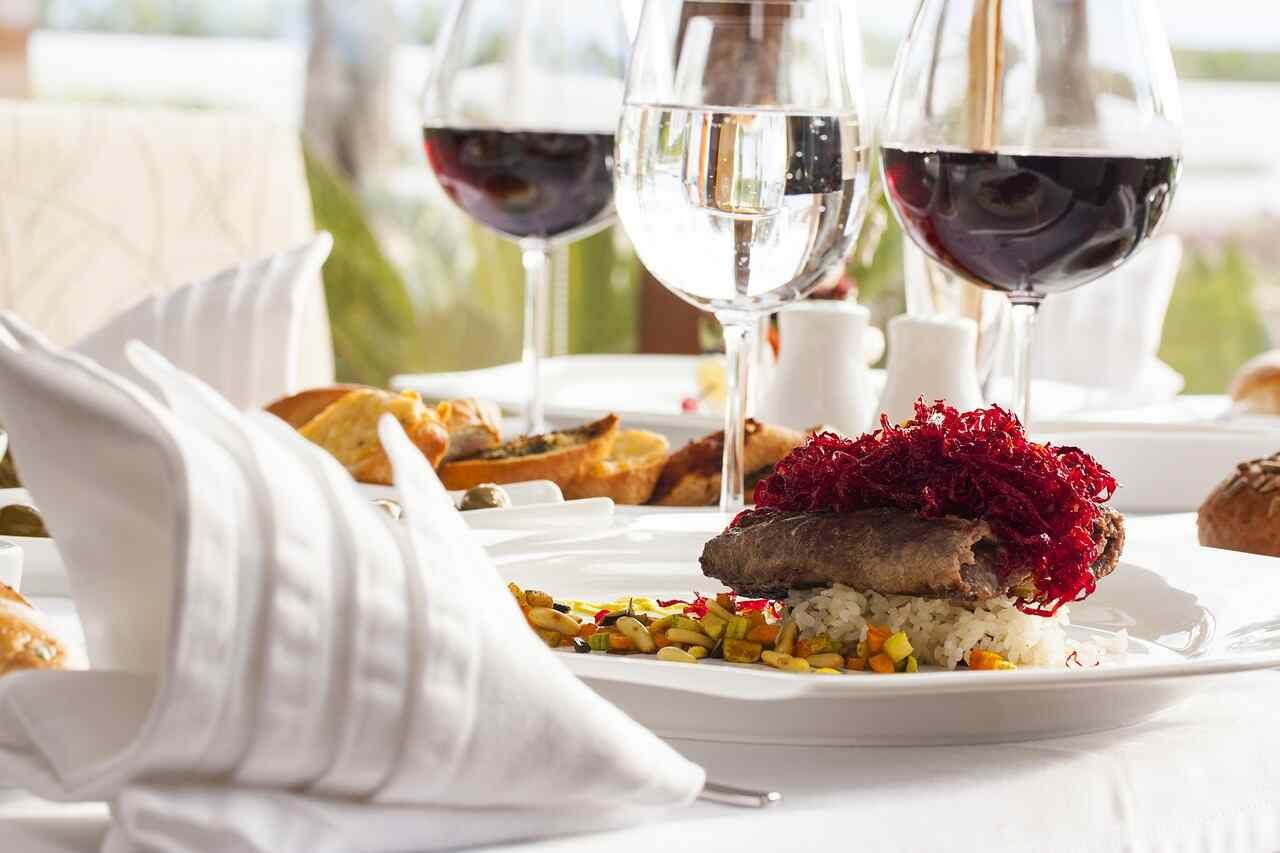
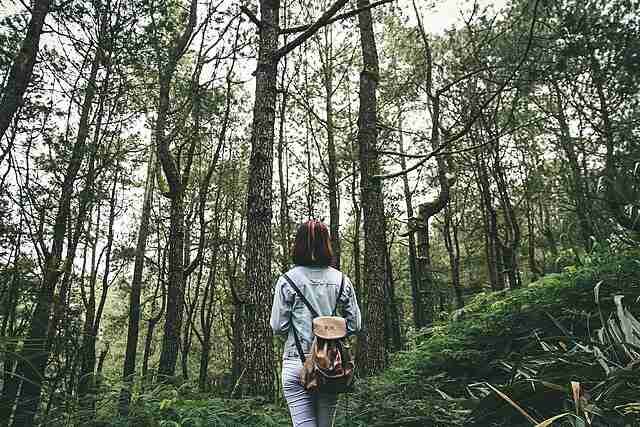


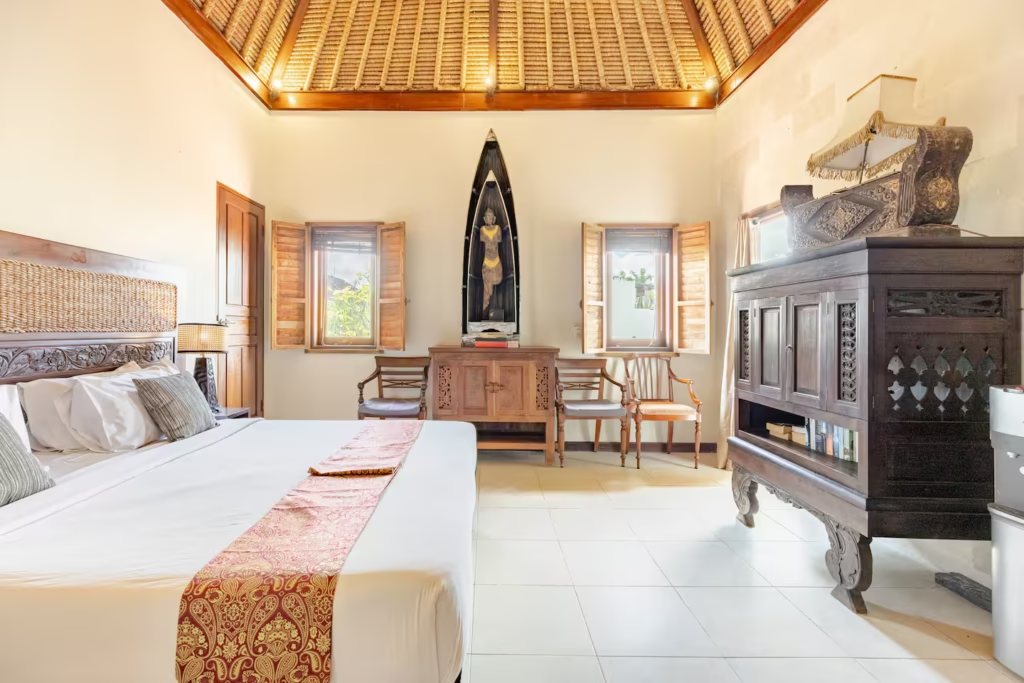
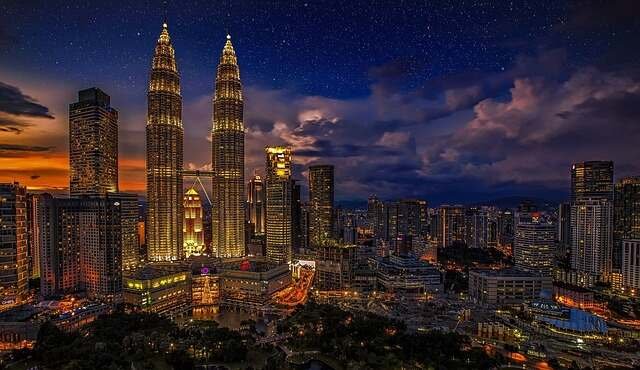


.jpg)
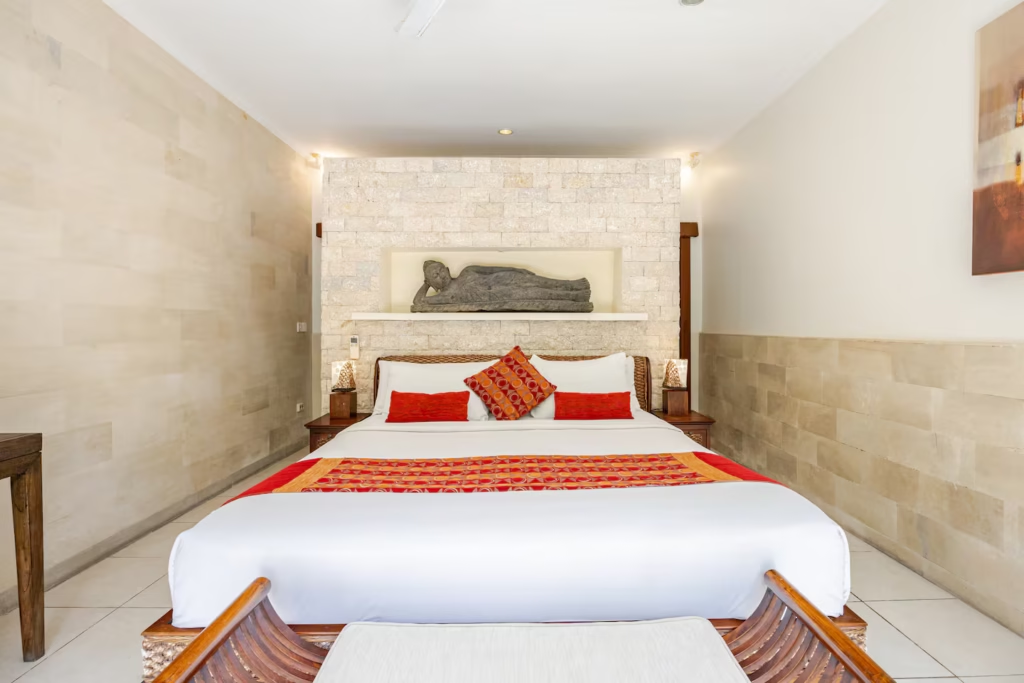


.jpeg)