From Bali to Darwin | Complete Guide to Visit Darwin and Surroundings

From Bali to Darwin | Complete Guide to Visit Darwin and Surroundings

Darwin is the capital of the Northern Territory region of Australia, of which it is also the most populous city. From Bali to Darwin is only 2 hours 30 minutes by airplane. Located on the Timor Sea, in the very north of the island, a regional economic center with its 150,000 inhabitants, it was first a colonial outpost before becoming, over the course of its history, one of the most modern cities, a thriving and cosmopolitan Australian continent. The place is not lacking in character: Darwin is famous for being the city with the most lightning storms worldwide, but also… the city with the most accidents involving saltwater crocodiles, monstrous reptiles that can reach seven meters in length and weigh almost a ton!

From Sydney to Darwin takes 4h 30mn by plane; airlines: Virgin Australia, Jet Star and Qantas.

A university city, young and urban, it is among the Australian capitals the one with the highest proportion of Aborigines: they had moreover set up trade routes between Southeast Asia and South Australia, long before the arrival of the first European settlers.

Wondering what to do in Darwin during your stay? Here is the answer with our essentials to visit Darwin and enjoy your visit without missing a beat!

From Bali to Darwin direct flights

Ngurah Rai (DPS) to Darwin (DRW) flights

The flight time between Ngurah Rai (DPS) and Darwin (DRW) it takes around 2h 30m and covers a distance of around 1764 km (1096 miles). Services are operated by Jetstar. Typically six flights run weekly, although weekend and holiday schedules can vary so check in advance.

Read also: International Direct Flights to Bali

Top things to do in Darwin (best “first-timers” list)

Planning a trip from Bali to Darwin? You’re looking at one of the easiest international hops in the region, then suddenly you’re in Australia’s tropical “Top End”, where waterfront sunsets, Aboriginal culture, WWII history, national parks, waterfalls, and crocodile country are all part of the same itinerary.

1. Darwin Waterfront

This is the place that can satisfy all those looking for relaxation: large lawns for sunbathing, palm trees and a lagoon pool with waves… If you are lucky, you can even attend a session of open-air cinema or take part in a Tai Chi class in the morning!

One of the most pleasant waterfront areas in Australia is located in the heart of Darwin, 5 minutes walk from the city center. Take a wave in the very popular hot tub, swim in the saltwater lagoon, relax in one of the colorful cafes, taste a craft beer in the tavern, enjoy a good meal in one of the many restaurants or sit in the shade in the lush green grounds. Then visit the attractions of nearby Stokes Hill Wharf, with fabulous views across Darwin Bay.

Darwin Waterfront Precinct 01
Darwin Waterfront Precinct. Alex Healing, CC BY 2.0, via Wikimedia Commons

2. Smith street and its Aboriginal art shops

Located in the heart of the city centre, Smith Street is a charming and lively shopping street: it is Darwin’s authentic artery! Its tourist attraction is linked to the massive presence of traditional stalls presenting handicrafts created by the aborigines, who are very numerous in the city. Why not visit it when you come to visit Darwin?

Northern Territory Legislative Assembly, Darwin, 2021, 02
Darwin (AU), Parliament House (Legislative Assembly of the Northern Territory), Near Smith streetand Darwin Waterfront Precinct. Address: 15 Mitchell St, Darwin City NT 0800, Australia. Kgbo, CC BY-SA 4.0, via Wikimedia Commons

The communities come to sell souvenirs and picturesque accessories, sometimes made of surprising materials – kangaroo hair, or crocodile skin! Many small gastronomic establishments serve a varied and delicious food and the place will certainly delight young and old.

Smith Street Mall
Smith Street Mall. Bidgee, CC BY 3.0, via Wikimedia Commons

3. Crocosaurus Cove

What to do in Darwin when you like to shiver? The Crocosaurus Cove is an animal park dedicated to reptiles, stars of the area. Interactive, it offers many workshops that will appeal to the little ones, and presents the different characteristics of crocodiles, lizards, turtles, the last descendants of dinosaurs! Guided tours can be enjoyed in several languages ​​and, for the more adventurous, a one-of-a-kind attraction is offered: immersion in a cage in a pool with… a sea crocodile, a gigantic and frightening mastodon!

And if you are particularly fond of crocodiles, why not take the “crocodile jumping” cruise on the Adelaide River, another must-see in Darwin? You can observe wild crocodiles in their natural habitat and see them jump out of the water to catch meat hanging from a fishing rod!

Young saltwater crocodiles at Crocosaurus Cove, Darwin, Australia, 02
Young saltwater crocodiles at Crocosaurus Cove, Darwin. Mutante, CC BY-SA 3.0, via Wikimedia Commons

4. The Museum and Art Gallery of the Northern Territory

The Museum and Art Gallery of the Northern Territory (MAGNT) is a cultural space not to be missed for anyone who wants to visit Darwin; located in the inner suburbs of the city, at Fannie Bay, it is one of the largest museums on the Australian continent, and an essential tourist stop.

It presents the specificity of aboriginal culture, the rites and customs of this very special people, but also their fascinating ability to live in harmony with nature. Along the paths, discover the boats that allowed the first settlers to land on the island, then the animal species specific to the country, and in particular the famous crocodile Sweetheart, which had the particularity of attacking boats which had the misfortune to cross his path! MAGNT website: https://www.magnt.net.au

MAGNT Sweetheart
Sweetheart the crocodile at Museum and Art Gallery of the Northern Territory (MAGNT), Darwin, Australia. Jpatokal, CC BY-SA 3.0, via Wikimedia Commons

5. George Brown Darwin Botanic Gardens

A favorite that is really worth it for anyone who wants to visit Darwin: the George Brown Darwin Botanic Gardens is an unmissable stop, a well-deserved break within a 42-hectare nature reserve highlighting the local tropical flora, countless varieties of flowers as well as one of the most beautiful orchid greenhouses in the world.

In addition, the visit is very pleasant because the heat is absorbed by the lush vegetation, and this space promises to be a must for those who are still looking for what to do in Darwin. Oh, and don’t forget to try one of the delicious tropical fruit muffins sold in the shaded aisles!

Fountain in the George Brown Darwin Botanic Gardens
Fountain in the George Brown Darwin Botanic Gardens. Stephen Michael Barnett, CC BY 2.0, via Wikimedia Commons

6. Darwin Military Museum

Did you know? During World War II, the city of Darwin was bombed 64 times in the space of two years! Inevitably, the conflict marked the collective memory of the inhabitants hard and the Darwin Military Museum, created by the association of Australian gunners, now serves as a place of remembrance.

It is very popular with students and college classes in the country, as well as with passing visitors who come to discover period photographs, as well as multiple objects, each with their own history. Ready to take the leap into history? Come and visit Darwin through this memorial!

Darwin Military Museum
Entrance to the Darwin Military Museum. MorePix, CC BY-SA 4.0, via Wikimedia Commons

7. Leanyer Recreation Park

Coming to Darwin with your family, with your children? Or, if you haven’t lost your child’s soul, go to the Leanyer Recreation park and its gigantic slides to cool off during the hot days of the southern summer. For young and old, the place is a bubble of freshness in this northern territory known for the harshness of its summer temperatures.

If you don’t know what to do in Darwin, know that it is very busy during the weekend, where locals come to have fun. So prefer to go there during the week to avoid the queue and the wait specific to the most popular amusement parks.
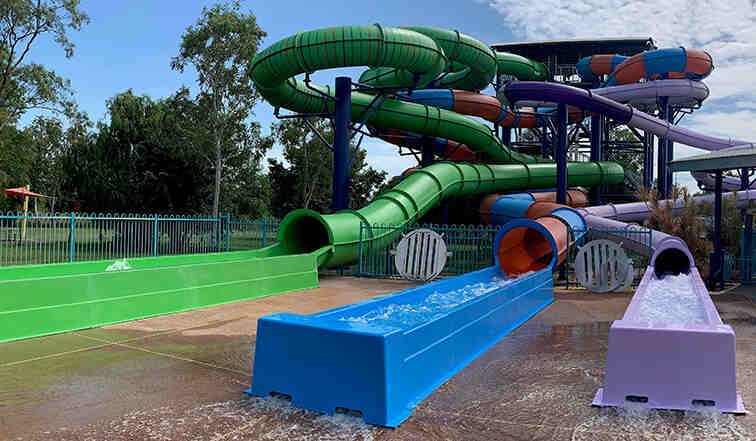
leanyer slides recreation park
Leanyer Recreation Park. Photo credit: Northern Territory Government of Australia

8. Do as the locals do – Go to the market!

What to do in Darwin when you like… to do nothing? It’s very simple: go through Mindil Beach during your stay! This beach, located near the city’s business district, is a popular place for locals who come to relax with their families and do their shopping.

You should know that Mindil Beach is home to a small picturesque market, open during the dry season (April to October), which has the particularity of being open until sunset… which you can admire, once your purchases have been made. , sitting on the beach. The place is popular with lovers and all romantics who come to visit Darwin.

Darwin 2324
Mindil beach market, Darwin. Tourism NT (Image gallery Tourism NT), Attribution, via Wikimedia Commons

Find locally made treasures and tantalize your taste buds at Darwin’s famous open-air ‘markets’. At the Mindil Beach Sunset Market (Thursdays and Sundays, April to October), sit down at the beach with a snack from one of the market’s 60 stalls, to watch a fiery sunset dip into the ocean. Every weekend, the suburbs of Nightcliff, Parap, Rapid Creek, Palmerston, Coolalinga and Malan transform into open-air markets where residents buy their fruits and vegetables, and feast on laksa (spicy noodle soups) and fresh fruit juices.

9. East Point Reserve

Locals love this place. Located next to the Military Museum, you can access it by bike to stroll through the 200 hectares (494 acres) of trails!

East Point played an important role in protecting Australia during World War II. Visit the Darwin Military Museum to see images of Darwin’s World War II bombings, its photographic and informational exhibits, and explore the turret enclosure. The East Point Reserve is home to abundant wildlife, so take a walk in search of wallabies, bandicoots, brushtail possums and many species of reptiles, butterflies and birds. the 30 minute loop from the parking lot near the lake through the monsoon vine forest in the mangroves. Follow the walk in the tidal region – look for many species of fish, crustaceans and molluscs.

East Point Reserve has several popular beaches, including Darwin’s most popular family beach at Fannie Bay. Lake Alexander draws its seawater from the bay, for safe, sting-free swimming year-round.

East Point Reserve, Darwin, Australia (314880633)
East Point Reserve, Darwin, Australia. yeowatzup, CC BY 2.0, via Wikimedia Commons

10. Bicentennial Park

Bicentennial Park perched on the cliffs of Darwin Harbor along the Esplanade, Bicentennial Park is a good place to catch a sea breeze or spend an afternoon following the WWII walking trail picnicking or relaxing. relax in the open grasslands.

Stretching along Darwin’s waterfront overlooking Darwin Harbor and shaded by tropical trees, the park is a great place to stroll.

Be sure to visit the Cenotaph, Darwin’s first war memorial commemorating Australians who lost their lives in World War I, as well as Aboriginal men and women whose skills in the bush helped the army during the war. World War II to protect the remote north coast. See Darwin’s tribute to the 200 Remarkable Territories – hand-painted tiles on panels dotted along the Esplanade commemorate some of the Territory’s ‘quiet achievements’, including pioneers, publicans and pastors.

To get away from the activity of the city. Very pleasant park where you can rest while contemplating the seafront. World War II memorial at the end of the park near the Parliament.

The park stretches from the Parliament of the Northern Territory to Doctor’s Gully. It is the site of large gatherings such as memorial services and Greek Glentis, but is also perfect for a game of footy, whatever the code. There is a network of shared trails that provide access to areas such as Lameroo Beach and the northwest end, where Doctor’s Gully fish feed.

Bicentennial Park, Darwin, Australia (314891617)
Bicentennial Park. yeowatzup, CC BY 2.0, via Wikimedia Commons

Darwin and Surroundings

Sail across the bay from Darwin to the Tiwi Islands, glide through the swamps in an air boat to encounter local wildlife, or cool off under a waterfall in Litchfield National Park; you’ll be spoiled for choice in and around Darwin, and you’ll love discovering the many facets of this very special region.

The prosperous and welcoming capital of the Northern Territory, Darwin attracts travelers from all over the world, who come to enjoy its tropical and relaxed lifestyle.

With its waterfront restaurants, crocodile-spotting tours, moving heritage and easy access to the charming Tiwi Islands, there’s plenty to do in Darwin for a weekend or for an extended stay.

Litchfield National Park

Litchfield National Park is just an hour and a half from Darwin by car and is a local favorite all year round. You can easily enjoy it for a day, but with all these swimming spots and beautiful waterfalls, it is definitely worth spending the night nearby. It is a sensational natural water theme park where you can enjoy waterfalls, rock pools and hiking trails, and all less than an hour and a half from Darwin!

Located 130 km south of Darwin, you can visit it in one day. If you want to stay longer, several campsites have been set up there and the nights under the stars will be very pleasant.

00 2444 Australien Litchfield-Nationalpark
Termite buildings in the Litchfield National Park, in Northern Territory Australia. Termites are derived from the Termitidae species. The hills reach heights of up to 7 meters. W. Bulach, CC BY-SA 4.0, via Wikimedia Commons

Litchfield National Park is totally free. You will find waterfalls, natural pools where you can swim safely (respect the warning signs), hiking. It is also an opportunity to meet kangaroos, snakes, spiders, bats, crocodiles in their wild state. The main points of interest are: Magnetic Termite Mound, Florence, Wangi and Tolmer Falls.

Litchfield National Park - Wangi Falls
Wangi Falls view from boardwalk in the evening. Litchfield National Park, NT Australia. Possibly Litchfield’s most popular attraction, Wangi Falls is easily accessible and open all year round. However, swimming is not always possible due to water levels from heavy rain. Ovico, CC BY-SA 4.0, via Wikimedia Commons

Berry Springs Nature Park – A real little nature paradise just 40 minutes from Darwin!

These are natural hot springs located 60km from Darwin (free). There are three pools. It’s very family-friendly. It has toilets, barbecues and free showers. Ideal for spending a day there and having a picnic with friends.

Family fun at Berry Springs Nature Reserve
Mid-afternoon at one of the natural pools at Berry Springs, about 60km from Darwin. A family-friendly place in a natural setting. Jessica.Oreilly, CC BY-SA 4.0, via Wikimedia Commons

Experience Aboriginal culture on the Tiwi Islands

Take a day trip to the picturesque Tiwi Islands, 30 minutes by plane or 2.5 hours by ferry north of Darwin, to share the strong bond of the Tiwi Aboriginal people with their rich culture. Meet local artists at the arts centers on the islands and experience a traditional “smoking ceremony”. If you can, go in March to attend the annual football grand finale and art sale, a very popular and very special event.

Tiwi Islands car ferry
Tiwi Islands Car Ferry, 2011, seen from Wurrumiyanga on Bathurst Island across Apsley Strait to Melville Island. Satrina Brandt, CC BY-SA 3.0, via Wikimedia Commons

Ngaruwanajirri Aborigin Art Center, on Bathurst Island (opposite Tiwi Island)

Aboriginal and Torres Strait Islander cultural aspirations and expressions, Ngaruwanajirri Incorporated is an arts centre at Wurrumiyanga on Bathurst Island. Ngaruwanajirri, which means ‘helping one another’ in Tiwi, was established in 1994.

It was originally set up for disabled Tiwi residents but now includes all artists, with the original artists working with traditional wood carvers. Art created includes natural ochre paintings on paper and canvas, batik on silk, lino prints on paper and fabric and ironwood carvings. Many paintings and carvings from Ngaruwanajirri, including tutini poles for Pukumani ceremonies, have been exhibited in Darwin, interstate and overseas. Works reside in private collections and art galleries both nationally and internationally.

Location
The Keeping House, Wurrumiyanga, Bathurst Island

Opening Hours
Monday to Friday 8 am to 12 pm, or by appointment.

Contact
Phone: 08 8978 3724 or 0437 783 724
Email: ngaruwanajirri.inc@bigpond.com
Website: https://tiwilandcouncil.com/index.cfm?fuseaction=page&p=278

Tiwi Island art gallery ceilingCeiling of a Tiwi Island art gallery and studio. Satrina Brandt, CC BY-SA 3.0, via Wikimedia Commons

Kakadu National Park

Located 250 km from Darwin (ony 1h 40 mn drive), Kakadu National Park is Australia’s largest national park. Listed as a UNESCO World Heritage Site. Admission is $40 per person.

Kakadu 2432
The largest waterfall in the park, Jim Jim Falls. Tourism NT (Image gallery Tourism NT), Attribution, via Wikimedia Commons

This park is endowed with an incredible richness both by the beauty of its flora, fauna and the aboriginal art that can be admired there. To access the entire park you need a 4×4 since some roads are not accessible to vans or cars.

Main points of interest: Twins Falls, Jim Jim Falls, Nourlangie Rock, Ubirr.

Kakadu 2488
Nourlangie Rock. Tourism NT (Image gallery Tourism NT), Attribution, via Wikimedia Commons

The park has been listed as a World Heritage Site since 1981. The site has been continuously inhabited for more than 40,000 years and contains remains of hunters and fishermen from the Neolithic period to the present-day Aborigines. It presents a history of techniques and behavior illustrated by paintings. Moreover, it concentrates on itself all of the Australian landscapes (with the exception of the arid zones which cover 80% of the territory).

Kakadu 2431
Kakadu Escarpment. Tourism NT (Image gallery Tourism NT), Attribution, via Wikimedia Commons


How to get to Darwin?

Darwin has an international airport which is located in the suburbs of Marrara 13 kilometers north of the center of Darwin. The air network remains the best solution to get to this remote place, and our partner Skyscanner will allow you to find a flight at preferential rates. From Charles de Gaulle airport, your trip will be punctuated by at least one stopover (very often in Singapore) and should take you at least 19 hours!

In addition, the modern and efficient infrastructures (several railway lines ensuring the south/north link with the rest of the Australian territory, a tram, as well as a road network of excellent quality but not very dense) make it possible to vary the means to get to the city, and, once there, to visit Darwin easily. For more autonomy in your stay, you can also rent a car at Darwin airport.


Where to stay in Darwin?

Darwin is a good-sized city that offers several types of accommodation, each with their own advantages, to choose from according to your profile as a traveler who has come to visit Darwin. For a typical and family accommodation, choose without hesitation the many guest houses, in the center and outside the city, run by authentic and warm Australians.

Members of the junior clientele will appreciate the many youth hostels, very widespread in Australia (the destination being popular with young backpackers, or seasonal workers), while those with a comfortable budget will opt for a room in the neighborhood from the city center and its typically Australian wide alleys: you can also find the hotel of your dreams in Darwin by carrying out a search on this hotel comparator. And if you prefer a flexible and affordable solution, opt for an Airbnb accommodation, in order to benefit from a pied-à-terre (a small living unit) that suits you and makes you feel at home. Finally, our article on the best areas to stay in Darwin should also help you!

Now you know how to best enjoy when you come to visit Darwin, and the charms of this special region during your stay. But will you be able to choose what to do in Darwin and… will you prefer to go there in winter, or in summer?

Read also: From Bali To Raja Ampat (4 Kings) | Complete Guide to Visit West Papua


Darwin day trips and “surroundings” you should plan for

1. Litchfield National Park (waterfalls + swimming holes)

Often considered the easiest “wow” day trip from Darwin: waterfalls, rock pools, and short walks. (Swimming access can change seasonally, follow signage.)

2. Berry Springs Nature Park (easy, family-friendly)

Natural pools and picnic facilities close to Darwin—very popular with locals.

3. Tiwi Islands (culture-focused day trip)

If you want an Aboriginal cultural experience beyond the city, Tiwi can be a great add-on (availability depends on tours/transport schedules).

4. Kakadu National Park (UNESCO-level scale)

Kakadu is huge, many areas are best with a 4WD and at least 2–3 days if you can.

Park pass pricing (official, valid for 7 days): Adult: $40 (Dry Season) / $25 (Tropical Summer)

When to visit Darwin (simple planning)

Dry season (roughly Apr–Oct): best weather for markets, day trips, and long outdoor days (this is also peak season).

Wet season: dramatic storms and lush landscapes; some roads/parks can be limited.

Practical tips (Top End essentials)

Croc safety: Darwin and the Top End are crocodile country. Swim only where it’s explicitly permitted and signed safe.

Sun + heat: hat, water, and light clothing are non-negotiable.

Book ahead in peak season: especially Mindil Market nights, tours, and Kakadu accommodation.


FAQ

How long is the flight from Bali to Darwin?

Non-stop flights are commonly listed around 2h40–2h45.

Are there direct flights from Denpasar (Bali) to Darwin?

Direct flights are generally available depending on season and airline schedules (often listed: Jetstar, Indonesia AirAsia).

What is the best market to visit in Darwin?

Mindil Beach Sunset Market (Thu & Sun, 4pm–9pm, last Thu Apr to last Thu Oct).

How much is the Kakadu park pass?

Adults: $40 (dry season) / $25 (tropical summer), valid for 7 days. Official website: https://kakadu.gov.au/plan/passes/


Sources: CleverlySmart, Tourism NT, Tourism Australia, Sightseeing Tours Australia

Photo credit (main picture): yeowatzup, source: Bicentennial Park, Darwin, Australia via Wikimedia Commons

NB: Prices and opening hours of attractions are subject to change without prior notice.

Photo description: Bicentennial Park, Darwin, Australia.

International Direct Flights to Bali


Discover the Ultimate Comfort: Book Your Villa in the Heart of Seminyak Center Today!

I need more information

Promotions

Explore the tranquil haven of Villa Carissa, ideally nestled in the vibrant heart of Seminyak, Bali. This serene sanctuary boasts a private swimming pool and an enclosed garden, ensuring an intimate escape throughout your stay.

Whether you’re embarking on a family expedition, traveling with friends, or savoring a romantic rendezvous, Villa Carissa serves as the ideal launchpad to uncover Bali’s enchantments and relish a truly revitalizing retreat. Secure your reservation at Villa Carissa today and embrace the soothing sanctuary in the heart of Seminyak, Bali.

Carissa villa in seminyak
Villa Carissa in Seminyak Center

From Bali to Manado: Complete Guide to Visit Bunaken, North Sulawesi

Manado is the ideal gateway to North Sulawesi, one of Indonesia’s most underrated regions for diving, snorkeling, volcano hikes, wildlife encounters, and Minahasa culture. From here, you can reach Bunaken National Park, explore the highlands around Tomohon, discover Mount Mahawu and Mount Lokon, and organize excursions to Tangkoko or Lembeh.

If you are traveling from Bali, the easiest option is usually to fly from Denpasar (DPS) to Manado Sam Ratulangi International Airport (MDC). Some routes are direct, while others may connect via Makassar or Jakarta depending on the day and airline. Always verify schedules before booking.

Why go? Bunaken is one of Indonesia’s best-known marine parks, while North Sulawesi also offers volcanic landscapes, local markets, unique wildlife, and rich Minahasa heritage.
  • Main gateway: Manado (MDC Airport)
  • Best-known marine destination: Bunaken National Park
  • Best for: diving, snorkeling, volcano hikes, wildlife, culture
  • Good side trip from Bali: 3 to 6 days

How to Get from Bali to Manado

The most practical route is by airplane. Depending on the airline and date, you may find a direct flight or an itinerary with one stop, often via Makassar or Jakarta.

By plane

  • Bali (DPS) → Manado (MDC) direct or with stopover
  • Bali (DPS) → Makassar (UPG) → Manado (MDC)
  • Bali (DPS) → Jakarta (CGK) → Manado (MDC)

Airlines often serving Bali–Manado routes

Related reading:
Bali Airport (DPS) Guide |
From Bali to Jakarta |
From Bali to Raja Ampat

How to Go from Manado to Bunaken

To reach Bunaken Island, you first head to the port area in Manado and then continue by boat. In practice, there are usually two ways to cross:

  • Private speedboat: faster, more flexible, more expensive
  • Local public boat: cheaper, slower, more schedule-dependent

Boat schedules and prices can change. The easiest and safest option is often to arrange your transfer directly with your resort, guesthouse, or dive center before arrival.

Tip: many Bunaken resorts can organize pickup from Manado airport or from the port, which makes the arrival much easier.

Why Visit Manado and Bunaken?

Bunaken is one of the best-known dive and snorkel destinations in Indonesia. The marine park is famous for its coral walls, reef life, sea turtles, clear water, and excellent macro and wide-angle underwater photography opportunities.

Manado, meanwhile, is more than a transit city. It gives access to:
Tomohon, Mahawu, Lokon, Tangkoko, Lembeh, and Minahasa cultural sites.

1. Visit Manado, the Capital of North Sulawesi

Manado is the main arrival city for North Sulawesi and a practical base before heading to the islands or the highlands. It is well connected to other Indonesian hubs and offers a mix of waterfront views, temples, churches, markets, and easy access to regional excursions.

Things to see in Manado

Ban Hin Kiong Temple

This is one of the city’s best-known heritage landmarks and one of the oldest Chinese temples in the region.

Local markets

Manado’s markets are among the most colorful places in the city. They are a good introduction to local life, produce, spices, flowers, and seafood.

Bemo local transport

The bemo is a practical and affordable way to move around the city. It is part minibus, part local shared taxi, and part everyday urban experience.

2. Bunaken National Park

Bunaken is a small island off Manado and one of the stars of the Coral Triangle. The island itself is small and relaxed, while the surrounding marine park is the real highlight.

The destination is renowned for:

  • spectacular wall dives
  • clear water and reef visibility
  • abundant sea turtles
  • great snorkeling directly from shore in some areas
  • excellent underwater photography

Related reading:
Must-See Places in Indonesia

Best activities in Bunaken

  • Snorkeling over coral gardens
  • Scuba diving on drop-offs and walls
  • Watching sea turtles and tropical fish
  • Island walks and village visits
  • Boat trips around nearby islands
  • Climbing Manado Tua volcano for panoramic views

Best time to visit Bunaken

Bunaken can be visited all year, but weather, currents, and visibility vary by season. July and August are often busy, so reserve dive trips and resorts in advance.

Marine park fee

Protected-area fees can change over time, so it is best to confirm the latest Bunaken National Park conservation fee with your resort, dive center, or local tourism office before arrival.

Popular Bunaken dive areas

  • Lekuan 1, 2 and 3
  • Fukui Point
  • Barracuda Point
  • Panggulingan
  • Molas Wreck
  • Siladen dive sites
  • Manado Tua walls

3. Lembeh Island and the Lembeh Strait

Lembeh is famous worldwide for muck diving. It is very different from Bunaken: instead of dramatic coral walls, you find black sand bottoms, strange critters, and macro photography treasures.

It is a perfect side trip if you want to combine:

  • Bunaken for coral walls and turtles
  • Lembeh for rare small marine life and macro diving

4. Tomohon Highlands and Minahasa Culture

North Sulawesi is not only about the sea. The highlands around Tomohon offer a refreshing change of scenery with volcanoes, crater lakes, farms, and local markets.

Tomohon Market

Tomohon is known for its highland setting, flowers, local produce, and traditional market atmosphere. It is one of the best places to experience local life beyond Manado’s coast.

Mahawu Volcano

Mount Mahawu is one of the easiest volcano hikes in the region and a great option if you want panoramic views without a very demanding trek. The crater is one of the highlights of the Tomohon area.

  • Approximate route length: 12.9 km / 8 mi round trip depending on approach
  • Type: moderate volcano hike

Lokon Volcano

Mount Lokon is another famous volcano near Tomohon. The trail is more rugged than Mahawu and conditions can change depending on volcanic activity and weather.

  • Approximate route length: 6.6 km / 4.1 mi round trip
  • Level: moderate, more technical than Mahawu in sections

5. Tangkoko Nature Reserve

One of the best wildlife day trips from Manado is Tangkoko, known for its endemic fauna and especially for the spectral tarsier, one of the smallest primates in the world.

You may also encounter:

  • black macaques
  • hornbills
  • cuscus
  • other endemic North Sulawesi species

6. Bogani Nani Wartabone National Park

If you have more time in North Sulawesi, Bogani Nani Wartabone National Park is another important nature destination. It is known for endemic wildlife and tropical forest ecosystems.

Suggested Itinerary: Bali to Manado and Bunaken

3 days

  • Day 1: Flight Bali → Manado, overnight in Manado or Bunaken
  • Day 2: Bunaken snorkeling or diving
  • Day 3: Bunaken + return to Bali

5 to 6 days

  • Day 1: Bali → Manado
  • Day 2–3: Bunaken National Park
  • Day 4: Tomohon, Mahawu, local market
  • Day 5: Tangkoko or Lembeh
  • Day 6: Return flight

SEO Travel Tips for This Trip

  • Book your dive resort before peak season
  • Confirm boat transfer details before arrival
  • Carry reef-safe sunscreen
  • Bring dry bags for island transfers
  • Pack water shoes or sandals for boat landings
  • Use travel insurance that covers diving if needed

Related Sulawesi article:
From Bali to Tana Toraja


Have you booked your villa in Seminyak center?

Book Your Private Villa

Located in Seminyak Center – Bali, Villa Carissa offers a private swimming pool and enclosed garden to guarantee your privacy.

Whether you are traveling with family, friends, or on a romantic getaway, Villa Carissa in Seminyak center is the perfect base before or after your island-hopping adventure across Indonesia.

Carissa villa in Seminyak center


Villa Carissa in Seminyak Center

Mount Agung Trekking

Located in the east of the island and culminating at 3,142 meters (10 308 ft), Mount Agung or Gunung Agung is the highest and most sacred mountain in Bali. Mount Agung is not only a mountain, but it is also a dangerous volcano. Indeed, during the 1963 eruption, approximately 1,500 people lost their lives. Tens of thousands more also lost their homes. The flanks of the volcano are highly prized by farmers in the region, as they are very fertile. Be careful, all the same, this volcano is still active and closely monitored by scientists. Fortunately, all this does not prevent its ascent, from the moment you are accompanied by a reliable guide. It is strongly advised not to embark on an ascent alone, at the risk of getting lost.

Mount Agung Sunrise trekking: the legend

Like every important place, Mount Agung is accompanied by a legend made up of false gods and their incredible stories. Regarding the Agung volcano, the story is a bit complicated, but we will try to simplify it for you…

At the beginning of time, the mythical God Sang Hyang Widi, began a long meditation, during which he created the foundations of his universe. It was separated into three parts: the sky was the domain of the gods, the basement was that of the demons and the sea that of the animals.

However, this imperfect god had forgotten to create a place for Men. He then decided to take a large fish from the sea which he transformed into Bali. The eye of this fish has become the famous Mount Agung, its hearing Lake Batur, its caudal fin (the tail of fishes and some other aquatic vertebrates.) the Gunung Abang and its backbone the chain of volcanoes that crosses Bali. The Balinese therefore live today in Bali, land of men, above the world of demons and under the benevolent eye of their legendary gods.

Gunung Agung Sunrise Descension
Taken during a descension of Mount Agung, the highest peak on Bali, you can see the highest peak of the island of Lombongon through the sunlight and clouds. Elizabeth.rice, CC BY-SA 4.0, via Wikimedia Commons

Climbing Mount Agung

Choose the season for your trekking

Although more difficult than the ascent of its neighbor Mount Batur or Mount Bromo in Java, the trek that leads to the summit of Gunung Agung is accessible to all with good equipment. However, it is preferable to climb during the dry season (March to November) rather than during the rainy season, which can make the trails difficult to pass.

Prepare your trek

DepartureDurationDistanceAltitude MinAltitude MaxPositive elevationOrientationLevel
Pura Pasar Agung1/2 day6 Km1600 m
5249 ft
2820 m
4265 ft
1300 m
4265 ft
NorthDifficult
5-7 hours
Pura Besakih1 day15 Km1100 m
3608 ft
3142 m
10308 ft
2100 m
6889 ft
EastDifficult
3-4 hours

Two routes are possible:

1. From Pura Pasar Agung

One starts from Pura Pasar Agung, a temple located on the southern flank of the volcano, 1600 meters (5249 ft) above sea level. It is shorter but does not offer access to the highest point. The second starts from a little lower on the western slopes of the volcano, from Pura Besakih.

The start and the ascent always take place at night, so that you can enjoy the sunrise at the top. It is therefore imperative to have a headlamp to climb! Also, a rain jacket, good shoes and warm clothes – even gloves and a hat! – are recommended. For around IDR 750,000 per person (about € 50), you will treat yourself to the services of a local guide who will accompany you to the crater, including breakfast at the top.

2. From Pura Besakih

From Pura Besakih, count about six hours of ascent and three hours of descent. The trek starts in the jungle, then you’ll gradually leave the tropical forest for these lunar landscapes, and these paths lined with slag. The slope can be steep in some places, the paths sometimes slippery and steep, so caution is advised during the entire ascent and descent.

Arrived at dawn at the top, before the mist and clouds set in, you’ll are struck by this breathtaking panorama – and by the fresh air a little, too! The magical view offered by Gunung Agung is worth the effort made during the night. To the east, you can see Mount Rinjani, which soars majestically towards the sky. You’ll enjoy an absolutely grandiose view of the whole of Bali: its lush vegetation, its hills and its rice terraces, surrounded by this sea on the horizon which extends indefinitely.

Besakih Bali Indonesia Pura-Besakih-03
The Mother Temple of Besakih, or Pura Besakih, in the village of Besakih on the slopes of Mount Agung in eastern Bali, Indonesia, is the most important, the largest and holiest temple of Hindu religion in Bali. Photo by CEphoto (CC BY-SA 3.0), Uwe Aranas via Wikimedia Commons

Read also: Useful Tips for Visiting Temples in Bali

Indonesia being the geographical area with the greatest concentration of volcanoes in the world, organizing a stay in Bali or the Sunda Islands without tasting the joys of a night trek and the breathtaking views offered by these curiosities of the nature would be missing something!

Puncak gunung agung
An inscription at 3142 meters (10308 feet) above sea level of the mountain peak. Rendika Iswandi, CC BY-SA 4.0, via Wikimedia Commons

5 Reasons that will make you visit Mount Agung

From Mount Agung in Bali, the panorama is simply magnificent. Do not hesitate to climb this superb sacred volcano!

1. Because Mount Agung is a remarkable religious symbol

This imposing mount was already considered sacred before the expansion of Hinduism. Nearly 900 meters on one of its flanks, there was a sanctuary where the cults of the mountain and the ancestors were carried out. This site will become one of the best attractions in the area. This is the temple of Besakih. It is the largest Hindu temple in Bali! You must visit it.

Here you will see altars, shrines and precious statues. So take the opportunity to climb the mountain and fetch the palm fronds and wet them with holy water, as the pilgrims to the site do. A fine example of cultural sharing.

2. Because its ascent is a very exciting challenge

It is always very exciting to face such a colossus. Put your muscles to the test, and show your courage by trying to climb this mountain. Several options are available to you to achieve this! You can launch from Besakih Temple to reach the top in approximately 6-7 hours. Others can approach it from Pasar Agung Temple with around 3-4 hours drive.

There is a route located in the north at sakti, very suitable for you who are not very fit physically. So it’s up to you to make your choice! The only thing that is clear is that you will be thrilled whichever path you choose.

3. Because you will discover marvelous valleys there

Other priceless riches surround this mountain. Head to the area between Sidemen and Selat. She is incredibly beautiful! This is the most scenic area in all of Bali. Marvelous rice terraces are observed. Rice being a very popular food in this part of the world, its cultivation is widespread. What will strike you is the care given to the plants. Ingenious!

The decor is very uplifting! You will also see lush wooded hillsides. This area is a real attraction. Make your stay unique by visiting these magical places.

4. Because charming guides will make your visit more rewarding

To allow you to take full advantage of this trip, you are strongly advised to seek the services of a guide. It’s primordial ! Several reasons may justify this state of affairs. The guides, who are generally natives, have a better understanding of the places and will be able to show you around the best places that exist. They know the trails even in bad weather conditions.

They can speak local languages. All this saves you a lot of inconvenience! Given the sacredness of the site, they really put their heart into it to offer you the best memories of your life in complete safety.

Read also: Hiking Mount Batur in Bali | Hike to witness the sunrise from the top of the volcano!

5. Because it is a real providential locality

Everything is done in Agung to make it a piece of paradise on earth. Once at the top of the mountain, you will have panoramic views in all directions. Exquisite wildlife is found there! Wild pigs and macaques are present in the wooded depressions of the site. Eagles and falcons are frequently seen there. At the base of the mount, you will see an elegant well-stocked forest.

Observed from several positions, Agung is just grandiose. To top it off, witnessing the sunrise is luminous. It is an extraordinary moment!

Besakih Bali Indonesia Pura-Besakih-03
Besakih temple with Mount Agung background. Besakih is The Mother Temple of Besakih, or Pura Besakih, in the village of Besakih on the slopes of Mount Agung in eastern Bali, Indonesia, is the most important, the largest and holiest temple of Hindu religion in Bali. Photo by CEphoto, Uwe Aranas, CC BY-SA 3.0 via Wikimedia Commons

The place of Mount Agung in Balinese culture

The Savior Mount

Its size, its majesty, but also its dangerousness have made gunung Agung, literally the “high mountain”, the most sacred mountain in Bali. Nevertheless, it’s a safe bet that Mount Agung has been worshiped for a long time, even before the introduction of Hinduism on the island. Indeed, archaeologists have discovered that Pura Besakih, – the largest and most important Hindu temple in Bali, located 1000 meters above sea level on the southwestern slope of the volcano – was erected on an ancient shrine, several thousand years.

Myth

Like every important place, Mount Agung is accompanied by a legend made of Gods and their incredible stories. Regarding the Agung volcano, the story is a bit complicated, but we will try to simplify it for you… At the beginning of time, the mythical God Sang Hyang Widi, began a long meditation, during which he created the foundations of his universe. It was separated into three parts: the sky was the domain of the Gods, the basement was that of the demons and the sea that of the animals.

However, this imperfect God had forgotten to create a place for Men. He then decided to take a large fish from the sea which he transformed into Bali. The eye of this fish has become the famous Mount Agung, its hearing Lake Batur, its caudal fin the Gunung Abang and its backbone the chain of volcanoes that crosses Bali. The Balinese therefore live today in Bali, land of men, above the world of demons and under the benevolent eye of their legendary Gods.

Read also: Things To Do When Arriving at Bali Airport (DPS) | Tips for Every Traveler As Soon As We Land

The capricious mountain

Mount Agung is both feared and revered by the Balinese people. Because despite its sometimes deadly anger, it is its eruptions and its deposits of ash and mineral matter on its slopes and in its valleys that make the excellent fertility of the Balinese soil. And the inhabitants return it well, multiplying the offerings and the prayers in his honor, in the hope of obtaining his clemency. During the 1963 eruption, the lava stopped just a few meters from the Pura Besakih temple.

The Balinese saw it as a sign of the Gods who had shown their omnipotence and their anger with this eruption, but ultimately decided to spare their place of worship from the lava. For the inhabitants of the Island of the Gods, Mount Agung is equated with Mount Meru. In Hindu mythology, the latter designates the central mountain, the axis around which the world revolves. Mount Agung at the center of the world is more than enough reason to decide to climb its slopes and reach its summit!

Mount Agung 2016-08-06 (28796213173)
The South side of Mount Agung, Bali, Indonesia.. Gunung Agung is a stratovolcano, which explains this perfectly conical and sloping shape. Everyone Sinks Starco, CC BY-SA 2.0, via Wikimedia Commons

Practical info | Mount Agung trekking preparations

For the ascent, bring good walking shoes, warm clothes, water bottles and torches or headlamps.

For who?

Trekking on Mount Agung requires being in good physical shape. Indeed, it is not an ordinary walk, but a hike reserved for the most athletic among you. If you’re out of breath just from walking around your neighborhood, don’t try the adventure. In addition, the ascent is prohibited for women who are menstruating. The Balinese are very superstitious and consider this an omen of bad luck.

When to go there?

It is advisable to climb Mount Agung during the dry season, i.e. from April to September. During the wet season, the paths can be dangerous, as they are too slippery. In addition, the sunrise will be less impressive than in the dry season. Attention, the ascent is prohibited during April, when there is a ceremony at the Besakih temple or at the Pasar Agung temple.

Bali Local Ecosystems | Exploring Bali’s Natural World

How much does it cost?

Officially, a trek to Mount Agung costs nothing. The only thing you will have to pay for will be your guide. Depending on your negotiating skills, you will get IDR 900,000 to IDR 1,800,000, or about €50 to €100 per person.

Find the right guide

Apart from a good physical condition, you will have to find the right guide, the one who will be able to manage your excursion with pleasure. Some tourists come back very disappointed from their trek because of an incompetent guide or one who does not listen to their needs. We advise you to book through a serious agency and ask for the number of years of experience that the guide has on the counter. If the name of the guide changes at the last minute, refuse! You do not know if the person is competent to accompany you.

Prepare

At the start of the hike, you may get hot quickly, so a t-shirt should suffice. However, the higher you go, the more the temperatures will drop. So remember to bring a warmer garment. Then, it is advisable to put on real good quality hiking shoes. Finally, take supplies, sandwiches, protein bars, drinks and pharmacy supplies in case of injury.

Suasana Pagi dan Kemegahan Gunung Agung
Morning atmosphere and the splendor of mount Agung. Tri Arya Dhyana K., CC BY-SA 4.0, via Wikimedia Commons

Photo credit (main picture): Arthamade, CC BY-SA 4.0 via Wikimedia Commons

Photo description: view of Mount Agung from Sanur beach, which is only visible in the morning.

Notes: all prices are subject to change without prior notice.

Rinjani Trek: A Comprehensive Guide to Conquering Lombok’s Majestic Volcano


Have you booked your villa in Seminyak center (South Bali)?

I need more information

Located in Seminyak Center – Bali, Villa Carissa offers a private swimming pool and enclosed garden to guarantee your privacy. You can book your private pool villa here with us.

Private Pool at Villa Carissa in Seminyak Center

What to Do and See in Seminyak, Bali?

Seminyak is one of the most stylish and convenient places to stay in South Bali. It blends beach life, sunset views, shopping, upscale dining, family-friendly villas, wellness experiences, and lively nightlife in one easy-to-enjoy area. If you are wondering what to do in Seminyak Bali, this guide covers the best beaches, shopping streets, spas, restaurants, beach clubs, temples, and couple-friendly experiences.

Best things to do in Seminyak
Family-friendly + couple-friendly
Luxury, lifestyle, beach & dining
SEO-optimized internal links
Sunsets one of Seminyak’s biggest highlights
Walkable core shops, cafés, spas and dining
Great for couples romance, beach clubs, villas
Great for families private villas and easy beach access

Why Visit Seminyak, Bali?

Seminyak is one of the most polished beach areas in Bali. Compared with neighboring Kuta, it feels more refined, more spacious, and more design-focused. You will find beach clubs, boutique shopping, stylish cafés, family villas, spa treatments, sunset bars, and some of Bali’s best restaurants, all within a relatively compact area.

It is also one of the easiest places in Bali for travelers who want comfort and convenience. You can spend the morning at a café, shop along Kayu Aya or Petitenget, enjoy a spa in the afternoon, catch sunset on the beach, and finish with dinner or cocktails without needing to cross the island.

Why travelers love Seminyak

  • Beautiful beach and easy sunset access
  • Excellent restaurants, cafés and brunch spots
  • Chic shopping streets and designer boutiques
  • Family-friendly villas with private pools
  • Beach clubs, nightlife and romantic dining
  • Good base for a stylish Bali stay

Best Things to Do and See in Seminyak

Seminyak is ideal for travelers who want a mix of relaxing and social experiences. You can start slow with coffee and breakfast, move into shopping or spa time, then end the day with sunset, dinner, and nightlife. It works equally well for families, couples, solo travelers, and groups of friends.

Take Your Morning Coffee or Brunch

One of the simple pleasures in Seminyak is café-hopping. The area is known for stylish breakfast places, brunch cafés, espresso bars, and all-day dining spots. If you are curious about kopi luwak, ask how it is sourced before ordering and choose places that can clearly explain the origin of the coffee.

Seminyak is especially strong for late breakfast culture, casual brunches, smoothie bowls, artisan coffee, and people-watching. It is one of the easiest places in Bali to start your day slowly and comfortably.

Shopping Extravaganza in Seminyak

Seminyak is one of the best shopping districts in Bali, especially if you enjoy fashion, home décor, jewelry, swimwear, gifts, and lifestyle boutiques. It is more polished and more upscale than many other areas of the island, so prices can be higher, but the selection is also stronger.

Walk Through the Main Streets

The most popular shopping and dining corridors include Jalan Kayu Aya, Jalan Petitenget, Jalan Dhyana Pura, and the wider Oberoi area. These streets are packed with boutiques, cafés, restaurants, bars, salons, and small concept stores.

Seminyak Village Shopping Mall

If you want something easy and air-conditioned, Seminyak Village is a simple stop for shopping, dining, and escaping the heat for a while.

Watch: shopping and strolling around Seminyak
This Seminyak-focused vlog is a good visual match for the shopping and day-out section. :contentReference[oaicite:1]{index=1}

Read also:
Shop Till You Drop: Best Places to Go Shopping in Bali

Seminyak Flea Market

The Seminyak Flea Market is a classic stop for souvenirs, beachwear, accessories, gifts, and small decorative items. It is not huge, but it is convenient and fun if you are already in the Kayu Aya area. Bargaining is still part of the experience in many stalls.

Watch: Seminyak flea market and street atmosphere
Reliable indexed Seminyak video used as a stronger replacement for older embed blocks. :contentReference[oaicite:2]{index=2}
Map: from Villa Carissa to Seminyak Flea Market

Seminyak Beach and Mesmerizing Sunsets

Seminyak Beach is one of the area’s main attractions. The long stretch of sand is ideal for beach walks, sunset drinks, casual lounging, beginner-friendly surf sessions, and simply slowing down for a few hours. Compared with some busier parts of South Bali, it often feels more relaxed and more stylish.

Late afternoon is the best moment. Grab a seat at a beachfront venue, order a fresh juice, cocktail, or coconut, and watch the sky shift into orange, pink, gold, and violet over the Indian Ocean.

Watch: sunset at Seminyak Beach
Replaces the old Wikimedia sunset image block with a more immersive Seminyak sunset video. :contentReference[oaicite:3]{index=3}

Read also:
Seminyak Beach: the ideal beach to see a wonderful sunset in Bali

Vibrant Beach Clubs and Nightlife

As the sun goes down, Seminyak becomes one of Bali’s most entertaining nightlife districts. It is known for beach clubs, rooftop dining, cocktail bars, live music, DJ sets, and stylish dinner-to-drinks venues.

Go to Seminyak’s Beach Clubs

Seminyak has a wide choice of beach clubs and sunset venues. Some are better for daytime lounging, others for a sunset session, and others for a more festive night. Ku De Ta remains one of the classic sunset names in the area, while the broader Seminyak–Petitenget strip gives you many more options depending on your style.

Read also:
Seminyak Beach Club | Chic, Glamorous and Flashy | Perfect For Both Day and Night
and
Bali nightlife guide

Relaxation, Spas and Wellness

Seminyak is one of the best places in Bali for massages, beauty treatments, yoga classes, and spa days. If part of your Bali idea is to relax and disconnect, this is exactly where Seminyak shines.

You will find everything from simple, affordable massages to luxury spa rituals in high-end wellness spaces. It is also easy to add manicures, pedicures, facials, yoga classes, and wellness workshops to your stay.

Cultural Exploration: Petitenget Temple

If you want to add culture and spirituality to your Seminyak stay, Petitenget Temple is the most important nearby temple to visit. It is one of the landmark temples in the area and offers a beautiful contrast to Seminyak’s modern beach clubs, villas, and boutiques.

The temple is especially atmospheric in softer late-afternoon light, and ceremonies sometimes extend toward the beach. Wear a sarong if you plan to enter respectfully, as temple dress standards still apply in Bali.

Watch: Petitenget Temple ceremony and atmosphere
This indexed Petitenget Temple video is a stronger and more relevant replacement for the broken Wikimedia image section. :contentReference[oaicite:4]{index=4}

Read also:
Best temples in Bali

Thrilling Water Adventures and Surfing

Surfing is one of the easiest water-based activities to try in Seminyak. The area works well for beginners and casual surfers, especially when conditions are friendly. If you want a relaxed first surf lesson without heading too far from your villa, Seminyak is a practical place to start.

You can also look into wider Bali water activities such as jet skiing, parasailing, paddleboarding, snorkeling, and diving in other parts of the island.

Good local habit: Seminyak is easiest on foot for short outings, but traffic can be busy. For longer distances, use a taxi, ride-hailing app, or driver. If you rent a scooter, ride carefully and only if you are comfortable with Bali traffic.

Art Galleries and Creative Expression

Seminyak is not only about beach clubs and shopping. It also has galleries, interior design shops, concept stores, and creative corners that reflect the stylish side of Bali. If you like contemporary art, home décor, or creative browsing between lunch and sunset, Seminyak gives you plenty to explore.

Read also:
Best Bali art galleries


What to Do and See in Seminyak for 1 Day

If you only have one full day in Seminyak, keep it simple and stylish:

  1. Start with coffee or brunch in a café.
  2. Browse Jalan Kayu Aya, Oberoi, or Petitenget for shopping.
  3. Take a spa or massage break in the afternoon.
  4. Visit Petitenget Temple if you want a cultural stop.
  5. Head to Seminyak Beach for sunset.
  6. Finish with rooftop dining, a romantic dinner, or beach club cocktails.
Watch: a day in Seminyak
Used here because it is clearly indexed as a Seminyak day-style vlog. :contentReference[oaicite:5]{index=5}

What to Do in Seminyak for Couples

Seminyak is one of the best places in Bali for couples because it combines romance, comfort, dining, design, beach life, and nightlife without requiring long transfers. It can be soft and relaxing during the day, then elegant and lively at night.

Best Seminyak experiences for couples

  1. Enjoy the beach together — especially late afternoon into sunset.
  2. Plan a romantic dinner — ocean views, rooftop settings, or candlelit dining.
  3. Book a spa treatment — a couple’s massage is an easy Bali classic.
  4. Shop together — boutiques, gifts, jewelry, resort wear, and small design stores.
  5. Visit Petitenget Temple — a peaceful cultural stop near the beach.
  6. Go out for drinks — beach clubs, bars, and stylish late-night venues.
  7. Try a private-pool villa stay — one of the most comfortable and romantic ways to stay in Seminyak.
  8. Watch the sunset every day you can — it never really gets old in Seminyak.

FAQ: What to Do in Seminyak, Bali

Is Seminyak worth visiting?

Yes. Seminyak is one of the best Bali destinations for travelers who want beach access, restaurants, boutique shopping, sunset views, spas, and a stylish atmosphere.

Is Seminyak good for families?

Yes. It is especially convenient for families staying in private villas with kitchens, multiple bedrooms, and private pools.

Is Seminyak good for couples?

Very much. Seminyak is strong for romantic dinners, spas, sunset bars, shopping, and private-pool villa stays.

What is the best thing to do in Seminyak?

The classic Seminyak rhythm is café, shopping, spa, beach, sunset, dinner, and nightlife.

Is Seminyak better than Kuta?

They offer different experiences. Kuta is busier and more budget-party oriented, while Seminyak feels more refined, more design-led, and more lifestyle-focused.

Source note:
External inspiration originally referenced CleverlySmart and Pixabay. Main destination copy here has been rewritten, cleaned up, and expanded to fit Villa Carissa Bali’s tone, structure, and internal-link strategy.


Have you booked your private villa in Seminyak center?

Nestled in the heart of Seminyak Center, Bali, Villa Carissa offers a private oasis with a swimming pool and enclosed garden for total privacy. It is an excellent base for enjoying Seminyak Beach, the best restaurants, boutique shopping, and Bali’s most stylish lifestyle district.

Whether you are traveling with family, friends, or as a couple, Villa Carissa gives you a comfortable and elegant home base for discovering
Bali’s many attractions.

I Need More Information

Book Your Private Villa

Promotions


Villa Carissa in Seminyak Center Bali

Villa Carissa in Seminyak Center

HIKING MOUNT BATUR IN BALI: HIKE AT SUNRISE!

No need to say much more than what we see in the photos… The landscape offered when hiking mount Batur is a sea of ​​clouds, the Agung volcano, and the sun peeking out from the horizon. It is simply beautiful! Do you want to discover Mount Batur in Bali? How to get there? How is the ascent going? Mount Batur is a 1 717 meter (5 633 ft) volcano that you can hike in 3-4 hours. In this article, we will provide guidance on how to embark on the hike either on your own or with the companionship of a guide. The options primarily presented by agencies, hotels, and guides revolve around sunrise ascents, often referred to as “sunrise trekking.”

Try the sunrise hike during your stay in Bali

One of the well-known hikes is the ascent of Mount Batur in the early morning. Indeed the principle of the excursion is to witness this sunrise from the top of the volcano!

In short, we pass on this point since the ascent is still really nice but you will absolutely have to climb Mount Batur with a guide by buying the ticket directly in Bali for about € 45 or even simpler by booking your ticket online (at least you have your tickets on the phone and you don’t have to run down the street to find the right provider…).

Mount Batur is an area of Kintamani region with a beautiful lake, Lake Batur. Both are designated as Global Geoparks by the Indonesian government. then, while climbing this mountain, you climbed one of the places recognized by UNESCO.

Batur insunSun is already un and shining on Batur volcano, Bali, Indonesia. Syselpunk, CC BY-SA 4.0, via Wikimedia Commons

Access to the start of the Mount Batur hike

To get straight to the heart of the matter, YES there is a kind of “guide mafia” that prevents you from accessing Mount Batur without being accompanied. The ascent could very well be done without a guide but it is simply IMPOSSIBLE!

If you are lucky enough to experience a sunrise or a sunset, then the experience is unique and you will be amazed! The Mount Batur hike is extraordinary and we highly recommend you do it!

In short, we pass on this point since the ascent is still really nice but you will absolutely have to climb Mount Batur with a guide by buying the ticket directly in Bali for about € 40 (around AU$ 70) or even simpler by booking your ticket online (at least you have your tickets on the phone and you don’t have to run down the street to find the right provider…). If you want, findout in this article concerning an excursion (on the bottom you have Traveloka, a local website): Bali Airport PickUp, Drop-Off Service, Excursion, Travel and Transportation Services at Villa Carissa

Where is Mount Batur?

Mount Batur is located in the east of the island of Bali, so if you are not staying nearby, access to the start of the hike around 4 a.m. is not really trivial…

We share in this article my experience of hiking in an all-inclusive package (this one, with a driver who brings you to the site from his accommodation, hike accompanied by a guide, and return to his accommodation).

But if you want to do the hike by yourself in the early morning, the ideal is clearly to stay close to the starting point of the hike. This is to minimize travel time as much as possible in the middle of the night, barely awake, and on the small Balinese roads…

For this there are in particular these villas not far from the starting point, or the Batur Green Hill hotel.

In any case, whether you go there via the transport of a driver, or whether you go to Mount Batur by yourself, the start of the hike is located at the parking lot of the Pura (temple) Jati Batur.

Di bawah keAgungan MuIn the middle of the magnificent Batur Caldera. Pepperomia, CC BY-SA 4.0, via Wikimedia Commons

With or without a guide?

For the hike consisting of reaching the summit of Mount Batur in the early morning, we had read during our preparations for a trip to Bali, that when you are not accompanied by an official guide, access from hiking can bring tension started when you arrive at the parking lot. Apparently it is not well seen to hike solo, but personally we did not notice it.

This remark is in any case not valid during the day. Indeed, hiking accompanied by a guide during the day is not very interesting: you can see the path perfectly well.

But beyond the professional guide during the climb, the service also includes transport from your accommodation. Which is clearly appreciable in the middle of the night, and this regardless of where we are staying (in my case, he came to pick us up near Seminyak, a few kilometers north of Denpasar).

In summary, we can say that:
  • In the early morning, hiking in the dark and with a night start requires being well prepared. Beyond the fact that it is the most practiced solution, it is also the easy solution to be able to take full advantage of this moment. Without this solution, clearly we would not have done it.
  • During the day, the guide is not necessary. On the other hand, the “show” is not the same as in the early morning…

Go through a local agency

To avoid having to worry, we did the simplest thing and went through a local agency (this one), via an online booking site.

Beyond the driver, we benefited from a guide during the hike, which we really appreciated.

Even lit with a headlamp, the ground being volcanic, the supports are not always easy to find. And the experience of someone who knows the way well is a significant plus. Remember that it is 4am, and that we are not yet fully awake…

For the price we had paid around fifty euros per person (for this service, reserved in advance).

Get up early: the constraint to take into account

I do not hide the fact that for this excursion to Mount Batur the awakening is harsh… It varies according to the season, but the sun generally rises around 6am. Add to that the climb to the summit, which takes 2 hours, and the travel time from your hotel or villa.

Depending on your location, this means getting up between 1:30 and 2:30 a.m. approximately! The drivers can indeed pick you up in the south of the island, on the Kuta coast. But also from closer points such as from Ubud or Amed. As an indication, it is still necessary to count an hour’s drive from Ubud.

Sunrise at Mt Batur, BaliSunrise at Mt Batur, Bali. Olderthangoogle, CC BY-SA 4.0, via Wikimedia Commons

Hiking Mount Batur

The route, stage, itinerary, route, trajectory,

We rate hiking mount Batur as medium difficulty. As with any hike that consists of climbing, the difficulty lies above all in finding your rhythm so as not to lose your breath too quickly.

The elevation gain of this hike is 800 meters (2625 feet).

However, Mount Batur is a volcano, and past eruptions have lined some flanks with lava that has hardened and mostly flaked over time.

The hiking path is therefore often filled with black pebbles, more or less large, not very stable, and on which you sometimes have to climb to move forward.

You must be careful where you put your feet and take good support. And let’s not forget that on the way out we walk by the light of the flashlight…

Equipment for hiking Mount Batur

We therefore advise to have a pair of sneakers that catch a minimum. Avoid smooth soles! Note that the guide is still there to help us clear our way, and give us a hand to climb the rocks if necessary.

For the record, on the way down you will see people doing the descent in sandals! beware of slippery!

For this ascent it takes between 1h30 and 2h depending on your pace. Admittedly, you’ll be a bit in the dark, but the torch allows us to orient ourselves. And above all, we are far from alone… You will see a ballet of beams of flashlights in front, and behind. This hike is more or less a victim of its own success and is therefore relatively popular.

Some ascents may be foggy, and it often is apparently the case. But that is part of the scenery of this hike, because after a while we finish crossing this cloud cover.

You will be in the end above the mist, which makes all the beauty of the sunrise!

Read also: Mount Agung Adventure Travel in Bali

View from Mount Batur at sunriseView from Mount Batur at sunrise. Christophe95, CC BY-SA 4.0, via Wikimedia Commons

At the top of Mount Batur

The sunrise

In terms of altitude, Mount Batur is the second volcano in Bali: it culminates at 1 717 m (5 633 ft). It comes after Mount Agung, which rises to 3 142 meters (10 308 ft).

An enchanting moment!

In the early morning, and at altitude, the temperatures are rather low. So plan a good sweater for the hike, and especially for the summit where you stop moving.

In addition to the accompaniment, the guides also provide breakfast once you reach the top. Sandwiches, bananas, coffee and boiled eggs that can be cooked in the heat sources of the volcano 😉. There is also a cabin where you can sit and quietly wait for the sunrise.

The crater of the volcano

The ascent of Mount Batur allows you to enjoy the first light of day!
Once the spectacle of the sunrise is over, it is possible to walk around, and in particular to get a little closer to the crater. This shows that this volcano is indeed still active, because we can see several sources of smoke.

The last eruption dates from the year 2000. But the most significant was that of 1917 when several thousand victims were counted. As well as many houses and temples that were wiped off the map.

You then have to return to the car park by doing the reverse. The difficulty is different than during the climb, because it is a question of finding your grips well so as not to slip forward.

Nevertheless, this descent is done well, and it is faster than the ascent, of course. We can then visualize the path traveled on the outward journey and observe the landscape this time.

What equipment for the Mount Batur hike?

If you are like us, and do the hike before sunrise, you must above all take a good sweater. This will be used both for the ascent of Mount Batur and especially for the wait at the summit.

The waiting time can seem long and chilly. For the descent, however, the sun has risen and the weather is better.

We said it above, equip yourself with a pair of shoes that grip the ground. You don’t necessarily need a great hiking shoes, just sneakers without a smooth sole will be ok.

If you decide to do it by yourself (without a guide), absolutely bring flashlights (and if possible headlamps). In the case of services accompanied by a guide that we mentioned above, these are provided.

Mount batur and lake
Mount Batur and lake. TropicaLiving, CC BY-SA 3.0, via Wikimedia Commons

Batur region

The road rises and the thermometer slowly drops. From Ubud, fruit and vegetable sellers are increasingly present on the side of the roads, in addition to the usual warungs and stalls. The piles of tropical fruits and jeruk (orange), those very fragrant green-skinned oranges typical of the region, pile up as one approaches the village of Kintamani, in the north of Bali. For a few thousand rupees, you can treat yourself to a basket of fruits in the colors of the rainbow and taste the different local varieties: pineapples, mangosteens, watermelons, bananas…

Kintamani region

The Kintamani region is known to be the breadbasket of Bali. No or few rice fields compared to the rest of the island, but a cooler and more humid climate all year round which allows the cultivation of citrus fruits, but also tomatoes, eggplants, coffee or shallots.

Depending on the route taken, you will sometimes have to pay of a few tens of thousands of Rupiahs to access the village of Kintamani. Past a few shops and a few restaurants at the entrance to the village, the panorama on the right of the roadway is striking.

Lake Batur

A grandiose view of the entire caldera is offered to us, with the volcano in the center, and Lake Batur overlooked by Mount Abang (3rd highest mountain on Bali and is located on the southeast side of Batur Lake and 10.6km or 6.6 miles northwest of Gunung Agung). The latter culminates at 2152 meters (7060 ft) and is the second highest peak in Bali behind the famous Mount Agung.

Pura JatiA beautiful ancient temple located on the shores of Lake Batur, Kintamani, Bangli. The Temple provides holy water for the Pura Ulun Danu ceremony. Surya Edy Gautama, CC BY-SA 4.0, via Wikimedia Commons

On the flanks of Gunung Batur, large flows of black basaltic lava testify to past eruptions and have permanently settled in the landscape. A still active volcano whose last eruption dates back to 2000, one can occasionally observe white fumaroles escaping from its craters – there are three craters at the top of Mount Batur.

In Kintamani, many restaurants offering an extraordinary view of the entire caldera allow you to take a break to eat and drink, before descending to the lake and exploring its surrounding villages.

Batur 1998 04Lake in the crater of Mount Batur with Trunyan village on the shore. Bangli Regency, Bali, Indonesia. LBM1948, CC BY-SA 4.0, via Wikimedia Commons

Trunyan village

Trunyan village is an ancient village inhabited by the Bali Aga who are descendants of the first Balinese, this community lives in a very different way compared to the rest of the population of Bali. The Trunyan village temple is called Puser Jagat which means vessel of the universe and its architecture is unusual and is erected in the protective shade of a massive banyan tree.

Penelokan village

At more than 1 400 meters (4 593 ft) above sea level, you may find it difficult to appreciate the charms of the village of Penelokan despite the beauty of the panorama that stretches out at its feet. Located on the southern edge of the caldera, this natural balcony embraces its view inside it: the lake and the Batur volcano and the Abang volcano to the east. The name of the village also means: “place where to look”.

On arrival, you have to pay for entry into the Batur area (IDR 52,000 per adult) for cameras and cameras, for parking, and, in addition, you have to endure the pressure of small street vendors, aggressive hawkers, an avalanche of small groups of women carrying baskets full of memories on their heads.

Most tourists, arriving by bus and in groups, will stay in Penelokan for lunch in one of the many panoramic restaurants in the village. Independent travellers, assailed as soon as they arrive, generally stop there for photography before continuing on their way.

Gunung Batur, Kintamani MWD 34Gunung Batur (Mount Batur), Kintamani, Bali. Eka343, CC BY-SA 4.0, via Wikimedia Commons

Sources: PinterPandai, CleverlySmart

Photo credit: Aaron Rentfrew via Wikimedia Commons (CC BY-SA 4.0)

Things To Do in Bali and What to Visit, Where To Go While Vacationing in Bali? (Top Attractions)


Have you booked your private villa in Seminyak center?

I need more information

Located in Seminyak Center – Bali, Villa Carissa offers a private swimming pool and enclosed garden to guarantee your privacy. You can book your private pool villa here with us.

Whether you’re traveling with family, friends, or on a romantic getaway, villa Carissa in Seminyak center offers the perfect base for exploring Bali’s many attractions and enjoying a relaxing vacation.

Carissa villa in seminyak
Villa Carissa in Seminyak Center

From Bali to Gili Islands

A little paradise 1 hour away by fast boad from Bali to Gili islands. The Gili Islands in Bali are 3 small pieces of paradise land lined up off Lombok, Indonesia. Gili Trawangan is the largest and busiest of the three islands. It is also the most accessible by Fast-boat.

Getting to the Gili Islands:

The options are endless when it comes to choosing ferry or fast boat from Bali to Gili Islands. There are 9 ferry companies with a total of 13 ferry routes connecting Serangan to Gili Air, Gili Trawangan, Gili Gede & Gili Meno, Padangbai to Gili Air, Gili Trawangan & Gili Meno, Amed to Gili Trawangan & Gili Air, Sanur to Gili Trawangan, Gili Air & Gili Meno & Benoa Harbor in Gili Trawangan.

The fastest route between Bali and Gili Islands is Gili Trawangan with a crossing duration of around 1 hour 15 minutes. With so many routes on offer, we make it easy for you by comparing all equivalent crossings with just one click. So you can quickly find what you are looking for.

Gili Islands Region map
Gili Islands map. User:(WT-shared) Burmesedays,OpenStreetMap, CC BY-SA 3.0, via Wikimedia Commons

Getting around the Gili Islands:

The Gili Islands are small enough. There is no motorized transport on the islands apart from electric scooters. The short distances over land are covered on foot, by bicycle or cidomo (a small horse-drawn carriage). Accessible only by sea, the islands are visited by a variety of fast boats that operate various routes from Bali.

There are a range of direct fast boat services from Bali and Speed ​​Boat from Lombok to the Gili Islands, all of which also serve Lombok, some of which go past Nusa Lembongan en route.

Cidomo Senggigi
Cidomo. Midori, CC BY 3.0, via Wikimedia Commons

Fast boat the best way to get to Gili Trawangan Meno and Air islands

In addition to this previous article on the different means of transport to get to Lombok, we will here address the same subject but specifically to get to the Gili Islands in Lombok via the port of Padangbai.

What is the best way to get to Gili Islands from Trawangan, Meno and Air?

As a reminder, the 3 Gili islands named: Trawangan, Meno and Air are part of Lombok and not of Bali. These 3 islands located northwest of Lombok have almost become a must for all travelers visiting Bali.
Although it is possible to go to the Gili Islands by Plane, Fast or speed boat or Ferry we will discuss these 3 solutions here but as much to tell you right away the Fast boat is the winning solution.

Ferry from Bali to Gili Trawangan Meno and Air Islands

We recommend this solution for travelers whose decision-making element is only the price (pay as little as possible). Because it is indeed the cheapest solution but the slowest and least comfortable and I would not recommend the Ferry for those going to the Gili Islands.

You need transport from your place of residence in Bali to the port of Padang bai about 1h30-2h from the south of Bali, then the crossing to Lombok about 5 to 6h, you disembark at the port of Lembar in the South West of Lombok , then transport to the port of Bangsal north of Lombok for the Gili and finally the public boat to one of the 3 Gili islands.

Finally the cost will not be very far from that of the Fast boat by including all the costs… The ferry is relevant if you want to go to Lombok and visit the south and the center and not the Gili Islands.

Plane from Bali to Lombok then transport to Gili Trawangan Meno and Air islands

The cost of the plane is quite close to that of the Fast boat but is slower because you will arrive at Mataram airport in the south of Lombok from where you will have to find transport to the port of Bangsal in the North of Lombok to take a boat to the Gili Islands. With this additional transport, the cost becomes higher than Fast boat and longer.

So here again the plane would be a very good solution for those wishing to visit Lombok but in the case of the Gili Islands the Fast boat remains the best solution.

But for some the plane will be more practical, if you are traveling with a baby, or if you are seasick because the waves are sometimes important during the crossing and if you have very little luggage to carry.

Navigating Paradise: Exploring Bali’s Coastlines with a Yacht Rental

The Fast boat best solution from Bali to the islands Gili Trawangan Meno and Air

The Fast boat remains in our opinion the best solution to go to the Gili Islands whether Trawangan, Meno or Air. For a fixed price you will have: the pick-up on the way to your hotel in Bali, the Fast boat round trip and the drop-off at your hotel on the return to Bali.

A driver picks you up at your hotel, drops you off at the port of Padangbai from where you board the Fast boat to Gili. On the return, the boat drops you off in Padangbai and a shuttle will drop you off at your hotel.

Transport Hotel Bali=> Port Padangbai

Transportation from your hotel to Padangbai port normally is included in your ticket. The transport zone covers hotels in the city center of the following cities: Ubud, Sanur, Seminyak, Legian, Kuta, Jimbaran Bay, Candidasa.
If your hotel is outside the transport zone there will be a supplement to pay depending on the address of your hotel.

Transportation Port Padangbai=>Hotel Bali

The shuttle service area that drops you off on the return covers hotels in the city center of the following cities: Sanur, Seminyak, Legian, Kuta, Jimbaran Bay, Candidasa and also at the airport. For Ubud the free shuttle drops off passengers not at their hotel but in town. Likewise, if your hotel is outside the transport zone then they will drop you off downtown.

Duration of crossings from Bali to Gili Islands

The crossing takes 1h30 from Padangbai to Gili Trawangan, 1h45 to Gili Air. The return from Gili to Padangbai takes 1h45-2h.

Return or Depart via Amed

It is possible to leave from Padangbai and return via the port of Amed or vice versa. The routes between Amed <=> Gili are operated by the companies Freebird and Kuda Hitam.

Weather-related risks

There are some risks, if it is too windy the authorities will ban all Fast boat crossings until the situation improves, this rarely happens and when it does the ban lasts only 1 or 2 days I would say 1-2 times a year.
Then the sea can be rough so you can be more or less shaken.

Read also: Indonesia Weather Guide by Islands – Best Months to Visit for Your Holiday

Finally the companies are more or less good, I mainly use for myself, my friends and the readers of lebaliblog the Wahana, Patagonia and Ekajaya companies with which we have not had any problem for the moment and with which we are satisfied.
Overall it’s a great experience and you can even sit on the roof of the boat and enjoy the view during the crossing.

3 Main Gili Islands

The three main Gili Islands are Gili Trawangan, Gili Air, and Gili Meno. They’re situated off the northwest coast of Lombok, Indonesia, and are popular for their stunning beaches, crystal-clear waters, and laid-back atmosphere. Each island offers its own unique charm and experiences, ranging from vibrant nightlife on Gili Trawangan to a serene and quieter ambiance on Gili Meno.

1. Gili Meno, a peaceful adventure and the smallest of the Gili Islands

If you want to live a whole new experience with a peaceful adventure, this is the right island for you! Located just one kilometer from Gili Trawangan, it is the smallest of the three islands, but also the most popular with tourists. There is a calm that will please you. In Gili Meno, the sand is powdery white, the landscape surrounded by the beach is charming. This is the perfect place for moonlit walks. No wonder so many couples choose it for their honeymoon. Gili Meno is a haven of peace.

Meno is the smallest and quietest of the three Gili. It is undoubtedly the one that has remained the most authentic with the western part of the island almost virgin of any construction with beautiful white sand beaches and crystal clear water.

  • Activity: snorkeling, beach.
  • Housing: limited supply of housing.
  • Restaurant: limited offer of restaurants.

Gili Meno
Gili Meno. Flickr user: yeowatzup https://www.flickr.com/photos/yeowatzup/, CC BY 2.0, via Wikimedia Commons

2. Gili Air, suitable for snorkeling

Covered with powdery white sand beach, Gili Air offers, like Gili Meno, a peaceful atmosphere. If you love snorkeling, then put on your fins, your mask and grab your snorkel, because here the aquatic hike promises to be superb. Your exploration at the bottom of the sea will make you discover formidable aquatic species, you will swim with giant green turtles or hawksbills as well as tropical fish. The warmth of local life mixed with the sublime beauty of the landscape makes this site a destination of choice.

Gili Air is a mix of the other two Gili. It has facilities that have nothing to envy to those of Gili Trawangan (restaurants, hotels) while being much more peaceful.

  • Activity: some diving schools, snorkeling, some evenings, beach, bike…
  • Accommodation: mainly bungalows.
  • Restaurant: wide choice of restaurants for all tastes and all budgets.

This island is made for you if: you want to relax without getting bored and enjoy more upscale facilities than the one on Gili Meno.

Gili Air Eastern coast looking at Lombok
Beach on Gili Air, looking at Lombok Island. Laurent Bigué, CC BY-SA 3.0, via Wikimedia Commons

Best Snorkelling Spots in Bali You Can Go

5 must-do things in Gili Air

Discover the allure of Gili Air with these five must-do activities:

Swim with sea turtles

The island of Gili Air is known for its transparent waters and its magnificent snorkeling spots. Just a few meters from the coast, you can swim with turtles, see multicolored fish and admire the corals. You can easily rent mask, snorkel and flippers on the island, for 50,000IDR a day. The best spot to swim with turtles is in the East and North West part of Gili Air. Renting snorkeling gear is easy and affordable, allowing you to explore the best turtle-spotting areas in the East and North West parts of the island. Or you can bring your own snorkeling gear from your home country.

Visit the island by bike

Rent a bike for a few days and discover Gili Air! Most bike rental shops are located near the port to the south. You can also rent a bike from most homestays, lodges or villas. Feel free to explore the center of the island, which is more authentic and less developed than the coast: you can see farmers and farmers working in the coconut fields.

Admire the sunset in the northwest of the island

The sun sets on the same side where the turtles are: in the northwest of the island! If the sky is clear, you can even admire the sunset with Mount Agung in the background.

Sunbathe on a hammock by the sea

The southern part of Gili Air offers the most accommodation by the sea. If you book accommodation in this part of the island, you can enjoy the beach while resting on a hammock or under the coconut trees. . The east coast of Gili Air has the whitest beaches on the island. Be sure to cycle around the island to choose your favorite beach!

Gili Air map
Gili Air map. User:(WT-shared) Burmesedays,OpenStreetMap, CC BY-SA 3.0 , via Wikimedia Commons

3. Gili Trawangan, the island to party

We cannot all unanimously love calm; that’s a fact. Fortunately, moreover, because I dare not imagine what our world would be like then. A festive atmosphere, nothing much better to enjoy life. Gili Trawangan is world renowned for this. The parties are exceptional on this island and leave a pleasant taste. More populated, more developed, it is an ideal destination for holidays. Do not be surprised that on the evening or the morning of your departure, a shadow of sadness appears on your face. This island has the magic of never being enough for the visitor. We never want to leave this island.

Read also: 2 Weeks Itinerary in Bali | What to do and visit in Bali for 14 Days | Best Itinerary

It is the largest but the most urbanized and lively of the three islands. The atmosphere in Trawangan is clearly festive with visitors coming from all over the world.

  • Possible activity: diving school, snorkeling, clubbing, beach, night market, cycling…
  • Accommodation: wide variety of accommodation (hostel, bungalows, high-end resort, etc.)
  • Restaurant: wide choice of restaurants for all tastes and all budgets.

This island is therefore rather made for you if: you like to party, you travel alone and/or you like to mingle with other travelers…

Beach - Gili Trawangan (16950555226)
Beach on Gili Trawangan. Jorge Láscar from Melbourne, Australia, CC BY 2.0, via Wikimedia Commons

The diving sites in Lombok

Scuba diving in Lombok is organized mainly either around Senggigi in the west, or around the Gili Islands in the northwest, or in the south at Belongas Bay.

In Belongas Bay, we discover a wide variety of sites to see hammerhead shark, pinnacles with abundant marine life of tuna, barracuda and mobula rays visible particularly from June to the end of October. Senggigi dive sites are made up of rocky slopes and plateaus on which soft corals and colorful gorgonians host small marine species. They are more macro diving spots. The sites are accessible to all levels of diving.

The dive sites around the islands Gili Trawangan, Gili Air and Gili Meno are also a favorite area from Lombok. This truly charming, car-free Indonesia dive destination offers more beaches and reefs for scuba diving, snorkeling and snorkeling. The dive sites are easy to explore, there is little current, pretty coral gardens, a maximum depth of 32 meters (105 miles) and lots of turtles. Ideal for doing a PADI Open Water Diver (level 1) or for swimming with turtles while snorkeling.

Read also: Best Dive Spots in Bali

Best time to dive in Gilis Islands, Lombok

Diving in the Gili Islands is possible all year round but try to avoid the months of December and January. Heavy rains during these months reduce visibility somewhat. The best season for diving is from May to September.

Rinjani Trek: A Comprehensive Guide to Conquering Lombok’s Majestic Volcano

Things to do on the Gili Islands

The Gili Islands, consisting of Gili Trawangan, Gili Meno, and Gili Air, are a popular destination among tourists visiting Bali. Here the list for things to do on the Gili Islands:

Snorkeling and diving

The Gili Islands are known for their clear waters and vibrant marine life. You can go snorkeling or diving to explore the underwater world and see colorful fish, sea turtles, and coral reefs. Read also: Best Snorkelling Spots in Bali You Can Go

Island hopping

You can take a boat tour to visit all three islands and explore their unique attractions. Gili Trawangan is known for its nightlife and sunset views, while Gili Meno is quieter and more secluded, perfect for romantic getaways. Gili Air offers a balance of both.

Relax on the beach

All three islands have beautiful beaches where you can sunbathe, swim, and relax. You can also enjoy a massage or spa treatment on the beach.

Cycling and horse riding

The Gili Islands are small enough to explore by bicycle or horseback. You can rent a bike or take a horse ride to see the islands’ scenery and local life.

Sunset watching

The Gili Islands have some of the most stunning sunsets in Bali. You can enjoy the sunset views while sipping cocktails at beachside bars or taking a sunset boat tour.

In summary, the Gili Islands offer a range of activities and attractions for travelers looking for a mix of adventure and relaxation. Whether you choose to snorkel, island hop, or simply relax on the beach, the Gili Islands are a must-visit destination when traveling to Bali.

Photo credit (main picture): Author: Kok Leng Yeo from Singapore (CC BY 2.0) via Wikimedia Commons

Photo description: Gili Islands & Gunung Rinjiani, Lombok, Indonesia.

How to Plan Your Itinerary for Traveling in Indonesia: Create the Perfect Itinerary for Your Trip (from 1 week to 2 months)


Ready to book your private villa in Seminyak center?

I need more information

Located in Seminyak Center – Bali, Villa Carissa offers a private swimming pool and enclosed garden to guarantee your privacy. You can book your private pool villa here with us.

Whether you’re traveling with family, friends, or on a romantic getaway, villa Carissa in Seminyak center offers the perfect base for exploring Bali’s many attractions and enjoying a relaxing vacation.

Carissa villa in seminyak
Villa Carissa in Seminyak Center

Health and Safety Indonesia

If you’re new to Indonesia regarding the health and safety in Indonesia, you may need to read this artricle.

Explore Indonesia’s beauty and culture safely! This guide covers key health tips for travelers. Learn about vaccinations, staying healthy, safety advice, and what to do in emergencies for a worry-free trip.

Here are some general recommendations:

Up-to-date vaccinations

Ensure your vaccinations are up-to-date for common diseases such as, diphtheria, tetanus, polio (Poliomyelitis), measles, mumps, rubella, hepatitis A, and hepatitis B.

Essential Vaccinations for Indonesia (it's not a must)

Before embarking on your Balinese / Indonesian adventure, it is crucial to ensure your vaccinations are up-to-date to safeguard against common diseases prevalent in the region. The recommended vaccinations for Indonesia include:

  • Tetanus: It’s a bacterial infection that can cause muscle stiffness and painful cramps, often starting in the jaw and face. It is most commonly spread through open cuts or wounds. It is typically given as a combined vaccine with other vaccines, such as diphtheria and pertussis (DTaP).
  • Polio (Poliomyelitis): Polio is a viral disease that can cause paralysis. It is most commonly spread through contaminated water or food.
  • Measles, Mumps, and Rubella (MMR): MMR vaccine protects against measles, mumps, and rubella, infectious diseases that can cause serious complications. MMR is a highly contagious viral disease that affects children and adults. Measles causes fever, rash, cough, runny nose, and conjunctivitis. Mumps causes swelling of the salivary glands, fever, fatigue, and headache. Rubella, also known as German measles, causes mild fever, rash, and swollen lymph nodes. MMR vaccine is highly effective in preventing these diseases.
  • Hepatitis A and Hepatitis B: Hepatitis A and B vaccines shield against viral infections that affect the liver. Hepatitis A is commonly transmitted through contaminated food or water, while Hepatitis B spreads through bodily fluids. Hepatitis A and hepatitis B are viral infections that affect the liver. Hepatitis A is usually transmitted through contaminated food or water, while hepatitis B is spread through bodily fluids. Symptoms of hepatitis include jaundice, fatigue, abdominal pain, and loss of appetite. Hepatitis A vaccine is highly effective in preventing hepatitis A, while hepatitis B vaccine can help prevent hepatitis B.
  • Japanese Encephalitis (JE): Japanese encephalitis vaccine is recommended for travelers planning to engage in outdoor activities in rural areas, as mosquitoes transmit the virus. Japanese encephalitis is a mosquito-borne viral disease that can cause inflammation of the brain. Symptoms of JE include fever, headache, neck stiffness, and seizures. JE vaccine is recommended for travelers to areas where JE is endemic.
  • Rabies: Rabies vaccine is advised for travelers planning to engage in activities involving close contact with animals, as rabies is endemic in Indonesia. Rabies is a viral disease that affects the central nervous system. Rabies is transmitted through the bite of an infected animal, such as a dog, cat, or bat. Symptoms of rabies include fever, headache, paralysis, and hallucinations. Rabies vaccine is highly effective in preventing rabies.
Additional: Vaccinations Considerations

Apart from the core vaccinations, consider these additional recommendations based on your travel itinerary and activities:

  • Typhoid fever: Typhoid vaccine is recommended for travelers planning to stay in rural areas or engage in activities that increase the risk of exposure to contaminated water or food. Typhoid is a bacterial infection that causes fever, headache, diarrhea, and abdominal pain. Typhoid is usually transmitted through contaminated food or water. Typhoid vaccine is highly effective in preventing typhoid.
  • Meningococcal Meningitis: Meningococcal meningitis vaccine is recommended for travelers planning to stay in crowded areas or participate in activities that increase the risk of exposure to the bacteria. Meningococcal meningitis is a bacterial infection that causes inflammation of the meninges (membranes that surround the brain and spinal cord. Symptoms of meningococcal meningitis include fever, headache, stiff neck, and vomiting. Meningococcal meningitis vaccine is recommended for travelers to areas where meningococcal meningitis is endemic.
Mosquito protection

Take necessary precautions against mosquito-borne diseases like malaria and dengue fever, which are prevalent in some parts of Indonesia. Use insect repellent, wear long sleeves and pants during dusk and dawn, and consider using a bed net.

It is recommended, throughout your stay in Indonesia, to follow an antimalarial treatment. The whole country is classified in zone 3 (except Bali and the center of the big cities, which are free of any malaria). Note: Malaria is only transmitted from dusk to dawn.

Water safety

Drink only bottled or boiled water to avoid waterborne diseases like typhoid and cholera. Avoid consuming raw or undercooked food, especially seafood and meat, to prevent foodborne illnesses.

Read also: Things you should never do in Bali : Essential Travel Tips for a Respectful and Enjoyable Experience

General hygiene

Practice good hygiene habits, including frequent hand washing with soap and water, to prevent the spread of infectious diseases.

When coughing or sneezing, cover your mouth and nose with a tissue or your elbow to prevent the spread of germs. Dispose of used tissues properly.

Promptly clean and cover all wounds to prevent the entry of bacteria and other microorganisms that can cause infections. Use clean bandages and dressings to keep the wound protected.

Avoid sharing personal items like towels, utensils, and drinking glasses to prevent the transmission of germs from person to person.

By following these general hygiene tips, you can significantly reduce your risk of contracting illnesses and enjoy a healthy and safe trip to Bali or Indonesia. Remember, prevention is always better than cure, and maintaining good hygiene is crucial for your well-being while traveling.

Note: These tips do not replace the advice of your doctor.

MEDICINES IN BALI | Preparing for your trip to Bali

Additional considerations

Check with your doctor before departure. Many – if not all – mosquito or arthropod repellents sold in supermarkets or pharmacies are not very or insufficiently effective. Only choose a WHO-compliant range. Essential not only for malaria, but also for dengue (permanent transmission with endemic and growing peaks), chikungunya (very present in Indonesia), Japanese encephalitis…

– Hepatitis A, transmitted by water and food, is very common: vaccination essential.

– Japanese encephalitis rages permanently but especially by epidemics in monsoon period. It is a serious disease. There is a vaccine (Ixiaro®) – finally – well tolerated, recommended for expatriates, frequent travelers and tourists visiting rural areas of countries located below a line connecting Bangladesh and South Siberia, up to Queensland in south. Two shots; available at an international vaccination centre.

– Moreover, one rarely escapes what is called a Turista or Bali belly. In case of diarrhoea, drink plenty of hot tea and stuff yourself with plain rice. You can buy medicines to stop diarrhea in pharmacies without a prescription, before you leave.

– Your first aid medical kit must include paracetamol, dressings, antibiotics against respiratory infections (wet climate requires), high sun protection products and tablets or filters to sanitize and purify the water. You can also purchase a LifeStraw ultra-filtering straw before departure. Very convenient !

– In case of possible need for specific drugs, find out before leaving about the international name (INN) or the name of the Anglo-Saxon brands. You should also know that in some remote places the medicines can suffer from poor storage and excessive exposure to heat, and that their expiry date can be exceeded, when it is not a question of counterfeits, which happens frequently.

– Beware of gluttonous amoebas and bacteria such as salmonella, shigella (water, lettuce, shellfish, etc.) which can cause serious problems.

– If medical assistance proves to be essential, you should contact your insurance company first. You can then contact a consulate (where there are lists of doctors) or a large luxury hotel (they always have the answer to everything).

– In case of emergency, in Indonesian, “doctor” is said to be dokter; “dentist”: dokter gigi; “pharmacy”: apotik. Hospitals (rumah sakit) should be avoided whenever possible. If hospitalization or surgery are necessary, it is better to be transported to Singapore, Hong Kong, Bangkok, or even to be repatriated to Europe or US, according to the recommendations of your insurance company.

– In each village there is a puskesmas, a sort of dispensary where a nurse and sometimes a doctor practice. Only contact them if necessary or for small injuries.

Read also: Important Numbers in Bali | Essential numbers and addresses

General Safety Tips

Indonesia’s diverse terrain and cultural norms present unique safety considerations. Adhere to these general safety tips for a trouble-free trip:

  • Respect local customs: Familiarize yourself with local customs and traditions to avoid unintentional offense or misunderstandings. Dress modestly when visiting religious sites or conservative areas.
  • Beware of crowded areas: Exercise caution in crowded areas, such as markets and public transportation, to prevent pickpocketing and petty theft. Keep valuables secure and out of sight.
  • Avoid hazardous activities: Avoid swimming in unsupervised waters or engaging in activities beyond your skill level, especially in areas with strong currents or unpredictable weather conditions.
  • Emergency preparedness: Familiarize yourself with emergency and important contact numbers and locations of hospitals and medical facilities in your vicinity. Keep a first-aid kit handy for minor injuries or ailments.

Best Travel Insurance for Bali: A Comprehensive Guide for Visitors from Around the World

A few rules to follow

– Never drink unboiled water. Those who don’t want to take any risks will be content with drinks that have been capsuled or purified by them (tablets, microbial filters). Likewise, they will avoid the delicious fruit juices served with ice cream. But it should be noted that in the big cities of Java as well as in the tourist places of Bali and Lombok, the health situation has improved considerably in recent years.

Beware of amoebas: water, salad, seafood… vaccination against hepatitis A is recommended.

– Avoid bathing in fresh waters like the locals. Be content with the sea. This avoids schistosomiasis (parasitic infection caused by worms that live in freshwater snails), leptospirosis (bacterial infection from animal urine), hepatitis A or E and other inconveniences.
– Beware of cuts and scratches. In the tropics, they can become superinfected and take much longer to heal.
– New shoes that cause blisters should be avoided because, apart from being unpleasant, foot injuries are very difficult to heal.
– An antiseptic cream in a corner of the bag is well worth the space it occupies.
– Tiger balm is both an excellent preventive cream and an effective calming agent. It has a thousand virtues related to massage.
Little trick: the problems related to a filling that jumps or a toothache that wakes up can be fought – temporarily – with the help of a small piece of cotton coated with tiger balm that we will apply there where it hurts! On a dental abscess, crushed ice in a cloth relieves.
– Heat, coupled with ambient humidity, can cause pimples to appear. Dry yourself well after a shower or a sea bath, wear loose, light and non-synthetic clothes, and put talcum powder where friction is created are small basic precautions.
– Keeping plastic flip-flops on your feet in the shower is an effective way to protect yourself from all the various fungi that flourish in the tropics.
– It’s silly, but entering a shopping center or a restaurant with very powerful air conditioning can give you strep throat in less time than it takes to tell!
– Indonesia was a hotspot for bird flu, but now only encounters sporadic residues. Only eat poultry that is well cooked, avoid all contact with birds and their droppings (markets, cockfights, etc.), and that will suffice.

Read also: Things To Do When Arriving at Bali Airport (DPS) | Tips for Every Traveler As Soon As We Land

MEDICINES IN BALI | Preparing for your trip to Bali

Infants, pregnant women and population at risk

Some destinations may not be recommended for at-risk populations such as pregnant women, infants or the elderly, especially when the necessary prevention tools (anti-malarial, certain vaccines) are not suitable or the sanitary conditions are too precarious.

The sanitary conditions encountered in Indonesia and/or the presence of a significant risk linked to malaria encourage people to avoid a trip to this country for anyone belonging to a population at risk.

The different types of health facilities in Indonesia

The government is continuously improving the health system in Indonesia. But the level of the Indonesian health system is not comparable to “western standards”, especially in the event of illness or serious medical emergency requiring specialists or specific equipment.

There are around 1,026 public hospitals across the Indonesian archipelago. However, in the event of a health problem in Indonesia, we strongly advise you to go to a private clinic for treatment. As mentioned earlier, public hospitals are always overcrowded and severely understaffed. Hygiene can also be a problem in some these establishments, and you may catch illnesses there. Unfortunately, there are indeed many cases of patients having contracted infections of all kinds in Indonesian public hospitals.

Another problem that concerns Indonesian public health establishments is the lack of equipment, in particular that necessary for the treatment of serious illnesses such as cancer. Patients suffering from such ailments mostly travel to neighboring countries such as Malaysia, Singapore for treatment, if they can afford it or have good medical coverage. In addition, the best health professionals in the country mostly work in the private sector.

These problems within public hospitals have favored a rather particular phenomenon in Indonesia. Something rather rare in the world, private clinics are indeed more numerous than public health establishments. The country has no less than 1,787 private clinics, which is more than 700 establishments more than the public sector. Some of these clinics have joined the national health coverage program, the JKN (Jaminan Kesehatan Nasional), but they remain relatively few in number.

The care, services and equipment in private hospital establishments are generally much better than those offered in public hospitals. However, given the large number of private clinics, the quality of care can vary greatly from one clinic to another. Private clinics are also quite expensive. Additionally, most private medical facilities are located in major urban centers, as are hospitals.

This has created a stark disparity in care between the cities and the countryside. The latter are mainly served by small regional dispensaries, and others are not at all. This is the reason why Indonesians living in the most remote areas still tend to treat themselves through traditional medicine practices.

If you live in a sparsely urbanized region or plan to settle in Indonesia, we recommend that you find out about the health centers closest to your home. Some remote and/or sparsely populated areas or islands can be served by helicopters in the event of a necessary evacuation, but this is not the case everywhere. Accidents and emergencies in Indonesia are not uncommon, so it is better that you are covered by a solid international insurance policy.

Good to know

It is strongly advised to choose insurance that includes medical evacuation. Thus, if necessary, the beneficiary can be transported to any appropriate medical facility. Such security is essential if you want to move to Indonesia, although it will significantly increase the cost of your insurance policy.

Emergency medical evacuation in secluded areas is typically done by helicopter in Indonesia, but it’s essential to note that some of the more remote islands of the archipelago lack this service. Additionally, many foreign professionals opt to travel to neighboring countries like Singapore or Malaysia to access medical care due to the limitations of the Indonesian health system.

Safety Instructions for Bali Natural Disasters: Tsunami, Earthquake, Mountain eruption, Storm, Floods

Security

If you follow this health and safety in Indonesia, normally you’ll be ok.

A little common sense, firmness, courtesy and, if necessary, a few thousand rupees should solve most situations. We cannot speak of dangers. Just a few possible confusions, certainly unpleasant, in particular in certain exchange offices, particularly in Kuta (Bali). Recount your tickets well at the counter before leaving.

The Ministry of Foreign Affairs advises against traveling to Indonesian Papua (especially in the central mountainous regions: Puncak Jaya, Jayawijaya, Paniai and Timika).

In addition, it reports acts of piracy in internal waters (Banda, Java and Celebes Seas) and in border areas with Singapore (Strait of Malacca), Malaysia and the Philippines.

Travel Plans Registration Before Leaving Your Country | Where to Register? Traveling for Safety and Advice

Payment card, exchange

Many backpackers have had problems either with their payment cards (in the ATMs, the card codes are copied; favor bank ATMs with a storefront), or with money changers: they invent an additional tax out of the hat (theirs!) or count very quickly so that we cannot recount correctly with them. Take your time to check it out.

When Exchanging Currency at a Money Changer, Please Remember to:
  1. Count in front: Always count your exchanged money in front of the money changer representative to ensure accuracy.
  2. Use a calculator: Use a calculator to verify the exchange rate and total amount, preventing calculation errors.
  3. Check for counterfeit bills: Inspect the received bills for authenticity and security features.
  4. Ask questions: Clarify any doubts you have about the transaction before leaving the premises.
  5. Avoid using street money changers. While they might offer attractive exchange rates, you could end up losing money in the process.
  6. Choose reputable changers: Opt for well-reviewed money changers to reduce risks and ensure a smooth exchange. Opt for authorized establishments with proper facilities like entrance doors, air conditioning, and bright lighting.

Cheapest Credit Card to Use Abroad | Maximizing Savings and Convenience, Especially When Traveling to Bali

Drugs

Attention, here we do not joke with drugs! You will sometimes be offered it at parties in Kuta or Seminyak. Refuse politely but firmly: dealers are ALWAYS snitches, in cahoots with the police. The stereotype that drug dealers are always snitches is often based on the fact that some drug dealers do cooperate with the police in exchange for leniency or immunity.

Indonesian prisons are not known for their hospitality. Indonesian law is ruthless.

Little risk of theft, but as always in big city crowds, better beware. Do not go out alone at night, always stay in a group. This practice holds true regardless of your global destination.

We can never tell you enough: refuse anything from anyone, even if they are cool, especially if they are cool, and never accept to do them a favor, no matter how small. Here are our small tips concerning the Health and safety in indonesia concerning drugs:

A short summary of the drug laws in Indonesia:
  • Possession of illegal drugs: The punishment for possession of illegal drugs in Indonesia ranges from 4 to 12 years in prison. The specific penalty depends on the type of drug and the amount of the drug that is possessed. For example, possession of marijuana can result in a prison sentence of 4 to 7 years, while possession of heroin can result in a prison sentence of 5 to 12 years.
  • Trafficking in illegal drugs: The punishment for trafficking in illegal drugs in Indonesia is life in prison or the death penalty. The death penalty is usually only imposed for large-scale trafficking offenses.
Here are some additional details about the drug laws in Indonesia:
  • The Indonesian government has a zero-tolerance policy on drugs. This means that the government does not tolerate any drug use or possession, regardless of the amount of the drug.
  • They have a strong track record of enforcing its drug laws. In recent years, Indonesia has executed hundreds of people for drug trafficking.
  • The Indonesian government has been criticized for its harsh drug laws. Some critics argue that the laws are too strict and that they do not do enough to address the root causes of drug use.

It is important to be aware of the drug laws in Indonesia before traveling to the country. Possession or trafficking of drugs can result in serious legal consequences, including the death penalty.

Sources: AIHSP (Australia Indonesia Health Security Partnership), CDC, Indonesian Ministry of HealthSmartraveller, Holidify

Photo credit: CeruleanSon via Pixabay

Important Numbers in Bali | Essential numbers and addresses + Emergency Numbers


Ready to book your villa in the heart of lively Seminyak, Bali?

I need more information

Book Your Private Villa

Promotions

Located in Seminyak Center – Bali, Villa Carissa offers a private swimming pool and enclosed garden to guarantee your privacy. You can book your private pool villa here with us.

Whether you’re traveling with family, friends, or on a romantic getaway, villa Carissa in Seminyak center offers the perfect base for exploring Bali’s many attractions and enjoying a relaxing vacation.

Carissa villa in seminyak
Villa Carissa in Seminyak Center

Things to do when arriving at Bali Airport

Once the tickets are purchased, your bag is ready and you know where to sleep during your trip to Bali for your first night, all you have to do is fly quietly to paradise. Once you got your luggages and out from the Customs (Douane), here are things to do when arriving at Bali Airport:

Don’t forget to check how you are covered by your travel insurance!

Once you arrived, you will see that the Balinese culture will jump out at you (or above… we will come back to this!). You may be a bit lost if it’s the first time. But we are here to help and reassure you. So what to do when you arrive at Bali airport? Here are our tips on the 5 things to do when you get off your plane.

1 – Complete the Electronic Customs Declaration (e-CD) before you arrive

This will save you time at the airport and make the immigration process smoother. You can complete the e-CD online up to 4 days before your arrival in Indonesia.

2 – Have your passport, visa (if required)

Make sure your passport is valid for at least six months after your departure date from Indonesia. If you are a visa-exempt citizen, you will receive a visa on arrival (VOA) at the airport. If you are not a visa-exempt citizen, you will need to apply for a visa before you travel to Indonesia.

3 – Go through the immigration queue

Once you have your documents ready, join the immigration queue. There are separate queues for visa-exempt citizens and those who need a VOA.

4 – Collect your luggage

After you have cleared immigration, you will collect your luggage from the baggage carousel. Safety: Stay cautious of your belongings and be aware of your surroundings, especially in crowded areas. Read here for: Passing through Customs, how will it happen? WELCOME TO BALI and Enjoy your trip to Bali!

5 – Arrival in Bali: withdraw money from the ATM machine at the airport (once you collected your bags)

As you know, your $, €, £, AUD… will clearly not be able to be used in Indonesia! You will have to withdraw Indonesian Rupiahs. As soon as you arrive you will have the opportunity to do so. Moreover, we strongly advise you to withdraw directly from Bali airport so that you are safe for your first purchases. There are several ATMs in the airport you will see after you finish with immigration and customs (douane) and pickup your bags. If you do not know how much to withdraw, we advise you to withdraw the maximum per withdrawal, that is to say IDR 2.5 million around: USD 165 or AUD 245 or EUR 150 or SGD 220 or GBP 130 or CHF 150).

Read also: Bali Airport DPS | Important and Practical Tips to Improve your Experience at Ngurah Rai Airport

But what to do in Bali with all that money?

Seen like that, IDR 2.5 million is a lot! But in reality it is only around EUR 150. It’s quite surprising at first, and you can quickly get lost in it. With time and experience you will get used to it.

IMPORTANT: if you go to a money changer, ALWAYS count again right infront of the person handing that money to you. Read also: Cheapest Credit Card to Use Abroad | Maximizing Savings and Convenience, Especially When Traveling to Bali

Duty Free

Duty Free on Bali airport arrival is not at all interesting and extremely expensive. if you can, do your shopping before your arrival if you are stopping over in Singapore, Dubai, Kuala Lumpur. Or when departing from Bali, indeed, the Duty free in Bali on departure is much more interesting and with prices close to those of other airports in Asia.

Bali Airport (DPS) I Gusti Ngurah Rai International AirportBali Airport DPS | Important and Practical Tips to Improve your Experience at Ngurah Rai Airport Bali Airport (DPS) I Gusti Ngurah Rai International Airport. Pinterpandai.com, CC BY-SA 3.0, via Wikimedia Commons

6 – Use your cell phone in Bali

Your plane lands, you get off and arrive in the hall to collect your luggage and your first instinct will surely be to turn on your phone to tell the parents that you have arrived safely. For that, no problem: there is free wifi in the airport!

We advise you to buy your local SIM card directly at Bali airport. If you wish to use your own SIM, make sure before going to Indonesia, ask your phone company to activate the international option. This is one of the most important things to do when arriving at the Bali Airport, get a SIM card! If you stay in Bali for more than 90 days… scroll down for important info.

But once out, you will need your phone to communicate with someone there or find your direction. In this article we intervene to help you! Recently, stands located in Bali airport have been selling SIM cards at very good prices. You have the choice between SIM cards with internet+call or SIM cards with internet only. It all depends on what you want, but we, for example, only take data, just to use the internet and communicate via WhatsApp. The good thing is that it’s really cheap. We often take between 15 and 20 Gigas for barely EUR 7, and that makes you the whole stay. Or you can buy online an eSIM (Google it: eSIM), or if you want, you can buy Airalo. Revolutionize Your Connectivity with Airalo eSIM!

WHICH OPERATOR TO CHOOSE AT BALI AIRPORT?

There are 6 operators in Indonesia. Some have fairly good global coverage and others cover specific small regions. We advise you to turn to a large operator that covers a large territory with 4G present in Bali, Lombok, Java and Flores. The two biggest are Telkomsel and XL. For having tested both, we advise you to take Telkomsel which covers many more areas than XL and which is not more expensive.

WHY BUY A SIM CARD AND NOT USE WIFI IN HOTELS AND CAFES?

It is above all a story of comfort. We communicate a lot on social networks so we need to have a 24/7 connection, no matter where we are. We use TikTok, WhatsApp, Facebook, Instagram, emails, Skype etc… It is also good to orient you on the island with Google Map or to seek important / emergency information when you are on the move.

SUPER IMPORTANT INFO

Since April 2018, a new law obliges any purchaser of an Indonesian SIM card to present an identity document in order to register the SIM card. We recommend that you buy your SIM card at Bali Ngurah-Rai International Airport (DPS Airport) or in town in an official shop, and not in a small street shop. If you buy from a street shop, your card will not be registered with your passport and will be blocked for a few days after first use. You can’t know everything when you arrive in Bali and that’s why we thought it was important to write this article.

Read also: Itinerary in Bali, Lombok and Gilis in 3 Weeks Stay

Can I still use my mobile phone in Indonesia without registering the IMEI?

The answer is yes, if you purchased your phone from abroad, and if you are going to stay less than 3 months in Indonesia, you will be able to acquire a SIM card called Telkomsel PraBayar or Telkomsel Tourist Card, which will work for 3 months and it will not be necessary to register the IMEI of your phone. THE BEST is using the eSIM. You can Google them, there are many operators for international eSIM out there. For examples: Holafly, Nomad or you can compare them by using esimdb.

Or if you want, you can buy Airalo (our referral code: ALDO8725 to get US$3 discount, when you buy it for the first time).

Register your IMEI if you wish to stay for more than 90 days, and if you want to use Indonesian SIM

If you are going to stay more than 3 months in Indonesia and want to continue using your phone (purchased abroad) with an Indonesian SIM card, you must register the IMEI at the Customs office in Jakarta or Bali.

If you are planning to stay in Indonesia for over 90 days and wish to use a local SIM card, you will have to register your phone (if it is not already in the database). You can do so at the airport of Jakarta or directly in Bali.

  • The IMEI (International Mobile Equipment Identity) registration for the phones that are worth less than US$500 is free of charge. Read also: Bali Online Customs Form to Complete | A Complete Guide to Filling it out the ECD
  • The amount of tax to be paid for foreigners is 40% of the cost of the phone, exceeding the rate of US$500. For example, if your phone costs US$800 the 40% will be charged from US$300, therefore the tax amount would be US$120. No one really finds much fault in the cost of the phone, so it can be understated, but within reasonable limits of course.
  • If you have Indonesian work / residence permit for foreign nationals (KITAS) and a tax number (NPWP) the tax amount will be 30% of the cost of the phone exceeding the rate of US$500. Read also: Entry Requirements to Bali and Navigating Stay Visas in Indonesia
  • If you don’t register the phone within first 5 days, will lose the opportunity to get the discount of USD 500 and must pay 30-40% of the original price of the mobile.
  • Keep in mind that you must register your phone within 90 days of your arrival in Indonesia if you wish to use it. Alternatively, you can buy a mobile phone in Indonesia and use it as a Wi-Fi modem.

7 – Taxi / driver at Bali airport

Once you have money and a working phone, all you have to do is get out of the airport and discover the wonderful Balinese world. If this is your first time to Bali, please leave a comment to tell us how you felt and how it went! Read also: Bali for the Firstimer | Advice, Good Adresses and Idea for Visit

Some people were very surprised to see about fifty Balinese people literally jumping on clients to get them into their taxi! They felt a little attacked by them and they do not hide it from you. Nowadays they dont really jump on you or a bit less aggresive.

In Bali, they all want to be your driver. After several times, you get used to it, but the first time can be shocking. That’s why we’re telling you about it, so you won’t be surprised. But above all, this is only to give you good ideas about it. Read also: How to Take a Taxi in Bali Without Getting Scammed or Cheated?

WHAT TO DO AT BALI AIRPORT TO NOT BE RIPPED FOR TAXI?
GOOD DEAL N°1

If you’ve followed the steps from our previous article, you’ve likely secured your first night’s stay for a peaceful arrival. Don’t forget to ask your host if they provide airport transfer services. If not, they’ll likely assist you in arranging a reliable driver. Balinese hospitality is renowned for its warmth and exceptional service, ensuring your needs are met with care and attention.

GOOD DEAL N°2

Arranging a driver to pick you up at Bali airport offers great comfort and peace of mind. By negotiating the price in advance, you avoid scams and save time, as your driver already knows your destination.

If you wish, you can even explore the island by taxi. Ask your airport driver if they’re available for future trips or if they can recommend someone reliable.

Alternatively, with internet access on your phone, you can use transport apps like Grab or Gojek to book rides at fair prices. These apps provide a convenient and budget-friendly way to get around Bali.

GOOD DEAL N°3

Book online your airport transfer via Traveloka (local website / Apps), they proposed fixed price. Find more about this: Bali Airport PickUp, Drop-Off Service, Excursion, Travel and Transportation Services at Villa Carissa

BALI INDONESIA AIRPORT: OUR SUPER IMPORTANT INFO

As a reminder, the price of an Uluwatu / Sanur / Kuta / Seminyak / Canggu / Denpasar airport trip should not exceed Rp 200,000. To go to Ubud, count double of that.

8 – Rent a scooter in Bali

Renting a scooter in Bali is the best way to explore the island, enjoy breathtaking views, meet locals, and experience ultimate freedom.

Traveling with a backpack instead of a suitcase is more practical for scooter rides. Rentals are widely available, and many hotels offer them too.

Here are 3 essential tips to ensure a safe and enjoyable scooter adventure:

  • Take a helmet, really. It may seem like silly advice to you, but you will see a lot of Balinese and especially a lot of tourists without helmets.
  • On the other hand, be aware that the roads are still super dangerous and that the traffic is dense. There are serious accidents every day on the island. And then the controls get tighter. Before, they let pass the non-wearing of a helmet. Now they are stricter. It can save you a fine and your life.
  • DOUBLE CHECK YOUR TRAVEL INSURANCE! insurance for scooter accident overseas. If you have a motorbike accident and are injured overseas, who will pay for your emergency medical treatment and hospital expenses?

Do not rent your small scooter + helmet more than IDR 80,000 per day (= € 5) so as not to be fooled!

Read also: Tips for Scooter Travelers in Bali | Safety, Price, Road conditions, Driving license and Insurance

9 – A few Indonesian words to know

Make yourself understood as soon as you arrive at Bali airport.
When you speak the same language, it is easier to be understood but above all more difficult to be scammed. So if you want to find a good place to stay in Bali cheap because your travel budget is limited, or even find the best restaurant in Bali, these few words will help you enormously. For this, we give you a small simple list to express yourself a minimum in Indonesian language.

INDONESIAN LANGUAGE BASICS
  • Ya: Yes
  • Tidak: No (a word that will be extremely useful for you to get rid of a salesman who is a little too pushy)
  • Terima kasih: Thank you (soksma in Balinese dialect)
  • Sama-sama: You’re welcome
  • Halo: Hi
  • Sampai jumpa: goodbye
  • Selamat makan: Bon appetit
  • Selamat datang: Welcome
  • Selamat jalan: Have a good trip
  • Maaf: sorry
MOMENTS OF THE DAY
  • Pagi: morning
  • Siang: noon
  • Sore: afternoon
  • Malam: evening / night
  • Selamat tidur: good night
POLITE FORMULAS
  • Selamat pagi: Good morning (in the morning)
  • Selamat siang: Good afternoon (noon, from 11 am say)
  • Selamat sore: Good afternoon (afternoon, between 4 p.m. and 7 p.m.)
  • Selamat malam: Good evening (evening and night)
  • Selamat tidur: Good night

The locals often remove the “selamat” to go faster. You can then say “pagi” (morning) to say hello. It’s like you know.

Now you now about things to do when arriving at Bali airport, why don’t you share your experience when the first time you arrived in Bali airport, in the below…

Sources: Forbes, Huffingtonpost, Traveller

Photo credit: RainerPrang via Pixabay


Ready to book your villa in Seminyak center?

I need more information

Book Your Private Villa

Promotions

Located in Center Seminyak – Bali, Villa Carissa offers a private swimming pool and enclosed garden to guarantee your privacy. You can book your private pool villa here with us.

Whether you’re traveling with family, friends, or on a romantic getaway, villa Carissa in Seminyak center offers the perfect base for exploring Bali’s many attractions and enjoying a relaxing vacation.

 
Carissa villa in seminyak
Villa Carissa in Seminyak Center

Bali Diving Guide
Beginner to Advanced

The Best Dive Spots in Bali

Bali and its surrounding islands offer some of the best diving in Indonesia, from manta ray encounters and
mola mola sightings to wreck dives, macro muck diving, and
beautiful coral gardens. Whether you are a beginner, an intermediate diver, or an experienced underwater explorer,
Bali has a dive site for you.

Most of Bali’s top dive sites are on the north coast, east coast, and around the offshore islands
of Nusa Penida and Nusa Lembongan. This guide will help you choose the right sites by level,
marine life, visibility, and season.

Quick guide: where to dive in Bali

Best for manta rays:
Manta Point, Nusa Penida
Best for mola mola:
Crystal Bay, Nusa Penida
Best wreck dive:
Tulamben / Kubu area
Best macro diving:
Jepun, Secret Bay, Puri Jati
Best easy reef dives:
SD, PED, Sental, Blue Lagoon
Best wall diving:
Menjangan Island

Where in Bali can you go diving to find the best spots?

Bali is famous for its beaches, volcano views, rich culture, and exceptional underwater life. The best dive sites are mainly found
in Nusa Penida, Padang Bai, Amed, Tulamben,
Pemuteran, and Menjangan Island. Conditions range from calm beginner-friendly bays to advanced sites with stronger currents and cooler upwellings.

1. Manta Point (Nusa Penida & Nusa Lembongan)

Manta Point is one of Bali’s most iconic dives and the best-known place to see giant manta rays.
The site is reached by boat from Bali’s southeast coast and is generally accessible to a wide range of divers.

The cleaning station is relatively shallow, which makes the underwater ballet of manta rays especially memorable.
Conditions can change quickly, though, and swell is sometimes more significant than the current.

At a glance

  • Minimum level: Beginner
  • Current: Low to medium, sometimes strong
  • Water temperature: 15–28°C (59–82.4°F)
  • Maximum depth: 25 m (82 ft)
  • Marine life: Manta rays, turtles, occasional reef sharks
  • Best time: All year

Why divers love Manta Point

This is one of the easiest places in Bali to have a close but respectful encounter with manta rays.
It is popular, so early departures are often the best option if you want a calmer dive experience.

2. Crystal Bay (Nusa Penida)

Crystal Bay is one of the most famous dive sites in Nusa Penida, known for excellent visibility that can reach
50 m (164 ft) in the right conditions. It is also a well-known site for mola mola sightings.

Conditions can be unpredictable, with sudden downdrafts and colder water caused by upwellings. This is not a site to underestimate:
dive with an experienced guide and respect the briefing carefully.

  • Recommended level: Open Water / Level 1 and above, depending on conditions
  • Maximum depth: 40 m (131 ft)
  • Visibility: Good to excellent
  • Temperature: 16–28°C (60.8–82.4°F)
  • Highlights: Mola mola, reef fish, strong coral growth, beautiful safety stop area

A classic Crystal Bay dive often combines a deeper look into the blue for pelagic action, followed by a slower exploration of the
coral plateau, where schools of reef fish and healthy corals make the second half of the dive especially enjoyable.

3. SD, PED & Sental (North Nusa Penida)

These three classic drift-style sites on the north coast of Nusa Penida are loved for their coral shelves, reef slopes,
healthy hard corals, and excellent fish life. They are often calmer than southern Nusa Penida and are ideal for divers who enjoy
long reef drifts.

  • Recommended level: Level 1 and above
  • Maximum depth: 30 m (98.4 ft)
  • Visibility: Average to excellent
  • Temperature: 17–29°C (62.6–84.2°F)
  • What you may see: Reef fish, tuna, rays, reef sharks, occasional mola mola

4. Kubu & Tulamben (Northeast Bali)

Tulamben is world-famous for the USAT Liberty shipwreck, while the broader Kubu–Tulamben area offers
coral gardens, walls, black sand, and a wide range of marine life. It is one of the most important dive regions in Bali.

Some dives are suitable for many levels, while others are better for experienced divers depending on depth and conditions.
The area is especially rewarding for divers who enjoy wrecks, reef life, and easy shore access.

  • Recommended level: Intermediate to advanced for deeper profiles; some sites easier
  • Temperature: 26–30°C (78.8–86°F)
  • Highlights: Wrecks, reef sharks, bumphead parrotfish, barracuda, corals
  • Best period: Often very good from February to April, but many sites work year-round

5. Turtle Bay (Padang Bai / East Bali)

If you want a good chance of seeing turtles on a relatively accessible dive, Turtle Bay is one of the best options in East Bali.
Padang Bai is also a great base for beginner-friendly reef diving and short day trips.

  • Minimum level: Beginner
  • Current: None to medium, occasionally stronger
  • Temperature: 20–30°C (68–86°F)
  • Highlights: Turtles, rays, reef life
  • Best time: All year

6. Jepun (Padang Bai)

Jepun is one of the best-known Padang Bai dive sites for macro photography, reef life, and
blue-spotted stingrays. There is also a small underwater wreck and metal structures around
17 m (56 ft).

  • Minimum level: Beginner
  • Current: Medium, sometimes stronger
  • Temperature: 20–30°C (68–86°F)
  • Highlights: Blue-spotted stingrays, frogfish, nudibranchs, small wreck
  • Best time: All year

7. Blue Lagoon Beach (Padang Bai)

Blue Lagoon is a beautiful small bay that works well for both snorkeling and easy diving.
It is a good option for travelers who want accessible water entry, calm scenery, and colorful shallow reef life.

Good for: sandy beach, snorkeling, easy reef dives, and relaxed day trips from South Bali.

8. Jemeluk Beach & Gili Selang (Amed area)

The Amed area is known for black sand beaches, clear water, and excellent snorkeling and diving. Jemeluk Beach is one of the easiest
and most scenic spots, while nearby Gili Selang is a much more advanced dive site with stronger currents and more
exposed conditions.

Jemeluk Beach

Good for: sandy and pebbly shoreline, snorkeling, reef diving, and beautiful views toward Mount Agung.

Gili Selang

Located near the eastern tip of Bali, Gili Selang is best reserved for advanced divers. Currents can be strong,
but the reward is excellent coral density and the possibility of seeing larger pelagic life.

  • Type: Boat dive
  • Depth: 5–25 m (16.4–82 ft)
  • Minimum level: Advanced / Level 2
  • Visibility: 15–20 m (49–66 ft)
  • Current: Medium to very strong
  • Temperature: 26–30°C (78.8–86°F)

Related read:
From Bali to the Gili Islands

9. Menjangan Island & Gilimanuk Bay (Northwest Bali)

Menjangan Island, part of West Bali National Park, is a favorite for wall dives, colorful reefs, and clear water.
Nearby Gilimanuk Bay is famous for macro and muck diving, making this area ideal for underwater
photographers and divers who love unusual critters.

  • Minimum level: Intermediate for many sites; some easier
  • Current: None to medium
  • Temperature: 26–30°C (78.8–86°F)
  • Highlights: Reef walls, garden eels, colorful corals, macro life, muck-diving
  • Best period: Often especially nice from February to April

Eel Garden

A beautiful site with a rich wall, large sponges and gorgonians, followed by a sandy plateau where garden eels sway in the current.

  • Maximum depth: 30 m (98.4 ft)
  • Level: Easy / Level 1
  • Visibility: Very good
  • Temperature: 26–30°C (78.8–86°F)

Pos 1

A relaxed, shallow site often suitable for beginners and first dives, with easy entry and a scenic setting.

  • Maximum depth: 20 m (65.6 ft)
  • Level: Beginner
  • Temperature: 28–30°C (82.4–86°F)

Secret Bay, Gilimanuk

Secret Bay is a classic Bali macro site with sandy and muddy bottom, mangroves nearby, and unusual critters.
It is best dived carefully, with controlled finning, especially around rising tide for better visibility.

  • Maximum depth: 9 m (29.5 ft)
  • Level: Easy / Level 1
  • Visibility: Poor to good
  • Temperature: 20–26°C (68–78.8°F)

10. Pemuteran & Puri Jati

Pemuteran is a relaxed Northwest Bali base for diving and snorkeling, while Puri Jati is one of Bali’s famous muck-diving sites.
The latter may look simple at first glance, but it is packed with unusual creatures and hidden macro life.

Pemuteran dive sites

  • Level: Intro dives to Level 2 depending on site
  • Maximum depth: 40 m (131 ft)
  • Visibility: Good to fair
  • Temperature: 27–30°C (80.6–86°F)

Puri Jati

Puri Jati is all about rare critters, black sand, and patience. It is a dream site for divers who enjoy slow exploration and macro hunting.

  • Level: Level 1
  • Maximum depth: 20 m (65.6 ft)
  • Visibility: Good to poor
  • Temperature: 27–30°C (80.6–86°F)

When to dive in Bali

You can dive in Bali all year, but some regions shine more during certain months. Nusa Penida is famous year-round,
with seasonal mola mola sightings usually associated with cooler water periods. Macro and muck sites in the northwest can be especially rewarding in calmer conditions.

AreaVisibilityLevelHighlightsBest time
Nusa Dua5–15 m (16.4–49 ft)BeginnerSea snakes, frogfish, sea batsAll year
Nusa Lembongan & Nusa Penida20–45 m (65.6–147.6 ft)Beginner to advancedManta rays, mola molaAll year; mola mola season often June–September
Amuk Bay / Padang Bai / Candidasa10–30 m (32.8–98.4 ft)Beginner to advancedRays, sharks, reef divesAll year
Amed to Gili Selang10–25 m (32.8–82 ft)Beginner to advancedReefs, sharks, barracudaApril–November often favorable
Tulamben10–30 m (32.8–98.4 ft)Beginner to advancedUSAT Liberty wreckAll year
Pemuteran / Menjangan10–25 m (32.8–82 ft)Beginner to advancedWalls, coral, macro, photographyAll year; some divers avoid peak August crowds
Gilimanuk Bay20–50 m (65.6–164 ft)Beginner to intermediateMacro, frogfish, nudibranchsFebruary–April often rewarding

Final thoughts

Bali offers an exceptional variety of underwater experiences: wreck dives, coral gardens,
manta ray encounters, mola mola dives, and some of the best macro diving in Southeast Asia.
Whether you are just starting out or already have many dives in your logbook, Bali has a site that will suit your comfort level and your interests.

Dive responsibly, respect marine life, follow your guide’s instructions, and always choose operators with good safety standards.


Related reads:
Best Nusa Penida diving sites

Water sports in Bali

Best snorkeling spots in Bali

Ready to secure your villa in vibrant Seminyak, Bali?

After a day exploring Bali’s reefs, wrecks, and underwater life, return to the comfort of Villa Carissa in Seminyak Center:
a private 3-bedroom villa with pool, enclosed garden, and easy access to Bali’s top attractions.


Villa Carissa private villa in Seminyak Center

Villa Carissa in Seminyak Center

Best Golf Courses in Bali

As one of the main tourist destinations in Southeast Asia, Bali offers a multitude of tourist infrastructures and facilities, including golf courses. There are many best golf courses Bali and some only offer nine-hole half courses. They are located in different places on the island, and each has its own particularity. Here are the best golf courses in Bali:

Bali National Golf Club – Nusa Dua – 18 holes par 72 (7166 yards)

Established in 2013 and located in a luxury resort of Nusa Dua in South Bali, this golf course is ranked as one of the “best golf courses in Asia” according to the American magazine “Fortune”. Designed by a good team of architects (Nelson & Wright), this golf course has a different character on which the course is very hilly and the fairways are quite narrow. As one of the best courses in Southeast Asia with a magnificent panorama of the Indian Ocean and Mount Agung, since its construction in 1991 it has welcomed some prestigious golfers from around the world, including Tigerwood, Vijay Singh , Alfred Dunhill and Colin Montgemerie.

Address: The MAJ Nusa Dua, Kawasan Wisata, Lot S-5, Nusa Dua, Bali 80363
Email: reservations@balinational.com

Phone: +62 361 771 791 or +62 361 849 2600
(WhatsApp available) +62 811 3898 416

Website: https://balinational.com

Reservation tee times: https://balinational.com/golfvisitors/golfteetimes/

New Kuta Golf – Uluwatu – 18 holes par 72 (7515 yards)

Built in 2007 and benefiting from the standards to host the major international championships. This golf course designed by Golfplan, Ronald Fream; occupies an area of almost 85 hectares (210 acres) of land on the limestone cliff overlooking the Indian Ocean.

It is located just 20 minutes drive from Denpasar Ngurah Rai International Airport. At the end of the day, this great course also benefits from a magnificent sunset. Designed in 18 holes and each with 4 tees, this golf course obviously allows you to play on a first class championship course. More than just a golf course, this one has enough character to guarantee the satisfaction of all players, whatever their level.

Address: Jalan Raya Uluwatu, Kawasan Pecatu Indah Resort Pecatu, Jimbaran, Kec. Kuta Sel., Kabupaten Badung, Bali 80361, Indonesia

Phone: +62 361 8481333

Website: https://newkutagolf.co.id

Bali Handara Kosaido Country Club – Near Lake Bedugul – 18 holes par 72 (7024 yards)

Established 1974 and located at 1200 meters above sea level on the mountain of Central West Bali on the edge of the rainforest, this course really offers a spectacular panorama of the nearby high altitude lakes. Benefiting from the good temperature and the freshness of the mountains all year round, this place is really ideal to practice your favorite sport during your holidays on this small island of paradise. Designed by Peter Thompson & Michael Wolveridge on 6 385 meters (20 948 ft) with lots of obstacles, you will find a few more obstructions here than elsewhere.

Address: Desa Pancasari- Singaraja, Bali Indonesia

Phone (+62-362) 3422 646 / hotline
(WhatsApp available) +62 878 888 36 888

Website: https://www.handaragolfresort.com

Bukit Pandawa Golf Course

Experience the pinnacle of golfing luxury at the Bukit Pandawa Golf and Country Club in Bali. Set against the breathtaking backdrop of the Indian Ocean, this par 3 course offers an array of packages, allowing you to choose from 18, 27, or 36 holes based on your preference.

Nestled on the Bukit Peninsula, the Bukit Pandawa Golf Course is a world-renowned destination for golf enthusiasts. Its strategic layout and meticulously manicured greens offer a challenging yet rewarding golfing experience. Combined with its top-notch amenities and idyllic surroundings, this course ensures an unforgettable game for players of all levels.

Address: Jl. Gunung Payung Banjar Panti Giri No.8, Bukit Peninsula – Bali 80361, Indonesia

Website: https://www.bukitpandawagolf.com

Reservation tee times: https://www.bukitpandawagolf.com/booknow/

Nirwana Bali Golf Club – Tanah Lot – 18 holes par 72 (6805 yards) PERMANENTLY CLOSED 🙁

Established in 1997 and located on the southwest coast of Bali, this course is a masterpiece of beauty with the spectacular view of the Indian Ocean and lush tropical vegetation offering a unique experience for golfers of all levels. Designed by world-renowned golfer Greg Norman in the heart of the Balinese rice fields, this 18-hole golf course is ranked as the finest golf course in Indonesia and the most photographed in the world. With three holes on the cliffs overlooking the ocean and also the hearing of the rice terraces, this golf course is one of the most demanding courses offering exceptional obstacles and also testing the precision of each golfer.

Address: Jl. Tanah Lot, Beraban, Kec. Kediri, Kabupaten Tabanan, Bali 82121, Indonesia

Phone: +62 361 815900

Horse riding in Bali – Exploring Bali on Horseback: Top Equestrian Experiences

Bali Beach Golf Course – Sanur – 9 holes par 36 (3650 yards)
PERMANENTLY CLOSED 🙁

Established in 1972 and ocated opposite the Grand Bali Beach Hotel in the resort town of Sanur, this course is the smallest of all the previous four with only nine holes (half course), designed by Rajakulasingham. Initially, this golf course was intended for customers of the Grand Bali Beach hotel who like to seek the pleasure of playing golf that is not too far in the mountains.

Nevertheless, over time the course is now open to the wider public who would like to devote a day or two to indulge in golf in Bali. It is a pretty little course, aesthetically constructed, very well maintained, well planted, of medium difficulty and very friendly staff. As the seaside climate is always warmer, the best time to start here is early in the morning in order to beat the heat.

Address: Kompleks Inna Grand Bali Beach Hotel and Resort
Jalan Hangtuah No 58
Sanur – Bali

Phone : +62 361 287 733
Website: https://www.balibeachgolfcourse.com

Sources: CleverlySmart, PinterPandai

Photo credit: Jillrose999 via Pixabay

Navigating Paradise: Exploring Bali’s Coastlines with a Yacht Rental


Ready to book your villa with a private pool in Seminyak center?
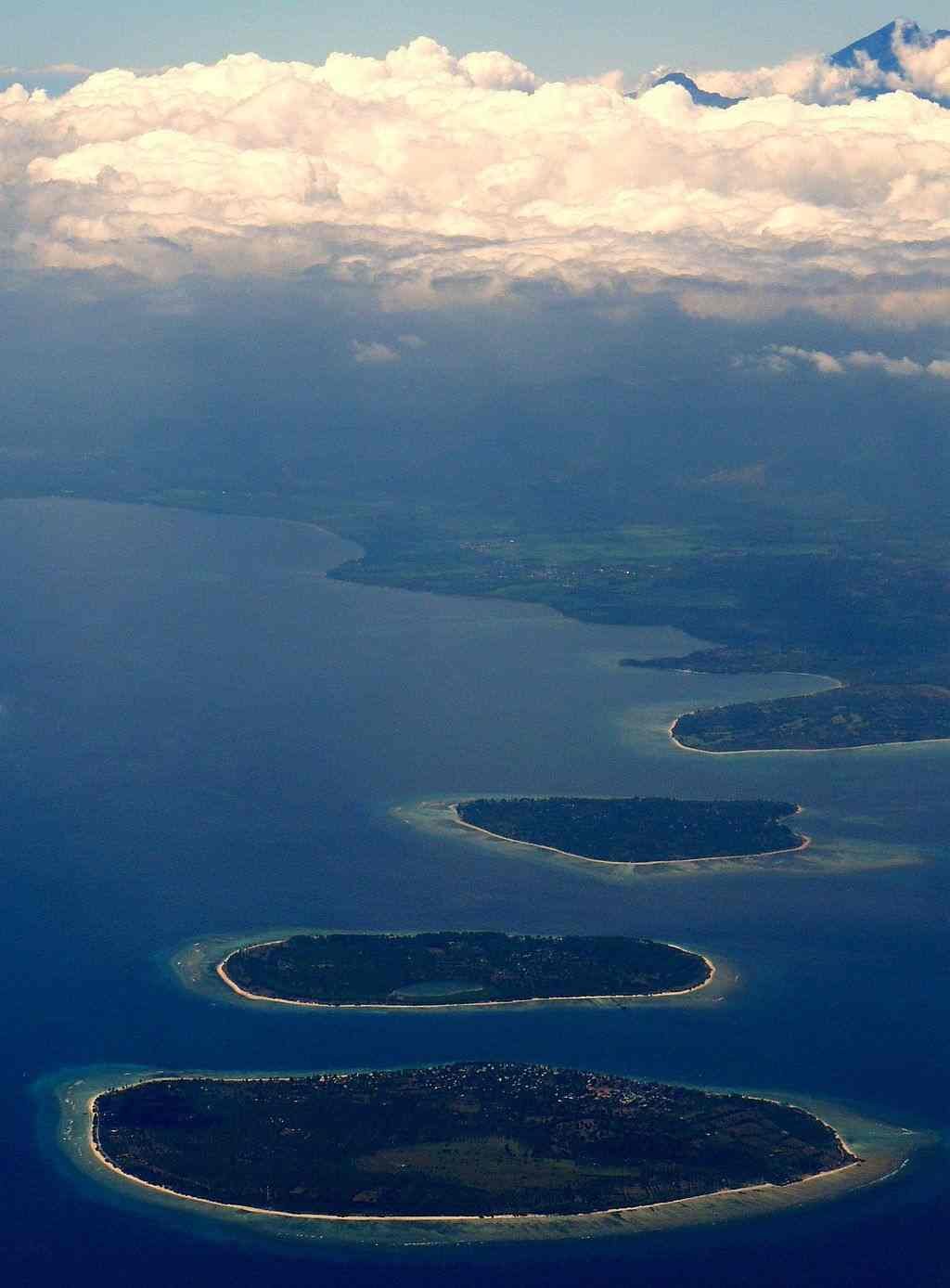
I need more information

Book Your Private Villa

Promotions

Situated in the vibrant heart of Seminyak, Bali, Villa Carissa beckons as a sanctuary of tranquility. With its exclusive features including a private swimming pool and enclosed garden, we hold your privacy in the highest regard. Don’t delay, secure your private pool villa with us today.

Whether you’re embarking on a family adventure, creating lasting memories with friends, or seeking a romantic escape, Villa Carissa in Seminyak center is your perfect starting point for exploring Bali’s diverse attractions and immersing yourself in a truly serene vacation experience.

Carissa villa in seminyak
Villa Carissa in Seminyak Center