From Bali to Mount Bromo – Complete Travel Guide (Flights, Sunrise & Hiking)
Mount Bromo is one of the most spectacular volcano landscapes in Indonesia. Located inside the Bromo-Tengger-Semeru National Park in East Java, this active volcano rises about 2,200 meters above sea level and is famous for its smoking crater, sunrise viewpoints, and the surreal “Sea of Sand”.
If you are visiting Bali, adding Mount Bromo to your itinerary is one of the best travel experiences in Indonesia.
Quick summary: • Distance Bali → Bromo: ~350 km or 217 miles
• Fastest route: flight Bali → Surabaya + car
• Travel time: about 3.5 hours
• Best activity: sunrise hike from Mount Penanjakan
Airlines: Garuda Indonesia, Citilink, Lion Air, Batik Air
From Surabaya you continue by car to Mount Bromo.
2. Surabaya → Mount Bromo (Car)
The drive from Surabaya to Bromo takes about 2.5 hours. Most travelers stay in the village of Cemoro Lawang, located directly on the crater rim of the Bromo caldera.
The Dewi Sri statue (or Lakshmi) at Villa Carissa embodies the Balinese goddess of rice, wealth, fortune, power, beauty, fertility, and prosperity, adding a touch of cultural significance to your experience.
This is Kawah Ijen, culminating at 2799 meters (9084 ft) above sea level and renowned for the turquoise lake that its crater shelters. Driving from Bali to Mount Ijen takes 5 hours 30 minutes including the ferry crossing. You can hike during the day to see the turquoise lake and night to see the famous blue flames. Ijen is listed in UNESCO Global Geopark.
Here, unlike Bromo, no accommodation is available in the immediate vicinity. We advise you to take start in the town of Banyuwangi and find a minibus to drop us off there in the middle of the night to watch the sunrise (more practical details await you at the bottom of the article). The closest accommodations: Banyuwangi (1 hour) or Bondowoso (2 hours).
Mount Ijen Craters. Ijen Crater is one of the mountains that has a beauty that is very suitable as a photographic object. around the crater there are trees that can add to the beauty of the ijen crater. In Ijen Crater, we can also enjoy the blue fire phenomenon at night where there are only 2 of these phenomena in the world and one of them is here in Ijen and and in Dallol mountain, Ethiopia. HarfiBimantara, CC BY-SA 4.0, via Wikimedia Commons
The mount Ijen
Kawah Ijen is a volcano located near Bali, east of Java. The crater of this volcano is filled with an acid lake and its heart is a sulfur deposit.
Mount Ijen, known as “Kawah Ijen” in Indonesian, is an active volcano located in the east of the island of Java. It is located in the middle of a breathtaking landscape of volcanic cones and culminates at 2799 meters (9084 ft). Its crater contains a sulphurous lake of turquoise color, considered the most acidic lake in the world and, at night, you can also observe the famous electric blue flames which emanate (emerge) from the crater.
Many travelers travel to the island of Java, by ferry from the port of Gilimanuk in Bali, to do this must-do hike and then continue their journey with the Mount Bromo trek. Follow our guide to find out everything you need to organize your night hike on Mount Ijen, whether on your own or via an agency, you will be amazed.
What is the time difference between Kawah Ijen and Bali?
Bali is 1h ahead of Kawah Ijen. When 3:50 PM in Kawah Ijen, it’s 4:50 PM in Bali.
What time to start the hiking?
If you want to descend into the crater to see the blue flames, you have to get to the top of the volcano before 3am, so you have to leave the hotel at midnight.
If you don’t want to descend into the crater but just enjoy the sunrise over the lake, you can leave the hotel at 3 a.m. to arrive at dawn, which we did.
Make an appointment with your taxi to pick you up at the desired time from your hotel. Plan a little margin ahead…
How to get to the plateau of Mount Ijen?
The Ijen plateau is accessible by the towns of Bondowoso west of Ijen or by the port of Banyuwangi in the far east of Java, the city where you will disembark if you come to Java by ferry from Bali.
Generally, travelers from West or Central Java head to Probolingo Station which provides several daily trips to Banyuwangi. From Banyuwangi, count 1h30 drive to Mount Ijen. Java is also rather well served by direct buses to Bondowoso, or Banyuwangi from Probolingo bus station.
If you come from Bali by ferry and you come to Java to directly climb Mount Ijen, you can also disembark at the port of Ketapang then go by taxi or car to Bondowoso or Banyuwangi which are not very far from the port.
Practical information for going from Bali to Mount Ijen by bus
1. Take the local bus to the port of Gilimanuk in West Bali
In Pemuteran, you will need to catch the local bus on the big main road. There are regular ones, ask at the warungs where the stop is. The journey to the Gilimanuk pier is about thirty kilometers. The bus will drop you off in front of the port. Ask for the ferry to Java and buy your ticket at the cash desk (around IDR 35,000 for a return ticket in 2019, i.e. € 2 per crossing). A paper is to be filled in with surname, first name, nationality etc…
2. Arrival at Ketapang port in Java
At the exit of the ferry in Ketapang, I advise you to move away a little from the pier and to negotiate a bemo or a taxi away from the touts. Fix the price beforehand and don’t be fooled, because the drivers very often try to make detours to inflate the price of the race.
How to get from Banyuwangi to Ijen Volcano?
There are 2 options to see the volcano:
Either you book a tour with the hotel with a driver or a minibus that will take you to the volcano for around €80 per person, but you can just as easily organize everything yourself by taking a taxi to bring you to the level from the Paltudingparking area at the foot of the Kawah Ijen volcano.
We advise you to find it in advance, either on the internet or by negotiating a taxi away from the pier. Few Balinese taxis agree to go to Java, for them it’s the end of the world. It is better to find a taxi on Java by paying attention to scams!
The taxi ride takes about 30 minutes from Banyuwangi. He will leave you at the parking lot and wait for you. Take note of the location of his car, because when you return, there will be a hundred buses and vehicles parked here. The entrance to the path is well indicated and begins after the wooden hut.
Hike during the day to see the turquoise lake
A crazy view of the turquoise lake of the Ijen volcano and the sulfur extraction mine. Moreover, Kawah Ijen means “green crater” in Indonesian. The fumaroles (solfataras) loaded with hydrogen sulfide and sulfur dioxide will react on contact with oxygen and condense into a bright orange liquid sulfur deposit.
The color of Lake Kawah Ijen comes mainly from two parameters. The first is of course due to its extreme acidity. But the acidity does not entirely explain the magnificent hue of this lake. You also have to add a subtle touch of molten metals to the recipe to get the right combination.
Sunrise over lake in Ijen crater, Jawa, Indonesia. Syselpunk, CC BY-SA 4.0, via Wikimedia Commons
An open pit sulfur mine
Going down to the bottom of the crater, you will be able to see the daily life of the miners who venture to the bottom of the crater every day to collect sulfur with their pickaxe. If you ever get tired during your hike, tell yourself that every day, no less than 300 miners descend and ascend the crater 2 to 3 times a day, carrying up to 80kg (176 lbs) of sulfur per person. They load large blocks of sulfur into their two baskets tied with a wooden stick and placed on their shoulders.
The composition of the lake, as follows:
1,300,000 tons of aluminum sulphate
600,000 tons of hydrochloric acid
550,000 tons of sulfuric acid
200,000 tons of alumina
170,000 tons of iron sulphate
140,000 tons of magnesium sulphate
120,000 tons of calcium sulphate
100,000 tons of potassium sulphate
30,000 tons of 99% pure sulfur
Sulfur is 90% used to prepare sulfuric acid, the basic product of the chemical industry, used to make fertilizers and lead-acid batteries, making car batteries, oil refining, water processing, and mineral extraction. Other applications for sulfur-based chemicals include rubber vulcanization, bleaching paper, and product making such as cement, detergents, and pesticides. And some gunpowder too.
Traditional Sulfur Miners at Kawah Ijen. It is heartbreaking to see the miners making their way up from the bottom of the crater, carrying 80-90 kg of sulfur in baskets on their shoulders. Still the experience is definitely worth it and a must see place. Emjeha, CC BY-SA 4.0, via Wikimedia Commons
Hike at Night to see the blue flames of Mount Ijen
Mount Ijen is best known for its famous blue flames, visible at night. These electric blue flames appear during the combustion of sulfuric gases.
The gases escape from the fissures of the volcano at high pressure and at a temperature of up to 600°C (1112°F). Then, the gases ignite when they come into contact with the air, which creates the famous blue flames which can reach up to 5 meters (6.5 ft) in height.
Blue fire of Kawah Ijen, East Java, Indonesia. Jakub Hałun, CC BY-SA 4.0, via Wikimedia Commons
These volcanoes that produce blue flames: an unusual case of natural chemiluminescence
At night, the craters of certain volcanoes, such as Dallol in Ethiopia or Kawah Ijen in Indonesia (on the island of Java), offer a grandiose, exceptional and intriguing spectacle: they seem to produce blue lava. In fact, it is the flames above the lava that are azure blue in color.
But where does this blue color come from? It is mainly due to the large amount of sulfur present in the crater. Thus, the sulfur vapors which escape with a temperature of 200°C (392°F) ignite on contact with the air producing blue flames which can sometimes reach up to 5 meters (16.5 ft) in height.
The blue sulfur flames in the Ijen Caldera. Arie Basuki, CC BY-SA 4.0, via Wikimedia Commons
Descent into the crater to see the blue flames
At this place, we can admire the blue flames, if the conditions allow it (there should not be too much wind). You can wait a few minutes, nothing happens. Then suddenly shows a small formation of blue flames. After 5 minutes, the flame has grown, it’s a real little blue fire that burns!
How to hike to Mount Ijen?
The hike consists of climbing the volcano at night to arrive at the summit an hour before sunrise. Once at the top, while it is still dark, you will descend into the crater to observe the famous blue flames that emerge from it. You will then have to go back up to enjoy a breathtaking view of the crater and the surrounding mountains, and admire the emerald lake at sunrise.
Total hiking time is around 2 hours from Paltuding. The journey continues until you reach the Paltuding Post and you can go to the location by climbing 3 km (1.85 miles) to the edge of the Ijen Crater caldera.
The departure is around 2am from the beginning of the trek. Throughout the ascent, the path is well indicated, wide and without rocks, but the slope is sometimes very steep. You will quickly be out of breath, but since the climb to the summit is no more than 4km, you have plenty of time to take breaks.
The last 30 minutes of the hike (which lasts no more than 2 hours in total) are flat. Finally, the most exhausting part of the hike is the descent to the bottom of the crater, then its ascent before sunrise.
Ijen Volcano at dawn. Ijen Volcano houses the most acidic lake in the world, it is also a source of sulfur, such sulfur creates a chemical reaction that makes the flames in the volcano blue. Jrivera175, CC BY-SA 4.0, via Wikimedia Commons
What to bring for the hike?
A gas mask to protect you from sulfur fumes that sting the nose and eyes and are dangerous for the lungs!
A flashlight or headlamp because the hike is done at night.
Warm clothes: sweaters, gloves, hats. It is very cold at the top of the volcano! And possibly a rain poncho, in case of a downpour…
Good walking shoes (but no need to buy real trekking shoes)
Something to eat for breakfast (cereal bar, dried fruit…) and at least 1L of water per person, because there is nothing to buy to drink or eat during the ascent.
If you want to get to the starting point of the trek on your own, you will need a powerful scooter because the slope is steep.
Yes ! You can easily climb Mount Ijen without a guide. As explained above, the path is wide and really well indicated. Also, there will be a lot of hikers around you. So you can’t get lost. In reality, the only time the guide can be useful is during the descent and then the ascent of the crater. Indeed, the path to the bottom of the crater is narrow and quite difficult, and can be slippery at times. But go at your own pace and you’ll be fine 🙂
For fares: if you go by yourself to the starting point of the hike from Banyuwangi, count 6,000 IDR for the toll on the road. Then, entrance to Mount Ijen costs IDR 150,000 per person (for tourists) and 10,000 for locals.
Climbing Mount Ijen from Bali with an agency
If you prefer to be taken care of from start to finish, it is possible to go through an agency: Private transport A/R between Bali and Ijen, Ferry crossing, private guide for the ascent.
Ijen Crater Facility
Traveling to Ijen Crater certainly aims to enjoy the natural beauty of Ijen Crater with facilities that are quite complete and in accordance with our tourism needs. Here are some of the facilities in the Ijen Crater tour, including:
Located in Center Seminyak – Bali, Villa Carissa offers a private swimming pool and enclosed garden to guarantee your privacy. You can book your private pool villa here with us.
Whether you’re traveling with family, friends, or on a romantic getaway, villa Carissa in Seminyak center offers the perfect base for exploring Bali’s many attractions and enjoying a relaxing vacation.
If Indonesia is studded with volcanoes, Mount Bromo, on Java, offers with its immensity and surreal beauty one of the most incredible natural spectacles in the whole country. The fastest way to go from Bali to Bromo takes 3 hours 30 minutes. First of all you need to take a plane from Bali Airport (DPS) to Surabaya (SUB) around 1 hour, then drive from Surabaya to Bromo Cemoro Lawang (the village closest to Mount Bromo) takes 2 hours and 30 minutes. Or you can drive from Bali to Bromo takes 10 hours.
To live new experiences and meet great people. The trip opened our eyes and especially the doors to new worlds. Culminating at 2389 meters above sea level, Mount Bromo is one of the many active volcanoes of Indonesians, located east of the island of Java. This volcano is part of the Bromo-Tengger-Semeru National Park. Its crater is 200 meters deep and has a diameter of 800 meters.
Mount Bromo has a vast crater (10 km in diameter, the result of the violent volcanic history of the Tengger caldera) seems “pierced” by the often smoking peak of Bromo. Huge plains of ash and volcanic sand stretch to the towering crater cliffs, and the nearby peaks of Kursi and Batok appear as menacing companions to Bromo. The crater is best seen filling the horizon at sunrise. In order to see this admirable scorched-earth landscape, 4×4 excursions depart around 3:30 am from the nearby town of Cemoro Lawang.
Flying is by far the fastest and easiest way to reach Bromo from Bali. The flight from Bali Airport to Surabaya (SUB) takes 1 hour and then drive from Surabaya to Bromo takes 2 hours 30 minutes.
What airline companies run direct flight services from Bali and Bromo?
By bus from Bali to Surabaya, then to Cemoro Lawang (the village closest to Mount Bromo)
This is the most used route to get there. To get there from Surabaya, you have to go to the Bungarasih bus terminal (also called Purabaya) and then from there take a bus to Probolinggo. From Probolinggo it is then possible to take a minibus to Cemoro Lawang (the village closest to Mount Bromo).
How to get to Mount Bromo by bus or train?
From Probolinggo: by bus
Probolinggo is the nearest big city to Mount Bromo, located in North Java. You can get to Probolinggo by bus (or train, see below) from Surabaya: go to Bus Terminal Bungurasih the bus station located south of Surabaya to catch a bus that will take you to Probolinggo. The trip is inexpensive (50,000 IDR on average) and takes about 2 hours. You can book a bus ticket on this site
Once you arrive in Probolinggo, you can take a minibus to the village of Cemoro Lawang. The price per person is IDR 35,000 if the bus is full (about 15 seats).
From Surabaya: by train
You can also take the train from Surabaya to Probolinggo and then a minibus from Probolinggo to Cemoro Lawang. The train station in Surabaya to get to Probolinggo is called Surabaya Gudeng, economy class train tickets cost on average IDR 30,000 (yes, it’s cheaper than the bus!) and the trip also takes 2 hours. To book a train ticket, the best site is Tiket.com, a reliable site for booking train tickets, planes and hotels in Indonesia.
In summary, the best way to see the sunrise at Mount Bromo is to do the trip: Surabaya – Probolinggo – Cemoro Lawang 🙂
Everything you need to know to organize your hike to Mount Bromo in Java
Bromo Tengger Semeru National Park is a national park located in the east of the island of Java in Indonesia. It is made up of a mountainous region whose highest point is Mount Semeru at 3,676 m, the highest peak in Java. The Tengger Massif and Mount Bromo are part of the park. There are also 4 lakes: Ranu Pani, Ranu Regulo, Ranu Kumbolo and Ranu Darungan, and about fifty rivers.
Sunrise in the steaming crater of Mount Bromo with stately Mount Semeru imposing in the background. Alec.bernstein, CC BY-SA 4.0, via Wikimedia Commons
The preparation to climb Mount Bromo
From the village of Cemoro Lawang: on foot or by jeep
Cemoro Lawang is the village at the foot of Mount Bromo where most visitors come to sleep before climbing to see the sunrise. This village is accessible from Probolinggo and you will easily find hotels or guesthouses there. From Cemoro Lawang, count about 1 hour of walking to go to Mount Bromo, or you can directly rent a jeep in a group (5 to 6 people depending on whether you take a driver) for IDR 400,000.
Departure by jeep and climb
To see the sunrise at Mount Bromo, you leave around 3:30 am from Cemoro Cawang. If you rent a jeep, allow 1 hour to reach the starting point of Mount Bromo. The distance is short but there is a horde of jeeps on the road so it goes really very slowly…
Then the jeep drops you at the starting point and you walk under a beautiful starry sky (if the weather is good) until reach the viewpoint overlooking Mount Bromo and its crater. The ascent on foot is widely accessible even for the less athletic, and takes barely 1 hour (45 minutes to be exact).
Once you get to the viewpoint, the view is simply spectacular! It is without exaggerating one of the most beautiful landscapes of Java. You can have a local breakfast at the top: banana fritters (pisang goreng) fried with the means at hand right before your eyes, which adds so much charm to this unique experience. And for really nothing: 2,000 IDR each! You can also buy hot or cold drinks.
Descent to the sea of sand then ascent of the smoking crater
A small crossing of the “sand sea” leads me at the foot of the Bromo.
Then you descend and return to the jeep around 6:30 a.m. to see the smoking crater. Again, the scenery is breathtaking. A sea of black sand stretching as far as the eye can see, locals moving from one point to another on their horses, itinerant sellers of bananas, masks, ponchos and souvenirs of all kinds…
To see the crater, you have to take a staircase of about 200 steps, but the ascent is very easy. This is the only downside: there are so many people that you take a break every 2 steps.
Exploring Bromo National Park
Once you arrive at Bromo National Park, there are several activities and attractions to explore:
Sunrise viewpoint: Watching the sunrise over Mount Bromo is the most popular activity in the area. You can hike up to the viewpoint on Mount Penanjakan to watch the sunrise, which offers breathtaking panoramic views of the surrounding mountains and caldera.
Bromo Crater: The Bromo Crater is an active volcano that last erupted in 2019, and hiking to the crater offers a unique experience of getting up close to an active volcano.
Sea of Sand: The area surrounding Bromo is known as the Sea of Sand, a vast expanse of sand that covers the caldera floor, giving the area an otherworldly and surreal feel.
Other scenic spots: The area around Bromo has several scenic spots, such as the Savanna and
Whispering Sands, offering stunning views of the mountains and caldera.
Cultural experiences: The Tenggerese people, who live around Bromo, have their own unique culture and traditions, adding a cultural element to your visit to Bromo National Park.
No, you do not need a guide at all to climb Mount Bromo. On the other hand, it is strongly recommended to rent a jeep and a driver because the climb to the starting point of Mount Bromo is really long on foot and complicated because you take the same road as all the jeeps. Almost no one does it on foot.
Warm clothes: hat, gloves, sweater… It is really cold at the top, you will be very happy to be covered while waiting for sunrise.
Torch or headlamp: depending on the tour you take, it will not always be provided so it is better to have your own lamp.
1L of water/person and a few snacks: once the sun is up, it is really hot on the sea of sand and above the crater. And apart from pisang goreng and bananas, there is no food on site so don’t forget to bring your own.
A scarf or something to protect you from the dust: on the sea of sand and going up the crater there is a lot of dust, so if you have a scarf or a cloth to cover your mouth and nose, it can be very practical. Otherwise, they sell pharmacy masks on site.
Tips:
Wear sturdy shoes for hiking to the summit of Mount Bromo.
Hire a jeep or a motorcycle for exploring the area, as it can be difficult to navigate the rugged terrain on foot.
Respect the local culture and traditions, and ask for permission before taking pictures of people.
In conclusion, a visit to Bromo National Park is an unforgettable experience that should not be missed when traveling to Indonesia. With its stunning natural beauty, unique cultural experiences, and adventurous activities, Bromo National Park is a must-visit destination for nature lovers and adventure seekers.
Located in Center Seminyak – Bali, Villa Carissa offers a private swimming pool and enclosed garden to guarantee your privacy. You can book your private pool villa here with us.
Whether you’re traveling with family, friends, or on a romantic getaway, villa Carissa in Seminyak center offers the perfect base for exploring Bali’s many attractions and enjoying a relaxing vacation.
Welcome to your home away from home! Let’s get your holiday started with a relaxing stay at our villa in beautiful Seminyak, complete with a private pool and garden for your enjoyment
Welcome to Bali and Villa Carissa!
Dear Guests,
We extend our warmest welcome to Seminyak Bali and Villa Carissa. It is an honor to have you choose our villa as your “home in Seminyak, Bali”. Our entire team is dedicated to making your stay as comfortable and memorable as possible.
Bali is a place to disconnect from the ordinary and reconnect with yourself. Be open to new experiences, embrace the friendly Balinese culture, and create memories that will last a lifetime.
Selamat datang di Bali (Welcome to Bali)!
Our guests have created wonderful memories here by exploring the beautiful beach, local restaurants, shops, nightlife and breathtaking sunsets. We hope that you will feel at home during your stay, no matter how brief it may be.
If you require any assistance, please do not hesitate to contact us on Whatsapp at +62 811 3526000. We are available for emergencies or if you have any questions or concerns that may improve your stay.
We have provided a digital welcome book below with our favorite local eateries, house rules, check-out times, and other essential information to help you get started on your vacation.
In this guide, our team has chosen the best spots in the area, all of which are highly recommended for making your stay in Bali memorable.
Finally, enjoy your stay and we hope that you will find the guide useful and join us again in the future!
We wish you a lovely stay with us!
Warm Regards,
Villa Carissa Team
Highlights of the villa
Whether you’re on a romantic getaway, family vacation, or traveling with friends, Villa Carissa is the perfect base for exploring Bali’s many attractions and enjoying a relaxing vacation.
Escape to your own private oasis at Villa Carissa, where you can unwind in tranquility with a refreshing pool and a tranquil tropical garden. Immerse yourself in the charm of Bali with our modern take on traditional Balinese architecture, featuring intricate details and a timeless aesthetic that creates a truly unique atmosphere. Pamper yourself without leaving the villa – our dedicated in-villa spa treatment room allows you to book personalized massages and beauty treatments for ultimate relaxation.
Beyond the Villa:
Nestled in the heart of Seminyak Center, Villa Carissa offers a tranquil location with easy access to the vibrant energy of nearby shops, bars, and restaurants. Start your day with a unique twist – indulge in our famous floating breakfast served in the privacy of your villa or poolside.
About the Place
The modern Balinese-style Villa Carissa is located in the heart of Seminyak, offers a private outdoor pool, an enclosed garden for your privacy and a sunny terrace.
Relax in this stunning 3-bedroom pool villa with lush garden, located in the heart of cosmopolitan Seminyak, just 2 mn walk from Jalan Laksmana (Eat Street, recently renamed Jl. Kayu Aya). It doesn’t get more central than this! Located a few meters from the most exciting restaurants, spas and shops of the island and a stone’s throw from the beach, Villa Carissa is the ideal place to discover the magical atmosphere of the tropical region of Bali. Location, location, location!
What to expect when you book our Villa Carissa?
Villa Carissa, centrally located in Seminyak, offers effortless access to stunning beaches, restaurants, fine dining, beach clubs, spas, entertainment, nightlife, and exclusive shopping. It features a blend of modern Balinese style, privacy, and serene living spaces, including a private pool and premium rooms.
The Main Door of Villa Carissa: A stunning Balinese welcome
Very private pool in the heart of Seminyak
Villa Carissa in Seminyak Centre
Private Pool at Villa Carissa in Seminyak Center.
The first bedroom on the ground floor of Villa Carissa provides a charming view of the private pool.
The second bedroom’s balcony offers a peaceful escape, featuring cozy seating with a pool view, ideal for enjoying coffee or drinks.
Enjoy TV Entertainment in the Living Room
Bathroom n° 3 at Villa Carissa offers a rejuvenating rain shower and a stylish marble countertop for the hand wash sink.
The versatile living space, you can open or close for your comfort at Villa Carissa
Enjoy in-villa private massage and spa services during your holiday. If you dream of a moment of pure relaxation where all your daily worries disappear, then Seminyak is the ultimate destination for you. Allow yourself to be pampered by its welcoming establishments, solely dedicated to fulfilling your desires and ensuring a blissful escape from the everyday hustle.
Villa Carissa offers services and supplies, ensuring that you enjoy a comfortable stay in your villa with a private swimming pool. These include daily housekeeping, a fully equipped kitchen, a private swimming pool, and a concierge service for any assistance you may require.
When you choose to stay at Villa Carissa, you’re not just booking a villa, but a complete experience tailored to make your vacation truly special. Our commitment to your comfort and satisfaction is reflected in the array of services and amenities we offer. Find out our multiple services and amenities at Villa Carissa at your disposal: Services and Amenities at Villa Carissa | Seminyak, Bali
Go green at Villa Carissa
In our dedicated effort towards environmental responsibility, we’ve implemented a policy to provide fresh bed linens and towels after every four nights of your stay. This subtle adjustment complements our sustainable hospitality approach. We also offer guests the option to opt out of this service if they prefer. Your choice contributes to a more eco-conscious experience!
WiFi
Fast internet connection with fiber optic internet connection @VillaCarissaBali and no more long waits to upload or send large files. For the wifi password, please kindly ask our villa attendant.
Unique Experiences
Villa Carissa offers guests unique experiences, such as the floating swimming pool breakfast, which allows guests to enjoy their breakfast while floating on a specially designed tray in the villa’s beautiful swimming pool.
In-villa spa and massage treatments
Immerse yourself in a world of relaxation and rejuvenation with our exclusive in-spa and massage treatments, available right in the privacy of your own private pool villa. Elevate your experience and let the tranquil ambiance enhance your wellness journey.
Checking In and Out
Check-in at Dream Villa Carissa Seminyak Centre is from 2:00 PM, and check-out is until 12:00 PM (noon).
Emergency Contacts
It’s essential to have access to emergency numbers when traveling to a foreign country, and it’s no different in Bali.
Discover the highlights of Seminyak and Bali in general, where the chic and glamorous Seminyak beach attracts tourists for its bars, restaurants, clubs, long stretches of beaches for surfing and beach club experiences, and breathtaking sunsets, while the area itself is home to many expats who have set up shops, art galleries, and top-notch restaurants, making it an upscale counterpart to Kuta, located further south.
Seminyak Area Recommendations
Seminyak is a chic and vibrant area in Bali that has become a popular tourist destination due to its wide range of restaurants, nightlife establishments, hotels, and shops.
However, to truly experience the essence of Seminyak, it’s recommended to seek out the top local recommendations from residents who can guide you to the best hidden gems, from street food stalls to boutiques and more.
The bustling city is active day and night, with visitors spending their days shopping or lounging on the beaches of Kudeta or Double Six or Petitenget, located near our villa. Come nightfall, visitors can enjoy the best restaurants in town, and cap off the evening at one of the beach clubs or nightclubs that have become popular destinations in Bali.
It’s only a 10-minute walk from Villa Carissa to the iconic Kudeta beach club, which stands as a symbol of Seminyak’s vibrant nightlife. If you’re looking for a chic and refined atmosphere, the club features an outdoor space with large mattresses, perfect for relaxation. Sipping on cocktails while watching the surf on one of Bali’s famous beaches is a must-try experience, alongside the club’s delicious food, great music, and hip crowd that make it one of the top destinations for beach clubs in Seminyak.
Located on Bali’s west coast, Seminyak is the sophisticated counterpart to the bustling town of Kuta located further south, and is a hub for the island’s expat community, with many setting up shops, galleries, and many good restaurants in the area. If you’re looking for the best places to dine in Seminyak or where to go for a night out, we’ve curated a list of some of the top spots in the area for you to explore.
Look no further than Seminyak’s exquisite restaurants if you’re searching for a fine dining experience coupled with a romantic atmosphere. With a wide range of dining options, from beachfront seafood spots to high-end fusion cuisine, Seminyak offers some of Bali’s most exceptional dining experiences.
Coming to Bali on vacation? You definitely want to be pampered! In this case, you have come to the right island because Balinese massages are reputed to be among the best. Take advantage of being in Seminyak as there are many quality spas and salons. You can treat yourself to a professional haircut, ManiPedi and many other beauty treatments. Spas in Seminyak range from chic and elegant salons to modern studios with views of the rice paddies. These services will generally cost you between IDR 60,000 and 1,000,000 (from less than € 4 (yes!) to € 89 and more.
Whether you come to Bali for a few days or a few weeks, Seminyak beach remains an obligatory crossing point for all tourists. Chic, glamorous, the city attracts for its bars, beach clubs, villas and hotels but also its long beaches which give everyone the opportunity to try their hand at surfing, try out some Beach Clubs and enjoy the magnificent sunsets.
Seminyak beach is golden sand stretching 3 km (1.8 miles), as far as the eye can see on this west coast of the island is a pure wonder for any lover of sunbathing, swimming or surfing.
As the evening approaches and the clock strikes 5:30 p.m., the beach transforms into a scene straight out of St. Tropez, with thousands of people lounging on colorful poufs to witness the magnificent sunset over the Indian Ocean. It’s a sight that is not to be missed and is sure to leave a lasting impression on any traveler.
There are plenty of options to enjoy Bali swings in Seminyak and other places in Bali, offering breathtaking views and a unique way to experience the island’s natural beauty.
Embrace the thrill of soaring amidst Bali’s breathtaking landscapes on captivating rope swings. From iconic rice paddies to secluded beaches, these unique attractions offer unparalleled views and a chance to connect with nature’s beauty. Take a leap of faith, feel the wind rush through your hair, and create unforgettable memories.
Savor the laid-back lifestyle, tropical beaches and party the night away. What is now considered one of the best nightlife destinations. From Seminyak, Canggu, Uluwatu and many more…
Bali’s nightlife is an exciting and diverse scene that caters to every taste, from the laid-back island vibe to the high-energy party scene that has made it a world-renowned destination for nightlife enthusiasts.
Bali is known for its vibrant and diverse culture, and this extends to its welcoming attitude towards the LGBTQ+ community. Seminyak: This trendy neighborhood in Bali is home to a variety of gay-friendly bars, clubs, and restaurants. Some popular spots include Bali Joe Bar, Mixwell Bar Bali, and Bottoms Up Bar.
For those seeking to immerse themselves in Bali’s artistic heritage, a visit to the art galleries of Seminyak is a must. It’s an opportunity to discover the talent and creativity that thrives on this enchanting island, and to take home a piece of Bali’s vibrant artistic spirit.
Restaurant recommendations in Bali
Explore these top restaurant recommendations in Bali for an unforgettable dining experience that showcases the diverse culinary scene of the island.
Savor the authentic taste of Bali at the best Balinese restaurants, where traditional recipes, aromatic spices, and culinary mastery come together to create a truly unforgettable dining experience
From charming local eateries showcasing the rich heritage of Balinese gastronomy to upscale restaurants redefining traditional flavors with a modern twist, these culinary gems offer a taste of Bali’s vibrant food culture and showcase the incredible diversity and depth of Balinese cuisine.
Whether you’re craving wood-fired pizzas or homemade pastas, you’ll find something to love at Bali’s Best Italian Eateries, which can be found in popular areas such as Seminyak, Canggu, Ubud, and beyond.
Indulge in culinary excellence and elevate your dining experience at the best fine dining restaurants in Bali, where innovative flavors, exquisite presentations, and impeccable service come together to create a memorable gastronomic journey.
Discover the best Chinese restaurant in Bali for a delightful culinary journey filled with authentic flavors and a captivating dining experience. From savory dim sum and succulent Peking duck to aromatic stir-fries and delicate seafood dishes, these establishments showcase the artistry of Chinese culinary traditions, ensuring a memorable dining experience for food enthusiasts and lovers of Asian cuisine.
Indulging in authentic Japanese cuisine is a treat for the senses, and Bali offers some of the finest establishments to do just that. Here’s a curated list of the best Japanese restaurants on the island, promising an unforgettable culinary experience.
Savor the finest cuts and impeccable dining experiences at Bali’s premier steakhouse destinations. These renowned establishments offer a delectable selection of prime meats, prepared to perfection, promising an unparalleled culinary journey for steak enthusiasts.
Top Local Bali Recommendations
When it comes to discovering the top local recommendations in Bali for culture, cuisine, must-visit sights, and sports, there’s no better way than to seek out top local recommendations, which offer a truly immersive and unforgettable experience.
This little paradise brings together all the essential elements for a successful holiday. Get the inside scoop on everything Bali has to offer by reading our comprehensive guide, which covers everything from top attractions and accommodations to local customs and hidden gems.
It’s very simple, in Bali there are jungles, rice fields, fine sand beaches, black sand beaches, volcanoes, mountains, waterfalls… in short, there are always something to do and see for everyone during your holiday.
To help you organise your stay in Bali, we have listed the visits and places of interest to do in Bali.
If you’re visiting Bali, one of the must-do experiences is trying the local cuisine. Embark on a culinary adventure and discover the diverse array of Balinese food and specialties, each offering a unique and tantalizing taste of the island’s rich culture and history. Balinese cuisine also offers a variety of traditional snacks and desserts that are worth trying.
Bali, the “Land of the Gods,” has long been a haven for couples seeking a romantic getaway. With its stunning beaches, lush rainforests, ancient temples, and vibrant culture, Bali offers an unparalleled backdrop for love to blossom. Whether you’re planning a honeymoon, an anniversary celebration, or simply a romantic escape, Bali has something special to offer every couple.
When traveling, it is always good to learn some basics of the language out of politeness and respect, but also to be able to manage in different situations and to be able to interact with the locals. Speaking Indonesian during a trip to Indonesia also means being less of a tourist, being able to negotiate prices and enjoying your trip better. Indonesian is a relatively simple language.
Enjoy a hassle-free arrival in Bali with this private Bali Airport PickUp transfer service (in and out). Meet your driver at Bali International Airport and relax on the journey to our Villa Carissa. Find and book vehicle rental available with driver or without driver (please click here for more information).
Tanah Lot Bali only 30 minutes drive from our Villa Carissa. Do not miss to visit the Temple of Tanah Lot in Bali, Temple of legend, and essential of the island! Built in the 16th century by order of the priest Nirartha, who came to meditate on an isolated rock in the sea, the temple of Tanah Lot now overlooks this rock. Tanah Lot Bali | Temples Bordering the Indian Ocean
Only 50 minutes drive from our villa Carissa to Ubud center. Here is our Ubud complete travel guide and we have concocted a complete program for you to visit Ubud Bali and discover its must-see places. Without forgetting the unique landscape of the surrounding rice fields… Ubud is a city located in the southwest of the island of Bali. It is recognized worldwide for being the center of Balinese culture.
A little paradise 1 hour away by fast boad from Bali to Gili islands. The Gili Islands in Bali are 3 small pieces of paradise land lined up off Lombok, Indonesia. Gili Trawangan is the largest and busiest of the three islands. It is also the most accessible by Fast-boat.
Nusa Penida is the dream island which faces the east coast of Bali and which attracts more and more tourists year after year. With its breathtaking views from its high limestone cliffs, its dream beaches, its lush jungle and its seabed inhabited in particular by Manta rays to meet while scuba diving or simply snorkeling.
Looking for heavenly beaches to enhance your Balinese stay or simply give yourself a relaxing break? here is the list of the best beaches in Bali. For relaxation to the rhythm of the waves, do not miss Bali’s most famous beach during your stay in Indonesia.
Go on a day trip to discover Bali according to your desires, you will relax on the beach, deckchairs, enjoy the sea, go snorkeling, rafting or have a massage (optional on site). Take your stay in Bali to the next level with one of the water sports activities. Although many imagine partying or lazing on the beach during an island vacation, the daredevil flock to the island for more than fun in the sun.
It takes a lot of courage to venture into the world of extreme (or less extreme) water sports and pleasures. But being in Bali, you simply cannot fail to try at least one of these thrilling water sports and activities to try at least once.
There are so many dive spots on the Island of the Gods (Bali) that it can be difficult to choose. So we made a small selection of the best spots, for beginners, intermediate and advanced levels. The closest best dive spot from Seminyak is Nusa Dua and it takes only 30 minutes by car.
Bali is home to some of the most stunning landscapes in Indonesia, making it a popular destination for outdoor enthusiasts. From lush rice terraces to towering volcanoes, there are plenty of opportunities for hiking and trekking in Bali. Whether you’re a seasoned hiker or a beginner, Bali has a range of trails and routes that offer breathtaking views and unforgettable experiences. Some of the best hiking and trekking spots in Bali include Mount Batur, Mount Agung, Campuhan Ridge Walk, and the rice terraces in Ubud.
For travelers seeking a nature-inspired adventure, exploring the best waterfalls in Bali offers an unparalleled opportunity to immerse oneself in the island’s lush tropical scenery; and discover the hidden beauty of its cascading waterfalls and serene natural pools.
Embarking on a family trip to Bali is a breeze, especially when accompanied by young children. Discover a curated selection of engaging visits and activities, ensuring your little adventurers have a blast during their Bali escapade!
A comprehensive guide to Bali’s Heritage, Culture, Local Ecosystems, Museums, Sustainability Projects, and Important Cultural Events
This comprehensive guide offers an in-depth exploration of Bali’s diverse and fascinating heritage, culture, local ecosystems, museums, sustainability projects, and important cultural events, providing a wealth of information and insights into the island’s vibrant way of life.
Discover the enchanting world of Bali’s heritage, culture, and traditions in this captivating article that will transport you to the heart of the island’s vibrant and colorful way of life.
The rich and diverse ecosystems of Bali harbor a unique array of plant and animal species found nowhere else in the world. This biological diversity contributes to the island’s natural charm and ecological significance.
If you’re interested in learning more about the fascinating Bali local ecosystems and the importance of preserving them, we encourage you to read this informative article.
Visiting museums in Bali is a great way to explore the island’s inspirational art and culture. Bali’s museums showcase a diverse range of artistic styles and cultural artifacts, providing visitors with a deeper understanding of the island’s rich cultural heritage and inspiring them with its unique art.
Bali is a culturally rich destination that is home to several unique festivals and cultural events. These events offer visitors an opportunity to witness and experience the rich traditions, customs, and beliefs of the Balinese people. To learn more about these events and their significance, please click here.
No trip to Bali would be complete without exploring some of the island’s magnificent temples, so we would encourage you to take the time to visit Bali’s best temples, which not only showcase the island’s unique religious and cultural heritage, but also provide breathtaking vistas and photo opportunities.
We will highlight the importance of local sustainability projects in Bali and showcase some of the exemplary initiatives and organizations that are working towards a more sustainable future for this tropical paradise.
More to see and do in Bali
Beyond its stunning beaches and natural beauty, there’s so much more to see and do in Bali. From exploring ancient temples and vibrant markets to indulging in delicious cuisine and thrilling outdoor adventures.
Seminyak
An upscale area on the west coast of Bali, just north of Kuta and Legian, filled with luxury rejuvenating spas, hotels, shops, high-end boutiques and vibrant gay nightlife. This area stands as a testament to Bali’s ability to seamlessly blend luxury, culture, and diversity into an unforgettable experience for all who visit.
Kuta
A popular area district in the south of Bali and one of the main tourist destinations in Indonesia. It takes 20 minutes to drive from Seminyak to Kuta or you can walk, it takes 50 minutes. Tips: you can walk from Seminyak beach to Kuta beach and it takes around 50 minutes.
Legian
A suburban beach on the west coast of Bali, just north of Kuta and south of Seminyak.
Only 30 mn walk from Seminyak to Legian or you can take a taxi, it take only 8 minutes drive.
Pura Ulun Danu Bratan (Lake Bratan Temple)
Built in 1633, this iconic temple sits on the western shore of Lake Bratan and can give the illusion of floating on water. The reflection in the water of the temple (also known as Bedugul) and the mountainous surroundings provide a superb setting for a visit. From Seminyak to Lake Bratan Temple takes 1h 30 minutes.
One of the nine main directional temples in Bali. Its visit provides beautiful views of the ocean, but you will have to be careful with your belongings because the temple is inhabited by many thieving monkeys. It takes 50 minutes drive from Seminyak to Uluwatu Temple. You can watch the sunset over the temple while enjoying a traditional Kecak dance performance.
Tanah Lot Temple is open from 8 a.m. to 6 p.m. daily, but you can only visit it when the tide is low.
The ideal is to go there during low tide so that you can discover it by foot. Its name means “land in the sea” in Balinese. According to popular beliefs, the base of the temple is invested by a giant sea serpent which protects the sacred place from intruders. It takes 40 mn drive from Seminyak to Tanah Lot temple.
The central highland district of Bali, filled with verdant rice terraces and forests. You will also see a lot of rice fields, terraced or not, during your journey in the Balinese lands. Here are the most remarkable: Tegalalang, Antosari, Busungbiu, Karangasem, Jatiluwih and Pupuan. It takes 1 hour drive from Seminyak to Ubud center.
Jatiluwih
A beautiful view of the contoured rice terraces using a water system developed by Balinese farmers (nominated for designation as a UNESCO World Heritage Site). It takes 1h 30mn drive from Seminyak to Jatiuwih Jatiluwih rice terraces.
Tirta Gangga Water Palace
Means “water of the Ganges”; a popular site of worship for Balinese Hindus. You may visit the Water Palace on your way between Amed and Ubud. Whether you are traveling from Ubud to Amed or vice versa, make sure you have a stopover. From Seminyak to Tirta Gangga takes 1 hour 50 minutes drive. Because this park is quite remote so much more convenient to do it on your way.
Jimbaran
A fishing village and a tourist beach in the south of Bali. It takes 30 mn drive from Seminyak to Jimbaran. Jimbaran is indeed quieter except in the evening on the beach where the seafood dinners “feet in the water” attract many people (more local).
Tanjung Benoa, which offers a wide range of water sports: jetski, kitesurfing, parasailing, banana boat, flyfish, snorkeling, wake board, sea walker. Find the center is fully equipped: showers, changing room with changing room and individual lockers + safety equipment is required with life jacket for all activities. It takes 35 minutes drive from Seminyak to Tanjung Benoa.
From Bali to Tana Toraja | Complete Travel Guide to a Millennial Animist Culture in South Sulawesi
Tana Toraja is one of the most fascinating cultural destinations in Indonesia.
It is not a city but an ethnic highland region in South Sulawesi, famous for its ancestral traditions, dramatic mountain scenery, spectacular rice terraces, Tongkonan houses, cliff burials, Tau Tau effigies, and extraordinary funeral ceremonies.
There is no direct flight from Bali to Tana Toraja. The most practical route is usually to fly from Ngurah Rai Airport (DPS) to Makassar (UPG), then continue to Toraja Airport (TRT) or continue by road to Rantepao. Depending on connections, the full journey can take from a few hours to most of the day.
The Toraja are best known for their funeral rites, hanging graves, cliff burials, Tau Tau figures, and boat-shaped Tongkonan houses. Between July and August, many villages become especially lively because this is one of the best-known funeral ceremony periods.
Although many Toraja are Christian today, their culture still preserves deep ancestral beliefs and ritual traditions. Death is not treated simply as a sad event, but as an important passage celebrated with ceremony, family gatherings, music, offerings, and buffalo sacrifices.
Responsive video embed for mobile and desktop: an overview of Tana Toraja and its landscapes.
The Toraja are often said to descend from seafaring peoples who later settled in the highlands of Sulawesi. Isolated by geography, they developed a culture that is unlike anywhere else in Indonesia. Their mountain homeland is filled with terraced rice fields, ceremonial grounds, megaliths, cliff tombs, carved wooden houses, and villages that still preserve a distinct identity.
One of the most striking symbols of Toraja culture is the Tongkonan, the ancestral house with a dramatically curved roof that resembles a boat. These traditional houses are not simple homes: they are markers of lineage, inheritance, and family prestige.
A second responsive video section replacing broken Wikimedia visuals with a stronger travel view.
From Bali to Tana Toraja by plane
Best route from Bali to Tana Toraja
DPS → Makassar (UPG): around 1 hour 20 minutes
Makassar (UPG) → Toraja Airport (TRT): around 55 minutes
Toraja Airport (TRT) → Rantepao: around 1 hour 15 minutes by car
Total travel time varies widely with transit time. In practice, many travelers should expect a journey of around 7 to 9 hours door to door.
Example Bali to Tana Toraja flight options
DPS → UPG → TRT
Flight time: approximately 2 hours 15 minutes excluding transit. Then about 1 hour 15 minutes by car to Rantepao.
DPS → UPG → LLO (Palopo)
Flight time: around 2 hours 20 minutes excluding transit, then about 4 hours by road to Tana Toraja.
DPS → CGK → UPG → TRT
Longer but sometimes useful depending on schedules.
DPS → UPG then overland to Rantepao
Fast to Makassar by air, then about 9 hours by road to Tana Toraja.
Important: flight schedules in Sulawesi can change. Before publishing exact times on your website, it is better to keep wording like “approximate travel time” unless you verify the current timetable again.
How to get to Toraja by bus or car
The main tourism base in Toraja is Rantepao. If you arrive in Makassar or from other parts of Sulawesi, overland travel is possible:
Night buses can be very cold because of strong air conditioning. Bring long pants, socks, and a sweater.
A private minivan is more flexible, but night buses are often more comfortable than expected for long-distance travel.
The overland route from Makassar is scenic, with rice terraces, Bugis villages, and mountain views.
Strong points of Tana Toraja
Traditional villages and Tongkonan houses
Funerary caves, balconies, and Tau Tau effigies
Mountain landscapes and rice terraces
Animist-inspired beliefs and unforgettable funeral ceremonies
Things to do and see in Tana Toraja
1. Rantepao, the tourism base of Tana Toraja
Rantepao is the main base for discovering Tana Toraja. It is where many travelers sleep, organize day trips, hire guides, rent scooters, and arrange visits to traditional villages and burial sites.
The town itself is not huge, but it is practical and full of guesthouses, restaurants, coffee stops, local shops, and transport connections. Its market is one of the most interesting places in town. The daily market is colorful and lively, while the animal market is especially famous for buffalo trading.
Some buffalo are worth thousands of euros, and the rare albino or spotted ceremonial buffalo can reach astonishing prices.
Best time to visit Rantepao and Tana Toraja
Tana Toraja has a humid tropical climate with a rainy season roughly from November to April and a drier season from May to October. Many travelers prefer June to October.
2. Ke’te Kesu, one of the most iconic Toraja villages
Ke’te Kesu is one of the most famous cultural sites in Tana Toraja. It combines traditional Tongkonan houses, carved rice barns, ancient graves, hanging coffins, and a strong sense of ancestral history.
This village is often one of the first places travelers visit because it offers both architecture and burial culture in a single stop. It is also photogenic without losing its spiritual atmosphere.
3. Londa cliff tombs and cave cemetery
Londa is one of the best-known burial sites in Toraja country. Here, caves in the cliff serve as ancient repositories for coffins, bones, and family remains. Above the cave entrance, you can often see rows of Tau Tau, the carved wooden effigies representing the dead.
Londa is only about 6 km (3.7 miles) from Rantepao, and the drive is short. Inside the cave, conditions can be dark and narrow, so a guide and proper light source are strongly recommended.
Tau Tau figurines
Tau Tau are symbolic wooden statues placed near certain burial sites. Traditionally, they represented people of high status. Today they remain one of the most powerful visual symbols of Toraja culture.
4. Funeral sites and ceremonies
One of the most extraordinary reasons to visit Tana Toraja is the opportunity to better understand its funeral traditions. These ceremonies are complex social and spiritual events involving family networks, offerings, ritual speeches, and buffalo sacrifice.
If you want to attend a ceremony, a local guide is highly recommended, both for access and for understanding what you are seeing.
Lemo
Lemo is one of the largest and most famous cliff cemeteries in Tana Toraja. The wall is punctuated with burial chambers and Tau Tau balconies. It is one of the easiest major funeral sites to visit from Rantepao.
Bori Rante
Bori Rante is known for its megalithic stone complex, ceremonial ground, and funerary importance. It is a memorable stop if you want to understand the ritual landscape beyond the most photographed sites.
Lokomata
Lokomata is known for its huge burial rock, around 20 meters (65.6 ft) across, carved with graves.
Tampang Allo
Tampang Allo is another fascinating burial cave, often described as a former chiefs’ cemetery, with wooden coffins, bones, and effigies inside a more hidden cave setting.
5. Trekking in the Toraja highlands
Tana Toraja is not only about ceremonial culture. It is also a beautiful trekking region with mountain roads, terraced rice fields, villages, and valleys. Good trekking areas include:
Lemo surroundings
Makale and nearby funerary sites
Batutumonga and the landscapes around it
Palawa and the northern villages
Mamasa region for those continuing farther
6. Traditional villages
Ke’te Kesu: Tongkonan houses and burial site
Palawa: classic Toraja village atmosphere
Mamasa villages: a slightly different style of architecture
Ballapeu and surroundings
7. Jesus Christ Blessing statue (Buntu Burake)
The Jesus Buntu Burake statue in Makale stands on a hill at about 1,700 meters (5,577 ft) above sea level. At around 40 meters (131 ft) tall, it is one of the tallest Jesus statues in the world and offers a beautiful panoramic view over the Toraja highlands.
8. Tilanga Natural Pool
Tilanga Natural Pool is a peaceful blue spring area near Makale and not far from Lemo. It is a good soft stop between heavier cultural visits and can add a more relaxed side to your Toraja itinerary.
Other best South Sulawesi places to visit
Makassar, the main city of South Sulawesi
Makassar is the main gateway city to South Sulawesi and often the first stop before continuing to Tana Toraja. It mixes urban life, coastal promenades, colonial history, and access to regional travel routes.
It takes about 1 hour 20 minutes to fly from Bali to Makassar.
Fort Rotterdam
Losari Beach
Samalona Island
Akkarena Beach
Dome 99 Mosque
Lake Tempe and its floating houses
Lake Tempe is one of the most unusual places in South Sulawesi. It is famous for floating houses inhabited mainly by fishing families. The houses shift with the wind and water, creating a dreamlike atmosphere.
From Sengkang, you can hire a longboat to explore the floating settlement. A typical journey takes around an hour each way, and the experience is one of the most memorable in the region.
Taka Bonerate National Park (Selayar)
Taka Bonerate National Park lies in the Flores Sea south of Sulawesi and is famous for its huge atoll system, coral reefs, marine life, and diving opportunities. It is one of the most beautiful marine areas in Indonesia.
Selayar can be reached by air from Makassar in around 40 minutes, or by road and ferry in a much longer journey.
Fresh seafood in Benteng
Boat trips and snorkeling
Mangroves and island scenery
Traditional stilt-house villages nearby
Bantimurung-Bulusaraung National Park
North of Makassar, Bantimurung-Bulusaraung National Park combines karst landscapes, caves, lowland forest, butterflies, and the famous Bantimurung waterfall. It is a good extension if you want nature after Toraja culture.
The park is around 50 km (31 miles) north of Makassar, or about 1 hour by road, and around 20 km (12.4 miles) from the airport.
Responsible travel note: funeral ceremonies and burial sites in Tana Toraja are not only tourist attractions. They are living cultural and spiritual spaces. Dress respectfully, ask permission before taking close photos, and follow your local guide’s instructions.
Located in Seminyak Center – Bali, Villa Carissa offers a private swimming pool and enclosed garden to guarantee your privacy.
Whether you’re traveling with family, friends, or on a romantic getaway, Villa Carissa in Seminyak center offers the perfect base for exploring Bali’s many attractions and enjoying a relaxing vacation.
From Bali to Jakarta – Best Travel Options, Map & Top Things to Do in Jakarta
Traveling from Bali to Jakarta is easy, and the fastest option is a direct flight. The direct flight from Bali to Jakarta usually takes around 1 hour 35 minutes to 1 hour 50 minutes. Driving from Bali to Jakarta takes around 18 hours and includes a ferry crossing plus toll / express roads across Java.
To help you visit Jakarta, here is a complete Jakarta travel guide with places to see, activities to do, and practical transport options from Bali. If you are wondering what to do in Jakarta after Bali, this guide keeps the original useful information while making the page cleaner, more visual, and easier to understand.
Jakarta is the capital of Indonesia and is located on the northwest coast of Java. The city itself has more than 11 million inhabitants, and the wider metropolitan area has more than 30 million people. Very different from Bali, Jakarta offers a mix of history, museums, religious landmarks, colonial heritage, modern rooftops, shopping districts, and island escapes.
Because Jakarta and Bali are not far apart by air, it is easy to combine both in one Indonesia itinerary.
Quick answer: the best way to go from Bali to Jakarta is by plane. But if you have more time, you can also combine bus + ferry + train for a long overland journey across Java.
The main airport of Jakarta is Soekarno-Hatta International Airport (CGK), which handles most flights from Bali. Flight time is usually around 1 hour 50 minutes, sometimes a little less depending on the airline and schedule.
Low-cost fares can be very attractive. In the original article, Airasia was highlighted as one of the cheapest choices, with one-way fares sometimes starting around €24 and round trips under €50 depending on season and availability.
Bali to Jakarta by Land
You can also use a combination of bus, train and ferry, or drive. This is longer, but it allows you to see more landscapes across Java and can sometimes cost a little less.
Bali – Jakarta by Bus
You can book a seat on a bus traveling all the way from Denpasar in Bali to Jakarta.
The companies mentioned in the original article are:
Lorena
Pahala Kencana
The trip takes around 24 hours. Buses are generally clean and tickets may include meals, but delays can happen and sometimes be long. Approximate budget in the original text: around €25 per person.
Bali – Jakarta by Bus and Ferry
Bus from Bali to Yogyakarta: for less than €20, evening buses can take you to Yogyakarta in roughly 15 hours, including the ferry crossing.
Train from Yogyakarta to Jakarta: from the station, the express train reaches Jakarta in around 8 to 10 hours for roughly €18.
Menteng, the old history of Jakarta
First of all, Jakarta is a megalopolis. It is certainly not the most beautiful place to visit in Indonesia, but it is a very lively city with cultural and historical places to see.
What to Do and See in Jakarta?
Jakarta has a population of over 30 million in the metro area. It is a cosmopolitan city with Javanese, Malay, Arab, Indian, Chinese and European influences. Jakarta is on the northeast coast of Java in Indonesia and offers a very different experience from Bali.
Visit Jakarta: the must-sees
1. National Monument or Monas
Monumen Nasional, or Monas, is Jakarta’s most famous landmark. It is a 137-meter tower (449 ft) in central Jakarta at Merdeka Square.
This monument was built to commemorate Indonesia’s struggle for independence. Construction took about 14 years and involved the first two presidents of the Republic of Indonesia.
At the top is the famous gold flame. Visitors can take the elevator to the top for panoramic views of Jakarta, while the lower levels include displays about Indonesian history.
Merdeka Square
Merdeka Square literally means Independence Square. It is a huge public square in central Jakarta with an area of approximately 1 square kilometer (0.39 square miles). Monas stands at its center.
2. Old Batavia – Fatahillah Square and Museum
Fatahillah Square is the historical center of the old quarter of Batavia, now known as Kota Tua. This pedestrian-friendly zone includes the famous Fatahillah Museum, the Wayang Museum, and the Museum of Fine Arts and Ceramics.
You can walk around the neighborhood and discover one of the most atmospheric areas in Jakarta.
Jakarta History Museum (The Fatahillah Museum)
Jakarta History Museum, also known as Fatahillah Museum or Batavia Museum, is located right in Fatahillah Square in Kota Tua. The building dates from 1710 and became a museum in 1974.
It contains rare objects from prehistoric periods found around Jakarta and Java, and it also traces the history of Dutch colonization through to Indonesian independence in 1945.
3. The Seribu Islands
The Seribu Islands, or Kepulauan Seribu, are an archipelago of around 100 islands off Jakarta, roughly 45 kilometers (28 miles) away.
Only some of the islands are inhabited. The better-known names include Bidadari Island, Ayer Island, Onrust Island, Tidung Island, Pari Island, Pramuka Island, Sepa Island, Pelangi Island, Macan Island and Putri Island.
You can explore marine life, beaches and snorkeling spots there. It is one of the best island escapes from Jakarta.
4. Kota Tua (Old Town District)
Kota Tua is part of downtown Jakarta and is also called Old Batavia. The district covers about 1.3 square kilometers (0.5 square miles) in the northwest of the city.
It includes Chinatown and many colonial-era buildings, some restored and others still weathered by time. It remains one of the most interesting areas to explore on foot.
Places of interest in Kota Tua:
Batavia Cafe
The Jembatan Kota Intan drawbridge
Gereja Sion Church
Luar Batang Mosque
Yuan Jin Temple
Wayang Museum (Traditional Puppet Museum)
The Wayang Museum in Kota Tua is dedicated to the Indonesian art of Wayang, the traditional world of shadow and puppet performance. It is a very good stop if you want to learn more about one of Indonesia’s best-known cultural arts.
5. St. Mary of the Assumption Cathedral in Jakarta
The Cathedral of St. Mary of the Assumption in Jakarta, also called Gereja Santa Maria Diangkat ke Surga, is a neo-Gothic cathedral rebuilt in 1901. It is one of the finest Christian landmarks in central Jakarta.
6. The Great Istiqlal Mosque
The Istiqlal Mosque is the largest mosque in Southeast Asia. Located near Merdeka Square, it can accommodate more than 110,000 people. Its giant hemispherical dome measures 45 meters (147 ft) in diameter.
7. Jakarta Art Building
The Jakarta Art Building, or Gedung Kesenian Jakarta, is a concert hall in central Jakarta with Dutch colonial architecture. It is worth seeing for its elegant façade even if you do not attend a performance.
8. Pulau Bidadari Island
Pulau Bidadari is part of the Kepulauan Seribu archipelago and is a pleasant island escape from Jakarta. The beaches are known for white sand and blue water, and the island is also covered with mangroves and tropical vegetation.
You will be able to stroll in a luxuriant nature also inhabited by monitor lizards. A great experience to do a few kilometers from Jakarta.
9. The National Museum of Indonesia
The National Museum of Indonesia, known as Museum Nasional or Museum Gajah, is one of the country’s most important museums. It opened officially in 1868 and contains prehistoric, anthropological, archaeological and ethnographic collections from all over Indonesia and Asia.
You can visit the treasure room, ceramics collection, ethnography collection, prehistory collection and colonial relics section.
The ceramic collection
The collection includes ceramics from the Majapahit empire and from China, Japan, Vietnam, Thailand and Burma.
The ethnography collection
The ethnographic collection presents daily life and ritual objects from across the archipelago: Sumatra, Java, Kalimantan, Bali, Nusa Tenggara, Sulawesi, Maluku and Papua.
The prehistory collection
Artifacts include fossils, stone tools, beads, menhirs and bronze or stone axes.
The collection of relics
There are relics from the VOC period and the Dutch East Indies, especially furniture and colonial-era objects.
10. The National Gallery of Indonesia
The National Gallery of Indonesia is an art museum and gallery in Jakarta with more than 1,700 works by Indonesian and international artists. It is a good stop for visitors interested in art and exhibitions.
11. The old port of Sunda Kelapa
Sunda Kelapa is Jakarta’s historic port at the estuary of the Ciliwung River. Today it is still known for old wooden boats and traditional phinisi schooners. It is a beautiful place for photos and to feel Jakarta’s maritime history.
12. Glodok Chinatown and Temple
Glodok Chinatown in Kota Tua is one of the most atmospheric parts of Jakarta. It offers food, temples, old Chinese shopfronts and a lively street feeling.
Vihara Dharma Bhakti Temple (also known as klenteng Jin De Yuan or Kim Tek Ie.)
This Chinese Buddhist temple was first built in 1650 and is the oldest Chinese temple in Jakarta.
It remains one of the most interesting religious sites in Jakarta, especially during Chinese New Year festivities.
History
The Vihara Dharma Bhakti complex was originally built under Lieutenant Kwee Hoen, later restored in the 18th century, renamed Kim Tek Ie, and eventually recommended to use the Indonesian name Vihara Dharma Bhakti during the post-colonial period. It suffered severe fire damage in March 2015.
13. Taman Mini Indonesia Park
Taman Mini Indonesia Indah is a large cultural park representing the provinces of Indonesia through architecture, costumes, music and traditional arts. It is one of the best family attractions in Jakarta.
14. Ragunan Zoo
Ragunan Zoo is in South Jakarta and covers about 140 hectares (346 acres). It is home to more than 270 animal species and more than 170 plant species.
It is one of the rare big green spaces in Jakarta and a popular family outing.
Hang Out Places in Jakarta
1. Skye Bar rooftop
Skye Bar is one of the best-known rooftops in Jakarta. It is located on the upper floors of Menara BCA in central Jakarta and offers excellent skyline views.
Address: Jl. M.H. Thamrin no. 1. Located on 56th Floor, Menara BCA, Jakarta 10350 Indonesia
SKYE Bar & Restaurant, Jakarta : consultez 2 020 avis sur SKYE Bar & Restaurant, noté 4 sur 5 sur Tripadvisor et classé #60 sur 10 114 restaurants à Jakarta.
2. Tugu Kunstkring Paleis Restaurant, €€€€ Dutch, International, Asian
This is one of the most beautiful heritage dining places in Jakarta. It is a 1914 palace building restored by the Tugu group and remains famous for its décor and atmosphere.
Several decorated rooms that take you to a bygone era. It feels like we are back in the 19th century.
The establishment has enormous charm and remains one of the memorable places for dining in Jakarta.
Main photo credit: Gunawan Kartapranata, CC BY-SA 3.0, via Wikimedia Commons.
Photo description: view around Medan Merdeka (Merdeka Square), central Jakarta and Monas with the Jakarta skyline in the background.
Have you booked your villa in Seminyak center, Bali?
Located in Seminyak Center – Bali, Villa Carissa offers a private swimming pool and enclosed garden to guarantee your privacy. You can book your private pool villa here with us.
Whether you’re traveling with family, friends, or on a romantic getaway, Villa Carissa in Seminyak center offers the perfect base for exploring Bali’s many attractions and enjoying a relaxing vacation.
This is an exotic destination par excellence! Getaways in Papua New Guinea offer visitors a moment of total change of scenery. Dreaming to go from Bali to Port Moresby – Papua New Guinea is divided into four regions: Highlands, Papua, Islands and Momase and has several facets: on one side flat and on the other side mountainous (its highest peak is Mount Wilhelm at 4509 m), the country also boasts of having a vast archipelago (the islands of New Britain, Bougainville Island, New Ireland etc.).
Thanks to its favorable geographical location on the edge of the Coral Sea and its moving past, Port Moresby appropriates the reputation of a chivalrous city. High places of tourist campaigns, these beaches and their hotels welcome many travelers for a favorite stopover. The city occupies a strategic place in the country and the region! It will offer you a directory of must-see sites and exceptional architecture. Wildlife reserves and a priceless historical treasure await you. Book a ticket for this charming region and have the best of stays.
From Bali to Port Moresby by plane
It is possible to get from Bali to Port Moresby by plane. Unfortunately there is no direct flight from Bali to Port Moresby (vice versa). The fastes flight takes around 7h 50m via via Cairns and if you count with the transit, it can go up to 18 hr 30 min depending on the days.
What airlines run services from Bali to Port Moresby, Papua New Guinea?
Air Niugini
Flights from Bali to Port Moresby via Cairns
Average time 7h 50m When: Tuesday, Thursday and Sunday Estimated price €210 – €800
Flights from Bali to Port Moresby via Singapore Changi
Average time 10h 25m When: Wednesday Estimated price €480 – €1100
Flights from Bali to Port Moresby via Sydney
Average time 2pm When: Sunday Estimated price €350 – €1300
Flights from Ngurah Rai to Port Moresby via Sydney, Brisbane
Average time 13h 15m When: Daily Estimated price €1000 – €3400
Flights from Ngurah Rai to Port Moresby via Cairns, Brisbane
Average time 12h When: Tuesday, Thursday and Sunday Estimated price €330 – €1200
Flights from Ngurah Rai to Port Moresby via Darwin, Brisbane
Average time 14h 5m When: Tuesday, Thursday, Friday and Sunday Estimated price €320 – €1200
Flights from Ngurah Rai to Port Moresby via Brisbane
Average time 11h 15m When: Daily Estimated price €360 – €900
Flights from Ngurah Rai to Port Moresby via Perth, Brisbane
Average time 16h 10m When: Monday, Tuesday, Wednesday, Thursday, Friday and Sunday Estimated price €1000 – €3400
PAPUA NEW GUINEA MONUMENTS – THE UNMISSABLE
This city is home to many luxury hotels because the beaches are magnificent and the seabed is very beautiful.
The parliament building (visits are sometimes allowed)
The National Botanical Garden
Moitaka Wildlife Sanctuary
You will see that luxury also rubs shoulders with poverty because there are slums in the heart of the city, which is why certain neighborhoods are considered dangerous for tourists.
Popular places to visit in Port Moresby
Port Moresby Nature Park
Staying in Port Moresby? Discover Port Moresby Nature Park and have a blast in the heart of its green spaces during outdoor activities. Take advantage of your stay in the region to treat yourself to an invigorating stroll along its port.
Varirata National Park
Staying in Port Moresby? Discover Varirata National Park and have fun in the heart of its green spaces during outdoor activities. Take advantage of your stay in the region to treat yourself to an invigorating stroll along its port.
46 km from the capital, Varirata National Park offers many hiking trails in a preserved nature with a large fauna. You have to come early in the morning to observe the fabulous parade of the paradisiers of Raggi. The Sogeri road which leads to the park offers beautiful views of the region. This park is often frequented on weekends by residents of Port Moresby and expatriates. During weekdays, you might have the park just for you.
University of Papua New Guinea
Take a stroll around the campus at University of Papua New Guinea during your trip to Port Moresby. Take advantage of your stay in the region to treat yourself to an invigorating stroll along its port.
Loloata Island
Connect with nature and get some fresh air at Loloata Island while exploring Port Moresby. Take advantage of your stay in the region to treat yourself to an invigorating stroll along its port.
It takes around 30 minutes from Port Mresby to this island.
Loloata Island sits on the edge of the Papuan Barrier Reef and there are 29 dive sites around the island where experienced divers can explore its reefs, spectacular sea life, shipwrecks and even a World War 2 Boston bomber. There are also excellent snorkeling sites.
Marina Royal Papua Yacht Club
Take advantage of your stay in Port Moresby to discover Marina Royal Papua Yacht Club and relax by the water. Take advantage of your stay in the region to treat yourself to an invigorating stroll along its port.
Hubert Murray Stadium
Catch an event at Hubert Murray Stadium during your trip to Port Moresby. Take advantage of your stay in the region to treat yourself to an invigorating stroll along its port.
Ela beach
Formerly known as Era Kone, meaning Turtle Beach. Ela Beach Hotel is an 8-minute walk from the center of Port Moresby.
Located along the Ela Beach front are various recreational facilities such as basketball courts, beach volleyball courts, a boardwalk, a three-star hotel, two kiosks and an amphitheater.
Ela Beach is also the host venue for the annual Hiri-Moale Festival, the great festival in mid-September which celebrates the country’s independence from Australia in 1975. Each year, one or two coastal villages are mobilized to build this traditional symbol vessel which will sail to Ela beach Beach at the foot of downtown Port Moresby. A few hours before the big start, the excitement is at its peak. The experience over the shoulder, the elders inspect the ship where the final hammer blows resound. We refine the last skirts of dried leaves and prepare the bunches of buaïs, betel nuts which will be distributed to the crowd.
PNG National Museum and Art Gallery
The PNG National Museum and Art Gallery is the main museum in Papua New Guinea. It is located in the capital, Port Moresby, precisely in the district of Waigani, a suburb where the university, the Parliament, the residence of the Prime Minister and the Supreme Court are also located. Its collections focus on three main areas: traditional Papuan art, contemporary production and objects related to the New Guinea campaign during the Pacific War.
It’s hard not to be impressed when you arrive in Rabaul. Already on the road, black ash is piling up on the sides, the trees are becoming rarer. And, once past the market, an atmosphere of desolation strikes the visitor. It takes real effort to imagine that a city once lay across this field of ash, a city whose ancient streets are barely discernible.
All under the incessant ash rain projected by the Tavurvur volcano, still active. Two hotels are still open in Rabaul, the port is still in operation, and part of the population, threatened with respiratory diseases, still lives on the outskirts of the city. Despite this state of desolation, Rabaul deserves at least one visit and probably one night, to better feel the atmosphere of the volcano. The discovery of the surroundings of Tavurvur will remain a great memory of a trip to Papua. As for divers, the surrounding waters have many wonders in store for them.
When to go to Rabaul: the best periods
The maximum temperature in Rabaul is on average 29°C over the year (from 29°C in February to 30°C in June). It rains 4138mm over the year, with a minimum of 264mm in September and a maximum of 452mm in March. The climate is correct to go on a trip to Rabaul in January and from June to November. The water temperature is suitable all year round for swimming.
Do a tracking on Kokoda Track
Papua New Guinea is one of the last frontiers. The Kokoda Track is a 96 kilometer hike that will take you through wild and pristine landscapes. You will cross rivers and climb steep slopes, all in a primary rainforest environment. You will discover along the track, the wounds left by the Second World War and the famous battle of Papua.
Papua has some of the most beautiful scuba diving sites in the world. It is located in the heart of the Indo-Pacific and boasts an immense variety of fish and corals unlike any found anywhere else. What characterizes diving in Papua New Guinea is the immense richness of the funds. It is no coincidence that the greatest underwater photographers prepare the photos here that they present at international competitions. You will have the opportunity to dive on drop-offs, reefs and coral gardens, not to mention the beautiful wrecks from the Second World War.
Explore extraordinary coral reefs
Papua lies at the heart of the Coral Triangle, an area of great underwater biodiversity comprising Indonesia, the Philippines, East Borneo, Papua, and the Solomon Islands. The reefs in this area have suffered enormously in recent years. Papua New Guinea is relatively spared from these degradations and you can admire them while snorkeling, with a mask and a snorkel, in shallow waters. You will appreciate the vivacity of the reefs, their colors, and the incredible fauna, from the smallest leaffish, to the majestic rays or turtles.
Explore the fjords
Who would have thought of going to Papua New Guinea to explore the fjords? The province of Oro, in the south-east of the country, is full of superb fjords, formed by volcanic eruptions. Explore them at the start of Tufi Resort, an isolated ecolodge, located at the entrance to a fjord. You can sail in a canoe inside the fjord, to meet the villagers. This will be an opportunity to get to know a culture very different from the rest of the country.
Collecting Papuan Tribal Art
Papua New Guinea is the cradle of a rich artistic tradition linked to its ancestral culture. Collectors around the world, as well as the largest international museums have pieces from Papua in their collections. This varied art takes the form of statues, drums, masks and headdresses, shields, spears, arrows and other warrior objects. No need to be very rich to be able to afford a souvenir from Papua, it is possible to find pretty pieces at affordable prices.
Admire the great diversity of birds
Papua New Guinea is paradise for bird watchers. Thanks to its dense primary forest, no less than 708 species of birds have been recorded. Whether you are in the coastal areas, in the highlands, or on the banks of the Sepik River, experienced observers will be delighted. Papua is the home of the Bird of Paradise. Of the 41 species in the world, the country has 31. Besides this magnificent bird, you can observe toucans, kingfishers, parakeets and parrots, as well as a large number of passerine species.
In plain authenticity, without too many infrastructures
If you are a fan of ecotourism, traveling in unspoiled nature, discovering an authentic culture, then Papua New Guinea is the destination for you. Here, you will not find large hotels, but only small establishments that are well integrated into their environment. Some lodges do not offer more than 10 bungalows. This will be an opportunity for you to get closer to the wild nature of New Guinea.
Facing an ancestral culture still alive
With 700 languages spoken across the country, Papua New Guinea has one of the most diverse populations in the world. There is a wide variety of ancestral cultures that are all very different. Whether you visit the highlands, the banks of the Sepik, or the coastal plains, the common point is tradition. This tradition is transmitted from generation to generation through the family, the clan, the village… Welcome to an authentic world.
Participate in a sing sing
Papua New Guinea showcases its colorful culture at gatherings of local tribes. These festivals called “Sing-Sings” are a unique opportunity to participate in an event that makes the villagers proud. Tribes from all over the country come to participate. Each tribe “exhibits” its beliefs, traditions, festive costumes, dance and music. Prepare your cameras! The aim of these gatherings is to peacefully share traditions as each Islands have their own dance.
Festivals or sing sing are an essential aspect of Papuan culture. About fifty ethnic groups from all regions of the country come together for major festivals that are the pride of the villagers. Gatherings are an opportunity for each tribe to exhibit their culture and impress each other with their dances, customs, beliefs and music. The men and women wear the colors of their ethnicity with magnificent masks, characteristic ancestral body paintings, rich traditional costumes or bila, colorful feather adornments as well as bewitching traditional dances and songs.
In November, the cultural festival of Alotau is held, much less famous than the Mount Hagen Show in August or the Goroka Show which takes place in September around the national holiday. The Kenu & Kundu Festival is a friendly and exciting gathering because it allows, because of its small size, much more dialogue and interactivity with passing travellers. The event is focused around the traditional Kenu canoes or war canoes whose prows are decorated with magnificent wooden sculptures typical of the Milne Bay region. During the festival visitors attend canoe races, Sing-Sing gatherings and grand banquets where the tribes exchange food. The Kundu or the traditional Papuan tribal drum features on the arms of Papua New Guinea. The wooden instrument, which takes the long shape of an hourglass, has a snake membrane, a richly decorated handle and ornaments in the shape of animals. Among the Papuans, the Kundu is the voice of the ancestors who manifest themselves during rituals and religious or civil ceremonies.
Take a cruise on the Sepik River
With its 1,226 km, the Sepik River is the largest in the country. Many communities live along the river and its tributaries, contenting themselves with cultivation, hunting and fishing. They remain completely isolated and protected from the modern world and thus perpetuate their ancestral culture. Discover the influence of the Crocodile God, and the superb artistic expressions on wood.
The small provincial capital does not look like much, but breathes the sweetness of life. The beauty of its bay and the kindness of its inhabitants, its small port and its market justify spending a day there. With 6,000 inhabitants and a few streets, it is difficult to get lost, but there is nevertheless a hospital and the main banks. Starting from the port and the beach, Alotau lines up its shops and administrations for a few hundred meters, then climbs up the hills, which are more residential.
Popular places to visit in Alotau
Port of Alotau
Staying in Alotau? In this case, discover Port d’Alotau and allow yourself a moment of relaxation by the water. Take advantage of your stay in the region to treat yourself to superb walks along its seaside and its beaches.
Alotau Beach
Want a 100% relaxing stay? Alotau has just the right thing for you: Alotau Beach! This destination is perfect for taking a relaxing stroll along its seaside or spending some downtime in its shopping.
North Bay War Memorial
Learn about the history that shaped Alotau with a stop at North Bay War Memorial. Explore the region and treat yourself to invigorating walks along its marina or discover its monuments.
Harbor
Staying in Alotau? In this case, discover Harbor and allow yourself a moment of relaxation at the water’s edge. Take advantage of your stay in the region to treat yourself to superb walks along its seaside and its beaches.
Cameron Secondary School
To learn more about the events that marked Alotau, do not hesitate to stop at Cameron Secondary School. Take advantage of your stay in the region to treat yourself to superb walks along its marina and its beaches.
To learn more about the events that marked Alotau, do not hesitate to stop at Viewpoint. Explore the region and treat yourself to invigorating walks along its marina or discover its monuments.
Mount Hagen – Highlands Region, Papua New Guinea
The surroundings are not lacking in charm and the great “Hagen Show Festival”, which is held there every year on the second weekend of August, makes this city an essential stopover during a trip to Papua.
In 1994, the Pope John Paul II, during his pilgrimage to Papua New Guinea, stopped at Mount Hagen (seat of a Catholic archdiocese ) where he met the indigenous people as well as the local ecclesiastical authorities.
During your visit to Mount Hagen, do some window-shopping at Mount Hagen Market. Explore the region and let yourself be surprised by the beauty of its mountain panorama or take the time to discover its monuments.
Mount Hagen General Hospital
If you came to Mount Hagen specifically for Mount Hagen General Hospital, hopefully you’ll get to see a different side to this place. During your stay in the region, set aside some time in your diary to discover its shops and monuments.
Photo description: a typical sing-sing scene of Papua New Guinea, a gathering of different tribes singing and dancing with their unique make-up and traditional costumes. Photo taken in Wabag, Enga Province (It is on the Lai River; the Highlands Highway passes through the town, between Mount Hagen and Porgera).
Located in Center Seminyak – Bali, Villa Carissa offers a private swimming pool and enclosed garden to guarantee your privacy. You can book your private pool villa here with us.
Whether you’re traveling with family, friends, or on a romantic getaway, villa Carissa in Seminyak center offers the perfect base for exploring Bali’s many attractions and enjoying a relaxing vacation.
From Bali to Banda | Complete Guide to Visit Banda Islands
Isolated in the middle of the Banda Sea, about 200km from the city of Ambon, the Banda Islands are renowned for their exceptional seabed: very preserved corals, great diversity of fish, excellent visibility under water,… in short, the snorkeling and diving paradise! There is no direct flight from Bali to Banda Islands. You will first have to land in Ambon, the main island of the Maluku. For example fly from Ngurah Rai (DPS) > Jakarta (CGK) > Ambon (AMQ) 8h 55mn.
The isolation of the archipelago requires having time in front of you
As you can imagine, the isolation of the archipelago requires having time in front of you, because it is accessed by PELNI ferries which make the connection Ambon – Banda Islands – Kei Islands, either in one direction or in the other. The crossing lasts between 8 a.m. and 3 p.m. depending on the boat, and these do not circulate every day, you must consult the provisional timetable one month in advance on the official PELNI website www.pelni.co.id
The main town is Banda Neira. It is a very small town nestled at the foot of a small volcano facing it. Banda Neira has a mini airport (but flights are very often cancelled) and it is here that many of the hotels in the archipelago are located.
Adventures
Adventure in the middle of the jungle, diving and snorkeling in translucent water, or even climbing a volcano are just a sample of the surprises that await you during this stay in the Maluku archipelago. Let yourself be carried from island to island to discover an archipelago with paradisiacal charm and still preserved from mass tourism.
Where is Maluku?
These islands in the middle of nowhere are steeped in a rich history of wars, conquests, conflicts and trade. First annexed by the Portuguese, then the English, and finally the Dutch, they were the object of much covetousness. The reason? The nutmeg, clove, cinnamon and coconut plantations that abounded throughout the archipelago.
The Maluku is an archipelago of 632 islands out of the 13,466 in Indonesia. It is in the east of the country, namely just before Papua. In other words, there are quite a few small islands a little lost all over there. Everything there, because yes, the Moluccas are far away.
To close this mini historical summary, the Dutch began to colonize Indonesia at the beginning of the 17th century through these islands for their spices. These islands were then the only producer in the world of cloves and nutmeg, hence their nickname of Spice Islands.
Maluku islands. Hobe / Holger Behr, Public domain, via Wikimedia Commons
Recommendations
Recommended length of stay in the Banda Islands: between 1 week and 10 days, taking into account a few days of travel that may be necessary, the next ferry is long overdue…
Beware in the Banda Islands there are 2 rainy seasons: the usual one which concerns all of Indonesia from December to March, but there is also another one, specific to the Moluccas Islands, from June to September, which means that the best time to visit the Banda Islands is from March to June and from September to November.
How to go from Bali to Banda Islands?
Ngurah Rai (DPS) > Jakarta (CGK) > Ambon (AMQ) 8h 55mn.
How to get to Banda Islands?
It is very complicated to go to the Banda Islands, especially from Bali to Banda Inslands!
Land in Ambon
You will first have to land in Ambon, the main island of the Maluku.
You have direct flights from the main cities of Indonesia (Jakarta, Bali, Makassar…)
Once in Ambon, 2 options: either by plane or by boat
Go to Banda Neira by boat from Ambon
The most reliable solution to go to the Banda Islands is the ferry (Express Bahari 2B fast ferry), 6h journey
2 departures per week from Ambon: Tuesday and Saturday at 9am
2 returns per week from Banda Neira: Wednesday and Sunday at 9am
You cannot book a ticket in advance, you must buy it on site
Eco price = IDR 715 000, this is what we did in 2018, and we can tell you that it was not the most comfortable! Take the VIP option at IDR 915000!
Go to Banda Neira by plane
You can also go to Banda Neira by plane, but this choice is not the most reliable.
They are small planes, they are sometimes canceled
Susi Air Ambon: +62 813 4412 3335 (ambon@susiair.com)
The Banda Islands. Jan 1998. Viewed from the peak of Gunung Api volcano. In the centre is group’s main island, Bandaneira, where the airstrip, port, and Fort Belgica can be seen. In the background is part of Lontar Island, from where the spice nutmeg originated. I, Anton Leddin, CC BY-SA 3.0, via Wikimedia Commons
What to see and do in Banda Islands
Itinerary examples:
Your itinerary in the heart of the Moluccas begins in Ambon, the capital of the archipelago. Sleep above the turquoise water bordering the island of Seram then in the middle of its tropical jungle. Return to Ambon and discover its history and the warm welcome of its inhabitants.
Then take the direction of Banda Neira and enter the Banda archipelago where you explore the islands of Banda Besar, Pisang, the island of Ay, the island of Rhun and the atoll of Naikala. You end your stay with the discovery of the island of Gunung Api with its eponymous volcano then in the depths of the splendid seabed of Hatta Island.
1. Ambon
You arrive at Pattimura Ambon airport and are welcomed by your guide. Welcome to the Moluccas! This archipelago located in eastern Indonesia is very famous for its spices and has more than 600 islands. A paradise for diving and snorkeling, the Maluku islands are endowed with a very rich marine fauna and flora. Turquoise water, preserved coastline and pristine beaches is what awaits you here!
The city promises you beautiful escapades and encounters: stroll through the Mardika market, admire the statue of Pattimura, the local hero, and the modest vestige of the old colonial fort, without forgetting the huge gong, symbol of eternal peace. You instantly fall under the charm and kindness of the locals, always happy to welcome travelers. The island conceals a large number of interests and magnificent panoramas. Local villages, museums or hikes, the island of Ambon never ceases to surprise you.
Experience in the middle of the jungle and night in a house in the trees.
You will board a small boat and begin to descend the river. The river strewn with pitfalls, your guide creates your own passage as you cross.
You are real adventurers in the middle of a thick jungle, the experience is hard to believe. You arrive at the camp in the middle of the jungle and settle into your cabin high up in the trees, which you reach harnessed to a pulley.
A tourism destination. This place is called Ora Beach Resort in Seram island. Trifosa18, CC BY-SA 4.0, via Wikimedia Commons
You can spend the night in a hammock in the heart of the jungle: an intensely unusual experience!
Seram Island is located in the Maluku Province. Yumenosora, CC BY-SA 4.0, via Wikimedia Commons
Manusela National Park
The park covers an elevation between sea level and 2490m (8170ft) and contains a wide variety of habitats. Seram has at least 15 strictly endemic bird species and shares a number of Moluccan specialties with the neighboring islands of Buru and Ambon, and the north and central Moluccan islands of Halmahera, Bacan and Obi.
The dense vegetation of the jungle of Manusela Nationalpark, Seram island. Fabian Lambeck, CC BY-SA 4.0, via Wikimedia Commons
3. Visit Central Islands: Banda Neira, Banda Besar and Banda Api
The three larger central islands are close together. There are also a few small side islands .
Banda Neira
Banda Neira is also a historic center and you can visit an old, very well preserved fort. Indeed the Moluccas Islands were at the heart of the lucrative spice trade and the Dutch colonizers had built many forts to defend themselves from possible attacks by invaders. Even today, in addition to harvesting coconuts and making copra, spices are present everywhere, and in front of almost every house you will find some drying in the sun.
Fort Belgica is a 17th century fort in the island of Banda Neira. It was used to defend the Banda Islands, which at the time was the only place in the world where nutmeg was produced. I, Anton Leddin, CC BY-SA 3.0, via Wikimedia Commons
Within the huge Indonesian archipelago, the Banda archipelago is tiny and has only 10 islands, 7 of which are inhabited. The nutmeg being only native to the Banda, nutmeg has endured for centuries as the treasure of these islands. After a morning boat trip, you will arrive at your destination in the early afternoon and check into the hotel. You devote your afternoon to the discovery of Banda Neira: colonial houses, Fort Nassau and Fort Belgica, you enjoy a pleasant city tour, if you wish.
The town of Banda Neira viewed from Gunung Api in the Banda Islands, Maluku, Indonesia. I, Anton Leddin, CC BY-SA 3.0, via Wikimedia Commons
Visit Hatta’s Exile House at Banda Neira
Hatta’s Exile House at Banda Neira is where Mohammad Hatta served his sentence of exile as a political prisoner for 6 years (1936 – 1942).
Here is the map from Banda neira airport to Hatta’s Exile House
Banda Besar (Big Banda Island) and Banda Pisang
Discovering the island of Banda Besar just 10 minutes by boat to visit old nutmeg plantations, an old Dutch cemetery and the traditional village of Lonthoir.
Banda Besar
Around the large island of Banda Besar, the dive sites offer beautiful coral formations; Napoleon wrasse are very common almost everywhere.
Karnobol. Located in the east of the island, this site reveals an impressive underwater architecture. Huge boulders skim the surface. Gorgonians and sponges provide a colorful backdrop where napoleons and humphead parrots roam. Butterfly fish twirl around in search of food.
Banda Pisang
After this cultural morning you join the island of Pisang called “the island of bananas” to snorkel and enjoy a small picnic on site. You are back at the hotel in the afternoon, this is an opportunity to relax and enjoy the end of the day freely. Night at the hotel.
Discover the island sheltering the Gunung Api volcano. Here you can observe lava flows, go snorkeling and, if you wish, you can climb the Gunung Api volcano. In the afternoon you can see the very local Neira take-off runway, then join Malole beach for a beautiful sunset. You can buy fresh fish and squid at the local fish market before grilling them on the barbecue on your hotel beach. Try a delicious dinner in a most authentic and intimate setting.
A unique diving area in the world. Gunung Api is a volcano located on Pulau Api. It erupted in 1988, pouring large lava flows onto the reefs. Coral has relocated to these reefs. Now we observe superb tables of corals, of all colors and shapes. The fauna is extremely dense there, with napoleons, triggerfish, fusiliers. But the particularity of the island, it is these thousands of sea snakes, not very shy, which peacefully approach the divers.
Bandai Api island. The 640-m-high symmetrical volcano of Banda Api, the most active of a chain of volcanoes in Indonesia’s Banda Sea. Tom Casadevall, U.S. Geological Survey, Public domain, via Wikimedia Commons
4. Go to Western Islands: Ai Island, Rhun Island and Naikala Atoll
In the far west is the almost 4 km long and up to 1.3 km wide island of Run . 700 meters to the north is the small islet of Pulau Nailaka , almost 300 meters long .
About 8 kilometers to the east is Ai Island , which is similar in size to Run. The town of Ai is on the north coast. The distance to the central islands of Banda Api and Banda Besar is about 9 kilometers each.
30 kilometers north of Run is Manukang , also known as Suanggi , a circular island about 1 kilometer in diameter.
From Banda Neira, you can access the neighboring islands, either by public shuttles that connect certain islands, or by renting a boat for the day from hotels that sell diving and snorkeling packages.
Among the most famous islands of the archipelago, we will mention Pulau Ai. This very small island has very beautiful beaches, beautiful seascapes to explore, splendid sunrises and sunsets, and, another advantage, most of the inhabitants have transformed their house into a homestay to accommodate tourists. As there is no restaurant on the island, the stay is full board. The homestay in which I stayed in Pulau Ai is my best gastronomic memory in Indonesia!
Ai Island
40 minutes aboard a speed boat towards the famous island of Ay to discover a new nutmeg plantation and visit Fort Revenge. You then reach the island of Rhun, known to have been exchanged by the Dutch for Manhattan in 1660! Have lunch on the atoll of Nailaka which offers exceptional reefs and large quantities of fish. You then enjoy a superb snorkeling session on site before heading to your new hotel. End of the day in peace in front of a magnificent sunset.
Pulau Run, the westernmost island of the archipelago. This island receives relatively few foreign visitors, and yet Pulau Run is worth the trip, especially for its splendid fishing village, the traditional local life, and the quality of the offshore corals.
And then, beach lovers will be delighted by going for a walk on the neighboring island, Pulau Neilaka, located a few meters from Pulau Run (you can even walk there at low tide).
5. Eastern Islands: Hatta Island and its seabed
A paradise island located about 1 hour by boat from Banda Neira.
To the east, just under 10 kilometers east of Banda Besar is the island of Hatta (formerly Rozengain), which is similar in size to Run island.
4 kilometers to the southeast is a small island about 800 meters long.
Finally, Pulau Hatta is also an island not to be missed during your stay in the Banda Islands: superb beaches and beautiful seabed!
Explore the seabed of Hatta Island, named after independence hero Mohammad Hatta. This island is the easternmost of the Moluccas archipelago and is one of the most famous diving and snorkeling spots! Multitude of corals, reef fish, sea turtles or even barracudas and hammerhead sharks, you don’t know where to turn! You can then rest on a beautiful beach nearby if you wish, for example, before returning to your hotel in the afternoon and quietly enjoying the end of the day.
What to do in hatta island?
SNORKELING
All around the island is a magnificent coral garden still intact (here no dynamite fishing) which extends for about 30 meters (98 ft) and then a magnificent drop-off. Go to the limit between the coral garden and the drop-off, the show is ABSOLUTELY INCREDIBLE!!! The visibility is super good, the water is really super clear and I have never seen such a quantity and diversity of fish: of absolutely all colors and all sizes, all around you, you no longer know where to give head! There are especially barracudas, lots of big fish, turtles etc etc.
DO NOT MISS !!!! It is honestly one of the most beautiful places I have seen while snorkeling. I stayed 3 hours in the water, it’s so incredible. From what I have read on the internet, it is worth super famous spots like in Raja Ampat.
6. Pulau Kai (Kei islands)
The 3 main islands are Kei Kecil, Dullah and Kei Besar.
The Kei Islands are an archipelago of many islands located southeast of the Moluccas (Maluku) archipelago in Indonesia. In the Kei Islands, you will find paradisiacal white sand beaches almost just for you, these islands being very little touristy. The Kei Islands is there (We were amazed at how close we were to Australia!):
Kei Kecil is connected by a bridge to Dullah. This bridge also connects the 2 main cities of the Kei Islands archipelago: Tual and Langgur. You will find ATMs in town.
Kei Kecil is where you will find the dream beaches:
Pasir Panjang
This is the “highlight” of the Kei Islands, the most beautiful of beaches, a long white sand beach that stretches for 3km. It is located 12km from Langgur. Paradise in its purest form: incredibly white and fine sand (it almost looks like snow, you sink in it when you walk) and turquoise water (incredibly warm, you feel to get into your bath 😉). A landscape worthy of the most beautiful postcards! And there is no one! 3km of beach just for you. There are 2 small villages: Ngur Bloat and Ohoililir, but don’t expect to find much there other than a few houses.
Pasir panjang island – Ngurbloat Beach. Maluku13, CC BY-SA 4.0, via Wikimedia Commons
Ohoidertawun
A beach as beautiful (but still less beautiful than Pasir Pajang for our taste) and even less crowded than Pasir Pajang. The water is very shallow, which makes it only at low tide. You can come to Ohoidertawun by plane and land at Dumatubun Airport (LUV).
Kei Besar
Kei Besar is the largest of the islands, covered with mountains and forest where one goes mainly for hiking.
Pulau Bair
Pulau Bair is a small island north of Dullah. It is nicknamed the Raja Ampat of the Moluccas. From Dullah you can rent a boat to get there (500,000 IDR, 36 CHF per boat). Don’t forget to take your mask and snorkel with you, there is no possibility to rent one at the small port (or rent it at your hotel if they have one). The snorkeling is super beautiful, the corals are absolutely fabulous and still intact. However, it is still less beautiful than in the Banda Islands, there are fewer fish.
Do not miss a short excursion to Goa Hawang, a cave located in the village of Letvuan, on the west coast of Pasir Kecil. Small swim in (fresh) turquoise blue water, overhung by stalactites.
Tayandu island
The Tayandu Islands are an archipelago of Indonesia located in the Banda Sea, west of the Kai Islands.
The Tayandu or Tayando Islands are a group of low-lying islands just west of the larger Kai Islands of Maluku, Indonesia. The main group consists of Tayando, Walir, Heniar and several smaller isle-lets. Between Walir and Taam is Pulau Nusreen featuring a large sandy lagoon. Manggur is further west with Kur and Kaimeer islands north of it. Administratively they comprise a district within the city of Tual.
There is scheduled water transportation to Tayandu Island. Normally, it departs once a week and the main point is Tual or Kur. It is actually a ferry, so the cost maybe a little bit expensive. For an alternative, you can ride a small boat provided in some villages. Once you reach Tayando, you can explore the island either by walking or riding traditional vehicles. Also, it is possible to visit nearby islands using a Ketinting (a traditional boat) or a longboat.
View of the Tayando Islands as seen from the air while flying between the Kai Islands and Ambon. Tayando Island plus Yamru village is in the foreground, Walir Island plus smaller Heniar (with Yamtel village) in middle distance and Taam as the largest of the isles hazily visible at the top right in the far distance. Malikbek, CC0, via Wikimedia Commons
How to get to kei islands?
By ferries
If you come from the Bandas Islands (Banda Neira), there is a Pelni boat (the Tidar) which takes 10 hours from Banda Neira to Tual and costs IDR 175,000, around € 12 (only economy class). Before the Banda Islands, he comes from Ambon, so you can also imagine crossing from Ambon. But it would be a shame not to stop en route at the Bandas Islands, which are really worth it!
To know the departure of the next boat you have to go to the Pelni offices in Banda Neira, it is also there that you can buy your ticket. I advise you to look at the boat schedule as soon as you arrive on the Banda Islands since departures are very sporadic, you may have to wait 1 week for the next boat (you should not be in a hurry when you visit the Moluccas!).
This huge ferry is really not the most comfortable and overcrowded, but 10am is fine, it’s not too long. Especially since I met new friends at my hotel in Bandaneira who are on the same path as me. It is therefore with a Belgian couple and a Spaniard that I share this crossing and the days that follow in the Kei Islands. It’s still nice to have some company, especially after my bad experience crossing from Ambon to the Bandas Islands. We were the main attraction of this boat: barely started a game of UNO on deck, people started crowding around to watch us, it became a real crowd in a few minutes, dozens and dozens of people are passionate about the UNO, unknown in Indonesia. It was cheering every time one won or laughing every +2 or +4.
By plane
There are regular connections between Ambon (AMQ) and Langgur/Tual (LUV) (several flights per day). The view from the plane (which I took for the return trip to Ambon) is just WOOOW!! (Don’t forget to ask for your window seat 😉).
No flights between the Bandas Islands and the Kei Islands, you will necessarily have to go back to Ambon. So I recommend the ferry solution which is much more practical and economical.
Banda Besar / Neira / Pisang / Gunung Api: the main area, about ten sites
Suanggi: a rock north of the main islands (3 hours by boat), the site having the famous school of hammerhead sharks!
Hatta island
AI island
Rhun island
Batu Kapal: the most famous site of the Banda Islands
A small rock in the north of the island of Pisang, which looks like a boat (hence its name, kapal = boat in Indonesia and batu = rock)
The whole island is covered with splendid corals
The main part is west of the rock, with 3 species of pinnacles filled with soft corals
Shoals of triggerfish and butterflyfish everywhere and large pelagics
Be careful, the current can be strong!
Suanggi: school of hammerhead sharks in the Banda Islands
For many years, a school of hammerhead sharks has taken up residence around Suanggi Island from September to November.
There can be more than 200 at a time!
Be careful, it is not as easy to see them as in the Galapagos, nothing is guaranteed, but normally on a day there, you should see them!
The corals are also beautiful in Suanggi
Mandarine slope: the Mandarin fish site of the Banda Islands
Just opposite the port of the island of Banda Neira is a site where the famous mandarin fish mate at sunset
The site is very well known and there are sometimes a lot of divers, but there is really a way to have room for everyone (unlike other sites that I have been able to do)
Pisang
The dives around the island of Pisang are nice
Drifters along a wall covered with corals
Large pelagics, reef shark, solitary hammerhead shark possible
Karang Hatta
A submerged mountain
A drift along a wall, beautiful corals, large pelagics possible
Lava flow
The Gunung api volcano erupted a few years ago, creating a lava flow that spilled into the sea
This event created a particular ecosystem and favored the development of corals, especially table corals.
On the other hand, few pelagics, and to be honest the site quickly becomes monotonous…
How to dive in Banda Islands
2 possibilities: either from Banda Neira with a diving club, or by diving cruise from Ambon.
With a diving club from Banda neira
You can dive with a Banda Neira diving club but:
Access to Banda Neira is very complicated (more info here)
There is only one club that holds water
You only have access to a maximum of ten sites from Banda Neira (it will depend on the number of divers with you to distribute the costs of the boat)
No access to Suanggi, which is nevertheless one of the best sites in the area with the possibility of seeing its school of hammerhead sharks
On a diving cruise from Ambon
The best way to appreciate the dives of the Banda Islands is to take a diving cruise:
The few divers and the great distances between the different Banda islands limit the diving clubs in their choice of sites: they cannot go very far from Banda neira
The cruise allows you to do all the islands: Banda Neira, Ai, Hatta and especially Suanggi!
In addition you will surely do 1 or 2 days in Ambon, with world class macro!
Some cruises are also part of the Ring of Fire, including Serua and its school of hammerhead sharks in season!
Main photo description: Ora Beach is a beach located on Seram Island, North Seram sub-district, Central Maluku, Maluku, Indonesia. The beach, which is located at the western end of Sawai Bay, is next to Saleman Village and Sawai Village, on the edge of the Manusela National Park forest.
Nestled in the bustling heart of Seminyak, Bali, Villa Carissa invites you into a haven of tranquility. Your privacy is paramount, with a private swimming pool and a verdant enclosed garden just for you. Secure your own secluded pool villa experience with us today. Villa Carissa in Seminyak is your gateway to the heart of the action.
Whether you’re setting off on a family escapade, creating unforgettable memories with friends, or seeking a romantic getaway, Villa Carissa in the heart of Seminyak is your gateway to discovering Bali’s myriad treasures and relishing a profoundly peaceful vacation.
From Bali to Darwin | Complete Guide to Visit Darwin and Surroundings
Darwin is the capital of the Northern Territory region of Australia, of which it is also the most populous city. From Bali to Darwin is only 2 hours 30 minutes by airplane. Located on the Timor Sea, in the very north of the island, a regional economic center with its 150,000 inhabitants, it was first a colonial outpost before becoming, over the course of its history, one of the most modern cities, a thriving and cosmopolitan Australian continent. The place is not lacking in character: Darwin is famous for being the city with the most lightning storms worldwide, but also… the city with the most accidents involving saltwater crocodiles, monstrous reptiles that can reach seven meters in length and weigh almost a ton!
From Sydney to Darwin takes 4h 30mn by plane; airlines: Virgin Australia, Jet Star and Qantas.
A university city, young and urban, it is among the Australian capitals the one with the highest proportion of Aborigines: they had moreover set up trade routes between Southeast Asia and South Australia, long before the arrival of the first European settlers.
Wondering what to do in Darwin during your stay? Here is the answer with our essentials to visit Darwin and enjoy your visit without missing a beat!
From Bali to Darwin direct flights
Ngurah Rai (DPS) to Darwin (DRW) flights
The flight time between Ngurah Rai (DPS) and Darwin (DRW) it takes around 2h 30m and covers a distance of around 1764 km (1096 miles). Services are operated by Jetstar. Typically six flights run weekly, although weekend and holiday schedules can vary so check in advance.
Top things to do in Darwin (best “first-timers” list)
Planning a trip from Bali to Darwin? You’re looking at one of the easiest international hops in the region, then suddenly you’re in Australia’s tropical “Top End”, where waterfront sunsets, Aboriginal culture, WWII history, national parks, waterfalls, and crocodile country are all part of the same itinerary.
1. Darwin Waterfront
This is the place that can satisfy all those looking for relaxation: large lawns for sunbathing, palm trees and a lagoon pool with waves… If you are lucky, you can even attend a session of open-air cinema or take part in a Tai Chi class in the morning!
One of the most pleasant waterfront areas in Australia is located in the heart of Darwin, 5 minutes walk from the city center. Take a wave in the very popular hot tub, swim in the saltwater lagoon, relax in one of the colorful cafes, taste a craft beer in the tavern, enjoy a good meal in one of the many restaurants or sit in the shade in the lush green grounds. Then visit the attractions of nearby Stokes Hill Wharf, with fabulous views across Darwin Bay.
2. Smith street and its Aboriginal art shops
Located in the heart of the city centre, Smith Street is a charming and lively shopping street: it is Darwin’s authentic artery! Its tourist attraction is linked to the massive presence of traditional stalls presenting handicrafts created by the aborigines, who are very numerous in the city. Why not visit it when you come to visit Darwin?
Darwin (AU), Parliament House (Legislative Assembly of the Northern Territory), Near Smith streetand Darwin Waterfront Precinct. Address: 15 Mitchell St, Darwin City NT 0800, Australia. Kgbo, CC BY-SA 4.0, via Wikimedia Commons
The communities come to sell souvenirs and picturesque accessories, sometimes made of surprising materials – kangaroo hair, or crocodile skin! Many small gastronomic establishments serve a varied and delicious food and the place will certainly delight young and old.
What to do in Darwin when you like to shiver? The Crocosaurus Cove is an animal park dedicated to reptiles, stars of the area. Interactive, it offers many workshops that will appeal to the little ones, and presents the different characteristics of crocodiles, lizards, turtles, the last descendants of dinosaurs! Guided tours can be enjoyed in several languages and, for the more adventurous, a one-of-a-kind attraction is offered: immersion in a cage in a pool with… a sea crocodile, a gigantic and frightening mastodon!
And if you are particularly fond of crocodiles, why not take the “crocodile jumping” cruise on the Adelaide River, another must-see in Darwin? You can observe wild crocodiles in their natural habitat and see them jump out of the water to catch meat hanging from a fishing rod!
Young saltwater crocodiles at Crocosaurus Cove, Darwin. Mutante, CC BY-SA 3.0, via Wikimedia Commons
4. The Museum and Art Gallery of the Northern Territory
The Museum and Art Gallery of the Northern Territory (MAGNT) is a cultural space not to be missed for anyone who wants to visit Darwin; located in the inner suburbs of the city, at Fannie Bay, it is one of the largest museums on the Australian continent, and an essential tourist stop.
It presents the specificity of aboriginal culture, the rites and customs of this very special people, but also their fascinating ability to live in harmony with nature. Along the paths, discover the boats that allowed the first settlers to land on the island, then the animal species specific to the country, and in particular the famous crocodile Sweetheart, which had the particularity of attacking boats which had the misfortune to cross his path! MAGNT website: https://www.magnt.net.au
Sweetheart the crocodile at Museum and Art Gallery of the Northern Territory (MAGNT), Darwin, Australia. Jpatokal, CC BY-SA 3.0, via Wikimedia Commons
5. George Brown Darwin Botanic Gardens
A favorite that is really worth it for anyone who wants to visit Darwin: the George Brown Darwin Botanic Gardens is an unmissable stop, a well-deserved break within a 42-hectare nature reserve highlighting the local tropical flora, countless varieties of flowers as well as one of the most beautiful orchid greenhouses in the world.
In addition, the visit is very pleasant because the heat is absorbed by the lush vegetation, and this space promises to be a must for those who are still looking for what to do in Darwin. Oh, and don’t forget to try one of the delicious tropical fruit muffins sold in the shaded aisles!
6. Darwin Military Museum
Did you know? During World War II, the city of Darwin was bombed 64 times in the space of two years! Inevitably, the conflict marked the collective memory of the inhabitants hard and the Darwin Military Museum, created by the association of Australian gunners, now serves as a place of remembrance.
It is very popular with students and college classes in the country, as well as with passing visitors who come to discover period photographs, as well as multiple objects, each with their own history. Ready to take the leap into history? Come and visit Darwin through this memorial!
Entrance to the Darwin Military Museum. MorePix, CC BY-SA 4.0, via Wikimedia Commons
7. Leanyer Recreation Park
Coming to Darwin with your family, with your children? Or, if you haven’t lost your child’s soul, go to the Leanyer Recreation park and its gigantic slides to cool off during the hot days of the southern summer. For young and old, the place is a bubble of freshness in this northern territory known for the harshness of its summer temperatures.
If you don’t know what to do in Darwin, know that it is very busy during the weekend, where locals come to have fun. So prefer to go there during the week to avoid the queue and the wait specific to the most popular amusement parks.
What to do in Darwin when you like… to do nothing? It’s very simple: go through Mindil Beach during your stay! This beach, located near the city’s business district, is a popular place for locals who come to relax with their families and do their shopping.
You should know that Mindil Beach is home to a small picturesque market, open during the dry season (April to October), which has the particularity of being open until sunset… which you can admire, once your purchases have been made. , sitting on the beach. The place is popular with lovers and all romantics who come to visit Darwin.
Find locally made treasures and tantalize your taste buds at Darwin’s famous open-air ‘markets’. At the Mindil Beach Sunset Market (Thursdays and Sundays, April to October), sit down at the beach with a snack from one of the market’s 60 stalls, to watch a fiery sunset dip into the ocean. Every weekend, the suburbs of Nightcliff, Parap, Rapid Creek, Palmerston, Coolalinga and Malan transform into open-air markets where residents buy their fruits and vegetables, and feast on laksa (spicy noodle soups) and fresh fruit juices.
9. East Point Reserve
Locals love this place. Located next to the Military Museum, you can access it by bike to stroll through the 200 hectares (494 acres) of trails!
East Point played an important role in protecting Australia during World War II. Visit the Darwin Military Museum to see images of Darwin’s World War II bombings, its photographic and informational exhibits, and explore the turret enclosure. The East Point Reserve is home to abundant wildlife, so take a walk in search of wallabies, bandicoots, brushtail possums and many species of reptiles, butterflies and birds. the 30 minute loop from the parking lot near the lake through the monsoon vine forest in the mangroves. Follow the walk in the tidal region – look for many species of fish, crustaceans and molluscs.
East Point Reserve has several popular beaches, including Darwin’s most popular family beach at Fannie Bay. Lake Alexander draws its seawater from the bay, for safe, sting-free swimming year-round.
10. Bicentennial Park
Bicentennial Park perched on the cliffs of Darwin Harbor along the Esplanade, Bicentennial Park is a good place to catch a sea breeze or spend an afternoon following the WWII walking trail picnicking or relaxing. relax in the open grasslands.
Stretching along Darwin’s waterfront overlooking Darwin Harbor and shaded by tropical trees, the park is a great place to stroll.
Be sure to visit the Cenotaph, Darwin’s first war memorial commemorating Australians who lost their lives in World War I, as well as Aboriginal men and women whose skills in the bush helped the army during the war. World War II to protect the remote north coast. See Darwin’s tribute to the 200 Remarkable Territories – hand-painted tiles on panels dotted along the Esplanade commemorate some of the Territory’s ‘quiet achievements’, including pioneers, publicans and pastors.
To get away from the activity of the city. Very pleasant park where you can rest while contemplating the seafront. World War II memorial at the end of the park near the Parliament.
The park stretches from the Parliament of the Northern Territory to Doctor’s Gully. It is the site of large gatherings such as memorial services and Greek Glentis, but is also perfect for a game of footy, whatever the code. There is a network of shared trails that provide access to areas such as Lameroo Beach and the northwest end, where Doctor’s Gully fish feed.
Darwin and Surroundings
Sail across the bay from Darwin to the Tiwi Islands, glide through the swamps in an air boat to encounter local wildlife, or cool off under a waterfall in Litchfield National Park; you’ll be spoiled for choice in and around Darwin, and you’ll love discovering the many facets of this very special region.
The prosperous and welcoming capital of the Northern Territory, Darwin attracts travelers from all over the world, who come to enjoy its tropical and relaxed lifestyle.
With its waterfront restaurants, crocodile-spotting tours, moving heritage and easy access to the charming Tiwi Islands, there’s plenty to do in Darwin for a weekend or for an extended stay.
Litchfield National Park
Litchfield National Park is just an hour and a half from Darwin by car and is a local favorite all year round. You can easily enjoy it for a day, but with all these swimming spots and beautiful waterfalls, it is definitely worth spending the night nearby. It is a sensational natural water theme park where you can enjoy waterfalls, rock pools and hiking trails, and all less than an hour and a half from Darwin!
Located 130 km south of Darwin, you can visit it in one day. If you want to stay longer, several campsites have been set up there and the nights under the stars will be very pleasant.
Termite buildings in the Litchfield National Park, in Northern Territory Australia. Termites are derived from the Termitidae species. The hills reach heights of up to 7 meters. W. Bulach, CC BY-SA 4.0, via Wikimedia Commons
Litchfield National Park is totally free. You will find waterfalls, natural pools where you can swim safely (respect the warning signs), hiking. It is also an opportunity to meet kangaroos, snakes, spiders, bats, crocodiles in their wild state. The main points of interest are: Magnetic Termite Mound, Florence, Wangi and Tolmer Falls.
Wangi Falls view from boardwalk in the evening. Litchfield National Park, NT Australia. Possibly Litchfield’s most popular attraction, Wangi Falls is easily accessible and open all year round. However, swimming is not always possible due to water levels from heavy rain. Ovico, CC BY-SA 4.0, via Wikimedia Commons
Berry Springs Nature Park – A real little nature paradise just 40 minutes from Darwin!
These are natural hot springs located 60km from Darwin (free). There are three pools. It’s very family-friendly. It has toilets, barbecues and free showers. Ideal for spending a day there and having a picnic with friends.
Mid-afternoon at one of the natural pools at Berry Springs, about 60km from Darwin. A family-friendly place in a natural setting. Jessica.Oreilly, CC BY-SA 4.0, via Wikimedia Commons
Experience Aboriginal culture on the Tiwi Islands
Take a day trip to the picturesque Tiwi Islands, 30 minutes by plane or 2.5 hours by ferry north of Darwin, to share the strong bond of the Tiwi Aboriginal people with their rich culture. Meet local artists at the arts centers on the islands and experience a traditional “smoking ceremony”. If you can, go in March to attend the annual football grand finale and art sale, a very popular and very special event.
Tiwi Islands Car Ferry, 2011, seen from Wurrumiyanga on Bathurst Island across Apsley Strait to Melville Island. Satrina Brandt, CC BY-SA 3.0, via Wikimedia Commons
Ngaruwanajirri Aborigin Art Center, on Bathurst Island (opposite Tiwi Island)
Aboriginal and Torres Strait Islander cultural aspirations and expressions, Ngaruwanajirri Incorporated is an arts centre at Wurrumiyanga on Bathurst Island. Ngaruwanajirri, which means ‘helping one another’ in Tiwi, was established in 1994.
It was originally set up for disabled Tiwi residents but now includes all artists, with the original artists working with traditional wood carvers. Art created includes natural ochre paintings on paper and canvas, batik on silk, lino prints on paper and fabric and ironwood carvings. Many paintings and carvings from Ngaruwanajirri, including tutini poles for Pukumani ceremonies, have been exhibited in Darwin, interstate and overseas. Works reside in private collections and art galleries both nationally and internationally.
Location
The Keeping House, Wurrumiyanga, Bathurst Island
Opening Hours
Monday to Friday 8 am to 12 pm, or by appointment.
Located 250 km from Darwin (ony 1h 40 mn drive), Kakadu National Park is Australia’s largest national park. Listed as a UNESCO World Heritage Site. Admission is $40 per person.
This park is endowed with an incredible richness both by the beauty of its flora, fauna and the aboriginal art that can be admired there. To access the entire park you need a 4×4 since some roads are not accessible to vans or cars.
Main points of interest: Twins Falls, Jim Jim Falls, Nourlangie Rock, Ubirr.
The park has been listed as a World Heritage Site since 1981. The site has been continuously inhabited for more than 40,000 years and contains remains of hunters and fishermen from the Neolithic period to the present-day Aborigines. It presents a history of techniques and behavior illustrated by paintings. Moreover, it concentrates on itself all of the Australian landscapes (with the exception of the arid zones which cover 80% of the territory).
Darwin has an international airport which is located in the suburbs of Marrara 13 kilometers north of the center of Darwin. The air network remains the best solution to get to this remote place, and our partner Skyscanner will allow you to find a flight at preferential rates. From Charles de Gaulle airport, your trip will be punctuated by at least one stopover (very often in Singapore) and should take you at least 19 hours!
In addition, the modern and efficient infrastructures (several railway lines ensuring the south/north link with the rest of the Australian territory, a tram, as well as a road network of excellent quality but not very dense) make it possible to vary the means to get to the city, and, once there, to visit Darwin easily. For more autonomy in your stay, you can also rent a car at Darwin airport.
Where to stay in Darwin?
Darwin is a good-sized city that offers several types of accommodation, each with their own advantages, to choose from according to your profile as a traveler who has come to visit Darwin. For a typical and family accommodation, choose without hesitation the many guest houses, in the center and outside the city, run by authentic and warm Australians.
Members of the junior clientele will appreciate the many youth hostels, very widespread in Australia (the destination being popular with young backpackers, or seasonal workers), while those with a comfortable budget will opt for a room in the neighborhood from the city center and its typically Australian wide alleys: you can also find the hotel of your dreams in Darwin by carrying out a search on this hotel comparator. And if you prefer a flexible and affordable solution, opt for an Airbnb accommodation, in order to benefit from a pied-à-terre (a small living unit) that suits you and makes you feel at home. Finally, our article on the best areas to stay in Darwin should also help you!
Now you know how to best enjoy when you come to visit Darwin, and the charms of this special region during your stay. But will you be able to choose what to do in Darwin and… will you prefer to go there in winter, or in summer?
Darwin day trips and “surroundings” you should plan for
1. Litchfield National Park (waterfalls + swimming holes)
Often considered the easiest “wow” day trip from Darwin: waterfalls, rock pools, and short walks. (Swimming access can change seasonally, follow signage.)
2. Berry Springs Nature Park (easy, family-friendly)
Natural pools and picnic facilities close to Darwin—very popular with locals.
3. Tiwi Islands (culture-focused day trip)
If you want an Aboriginal cultural experience beyond the city, Tiwi can be a great add-on (availability depends on tours/transport schedules).
4. Kakadu National Park (UNESCO-level scale)
Kakadu is huge, many areas are best with a 4WD and at least 2–3 days if you can.
Park pass pricing (official, valid for 7 days): Adult: $40 (Dry Season) / $25 (Tropical Summer)
When to visit Darwin (simple planning)
Dry season (roughly Apr–Oct): best weather for markets, day trips, and long outdoor days (this is also peak season).
Wet season: dramatic storms and lush landscapes; some roads/parks can be limited.
Practical tips (Top End essentials)
Croc safety: Darwin and the Top End are crocodile country. Swim only where it’s explicitly permitted and signed safe.
Sun + heat: hat, water, and light clothing are non-negotiable.
Book ahead in peak season: especially Mindil Market nights, tours, and Kakadu accommodation.
FAQ
How long is the flight from Bali to Darwin?
Non-stop flights are commonly listed around 2h40–2h45.
Are there direct flights from Denpasar (Bali) to Darwin?
Direct flights are generally available depending on season and airline schedules (often listed: Jetstar, Indonesia AirAsia).
What is the best market to visit in Darwin?
Mindil Beach Sunset Market (Thu & Sun, 4pm–9pm, last Thu Apr to last Thu Oct).
Located in Center Seminyak – Bali, Villa Carissa offers a private swimming pool and enclosed garden to guarantee your privacy. You can book your private pool villa here with us.
Whether you’re traveling with family, friends, or on a romantic getaway, villa Carissa in Seminyak center offers the perfect base for exploring Bali’s many attractions and enjoying a relaxing vacation.
From Bali to Manado: Complete Guide to Visit Bunaken, North Sulawesi
Manado is the ideal gateway to North Sulawesi, one of Indonesia’s most underrated regions for diving, snorkeling, volcano hikes, wildlife encounters, and Minahasa culture. From here, you can reach Bunaken National Park, explore the highlands around Tomohon, discover Mount Mahawu and Mount Lokon, and organize excursions to Tangkoko or Lembeh.
If you are traveling from Bali, the easiest option is usually to fly from Denpasar (DPS) to Manado Sam Ratulangi International Airport (MDC). Some routes are direct, while others may connect via Makassar or Jakarta depending on the day and airline. Always verify schedules before booking.
Why go? Bunaken is one of Indonesia’s best-known marine parks, while North Sulawesi also offers volcanic landscapes, local markets, unique wildlife, and rich Minahasa heritage.
Main gateway: Manado (MDC Airport)
Best-known marine destination: Bunaken National Park
Best for: diving, snorkeling, volcano hikes, wildlife, culture
Good side trip from Bali: 3 to 6 days
How to Get from Bali to Manado
The most practical route is by airplane. Depending on the airline and date, you may find a direct flight or an itinerary with one stop, often via Makassar or Jakarta.
To reach Bunaken Island, you first head to the port area in Manado and then continue by boat. In practice, there are usually two ways to cross:
Private speedboat: faster, more flexible, more expensive
Local public boat: cheaper, slower, more schedule-dependent
Boat schedules and prices can change. The easiest and safest option is often to arrange your transfer directly with your resort, guesthouse, or dive center before arrival.
Tip: many Bunaken resorts can organize pickup from Manado airport or from the port, which makes the arrival much easier.
Why Visit Manado and Bunaken?
Bunaken is one of the best-known dive and snorkel destinations in Indonesia. The marine park is famous for its coral walls, reef life, sea turtles, clear water, and excellent macro and wide-angle underwater photography opportunities.
Manado, meanwhile, is more than a transit city. It gives access to: Tomohon, Mahawu, Lokon, Tangkoko, Lembeh, and Minahasa cultural sites.
1. Visit Manado, the Capital of North Sulawesi
Manado is the main arrival city for North Sulawesi and a practical base before heading to the islands or the highlands. It is well connected to other Indonesian hubs and offers a mix of waterfront views, temples, churches, markets, and easy access to regional excursions.
Things to see in Manado
Ban Hin Kiong Temple
This is one of the city’s best-known heritage landmarks and one of the oldest Chinese temples in the region.
Local markets
Manado’s markets are among the most colorful places in the city. They are a good introduction to local life, produce, spices, flowers, and seafood.
Bemo local transport
The bemo is a practical and affordable way to move around the city. It is part minibus, part local shared taxi, and part everyday urban experience.
2. Bunaken National Park
Bunaken is a small island off Manado and one of the stars of the Coral Triangle. The island itself is small and relaxed, while the surrounding marine park is the real highlight.
The destination is renowned for:
spectacular wall dives
clear water and reef visibility
abundant sea turtles
great snorkeling directly from shore in some areas
Bunaken can be visited all year, but weather, currents, and visibility vary by season. July and August are often busy, so reserve dive trips and resorts in advance.
Marine park fee
Protected-area fees can change over time, so it is best to confirm the latest Bunaken National Park conservation fee with your resort, dive center, or local tourism office before arrival.
Popular Bunaken dive areas
Lekuan 1, 2 and 3
Fukui Point
Barracuda Point
Panggulingan
Molas Wreck
Siladen dive sites
Manado Tua walls
3. Lembeh Island and the Lembeh Strait
Lembeh is famous worldwide for muck diving. It is very different from Bunaken: instead of dramatic coral walls, you find black sand bottoms, strange critters, and macro photography treasures.
It is a perfect side trip if you want to combine:
Bunaken for coral walls and turtles
Lembeh for rare small marine life and macro diving
4. Tomohon Highlands and Minahasa Culture
North Sulawesi is not only about the sea. The highlands around Tomohon offer a refreshing change of scenery with volcanoes, crater lakes, farms, and local markets.
Tomohon Market
Tomohon is known for its highland setting, flowers, local produce, and traditional market atmosphere. It is one of the best places to experience local life beyond Manado’s coast.
Mahawu Volcano
Mount Mahawu is one of the easiest volcano hikes in the region and a great option if you want panoramic views without a very demanding trek. The crater is one of the highlights of the Tomohon area.
Approximate route length: 12.9 km / 8 mi round trip depending on approach
Type: moderate volcano hike
Lokon Volcano
Mount Lokon is another famous volcano near Tomohon. The trail is more rugged than Mahawu and conditions can change depending on volcanic activity and weather.
Approximate route length: 6.6 km / 4.1 mi round trip
Level: moderate, more technical than Mahawu in sections
5. Tangkoko Nature Reserve
One of the best wildlife day trips from Manado is Tangkoko, known for its endemic fauna and especially for the spectral tarsier, one of the smallest primates in the world.
You may also encounter:
black macaques
hornbills
cuscus
other endemic North Sulawesi species
6. Bogani Nani Wartabone National Park
If you have more time in North Sulawesi, Bogani Nani Wartabone National Park is another important nature destination. It is known for endemic wildlife and tropical forest ecosystems.
Suggested Itinerary: Bali to Manado and Bunaken
3 days
Day 1: Flight Bali → Manado, overnight in Manado or Bunaken
Located in Seminyak Center – Bali, Villa Carissa offers a private swimming pool and enclosed garden to guarantee your privacy.
Whether you are traveling with family, friends, or on a romantic getaway, Villa Carissa in Seminyak center is the perfect base before or after your island-hopping adventure across Indonesia.

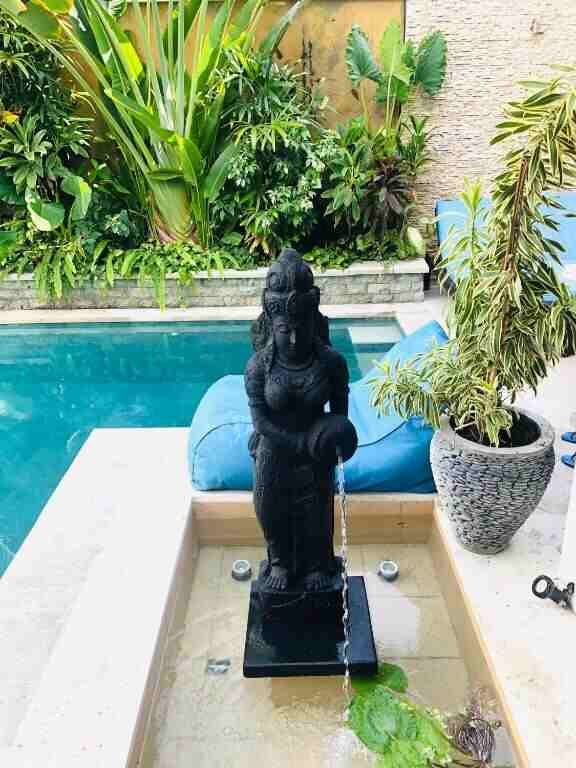




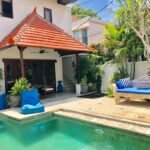


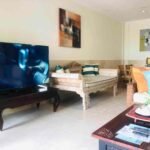




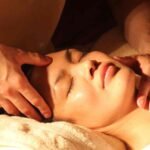






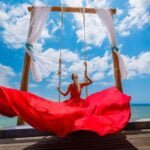





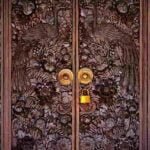


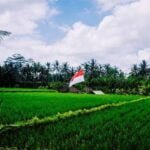



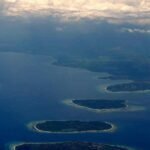
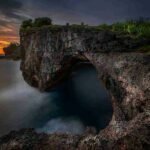

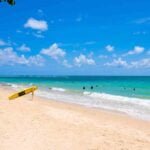
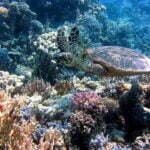
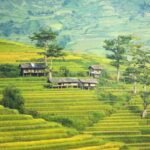


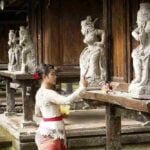
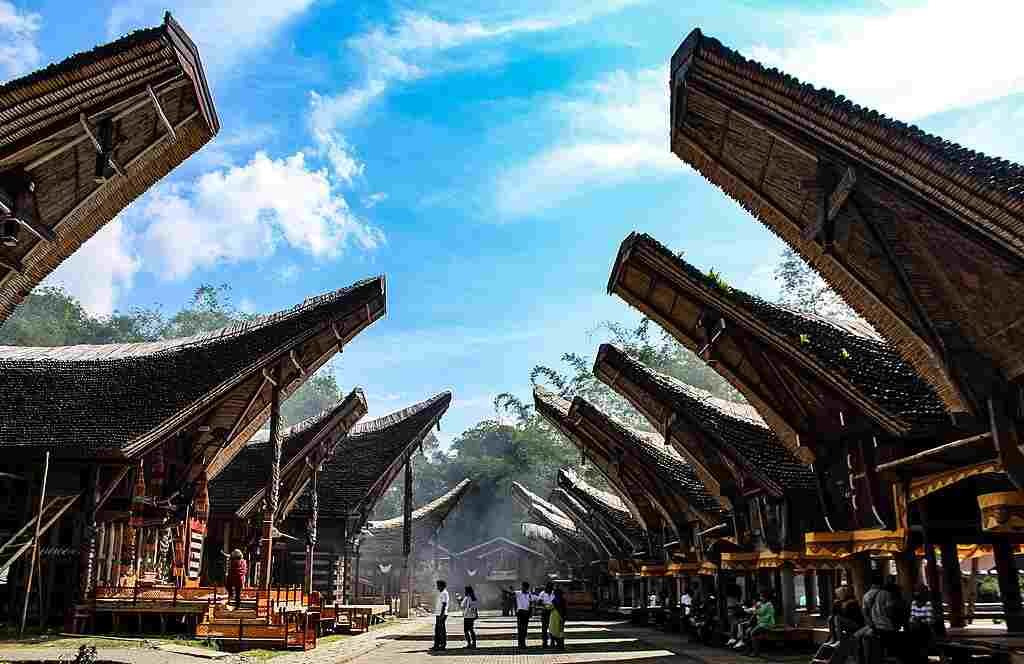


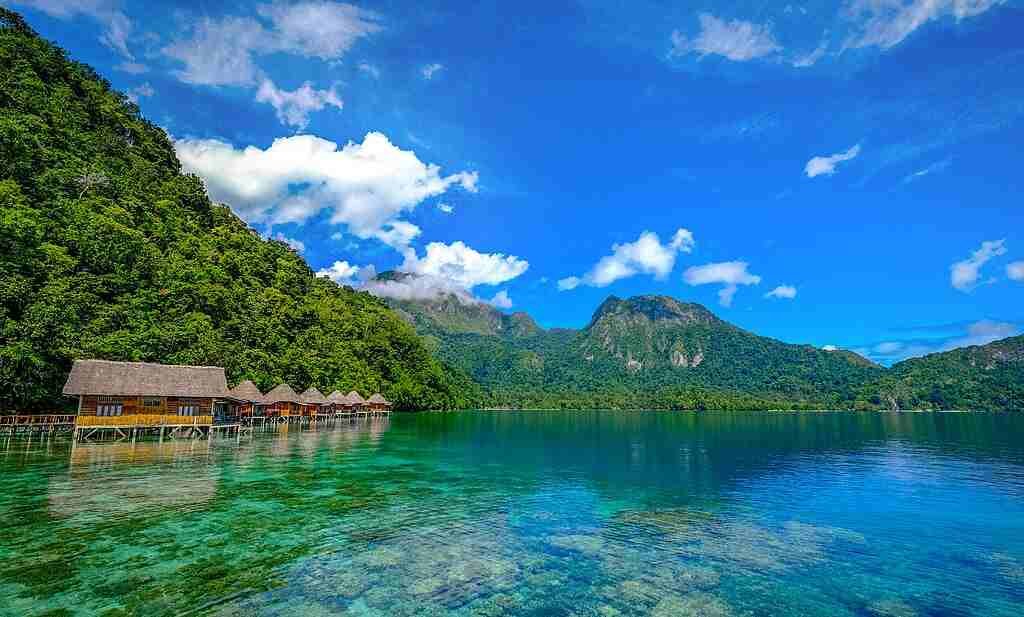


.jpg)