Welcome to our Travel Guide category, where we offer insightful tips, comprehensive guides, and essential information to enhance your travel experiences. Whether you’re a seasoned globetrotter or planning your first adventure, our articles are tailored to meet your needs, helping you navigate new destinations with ease and confidence.
Welcome to our Travel Guide category, where we offer insightful tips, comprehensive guides, and essential information to enhance your travel experiences. Whether you’re a seasoned globetrotter or planning your first adventure, our articles are tailored to meet your needs, helping you navigate new destinations with ease and confidence.
Échappez-vous dans les chambres décorées dans un style balinais de la Villa Carissa, à la fois traditionnelle et moderne
Nichée au cœur de Seminyak, la Villa Carissa vous offre un hébergement de luxe et un havre de paix pour vos vacances tropicales. Avec ses 220 m² (721 ft²) d’espace intérieur et son jardin privé, la villa peut accueillir jusqu’à 8 personnes dans ses trois chambres climatisées avec salle de bain privée. Les chambres décorées dans un style balinais traditionnel et moderne, allient le charme local à la sophistication du luxe.
Elle est à la fois confortable et relaxante, tout en étant élégante et raffinée.
Plongez dans l’atmosphère envoûtante de Bali et laissez-vous transporter par le charme intemporel de la Villa Carissa, une oasis de luxe et de sérénité nichée au cœur de Seminyak. Détendez-vous dans le salon spacieux, aménagé avec goût, et savourez des délices culinaires tout en admirant la vue imprenable sur la piscine scintillante et le jardin luxuriant qui entoure la villa.
Villa Carissa – Élégance et Confort au Cœur de Seminyak, Bali
Vivez des vacances tropicales inoubliables dans la villa balinaise luxueuse et raffinée de Seminyak centre
Profitez d’une détente absolue dans la piscine privée de votre résidence balinaise, un oasis de fraîcheur et de sérénité. Immergez-vous dans ses eaux cristallines pour une tranquillité incomparable.
La Villa Carissa vous offre un hébergement exclusif et somptueux, vous permettant de vivre une expérience balinaise authentique et inoubliable.
Découvrez le charme de Bali dans notre villa privée de trois chambres, mêlant élégance et modernité.
La Chambre 1 : Un oasis de sérénité face à la piscine
En entrant dans la Chambre 1, laissez vous envelopper par la tranquillité de ce refuge au rez-de-chaussée. Profitez d’une vue imprenable sur la piscine scintillante depuis votre lit queen-size. L’ambiance apaisante de la décoration d’inspiration balinaise, avec ses sculptures complexes et ses draps doux et moelleux, crée un havre de confort et d’élégance. De grandes fenêtres encadrent la vue panoramique, invitant la brise tropicale et la lumière naturelle à danser sur l’intérieur serein de la pièce.
Chambre 1 : Située au rez-de-chaussée face à la piscine, elle est équipée d’un lit double (lit Queen size) et ne peut pas être modifié.
1st bedroom
1st bedroom
1st bedroom
Salle de bain 1 – Un sanctuaire de détente et de revitalisation
Adjacente à la Chambre 1, la salle de bain attenante vous invite à vous détendre et à vous ressourcer. Plongez dans la douche spacieuse et laissez l’eau vivifiante cascade sur votre corps, éliminant tout stress persistant. Ou immergez-vous dans la chaleur apaisante de la baignoire, permettant aux bulles douces d’apaiser vos muscles et votre esprit.
1st bathroom
1st bathroom
Chambre 2 : Un espace polyvalent pour les couples ou les amis
La Chambre 2 offre une adaptabilité parfaite pour les couples ou les amis. Ses deux lits simples peuvent être facilement transformés en un lit double confortable, répondant à vos préférences individuelles. Le charme de la pièce s’étend jusqu’à son toit balinais magnifiquement décoré, ajoutant une touche de charme local à votre retraite balinaise.
Chambre 2 : Située à l’étage, cette chambre dispose de 2 lits simples. Vous avez également la possibilité de demander leur agencement en un lit double.
2nd bedroom
2nd bedroom
Salle de bain 2 : Une retraite rafraîchissante
Adjacente à la Chambre 2, la salle de bain complète offre un espace tranquille pour vous rafraîchir et vous revitaliser. La douche spacieuse vous invite avec ses jets d’eau vivifiants, tandis que les installations élégantes et les équipements modernes apportent une touche de luxe.
2nd bathroom
2nd bathroom
Chambre 3 : Un havre de paix avec vue céleste
Montez à l’étage supérieur et découvrez la Chambre 3, un havre de paix offrant deux lits simples et un balcon privé avec une vue imprenable sur le paysage environnant. Détendez-vous dans l’ambiance sereine tout en admirant la végétation luxuriante et l’horizon lointain, laissant la douce brise emporter vos soucis.
La chambre n° 3 est composée de 2 lits simples et située à l’étage, cette chambre ne permet pas de modification de l’agencement des lits. Elle dispose également d’un balcon.
3rd bedroom
3rd bedroom
3rd bedroom
Salle de bain 3 : Une douche avec une touche céleste
La salle de bain attenante à la Chambre 3 vous offre une expérience de douche unique. En entrant sous l’eau en cascade, admirez le ciel à travers le skydome, laissant l’immensité de l’univers vous inspirer et vous régénérer.
3rd bathroom
3rd bathroom
Séjour : Un havre de confort et de flexibilité
Le séjour de la Villa Carissa Bali allie parfaitement confort et flexibilité. L’ambiance accueillante de la pièce est renforcée par un mobilier moelleux, un éclairage doux et une décoration raffinée. Un canapé-lit confortable, discrètement niché dans un coin, offre un hébergement supplémentaire pour une personne, garantissant que chaque invité puisse profiter du charme tranquille de la villa.
L’espace de vie modulable de la Villa Carissa peut être ouvert ou fermé selon votre confort.
Emplacement privilégié dans le centre de Seminyak
Située au centre de Seminyak, la Villa Carissa offre une piscine privée et un jardin clos pour garantir votre intimité. Que vous recherchiez une escapade romantique, une retraite solo régénérante ou une escapade mémorable en famille ou entre amis, les chambres de la Villa Carissa Bali offrent un refuge de confort, de détente et de ressourcement, garantissant une expérience balinaise inoubliable.
Réservez votre villa en ligne et recevez une confirmation instantanée sur Booking.com
FAQ – Chambres & séjour à la Villa Carissa (Seminyak)
Combien de personnes peuvent dormir à la Villa Carissa ?
Jusqu’à 8 personnes : 6 dans les 3 chambres, 1 sur le canapé-lit du séjour, et 1 lit supplémentaire possible sur demande (frais éventuels).
Les chambres sont-elles climatisées ?
Oui, les 3 chambres sont climatisées et disposent d’une salle de bain.
Peut-on modifier la configuration des lits ?
La Chambre 2 peut généralement être organisée en lit double ou deux lits simples selon votre choix. Les autres chambres ont une configuration fixe (selon ton texte).
La villa est-elle située au centre de Seminyak ?
Oui, la page mentionne un emplacement privilégié au centre de Seminyak et intègre la carte Google Maps.
Unveiling Balinese Superstitions: A Glimpse into Local Beliefs
Bali is a beautiful and diverse island with a rich culture and history. One of the most unique aspects of Balinese culture is its superstitions. Balinese people have a deep belief in the supernatural, and many superstitions are still followed today. Understanding Balinese superstitions can help you to better understand and appreciate the Balinese people and their way of life.
Superstitions are a complex and fascinating part of human culture. They can be seen as a way of coping with fear, uncertainty, and the unknown. They can also be a way of connecting with tradition and culture. While some superstitions may seem strange or illogical, they are an important part of the lives of many people.
Superstitions are not onli in Bali
In the world, superstitions are influenced by a variety of factors, including culture, religion, history, and personal experiences. Some superstitions are common to many cultures, whereas others are more specific to a particular region or group of people.
For example, the belief in lucky numbers is common in many cultures around the world. In some cultures, the number 7 is considered to be lucky, while in others, the number 8 is considered to be lucky. These beliefs are often based on cultural traditions and beliefs.
Another example is the belief in ghosts. The belief in ghosts is common to many religions and cultures around the world. This belief is often based on personal experiences or stories that have been passed down from generation to generation.
Superstitions can provide people with a sense of comfort and control in an uncertain and unpredictable world. While they may seem strange or illogical to some, they are an important part of the lives of many people around the world and can help them connect with their culture and tradition.
Most common Balinese superstitions
In Bali specifically, superstition is also influenced by the island’s unique culture and religion. Balinese Hinduism is a complex and diverse religion that incorporates elements of animism and ancestor worship.
This means that Balinese people believe that the world is inhabited by spirits, and that these spirits can influence their lives. This belief in spirits has led to the development of many superstitions and rituals designed to appease the spirits and protect people from harm. Here are a few of the most common Balinese superstitions:
Don’t step on a shadow
Balinese people believe that everyone has a shadow spirit that follows them around. Stepping on someone’s shadow can harm their spirit and bring them bad luck. This belief is likely rooted in the Balinese belief in animism, which is the belief that all things have a spirit.
Don’t step on a shadow of a temple
The shadow of a temple is considered to be sacred. Stepping on the shadow of a temple is disrespectful and can bring bad luck
Don’t leave your offerings out overnight
Balinese people believe that everyone has a shadow spirit that follows them around. Stepping on someone’s shadow can harm their spirit and bring them bad luck.
Don’t leave your offerings unattended
Offerings are left for the gods and spirits, and they should be treated with respect. Leaving your offerings unattended is disrespectful and can anger the gods and spirits. This is because the gods and spirits are seen as being very particular about how their offerings are handled.
Not stepping on offerings
Offerings placed on the ground, particularly during ceremonies or religious events, are considered sacred. People avoid stepping on them as it is believed to invite negative energy.
Balinese culture considers the left hand impolite. This is because the left hand is often used for tasks that are considered to be dirty or impure, such as cleaning oneself or going to the bathroom.
This belief extends to eating, as the left hand is considered unclean, as well as don’t eat with your left hand.
Black-and-white checks
Wearing black-and-white checkered patterns is believed to invite bad luck. Balinese avoid donning clothes with this design, especially during significant ceremonies, to ward off negative energy.
Taboos surrounding menstruation
Menstruation is considered a potent time, and women are often prohibited from participating in certain ceremonies or entering temples during this period. It is believed that the spiritual energy of menstruating women can disrupt the sacredness of rituals. Balinese superstition views women’s energy as particularly powerful during these times.
Don’t kill a gecko
Geckos are harmless creatures with a crucial role in maintaining ecological balance. Geckos are believed to be good luck because they eat insects that can carry diseases. Killing a gecko can bring bad luck, misfortune and can make you sick.
In Balinese culture, hair is considered to be a sacred part of the body. It is believed to be connected to the soul and to have the power to protect people from evil spirits. When hair is wet, it is more porous and vulnerable to attack. Therefore, it is important to dry your hair completely before going to bed, especially at night when evil spirits are more active.
Don’t cut your nails at night
Nails are also considered to be sacred in Balinese culture. They are believed to be connected to the soul and to have the power to influence a person’s fortune. Cutting your nails at night is believed to weaken your soul and make you more susceptible to bad luck. Additionally, it is believed that the clippings of your nails can be used by evil spirits to harm you. Therefore, it is best to avoid cutting your nails at night altogether.
Don’t open an umbrella indoors
Umbrellas are associated with rain, and rain is associated with death and mourning in Balinese culture. Therefore, opening an umbrella indoors is considered to be bad luck and can bring death to the household.
Don’t sit on a pillow
Pillows are considered to be sacred in Balinese culture. They are often used in religious ceremonies and rituals. Sitting on a pillow is considered to be disrespectful to the gods and can bring bad luck to the household.
Spirits in nature
Balinese superstitions often revolve around the spirits residing in nature. Locals believe that every tree, river, and rock is inhabited by unseen entities. Disturbing these natural abodes without proper respect can bring misfortune. Hence, it’s common to witness rituals seeking permission and offering gratitude to these spirits during construction projects or agricultural activities.
Unseen forces in nature
Balinese superstitions acknowledge the presence of unseen forces in nature, such as invisible beings residing in sacred places like mountains, rivers, and forests. Disturbing these areas without proper rituals may lead to supernatural repercussions.
Crossing bridges at night
Crossing bridges during the nighttime is said to bring bad luck, according to some beliefs. Balinese superstition advises against this practice, associating it with the potential for encountering supernatural entities or disturbing unseen forces.
Unlucky days and numbers
Balinese superstitions assign particular days and numbers as inauspicious. For example, the “Kajeng Kliwon” day is regarded as a time when the spiritual and physical worlds are in close proximity, potentially bringing chaos. Similarly, the number four is often avoided, as its pronunciation sounds like the word for death.
Don’t sleep with your head facing north
North is the direction of death in Balinese culture. Sleeping with your head facing north is considered to be bad luck and can bring death to you or your loved ones.
Whistling at night is believed to attract evil spirits. This is because whistling is often used to communicate with spirits. Whistling at night can therefore invite evil spirits into your home or your life.
Sweeping at night
Sweeping the house after dark is discouraged as it’s believed to sweep away prosperity and good fortune of the household. Balinese prefer to tidy up during daylight hours.
Don’t point your feet at a temple
Pointing your feet at a temple is considered to be rude and disrespectful to the gods. This is because the feet are considered to be the lowest part of the body.
Don’t point your fingers at a temple
Temples are considered to be holy places in Balinese culture. Pointing your fingers at a temple is considered to be disrespectful to the gods and can bring bad luck.
Avoiding naming the baby
It’s a common practice to delay naming a newborn until after the third month. This superstition arises from the belief that evil spirits are less likely to take an unnamed baby.
Don’t cut your hair during pregnancy
Cutting your hair during pregnancy is believed to weaken the soul of the unborn child and make it more susceptible to bad luck. This is because the Balinese believe that the hair is connected to the soul. Therefore, cutting your hair during pregnancy is seen as weakening the soul of the unborn child.
Pregnancy taboos
Expectant mothers adhere to various taboos to ensure a smooth and healthy pregnancy. Superstitions caution against attending funerals, participating in certain ceremonies, or viewing certain natural occurrences during pregnancy.
Sacred offerings
The practice of making daily offerings, known as “canang sari,” is not merely a cultural tradition but a superstitious belief. These intricate offerings, composed of flowers, rice, and symbolic items, are meant to appease spirits and maintain balance in the spiritual realm. Neglecting this ritual may be seen as inviting negative energies.
Don’t wear black to a wedding
Black is the color of mourning in Balinese culture. It is considered inappropriate to wear black to a wedding, which is a time for celebration. Wearing black to a wedding is believed to bring bad luck to the bride and groom.
Don’t give a gift wrapped in white paper
White is the color of death in Balinese culture. It is considered bad luck to give a gift wrapped in white paper. Giving a gift wrapped in white paper is believed to bring bad luck to the recipient.
Don’t give a gift of money in an even amount
Even numbers are associated with death and mourning in Balinese culture. This is because even numbers represent the completion of a cycle, and death is seen as the completion of life. Therefore, giving a gift of money in an even amount is considered to be bad luck and can bring death to the recipient.
Don’t cross your legs when sitting in a temple
Crossing your legs is considered to be disrespectful to the gods. This is because the feet are considered to be the lowest part of the body, and crossing your legs is seen as putting your feet above the gods.
Don’t take photos of people without their permission
It is believed that taking a photo of someone can steal their soul. This is because the Balinese believe that the soul is present in the image of a person. Therefore, taking a photo of someone without their permission is considered to be disrespectful and can harm them.
Don’t enter a house through the back door
The back door is considered to be the entrance for evil spirits. This is because the back door is often used to remove dirt, debris, and other impurities from the home. Therefore, entering a house through the back door is seen as inviting evil spirits into the home.
Don’t step on a shadow of a temple
The shadow of a temple is considered to be sacred. This is because the temple itself is considered to be sacred, and its shadow is seen as an extension of its sacredness. Therefore, stepping on the shadow of a temple is considered to be disrespectful and can bring bad luck.
Talking about death or ghosts at night is believed to attract evil spirits. This is because evil spirits are more active at night, and talking about death or ghosts is seen as inviting them into your life.
Don’t sleep under a banyan tree
Banyan trees are believed to be inhabited by spirits. This is because the large branches of the banyan tree are often seen as being the arms of the spirits that live within it. Therefore, sleeping under a banyan tree is seen as disturbing the spirits and can bring bad luck.
Bedugul 1998. Sacred banyan tree near Ulun Danu Bratan temple. Tabanan Regency, Bali, Indonesia. LBM1948, CC BY-SA 4.0, via Wikimedia Commons
Don’t eat bananas after dark
Bananas are associated with death and mourning in Balinese culture. This is because bananas are often used in funeral rituals and ceremonies. Therefore, eating bananas after dark is considered to be bad luck and can bring death to the eater.
Don’t sing in the bathroom
The bathroom is considered to be an impure place. This is because the bathroom is used to remove waste and other impurities from the body. Therefore, singing in the bathroom is seen as disrespecting the sacredness of the voice and can bring bad luck.
Preventing evil spirits with masks
Traditional Balinese masks, often used in ceremonies and dances, are believed to possess protective powers against evil spirits. Wearing or displaying these masks is thought to ward off negativity.
Don’t give a child a name before it is born
It is believed that naming a child before it is born can bring bad luck to the child. This is because the Balinese believe that the child’s soul does not enter its body until after it is born. Therefore, naming a child before it is born is seen as naming a soul that does not yet exist, and this can bring bad luck to the child.
These are just a few of the many superstitions that are followed in Bali. While some of these superstitions may seem strange to outsiders, they are an important part of Balinese culture.
Balinese amulets
Balinese amulets (write with links): Another popular Balinese superstition is the belief in the power of amulets. Amulets are objects that are believed to have magical powers. They are often worn on the body or placed in the home to protect from harm.
Some common Balinese amulets include the Trisula (a trident), the Kebo Bule (a white bull), and the Garuda (a mythical bird).
Balinese Amulets: Warding Off Spirits and Bringing Protection
In the realm of Balinese superstitions, amulets play a significant role, believed to harness mystical powers for protection. These enchanted objects are worn on the body or strategically placed in homes to ward off harm and negative energies.
Trisula (Trident):
Symbolism: The Trisula, a three-pronged trident, holds deep symbolism in Balinese Hinduism. It represents the cosmic powers of creation, preservation, and destruction. The Trisula is a trident that is often associated with Shiva, the Hindu god of destruction and transformation. It is believed to have the power to protect from evil and to bring good luck.
Power: Many believe that wearing or possessing a Trisula amulet brings spiritual balance and safeguards against malevolent forces.
Symbolism: The Kebo Bule, or white bull, is revered for its purity and strength. In Balinese folklore, it symbolizes resilience and protection. The Kebo Bule is a white bull that is considered to be a sacred animal in Balinese culture. It is believed to have the power to bring prosperity and good fortune.
Power: Wearing a Kebo Bule amulet is thought to provide the wearer with strength, resilience, and a shield against adversity.
Differences in facial characteristics of Indochinese bulls (left) and Javan bulls (right) (Proceedings of the Zoological Society of London, 1898). Joseph Smit, Public domain, via Wikimedia Commons
Garuda:
Symbolism: The Garuda, a mythical bird, is a symbol of divine protection and power. It is often associated with the god Vishnu in Hindu mythology. The Garuda is a mythical bird that is often associated with Vishnu, the Hindu god of preservation. It is believed to have the power to protect from evil and to bring good luck.
Power: Garuda amulets are believed to offer protection, courage, and the ability to overcome challenges, making them popular choices for those seeking strength.
Symbolism: The Pis Bolong, a silver coin with a hole in the center, symbolizes prosperity and abundance. It reflects the Balinese belief in attracting wealth and positive energy into one’s life.
Power: The amulet is thought to have the power to bring financial prosperity and good fortune. Many Balinese people wear or carry the Pis Bolong to invite economic success and stability.
In Bali, Pis Bolong, resembling Chinese cash coins, serve as coin-charms in various Balinese Hindu rituals and ceremonies. Both genuine and imitation Chinese cash coins are used, and local versions of Pis Bolong, designed as amulets, are widespread. Traditional Balinese households often possess around 200 Pis Bolong, emphasizing their cultural significance. The authentic ones bear Traditional Chinese characters, while talisman versions may feature Balinese script, Pali, or Devanagari. Some believe these coins hold magical properties, using them for rituals associated with Hinduism and Balinese culture, attaching importance to their symbolic meanings rather than their origin or historical context.
Canang Sari
Symbolism: The Canang Sari is a daily offering made from woven coconut leaves, filled with colorful flowers, rice, and various symbolic items. It represents gratitude and devotion to the deities.
Power: Balinese Hindus believe that presenting Canang Sari offerings brings blessings, harmony, and protection to the home and its occupants. The ritual is seen as a way to maintain balance and positive energy in daily life.
Canang sari is one of the daily offerings made by Balinese Hindus to thank the Sang Hyang Widhi Wasa in praise and prayer. Canang sari will be seen in the Balinese temples (pura), and on the ground. Anom Harya, CC BY-SA 4.0, via Wikimedia Commons
Note: While amulets hold cultural significance, beliefs in their mystical powers vary among individuals. We should explore these aspects respecting the cultural and spiritual context in which they are deeply rooted.
Conclusion
Balinese superstitions add a layer of mysticism to the island’s vibrant culture. While these beliefs might seem unconventional to outsiders, they play a crucial role in shaping the daily lives and practices of the Balinese people. Exploring these superstitions offers a deeper understanding of the profound connection between spirituality and everyday existence in Bali.
Are you ready to secure your villa in the heart of Seminyak? Seize this incredible opportunity and ensure you don’t miss out on an unforgettable experience!
Get ready for an exceptional stay at Villa Carissa Bali! Nestled in the vibrant Seminyak, you’ll enjoy your own secluded oasis with a private pool and cozy garden. Booking with us ensures a unique and memorable getaway.
Our villa is a genuine sanctuary, providing a haven of tranquility and a feeling of belonging.From a family escapade to an adventurous retreat with friends to a romantic getaway, Villa Carissa Bali serves as the perfect home base to explore Bali and craft enduring vacation memories.
Traveller’s diarrhea is one of the most common illnesses among travelers. It is spread through contact with other people or by consuming contaminated food or water. Traveler’s diarrhea is caused by a number of bacteria (including E. coli, Salmonella, Shigella, Campylobacter), parasites (Giardia, Cryptosporidium, Cyclospora and others) and viruses (such as norovirus and rotavirus).
Barsa Belly, Bali Belly, Delhi Belly, Rome race – Tokyo race – Tourist race – Turkey race, The Pharaoh’s Curse, Montezuma’s Revenge, The Rangoon Runs or Travelers Diarrhea: whatever you call it. It also doesn’t matter where you are in the world. Traveller’s diarrhea can leave you stuck on the bathroom or even worse, in a hospital bed.
Traveller’s diarrhea, commonly known as turista, is the most common health problem encountered by travelers. On average, one in three holidaymakers suffers from it.
It is a form of acute diarrhea, a sufficiently inconvenient concern (especially on vacation) to justify rapid and effective treatment.
As the traveler is exposed to unusual microbes, his gut is sensitive to the toxins secreted by the germs. These toxins cling to the intestinal wall and cause abnormal and abundant secretions of liquids. This causes diarrhea that can ruin a few days of long-awaited vacation…
In the vast majority of cases, it is a benign condition that disappears spontaneously after a few days. Its origin is mainly bacterial, sometimes viral and more rarely parasitic.
Even today, many myths persist in public opinion about the origin and treatment of traveller’s diarrhea. This is why international and national experts have looked specifically at this issue and have made it possible, through their conclusions, to dissociate popular beliefs and reliable treatment.
What’s the risk?
Travelers are at greatest risk when traveling to a destination with poor sanitation and hygiene conditions or eating in places with poor food handling practices.
How is traveller’s diarrhea transmitted?
Traveller’s diarrhea is spread by consuming contaminated food or water. The disease can also be transmitted from one person to another when hygiene rules are not respected.
What are the symptoms?
Symptoms vary depending on the bacteria, parasite or virus involved.
In addition to diarrhea, they usually include fever, nausea, vomiting, bloating, abdominal cramps and an urgent need to go to the bathroom.
Typically, the symptoms go away after a few days without any treatment.
In more severe cases, traveller’s diarrhea can lead to dehydration and death. This development is of particular concern in children, the elderly and people with chronic illnesses or weakened immune systems.
If you have blood in your stool, you should see a doctor even if the other symptoms you are experiencing are not very serious.
Can traveler’s diarrhea be treated?
Most symptoms go away on their own within a few days.
The most important treatment is to maintain proper hydration:
Be sure to drink plenty of fluids. This is especially important for children, people with underlying health conditions and the elderly. In moderate and severe cases, use oral rehydration solutions;
Be sure to always use safe water (boiled, disinfected, or from a sealed commercial bottle) for drinking or for preparing oral rehydration solutions.
In some cases, a drug that inhibits gastric motility can help relieve symptoms (frequent and urgent need to go to the bathroom). Do not take these medicines if you have bloody diarrhea or a fever. It is important to follow the instructions for each medication and the advice of the health care provider exactly.
Your health care provider can consider the possible use of antibiotics to treat severe diarrhea.
Where is traveler’s diarrhea a concern?
The risk of travellers’ diarrhea is present worldwide.
High-risk destinations include developing countries in Central and South America, Mexico, Africa, the Middle East and Asia.
The risk is moderate in Eastern Europe, South Africa and parts of the West Indies.
How to Avoid, treat Bali Belly, medication?
“Bali belly” is a term used to describe a type of traveler’s diarrhea that can occur when traveling to Bali or other parts of Indonesia. It is caused by consuming contaminated food or water, and it can cause symptoms such as diarrhea, stomach cramps, nausea, and vomiting. Here are some tips on how to avoid and treat Bali belly:
1. Avoid tap water and ice cubes
Only drink bottled water or water that has been boiled or treated with water purification tablets. Be careful with ice cubes as they may have been made from tap water.
2. Be cautious with food
Avoid eating food from street vendors and be careful with raw or undercooked meat, fish, and eggs. Stick to hot and freshly cooked food.
3. Wash your hands
Regularly wash your hands with soap and water, especially before eating or preparing food.
Washing your hands is a simple yet effective way to prevent the spread of germs and infections.
Here are some guidelines for practicing good hand hygiene:
Wet your hands with clean, running water (warm or cold), and apply soap.
Lather your hands by rubbing them together with the soap. Be sure to lather the backs of your hands, between your fingers, and under your nails.
Scrub your hands for at least 20 seconds. Need a timer? Hum the “Happy Birthday” song from beginning to end twice.
Rinse your hands well under clean, running water.
Dry your hands using a clean towel or air dry them.
If possible, use a towel or your elbow to turn off the faucet after washing your hands to avoid re-contaminating your hands.
It’s important to wash your hands at key times, including:
Before, during, and after preparing food
Before eating
Before and after caring for someone who is sick
Before and after treating a cut or wound
After using the toilet or changing a diaper
After blowing your nose, coughing, or sneezing
After touching an animal, animal feed, or animal waste
After handling garbage
By washing your hands regularly, you can help prevent the spread of infections and protect your own health as well as the health of those around you.
4. Take probiotics
Taking probiotics, which are live bacteria and yeasts that are good for your gut health, can help prevent Bali belly. They can be found in supplement form or in certain foods such as yogurt.
Taking probiotics can help prevent and treat Bali belly by restoring the balance of good bacteria in your gut.
Here’s an example of how you could take probiotics to prevent Bali belly:
Choose a reputable brand: Look for a probiotic supplement that contains a variety of strains of bacteria and has a high number of colony-forming units (CFUs).
Start taking probiotics before your trip: Begin taking probiotics at least two weeks before your trip to Bali to help build up the beneficial bacteria in your gut.
Continue taking probiotics during your trip: Take probiotics daily while you’re in Bali to help maintain the balance of bacteria in your gut.
Follow the recommended dosage: Follow the instructions on the probiotic supplement for the recommended dosage.
Look for natural sources of probiotics: In addition to taking supplements, you can also consume foods that are rich in probiotics such as yogurt, kefir, sauerkraut, and kimchi.
Remember that while probiotics can be helpful in preventing and treating Bali belly, they are not a substitute for good hygiene practices such as washing your hands regularly and avoiding contaminated food and water.
5. Stay hydrated
It’s important to stay hydrated if you have Bali belly. Drink plenty of water, oral rehydration solutions, or clear broths to help replace lost fluids and electrolytes.
Staying hydrated is essential for maintaining good health, particularly when traveling to tropical destinations like Bali where the climate is hot and humid.
Here are some reasons why staying hydrated is important:
Regulates body temperature: Drinking water helps regulate your body temperature, keeping you cool in hot weather and preventing overheating.
Aids digestion: Water is necessary for proper digestion and helps prevent constipation and other digestive issues.
Flushes out toxins: Drinking water helps flush out toxins and waste products from your body, which can improve overall health and well-being.
Supports the immune system: Staying hydrated can help support your immune system, which is important for preventing infections and illnesses.
Improves skin health: Drinking water can help keep your skin hydrated and healthy-looking.
To stay hydrated while traveling to Bali, it’s recommended that you drink plenty of water throughout the day, especially during outdoor activities or when spending time in the sun. You can also drink coconut water, which is a natural source of electrolytes and can help replenish fluids and minerals lost through sweating. Avoid drinking alcohol or sugary drinks, as they can dehydrate you and make it harder for your body to stay hydrated.
6. Over-the-counter medications
Over-the-counter medications such as loperamide can be used to treat diarrhea. Anti-bacterial medications such as antibiotics can be prescribed by a doctor if the diarrhea is severe or persists for several days.
Seek medical attention if necessary: If your symptoms are severe or if you experience fever, blood in your stool, or dehydration, seek medical attention as soon as possible.
It’s important to note that some medications, such as antibiotics, may not be effective against all types of Bali belly. It’s best to consult with a healthcare professional before taking any medication.
Name of Over-the-counter medications for travelers Diarrhea in Bali
Here are some examples of over-the-counter medications for travelers diarrhea that you may find in Bali:
IMODIUM (loperamide): This medication helps reduce the frequency and severity of diarrhea by slowing down the digestive system. It can be taken as a tablet or capsule.
DIATABS: or similar Antidiarrheal.
ORALIT: (ORS: Oral Rehydration Salts): This medicine is sold in the form of a powder. These salts can help replace fluids and electrolytes lost during diarrhea.
Pepto-Bismol (bismuth subsalicylate): This medication can help relieve symptoms of travelers diarrhea, including stomach cramps and nausea. It can be taken as a liquid or chewable tablet.
Probiotics: Probiotics can help restore the balance of good bacteria in your gut and reduce the duration of diarrhea. They are available in capsule or powder form.
Pain relievers: Over-the-counter pain relievers such as ibuprofen or acetaminophen can help relieve headache, fever or body aches that may accompany travelers diarrhea.
It’s important to note that these medications should be used with caution and only as directed. If your symptoms persist or worsen, seek medical attention immediately.
Traveler’s diarrhea is manifested by a sudden increase in the frequency, volume or looseness of stools and may be associated with nausea, vomiting, abdominal pain and sometimes fever.
Several causes are possible:
Microbes: the traveler must follow the rules of basic hygiene and food preservation;
Food intolerance or allergy: fat, alcohol, milk, lactose and many other products can cause diarrhoea;
Stress and anxiety: even on vacation, certain situations can be a source of stress;
Other medicines: some medicines have diarrhea as a side effect. Always consult their instructions.
All of these causes can stimulate intestinal fluid secretions abnormally.
Prevention
The risk of contracting traveller’s diarrhea can be reduced by observing basic hygiene rules.
drink bottled water and uncap it in front of your eyes
do not put ice cubes in drinks
do not drink running water (tap, shower, swimming pool, etc.)
prefer cooked or pasteurized dairy products
peel fruits and cook vegetables
cook meat and fish well, including the inside
Always carry an antidiarrheal with you in your travel pharmacy in case diarrhea should occur.
The treatment of travelers diarrhea
When discussing the treatment of diarrhea, two important criteria must be taken into consideration: the age of the patient and the symptoms.
Patient’s age
If it is an infant or toddler, the most important thing is to make sure your child is not dehydrated. A child is much more susceptible to dehydration than an adult. For this purpose, there are preparations available in the pharmacy such as oral rehydration solutions
In general, it is imperative to consult a doctor for children under 6 years old; this is crucial for children under 2 years old.
If it is an adult, treatment can be followed as soon as symptoms appear. The rule also applies: drink a lot.
Symptoms
If diarrhea is not accompanied by fever or blood in the stool:
Travel medicine specialists and the Institute of Tropical Medicine recommend loperamide (Imodium) for the treatment of traveler’s diarrhea.
This treatment, also recommended by international and national experts, acts quickly (often within 2 hours of taking it) and effectively reduces the number of liquid stools and the duration of diarrhea. In addition, a single dose can often already be enough.
Its unique mechanism of action already decreases in small doses, on the one hand the abnormal secretions of liquids caused by bacterial toxins or viruses and, on the other hand, normalizes intestinal transit and bowel movements. It should therefore only be taken when the stools are liquid to avoid the risk of constipation.
If the diarrhea is accompanied by fever and/or blood in the stool:
The use of an antibiotic is necessary and consultation of the doctor.
Recommendations in case of diarrhea
In summary, here’s how to do it:
Drink enough fluids.
Eat according to your appetite.
Treat diarrhea symptomatically with loperamide (some Imodium tablets such as Imodiumlingual 2 mg can be easily taken without water, regardless of travel conditions).
If the diarrhea persists for more than 2 days, consult a doctor; if this is not possible, use the antibiotic from your travel pharmacy as long as the symptoms persist. The combination with loperamide (or Imodium) provides faster relief.
In case of dysentery (bloody stools and/or high fever (>38.5°C or > 101°F), always see a doctor, they might give you an antibiotic.
In the case of an infant or toddler, give a suitable oral rehydration solution (ORS) and consult the doctor as soon as possible.
Talk to your doctor before you go on a trip abroad.
Information: Villa Carissa is not a substitute for a doctor. Always consult a doctor to treat your health condition.
Located in Center Seminyak – Bali, Villa Carissa offers a private swimming pool and enclosed garden to guarantee your privacy. You can book your private pool villa here with us.
Whether you’re traveling with family, friends, or on a romantic getaway, villa Carissa in Seminyak center offers the perfect base for exploring Bali’s many attractions and enjoying a relaxing vacation.
Explore the Best Beach Clubs in Seminyak for Unforgettable Coastal Vibes and Great Atmospheres
Love the idea of sipping cocktails while watching the surf on Bali’s famous beaches?
Want delicious food, great music, stylish interiors, and that unmistakable Seminyak energy?
This guide brings together the best beach clubs in Seminyak for both daytime relaxation and evening atmosphere.
Seminyak offers some of Bali’s most refined daylife and nightlife, with stylish beach clubs, sunset venues, quality food, cocktails, entertainment, and polished electronic music.
Quick answer: which beach clubs are the best in Seminyak?
Some of the best beach clubs in Seminyak include KU DE TA, Infinity Beach Club at The Seminyak, WooBar, Mano Beach House, Potato Head Beach Club, La Plancha, Cocoon Day Club, Mrs Sippy Bali, and Beach Bar at Alila Seminyak.
They range from luxurious and polished to colorful, casual, and sunset-focused.
Day and night in Seminyak beach clubs
Day
During the day, Seminyak beach clubs are made for poolside lounging, daybeds, ocean views, stylish brunches, seafood, tapas, and cocktails just steps from the sand.
Night
At sunset and after dark, many of these venues transform into elegant social hubs with DJs, live performances, mood lighting, and a very polished Seminyak atmosphere.
The Best Beach Clubs in Seminyak: Perfect for Both Day and Night
Seminyak offers beach clubs for every mood and budget, from refined sunset institutions to relaxed beachfront bars with colorful beanbags.
This guide keeps the practical details, official links, and nearby Villa Carissa references while using cleaner embeds that are easier to maintain.
KU DE TA (Kudeta) $$$
From Villa Carissa to KU DE TA, it is only about a 10-minute walk.
It is one of the great icons of Seminyak nightlife and sunset culture.
Located at the end of Jalan Kayu Aya, KU DE TA is one of Bali’s classic addresses for sunset drinks by the sea.
It combines refinement, a beachfront setting, stylish outdoor seating, and a mood that works just as well for afternoon lounging as for evening cocktails.
The poolside and oceanfront area feel more relaxed, while the overall venue still keeps the polished Seminyak look people come for.
Practical info
Address: Jl. Kayu Aya No. 9, Seminyak
Hours: 8 a.m. – 1 a.m.
Contact: +62 (0) 361 736969
Official website: kudeta.com
Infinity Beach Club at The Seminyak $$$
Infinity Beach Club at The Seminyak offers a luxurious beachfront setting right on Seminyak Beach.
Its oceanfront stretches about 170 meters (557 ft) along the shoreline, creating a beautiful open view toward the Indian Ocean.
The infinity pool, the beach bar, and the direct sea view make it ideal for a polished day by the water, especially if you want a calmer luxury atmosphere.
Practical info
Address: The Seminyak, Bali, Badung Regency, Bali 80361
Opening hours: 7 a.m. – 7 p.m.
Website: The Seminyak – Infinity Beach Club
WooBar $$$
WooBar is one of Seminyak’s most stylish beachfront venues. It is known for its elegant garden, polished pool area, refined seating, and upscale atmosphere.
On the menu you can expect cocktails, pizzas, burgers, and sharing plates, all in a setting that feels luxurious without losing the beachside mood.
It is especially attractive if you want a more sophisticated sunset venue with a strong hotel-club feel.
Practical info
Website: woobarbali.com
Address: Jalan Petitenget, Seminyak, Kuta Utara, Bali 80361
Hours: daily from 8 a.m. to 11 p.m.
Mano Beach House Bali $$
Mano Beach House is one of the most appealing slow-living beach venues in the Petitenget area.
The interiors have a creative, tribal-inspired and bohemian feel, while the overall experience is more relaxed than some of the more glamorous clubs.
It works well for family brunches, ocean-view lunches, sunset performances, and easy island-style afternoons by the pool.
Practical info
Address: Jl. Pantai Pura Petitenget, Seminyak, Bali 80361
Hours: 11 a.m. – 11 p.m. daily
Contact: +62 361 473 0874
Website: manobali.com
Potato Head Beach Club $$$
Potato Head is one of Bali’s most famous sunset venues and an essential stop if you want a polished, modern, design-forward beach club in Seminyak.
It is known for cocktails, artistic design, curated music, and regular appearances by DJs and performers.
The setting is open toward the sea, which makes it ideal for sunset in excellent comfort.
Food quality is generally strong, the atmosphere is modern and social, and the whole venue has become one of Bali’s best-known lifestyle landmarks.
La Plancha is one of the most recognizable beachfront venues in Seminyak thanks to its colorful umbrellas and beanbags right on the sand.
If you want a more relaxed sunset atmosphere than the bigger luxury clubs, this is one of the best choices.
Sangria in hand, feet in the sand, music in the background, and the ocean in front of you:
La Plancha is all about easy coastal enjoyment.
It is also a good choice for casual food, tapas, and fresh seafood in a more informal setting than the bigger upscale venues.
Practical info
Address: Jl. Double Six No. 66, Blue Ocean Boulevard, Seminyak
Hours: daily from 10 a.m. to midnight
Contact: +62 361 731266
Instagram: Cocoon Beach Club
Mrs Sippy Bali $$
Mrs Sippy is one of Seminyak’s best-known pool-party venues. Its huge saltwater pool, diving platform, Mediterranean-inspired styling, lawns, and palm trees create a very social atmosphere.
It is more pool club than beachfront lounge, which makes it especially appealing if you want an energetic daytime setting, lively music, and a younger social crowd.
It is also known for drink promotions and DJ-driven sessions that continue after sunset.
Practical info
Address: Jl. Taman Ganesha, Gang Gagak 8
Hours: daily 10 a.m. to 9 p.m.
Contact: +62 821 4500 1007
Official website: mrssippybali.com
Beach Bar – Alila Seminyak $$$
The Beach Bar at Alila Seminyak offers one of the more elegant beachfront experiences in the Petitenget area.
It is best suited to travelers who want a refined, upscale atmosphere with sea views rather than a louder pool-party setting.
The design is polished, the setting is calm and luxurious, and the view across the Indian Ocean makes it especially appealing near sunset.
Practical info
Address: Jl. Taman Ganesha No. 9, Petitenget, Seminyak
Website: Alila Seminyak Beach Bar Hours and prices are subject to change without prior notice.
Final thoughts
Seminyak’s beach clubs cover every mood, from iconic sunset institutions like KU DE TA and Potato Head to laid-back colorful venues like La Plancha,
polished luxury settings like WooBar and Alila, and pool-party favorites such as Cocoon and Mrs Sippy.
Whether you want a glamorous night out, a stylish brunch by the pool, or a relaxed sunset with your feet in the sand, Seminyak has a beach club for you.
Book your stay at Villa Carissa for an affordable yet premium experience in the heart of Seminyak
Explore Villa Carissa, a calm and private oasis in lively Seminyak, complete with a private pool and enclosed garden.
Stay close to Seminyak’s best beach clubs while enjoying privacy and comfort when you return home.
Whether you are traveling with family, friends, or as a couple, Villa Carissa gives you a superb base for discovering Seminyak’s sunset culture,
stylish dining, and beach club life.
Bali’s Divine Balance and Harmony: Nurturing Balance Through Hindu Gods and Goddesses in Bali
Hindu gods and goddesses in Bali play a central role in Balinese culture and religion. The Balinese believe that the gods and goddesses are present in all things, and that they can be invoked for help and guidance. They also believe that the gods and goddesses play an important role in maintaining balance and harmony in the world.
In Bali, a rich tapestry of Hindu gods and goddesses weaves through the vibrant culture, influencing daily life, rituals, and festivals. Let’s delve into the divine pantheon celebrated on the Island of the Gods:
Balinese Beliefs and Harmony
The Balinese believe that gods and goddesses reside in all things, fostering balance and harmony. Regular offerings, festivals, and rituals play a pivotal role in expressing devotion and ensuring the well-being of the community.
The most important Hindu gods worshipped in Bali are:
Brahma (the creator god), Vishnu (the preserver god), and Shiva (the destroyer god). Other popular Hindu gods and goddesses worshipped in Bali include Saraswati (the goddess of knowledge and the arts), Lakshmi (the goddess of wealth and prosperity), Ganesha (the elephant-headed god of wisdom and good luck), Hanuman (the monkey god of strength and courage), Agung (the mountain god), Danu (the water goddess), and Baruna (the sea god).
Exploring the Hindu Pantheon in Bali: Gods and Goddesses of Harmony
Bali, known as the “Island of the Gods,” is adorned with a cultural tapestry intricately woven with the threads of Hindu deities.
The pantheon, a diverse array of gods and goddesses, reflects this harmonious fusion. Each deity embodies specific qualities and is revered for their role in maintaining balance and order in the cosmos.
In Bali, a rich tapestry of Hindu gods and goddesses weaves through the vibrant culture, influencing daily life, rituals, and festivals. Let’s delve into the divine pantheon celebrated on the Island of the Gods.
The main Hindu gods and goddesses worshipped in Bali are:
1. Brahma: The Creator God, He’s is the one who creates everything
Brahma, with four faces symbolizing the cardinal directions, is revered as the creator god, shaping the universe.
The Brahma is the creator god of Hinduism. He is often depicted with four faces, which represent the four directions of the world. Brahma is responsible for shaping the universe and creating all life. He is also known as the god of knowledge and wisdom.
In Bali there is Andakasa Temple dedicated to Brahma.
2. Vishnu: The Preserver God, He’s the one who protects everything
Vishnu, depicted with four arms, stands as the preserver god, safeguarding the cosmic order and harmony.
The Vishnu is the preserver god of Hinduism. He is often depicted with four arms, which represent his four main qualities: dharma (righteousness), artha (prosperity), kama (pleasure), and moksha (liberation). Vishnu is responsible for maintaining the cosmic order and harmony. He is also known as the god of compassion and love.
Giant Vishnu statue in Garuda Wisnu Kencana Cultural Park – Bali. Carmelrmd, CC BY-SA 3.0, via Wikimedia Commons
3. Shiva: The Destroyer God, He’s the one who destroys and renews everything.
Shiva, with a third eye and a trident, embodies the transformative forces of destruction and renewal.
The Shiva God is the destroyer god of Hinduism. He is often depicted with a third eye, which represents his ability to see the past, present, and future. Shiva is responsible for destroying the old and making way for the new. He is also known as the god of transformation and renewal.
The three gods are often seen as a trinity, representing the three main aspects of the universe: creation, preservation, and destruction. They are also seen as complementary, with each god playing an important role in maintaining the balance of the universe.
Shiva statue or Patung Titi Banda in Denpasar – Bali. Balou46, CC BY-SA 4.0, via Wikimedia Commons
Other popular Hindu gods and goddesses worshipped in Bali include:
Saraswati: The Goddess of Knowledge and Arts
Saraswati, the graceful deity playing the veena, is worshipped for wisdom, knowledge, and artistic pursuits.
The Saraswati, a prominent figure in Hindu mythology, is revered as the goddess of knowledge and arts. Associated with wisdom, music, and nature, she holds a special place in the female trinity alongside Lakshmi and Parvati. Saraswati’s influence extends beyond India, reaching Southeast Asian countries like Cambodia, Bali in Indonesia, and even Japan, where she is known as Benzaiten in temples. Often depicted with a lotus and a swan, these symbols connect knowledge with the concepts of karma and moksha.
Hindu deity Sarasvati (Saraswati) is the Hindu goddess of knowledge, music, arts, wisdom, and nature. She’s part of the female trinity along with Lakshmi and Parvati. Saraswati is revered in southeast Asian countries like Cambodia, Bali, Indonesia, and in Japan where she’s known as Benzaiten. Depicted with a lotus and swan, she symbolizes the connection between knowledge, karma, and moksha. Raja Ravi Varma, Public domain, via Wikimedia Commons
Lakshmi (Dewi Sri): The Goddess of Wealth and Prosperity
Lakshmi, often portrayed with four arms, bestows blessings of wealth and prosperity upon devotees.
Lakshmi, a prominent figure in Hindu mythology, is hailed as the Goddess of Wealth and Prosperity. Devotees seek her blessings for financial abundance, success, and well-being. Lakshmi is often depicted with symbols of prosperity, such as a lotus flower and overflowing coins, symbolizing her ability to bring material and spiritual wealth. Hindus celebrate festivals like Diwali to honor Lakshmi and invite her blessings into their homes for a prosperous and harmonious life.
The Dewi Sri statue (or Lakshmi) at Villa Carissa embodies the Balinese goddess of rice, wealth, fortune, power, beauty, fertility, and prosperity, adding a touch of cultural significance to your experience.
Ganesha: The Elephant-Headed God of Wisdom
He’s the remover of obstacles, is revered for wisdom, intellect, and good fortune.
Ganesha, the Elephant-Headed God, is a beloved figure in Hindu mythology, revered for his wisdom and ability to remove obstacles. He symbolizes intelligence, good fortune, and new beginnings.
Depicted with an elephant head and a human body, Ganesha is often worshipped at the start of endeavors to seek his blessings for success and a smooth journey. His endearing nature and association with learning make him a cherished deity in Hindu culture.
A large Ganesha temple in Menjangan – Bali, Indonesia. Oogstweg, CC BY-SA 3.0, via Wikimedia Commons
Hanuman: The Monkey God of Strength
Hanuman, the symbol of strength and devotion, is a heroic figure known for his unwavering loyalty.
He’s is a revered figure in Hinduism known for his strength, loyalty, and devotion. Depicted as a monkey-faced deity, Hanuman played a crucial role in the Indian epic Ramayana. He is admired for his unwavering dedication to Lord Rama, showcasing the virtues of courage and selfless service. Hanuman is a symbol of strength, resilience, and faith, making him a beloved character in Hindu mythology. Devotees seek his blessings for courage and protection in their endeavors.
The Agung is honored as the god associated with the majestic mountains that grace the Balinese landscape.
Agung, known as the Mountain God, holds significance in Balinese culture. The term “Agung” itself translates to “great” or “majestic” in Indonesian. The Balinese people, deeply connected to nature and the landscape, attribute spiritual significance to mountains, considering them as abodes of divine forces.
There are a few reasons why Agung is the mountain god in Bali:
Is the highest mountain in Bali. It is a towering presence on the island and can be seen from many miles away. The Balinese believe that the mountain’s height makes it closer to the gods.
Is an active volcano. The Balinese believe that the volcano’s power represents the power of the gods. They also believe that the volcano’s eruptions are a way for the gods to communicate with the people.
Located in the center of Bali.The Balinese believe that the mountain’s central location makes it the sacred center of the island.
Agung represents the awe-inspiring and sacred qualities associated with towering peaks. Mountains are often regarded as places of meditation and worship in various cultures, symbolizing a connection between the earthly and spiritual realms.
In addition to these reasons, Mount Agung is also associated with a number of Hindu myths and legends. For example, one legend says that Mount Agung was created by the god Brahma when he was separating the earth from the sky. Another legend says that Mount Agung is the home of the gods and that it is the place where the gods go to rest and meditate.
The worship of Mount Agung is an important part of Balinese culture and religion. The mountain god is seen as a powerful protector and is revered by the Balinese people.
Offering a breathtaking view, Agung stands majestically as observed from the Besakih temple situated at its base. Photo by CEphoto, Uwe Aranas (CC BY-SA 3.0) via Wikimedia Commons
Here is a quote from a Balinese priest:
“Mount Agung is the dwelling place of the gods. It is the most sacred place on Bali. We must respect the mountain god and keep him happy. If we do not, he will become angry and punish us.”
This quote shows how important Mount Agung is to the Balinese people and why they worship him as the mountain god.
The worship of Mount Agung is an important part of Balinese culture and religion. The mountain god is seen as a powerful protector and is revered by the Balinese people.
She’s the water goddess, is venerated for her connection to rivers, lakes, and the life-giving force of water.
Danu, revered as the Water Goddess, holds a special place in Balinese mythology.
In Balinese culture, people associate the term “Danu” with water, symbolizing its life-giving and purifying essence, and often regard water as sacred and essential for various rituals and ceremonies.
The Danu embodies the nurturing and sustaining qualities attributed to water, highlighting its importance in the balance of life and the interconnectedness of nature. The Balinese people, deeply rooted in their spiritual beliefs, recognize the vital role of water in their traditions and its representation through the divine persona of Danu.
The Baruna reigns over the seas, embodying the vast and powerful nature of the ocean.
Baruna, in Hindu mythology, is often considered equivalent to Poseidon in Greek mythology and Neptune in Roman mythology. These deities share the domain and attributes associated with the seas and oceans.
Baruna, known as the Sea God in Balinese mythology, is a revered deity associated with the vast and powerful ocean. In Balinese culture, where the sea plays a crucial role in daily life, Baruna holds a significant place as a guardian and ruler of the maritime realm. The name “Baruna” itself is indicative of the god’s connection to the sea.
Balinese people, especially those engaged in fishing and seafaring activities, seek the protection and blessings of Baruna for safe journeys, bountiful catches, and overall well-being. The Sea God, with his mythical presence, symbolizes the dynamic and sometimes unpredictable nature of the ocean, reflecting both its ferocity and its role as a source of livelihood for coastal communities. In various ceremonies and rituals related to the sea, offerings and prayers are dedicated to Baruna, acknowledging the divine influence he holds over the waters surrounding Bali.
Baruna (Varuna) on his mount Makara (is a legendary sea-creature in Hindu mythology. In Hindu astrology, Makara is equivalent to the Zodiac sign Capricorn). See page for author, Public domain, via Wikimedia Commons
The Balinese also pay homage to local deities, such as Hyang Widhi Wasa, Batara Kala, Nini Luh Masceti, and Ida Bhatara Dalem, each contributing to the island’s spiritual tapestry. The Balinese also worship a number of local deities, such as:
Hyang Widhi Wasa: The supreme god, who is the source of all creation
Hyang Widhi Wasa, the supreme god in the Balinese pantheon, is revered as the ultimate source of all creation. Balinese Hindus believe that Hyang Widhi Wasa is the divine force behind the universe, guiding and sustaining all life.
Achintya is the Supreme God in Indonesian Hinduism, mainly in Bali. It means “the inconceivable” or “the unimaginable” in Sanskrit. Also called Sang Hyang Widhi Wasa or Sang Hyang Tunggal, it represents “The Divine Order” in Balinese. Achintya is like the Indian Hindu concept of Brahman. In Balinese Hinduism, all gods, goddesses, and existence are thought to be forms of Achintya.
Batara Kala holds a significant role as the god of time and death. Balinese people recognize the cyclical nature of time, and Batara Kala is considered both a keeper of temporal order and a guide in the transitions between life and death.
Javanese and Balinese mysticism refers to numerous “regional” deities, the best known of them being Kajeng Ratu Kidul, the queen of an underwater kingdom which extends from western Java to Bali.
Batara Kala is a creature sent to punish humans, and who began to devour them. It is a deity that represents death itself, through time, a destructive and inevitable time.
Nini Luh Masceti: The goddess of the forest
Nini Luh Masceti is the cherished goddess of the forest, embodying the lush and sacred realms of Bali’s natural landscapes. Balinese communities revere her as a protector of biodiversity and the serene beauty found within the island’s verdant woodlands.
Nini Luh Masceti is worshipped by the Balinese people, who make offerings to her and participate in religious ceremonies that are dedicated to her. She is a popular deity among farmers and forest workers, who pray to her for good harvests and protection.
She’s often depicted as a beautiful woman with long black hair and flowing white robes. She is often shown surrounded by animals and plants. She is sometimes also shown carrying a basket of fruit or flowers.
Nini Luh Masceti is a benevolent goddess who is associated with the following themes:
Nature: Nini Luh Masceti is the goddess of the forest and nature. She is associated with all living things, including plants, animals, and humans. She is also associated with the natural elements, such as the earth, air, water, and fire.
Fertility: Nini Luh Masceti is the goddess of fertility. She is worshipped by women who seek her help in getting pregnant and having healthy children. She is also associated with the fertility of the land and the abundance of crops.
Healing: Nini Luh Masceti is also a goddess of healing. She is worshipped by people who are sick or injured and who seek her help in getting better. She is also associated with the healing properties of plants and herbs.
Nini Luh Masceti is a popular figure in Balinese culture. She is often depicted in Balinese art and architecture. There are also many temples and shrines dedicated to her throughout the island.
Here are some examples of how Nini Luh Masceti is worshipped in Bali:
Nini Luh Masceti Pujawali: Nini Luh Masceti Pujawali is a major festival that is celebrated in Bali to honor Nini Luh Masceti. The festival lasts for three days, and it is marked by elaborate rituals and ceremonies.
The Nini Luh Masceti Yatra: Nini Luh Masceti Yatra is a procession that is held in Bali to carry the statue of Nini Luh Masceti from one temple to another. The procession is followed by a feast and a cultural performance.
Nini Luh Masceti Dance: Nini Luh Masceti Dance is a traditional Balinese dance that is performed to honor Nini Luh Masceti. The dance is performed by women who wear elaborate costumes and masks.
Nini Luh Masceti is a powerful and benevolent goddess who is worshipped by Hindus all over the world. She is a symbol of nature, fertility, and healing.
Ida Bhatara Dalem: The god of the underworld
Ida Bhatara Dalem governs the mystical realm of the underworld in Balinese cosmology. As a god with profound influence beyond the visible world, Ida Bhatara Dalem is both respected and invoked in spiritual practices, acknowledging the interconnectedness of life and the unseen forces shaping existence.
Ida Batara Dalem is often depicted as a fearsome-looking face and a large beard. He is usually dressed in black robes, and he carries a keris, a traditional Balinese dagger.
The Ida Bhatara ceremony is a Balinese Hindu tradition to honor ancestors during the Galungan festival. Families create offerings of food and flowers on a shrine called the bhatara temple, believed to connect to the spiritual realm. Led by a priest, prayers and rituals are performed to invoke ancestral presence. The ceremony, held twice a year, fosters family unity, respects ancestors, and seeks their guidance and protection in Balinese culture.
Dewi Durga: Goddess of Strength and Protection
The name Durga (दुर्गा) means “impassable,” signifying invincibility and being unassailable.
Dewi Durga, often referred to as Durga, is a powerful goddess in Hinduism. The name Durga means “impassable” or “invincible.” She is considered a warrior goddess, symbolizing strength and protection. Dewi Durga is often depicted riding a lion or tiger, carrying weapons in her many arms. Devotees worship her for courage, strength, and to overcome obstacles.
Dewi Durga is often associated with the following themes:
Strength: Dewi Durga is renowned for her physical and mental strength. She is a powerful warrior who is always ready to defend the good and fight for justice.
Protection: Dewi Durga is a protector of the innocent and the oppressed. She is also a protector of nature and the environment.
Transformation: Dewi Durga is a goddess of transformation. She is associated with the cycle of birth, death, and rebirth. She is also a symbol of hope and new beginnings.
Empowerment: Dewi Durga is a symbol of female empowerment and strength. She is worshipped by women who seek her guidance and protection.
She’s a popular figure in Balinese culture. She is often depicted in Balinese art and architecture. There are also many temples and shrines dedicated to her throughout the island.
Here are some examples of how Dewi Durga is worshipped in Bali:
Durga Puja: Durga Puja is a major festival that is celebrated in Bali to honor Dewi Durga. The festival lasts for ten days, and it is marked by elaborate rituals and ceremonies.
Durga Yajna: Durga Yajna is a fire ceremony that is performed to invoke the blessings of Dewi Durga. The ceremony is often performed to protect people from evil spirits and to bring good fortune.
Durga Sangeet: Durga Sangeet is a type of Balinese singing that is dedicated to Dewi Durga. The songs are often sung in praise of the goddess and to invoke her blessings.
The Dewi Durga is a powerful and compassionate goddess who is worshipped by Hindus all over the world. She is a symbol of strength, protection, transformation, and empowerment.
Ratu Kidul: The Queen of the South Sea.
Javanese and Balinese mysticism refers to numerous “regional” deities, the best known of them being Kajeng Ratu Kidul, the queen of an underwater kingdom which extends from western Java to Bali.
Near Bali in the depths of the Indian Ocean, she commands respect for her spiritual importance and safeguards maritime pursuits.
Fishermen and sailors seek Ratu Kidul’s blessings for safe travels and plentiful catches. The goddess embodies the natural rhythms of life, reflecting the ebb and flow of existence. Portrayed in vibrant green and turquoise, echoing the South Sea’s colors, Ratu Kidul’s depiction holds profound symbolism. These hues link worshippers to the ocean’s spiritual energy and the goddess herself.
Dedicated ceremonies and offerings, especially during sea-related Balinese rituals, express gratitude for Ratu Kidul’s protection. Prayers, dances, and symbolic gifts are offered.
Ratu Kidul is enveloped in mystical tales, described as both benevolent and capricious. Legends add fascination to her character, emphasizing the intricate nature of her divine presence.
The Balinese celebrate many religious festivals throughout the year, and they also make regular offerings to the gods and goddesses. The Balinese believe that by worshipping the gods and goddesses, they can ensure their good fortune and well-being.
From Brahma, Vishnu, and Shiva to Saraswati, Lakshmi, and Ganesha, each deity brings unique qualities and blessings. The Balinese people honor these gods through ceremonies, festivals, and daily rituals, seeking their guidance and protection. The diverse pantheon, including local deities like Ratu Kidul, adds depth to the spiritual tapestry of Bali, fostering a deep connection between the people and their beliefs. Through worship and celebration, the island continues to embrace its rich Hindu heritage.
These are just a few of the many Hindu gods and goddesses that are worshipped in Bali. The Balinese people have a deep connection to their gods and goddesses, and their faith is an important part of their culture.
As you explore Bali’s lush landscapes and intricate temples, remember that the vibrant culture is deeply intertwined with the divine, creating a harmonious blend of spirituality and daily life.
Photo credit (main picture): bazaar art, Public domain, via Wikimedia Commons
Photo description: Shiva (left), Vishnu (middle), and Brahma (right).
Get ready for an exceptional stay at Villa Carissa Bali! Nestled in the vibrant Seminyak, you’ll enjoy your own secluded oasis with a private pool and cozy garden. Booking with us ensures a unique and memorable getaway.
Our villa is a genuine sanctuary, providing a haven of tranquility and a feeling of belonging. Whether you’re embarking on a family escapade, an adventurous retreat with friends, or a romantic getaway, Villa Carissa Bali serves as the perfect home base to explore Bali and craft enduring vacation memories.
Indonesia Weather Guide – Ideal Months for a Holiday in Indonesia
Planning a Trip to Indonesia? Discover the Best Months for Your Holiday! Welcome to our Comprehensive Indonesia Weather Guide.
Indonesia, known for its stunning landscapes and rich cultural heritage, offers a diverse range of experiences for travelers throughout the year. Understanding the weather patterns can greatly enhance your holiday planning. Let’s explore the climate month by month, both in Celsius and Fahrenheit, to help you choose the best time for your Indonesian getaway.
In this guide, we’ll delve into Indonesia’s weather month by month, providing temperatures in both Celsius and Fahrenheit. Additionally, we’ll highlight the distinct rainy and dry seasons to help you choose the best time for your Indonesian adventure.
Rainy Season and Dry Season:
Rainy Season: Generally occurs from November to March in most parts of Indonesia, with some regional variations. Coastal areas experience occasional showers, while inland regions may receive heavier rainfall.
Dry Season: Usually lasts from April to October, offering warm and dry conditions across the country. This is considered the best time for outdoor activities and exploring various attractions.
Keep in mind that Indonesia’s vast geography means that weather conditions can vary from one region to another. It’s always advisable to check the specific climate of the area you plan to visit. Enjoy your Indonesian adventure!
Indonesia Weather Guide: Ideal Months for a Holiday in Indonesia
These guides offer a simplified overview of the average temperatures, rainy and dry seasons for each of the mentioned islands. Remember that exact weather conditions may vary, so it’s always a good idea to check closer to your travel dates for the most accurate information. Enjoy your trip!
Please note that these are general climate patterns, and actual weather conditions may vary from year to year. It’s always a good idea to check for specific weather forecasts closer to your travel dates.
How big is Indonesia in size?
Indonesia is a large country, comparable in size to the USA, just to give you an idea.
The area of Indonesia with biggest cities (red) overlay the area of the United States of America (gray background). Central Intelligence Agency (CIA)., Public domain, via Wikimedia Commons
Indonesia covers an area of approximately 1.9 million square kilometers (about 735,000 square miles), while the USA spans around 9.8 million square kilometers (about 3.8 million square miles). This makes the USA significantly larger in land area compared to Indonesia.
The Republic Indonesia stretches over approximately 5,271 kilometers (3,276 miles) from its westernmost point in Sabang, Aceh, to its easternmost point in Merauke, Papua. From north to south, Indonesia spans about 1,760 kilometers (1,094 miles), reaching from Tanjung Inke, Kalimantan, to Pulau Rondo, Rote Ndao, East Nusa Tenggara.
Indonesia is a vast and diverse archipelago, comparable in land area to the United States. It spans approximately 5,271 kilometers from its westernmost to easternmost points, and about 1,760 kilometers from its northernmost to southernmost points. This geographical expanse showcases the immense diversity of landscapes, cultures, and ecosystems found within the country.
In conclusion, Indonesia experiences a tropical climate characterized by high temperatures and humidity throughout the year. The country’s equatorial location results in relatively consistent temperatures, with minor variations between seasons. However, Indonesia is subject to distinct wet and dry seasons. The western regions, such as Jakarta, tend to have a more pronounced rainy season, while eastern areas like Bali experience a drier climate during certain months. It’s important for travelers to be mindful of these seasonal patterns when planning their visits to different parts of Indonesia.
Average Montly Weather Guide in Indonesia
Planning a trip to Indonesia? Understanding the average monthly weather is key for an enjoyable visit. This guide offers an overview of Indonesia’s climatic variations throughout the year, helping you choose the best time for your journey based on weather patterns and regional differences.
January:
Celsius: 26°C – 31°C
Fahrenheit: 79°F – 88°F
January brings warm and inviting weather to Indonesia, making it an excellent time for exploring the country’s beautiful beaches and cultural sites.
February:
Celsius: 26°C – 31°C
Fahrenheit: 79°F – 88°F
Similar to January, February maintains pleasantly warm temperatures across Indonesia, offering ideal conditions for outdoor activities and sightseeing.
March:
Celsius: 26°C – 31°C
Fahrenheit: 79°F – 88°F
March continues the trend of comfortable temperatures, providing an excellent window for exploring the diverse landscapes of Indonesia.
April:
Celsius: 26°C – 32°C
Fahrenheit: 79°F – 90°F
In April, temperatures may rise slightly, particularly inland. Coastal regions remain inviting, making it a great time for beach lovers.
May:
Celsius: 26°C – 32°C
Fahrenheit: 79°F – 90°F
May offers consistently warm temperatures, perfect for exploring both coastal areas and inland attractions.
June:
Celsius: 26°C – 32°C
Fahrenheit: 79°F – 90°F
June signals the start of the dry season in many parts of Indonesia. Expect reliably warm and sunny weather, ideal for outdoor adventures.
July:
Celsius: 26°C – 33°C
Fahrenheit: 79°F – 91°F
July boasts some of the best weather conditions for travel in Indonesia. It’s a fantastic time to explore the country’s diverse landscapes.
August:
Celsius: 26°C – 33°C
Fahrenheit: 79°F – 91°F
August continues to offer warm and dry conditions, making it a peak month for tourism in Indonesia.
September:
Celsius: 26°C – 33°C
Fahrenheit: 79°F – 91°F
September maintains favorable weather, providing an excellent opportunity for outdoor activities and cultural exploration.
October:
Celsius: 26°C – 33°C
Fahrenheit: 79°F – 91°F
While some regions transition to the rainy season, many parts of Indonesia still offer pleasant weather in October.
November:
Celsius: 26°C – 32°C
Fahrenheit: 79°F – 90°F
November sees an increase in rainfall, particularly in coastal and inland areas. However, some regions still provide good conditions for travel.
December:
Celsius: 26°C – 31°C
Fahrenheit: 79°F – 88°F
December marks the onset of the rainy season in many parts of Indonesia. Coastal regions may experience occasional showers, but the highlands generally remain dry.
Explore the comprehensive Indonesia Weather Guide by Islands to gain valuable insights into the diverse weather patterns and conditions across this beautiful archipelago, providing you with essential information to plan your travels effectively and make the most of your experiences in this tropical paradise.
1. Bali Weather Guide
Top 3 places to visit:
Ubud – Explore the cultural heart of Bali with lush rice terraces and vibrant arts scene.
Uluwatu Temple – Visit this cliffside temple with stunning views of the Indian Ocean.
Seminyak – Stylish beach town with luxury resorts, trendy dining, boutique shopping, and beautiful beaches, , making it a popular destination for travelers seeking both relaxation and entertainment.
These are some of the top places not to be missed on each of the listed islands, along with their respective weather patterns. Enjoy your travels!
Indonesia Weather Guide by Island – Average Temperature in Table
As you can see, the weather in Indonesia is generally warm and humid, with average temperatures ranging from 25 to 28°C. The wet season in Indonesia runs from November to April, while the dry season runs from May to October.
It is important to note that the weather in Indonesia can vary significantly from island to island. For example, the highlands of Java and Sumatra are cooler than the coastal regions, and the rainy season can start earlier and last longer in some areas than in others.
If you are planning a trip to Indonesia
It is a good idea to check the weather forecast for the specific island and region you will be visiting before you go. This will help you to pack the appropriate clothing and gear, and to be prepared for any changes in the weather.
It is important to note that the weather in Indonesia can vary depending on the specific region and the time of year. For example, the highlands of Java and Sumatra are cooler than the coastal regions, and the rainy season can start earlier and last longer in some areas than in others.
Additional Information:
The wet season in Indonesia is characterized by heavy rains, which can sometimes lead to flooding and landslides.
The dry season in Indonesia is characterized by clear skies and warm temperatures.
The best time to visit Indonesia is during the dry season, from May to October.
Disclaimer: please note that these are general climate patterns, and actual weather conditions may vary from year to year. It’s always a good idea to check for specific weather forecasts closer to your travel dates.
These time zones have existed in their present form since 1 January 1988.
UTC+7, also known as Indochina Time (ICT), is a time zone that is 7 hours ahead of Coordinated Universal Time (UTC). It is used in several countries and regions, including Thailand, Vietnam, Cambodia, Laos, and parts of Indonesia.
When it is 12:00 PM (noon) in UTC, it is 7:00 PM in the UTC+7 time zone. Keep in mind that some regions within UTC+7 may observe daylight saving time, which can result in a temporary shift in the local time.
Located in Center Seminyak – Bali, Villa Carissa offers a private swimming pool and enclosed garden to guarantee your privacy. You can book your private pool villa here with us.
Whether you’re traveling with family, friends, or on a romantic getaway, villa Carissa in Seminyak center offers the perfect base for exploring Bali’s many attractions and enjoying a relaxing vacation.
Sulawesi Travel Guide: Unveiling the Hidden Gems of Celebes
Embark on an unforgettable journey through the captivating landscapes and rich cultural tapestry of Sulawesi with this comprehensive Sulawesi Travel Guide.
Sulawesi, also known as Celebes, is a diverse and captivating island in Indonesia. Divided into distinct regions, each part of Sulawesi offers its own unique attractions and experiences. Here’s a guide to help you explore this fascinating island.
South Sulawesi – Rich Culture and Natural Wonders
In the Sulawesi travel guide, you’ll find a plethora of amazing destinations and attractions. Here’s what to visit in South Sulawesi:
1. Tana Toraja
Immerse yourself in the unique culture of Tana Toraja. Visit traditional villages, witness intricate funeral ceremonies, and explore ancient burial sites. This village is known for its unique burial rituals and traditional architecture. Visitors can learn about Toraja culture and see traditional Toraja houses, known as tongkonan.
Tana Toraja: The village is open to visitors from 8:00 AM to 5:00 PM daily. Check with local guides for specific event schedules and pricing.
How to Get There::
Tana Toraja: Take a scenic drive from Makassar, approximately 8-10 hours. The village is located about 300 kilometers (186 miles) from Makassar City. Visitors can take a bus or van from Makassar to Rantepao, which takes about 10 hours. From Rantepao, visitors can take a taxi or angkot to Toraja Village.
Tana Toraja, located in South Sulawesi, Indonesia, is a region known for its rich cultural heritage, stunning landscapes, and unique traditions. Here’s a closer look at what makes Tana Toraja a remarkable destination:
Unique Traditions and Ceremonies:
Tana Toraja is renowned for its elaborate funeral ceremonies, which can last for days or even weeks. These ceremonies are considered among the most important events in Torajan culture. They involve intricate rituals and the sacrifice of water buffalo, which hold significant cultural symbolism.
Ancient Burial Sites:
One of the most striking features of Tana Toraja is its traditional burial sites. These sites, known as “Lemo” and “Londa,” consist of cliff-side graves and burial caves where the deceased are interred. Intricately carved effigies known as “Tau-Tau” guard the resting places.
Wall cemetery in Tanah Toraja is a cultural cemetery in tanah toraja that located in the wall, the wooden statue symbolize the people that pass away. Neisyaranifauzia, CC BY-SA 4.0, via Wikimedia Commons
Breathtaking Landscapes:
The natural beauty of Tana Toraja is awe-inspiring. Rolling hills, lush rice terraces, and dramatic cliffs contribute to the region’s stunning scenery. The landscape is perfect for outdoor activities like trekking and exploring the countryside.
Traditional Villages:
Tana Toraja is dotted with picturesque traditional villages characterized by distinctive Torajan architecture. The houses, known as “Tongkonan,” are adorned with ornate carvings and boat-shaped roofs. Visiting these villages offers a glimpse into the daily life and customs of the Torajan people.
The Tongkonan house is a traditional Toraja house, South Sulawesi. In front of the house are lined with buffalo horns, which show the social status of the house owner. Duduhsadarachmat, CC BY-SA 4.0, via Wikimedia Commons
Local Handicrafts and Souvenirs:
Tana Toraja is known for its intricate handwoven textiles and unique handicrafts. Visitors have the opportunity to purchase these locally-made items as souvenirs, supporting the livelihoods of the Torajan artisans.
How to Get There:
The most common way to reach Tana Toraja is by flying into Makassar, the capital of South Sulawesi. From Makassar, it’s possible to take a scenic drive to Tana Toraja, which typically takes around 8-10 hours.
Visiting Tips:
It’s recommended to hire a local guide who can provide valuable insights into Torajan culture and traditions.
Respect local customs, particularly during funeral ceremonies, by observing and following any instructions given by hosts or guides.
Bring comfortable footwear for exploring villages and potentially hilly terrain.
Tana Toraja offers a unique cultural experience in a breathtaking natural setting. Visitors to this region of South Sulawesi are sure to be captivated by its rich traditions and stunning landscapes.
Discover the “Kingdom of Butterflies” in this park. Marvel at stunning waterfalls and observe a diverse range of butterfly species.
Opening Hours and Prices:
Bantimurung-Bulusaraung National Park: Open during daylight hours. Entrance fees may apply.
How to Get There
Bantimurung-Bulusaraung National Park: Accessible by car from Makassar, around 2-3 hours.
Rammang-rammang karst in Bantimurung-Bulusaraung . Rammang-Rammang is one of the villages in Maros district, South Sulawesi which is in the Bantimurung-Bulusaraung National Park area. This village, which is only inhabited by a dozen heads of families, has extraordinary charm because of its natural landscape. Chafidwahyu, CC BY-SA 4.0, via Wikimedia Commons
Bantimurung-Bulusaraung National Park, located in South Sulawesi, Indonesia, is a natural wonderland known for its diverse flora and fauna, stunning waterfalls, and unique limestone formations. Here’s a closer look at what makes this national park a must-visit destination:
Kingdom of Butterflies:
Bantimurung-Bulusaraung is often referred to as the “Kingdom of Butterflies” due to its incredible butterfly population. The park is home to hundreds of species, making it a paradise for butterfly enthusiasts and nature lovers.
Stunning Waterfalls:
Within the park, you’ll find several beautiful waterfalls, including the renowned Bantimurung Waterfall. Surrounded by lush greenery, these cascading falls provide a serene and picturesque setting for visitors.
Caves and Karst Formations:
The park is characterized by its limestone karst formations, creating a unique landscape of caves and caverns. Exploring these caves, such as Goa Maria and Goa Batu, offers an intriguing glimpse into the natural geology of the area.
Maros Pangkep Karst Forest
Maros Pangkep Karst Forest is listed in UNESCO Global Geopark, located in South Sulawesi, Indonesia, is a remarkable natural wonder. This expansive forest is known for its stunning limestone karst formations, which rise majestically from the ground, creating a breathtaking landscape.
What to Explore:
Karst Towers: The most prominent feature of Maros Pangkep is its towering limestone formations. These unique geological structures have been shaped by natural processes over millions of years.
Caves and Caverns: The karst forest is home to numerous caves and caverns, some of which contain ancient cave paintings. One of the most famous caves is Leang-Leang, where you can witness prehistoric artwork dating back thousands of years.
Butterfly Garden: Within the forest, you’ll find a butterfly conservation area. It’s a delightful place to observe various species of butterflies fluttering amidst the natural surroundings.
Cultural Sites: Maros Pangkep is also rich in cultural heritage. You can explore traditional villages and learn about the local way of life.
Hand paintings made by ancient humans in Pettakere Cave, Maros, South Sulawesi. The age and material of this prehistoric painting cannot be ascertained. According to estimates, it is 39,900 years old and was made from stone and earth. Sabjan Badio, CC BY-SA 4.0, via Wikimedia Commons
How to Get There:
Maros Pangkep Karst Forest is located about 40 kilometers north of Makassar, the capital of South Sulawesi. You can hire a local guide or take a guided tour to ensure you explore the area safely and responsibly.
Visiting Tips:
Wear comfortable clothing and sturdy shoes for exploring the forest and caves.
Bring a hat, sunscreen, and plenty of water, as the area can get quite hot and sunny.
Respect the natural environment and cultural sites by not disturbing wildlife or ancient artifacts.
It’s a good idea to hire a local guide who is familiar with the area, as they can provide valuable insights and ensure your safety.
Maros Pangkep Karst Forest offers a unique opportunity to witness the wonders of nature and explore the rich history of the region. Whether you’re an adventure seeker or a nature lover, this extraordinary destination in South Sulawesi is sure to leave a lasting impression.
Rich Biodiversity:
Bantimurung-Bulusaraung is home to a wide range of plant and animal species, including various orchids, ferns, and diverse wildlife. Birdwatchers will also find plenty of opportunities to spot avian species in their natural habitat.
How to Get There:
The national park is located approximately 50 kilometers north of Makassar, the capital of South Sulawesi. Visitors can hire a local guide or take a guided tour to ensure a safe and informative exploration of the park.
Green river at the Bantimurung National Park. 22Kartika, CC BY-SA 3.0, via Wikimedia Commons
Visiting Tips:
Wear comfortable clothing and sturdy footwear for exploring the park’s trails and caves.
Consider bringing insect repellent to ward off mosquitoes, especially near water sources.
Pack a picnic to enjoy amidst the natural surroundings, or check with local guides for nearby dining options.
Bantimurung-Bulusaraung National Park offers a unique opportunity to immerse yourself in the natural beauty and biodiversity of South Sulawesi. Whether you’re captivated by butterflies, fascinated by caves, or simply seeking a peaceful escape into nature, this national park has something special to offer every visitor.
3. Wakatobi
Wakatobi is an archipelago located in Southeast Sulawesi, Indonesia. The name “Wakatobi” is an acronym derived from the four main islands in the archipelago: Wangi-Wangi, Kaledupa, Tomia, and Binongko. This remote and pristine area is renowned for its incredible marine biodiversity and is considered one of the top diving destinations in the world.
The floating village of Bajo tribe on the island of Wangi-Wangi, Wakatobi National Park, South East Sulawesi. Pambudiyoga, CC BY-SA 4.0, via Wikimedia Commons
The name “Wakatobi” comes from the four main islands it’s made up of – Wangi-wangi, Kaledupa, Tomia, and Binongko.
Daily Activity Bajau Tribe in Bajau Sampela Village, Wakatobi Indonesia. BastianKyle, CC BY-SA 4.0, via Wikimedia Commons
Wakatobi National Park
Wakatobi National Park encompasses the marine territory surrounding these islands and is known for its stunning coral reefs, vibrant marine life, and crystal-clear waters. Divers and snorkelers flock to Wakatobi to explore its underwater wonders, which include a wide variety of fish species, colorful corals, and even rare and endangered marine creatures.
Installing coral transects (to monitor corals) on Tomia Island in Wakatobi National Park. Fakhrizal Setiawan, CC BY-SA 4.0, via Wikimedia Commons
The islands of Wakatobi
The islands of Wakatobi are relatively isolated, providing a tranquil and peaceful atmosphere for visitors. The archipelago’s natural beauty and ecological significance have earned it a reputation as a UNESCO Biosphere Reserve.
Sousu beach located in the island of Wangi-Wangi, Wakatobi National Park, South East Sulawesi. Pambudiyoga, CC BY-SA 4.0, via Wikimedia Commons
How to reach Wakatobi?
To reach Wakatobi, travelers typically fly to Matahora Airport on Wangi-Wangi Island, which serves as the main entry point to the archipelago. From there, they can access the other islands within Wakatobi, each offering its own unique diving spots and natural attractions.
To get to Wakatobi, you’ll likely first fly to Makassar (Ujung Pandang Airport) or Kendari Airport from big cities in Indonesia. Then, you’ll catch another flight that takes you directly to Wangi-Wangi. Another option is flying to Bau Bau on Buton Island, and from there, you can take a boat to one of the islands in Wakatobi.
Keep in mind that Lion Air now offers a direct flight from Jakarta to Wangi-wangi, but it’s available only on specific days.
Once you arrive at the Wakatobi airport, it’s on the other side of the island from the city. You’ll need to arrange transportation to the city, either by taxi or ojek. It might take around 30 minutes to wait for one, and then another 30 minutes for the ride into town.
Whether you’re an avid diver, a nature enthusiast, or simply seeking a remote and pristine getaway, Wakatobi offers an unforgettable experience in the heart of Indonesia’s marine biodiversity hotspot.
Central Sulawesi – Natural Beauty and Serene Lakes
What to visit in Central Sulawesi?
1. Lake Poso
Enjoy the tranquility of Lake Poso. Swim in clear waters, go kayaking, and relish the serene surroundings.
Opening Hours and Prices:
Lake Poso: No specific opening hours. Local activities may have separate pricing.
How to Get There:
Lake Poso: Accessible by car from Poso or Tentena, approximately 2-3 hours.
Siuri Beach at Danau Poso (Poso Lake), near Tentena. Kondephy, CC BY-SA 4.0, via Wikimedia Commons
Lake Poso, nestled in the heart of Central Sulawesi, Indonesia, is a hidden gem known for its serene beauty, crystal-clear waters, and tranquil surroundings. Here’s a closer look at what makes Lake Poso a special destination:
Tranquil Waters and Scenic Beauty:
Lake Poso is renowned for its calm, emerald-green waters, which stretch out against a backdrop of lush hills and mountains. The serene atmosphere makes it an ideal spot for relaxation, swimming, and enjoying the natural surroundings.
Outdoor Activities:
The lake offers opportunities for various water-based activities, such as kayaking, paddleboarding, and fishing. Adventurous visitors can explore the lake’s perimeter by renting a boat or taking a guided tour.
Lore Lindu National Park Connection:
Lake Poso is located near the renowned Lore Lindu National Park, which is home to diverse wildlife and ancient megalithic sites. Visitors to Lake Poso can also explore this neighboring natural wonder.
Cultural Encounters:
Around Lake Poso, you’ll find small villages inhabited by the local Pamona people. Engaging with the community provides a chance to learn about their traditional way of life and customs.
Poso Lake from Padamarari (is in a hilly area with geographical contours following the west side of Lake Poso). Bagas Chrisara, CC BY-SA 4.0, via Wikimedia Commons
Birdwatching Paradise:
The lake and its surrounding areas are a haven for birdwatchers. Bird enthusiasts can spot various species, including endemic and migratory birds, making it a delight for ornithologists and nature lovers.
How to Get There:
Lake Poso is located approximately 10 hours by road from Palu, the capital of Central Sulawesi. Visitors can also choose to fly into Poso and then travel to the lake by car. Palu airport (PLW) called Mutiara SIS Aljufri Airport
Visiting Tips:
Pack appropriate clothing for outdoor activities and consider bringing a hat and sunscreen to protect against the sun.
Respect the local communities and their cultural practices. Engage with them in a courteous and considerate manner.
Lake Poso provides a peaceful retreat for those seeking natural beauty and tranquility. Whether you’re interested in outdoor adventures or simply want to unwind amidst breathtaking scenery, this hidden gem in Central Sulawesi offers a memorable experience for all who visit.
From Palu airport to Lake Poso
From Ujung Pandang Airport to Lake Poso
2. Palu Valley
Nestled between lush mountains, the Palu Valley offers stunning views, serene lakes, and opportunities for outdoor activities like hiking and birdwatching.
Opening Hours and Prices:
Palu Valley: No specific opening hours. Check with local guides for activity costs.
How to Get There:
Palu Valley: Drive from Palu city, around 1-2 hours.
Palu Valley, situated in Central Sulawesi, Indonesia, is a picturesque region known for its stunning landscapes, serene lakes, and opportunities for outdoor adventure. Here’s a closer look at what makes Palu Valley a remarkable destination:
The view from Taura Kapopo Sigi, we can see Palu Valley, Palu Bay, Palu City from Taura Kapopo which is 314 meters (1030 ft) above sea level. Just 15 minutes from the outskirts of town. Johntaufan, CC BY-SA 4.0, via Wikimedia Commons
Palu City
Palu City is situated along the scenic coast of Palu Bay, offering picturesque views of the sea and the surrounding mountains. The city’s coastline is dotted with beaches, making it a popular spot for relaxation and water-based activities.
The Palu City is known for its diverse and delicious cuisine, influenced by the rich culinary traditions of Central Sulawesi. Visitors can savor local specialties such as “Mie Kering” (dried noodles), “Bagea” (traditional cakes), and fresh seafood dishes.
The city is home to various cultural sites and landmarks that reflect the heritage of the local communities. The Central Sulawesi Grand Mosque, with its distinctive architecture, is a notable religious and architectural landmark in the city.
Palu city, seen at night. Palu City Government, Public domain, via Wikimedia Commons
Serene Lakes and Scenic Beauty:
Palu Valley is home to several tranquil lakes, including Lake Poso and Lake Lindu. The calm waters are surrounded by lush greenery and offer a peaceful setting for relaxation and water-based activities.
Tambing Lake, located in Lore Lindu National Park, Indonesia. Bagas Chrisara, CC BY-SA 4.0, via Wikimedia Commons
Rice Terraces and Agriculture:
The valley is characterized by its terraced rice fields, a testament to the agricultural practices of the local communities. These terraces not only contribute to the region’s picturesque beauty but also provide sustenance for the inhabitants.
Hiking and Outdoor Activities:
The surrounding hills and mountains offer opportunities for hiking and trekking. Exploring the trails allows visitors to immerse themselves in the natural beauty of the valley and witness the diversity of flora and fauna.
Cultural Encounters:
The valley is inhabited by various ethnic groups, each with its own distinct culture and traditions. Engaging with the local communities provides a chance to learn about their way of life and participate in traditional activities.
Lore Lindu National Park Connection:
The valley is in close proximity to Lore Lindu National Park, a UNESCO Biosphere Reserve. Visitors can extend their exploration to this protected area, which is renowned for its biodiversity and ancient megalithic sites.
Besoa valley in Lore Lindu National Park. In addition to having biodiversity, the Besoa Valley also has a variety of unique cultural heritage remains such as megalithic statues, kalamba, dakon stones, stone mortars, gemstones, stone umpaks, menhirs, grave jars, and so on. It was explained that every megalithic site complex found is generally composed of andesite rock with the size of the elements varying depending on the function of the elements. Romi Hidayat1986, CC BY-SA 4.0, via Wikimedia Commons
How to Get There:
To reach Palu Valley, visitors can fly into Palu airport (PLW) called Mutiara SIS Aljufri Airport, the capital of Central Sulawesi, and then travel by road to the valley. The journey offers scenic views of the surrounding landscape.
Visiting Tips:
Wear comfortable clothing and sturdy footwear for outdoor activities like hiking and exploring the countryside.
Respect the local customs and traditions of the communities you encounter during your visit.
Palu Valley invites travelers to immerse themselves in the natural beauty and rich culture of Central Sulawesi. Whether you’re seeking outdoor adventure or a tranquil retreat amidst breathtaking scenery, this valley offers a memorable experience for all who explore its wonders.
A Megalith statue in Lore Lindu National Park. These megaliths are located in the Telawi Mountains morphological area with 5 spatial units: Napu Valley, Behoa Valley, and Bada Valley which are included in Poso Regency, as well as Palu Valley and Lake Lindu in Sigi Regency. Most of the remains are in Lore Lindu National Park. Apart from being the oldest in Indonesia, the Lore Lindu Megalithic also has a distribution of megalithic remains which are closely related to past beliefs. Ganjarmustika1904, CC BY-SA 4.0, via Wikimedia Commons
North Sulawesi – Marine Wonders and Wildlife Encounters
What to visit in North Sulawesi?
1. Bunaken National Park
Dive into an underwater paradise. Explore colorful coral reefs and an abundance of marine life in this renowned national park. This world-renowned national park is home to an incredible diversity of marine life, making it a popular destination for diving and snorkeling.
Opening Hours and Prices:
Bunaken National Park: The park is open from 8:00 AM to 5:00 PM daily. Check with local dive operators for specific diving times and pricing.
How to Get There:
Bunaken National Park: Take a boat ride from Manado, approximately 30-45 minutes. The park is located about 15 kilometers from Manado. Visitors can take a boat from Manado to the park, which takes about 30 minutes.
Bunaken National Park, located off the coast of North Sulawesi, Indonesia, is a marine paradise renowned for its vibrant coral reefs, diverse marine life, and world-class diving opportunities.
Here’s a closer look at what makes Bunaken National Park a must-visit destination for underwater enthusiasts:
Vibrant Coral Reefs:
Bunaken is celebrated for its stunning coral reefs, which are among the most biodiverse in the world. The park boasts a rich tapestry of corals in various shapes, sizes, and colors, providing a breathtaking underwater landscape.
Diverse Marine Life:
The park is home to an astounding array of marine species, including colorful fish, turtles, rays, and even reef sharks. Divers and snorkelers have the opportunity to witness this underwater ecosystem up close.
World-Class Diving Sites:
Bunaken offers numerous world-class diving sites, each with its own unique features. Sites like Lekuan, Mandolin, and Fukui Point cater to divers of all levels, from beginners to advanced, ensuring a memorable experience for everyone.
Wall Diving Adventures:
One of the highlights of diving in Bunaken is the opportunity to experience wall diving. The park’s underwater cliffs and steep drop-offs provide an exhilarating and awe-inspiring diving experience.
Tail-spot Butterflyfish (Chaetodon ocellicaudus), Bunaken, Indonesia. Vincent Kruger, CC0, via Wikimedia Commons
Conservation Efforts:
Bunaken National Park is dedicated to the preservation of its marine ecosystem. Efforts are made to protect the coral reefs, manage sustainable tourism, and promote awareness of the importance of marine conservation.
How to Get There:
To reach Bunaken, travelers typically fly into Manado, the capital of North Sulawesi. From Manado, it’s a short boat ride to the island of Bunaken.
One of the small cobbled village streets on Bunaken Island. Lunaloop, CC BY-SA 4.0, via Wikimedia Commons
Visiting Tips:
It’s advisable to dive with a certified dive operator to ensure safety and responsible diving practices.
Follow proper reef etiquette, such as avoiding touching or standing on the corals, to help preserve the fragile ecosystem.
Bring appropriate sun protection, as the tropical sun can be intense, even underwater.
Bunaken National Park offers a captivating underwater world for divers and snorkelers alike. Whether you’re an experienced diver or a beginner, this marine sanctuary in North Sulawesi promises an unforgettable exploration of the ocean’s wonders.
From Bali to Manado:
There are non-stop flights from Bali to Sam Ratulangi International Airport (MDC) in Manado, usually taking around 2 hours and 30 minutes. Similarly, you can catch a direct flight from Singapore to Manado, which typically lasts about 3 hours. Keep in mind that flight durations may vary slightly based on the airline and weather conditions.
Encounter unique wildlife like the tarsier, black macaque, and various birds in this nature reserve.
Opening Hours and Prices:
Tangkoko Nature Reserve: Open during daylight hours. Entrance fees may apply.
How to Get There:
Tangkoko Nature Reserve: Drive from Manado, around 2-3 hours.
Tangkoko Nature Reserve, situated in North Sulawesi, Indonesia, is a biodiverse haven known for its unique wildlife and lush rainforest. Here’s a closer look at what makes Tangkoko Nature Reserve a remarkable destination for nature enthusiasts:
Tangkoko National Park. Looking toward Mount Tangkoko, from the sea. Lip Kee Yap, CC BY-SA 2.0, via Wikimedia Commons
Fascinating Wildlife:
Tangkoko is renowned for its diverse range of wildlife, including some species found nowhere else on Earth. Visitors have the chance to encounter the endangered Sulawesi black crested macaque, the tiny spectral tarsier, and numerous bird species.
Sulawesi Black Crested Macaque:
One of the most iconic inhabitants of the reserve is the Sulawesi black crested macaque, also known as the “yaki.” This primate species is native to Sulawesi and is recognized for its distinctive appearance.
Spectral Tarsier:
Tangkoko is also home to the spectral tarsier, one of the smallest primates in the world. Known for its large eyes and remarkable ability to leap from tree to tree, the tarsier is a fascinating creature to observe.
Rich Flora:
The reserve is characterized by lush rainforest, providing a habitat for a wide variety of plant species, including towering hardwood trees, ferns, and orchids. The verdant landscape offers a picturesque backdrop for wildlife viewing.
Hiking and Trekking Trails:
Tangkoko offers well-maintained trails for hiking and trekking, allowing visitors to explore the forest and spot wildlife. Guided tours are recommended to ensure a safe and informative experience.
Night Tours:
For those seeking a unique adventure, night tours in Tangkoko offer the chance to observe nocturnal creatures, including the spectral tarsier, in their natural habitat.
How to Get There: Tangkoko Nature Reserve is located approximately 50 kilometers from Manado, the capital of North Sulawesi. Visitors can hire a local guide or join a guided tour to explore the reserve.
Visiting Tips:
Wear comfortable clothing and sturdy footwear suitable for trekking in the forest.
Bring insect repellent to protect against mosquitoes, especially in the evening and at night.
Follow the guidance of local guides and respect the natural environment and wildlife.
Tangkoko Nature Reserve offers a rare opportunity to witness the incredible biodiversity of North Sulawesi. Whether you’re captivated by primates, fascinated by unique flora, or simply seeking a connection with nature, this reserve promises an unforgettable experience for all who venture into its depths.
Lanscape of Tangkoko Beach. This photo take on Taman Wisata Alam Batuputih (Batuputih Nature Park). North Sulawesi. R.Rahasia, CC BY-SA 4.0, via Wikimedia Commons
Before setting out on your adventure, be sure to consult this Sulawesi travel guide for the latest updates on opening hours and admission fees. Additionally, remember to check with local authorities or guides for any updated information. Enjoy your exploration of Sulawesi!
Nestled in the bustling center of Seminyak, Bali, Villa Carissa invites you to a peaceful retreat. You’ll have your own private space with a special swimming pool and a beautiful enclosed garden. Book your private villa experience with us today!
Whether you’re on a family adventure, making cherished memories with friends, or enjoying a romantic escape, Villa Carissa in the heart of Seminyak is your starting point for exploring Bali’s many wonders and enjoying a truly tranquil vacation.
Traveling from Bali to Raja Ampat is one of the most spectacular adventures in Indonesia.
Raja Ampat is remote and requires careful planning, but the journey is worthwhile for travelers
dreaming of turquoise lagoons, limestone islands, extraordinary snorkeling, world-class diving,
Papuan culture and exceptional marine life.
There is normally no direct flight from Bali to Raja Ampat. Travelers first fly to Sorong in Southwest Papua, usually with a connection in Makassar or Jakarta.
Piaynemo (Little Wayag): Known as “Little Wayag,” this iconic karst island cluster in Raja Ampat offers breathtaking viewpoints over turquoise waters. Travelers can easily reach the site by speedboat or ferry from Sorong or Waisai in South Waigeo. James Mamoto, CC BY-SA 4.0, via Wikimedia Commons
From Sorong, most visitors continue by ferry to Waisai, the main gateway to the
Raja Ampat Islands. Resorts, homestays, dive centers and private boat operators then arrange
transfers to the surrounding islands.
Important: Entry rules, ferry schedules and visitor fees can change.
Always verify the latest requirements through the official Raja Ampat registration platform
before departure.
Do you dream of visiting Raja Ampat, the famous Archipelago of the Four Kings? This region offers
transparent waters filled with tropical fish, manta rays, dramatic viewpoints, remote beaches and
places that still feel far removed from mass tourism.
This guide explains how to travel from Bali to Raja Ampat, how to reach Waisai, when to visit,
which places to see and how to prepare for the journey.
Raja Ampat is also part of the
UNESCO Global Geopark network ,
highlighting the region’s exceptional geological and natural value.
Raja Ampat Quick Facts
Main gateway: Sorong Airport, followed by a ferry to Waisai
Typical route from Bali: connecting flight plus ferry
Best known for: diving, snorkeling, lagoons, karst islands and marine life
Ideal for: divers, couples, photographers, friends and nature lovers
Less suitable for: travelers seeking simple or low-cost transportation
The main air gateway to Raja Ampat is Domine Eduard Osok Airport in Sorong,
airport code SOQ.
From Sorong, most visitors travel by public ferry or private boat to Waisai. They then continue
by another boat to their resort, homestay, liveaboard or island accommodation.
Flying from Bali to Sorong
The most common routes are:
Bali DPS → Makassar UPG → Sorong SOQ
Bali DPS → Jakarta CGK → Sorong SOQ
Depending on the connection and waiting time, traveling from Bali to Raja Ampat can take most of
a day. Allow extra time between the flight, ferry and final boat transfer.
Avoid booking a tight ferry connection after your flight. Delays can happen, and ferry schedules
may change.
Travel tip: If your international flight reaches Bali late in the day,
consider spending one night in Bali before flying to Sorong. Raja Ampat is not a destination
where connections should be rushed.
Traveling from Sorong to Waisai by Ferry
The public ferry between Sorong and Waisai is generally the most practical and affordable way
to continue into Raja Ampat.
Departure: Sorong ferry terminal
Arrival: Waisai, the capital of Raja Ampat Regency
Typical crossing time: approximately 1.5 to 2 hours
Seating: economy and VIP options may be available
Ferry times can change because of holidays, weekends, weather or local operating conditions.
Confirm the latest departure time before traveling.
Private Boat and Speedboat Transfers
Once you reach Waisai, there are no convenient public boat connections to every island.
Your accommodation or dive operator will usually arrange the final transfer.
Transfer options may include:
Motorized local boat
Speedboat
Liveaboard transfer
Resort or homestay pickup boat
Boat costs are easier to share when traveling in a group. Solo travelers and couples should ask
their accommodation whether shared transfers are available.
Raja Ampat Entry Permit and Visitor Fees
Raja Ampat is a protected marine destination. Visitors must follow the current registration,
conservation and visitor-fee requirements.
The fee system and payment process have changed over time. Verify the latest amount and payment
instructions through official sources before departure.
Resorts, homestays, liveaboards and dive centers may include some fees in their packages.
Ask your operator exactly what is included and what must still be paid separately.
Good practice: Keep screenshots of your registration, payment confirmation,
ferry tickets, accommodation reservation and boat-transfer details. Internet access can be weak
on some islands.
Best Time to Visit Raja Ampat
Raja Ampat can be visited throughout the year. However, many travelers prefer the period from October to May because sea conditions may be calmer and diving opportunities
are often excellent.
This period is also commonly associated with manta-ray encounters. However, weather and sea
conditions can change quickly in eastern Indonesia.
Even during a generally favorable season, a single day may include sunshine, clouds and rain.
Best Period for Diving and Snorkeling
October to May: often preferred for diving and snorkeling
Manta encounters: frequently associated with this period
Year-round travel: possible, although visibility and sea conditions vary
How to Get Around Raja Ampat
The easiest way to reach your island accommodation from Waisai is to arrange a transfer directly
with your homestay, resort or dive center.
Raja Ampat covers a large area, and the islands are widely separated. Unlike Bali, it is not a
destination where visitors can simply rent a scooter and travel independently.
In Raja Ampat, boats are the main transportation system.
Best Things to Do in Raja Ampat
Raja Ampat is famous for diving, but the region also offers panoramic viewpoints, sandbanks,
lagoons, village culture, prehistoric rock art, birdlife and remote tropical beaches.
1. Swim at Lenmakana Jellyfish Lake in Misool
Lenmakana Lake is one of the most unusual experiences in Raja Ampat. This remote lake near Misool
is known for its harmless jellyfish and dreamlike surroundings.
A heart-shaped lake is located by the sea, specifically in Misool, within the Raja Ampat Islands of West Papua. Judianto, CC BY-SA 4.0, via Wikimedia Commons
Reaching the lake usually requires a boat journey followed by a short but sometimes steep access
route. Visit with a knowledgeable local guide or organized operator.
The appearance and accessibility of the lake may depend on local conditions. Confirm that visits
are permitted before departure.
2. Visit the Piaynemo Viewpoint
Piaynemo is one of Raja Ampat’s most recognizable landscapes. Its limestone islets rise from
brilliant blue water and create one of Indonesia’s most famous views.
Piaynemo is like a smaller version of Wayag Island, featuring the same stunning karst landscape, just with a quick climb to reach the panoramic view! Rolandandika, CC BY-SA 4.0, via Wikimedia Commons
The main viewpoint is reached by climbing approximately 320 steps. The climb is manageable for
many visitors, but the tropical heat can make it tiring.
Bring drinking water, a hat and sun protection.
Piaynemo Practical Information
Piaynemo is one of the most popular places in Raja Ampat.
It is often visited on day trips from Gam, Kri, Arborek or nearby islands.
Boat excursions may combine Piaynemo with Telaga Bintang and snorkeling stops.
Bring suitable footwear, water and sun protection.
3. See Telaga Bintang, the Star-Shaped Lagoon
Located close to Piaynemo, Telaga Bintang is known for its star-like shape when
viewed from above.
The climb can be steeper and rougher than the main Piaynemo staircase. Wear secure footwear and
take care on uneven or slippery surfaces.
4. Explore Wayag Island
Wayag is one of Raja Ampat’s most dramatic destinations. Its large karst formations and turquoise
lagoons create an unforgettable panorama.
Wayag is far from the central accommodation areas and requires a long boat journey. This makes it
one of the more expensive excursions in Raja Ampat.
As Raja Ampat’s most famous destination, Wayag offers breathtaking views of green, tree-covered karst islands set in crystal-clear blue waters. Reaching the top takes a steep climb, but the view is well worth the effort. Rolandandika, CC BY-SA 4.0, via Wikimedia Commons
The viewpoint is reached by climbing and scrambling over rock rather than following a smooth
staircase. Wear proper shoes and only attempt the climb if you are comfortable with uneven terrain.
5. Discover Sawinggrai Village
Sawinggrai offers visitors an opportunity to experience village life and local culture in
Raja Ampat.
The village is known for overwater homes, local hospitality and nearby nature experiences.
Visit respectfully and follow the guidance of residents and local guides.
6. Visit Pasir Timbul at Low Tide
Pasir Timbul is a sandbank that appears when the tide is low. Its shape and size change with the
water level, creating the appearance of a tiny island in the middle of the sea.
Timing is essential. Ask your boat operator to plan the visit according to the tide.
Located near Cape Kri between Gam and Mansuar Islands, this unshaded sandbar is accessible via a 30-minute boat ride from Waisai.
It’s ideal for 360-degree views, swimming, snorkeling, and photography. Be sure to check tide schedules, and bring water and sunscreen!
7. Try Local Food in Raja Ampat
Food in Raja Ampat is often simple, fresh and influenced by Papuan and coastal traditions.
Alongside familiar Indonesian dishes, visitors may encounter:
Papeda: sago porridge commonly served with fish soup
Ikan kuah kuning: fish served in a yellow-spiced broth
Ikan bakar: freshly grilled fish
Local sambal: chili condiments prepared with lime and other ingredients
Fresh seafood: availability varies by island and season
Tell your accommodation about allergies or dietary requirements before arrival because food
choices can be limited on remote islands.
8. See Prehistoric Rock Art
Raja Ampat contains ancient rock art, including handprints and symbolic figures painted on
limestone cliffs.
Sites around Pef, Misool and other areas may be included in guided boat excursions.
Access depends on location, weather and local conditions.
9. Snorkel with Turtles and Manta Rays
Raja Ampat is one of the world’s most memorable snorkeling destinations. Its reefs contain an
extraordinary variety of coral and marine life.
Popular snorkeling areas include waters around Yenbuba, Friwen Wall, Mansuar and Gam.
Manta-ray sightings depend on season, tides, sea conditions and natural animal behavior.
Please never touch coral or marine animals. Keep a safe distance and follow your guide’s instructions.
10. Relax and Snorkel at Friwen Island
Friwen Island is known for its beaches, coral-rich water and relaxed atmosphere.
Visitors can combine swimming, snorkeling and time beneath the trees.
Friwen Wall is a popular snorkeling location, but currents can vary. Enter the water with a
knowledgeable guide and use suitable safety equipment.
Suggested Raja Ampat Itinerary from Bali
Four Days and Three Nights
Day 1: Fly from Bali to Sorong. Stay overnight in Sorong or continue to Waisai
when the schedule allows.
Day 2: Travel to Waisai, transfer to your island accommodation and snorkel nearby.
Day 3: Visit Piaynemo, Telaga Bintang and nearby snorkeling locations.
Day 4: Return to Waisai, take the ferry to Sorong and continue your journey.
This itinerary is very short and leaves little room for delays. An overnight stay in Sorong may
be necessary depending on flight and ferry times.
Six to Eight Days
Raja Ampat deserves at least six to eight days when time and budget allow. A longer stay reduces
the pressure of repeated transport connections and provides more time for snorkeling, diving,
village visits and relaxation.
Travel Tips Before Leaving Bali
Book flights early, especially during popular travel periods.
Avoid tight connections between flights, ferries and boat transfers.
Carry sufficient Indonesian rupiah for remote areas.
Ask your accommodation which transfers and fees are included.
Bring suitable sun protection and protective clothing.
Pack lightly because many transfers are made by small boat.
Wear proper footwear for steep and uneven viewpoint trails.
Bring a waterproof bag for phones, passports and travel documents.
Download essential information before leaving areas with reliable internet.
Respect local communities, wildlife, coral reefs and protected areas.
Frequently Asked Questions About Traveling from Bali to Raja Ampat
How do you get from Bali to Raja Ampat?
The usual route is to fly from Bali to Sorong, often with a connection in Makassar or Jakarta.
From Sorong, take a ferry to Waisai and continue by boat to your island accommodation.
Is there a direct flight from Bali to Raja Ampat?
Direct schedules may not normally be available. Most travelers fly from Bali to Sorong with
at least one connection and then continue by ferry and boat.
How long does it take to travel from Bali to Raja Ampat?
The journey usually takes most of a day and may require an overnight stay. Total travel time
depends on flight connections, ferry schedules and the location of your accommodation.
What are the best places to visit in Raja Ampat?
Popular places include Piaynemo, Telaga Bintang, Wayag, Misool, Pasir Timbul, Friwen Island,
Sawinggrai Village and snorkeling areas around Mansuar and Gam.
When is the best time to visit Raja Ampat?
Many travelers prefer October to May for generally calmer conditions and good diving and
snorkeling opportunities. However, Raja Ampat can be visited throughout the year.
Is Raja Ampat worth visiting from Bali?
Yes. Raja Ampat is an exceptional destination for marine biodiversity, snorkeling, diving,
karst landscapes, remote islands and Papuan culture. However, visitors should prepare for
higher costs and complex transportation.
Villa Carissa is a private three-bedroom pool villa for up to eight guests in central Seminyak.
It offers a private swimming pool, tropical garden, fully equipped kitchen and comfortable
indoor and outdoor living spaces.
Whether you are traveling with family, friends or as a couple, Villa Carissa provides a
relaxing base before or after exploring other parts of Indonesia.
From Bali to Borneo (Kalimantan) – Must See Attractions and Activities
Embark on a breathtaking journey from Bali to Kalimantan, Borneo’s heart, where you’ll encounter untamed wildlife, lush jungles, and immerse yourself in a world of natural wonders. From wildlife encounters to immersive jungle experiences and thrilling adventures, this expedition promises a soul-stirring adventure you’ll carry with you forever.
Borneo, the world’s third-largest island, is a treasure trove of natural wonders. From the bustling beaches of Bali, embark on a journey to the heart of Kalimantan, where untamed wildlife and lush jungles await.
The Sentarum Lake National Park is a special place in Indonesia. It’s like a big, protected park that has a huge wetland. This park is found in Nanga Leboya Village, Kapuas Hulu, West Kalimantan. It’s important because it helps take care of the environment and the animals that live there. RaiyaniM, CC BY-SA 4.0, via Wikimedia Commons
How to go from Bali to Borneo Kalimantan?
A journey worth taking! Embarking on a journey from Bali to Kalimantan is not just a physical expedition, but a soul-stirring experience. Witnessing the raw beauty and incredible biodiversity of this island is an adventure that will leave an indelible mark on your heart.
What airlines are from Bali to Borneo (Kalimantan)?
Borneo is only accessible from Bali [code: DPS] by plane. Direct flights to Pangkalan Bun [code: PKN] (nearest airport to Tanjung Puting) depart from: Jakarta, Semarang, Surabaya. If you are in Bali, you must make a stopover in one of these cities to go to Borneo.
From Bali to Tanjung Puting (Borneo), Pangkalan Bun airport
Borneo is only accessible from Bali [code: DPS] by plane. Direct flights to Pangkalan Bun [code: PKN] (nearest airport to Tanjung Puting) depart from: Jakarta, Semarang, Surabaya. If you are in Bali, you must make a stopover in one of these cities to go to Borneo.
From Bali to Banjarmasin (Borneo)
From Bali to Banjarmasin (Borneo), it takes 1 hour and 35 minutes by direct flight. The flight from Bali to Banjarmasin typically covers a distance of approximately 800 kilometers (around 500 miles) in 1 hour and 35 minutes. This route is well-served by several airlines, providing travelers with options for direct flights.
Aside from the markets, Banjarmasin is also known for its beautiful riverfront scenery. The city is intersected by several rivers, providing a picturesque backdrop for various activities. Travelers often enjoy boat tours along the rivers, allowing them to soak in the local atmosphere and witness daily life along the waterfront.
From Bali to Balikpapan
From Bali to Balikpapan, it takes 1 hour and 35 minutes by direct flight. The Sultan Aji Muhammad Sulaiman Sepinggan International Airport serves as a major air gateway for the region. It facilitates domestic and international travel, connecting Balikpapan with various destinations.
Balikpapan is a city in Indonesia near the ocean. It’s busy with oil and gas work. The place has pretty views of the ocean and lots of mangrove trees. They work hard to take care of orangutans there. People from different cultures live in Balikpapan, so you can try many types of food. It’s an interesting place to visit!
Exploring Kalimantan (Borneo): Must-See Attractions and Activities
1. Orangutan Rehabilitation Centers at Tanjung Puting National Park
Kalimantan is renowned for its incredible biodiversity. On this adventure, you’ll have the chance to witness orangutans swinging through the trees, pygmy elephants roaming freely, and elusive clouded leopards prowling in the dense undergrowth.
During the day in Tanjung Puting National Park, you can witness Orangutans enjoying the fruit provided by the park’s officers. It’s a wonderful sight to see these incredible creatures in their natural habitat, nourishing themselves with the tasty offerings. RaiyaniM, CC BY-SA 4.0, via Wikimedia Commons
Location: Tanjung Puting National Park, Central Kalimantan
Tanjung Puting National Park is renowned for its orangutan conservation efforts. The park hosts several rehabilitation centers where orphaned and rescued orangutans are prepared for their return to the wild. Visitors can observe these incredible creatures in a semi-natural environment, gaining insights into their behavior and conservation efforts.
The park is made up of different kinds of forests, like dryland forest, swamp forest, and mangrove forest. It covers a really big area, about 416,040 hectares. (1,028,057 acres)
Venture into the heart of Kalimantan’s rainforests, where ancient trees stand tall and the air is alive with the sounds of nature. Guided treks will lead you through this vibrant ecosystem, providing a chance to witness rare flora and fauna up close.
Price:
IDR 350,000 (approximately USD 25) for foreign tourists
Tanjung Puting National Park is a national park located on the southwest peninsula of Central Kalimantan province. Bjornman, CC BY-SA 3.0, via Wikimedia Commons
In the Tanjung Puting Park in Indonesian Borneo, you can watch orangutans
This place is like heaven for many plants and animals, some of which are very rare. About 6,000 orangutans still live here in the wild, which is the biggest group in the world, in an area of 416,000 hectares.
Their numbers dropped by 60% from 1950 to 2010, mostly because of humans and cutting down trees. There are only 2 places in the world to see these monkeys: the island of Sumatra and Borneo. You get to meet them by going on a boat through the jungle on a klotok (a traditional wooden boat) along the Sekonyer river. It’s amazing to watch these primates move from tree to tree with so much strength and flexibility.
Orangutans are plant-eaters and they like being alone. They aren’t usually aggressive, but they’re as strong as 10 men, so it’s important not to get too close.
Sekonyer River. Landscape of the Tanjung Puting National Park – Kalimantan (Borneo). Thomas Fuhrmann, CC BY-SA 4.0, via Wikimedia Commons
Ride and Sleep on a KLOTOK Boat at Tanjung Puting National Park
Here you can see the amazing Klotok tour experience in Borneo forest.
A Klotok is a traditional wooden boat, which will be your accommodation during the 3 days of travel. It is made up of a cabin, the crew’s living space (the Captain, the mate, the cook and the guide), a kitchen with a table (for meals), a mattress (with a mosquito net), seats to enjoy the view, and a shower.
Sleeping in a Klotok is an incredible experience: discover the wildlife, observe crocodiles, birds, monkeys, orangutans in their natural environment and wake up to the sounds of these animals in the Borneo forest.
Here, orangutans live most of the time in the forest and climb trees to feed and rest, unlike orangutans in the Sumatran forest. In Borneo there are no natural predators and they own the forest.
The rainy season begins in November until March. Even if it rains every day that doesn’t mean it rains all day. You can still do the excursion to see the orangutans in the Borneo forest during this season, but of course at some point it will rain.
The best months to do this excursion in Klotok are between April and October.
Experience the breathtaking Sunrise at Kumai River in Tanjung Puting National Park. This stunning national park is situated in the southeast of West Kotawaringin Regency in Central Kalimantan, Indonesia. The closest major town is Pangkalan Bun, which also serves as the capital of the Regency. It’s a must-visit destination for nature enthusiasts and those seeking the beauty of Indonesia’s natural landscapes. Nala Rinaldo, CC BY-SA 4.0, via Wikimedia Commons
2. Lake Jempang, Tanjung Isuy
Immersive lake experiences! For the thrill-seekers, Kalimantan offers an array of adventurous activities. From heart-pounding canopy walks to exhilarating white-water rafting, there’s no shortage of opportunities to get your adrenaline pumping.
Jempang Lake is a big lake in West Kutai. It’s thousands of hectares wide and about 7 to 8 meters deep. It’s not only pretty but also has lots of different plants and animals. The village nearby, Tanjung Isuy, has interesting art and culture. Every five years, the lake completely dries up. It looks like a desert with no water at all. This strange event makes a lot of people, both locals and tourists, want to see it.
Discover the vital conservation efforts taking place in Kalimantan. Learn about initiatives aimed at preserving this precious ecosystem and the endangered species that call it home. Engage in responsible tourism practices to ensure the beauty of Kalimantan endures for generations to come.
Location: East Kalimantan
This conservation forest in East Kalimantan provides a glimpse into the rich biodiversity of Kalimantan. It’s a sanctuary for various species of plants and animals, making it a great destination for nature enthusiasts and those interested in ecological preservation. The forest offers a serene environment for hiking and birdwatching.
Price: Free entry
Indigenous cultures
Along the way, you may encounter indigenous communities, offering a glimpse into their unique way of life.
One of the Dayak Benuaq ethnic dances in Tanjung Isuy Village, Jempang District, West Kutai Regency, East Kalimantan. Innal rahman 9806, CC BY-SA 4.0, via Wikimedia Commons
3. Derawan Islands
Location: Off the coast of East Kalimantan
The Derawan Islands are a group of pristine islands known for their stunning underwater biodiversity. They’re a paradise for snorkeling and diving enthusiasts, offering a chance to explore vibrant coral reefs and encounter diverse marine life, including sea turtles.
The sight of a small wooden boat gently bobbing on the crystal-clear waters surrounding Derawan Island is nothing short of picturesque. The calm sea mirrors the azure sky, creating a serene scene that invites exploration. These boats, often with colorful designs, serve as the gateway to further adventures. They can take you to hidden coves, vibrant coral reefs, and secluded beaches, offering a closer look at the natural beauty that Derawan Island holds. Whether it’s a leisurely ride or a thrilling voyage, these boats become your trusted companions in uncovering the treasures of this idyllic island. Nidyaamalia, CC BY-SA 4.0, via Wikimedia Commons
Price: Varies depending on the tour package, typically starts from IDR 2,000,000 (approximately USD 140)
The islands also provide opportunities for beach relaxation and water sports. Exploring this underwater paradise is an experience that etches itself into your memory, leaving you with a deep appreciation for the wonders of the natural world.
In Maratua, part of the Derawan Archipelago in East Kalimantan, Borneo, Indonesia, you can find the beautiful Chaetodon speculum fish. These vibrant creatures add to the colorful marine life that thrives in these waters. Nanosanchez, CC BY-SA 4.0, via Wikimedia Commons
4. Mahakam River Cruise
Experience the tranquil beauty of Kalimantan’s rivers by embarking on a river cruise. Glide through the waterways, surrounded by dense foliage and the calls of exotic birds. Along the way, you may encounter indigenous communities, offering a glimpse into their unique way of life.
The Mahakam river stretches for about 980 kilometers (610 miles), beginning in the highlands of Borneo at Long Apari district and ending at the Makassar Strait.
Location: East Kalimantan
A cruise along the Mahakam River offers a unique way to experience the culture and natural beauty of Kalimantan. Travelers can witness traditional riverside villages, cultural performances, and wildlife along the riverbanks. It’s an immersive journey that provides insights into the daily lives of communities living along the Mahakam River.
Price:
Approximately IDR 5,000,000 – 7,000,000 (USD 350 – 500) for a 3-day cruise
If you don’t want to a long cruise, you can simply walk around the Mahakam riverside Park in Samarinda.
5. Kutai National Park
Location: East Kalimantan
Kutai National Park is a protected area known for its diverse ecosystems, including rainforests, mangroves, and coastal areas. Visitors have the opportunity to explore these environments, encountering a wide range of wildlife such as orangutans, proboscis monkeys, and various bird species. Trekking and wildlife observation are popular activities within the park.
Price:
IDR 150,000 (approximately USD 10) for foreign tourists
6. Sangkulirang-Mangkalihat prehistoric karst (prehistoric rock paintings area)
Location: East Kutai Regency, East Kalimantan
The Sangkulirang-Mangkalihat prehistoric karst in East Kalimantan, Indonesia, is a special place for scientists and history lovers. It’s like a time machine, giving us a glimpse into ancient times. In May 2015, it was proposed to be added to the UNESCO World Heritage Site list.
This special place in East Kalimantan, called Sangkulirang-Mangkalihat Peninsula, is filled with ancient paintings on red rocks. These paintings are really old, about 5,000 years! They show us how people lived a very long time ago.
This area seems to have been an important meeting place for different groups of people in ancient times. The paintings give us a peek into their beliefs and how they saw the world.
The pictures on the rocks tell stories about their daily lives, like hunting and dancing. They also show their connection with nature, including animals that don’t exist anymore.
We can learn a lot about their culture by studying these paintings and the things they left behind. It’s like a window into their world!
This area has caves with very old paintings. These paintings show us how people used to live and what they believed in a long, long time ago. This site is really important because it helps us understand the early cultures in Borneo. It’s like a treasure chest of knowledge about the past!
How to get there?
Reaching the Sangkulirang Peninsula, where the karst area is, involves a bit of travel. It’s around 250 kilometers (155 miles) north of Samarinda. You might need to take a long road trip from Samarinda or Berau, and then use a sturdy four-wheel-drive vehicle to get closer to the karsts. Once you’re there, you’ll likely use a mix of a canoe ride and walking to get to the center of the karsts. Approximately you need 8-9 hours by bus or car.
Depending on how much you want to explore, set aside about 4 to 10 days for your trip. You can stay in simple lodges or homestays in nearby villages, or even camp right in the karsts.
If you’re feeling adventurous, you can try going on your own. Rent a four-wheel drive and find your way to nearby villages like Perondongan, Pengadan, Merapun, and Takat Manubar. From there, you can hire local guides and helpers to show you around. But for a smoother and safer experience, it might be best to go with an experienced local tour company. You can find them online or visit travel agencies in Balikpapan or Samarinda.
This architectural marvel in Samarinda serves as a cultural and religious hub. The center features a grand mosque and a complex dedicated to Islamic education and activities. It’s a place of spiritual significance and an architectural gem, offering a tranquil space for prayer and reflection.
The whole thing is grandiose, the mosque is the second largest in Southeast Asia. There are 7 towers, the tallest measuring 99 meters (325 feet) and has 15 floors.
Balikpapan is THE Exotic City of Oil. This botanical garden is a haven for plant enthusiasts and nature lovers. It showcases a diverse collection of plant species, including indigenous flora of Kalimantan. Visitors can enjoy leisurely walks, learn about various plant species, and appreciate the natural beauty of the garden.
Price:
IDR 10,000 (approximately USD 0.70) for foreign tourists
Banjarmasin, located on the island of Borneo, is the capital of South Kalimantan province in Indonesia. It’s renowned for its vibrant river-based markets, particularly the famous floating market, where locals trade fresh produce and goods from boats. Exploring these markets offers a unique and culturally rich experience.
Banjarmasin is a city in Indonesia that’s famous for its special market. This market is not like the ones you see on land. Instead, it’s a floating market! People sell all sorts of things like fruits, vegetables, and even local snacks, all from their boats. It’s a very unique and interesting place to visit. You can take a boat ride through the market and experience the lively atmosphere. Plus, you get to see the city from a different perspective, right on the water! It’s a popular spot for both locals and tourists because it’s not something you see every day. So, if you ever find yourself in Banjarmasin, make sure to check out this one-of-a-kind floating market!
Lok Baintan Market
This market is in Lok Baintan Village, Banjar Regency. People use special boats for trading on the water. Instead of money, they often trade crops like fruits and veggies. Open between 04:00 am to 10:00 am.
The market opens early in the morning, so don’t be late! You can reach Lok Baintan by boat or by land, but by boat is faster.
Muara Kuin Market
This is the oldest floating market in Indonesia, over 400 years old! It’s at the meeting point of two rivers in Banjarmasin.
They sell lots of things like food, fruits, and household stuff. You can get there by boat or by land, but a boat is better because the market is in the middle of the river. It’s best to go in the morning, as many sellers leave by noon.
Siring Piere Tendean Market
This market is by the Martapura River. It’s not as busy as before, but the government is trying to keep it alive.
They’ve fixed the docks so boats can easily stop there. There’s no entry fee, but if you bring a vehicle, you might have to pay for parking.
10. Climb Mount Kinabalu
Location: Sabah, Malaysia
Mount Kinabalu is the highest peak in Borneo and Malaysia. With its highest point at 4095 meters above sea level, Mount Kinabalu is a magnificent mountain that can be climbed.
Climbing Mount Kinabalu will take you two days with a stop in a refuge. The ascent is done with mountain and hiking guides.
Mount Kinabalu has a very rich and protected biodiversity. By trekking Mount Kinabalu in Borneo, you will have the opportunity to see sublime landscapes and panoramas at sunrise.
This is a great adventure that should delight lovers of thrills and trekking!
Mount Kinabalu taken from Kundasang during sunset. Angah hfz, CC BY-SA 4.0, via Wikimedia Commons
Remember to plan your visit according to your interests, and make sure to check the official websites or contact the attractions for any specific requirements or additional information. Enjoy your exploration of Borneo!
11. Sentarum Lake National Park
Location: Kapuas Hulu Regency, West Kalimantan
Sentarum Lake National Park is a special place in Indonesia. It’s like a big, protected park that has a huge wetland. This park is found in Nanga Leboya Village, Kapuas Hulu, West Kalimantan. It’s important because it helps take care of the environment and the animals that live there.
Boat passing through Danau Sentarum National Park. When Lake Sentarum is filled with water, canoes or speed boats are the most important transportation. When the water recedes or the lake is dry, this transportation is not used. Lo2asinamura, CC BY-SA 4.0, via Wikimedia Commons
To go to Sentarum Lake National Park, you can take a plane to Pontianak, which is a city in West Kalimantan. From Pontianak, you can take a car to the park. It might take a while, but the journey will be worth it because you’ll get to see the beautiful nature and wildlife in Sentarum Lake National Park.
Communities living in the Danau Sentarum National Park area still maintain their way of taking fish using traditional tools to meet their daily needs. Bundany Anugrah, CC BY-SA 4.0, via Wikimedia Commons
12. Bako National Park (Kuching – Malaysia)
Location: Kuching, Malaysia
Bako National Park in Kuching, Malaysia, is a beautiful place to visit. It’s known for its lush rainforest, wildlife, and scenic trails.
To get there from Bali, you’ll need to take a flight to Kuching, which is the capital of Sarawak, Malaysia. Once you arrive in Kuching, you can arrange transportation to Bako National Park. There are buses and taxis available, and the journey takes about an hour.
In the park, you can explore various trails, each offering unique experiences. Keep an eye out for wildlife like proboscis monkeys, bearded pigs, and various bird species. The park also has beautiful beaches where you can relax and enjoy the natural surroundings.
It’s a good idea to bring comfortable walking shoes, water, snacks, and insect repellent for your visit. And don’t forget your camera to capture the stunning scenery and wildlife!
Sea Stack off the coast of Bako National Park. slippymark, CC BY-SA 3.0, via Wikimedia Commons
Remember to check the park’s opening hours and any regulations before you go. Enjoy your trip to Bako National Park!
Nestled in the vibrant heart of Seminyak, Bali, Villa Carissa invites you to a haven of tranquility. Prioritizing your privacy, we offer an exclusive swimming pool and a verdant enclosed garden just for you. Book your private pool villa experience with us today.
Whether you’re on a family adventure, making cherished memories with friends, or in search of a romantic retreat, Villa Carissa in Seminyak offers access to Bali’s many treasures and ensures a profoundly serene vacation.
Indulge in a Culinary Delight: Dinner on Jimbaran Beach
Enjoy a delightful dinner on Jimbaran Beach and savor an enchanting dinner experience on Jimbaran Beach!
Savor the famous candlelit dinner on Jimbaran Beach, especially as the sun sets and your feet sink into the warm sand! It’s an experience everyone wants to try. However, the challenge lies in the multitude of restaurants, with prices ranging from budget to high-end, and varying meal quality, leaving many disappointed.
This serene coastline is famous for its delicious seafood, served in a captivating beachfront atmosphere. Picture yourself relishing a meal with the sand as your floor, a gentle sea breeze, and the calming melody of waves in the background – this defines the Jimbaran dining experience.
To ensure an enjoyable evening, we’re pleased to offer our top recommendation.
Complex Dinner on Jimbaran Beach $$
Jimbaran Beach stretches a long way, and there are two spots with restaurants. One area is quite pricey, but the quality of food doesn’t always match the cost. The other area, which we recommend, is situated south of Jimbaran beach and offers the best bang for your buck.
Here, you have a whopping 17 restaurants right on the beach. While most of them are likely very good, I haven’t personally tried them all. To help you decide, we suggest checking out the reviews on Google Maps and Tripadvisor for the restaurant that catch your eye. Here’s the list of restaurants:
Now, we’ll give you an example using ROMA CAFE. It provides good value for money, but we aren’t advocating it over any of the others. It’s essential to compare several restaurants before making your decision.
For all beachside restaurants, it’s a good idea to inquire about all-inclusive packages with a set price. Also, be sure to ask if the prices shown include VAT or not (both VAT and Service). If you’re ordering fish a la carte, get the price per kilogram in advance and double-check the weight of the fish with them (sometimes they might charge more than it actually weighs). They might try to encourage you to order more, in which case, exercise caution and consider looking into other restaurants.
The staff at Roma Café is not only welcoming and friendly but also incredibly helpful. They wear smiles that make you feel right at home. Service here is quick, and when your food arrives, you’ll be pleasantly surprised by the hearty portions. And let’s not forget about the dishes and sauces – they’re simply mouthwatering!
Menega Café
If you’re in the mood for a seafood barbecue, we highly recommend Menega Café. The entrance to this seaside restaurant is unique, with a stack of coconut shells near the kitchen, emitting a pleasant aroma. You have inside and outside seating facing the ocean.
After choosing a table, preferably with your feet in the sand, you’ll be invited to select the seafood you’d like to have grilled and cooked: fish/crabs/lobsters, the choice is yours. What more can one ask for than savoring fresh seafood and fish with the soothing sound of waves and the stunning sunset view? However, we advise you to book a table in advance as, due to its popularity, the restaurant can sometimes be crowded, especially on weekends.
Address: Jimbaran, South Kuta, Badung, Bali
Opening Hours: 11:00 AM – 11:00 PM
Contact: +62 (0) 361 705888
Nelayan Restaurant at Belmond Hotel Jimbaran $$$$
Nelayan restaurant, nestled in the heart of Belmond Puri Jimbaran hotel, graces the shores of Jimbaran beach. Here, you’ll find a delectable fusion of Indonesian and Mediterranean flavors.
The restaurant’s charm lies in its literal beachfront location, making it an enchanting haven for sunset admirers. The service is top-notch, delivered by a team of warm and skilled professionals.
“Nelayan” is an Indonesian word that means “Fisherman”. This name carries a deep connection to the coastal heritage of the area, reflecting the restaurant’s proximity to the sea. It adds a meaningful touch to the dining experience at Belmond Puri Jimbaran, creating a sense of tradition and authenticity.
Alongside Nelayan Restaurant sits Puri Bar, a wonderfully laid-back beachfront bar. It’s the perfect spot to unwind during the day and transforms into a breathtaking sunset viewpoint come evening. Sip on a local arak or treat yourself to one of the delightful tropical cocktails. Relax with your toes in the sand and take in the mesmerizing vista of Jimbaran Bay. It’s an experience that captures the essence of this beautiful coastal setting.
Sundara Beachfront Restaurant at Four Seasons Jimbaran $$$$
The restaurant sits on a terrace that offers a direct view of Jimbaran beach. It’s truly a sight to behold – peaceful, luxurious, and simply breathtaking. From the terrace, you’ll be treated to a stunning vista, complete with a sprawling infinity pool. The food is decent, though it leans slightly towards catering to Western palates.
In the heart of Jimbaran Beach, a culinary adventure awaits you. The famous candlelit dinner experience, especially as the sun sets and your toes sink into the warm sand, is something everyone longs to savor. However, the abundance of restaurants, ranging from budget-friendly to high-end, with varying meal quality, can be overwhelming.
This picturesque coastline is renowned for its delectable seafood offerings, served in a captivating beachfront ambiance. Picture yourself enjoying a meal with the sand beneath your feet, a gentle sea breeze, and the soothing rhythm of waves in the background – this is the essence of dining in Jimbaran.
To ensure an unforgettable evening, we’re delighted to offer our top recommendation. Explore these remarkable dining establishments and create cherished memories against the backdrop of the stunning Jimbaran Bay.
Located in the heart of vibrant Seminyak, Bali, Villa Carissa offers a sanctuary of calm. Featuring a secluded swimming pool and a lush enclosed garden, we prioritize your privacy above all. Reserve your exclusive pool villa with us today.
Whether you’re embarking on a family adventure, a memorable trip with friends, or a romantic escape, Villa Carissa in Seminyak center serves as the perfect starting point for exploring Bali’s diverse attractions and indulging in a truly serene vacation experience.
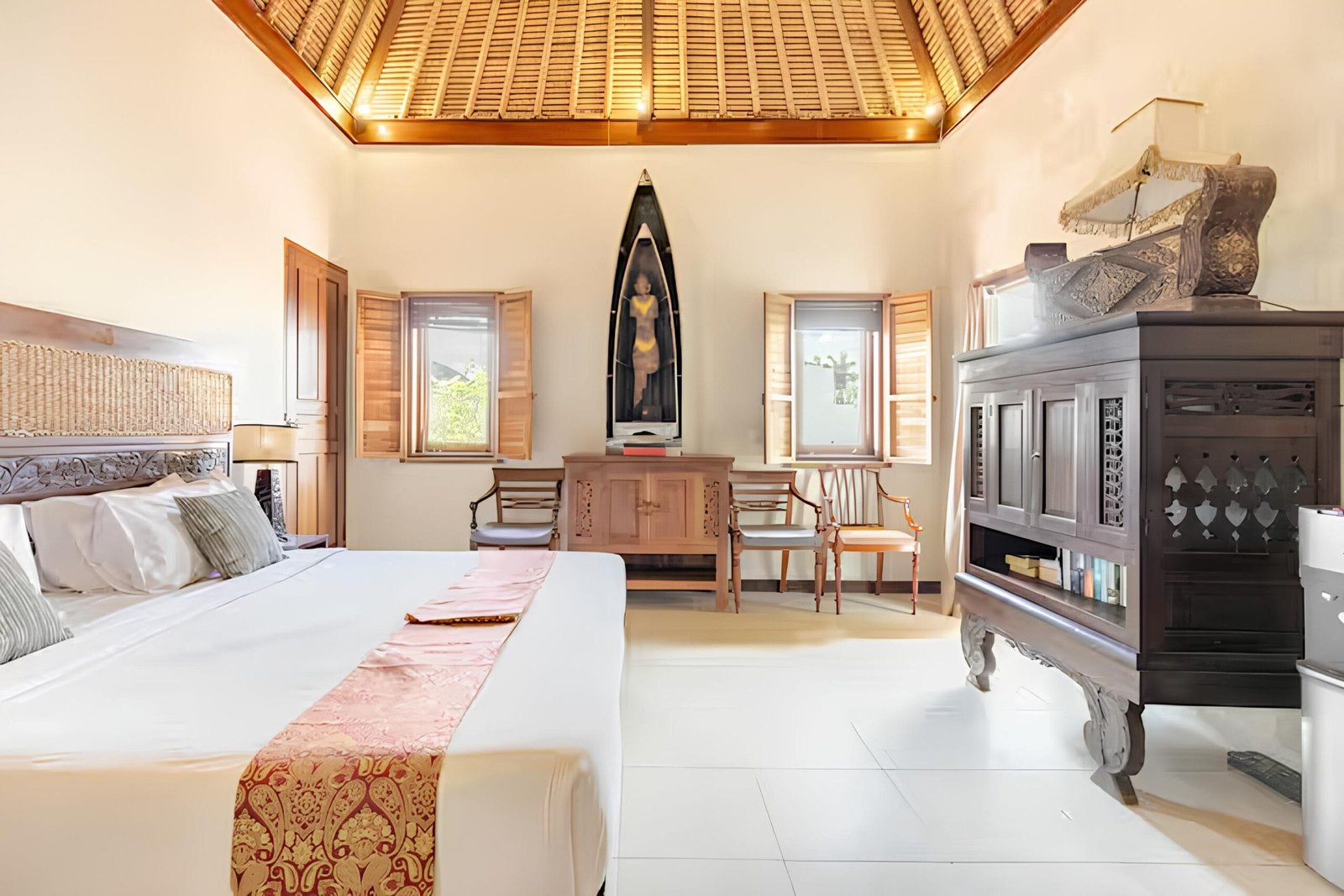
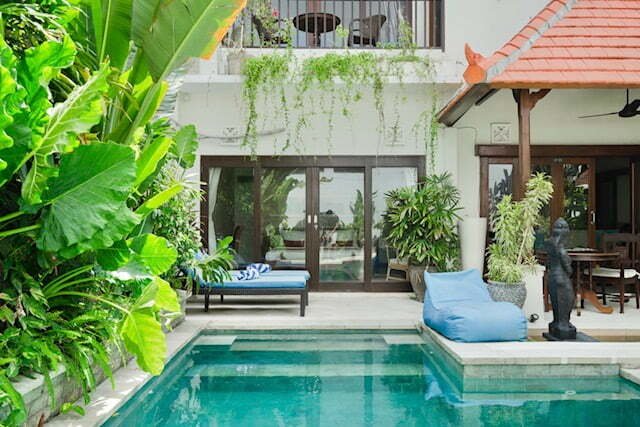

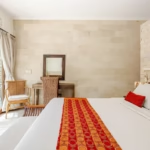
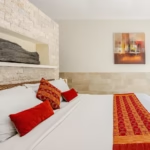
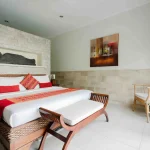




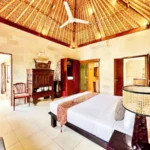

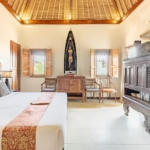

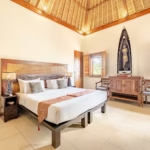
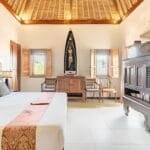

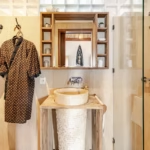
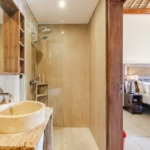
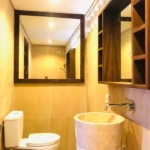
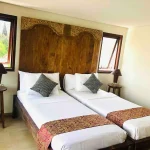
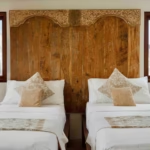


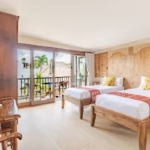
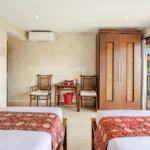
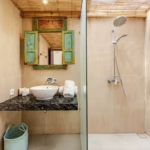
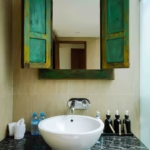
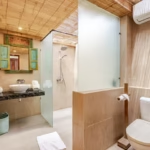
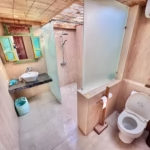
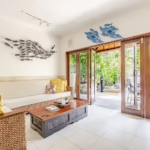
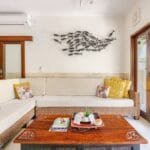
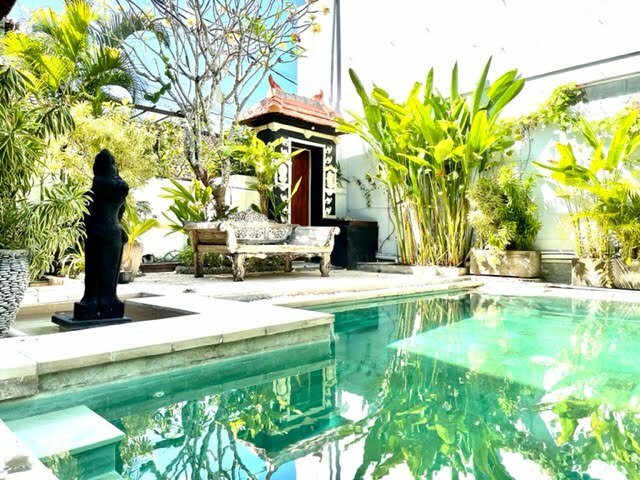
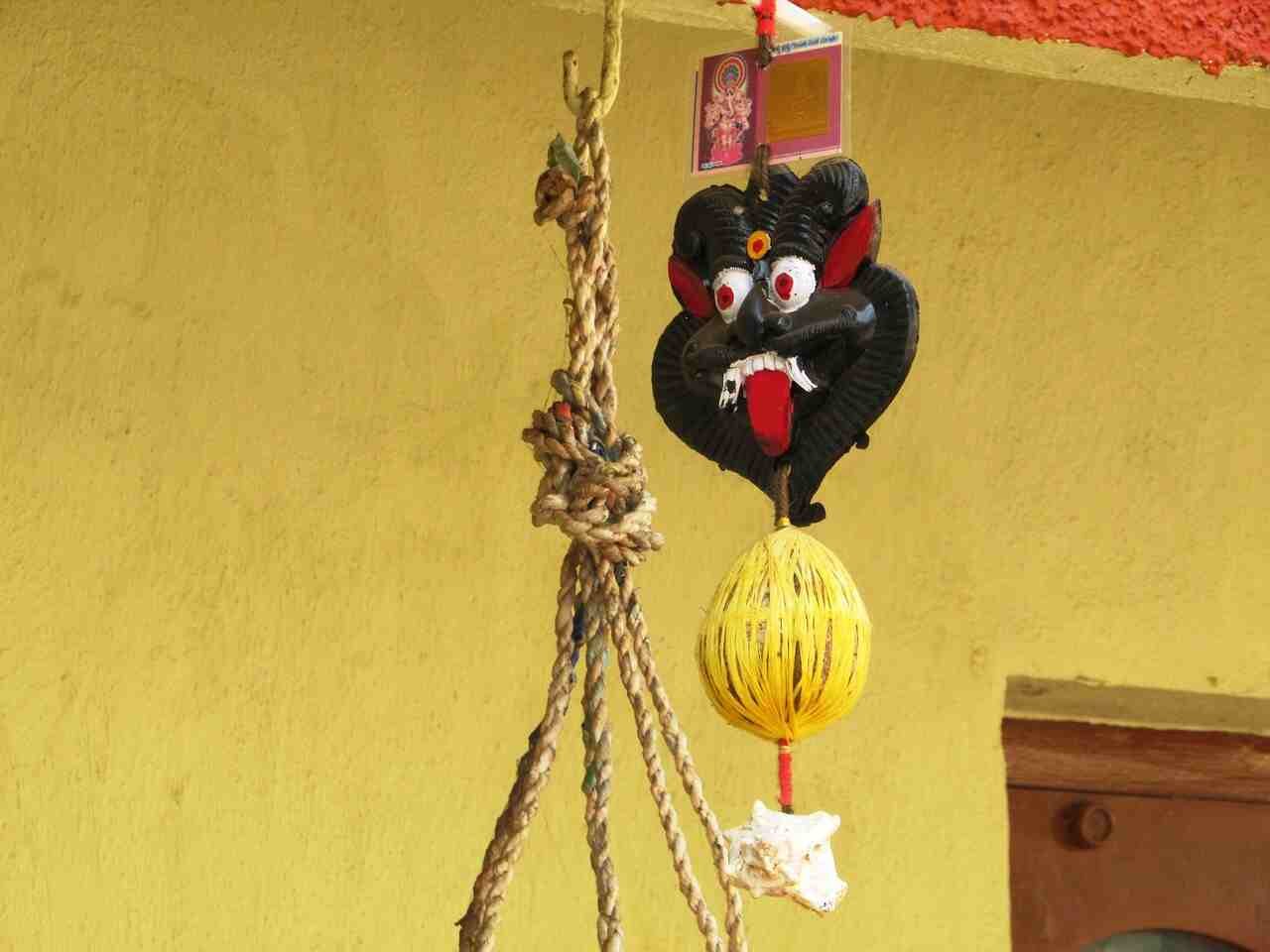



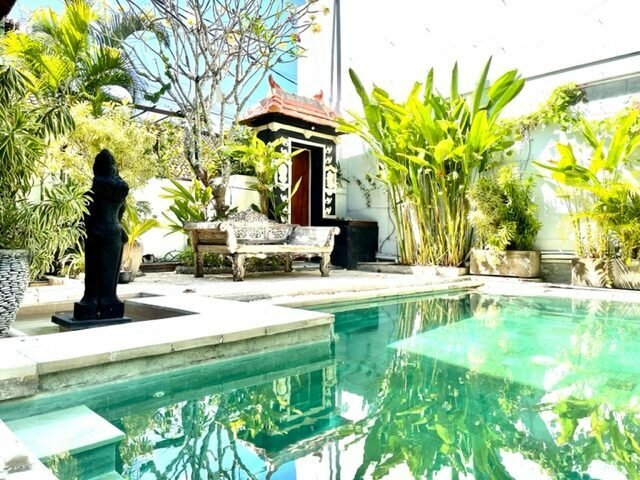



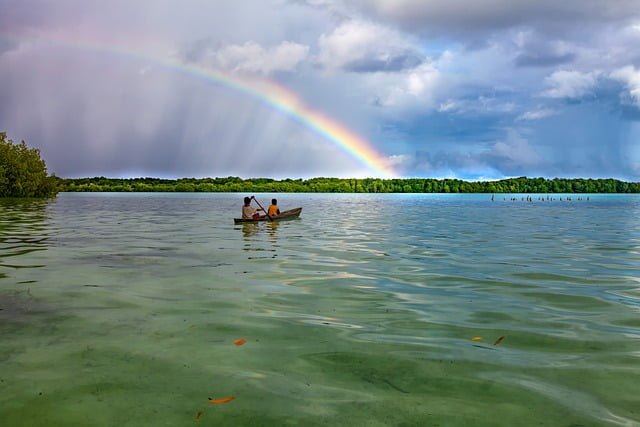


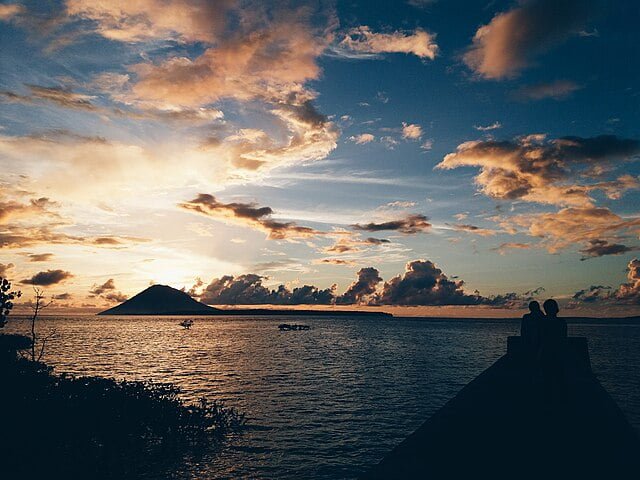




.jpg)