Exploring the Cultural Significance of Important Days and Events in Bali
Bali is one of Indonesia’s most culturally distinctive islands, known for its living traditions, temple ceremonies, art, music, and community rituals. Important days and events in Bali are not just holiday markers. They are expressions of Balinese identity, spirituality, and social life.
The Balinese use two traditional calendars. The Pawukon calendar runs on a 210-day cycle and shapes many temple anniversaries and ritual days. The Saka calendar, inherited from Indian tradition, follows lunar cycles and determines key observances such as Nyepi, the Balinese Day of Silence.
For travelers, these ceremonies offer a rare opportunity to experience Bali beyond beaches and resorts. For residents, they are an essential part of daily life, family duty, and village continuity.
Bali’s most important ceremonial days are not museum traditions. They are living events that continue to structure village life, temple worship, processions, offerings, and family gatherings across the island.
Main calendar systems
Pawukon (210-day cycle) and Saka (lunar calendar)
Most famous observance
Nyepi, Bali’s Day of Silence
Best visitor mindset
Observe respectfully, dress appropriately, and follow local guidance
Why Important Days in Bali Matter
Bali is a culturally rich destination where religious and ceremonial life remains highly visible. Visitors can witness temple anniversaries, processions, purification rites, offerings, and major annual observances that reflect the island’s spiritual worldview.
Many events are open to respectful observation, but exact dates can vary depending on the temple, village, and calendar interpretation. This is especially true for Odalan, since each temple has its own anniversary in the Pawukon cycle.
Important Days in Bali: The Main Ceremonies and Festivals
Odalan
Odalan is the temple anniversary ceremony. It takes place every 210 days according to the Pawukon calendar. Each temple has its own Odalan date, so ceremonies happen throughout the year across Bali.
Galungan and Kuningan
These ceremonies celebrate the triumph of good over evil and the return of ancestral spirits. Penjor bamboo poles line the roads, homes prepare offerings, and temple visits intensify.
Saraswati and Pagerwesi
Saraswati honors knowledge, literature, and learning. Pagerwesi follows shortly after and emphasizes spiritual protection and the safeguarding of wisdom.
Melasti, Nyepi, and Ngembak Geni
These three observances form a powerful sequence of purification, silence, and renewal, culminating in Bali’s most famous annual spiritual day.
Odalan: Temple Anniversary Ceremonies in Bali
Odalan is a traditional Balinese Hindu ceremony held to celebrate the anniversary of a temple’s foundation or purification. Because Bali has thousands of temples, Odalan ceremonies are frequent and spread across the island all year long.
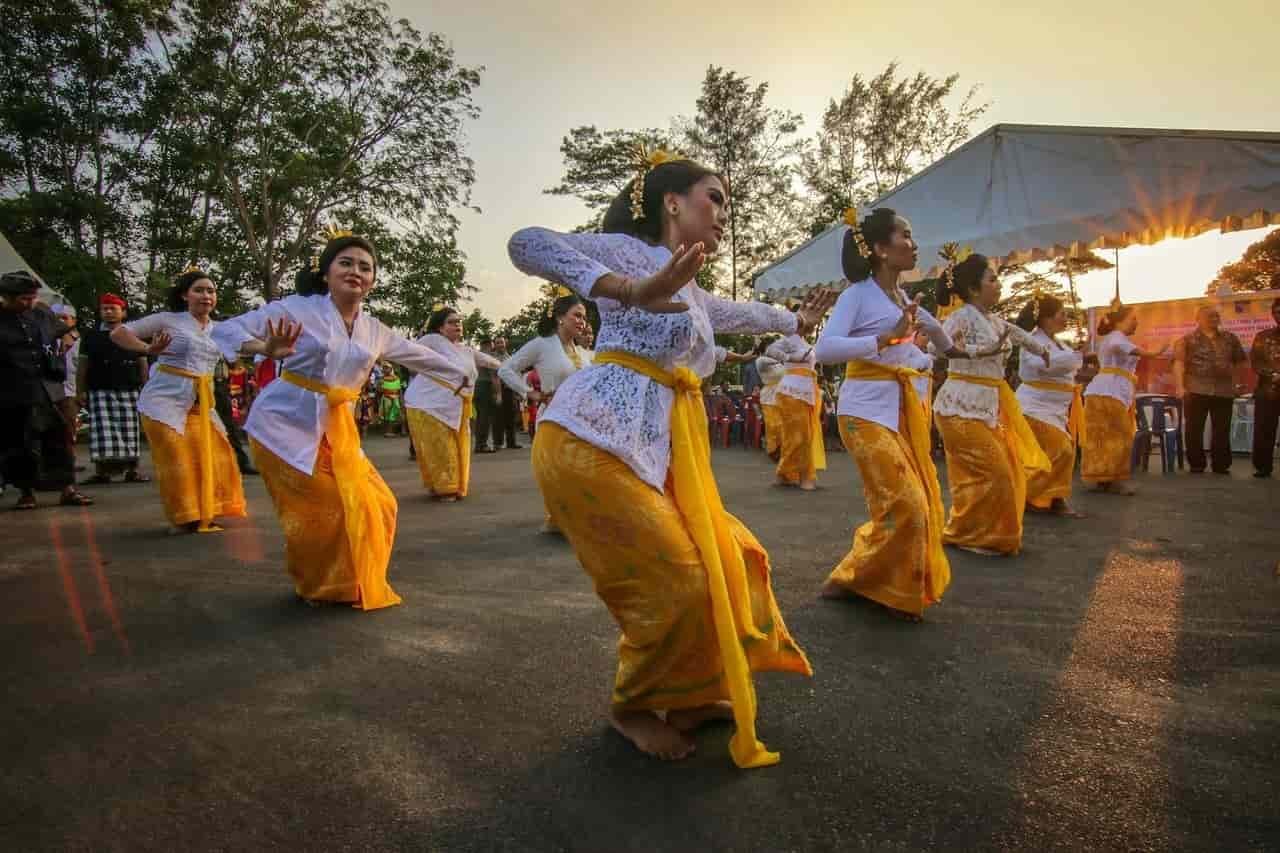
During Odalan, villagers wear traditional dress, bring offerings, gather in prayer, and decorate temples with flowers, cloth, and ceremonial ornaments. Holy water is sprinkled on worshippers, and blessed rice may be placed on the forehead and throat as part of the ritual.
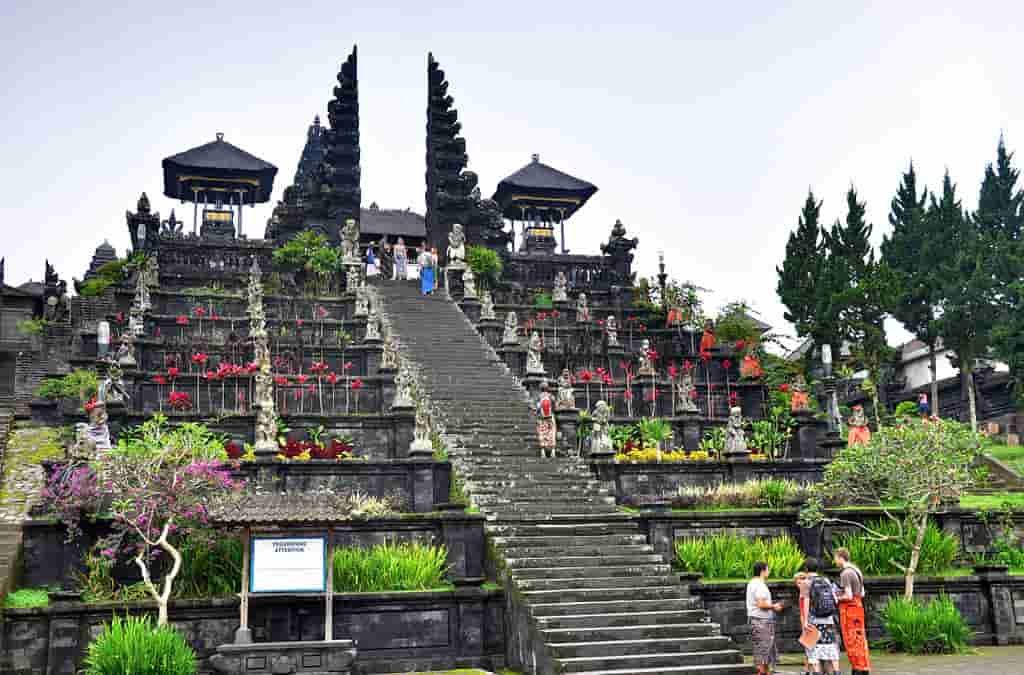
Rather than publishing old fixed date lists that may now be inaccurate, it is better to confirm a specific temple’s Odalan locally, especially if you want to visit major sites such as Tanah Lot, Besakih, or Ulun Danu Bratan.
Galungan celebrates the victory of Dharma over Adharma, or good over evil. During this period, Balinese families prepare offerings, pray together, and welcome ancestral spirits.
Kuningan takes place ten days after Galungan and marks the closing of this sacred period. Bali’s roads are often lined with decorated penjor, tall bamboo poles that can rise several meters high. In many areas these arches reach roughly 5 to 10 m, or about 16.4 to 32.8 ft, depending on the household and local style.
Galungan
A major ceremony of renewal, family gathering, and temple devotion.
Kuningan
The conclusion of the Galungan cycle, associated with purification and the departure of ancestral spirits.
Updated 2026 dates:
Galungan: Wednesday, 17 June 2026
Kuningan: Saturday, 27 June 2026
Saraswati
Saraswati is dedicated to the goddess of knowledge, learning, literature, music, and art. Books and sacred texts are honored, students pray at school temples, and holy water is used in blessings.
This day is particularly meaningful for children, teachers, artists, and scholars. It highlights one of the most beautiful dimensions of Balinese Hinduism: the reverence for knowledge as a sacred force.
Updated 2026 date:
Saraswati: Saturday, 4 April 2026
Tumpek Ceremonies
Tumpek refers to a recurring series of Balinese Hindu holy days in the 210-day Pawukon cycle. Different Tumpek observances honor different parts of life, including animals, trees, metal tools, puppets, music, and ritual objects.
Tumpek Landep: homage to metal objects and tools
Tumpek Kandang: blessings for animals
Tumpek Wayang: linked to puppets and shadow traditions
Tumpek Uduh: blessings for plants and harvests
Tumpek Krulut: dedicated to music, art, and feeling
Because Tumpek dates follow the Pawukon cycle, they recur more often than annual Gregorian holidays and are best checked against a current Balinese calendar for the exact observance you want to follow.
Pagerwesi means “iron fence” or “iron barrier.” It symbolizes spiritual strength, protection, and the safeguarding of knowledge. The day comes shortly after Saraswati, which is why the two are often discussed together.
On Pagerwesi, offerings and prayers are directed toward protecting humanity from harmful influences. Families may pray in home shrines, village temples, or larger public temples.
Updated 2026 dates:
Wednesday, 8 April 2026
Wednesday, 4 November 2026
Melasti
Melasti is the great purification ritual held before Nyepi. Sacred objects from temples are carried in procession to the sea, lakes, or springs for cleansing and blessing. For many visitors, this is one of Bali’s most visually moving ceremonies.
During Melasti, processions can extend for several kilometers, which may be roughly 1.2 to 3.1 mi if the procession route is about 2 to 5 km. Traditional white ceremonial clothing is commonly worn as a symbol of purity.
If you are in Bali during Melasti, beaches and water temples are often the best places to respectfully observe the processions.
Updated 2026 date:
Melasti: Wednesday, 18 March 2026
Nyepi: Bali’s Day of Silence
Nyepi is the Balinese Hindu New Year and one of the most extraordinary public observances in the world. On Nyepi, Bali falls silent for 24 hours. Roads empty, the airport closes, most activity stops, and residents remain indoors.
The evening before Nyepi, villages hold noisy ogoh-ogoh parades featuring giant demon effigies. These figures are often several meters tall and can easily exceed 2 to 4 m, or about 6.6 to 13.1 ft, depending on the local community’s construction.
Nyepi itself is devoted to silence, reflection, self-restraint, and spiritual reset. For travelers, it requires planning, but it can also become one of the most memorable experiences in Bali.
Updated upcoming Nyepi dates:
2026: Thursday, 19 March 2026
2027: Monday, 8 March 2027
2028: Sunday, 26 March 2028
2029: Thursday, 15 March 2029
2030: Tuesday, 5 March 2030
Ngembak Geni
Ngembak Geni takes place the day after Nyepi and marks the return to normal social life. It is associated with forgiveness, reconciliation, family visits, and starting anew after the day of silence.
It is not another silent day. Instead, it is a day of reconnection, visits, and renewed social harmony.
Updated 2026 date:
Ngembak Geni: Friday, 20 March 2026
Omed-Omedan Festival
Omed-Omedan is a unique post-Nyepi tradition associated with Sesetan in Denpasar. Often described in tourism media as a kissing or pull-and-push festival, it is fundamentally a community ritual connected with youth participation, social bonding, and local heritage.
It takes place after Nyepi and has become one of Bali’s most distinctive urban cultural events. If you plan to attend, expect crowds and follow local instructions closely.
Updated 2026 date:
Omed-Omedan: Friday, 20 March 2026
August 17: Indonesian Independence Day
Bali also celebrates Indonesia’s Independence Day every year on 17 August. Although it is a national rather than specifically Balinese religious holiday, it is widely observed with flags, ceremonies, school events, and patriotic decorations.
This celebration offers visitors another way to see how local identity and national identity coexist in Bali.
Nyepi is one of the most important and distinctive observances in Bali, but Galungan, Kuningan, Melasti, Saraswati, and major temple Odalan ceremonies are also highly significant.
Do ceremony dates in Bali change every year?
Yes. Many dates are determined by the Pawukon or Saka calendars, so they do not align consistently with the Gregorian calendar.
Can tourists watch ceremonies in Bali?
Often yes, but respectfully. Dress modestly, do not block processions, ask before entering sacred areas, and follow local instructions.
Why is Odalan harder to date than Nyepi?
Because every temple has its own anniversary. Odalan is temple-specific, while Nyepi is island-wide.
Have You Booked Your Villa in Seminyak Center?
After discovering Bali’s ceremonies, temple culture, and annual festivals, stay in a peaceful private villa in Seminyak with quick access to beaches, restaurants, and the island’s cultural attractions.
Learn more about Villa Carissa
Discover the private villa, enclosed garden, and swimming pool in the heart of Seminyak.
Bali has a rich cultural and artistic heritage, and its museums offer visitors a unique opportunity to learn about the island’s history, traditions, and contemporary art scene. From traditional Balinese art forms to modern and contemporary art, the museums in Bali showcase a diverse range of exhibits that appeal to a broad audience.
Many of the museums in Bali are located in beautiful settings, with stunning views of Bali’s lush landscape and traditional architecture. The museums also offer a range of events and workshops, such as artist talks, musical performances, and traditional Balinese dance and music classes.
While some of the museums in Bali may have limited space or outdated exhibits, the overall quality of the museums is quite good, and they are generally well-maintained and organized. The museums also provide visitors with an opportunity to support the local arts and culture scene by purchasing artwork or participating in cultural events.
Overall, if you are interested in art, culture, and history, the museums in Bali are definitely worth a visit. They offer a unique and engaging perspective on Bali’s rich heritage and contemporary art scene.
There are several interesting museums in Bali. Here are some examples:
The Agung Rai Museum (ARMA) – Ubud
This museum has a large collection of traditional and contemporary Balinese art, including paintings, sculptures, textiles and ritual objects.
The museum was founded by Agung Rai, a Balinese art collector and philanthropist, in order to preserve and promote traditional Balinese art and culture.
The museum is home to a large collection of Balinese and Indonesian art, including traditional paintings, sculptures, and textiles, as well as contemporary works by local and international artists. The museum is housed in several buildings, each showcasing a different aspect of Balinese culture and art.
Pintu masuk Museum Seni Agung Rai (ARMA) Ubud, Bali, Indonesia. Harditaher, CC BY-SA 4.0, via Wikimedia Commons
One of the highlights of the museum is the Wayang Museum, which features an extensive collection of wayang kulit, or shadow puppets. The museum also includes a traditional Balinese house, or joglo, which has been restored and furnished with antique Balinese furniture.
The Agung Rai Museum also hosts a range of cultural events and activities, such as Balinese dance performances, gamelan music concerts, and traditional puppet shows. The museum also offers a range of educational programs, including art classes, workshops, and lectures, allowing visitors to learn more about Balinese art and culture.
The front room of the Agung Rai Museum of Art. Harditaher, CC BY-SA 4.0, via Wikimedia Commons
What is wayang?
Wayang is a traditional form of puppet theatre that originated in Indonesia and is most commonly associated with the island of Java. The term “wayang” refers to both the puppets themselves and the performance art of puppetry.
Wayang puppets are typically made of wood, although some may be made of leather or other materials. The puppets are intricately carved and painted, with movable arms, legs, and heads. Each puppet represents a different character, with distinct personalities and characteristics.
Wayang performances typically tell stories from ancient Javanese epics, such as the Ramayana and Mahabharata. The puppeteer, known as a dalang, sits behind a screen and manipulates the puppets while simultaneously narrating the story and providing voices for the different characters. The dalang is often accompanied by a gamelan orchestra, which provides musical accompaniment to the performance.
Wayang is a highly respected and revered art form in Indonesia, and is considered an important part of the country’s cultural heritage. In addition to its artistic and cultural significance, wayang has also played a role in education and moral instruction, as many stories feature moral lessons and teachings.
Today, wayang continues to be performed throughout Indonesia and has also gained international recognition as a unique and fascinating form of puppet theatre.
The museum is open daily from 9 am to 6 pm, with guided tours available for groups. Admission fees apply, with discounts available for students and children.
Overall, the Agung Rai Museum (ARMA) is a fantastic destination for anyone interested in Balinese art and culture. The museum provides a comprehensive and engaging perspective on Balinese art and culture, with a range of exhibits, events, and educational programs to suit all interests.
Address: Jl. Raya Pengosekan Ubud, Bali, 80571, Indonesia.
The Puri Lukisan Museum, the Painting Museum of Ubud
This museum is one of Bali’s oldest art museums and features a large collection of modern and traditional Balinese artwork. This Balinese art museum has a collection of traditional and modern paintings, sculptures and artwork.
The Burning of Lontar by I Gusti Ketut Kobot, 1958, Museum Puri Paintings. Pinerineks, CC BY-SA 4.0, via Wikimedia Commons
The museum was founded in 1954 by Tjokorda Gede Agung Sukawati, the prince of Ubud, with the aim of preserving and promoting traditional Balinese art and culture.
The museum’s collection consists of traditional Balinese paintings, sculptures, and textiles, as well as contemporary works by local and international artists. The collection is divided into several galleries, each showcasing a different aspect of Balinese art and culture.
One of the highlights of the museum is its collection of works by the Ubud School of Painting, a group of Balinese artists who gained international recognition in the 1930s and 1940s. The museum also features works by other notable Balinese artists, including I Gusti Nyoman Lempad, Ida Bagus Made, and Anak Agung Gede Sobrat.
The Puri Lukisan Museum is housed in a series of traditional Balinese-style buildings, with high-pitched thatched roofs and intricately carved wooden doors and windows. The museum is surrounded by lush gardens and offers stunning views of the surrounding rice paddies and tropical forest.
In addition to its permanent collection, the Puri Lukisan Museum also hosts temporary exhibitions, workshops, and cultural events. The museum offers guided tours and educational programs, allowing visitors to learn more about Balinese art and culture.
Ogoh-ogoh statues (demonic figures) in front of the Puri Lukisan Museum in Ubud. MagdaLena7, CC BY-SA 4.0, via Wikimedia Commons
History
This Museum of Fine Arts was erected in 1956 thanks to the alliance of two important figures: Cokorda Raka Sukawati, Prince of Ubud from 1910 to 1978 and the Dutch painter Rudolf Bonnet. This is the oldest art museum in Bali which specializes in Balinese paintings and sculptures. At the origin of this museum, the fear of seeing Balinese art disappear throughout the world, without keeping any trace of it within it: Ubud Bali. Indeed, Balinese art becoming world famous, paintings and sculptures began to leave for foreign countries or other Indonesian regions.
The famous Dutch painter thought that at this rate, works of art would disappear forever, scattered around the world. For this reason, in 1936, together with the prince, they created a foundation called Pita Maha. Little by little, a second foundation was born in 1953, then the first stone of the museum was laid in 1954. Prince Cokorda Raka Sukawati became the director of the museum and Rudolf Bonnet, its curator.
To supply the museum, Rudolf Bonnet began by depositing the works of art in his possession there. Subsequently, other artists donated their paintings to give this museum all the grandeur it deserved. In total, three pavilions make up this exceptional Museum of Painting.
Address: Jl. Raya Ubud, Ubud, Gianyar, Bali 80571, Indonesia.
The museum is located on the main street of Ubud, 300m (984ft or 0.18 mile) from Ubud Palace and Ubud Market at the intersection of Monkey Forest Road.
Open daily from 9:00 a.m. to 5:00 p.m., with admission fees applying. Discounts are available for students and groups. Overall, the museum is a must-visit destination for anyone interested in Balinese art and culture, providing a comprehensive and engaging perspective on the island’s rich artistic heritage.
The Neka Museum – Ubud
This museum houses a large collection of traditional and contemporary Balinese art, as well as works by foreign artists who have worked in Bali.
It was founded by Suteja Neka, a Balinese art collector, in 1982 with the aim of preserving and promoting traditional Balinese art.
The museum’s collection includes a wide range of Balinese art, including traditional paintings, sculptures, and textiles, as well as contemporary works by local and international artists. The museum’s collection is divided into several galleries, each focusing on a different aspect of Balinese art and culture.
One of the highlights of the museum is its collection of works by renowned Balinese artist I Gusti Nyoman Lempad. The museum also features a large collection of works by other notable Balinese artists, including Ida Bagus Made, Ida Bagus Tilem, and Ida Bagus Nyoman Rai.
The Neka Museum is housed in a traditional Balinese-style building, with a series of high-pitched roofs and intricate carvings on the walls and doors. The museum is surrounded by lush gardens and offers stunning views of the surrounding rice paddies.
The Death of Abhimanyu (Abhimanyu Gugur), a painting at the Neka Art Museum in Ubud, Bali. Late 19th century; mineral pigments, indigo, and ink on bark cloth; 100 x 106 cm. Anonymous. Kamasan, Klungkung, Bali. Mx. Granger, Public domain, via Wikimedia Commons
In addition to its permanent collection, the Neka Museum also hosts a range of temporary exhibitions, workshops, and cultural events. The museum offers guided tours and educational programs, allowing visitors to learn more about Balinese art and culture.
The Neka Museum is open daily from 9 am to 5 pm, with admission fees applying. Discounts are available for students and groups. Overall, the Neka Museum is a must-visit destination for anyone interested in Balinese art and culture, providing a comprehensive and engaging perspective on the island’s rich artistic heritage.
Address: Jl. Raya Sanggingan, Kedewatan, Ubud, Gianyar, Bali 80571, Indonesia.
Open daily from 9:00 a.m. to 5:00 p.m.
Blanco Renaissance Museum – Ubud
This museum is dedicated to the life and work of the painter Antonio Blanco, who lived in Bali for several decades. It houses Blanco’s paintings, drawings, sculptures and personal items.
It was founded by the Philippine-born artist Antonio Blanco, who lived and worked in Bali for over 40 years until his death in 1999. The museum showcases a collection of his works, as well as the works of his son, Mario Blanco.
The museum is housed in a stunning building, with Balinese architecture and lush gardens. It is divided into several galleries, each displaying a different period of Blanco’s art. The galleries are adorned with his paintings, drawings, and sculptures, showcasing his distinctive style, which blends Western and Balinese artistic traditions.
The Blanco Renaissance Museum also features a studio and workshop, where visitors can watch artists at work and even try their hand at painting or drawing. The museum offers a range of art classes and workshops, allowing visitors to explore their own creativity and learn more about Balinese art and culture.
In addition to the permanent collection, the museum also hosts regular temporary exhibitions, featuring the works of other artists, both local and international.
Antonio Blanco Museum, Ubud, Bali, Indonesia. Taguelmoust, CC BY-SA 3.0, via Wikimedia Commons
The museum is open daily from 9 am to 5 pm, with guided tours available for groups. Admission fees apply, with discounts available for students and children.
Overall, the Blanco Renaissance Museum is a must-visit destination for art lovers and those interested in Balinese art and culture. The museum provides a unique and engaging perspective on the life and works of Antonio Blanco and his legacy in Bali’s art scene.
Address: Jl. Raya Penestanan, Sayan, Ubud, Gianyar, Bali 80571, Indonesia.
Open daily from 9:00 a.m. to 5:00 p.m. The museum houses a collection of paintings, sculptures and works of art by the Spanish painter Antonio Blanco.
Rudana Museum – Ubud
The Rudana Museum & Rudana Fine Art Gallery is a museum of contemporary Indonesian art located in the village of Peliatan in Ubud, Bali. The museum was founded in 1995 by Nyoman Rudana, a Balinese art collector and entrepreneur, and features a collection of modern and contemporary Indonesian art.
The museum’s collection includes works by some of Indonesia’s most well-known artists, such as Affandi, S. Sudjojono, and Raden Saleh. The exhibits include paintings, sculptures, and mixed-media installations, as well as traditional Balinese art forms such as Wayang Kulit (shadow puppetry) and Batuan-style paintings. The museum has a strong focus on showcasing the diversity and richness of Indonesian art and culture.
The museum’s building is a beautiful example of traditional Balinese architecture, with open-air pavilions and courtyards featuring intricate carvings and sculptures. The museum’s location on a hillside also provides visitors with stunning views of the surrounding rice paddies and tropical landscape.
In addition to its exhibits, the Rudana Museum also hosts regular events and workshops, such as artist talks, musical performances, and art classes. Visitors can also enjoy a meal or refreshment at the museum’s on-site restaurant and cafe.
The Rudana Museum is open every day from 9 am to 5 pm, and admission fees apply. Discounts are available for children and groups. Overall, the museum is a must-visit destination for anyone interested in contemporary Indonesian painting art and culture.
Address: Jl. Cok Rai Pudak No. 44, Peliatan, Ubud, Bali, Indonesia. It is situated about 2 km east of the central Ubud area and can be easily accessed by car or motorbike.
Open every day from 10 am to 4 pm.
There are several museums in Bali outside of Ubud, here are some examples
Le Mayeur Museum in Sanur
This museum is dedicated to the Belgian artist Adrien-Jean Le Mayeur de Merprès, who lived in Bali for more than 25 years and produced many works inspired by the island. The museum is housed in the former residence of Le Mayeur, who lived in Bali from 1932 until his death in 1958.
The museum displays a collection of Le Mayeur’s paintings, which are known for their vibrant colors and depiction of Balinese daily life. Many of the paintings feature Balinese women, whom Le Mayeur considered his muse, and showcase their traditional costumes, dances, and ceremonies. The museum also features some of Le Mayeur’s personal belongings, including furniture, photographs, and art materials.
The building itself is a beautiful example of traditional Balinese architecture, with an open-air layout and intricate carvings on the walls and ceilings. The museum is surrounded by a lush tropical garden, which provides a peaceful and serene atmosphere for visitors.
In addition to its collection, the Le Mayeur Museum also hosts temporary exhibitions and cultural events, such as traditional dance performances and music concerts. The museum’s location in Sanur, a popular beach resort town, also makes it a great destination for tourists looking to experience both Balinese culture and natural beauty.
The museum is open every day from 8 am to 4 pm, except on Sundays and public holidays. Admission fees apply, with discounts available for students and groups. Overall, the Le Mayeur Museum is a must-visit for art enthusiasts and anyone interested in learning about Balinese culture and history.
Address: Jl. Hang Tuah, Sanur, Denpasar Sel., Kota Denpasar, Bali 80227, Indonesia.
Open daily from 8:00 a.m. to 4:00 p.m. Except on Sundays and public holidays
Pasifika Museum in Nusa Dua
This contemporary art museum houses an impressive collection of Asian and Oceanian artwork, with a strong presence of Balinese art.
The museum is dedicated to the art and culture of the Pacific region, featuring a collection of traditional and contemporary art from various countries in the Pacific.
The museum’s collection includes artworks from Indonesia, the Philippines, Papua New Guinea, Fiji, Vanuatu, and other Pacific islands. Visitors can explore the exhibits which showcase a diverse range of art styles, including paintings, sculptures, textiles, and mixed media works. The museum also features interactive displays and multimedia installations, providing a unique and engaging experience for visitors.
One of the highlights of the Pasifika Museum is its collection of works by Balinese artist Nyoman Gunarsa. Gunarsa is known for his colorful and expressive paintings that depict traditional Balinese scenes and mythology. The museum also has a collection of works by other prominent Indonesian artists, including Affandi and Raden Saleh.
The Pasifika Museum is housed in a beautiful building that features traditional Balinese architecture with a modern touch. The museum is surrounded by lush tropical gardens, providing a tranquil and peaceful atmosphere for visitors.
Museum Pasifika, Nusa Dua, Bali, Indonesia. Lasthib, CC BY-SA 4.0, via Wikimedia Commons
In addition to its collection, the museum also offers cultural workshops, art classes, and guided tours. The museum’s location in Nusa Dua, a popular tourist destination, makes it an ideal destination for those looking to experience both Balinese culture and art from the wider Pacific region.
The museum is open every day from 10 am to 6 pm, and admission fees apply. Discounts are available for children, students, and groups. Overall, the Pasifika Museum is a fascinating attraction for art enthusiasts and anyone interested in the rich culture and history of the Pacific region.
Address: Complex Bali Tourism Development Corporation (BTDC), Nusa Dua, Benoa, South Kuta, Badung Regency, Bali 80363
Open daily from 10 a.m. to 6 p.m.
Bali Museum, Denpasar Historical Museum
This museum showcases the history of Bali from prehistoric times to the present day, with exhibits on the island’s art, culture and traditions.
The Denpasar Historical Museum, also known as the Bali Museum, is a museum located in the capital city of Denpasar, Bali, Indonesia. The museum was founded in 1932 and is dedicated to preserving and showcasing the cultural and historical heritage of Bali.
The museum’s collection includes a wide range of objects, such as traditional clothing, ceremonial objects, musical instruments, and paintings. The exhibits are accompanied by detailed explanations of the cultural and historical significance of each object.
In addition to its exhibits, the museum also hosts regular cultural events, such as Balinese dance performances and traditional music concerts. The museum’s location in the heart of Denpasar also makes it a convenient stop for those exploring the city.
The human penis in the Bali museum in Denpasar in Bali. Rudolph.A.furtado, CC0, via Wikimedia Commons
The museum’s exhibits are spread across four buildings, each representing a different period of Balinese history. The first building focuses on prehistoric Bali, featuring artifacts such as stone tools and pottery. The second building covers the Hindu-Javanese period, with displays of statues, carvings, and textiles from the 8th to 16th century. The third building covers the Dutch colonial period, with exhibits on colonial life and the Balinese resistance. Finally, the fourth building covers the post-colonial era and Bali’s modern history.
The museum was built in 1931 by architect P.J. Moojen, near the location of the former royal palace of Denpasar, which had been burnt to the ground during the Dutch intervention in Bali (1906), and used it as a model for its outside walls and courtyards.
The building is constructed from carved teak wood, with a series of high-pitched roofs and intricate carvings on the walls and doors. The museum is divided into several pavilions, each showcasing different aspects of Balinese art and culture.
Main pavilion
The main pavilion of the Bali Museum is known as the “Tabanan Pavilion,” and it features a collection of prehistoric and historical artifacts from the island of Bali, including pottery, tools, and weapons. The pavilion also includes a replica of a traditional Balinese village, showcasing the daily life and customs of the Balinese people.
Another pavilion of the museum, the “Gianyar Pavilion,” is dedicated to Balinese art, including traditional paintings, sculptures, and textiles. The pavilion showcases the evolution of Balinese art from ancient times to the present day.
The Bali Museum also includes a special pavilion dedicated to Balinese masks and puppets, known as the “Klungkung Pavilion.” The pavilion features an extensive collection of masks and puppets, which are an important part of Balinese theater and performance.
Bali Museum, inside courtyards and gates, seen from the belvedere. PHGCOM, CC BY-SA 3.0, via Wikimedia Commons
The Denpasar Historical Museum is open every day except on major holidays, from 8 am to 3 pm. Admission fees apply, with discounts available for children and groups. Overall, the museum is a must-visit destination for anyone interested in Balinese culture and history.
Address: Denpasar Historical Museum: Jl. Mayor Wisnu No.1, Bali, 80232, Indonesia.
Open Tuesday to Thursday from 8:00 a.m. to 3:00 p.m. and Friday from 8:00 a.m. to 1:00 p.m.
Mask and Puppet Museum (Setia Darma House) in Gianyar (20 minutes from Ubud)
The Mask and Puppet Museum, also known as Setia Darma House, is a museum located in the Gianyar regency of Bali, Indonesia. The museum is home to a large collection of masks and puppets from Indonesia and other parts of the world.
The museum was established in 2006 by Mr. Hadi Sunyoto, a collector of traditional Indonesian masks and puppets. The museum is set in a beautiful garden, and visitors can stroll through the grounds and admire the traditional Balinese architecture. The collection includes over 1,300 masks and over 4,500 puppets from Indonesia and other parts of the world.
The museum is divided into different sections, each dedicated to a specific type of mask or puppet. For example, there is a section for wayang kulit (shadow puppets), a section for topeng (masks used in dance dramas), and a section for masks used in traditional Balinese ceremonies. Visitors can also see traditional puppets and masks from other parts of Indonesia and other countries, such as India and China.
In addition to the museum’s collection, Setia Darma House also hosts workshops and performances, where visitors can learn about traditional puppet and mask making techniques or watch performances by local artists. The museum also has a café and a gift shop where visitors can purchase traditional Balinese crafts and souvenirs.
Collections
The museum’s collection includes over 1,300 masks and over 4,500 puppets, representing various types and styles of Indonesian and Balinese masks and puppets. Some of the types of masks and puppets on display at the museum include:
Wayang kulit (shadow puppets)
Wayang golek (rod puppets)
Topeng (masks used in dance dramas)
Barong and Rangda masks (used in traditional Balinese ceremonies)
Janger masks (used in the Janger dance)
Chinese and Indian masks and puppets
The museum is located in a beautiful garden setting, featuring traditional Balinese architecture. Visitors can wander through the museum’s grounds, admiring the exhibits and taking in the peaceful atmosphere. The museum is also known for hosting performances and workshops, where visitors can learn about traditional mask and puppet making techniques or watch performances by local artists.
In addition to the museum’s collection, Setia Darma House also has a café and a gift shop where visitors can purchase traditional Balinese crafts and souvenirs.
Overall, the Mask and Puppet Museum in Gianyar is a must-visit destination for anyone interested in traditional Indonesian culture and art, and is a great way to learn about the rich history and traditions of Balinese puppetry and mask making.
Address: Jl. Setia Budi No. 8, Gianyar, Bali 80511, Indonesia.
Open daily from 8:00 a.m. to 4:00 p.m.
Subak Museum in Tabanan
Subak is a traditional Balinese irrigation system that has been in use for over a thousand years, providing a reliable and sustainable water supply to rice paddies and other crops.
Subak museum is dedicated to the traditional Balinese irrigation system known as subak. The museum is located in a traditional Balinese house with a beautiful garden.
The subak irrigation system is an ancient system that was developed by the Balinese farmers to ensure a sustainable and efficient use of water for irrigation. The system consists of a series of canals, weirs, and tunnels that distribute water from the rivers to the rice fields. This system has been in use for over a thousand years and is still in use today.
Jatiluwih Rice Terraces with Subak irrigation system. Imacim, CC BY-SA 4.0, via Wikimedia Commons
This ingenious system is based on the principles of collaboration, conservation, and culture, and is managed by local farmers through a complex network of canals, tunnels, and water temples. Subak not only supports Bali’s agriculture but also represents an essential part of the island’s cultural heritage and identity.
Avis Questions et réponses Contrôle des avis Avant publication, chaque avis passe par notre système de suivi automatisé afin de contrôler s’il correspond à nos critères de publication. Si le système détecte un problème avec un avis, celui-ci est manuellement examiné par notre équipe de spécialistes de contenu, qui contrôle également tous les avis qui nous sont signalés après publication par notre communauté.
Displays
The Subak Museum displays a collection of traditional tools and equipment used in the subak irrigation system, including bamboo pipes, wooden water wheels, and traditional farming tools. The museum also has a collection of paintings, photographs, and models that illustrate the history and development of the subak irrigation system.
In addition to its collection, the museum also provides information on the culture and traditions of the Balinese people. Visitors can learn about the role of the subak system in Balinese society and the importance of water management for the sustainability of the island’s agriculture.
Overall, the Subak Museum is an interesting and informative attraction for those interested in learning about Balinese culture, history, and agriculture. It is open every day from 9 am to 5 pm, and admission is free.
Address: Jl. Kediri, Belalang, Kediri, Tabanan Regency, Bali 82121, Indonesia.
These are just a few examples of museums in Bali outside of Ubud. There are also other museums to discover according to your interests.
Please note that opening hours may vary due to local holidays and events, so it’s best to check times before visiting the museum. Additionally, it is important to respect local rules and customs when visiting these museums, especially regarding appropriate dress and respectful behavior.
Gedong Kirtya Museum and Library in Singaraja (North Bali)
Gedong Kirtya is a museum and library located in Singaraja, Bali, Indonesia. It is known for its vast collection of Balinese and Indonesian manuscripts and lontar (palm-leaf manuscripts) that document Balinese culture, history, and religion.
The museum was founded in 1928 by Gusti Putu Jelantik, a member of the royal family of Buleleng, and it was officially opened to the public in 1953. The museum was established as a repository for ancient Balinese manuscripts, with the aim of preserving and promoting Balinese culture and heritage.
Gedong Kertya Museum, Singaraja Photo : museum gedong kirtya – Découvrez les 15 photos et vidéos de Gedong Kertya Museum prises par des membres de Tripadvisor.
The collection at Gedong Kirtya includes over 4,000 manuscripts and lontar, some of which date back to the 10th century. The collection includes religious texts, histories, genealogies, calendars, and literature, all written in the Balinese script. The manuscripts and lontar are made from palm leaves that have been inscribed with a sharp tool and bound together with string.
Visitors to Gedong Kirtya can view the manuscripts and lontar in the museum’s reading room, which is open to the public. The museum also has a research library that is accessible to scholars and researchers.
In addition to its collection of manuscripts and lontar, Gedong Kirtya also has a collection of traditional Balinese paintings and sculptures, as well as a collection of antique weapons and armor.
Address: Jl. Veteran No. 23, Singaraja, Buleleng, Bali, Indonesia
Opening Hours:
Monday – Friday: 8:00 am to 3:00 pm
Saturday: 8:00 am to 2:00 pm
Sunday and Public Holidays: Closed
Buleleng Museum (Singaraja – North Bali)
The Buleleng Museum is a cultural treasure located in the heart of the Buleleng region of Bali. It offers a fascinating insight into the life of the last Raja of Buleleng, Pandji Tisna, an iconic figure who contributed greatly to the development of tourism in Lovina and throughout West Bali.
Among the jewels of this collection is the Royal typewriter, Pandji Tisna’s faithful companion in writing his travel stories until his death in 1978. This object, steeped in history, testifies to his commitment to documenting and share his love for the region.
In addition to this relic, the museum houses a multitude of precious artifacts and objects that tell the rich and diverse history of Buleleng. From traditional artwork to ancient tools, each piece offers a unique insight into the culture and traditions of this community.
The Buleleng Museum also aims to be a place of education and awareness. It offers detailed information on the history of the region, enlightening visitors on the events and people who shaped Buleleng’s destiny.
To discover this cultural treasure, go to the Jl Veteran 23. The museum opens its doors Monday to Friday, from 9 a.m. to 4 p.m. This is the perfect opportunity to delve into the captivating history of Buleleng and its notable personalities. An unforgettable experience for history lovers and curious people eager for cultural discoveries.
Most famous Bali painter
I Gusti Nyoman Lempad (1862-1978) is considered one of the most famous painters from Bali. He was born in 1862 in Bedulu village near Ubud and lived to be over 100 years old. Lempad is known for his distinctive style, which combines traditional Balinese themes with modern influences, including elements of Art Nouveau and Art Deco.
Ramayana by I Gusti Nyoman Lempad. Museum Pasifika, Public domain, via Wikimedia Commons
Lempad was not only a painter but also an architect, sculptor, and calligrapher. He played an important role in the development of Balinese art and culture and was influential in the formation of the Ubud School of Painting, which gained international recognition in the 1930s and 1940s.
Lempad’s work is characterized by its strong lines, bold compositions, and attention to detail. He often depicted scenes from Balinese mythology and daily life, as well as landscapes and architecture. Some of his most famous works include the mural paintings at the Puri Lukisan Museum in Ubud and the bas-relief sculptures at the Tirta Empul temple in Tampaksiring.
Today, Lempad’s legacy continues to inspire generations of Balinese artists and his work is highly sought after by collectors around the world.
Where to see I Gusti Nyoman Lempad arts?
If you would like to see I Gusti Nyoman Lempad’s art, there are several places in Bali where his works can be found.
One of the best places to see his works is at the Puri Lukisan Museum in Ubud, which has a large collection of Lempad’s paintings and drawings. The museum also houses works by other famous Balinese artists, including his contemporaries from the Ubud School of Painting.
Another place to see Lempad’s art is at the Neka Art Museum, also located in Ubud. The museum has a collection of his sketches and drawings, as well as paintings by other Balinese artists.
In addition, some of Lempad’s sculptures can be found at the Tirta Empul temple in Tampaksiring, which is known for its elaborate carvings and bas-reliefs.
Finally, there are also galleries and private collections throughout Bali that feature Lempad’s works. It’s always a good idea to do some research ahead of time or ask for recommendations from locals or art experts to find specific pieces or collections.
Located in Seminyak Center – Bali, Villa Carissa offers a private swimming pool and enclosed garden to guarantee your privacy. You can book your private pool villa here with us.
Whether you’re traveling with family, friends, or on a romantic getaway, villa Carissa in Seminyak center offers the perfect base for exploring Bali’s many attractions and enjoying a relaxing vacation.
Trunyan village is an ancient village inhabited by the Bali Aga who are descendants of the first Balinese, this community lives in a very different way compared to the rest of the population of Bali. The Trunyan village temple is called Puser Jagat which means vessel of the universe and its architecture is unusual and is erected in the protective shade of a massive banyan tree.
Lake in the crater of Mount Batur with Trunyan village on the shore. Bangli Regency, Bali, Indonesia. LBM1948, CC BY-SA 4.0, via Wikimedia Commons
Unique civilizations
Trunyan (where it stores many very unique civilizations such as a completely different burial system with tradition in the southern part of Bali). Likewise, this lake has been trained by the eruption of Mount Batur that occurred in past centuries, can now be included Lake Batur is a volcanic lake.
The villagers of Trunyan have a strange way of treating their dead. Instead of cremating the bodies or burying them they place them just below the banyan tree and the smell is mysteriously masked by the fragrance of a Taru Menyan tree growing nearby. Taru means “tree” and menyan “smelling/fragrant” the village name Trunyan also derives from this.
In Trunyan not only are the dead not cremated or buried but simply placed on the ground and surrounded by bamboo cages to protect them from animals, it seems that bones often disappear victims of monkeys that roam in the forest.
Skulls collection
A macabre collection skulls and bones are lined up on the nearby stone platform. The women of the Trunyan village are prohibited from entering the cemetery when a body is brought there. It is believed that if a woman goes there at this time, a disaster will strike the village such as a landslide or a volcanic eruption. There we also believe that if we burned the dead it would cause problems with the volcano.
11 (eleven)
The village is dominated by merus which are the mirror of the 11 bodies exposed in the cemetery. The number 11 having an important meaning in Hinduism is why there are just 11 bamboo cages with bodies in them. When all the cages are filled with the dead, the villagers then remove the oldest ones, which they move to an altar where the dead man’s head will be placed.
Namely that in Trunyan there are 3 cemeteries accessible by boat: one being intended for the deceased married or who died of natural causes who will have the right they will have their body covered with white cloth and will be at Semah Wayah, their body will be then surrounded by the famous bamboo cage.
Those who died of unnatural causes: accident, suicide murder will go to Semah Bantas and children or those who have not married will go to Semah Muda. These dead will be buried.
Bali Aga village, inhabited by descendants of the original Balinese, who do not cremate or bury their dead, but just lay them out to decompose, bones can be found on the ground. Paracetamol, CC BY-SA 3.0, via Wikimedia Commons
How to get there?
In the past, Trunyan was only accessible by boat. Today, you can go there by car, however, the road is very steep and even dangerous in places. To get there, the first step is to travel to Kintamani area, Bangli district. You then have to go down to Lake Batur and go to the end of the road (opposite bank to the natural springs).
Terunyan port (Dermaga Terunyan)
If you want to visit this civilization, from Denpasar, take the Jalan Raya Kintamani towards Bangli. After approximately 45 kilometers (28 miles), you will reach the village of Terunyan. Turn right at the main junction in the village and follow the signs for Dermaga trunyan. The port is located approximately 2 kilometers (1.24 miles) from the junction.
Here are some additional tips for getting to Dermaga trunyan:
Allow plenty of time for your journey, as the roads can be congested, especially during peak season.
Be aware that the road to Dermaga trunyan is quite narrow and winding.
If you are not comfortable driving in Bali, you may want to consider hiring a car with a driver.
THE BETURUK RITUAL
In Trunyan village another tradition that only exists there: it is a ceremony which consists of a procession of teenagers dressed in dried banana leaves and they have a sacred mask. There is no music during this dance. These young men who have been specially chosen will spend 42 days in quarantine to purify themselves. This ritual of Berutuk represents the legend of the migration of the villagers of Trunyan from the other Balinese Aga from the east of the island.
This performance requires the purification of teenagers and the appropriate offerings, prayers which will allow them to be possessed by Beraha Beturuk. While the young people run around the temples, the spectators try to steal their banana leaves which will become protective amulets, while the dancers will repel them with a whip which says anyone who gets whipped can be cured of illness. This Berutuk ceremony lasts for 3 consecutive days.
King and Queen Berutuk engage in courtship dance inspired by the movements of a common bird around Trunyan and the queen must be successfully captured by the king to ensure the fertility of Trunyan’s village and the dancer. It is only after the ritual that the young men can be officially ready to marry.
The deceased are inside the bamboo cages. Trunyan, Lake Batur, Bali, Indonesia. Anggabuana, CC BY-SA 4.0, via Wikimedia Commons
Barong Brutuk Dance
This is an ancient dance and art thought to have existed since Pre Hinduism.
Barong Brutuk is a pair of Balinese statues or barongs. Balinese Hindus believe that Barong Brutuk is a symbol of the rulers in Trunyan Village, Ratu Sakti Pancering Jagat (the man / in the inscription is called Ratu Datonta) and Ida Ratu Ayu Pingit Dalem Dasar (woman). Barong Brutuk imparts knowledge about their ancestors to their next generation. Barong Brutuk is also said to be a symbol of meeting women with men as a process of human life in Hinduism called Purusa and Pradana.
Barong Batuk dance in Trunyan, Bali. Kochiana, CC BY-SA 4.0, via Wikimedia Commons
This barong brutuk is danced by 21 young men who previously had to go through a quarantine period of 42 days which was carried out around the sacred area of the temple, during these 42 days the youth were prohibited from leaving the temple area and prohibited from having intercourse with women. The barong mask is made of coconut shells and the costume is made of dry banana leaves.
The Barong Brutuk Dance tradition in Trunyan Kintamani Bangli Village is held on the full moon on the Balinese calendar every 4 years. This sacred dance performance was held at Puserin Jagat Trunyan Temple for 2 consecutive days. Kochiana, CC BY-SA 4.0, via Wikimedia Commons
Ritual
The ritual ends when the queen is captured and the dancers bathe in Lake Batur. This ritual occurs at irregular intervals and depends on the needs of the village, however it cannot take place when there are diseases or bad harvests in the village.
The dancers are not trained in the dance of Berutuk but for the necessary prayers. It is not the dance technique but the selection and ritual preparation of the dancers that is important since they temporarily become the vessels of Bethara Berutuk: Ratu Gede Pancing Jagat.
Since forgotten times the village of Trunyan worships an ancient god connected to the Batur volcano and the guardian of the village, Ratu Gede Pancering. In the forbidden zone of Truyan one can find a huge, neolithic statue of this god who is said to be the husband of the goddess danu Batur.
During the special initiation rites of the village flowers are offered and the statue is ritually cleaned with rainwater and a special oil, precisely as shown on an old bronze tablet (911 AD) that has been found at the Tegeh Koripan temple built in the shape of a Neolithic pyramid on Mount Penulisan, the second highest point of the Batur volcano’s caldera.
THE 3 MOST POPULAR MYTHS OF THE ORIGIN OF TRUNYAN
MYTH #1
At first there was nothing in Trunyan except a big tree called taru menyan, a kind of benzoin tree, which gave off a strong and impetuous scent. Attracted by the scent, a goddess descended from heaven and settled near the tree. One day, while working in the fields, she was impregnated by the sun and subsequently gave birth to the twins: the first born was a hermaphrodite with male characteristics and the last born a girl. The goddess subsequently returned to heaven and the twins were left alone on earth.
At the Trunyan village temple neither the goddess nor the sun have an altar dedicated to them.
Tarumenyan Tree, Terunyan Grave. Eka343, CC BY-SA 4.0, via Wikimedia Commons
MYTH #2
The King of Solo, in Central Java, had four children: three sons and a daughter who was his youngest child. The four children came to Bali, attracted by the scent of the benzoin tree. They landed on the eastern coast in Karangasem, then traveled north to Gunung Batur. Arriving in the Batur area, the little sister decided to move to Pura Batur, where she still resides today as Ratu Ayu Mas Maketeg. His three brothers continued their journey to the shores of the lake. The youngest brother settled in Kedisan and the middle brother in Abang Dukuh. The eldest brother meanwhile eventually continued where the benzoin tree grew. There he saw the daughter of a goddess and a passion grew under that tree.
He then went to see her hermaphrodite brother to ask him for permission to marry his sister.
This was granted to him but under 2 conditions, the son of the king of Solo had to move with his wife and become the head of the foundation of Trunyan. Ayan accepted these conditions the couple got married, the Javanese prince thus becoming the king of Trunyan and bearing the title of Ratu Sakti Jagat Bali “the powerful root of the world of Bali” and the little sister became the titular deity of the lake bearing the title of Ratu Ayu Pingit Dalam Dasar: the sacred inner source/origin”. As for the hermaphrodite elder brother, he continued to reign as the creator of ancestral laws and customs.
MYTH #3
This myth explains the origin of the effigy of Ratu Sakti Pancing Jagat (also known as Batara Da Tonta), which occupies the main altar in the original village temple. According to this, Trunyan used to be located further south where Cimelandung is today. The site on which the Pura Desa now stands was then known as the Dalem, the place where ancient spirits go after the last purificatory rites performed after death, though the myth makes no mention of a temple only of a tree, the tantan buni, used today to hang the placenta and other substances connected with birth.
One day a local was hunting in the Dalem with his dog who found a small statue emerging from the ground. The statue then began to grow, soon reaching its present height of four meters. Eventually a holy place was built there. Originally the shrine had a roof with eleven merus which marks the highest status in Balinese society, but in the myth the growing statue broke through the roof and demolished four meru leaving only seven. Pancing Jagat Bali was built around the holy place which nowadays stands in sacred together with the wife of the creator Ratu Ayu Pingit Dalam Dasar.
Visit around Trunyan village
Lake Batur
A grandiose view of the entire caldera is offered to us, with the volcano in the center, and Lake Batur overlooked by Mount Abang (3rd highest mountain on Bali and is located on the southeast side of Batur Lake and 10.6km or 6.6 miles northwest of Gunung Agung). The latter culminates at 2152 meters (7060 ft) and is the second highest peak in Bali behind the famous Mount Agung.
A beautiful ancient temple located on the shores of Lake Batur, Kintamani, Bangli. The Temple provides holy water for the Pura Ulun Danu ceremony. Surya Edy Gautama, CC BY-SA 4.0, via Wikimedia Commons
On the flanks of Gunung Batur, large flows of black basaltic lava testify to past eruptions and have permanently settled in the landscape. A still active volcano whose last eruption dates back to 2000, one can occasionally observe white fumaroles escaping from its craters – there are three craters at the top of Mount Batur.
In Kintamani, many restaurants offering an extraordinary view of the entire caldera allow you to take a break to eat and drink, before descending to the lake and exploring its surrounding villages.
Penelokan village
At more than 1,400 meters above sea level, you may find it difficult to appreciate the charms of the village of Penelokan despite the beauty of the panorama that stretches out at its feet. Located on the southern edge of the caldera, this natural balcony embraces its view inside it: the lake and the Batur volcano and the Abang volcano to the east. The name of the village also means: “place where to look”.
On arrival, you have to pay for entry into the Batur area (IDR 52,000 per adult) for cameras and cameras, for parking, and, in addition, you have to endure the pressure of small street vendors, aggressive hawkers, an avalanche of small groups of women carrying baskets full of memories on their heads.
Most tourists, arriving by bus and in groups, will stay in Penelokan for lunch in one of the many panoramic restaurants in the village. Independent travellers, assailed as soon as they arrive, generally stop there for photography before continuing on their way.
Discover a Sanctuary of Peace with a private swimming pool and enclosed garden, offering an exclusive retreat during your stay.
Whether you’re traveling with family, friends, or seeking a romantic escape, Villa Carissa serves as your ideal hub to explore Bali’s treasures and indulge in a genuinely rejuvenating experience.
Secure Your Reservation at Villa Carissa Now and bask in a comforting getaway in the heart of Seminyak, Bali.
Villa Carissa in Seminyak Center, with a private pool
Bali is often described simply as a small Hindu island within the world’s largest Muslim-majority country, yet the reality is far richer and more nuanced. Religion in Bali shapes daily life, community identity, ceremonies, temple culture, and the rhythm of the year. For travelers, this spiritual dimension is one of the island’s most memorable features.
Seen from Bali, the island feels culturally distinct. Balinese Hinduism is deeply woven into homes, streets, villages, temples, offerings, festivals, music, dance, and social customs. Every day, visitors can witness ceremonies ranging from intimate family rituals to large-scale public processions, especially in towns and temple centers.
Balinese culture is inseparable from ceremony, ritual, and art. From Galungan to Nyepi, from temple anniversaries to daily offerings, these traditions express harmony, spiritual balance, and the enduring connection between people, ancestors, nature, and the divine.
Main Religion in Bali
Balinese Hinduism, with influences from Buddhism, animism, and local ancestral traditions.
What Visitors Notice Most
Daily offerings, temple ceremonies, processions, sacred dress, and community rituals.
Best Cultural Approach
Visit with curiosity, respect temple etiquette, and keep an open mind.
Religion in Bali: A Living Spiritual Culture
Bali is the only island in Indonesia where Hinduism is the dominant religion. However, Balinese Hinduism is distinct from Indian Hinduism because it also integrates Buddhist influences, animist beliefs, and local ritual traditions. This is one reason Bali is often called the Island of the Gods.
The majority of Balinese practice a local spiritual system often described as Agama Tirta, or the “religion of holy water.” Water is central to ceremonies, purification, temple blessings, and agricultural life. Religion is not confined to temples alone; it is present in homes, streets, businesses, fields, and village life.
There are also Bali Aga communities that preserve pre-Hindu traditions. Two of the best-known examples are Tenganan in Karangasem and Trunyan Village on Lake Batur.
Hinduism is the dominant religion on the island. Balinese Hindus honor deities associated with Brahma, Shiva, and Vishnu, while also worshipping a supreme divine principle often called Sang Hyang Widhi Wasa.
Buddhism
Buddhism is a minority religion in Bali. One well-known Buddhist site is the Brahma Vihara Arama monastery in Banjar, in North Bali, where visitors may experience meditation and a peaceful hill setting.
Christianity
Christian communities exist across Bali, with Catholic communities especially visible in western Bali and around Denpasar. Churches remain active parts of local life for their congregations.
Islam
Islam is the majority religion in Indonesia, but only a minority religion in Bali. Villages such as Pegayaman show how Muslim and Hindu communities have coexisted peacefully for generations.
The Importance of Water in Balinese Hinduism
Water plays a sacred role in Bali. It symbolizes purification, prosperity, protection, and spiritual cleansing. This is why holy water appears in so many temple rituals, blessings, festivals, and rites of passage.
In everyday Balinese language, ordinary water may be called yeh, while holy water used in ritual settings is known as tirta. Water temples, springs, lakes, rivers, and the sea are therefore not merely natural sites, but spiritually significant places.
Offerings in Bali
Not a day passes in Bali without offerings. You will see small palm-leaf trays filled with flowers, incense, and symbolic items placed at shrines, family compounds, shops, crossroads, and temples. These offerings are part of a living devotional practice rather than a performance for tourists.
Daily offerings express gratitude, seek balance, and honor both benevolent and potentially disruptive spiritual forces. For visitors, they are among the clearest signs that religion in Bali is woven into ordinary life.
Just east of Bali, Lombok has a very different religious landscape. The Sasak community is mainly Muslim, and mosques shape much of the island’s spiritual and social life. Lombok also preserves local traditions such as Wetu Telu, a syncretic belief system that blends Islamic and ancestral elements.
This contrast between Bali and Lombok makes the region especially fascinating for travelers interested in culture, belief systems, and local identity.
Festivals are everywhere in Bali, and they are one of the best ways to understand the island’s spiritual character. Many celebrations follow the Balinese calendar rather than the Gregorian calendar, so dates shift from year to year.
Some ceremonies are family-based and intimate, while others involve village-wide processions, temple celebrations, music, dance, and offerings. Visitors often encounter festivals unexpectedly, which can become one of the highlights of a Bali trip.
Galungan
Galungan marks the victory of Dharma over Adharma, or good over evil. Families return to their ancestral villages, offerings are prepared, and temples become central gathering points.
Kuningan
Celebrated ten days after Galungan, Kuningan honors purification and marks the departure of ancestral spirits from family temples.
Nyepi: Bali’s Day of Silence
Nyepi is one of Bali’s most remarkable religious observances. It marks the Balinese Hindu New Year and is unlike almost any other public holiday in the world. The day before Nyepi, villages hold noisy processions and carry giant demon effigies called ogoh-ogoh through the streets to drive away negative forces.
On Nyepi itself, the island becomes silent. Streets empty, flights pause, businesses close, and most residents remain at home. This silence is intended to promote reflection and to make evil spirits think the island is deserted.
Melasti takes place before Nyepi and is a purification ritual. Villagers bring sacred objects from temples to the sea, lakes, or springs in order to cleanse them. It is visually striking and spiritually significant.
Odalan
Odalan is the anniversary festival of a temple. Since Bali has thousands of temples, Odalan ceremonies happen constantly across the island. These temple anniversaries are major expressions of community devotion and artistic life.
During Odalan, worshippers gather in ceremonial dress, bring offerings, pray, and participate in temple festivities that may include dance, music, and theatrical performances.
Saraswati is dedicated to the goddess of knowledge. Books and learning are honored, and children commonly pray at school temples and receive blessings with holy water.
Pagerwesi
Pagerwesi is associated with spiritual protection and inner strengthening. Offerings and prayers focus on defending humanity from harmful forces and strengthening the spiritual self.
Tumpek
Tumpek celebrations occur every 35 days and honor different aspects of life, including animals, puppets, metal objects, plants, music, and artistic expression.
Tumpek Kandang: offerings for animals, especially cattle
Tumpek Wayang: offerings for puppets and shadow art
Tumpek Landep: homage to metal objects and tools
Tumpek Uduh: blessings for plants and harvests
Tumpek Krulut: dedicated to music, masks, and performance
Beyond temple ceremonies, Bali also celebrates cultural traditions with deep spiritual roots. The Bali kite season, especially from June to September, is one example. Kites in Bali are not just toys; they are associated with village identity, belief, competition, and the favor of the gods.
During the kite festival, some kites can reach around 5 m in width, which is approximately 16.4 ft. Traditional forms include:
Layang Bebean: inspired by fish forms
Layang Janggan: dragon- or bird-like designs
Layang Pecukan: more experimental and difficult free-form designs
Bali also celebrates non-religious events such as Indonesian Independence Day on August 17, school competitions, and local races such as the buffalo races in Negara. Even outside the temple setting, public celebrations reveal how strongly tradition, identity, and performance shape life on the island.
Unwind at Villa Carissa: Your Oasis in Seminyak Center, Bali
After exploring Bali’s temples, rituals, ceremonies, and cultural landmarks, return to a peaceful private villa in the heart of Seminyak. Villa Carissa offers a relaxing base for travelers who want comfort, privacy, and easy access to Bali’s cultural and lifestyle experiences.
Discover the Villa
Explore the private pool villa, enclosed garden, and modern Balinese atmosphere.
Experience serene tranquility with a private swimming pool and secluded garden, whether you are traveling with family, friends, or for a romantic Bali retreat.
Villa Carissa in Seminyak Center, with a private pool.
Learn Indonesian, The vocabulary to know for a trip to Indonesia
It is never easy to learn a new language. Most Indonesians you come into contact with will speak some English, but the locals are much more open if you put in the effort and learn the basics of Indonesian. What luck, it’s a rather an easy language to learn Indonesian language.
Why learn Indonesian?
When traveling, it is always good to learn some basics of the language out of politeness and respect, but also to be able to manage in different situations and to be able to interact with the locals. Speaking Indonesian during a trip to Indonesia also means being less of a tourist, being able to negotiate prices and enjoying your trip better. Indonesian is a relatively simple language.
Take a small dictionary or download an application on your phone and learn a few words every day during your trip to Indonesia. You will see, when you learn Indonesian language, you will get a taste for it and your trip will be improved!
There are many other languages in the country, but everyone understands Bahasa Indonesia and you will be able to make yourself understood easily on all the islands, although you may be laughed at a little if you speak with it, accent from another island! Let’s learn Indonesian!
Did you know that the Indonesian flag is the same flag as Monaco?
The flag of Monaco is graphically similar to the flag of Indonesia. Dave Johnston and Gambar Animasi, Copyrighted free use, via Wikimedia Commons
An easy language and rules to learn Indonesian language
Indonesian is perceived as a “very easy” language. The learning itself is a very useful experience, and you can make progress in just a few weeks. Here are the reasons put forward for this “ease”.
No time
There is no time at all in Indonesian. Instead we use time markers (yesterday, next week, etc.) and aspect markers (done, in progress, etc.).
No gender or case
In Indonesian there is no gender or grammatical case attached to the noun. That’s one less rule to learn.
Simple Plurals
The commonly accepted idea is that the plurals are really very simple to construct in Indonesian and that it consists of repeating the noun (for example the plural of buku, a book, is buku-buku, books), or of add quantitative indicators (eg several, a few, etc.) in the sentence (thus: beberapa buku → several books). A somewhat serious study quickly makes it clear that duplication has a completely different function, much more productive, than the formation of a “plural”.
A simple system of conjugation
Indonesian language has a very simple conjugation system. Unlike Indo-European languages like Spanish or French, words are conjugated to form new words based on the original. For example satu means one, and hence bersatu means to unify. This implies that there are fewer words to memorize and that it is possible, in a way, to compose from certain known words and conjugations to form one’s own words. The catch is that some words cannot be conjugated with certain prefixes or suffixes, but you’ll learn that it’s actually quite simple.
Use of the 26-character Latin alphabet
Which means that there is no need to relearn an alphabet, or to use specific software to write.
Consistent Spelling
Indonesian is very phonetic, just like Italian. Each character is spelled the same in any word, with rare exceptions. If you come across a new word, you will always be able to spell it correctly.
Tonal accent
The stress of Indonesian words typically falls on the last syllable of the word. However, no matter where the emphasis is, generally people will understand.
Sentence structure
Generally, sentences begin with a subject, followed by a verb (also called a predicate), and then an object. It’s good news that Indonesian verbs do not change depending on tense.
As in French. Indonesian is a so-called “SVO (subject-verb-object)” language, that is to say that the structure of the sentence follows a subject + verb + [complement of] object order. So you can form sentences simply.
Everything is regular
The word derivation system by prefixation, suffixation and circumfixation (combination of prefixation and suffixation) follows simple rules. In principle, you do not have too many irregularities to learn in addition to the basic rules.
Indonesian pronunciation
Indonesian is easy to pronounce for the French, indeed the letters are pronounced the same way as the language of Molière except:
C = “tch” as in child.
E = according to its position in the word, is pronounced “eu”, “é”, or “è”.
H = is aspirated, as in Arabic.
J = “dj”, which explains why Jakarta became Jakarta without changing its pronunciation.
K = in final position is not pronounced entirely, the sound must be stopped before it comes out.
R = Spanish roll
U = pronounced “ou”
W = “ou” also as in English water
The only real novelty are the nasal consonances like “ing“, “ang“, “ung“, “ong“, you should not press the g but break down “i-ng” etc…
Vowels prononciation
a like a in “father”
i like ea in “neat”
u like ou in “soup”
e like e in “mechanic”
e like e in “permit”
o like o in “ok”
o like o in “ton”
ai like ie in “tie”
au like ow in “how”
Lexicon and first conversation in Indonesian
Bagus: good, a word that we hear everywhere and on all subjects, which expresses admiration, joy, satisfactions.
Yes / No: Ya / Tidak (also used for the negation of verbs and adjectives)
Time
Good morning (5 a.m. to 10 a.m.): Selamat pagi
Good morning (11 a.m. to 3 p.m.): Selamat siang
Hello (3 p.m. to 6 p.m.): Selamat sore
Good evening (night greeting): Selamat malam
Good night: Selamat tidur
Welcome: Selamat datang
Goodbye: Selamat jalan (if you stay) / Selamat tinggal (if you leave)
See you soon: Sampai jumpa lagi or Sampai bertemu lagi
Politeness
Please (help): Tolong (please help me = tolong saya)
Please: Silakan (please wait = silakan tunggu or silakan duduk = please sit down)
Sorry, Excuse me: Ma’af, permisi
Thank you (a lot): Terima kasih (banyak)
How are you?: Apa kabar?
What time is it?: Jam berapa?
It’s okay: Kabar baik
My name is: Nama saya…
Is there a free room: Ada kamar kosong (empty room)
Eat, Drink: Makan, Minum
Large, Small: Besar, Kecil
Day, Night: Hari, Malam
What, Who, Why, When: Apa, Siapa, Mengapa, Kapan
Personal pronouns
I, me, my: Saya or aku (very common Javanese)
You, you, your: Kamu
He, she, him: Dia
We: Kita (inclusive, speaker included)
We: Kami (exclusive, without the interlocutor)
You (singular): Anda
You (plural): Kalian
They, they, them, their: Mereka
Basic Expressions / Common Words to know
Do you speak English: Bisa bicara bahasa Inggris?
I don’t understand: Saya tidak mengerti
Where is there a bus station: Di mana ada terminal bis?
What is this..: Apa ini..?
How much is this: Berapa harganya?
Expensive / Cheap: Mahal / Murah
You’re welcome: Sama-sama
I need your help: Saya minta tolong
I am lost: Saya tersesat
I want to go to the market. : Saya mau ke pasar
I am looking for the street: Saya mencari jalan
How long does it take to get to…: Berapa lama sampai ke…
Where can I rent a bike?: Di mana saya bisa menyewa sepeda?
Common Words to know (cont’d)
I am Australian: Saya orang Australia
I’m English: Saya orang Inggris
I am French: Saya orang Perancis
Left / Right / Straight: Kiri / Kanan / terus
Mr, Mrs, Miss: Bapak, Ibu, Nona
Are you already married: Sudah nikah
Where are you going: Mau ke mana? (want, towards, where)
More, Less: Lebih, Kurang
Minutes, Hours: Menit, Jam
Days, Weeks: Hari, Minggu
Month, Year: Bulan, Tahun
Yesterday, Today, Tomorrow: Kemarin, Hari ini, Besok
I’m not interested: Saya tidak tertarik
I want to rent a car: Saya mau sewa mobil
Numbers
Français
Bahasa Indonesia
Zero, one, two, three, four, five, six, seven, eight, nine and ten
Dua puluh, tiga puluh, empat puluh, lima puluh, enam puluh
Seventy, eighty, ninety
Tujuh puluh, delapan puluh, sembilan puluh
HundredS
eratus
10 – sepuluh / 20 – dua puluh / 21 – dua puluh satu
100 – seratus / 200 – dua ratus
1000 – seribu / 2000 – dua ribu
1,000,000 – satu juta or sejuta
1,000,000,000 – satu milyar
Shops
English
Bahasa Indonesia
How much is it?
Berapa harganya?
It’s very cheap
Sangat murah
It’s too expensive!
Mahal!
Can you lower the price?
Dapat mengurangi harga?
I would like to buy…this, this one!
Saya ingin membelinya
I love / I hate
Saya suka / Aku benci
Money
Uang
I’m just watching.
Aku hanya melihat
Transports
English
Bahasa Indonesia
I would like to go to…
Saya ingin pergi ke…
Air plane
Pesawat terbang
Boat
Perahu
Train
Kereta api
Taxi
Taksi
Bus
Bis
I would like to rent…
Saya ingin untuk menyewa…
Motor bike
Sepeda motor
Car
Mobil
Bicycle
Sepeda
How much is a bus ticket for …, Berapa harga karcis bis ke …
A ticket for…: Tolong, satu tiket ke…
Where does this bus go: Bis ini ke mana
What is the bus for…: Di mana bis ke…
Turn left, right: Belok kiri, kanan
Continue straight: Terus saja
Located in Seminyak Center – Bali, Villa Carissa offers a private swimming pool and enclosed garden to guarantee your privacy. You can book your private pool villa here with us.
Whether you’re traveling with family, friends, or on a romantic getaway, villa Carissa in Seminyak center offers the perfect base for exploring Bali’s many attractions and enjoying a relaxing vacation.
In Bali, the symbolism linked to nature is very important. Plants and flowers are used for veneration of the gods, in temples, for the protection of a place or a person…. Most famous flowers in Bali: frangipani, heliconia, bird of paradise, magnolias, hibiscus, marigold, lotus, jasmine, bougainvillea and many more…
Some of the most famous flowers in Bali
Some of the most famous flowers in Bali include frangipani, heliconia, bird of paradise, magnolia, hibiscus, marigold, lotus, jasmine, and bougainvillea. These flowers not only add beauty to the island but also hold significant cultural and spiritual meaning.
Bali, also known as the “Island of the Gods,” is home to a diverse array of stunning flora, many of which are celebrated for their beauty and cultural significance. In Bali, the floral scents are very subtle and mix according to the plants and flowers that you see often in Bali; Magnolias, hibiscus, jasmine, bougainvillea, so many varieties of delicately scented flowers that perfume your nostrils.
The frangipani flower: an emblem of Bali
Bali has its own emblematic flower: that of the frangipani which is called here “Jepun” or “Kamboja” it projects a vision of mysticism, ancient traditions and rituals. The frangipani flower evokes the inner romance of the island, often described as magical Bali. A flower with an intoxicating smell greatly appreciated but also widely used by the Balinese in their daily lives.
The Balinese are very fond of flowers which are like an entity of nature that has a specific strength. In Hindu ceremonies in Bali the frangipani flower is always used.
This flower has 2 important roles in our religion it is a symbol of the god Shiva and is also a means to pray, it is part of the offering.
The frangipani flower is used to indicate the purity of the heart when praying Sang Hyang Widi Wasa and its sacred light but also the ancestors. In addition to the frangipani flowers other flowers are used in our prayers, their color are as follows:
– white petals to the east of the offering are for the god Iswara
– red petals south of the offering are for the fierce Brahma
– yellow petals to the west of the offering are mostly frangipani flowers and are for the god Mahadeva
– blue or green petals to the north of the offering are for Vishnu.
We very often find frangipani trees next to temples or houses because in this way we can use frangipani flowers at any time to pray or put them in offerings.
According to Hindu philosophy the frangipani flower when it is the fourth full moon which is a good month. This tree is considered “Sari Alam”: something that can bring enlightenment and goodness.
This beautiful flower that is the lotus for you can only represent beauty but for us Balinese it has several meanings that we will explain to you, one of which is very important…
In Sangskrit the word for lotus is Padma. So if one day in Bali you read the name of a street: Jalan Padma (there is one in Legian) you will know that it means Lotus Street.
Saraswati and lotus
Very often the Hindu, Buddhist, Chinese goddesses are represented seated on a lotus (The Hindu goddess of knowledge for example: Saraswati). Moreover, if you visit the Saraswati temple in Ubud you will be in awe of the beauty of the place thanks to all the lotuses there, it is no coincidence given the link between Saraswati and the lotus. Lakshmi, goddess of luck and prosperity is the wife of Vishnu.
She is also often represented seated on a lotus, her traditional symbol. But in fact visually almost all Hindu gods and goddesses are represented with a lotus which serves as their seat to highlight their purity and divine status. But more than anything the lotus is the symbol of beauty, prosperity and fertility. According to Hinduism in every human there is the sacred spirit of the lotus. It also represents eternity, purity and divinity as you will have understood.
Danghyang Dwijendra: “lotus flower” of the Earth
The lotus has a close relationship with Balinese culture. Balinese scripture Danghyang Dwijendra indicates Bali as Danghyang Dwijendra: “lotus flower” of the Earth. The lotus flower is the “king” of all flowers and is mentioned in many stories. Balinese temples contain many structures and the most important is the Padmasana or lotus throne. The Padmasana is a large stone-hewn tower, with an empty stone seat or lotus throne which is reserved for Sanghyang Widi Wasa (the supreme God).
Lotus flowers. Jon Sullivan, Public domain, via Wikimedia Commons
The Padmasana is located so that it faces away from the sacred mountain: Mount Agung. In South Bali the Padmasana is located in the northeast corner of the temple while in North Bali it is located in the southeast corner of the temple. The throne in general is 2 meters (6.5 ft) high and is thus above the heads of the faithful. In much larger versions of Padmasana there are even steps leading up to the throne so that people can place offerings there. The entire structure symbolizes the entire cosmos from the underworld to heaven. Around the base there are representations such as mountains to indicate the physical world of man.
In general here is what the colors of the lotus mean:
– the white and pink lotus: purity and devotion.
– red/purple/blue lotus: have a spiritual meaning in the sense of ascension or recognition.
– a green lotus flower is a great gift for someone trying to improve their life and start good habits.
The lotus is above all symbolic for the ancient and modern world who celebrate beauty in art and in religion which have a strong cultural connection with Bali. So what are you waiting for to plant your own lotus?
Bird of Paradise Symbols
Strelitzia, bird of paradise, or crane lily.
The meanings of the bird of paradise symbolize the notion of freedom, magnificence, and luck. The bird of paradise flower is a symbol of freedom, like a free bird in the air. This beautiful flower reminds us to let go of our worries and embark on a new adventure.
The meanings of the bird of paradise flower are multiple:
Freedom – The bird of paradise flower is a symbol of freedom, like a free bird in the air. This beautiful flower reminds us to let go of our worries and embark on a new adventure.
Success and Excellence – This flower makes a great gift for someone who has just been promoted or graduated from college or someone you want to see succeed.
Optimism and Joy – It is also a symbol of optimism and positive energy, especially because of its bright, bold colors and interesting shapes. This beautiful flower reminds us to always be cheerful and keep a smiling face no matter how hard life may be.
Loyalty – The Bird of Paradise flower is both a symbol of the ninth wedding anniversary and a great way to tell your partner that you are faithful and totally committed to them.
The hibiscus, dedicated to Ganesha, Shiva and the goddess Kali. White flowers express purity, refinement, elegance and perfection.
The offering of its flowers is effective when one makes the “archana”, that is to say when one offers the flowers while reciting the mantras or the sacred formulas. They are supposed to make the mantras effective and to obtain the siddhis, occult powers. Hibiscus flower decoctions help purify the blood and the heart. They improve the quality of skin and hair. They are effective in problems of excessive bleeding during menstruation, it is said.
Hibiscus flower decoctions help purify the blood and the heart. They improve the quality of skin and hair. They are used to treat excessive bleeding problems during menstruation.
Jasmine flowers are, as we have seen, offered during pujas or Hindu ceremonies, because of their white color and their fragrance. These are called sattwika flowers. They increase pure love and compassion.
Jasmine flowers are said to influence the psyche of humans and make the mind receptive; they help to receive and radiate the vibrations of the mantras. They combine well with sandalwood paste in most cases. It is the floral symbol of ideal love!
These shrubs with sumptuous colored bracts were brought back to Europe in the 18th century by the famous navigator Louis-Antoine de Bougainville. This is a symbol of passion, welcome and peace.
There are several species but it is mainly hybrids of Bougainvillea spectabilis and Bougainvillea glabra that are grown.
Marigolds were discovered by the Spaniards in Mexico and it was the Portuguese who brought them to India and then to Indonesia.
Marigolds are considered a religious symbol for Hindus who use them as offerings to gods and goddesses in the form of a simple flower or garland.
Before entering a temple, stalls allow you to choose flowers or garlands to make an offering. In the homes of Brahmins, Marigolds are used every day in the family temple for the performance of puja, the ritual ceremony to the gods.
One of the most famous flowers in Bali is Heliconia. It is native to Central and South America as well as a few South Pacific islands and was not first described until 1786. This attractive plant is now cultivated in all tropical regions of the world. However, there are 200 varieties, so he is not that alone!
The plant takes its name from the Greek mountain Helikon, on which the Muses stood. The inhabitants of this mountain always remained fresh, beautiful and young. Mount Helicon is in Boeotia, central Greece. So, if you always want to stay young and beautiful, it is essential to buy a Heliconia. And why not several, to be sure of the result.
Anthuriums send a message of hospitality. It is one of the prettiest exotic flowers, it is native to Colombia and Ecuador, and is characterized by its pink color and a distinctive peak of yellow starting from the center of the flower, but also by its large reddish leaves. . If you want to find exotic flowers that will make a splash for your wedding ceremony, you will not go wrong by choosing anthuriums and your guests will remember them!
Lollipop flower in Indonesian language is bunga lilin (candle flower). It is native to the tropical regions of America (Brazil, Peru, Ecuador, Colombia and Central America). It is grown elsewhere as an ornamental plant.
The meaning of this flower is an integration of knowledge and spirituality. It helps with navigating between brain knowledge and spiritual truth. It is often planted in gardens and homes to bring good fortune to the owners.
In addition to its cultural significance, the lollipop plant is also used in traditional Balinese traditional medicine. The leaves of the plant are used to make a tea that is used to treat a variety of conditions, including fever, headache, and stomach upset.
The Magnolia champaca, known as “Cempaka” in Bali, holds cultural significance and is often associated with various meanings in Balinese traditions.
Used in religious ceremonies, it symbolizes purity and is pleasing to the gods. Its sweet scent represents divinity and creates a spiritually uplifting atmosphere.
Its presence is believed to promote a sense of harmony and balance in both spiritual and physical realms, extending blessings and good wishes to others.
Additionally, it can signify love and beauty, and is used in funerals to guide souls. Offering Cempaka shows respect and is believed to bring harmony and blessings. Overall, the Cempaka’s importance in Bali’s cultural and religious traditions is profound.
Allamanda flowers are popular tropical plants known for their vibrant and trumpet-shaped blooms. The Allamanda flower is native to tropical and subtropical regions of the Americas, primarily found in Central and South America. In Bali, Allamanda flowers can be found adorning gardens, parks, and landscapes, adding a burst of color to the lush surroundings. These flowers come in various shades, including bright yellow, golden, and even peach-colored varieties.
This is a significant flower in Balinese culture because it is associated with prosperity, good luck, and spirituality.
The Allamanda plant is well-suited to Bali’s warm and tropical climate. Its large, glossy leaves provide an attractive backdrop to the striking flowers. Many Balinese gardens feature Allamanda as ornamental plants, creating beautiful displays of natural beauty.
Beyond their aesthetic appeal, Allamanda flowers also hold cultural significance in Bali, where flowers play an important role in traditional ceremonies and offerings. They are often used in religious ceremonies, temple offerings, and as decorations during special events.
So, if you visit Bali, you’re likely to encounter the cheerful and vibrant Allamanda flowers gracing the landscape, contributing to the island’s natural beauty and cultural richness.
White buttercup (Turnera subulata or Bali Buttercup)
Turnera subulata, also known as white buttercup, is a flowering plant in the passionflower family. It is native to Central and South America, but has been introduced to many other parts of the world, including Bali.
The white buttercup is also a symbol of purity and enlightenment in Balinese culture. It is believed that the flower can help people to achieve a higher level of consciousness. The flower is also used in traditional Balinese medicine to treat a variety of conditions, including respiratory problems and skin conditions.
Turnera subulata. Abutorsam007, Public domain, via Wikimedia Commons
Senduduk (Melastoma malabathricum)
This is a native plant of Bali that is commonly found in forests and along riverbanks. It is a small shrub that grows to a height of about 1-2 meters. The plant has bright green leaves and produces clusters of small, purple flowers.
Senduduk is also a symbol of purity and innocence in Balinese culture. It is believed that the flower can help people to cleanse their souls and to achieve a higher level of consciousness. The flower is also used in traditional Balinese medicine to treat a variety of conditions, including skin diseases and respiratory problems.
It’s important to note that the specific meanings and uses of famous flowers in Bali may vary based on individual beliefs, local customs, and cultural interpretations. The list provided includes flowers that are commonly found and culturally significant in Bali. While some of them may not be exclusive to Bali, they are indeed native or well-established in the region. The white buttercup is a significant flower in Balinese culture. It is used in religious offerings, traditional medicine, art, and literature. The flower is also a popular tourist attraction.
Escape to Villa Carissa, your stepping place to experience tranquility, luxury, and unforgettable moments in the heart of Bali. Book your private pool villa now for a perfect blend of relaxation and exploration.
Whether you’re traveling with family, friends, or on a romantic getaway, villa Carissa in Seminyak center offers the perfect base for exploring Bali’s many attractions and enjoying a relaxing vacation.
The Bali Arts Festival (Pesta Kesenian Bali, or PKB) is one of the most important annual cultural events in Bali and one of Indonesia’s best-known arts festivals. It brings together traditional dance, gamelan, theater, parades, craft exhibitions, cultural dialogue, and performances from across Bali and beyond.
For travelers, it is one of the best ways to experience the depth of Balinese culture in one place. For local communities, it remains a major platform for preserving and presenting traditional and contemporary arts.
If you want to understand Bali through performance, costume, music, procession, and ceremony-inspired stage art, the Bali Arts Festival is one of the strongest cultural experiences you can attend in Denpasar.
Main name
Bali Arts Festival / Pesta Kesenian Bali (PKB)
2026 dates
13 June 2026 to 11 July 2026
Main city
Denpasar, Bali
When Is the Bali Arts Festival?
The festival is typically held from mid-June to mid-July. For 2026, the event listing on Indonesia Travel shows 13 June 2026 to 11 July 2026. Because program details and daily schedules can still evolve, it is best to check the official PKB website before your visit.
Updated dates for planning
2025 edition: official PKB schedule and live-stream information were published by Bali’s cultural office during June 2025.
2026 edition: 13 June 2026 to 11 July 2026.
Most performances are free to attend, although some specific indoor performances may require a ticket or separate access depending on the venue and program.
The festival was founded in 1979 and has long served as a flagship event for preserving, developing, and promoting Balinese arts. It is not only a showcase for performance and craft, but also a living meeting point between heritage, education, tourism, and cultural continuity.
Cultural preservation
Traditional dances, music, puppetry, costume traditions, and regional performance styles are presented to new generations and international visitors.
Public access
The festival is one of the most accessible cultural events in Bali, with a broad public atmosphere and many free events.
Island-wide representation
Regencies, schools, artists, and cultural groups from around Bali and Indonesia take part in the programming.
Travel value
It is one of the easiest ways for visitors to experience Balinese dance, gamelan, costume, stage arts, and cultural identity in one trip.
Where to See the Festival in Denpasar
1. Taman Werdhi Budaya Art Centre
Taman Werdhi Budaya, also known as the Bali Art Centre, is the main heart of the festival. It hosts performances, exhibitions, competitions, and cultural programming on multiple stages and in several buildings.
This is where you can usually find a broad mix of daily events, from traditional dance and gamelan to theatrical shows and visual arts.
2. Bajra Sandhi Monument
The grand opening parade is closely associated with the Bajra Sandhi Monument area in Renon. This landmark is also worth visiting on its own because of its historical meaning and public setting.
3. Indonesian Institute of the Arts, Denpasar
Institut Seni Indonesia Denpasar is one of Bali’s key institutions for arts education and cultural continuity. It is closely linked with the island’s artistic life and remains a meaningful stop for anyone interested in Balinese performance, training, and artistic heritage.
Getting there from Seminyak
From Seminyak to central Denpasar festival venues, travel time depends heavily on traffic. For planning purposes, many visitors allow roughly 10 to 18 km, which is about 6.2 to 11.2 mi, depending on the exact starting point and route.
If you stay in Seminyak, it is wise to leave early for major parade days and evening performances.
What You Can See During the Bali Arts Festival
The festival usually includes a broad range of arts programming, such as parades, dance performances, gamelan orchestras, theatrical productions, puppet shows, exhibitions, workshops, and competitions. It is one of the best places in Bali to see classical and contemporary cultural expression side by side.
The opening parade
The opening parade is one of the most visually exciting moments of PKB. It brings together large numbers of artists, regency delegations, costume traditions, and performance groups in a highly photogenic public procession.
Gamelan orchestra
Gamelan is one of the signature sounds of Bali. During the festival, audiences can experience layered percussion, gongs, metallophones, drums, and ensemble coordination in both ceremonial and staged settings.
Legong dance
Legong is known for its refined hand gestures, eye movements, costume detail, and controlled elegance. It remains one of Bali’s most iconic classical dances.
Kecak and trance-related performance traditions
Some visitors associate Bali’s most intense live performance energy with Kecak, trance-adjacent ritual forms, and dramatic ensemble staging. While not every show at PKB is ritual trance, the festival atmosphere often gives first-time viewers a powerful sense of immersion.
Topeng masked dance
Topeng blends mask work, theater, character performance, and traditional musical accompaniment. It is one of the most distinctive dramatic forms in Balinese performing arts.
Sendratari and stage productions
Large-scale staged dance dramas, including Sendratari, often form some of the most memorable evening performances. These productions combine choreography, music, costume, narrative, and spectacle.
What Makes the Festival Special for Travelers
The Bali Arts Festival is one of the easiest ways to see a broad range of Balinese arts in one trip without traveling across the entire island. Instead of visiting multiple villages and venues over many days, you can experience a concentrated cultural program in Denpasar.
See multiple traditional art forms in one destination
Enjoy public performances in a lively local atmosphere
Discover costume, craft, dance, music, and community participation
Combine the festival with museums, temples, markets, and heritage sites in Bali
Major parade days and evening performances can draw large crowds, so arrive early for easier access and better views.
Dress comfortably
Denpasar can be hot and humid. Light clothing, water, and comfortable shoes are helpful. For longer walking sessions, even a route of 1 to 2 km is about 0.6 to 1.2 mi.
Check the daily program
The official schedule may change by day, stage, and venue, so confirm your must-see performances in advance.
Plan transport carefully
Traffic around Denpasar and festival venues can be busy, especially during opening days and evening events.
Ready to Book Your Villa in Seminyak Center?
If you plan to explore the Bali Arts Festival in Denpasar while staying in a more relaxed and stylish base, Villa Carissa in Seminyak offers privacy, comfort, and easy access to many of Bali’s cultural and lifestyle highlights.
Book your private villa
Stay in Seminyak with a private swimming pool and enclosed garden.
With more than 50,000 temples (including those present in houses, caves, shops, restaurants, nightclubs (!), hotels, markets…), Bali deserves its nickname of “the island of the Gods”. Here are useful tips for visiting temples in Bali.
Some consider the island to be a high place of spiritual energies in Indonesia! So much so that many expats-dressed-in-sari will tell you that Bali is located at a point of convergence of particularly powerful energies!
So “spiritual energy” and “particularly powerful energies”, sincerely, I don’t know, but on the other hand what is certain is that the island is located in a very active seismic and volcanic zone and for once very powerful !
Finally, in any case, a visit to Bali would be incomplete if you failed to visit some of its temples. Indeed, the main religion on the island – Hinduism – is an integral part of the Balinese soul. It is so rooted in the culture that it is what gives rhythm to the life of the island, from the offerings placed in the early morning, to the processions to the temples at the end of the day…
And one of the strengths of the Balinese is their deep respect and attachment to religious traditions.
So much so that Bali is today the only place on earth where, for 36 hours, the inhabitants remain cloistered at home, just like tourists who are prohibited from leaving their hotels. The streets – like the beaches, mountains and rice paddies – are deserted. The island finds itself isolated from the world: no plane lands or takes off from the airport, no boat enters or leaves the ports.
And absolute silence reigns over the island…
This unique event in the world is called Nyepi: it is the Balinese New Year.
It is also impossible to open a business without celebrating a blessing beforehand (as explained in this article: Blessing Urbi and Bali); or in any case, it is not recommended at all!
Finally, for many visitors visiting a temple in Bali (or “temples” for that matter, it’s true… why restrict yourself?) is one of the best things to do during your stay (it’s also widely recommended by the Lonely Planet guide) and you should read this useful tips for visiting temples in Bali.
Pura Uluwatu, Pura Ulun Danu, Pura Tirta Empul… So you guessed it: “Pura” (pronounced “Poura”, rolling the “r”) is therefore the name for the Temple in Bali.
Of Sanskrit origin, the word literally means “space surrounded by a wall”.
And while many temples are visible (and again, “many” is an understatement), their construction and meaning are no coincidence because, as with many things in Bali, many small details reveal big symbols.
Thus, the temple is always oriented along a mountain-sea axis; the part facing the mountain contains the sacred heart of the temple, while on the opposite (so, if you follow correctly: facing the sea) is the entrance to the temple.
The mountain they face is Mount Agung, Bali’s sacred volcano.
The temple, like the conception of the Universe in Balinese culture (note also that the houses follow the same architectural scheme), is organized in 3 levels with, from the outside to the inside:
1 > The “Jeroan”
Facing Mount Agung, it is the highest, holiest and holiest (hence the most important) part of the temple. It represents the World of the Gods, or Superior World (“Swah”).
It is here that the ceremonies are organized, that the Balinese come to pray and place the offerings on altars.
2 > The “Jaba Tengah”
Separated from the Jeroan by a large door (“Kori Agung”), this central part of the temple symbolizes the world of Men; the Intermediate World, or Center of the World (“Bwah”), therefore situated between that of the Gods and that of the Demons.
It is in this part of the temple that the Balinese meet to prepare the ceremonies.
Under the “Balés”, the beach (the Balés are a kind of shelter on stilts covered with a roof of tiles or palm leaves), the women make decorations and offerings which will then be deposited in the “Jeroan” during ceremonies.
There is also cooking, and secondary ceremonies can take place there.
3 > The “Jaba Pisan”
Separated from the Jaba Tengah by a door called “Candi Bentar”, it is the part which symbolizes the Lower World (“Bhur”), that of the Demons, outside the temple (although it is inside the walls…). It is therefore the part facing the sea and the lowest part of the temple.
In this area, there are mainly flower gardens, free areas that can be used for religious dances and Bale.
The Balinese also gather there to have lunch together, to play and to organize cockfights (even if they are officially prohibited).
Thus allowing to pass from one part of the temple to another, the different doors (“Candi Bentar” and “Kori Agung”) thus serve as a symbolic passage between the different “worlds” and represent the separation between the material world and the spiritual world.
The Candi Bentar gate would be a representation of Mount Meru, which would have been separated into 2 symmetrical parts by the God Shiva, thus becoming Mount Agung and Mount Batur (the 2 volcanoes of Bali).
The interior walls of the door being smooth, the Candi Bentar door would crush the demons who would like to enter the sacred part of the temple…
– Do you know the story of “Paf le Demon”?
– Uh no…
– So, it’s the story of a demon who wanted to enter the temple and bang the demon” (Balinese variant of “Bang the dog… here, here, here… Sorry!”).
Thus, the most sacred temples are built on the highest parts of the island, therefore in places corresponding to the Swah, or the World of the Gods.
And thanks to the trees, the flowers, and the various offerings placed, the temples are very colorful and fragrant. Symbol carriers, parasols and various fabrics add a little more color. Symbols of the Hindu trinity, 3 colors dominate moreover:
Red, which represents Brahma, the creator God of the universe
Black, which symbolizes Vishnu, the guardian God, the one who maintains and protects the universe
White, which is the color of Shiva, the destroyer God of the world but obviously also of recreation and fertility.
There is also Yellow, to symbolize the God Iswara (it is he who would have given birth to Vishnu, according to Hindu mythology… but at this level, I am a little lost in their Gods and their roles).
Throughout the temple, there is an interwoven black and white checkerboard fabric, the “Poleng”.
Decorative, the Balinese use it to surround, among other things, trees, altars, temples… This motif symbolizes the fact that in life, good and evil, splendor and evil are closely intertwined.
And so for harmony to reign, it is important to maintain a balance between the 2 forces.
Finally, there are also many umbrellas whose color is just decorative white.
Parasols and yellow and white sheets in a temple
Originally, the temples were built of red bricks and white stones. For a long time they were maintained using the same materials. But techniques, materials and technologies are evolving… But now red bricks and white stones are being replaced by new materials: lava stones! These have the significant particularity of being much more resistant to time. But they are also much darker (the aesthetics of the temple is therefore not the same, while the symbolism remains the same).
This is also part of a founding principle of the Hindu religion: construction – maintenance – and destruction (to then be rebuilt)… A symbolism carried by the 3 Gods.
The Meru (towers) of the Temple
In addition to the altars, one of the most important buildings of the temple, and particularly visible (often from outside the temple) is the Meru (pronounced “Meru”, yes, like the fish).
Located in the most sacred part of the temple, the Jeroan, it is a wooden tower erected on a square base built of bricks. Like an arrow pointing towards the sky, the tower is made up of multiple overlapping roofs, made of palm fibers. It symbolizes the mythical Mountain of the Gods of the Hindu religion: Mount Meru.
The number of roofs is always odd and varies according to the importance of the God or the person to whom it is dedicated. This goes up to a maximum of 11 floors. It is located at the Ulun Danu Beratan Temple and is dedicated to Mount Agung – the Sacred Volcano of Bali – and to Shiva (while the Gods Brama and Vishnu are only entitled to 9 floors).
In temples, the Meru is therefore dedicated either to the Supreme Gods of the Hindu pantheon, or to a deified local personality. According to the Balinese, the Meru serves as a “temporary palace” for the gods when they visit for certain ceremonies. However, one does not find in the temples of the statue of the God, or the Goddess, venerated.
Finally, because of its sacred character, the construction is erected on a very, very solid base to prevent the Meru from blowing up (yes, I know, I already made that joke in a previous article, but I got involved in an ecological approach: I recycle the jokes…)!
And as “life is a celebration and a disaster” (Jean d’Ormesson) and the temples in Bali are considered as living beings, each temple celebrates its “semi-anniversary” every 6 months. This is the Odalan ceremony, during which multiple activities celebrate the descent to earth of ancestors from the Odela (uh… beyond, sorry!).
In addition to family temples, each village has 3 types of temples:
1. The Temple of Origins (Pura Puseh), the most important, dedicated to God Brahma (the Creator God) and to the founders of the village. It is located towards Mount Agung.
2. The Village Temple (The Pura Desa), dedicated to Vishnu (the Protector God) is located in the heart of the village; the inhabitants come there to venerate the spirits who protect the community.
3. The Temple of Death (the Pura Dalem), located at the end of the village, towards the sea. It is also the temple of “evil” spirits (not those who make jokes in bad taste) and demons. Indeed, the Balinese also respect the demons in order to maintain a balance between positive and negative energies. It is dedicated to Shiva, the destroyer and regenerator God.
Surprisingly, temples in Bali never have a roof that covers the entire structure. Indeed, the temple is a link between the beyond and the world of the living: it therefore allows the Gods and ancestors who would like to visit the living, to come directly from the beyond. Where a roof would therefore cut communication…
There are also more important temples: some are located in the mountains (like the temple of Besakih, called the “mother” temple, because it was built on one of the slopes of Mount Agung) and others located by the sea (like by example Uluwatu, or even Tanah Lot), which therefore create a kind of spiritual protection that encircles and protects Bali.
The temples in Bali are therefore important places for the life of the village: well decorated, adorned with flowers and trees, they are places of rituals where daily processions take place. Through the various temples and the offerings deposited daily, the Balinese thus attract the good graces of the Gods and also appease the Demons.
The Human Body as a Temple
In the Balinese-style Hindu religion, the Human Being is an integral part of the Cosmos, of which he is both a constituent element and a mirror.
Just as the cosmos is divided into 3 parts, the human body is therefore also (and like the temple) divided into 3 parts:
The Head (directed towards the sky, therefore the Gods; the Swah), therefore the purest (this is why it is recommended not to touch someone’s head);
The Trunk (intermediate zone), “neutral” part;
From the Waist to the Feet (directed towards the ground, therefore the Demons, the Bhur), the impure zone (this is the reason why it is recommended to hide one’s legs during visits).
In Balinese culture, the Universe (and therefore the world) is considered as a living whole.
The material (feminine principle) and spiritual (masculine principle) elements are linked there within an eternal transformation process that unifies 3 forces:
– those of creation (via the God Brahma),
– that of balance (the God Vishnu)
– and that of destruction (the Goddess Shiva).
We also find this balance in a symbol very present in Bali: the swastika, or Hindu swastika.
Still according to Balinese belief, the condition of the human being evolves during cycles of reincarnations, conditioned by karma. These cycles of transmigration of the soul, succession of birth, death, then rebirth (the soul finds itself linked to the body) are called: “Samasara”.
In this way, the human being is fully integrated into the process of transformation of the Universe.
The incarnation is therefore experienced as a condition of suffering that man must strive to overcome, to reach the “Moksa”, namely the ultimate deliverance – or revelation – (the equivalent of Nirvana among the Buddhists): soul and body then return in peace to their cosmic equivalent.
The practice of Yoga, meditation and the respect of certain rules would make it possible to reach this awakened state.
Some Tips before Visiting a Temple in Bali | Useful tips for visiting temples in Bali
When visiting temples in Bali, remember that these are sacred places, and that the Balinese consider them to be “alive”. In addition, remain silent during ceremonies, respect water sources (basins, fountains), offerings or any religious artifacts, because religion is extremely sacred for the Balinese and you should read useful tips for visiting temples in Bali.
In order not to offend the Balinese, here are some rules of good conduct and ethics to follow, whatever the temple:
Shoulders and upper arms covered (therefore: no bare torso or “marcel”),
Knees covered, either by trousers, or otherwise wearing a sarong tied at the waist (no shorts above the knee therefore). The sarong is a kind of sarong to tie around the waist. You can easily buy one in Bali, otherwise you can always rent one at the entrance of the temple (if you don’t mind that it has been worn by several people before you…).
Ideally, tie a scarf or shawl around your waist (like the belt of Balinese outfits: the “sash”)
Wear shoes or flip flops, but don’t go barefoot.
Do not step on the offerings placed on the ground.
Of course: do not spit, do not throw your waste on the ground, do not smoke, do not shout or swear.
Do not walk in front of the faithful during prayers, to avoid disturbing them and disrespecting them.
So stay back, or to the side.
Do not place yourself above the priest during the ceremonies, because to put yourself higher than him is a singular lack of respect.
Finally, if you are a woman, two more specific rules apply to you:
During periods of menstruation – which is considered impure (risks inducing an imbalance of the world, according to the Balinese) – it is possible that access to the temple is simply forbidden to you (so calculate your shot ladies to visit the temples at the right period… or in any case between 2 periods!).
You cannot enter a temple compound if you are pregnant.
Note: during ceremonies and processions, Balinese men cover their heads with an “udeng”. A sort of hat, or turban, it prevents hair from falling and thus defiling the temple.
I hope this information concerning the useful tips for visiting temples in Bali will be useful to you in order to visit the temples in Bali while respecting the beliefs of its inhabitants.
And in a future post we will list my favorite temples, those that I consider essential during your stay in Bali!
Photo description: the Mother Temple of Besakih, or Pura Besakih, in the village of Besakih on the slopes of Mount Agung in eastern Bali, is the most important, the largest and holiest temple of Agama Hindu Dharma in Bali, Indonesia and one of a series of Balinese temples.
Located in Seminyak Center – Bali, Villa Carissa offers a private swimming pool and enclosed garden to guarantee your privacy. You can book your private pool villa here with us.
Tirta Gangga Palace is a former royal palace located in East Bali, between Candidasa and Amed (30 minutes drive from Amed). From Seminyak to Tirta Gangga you need 2 hours 30 minutes drive. It is particularly known for its water palace. Try to visit the water gardens of this palace during our stay in Bali and spent a small part of the afternoon there.
Original: an accessible swimming pool within the royal palace Tirta Gangga!
As you walk around the aquatic garden, you will notice an entrance fee (IDR 15 000 /person or USD 1). It gives access to a small swimming pool whose water comes directly from Mount Agung. What an original experience to swim in this historic place!
Not knowing the existence of this “public swimming pool” before going to Tirta Gangga, we were a little frustrated not to take advantage of it. Only a few locals were peacefully splashing around in the pool… with a view of the aquatic garden. A king’s bath, the best!
Where is Tirta Gangga located?
Tirta Gangga is a village located in eastern Bali, near Mount Agung. Our stay in Bali was based on “star” trips from the villas or hotels we had rented. We visited the eastern part of the island for one day, going back and forth from Kuta. This day also included the visit of the temples of Besakih.
This place is also known by the English name of Tirta Gangga Water Palace. It is under this name that you will find it on Google Maps.
Very quiet place, and a very beautiful architecture. Allow 1 to 2 hours for the visit.
This region of the island is also famous for its beautiful rice fields.
History of Tirta Gangga Palace
Tirta Gangga Palace is a water palace built between 1946 and 1948 by the then ruler of Karangasem. Karangasem is a kubapaten (administrative subdivision in Indonesia) of Bali. It bears the name of an ancient kingdom of Bali. For information Indonesia has about 400 kubapaten, including 8 in Bali.
The springs of Tirta Gangga are considered sacred. The village bears this name because it refers to the sacred river of the Hindus: the Ganges. Indeed, in Hindu, Tirta Gangga means the “water of the Ganges”. This sovereign also appreciating the aquatic environment, therefore decided to build this palace by including some basins. As well as luxurious gardens, many statues, and fountains.
The palace was built on a plot of approximately 1 hectare. Unfortunately almost all of the palace was destroyed in 1963 during the eruption of the nearby Agung volcano. It was subsequently renovated and then opened for visits.
View from the lower part to the upper part of Tirta Gangga water palace. Manuae, CC BY-SA 3.0, via Wikimedia Commons
The walk in the gardens
When you are in the park you will immediately notice that water occupies an important place. And in particular the central element that immediately emerges from the decor: a magnificent 11-storey fountain. In addition to this sculpted fountain, the park is also planted with dozens of Balinese statues.
The different basins have some particularities. There are those in particular in which you can contemplate very beautiful aquatic flowers, or carp. We can thus discover water lilies and lotus flowers. There are also those with a slightly more playful aspect, such as this basin near the entrance to the park, on which flat stones are placed. It is then possible to walk on the basin, stepping over these stones.
Note that a pool is also intended for swimming. You can also meet locals there, and it is not forbidden to enjoy it either if you wish…
The gardens are open daily from 7 a.m. to 6 p.m. For the price it is around one euro per person… Note also that this park is not a temple, therefore is not a religious site. It therefore does not require the wearing of the sarong. Count an hour for the walk, because the gardens are still not very big.
Located in Seminyak Center – Bali, Villa Carissa offers a private swimming pool and enclosed garden to guarantee your privacy. You can book your private pool villa here with us.
Whether you’re traveling with family, friends, or on a romantic getaway, villa Carissa in Seminyak center offers the perfect base for exploring Bali’s many attractions and enjoying a relaxing vacation.
Bali’s rich cultural heritage and traditions have helped make it a unique and fascinating place to visit. From its intricate art and music to its traditional ceremonies and rituals, Bali is an island that celebrates its past while embracing the present. Bali heritage and culture remains extremely lively, coexisting and/or adapting to the new tourist situation, and that’s good!
The island’s culture is deeply rooted in Hinduism, with many traditional ceremonies and rituals taking place throughout the year. Visitors can witness these ceremonies and learn about the island’s customs by attending a temple ceremony or visiting a cultural museum.
Bali may well receive more than 3 million tourists each year, but it has not been distorted. Everywhere on the island – except perhaps around Kuta – you can attend processions, ceremonies or traditional shows. Bali is more than just a tourist destination; it is an experience that touches the heart and soul. The island’s natural beauty, rich culture, and warm hospitality make it an authentic paradise that visitors will never forget.
Bali Heritage and Culture: Traditions, Temples, Dance, and Daily Life
Bali heritage and culture is one of the strongest reasons travelers fall in love with the island. Beyond beaches and resorts, Bali offers a living cultural landscape shaped by Balinese Hinduism, community traditions, and centuries-old rituals that still happen every day, from temple offerings on sidewalks to major ceremonies that bring entire villages together.
Bali’s identity is deeply rooted in a local form of Hinduism blended with older indigenous beliefs. Culture here is not only performed for visitors, it’s woven into everyday life:
1. Dances and musics
Bali is well-known for its traditional dances and music which are an essential part of the island’s rich culture. Balinese dance is often accompanied by gamelan music, which features a unique blend of percussion, gongs, and xylophones.
Dances
Balinese dance is an important aspect of the island’s culture, and it is an expression of the island’s religious beliefs. These dances are usually performed during temple festivals and ceremonies and tell stories of gods and goddesses.
The Balinese dance is one of the most famous art forms in the world. It is a beautiful blend of traditional dance and drama, with intricate movements and colorful costumes. Balinese dance is performed in temples, ceremonies, and festivals, and it is a vital part of Balinese culture.
They are one of the finest and best-known expression of this cultural vitality. There are some 2,000 troupes on the island, which perform in temples, because dance in Bali is linked to the divine and the sacred: many shows are inspired, for example, by the Hindu epic Ramayana.
Under no circumstances miss a performance of legong or kecak (very spectacular): bewitchment guaranteed to the haunting sound of the gamelans (traditional instrument). Another show to discover: the wayang kulit puppets.
Balinese Kecak dance with Legong dancers. Raymonst3, CC BY-SA 4.0, via Wikimedia Commons
Musics
Music is also an integral part of Balinese culture. Gamelan music, which is a traditional Indonesian ensemble, is played during ceremonies, dances, and other important events. The music is made up of gongs, drums, and other percussion instruments.
The beautiful traditional dance costumes of leak dance from Bali. Mufidqa91, CC BY-SA 4.0, via Wikimedia Commons
2. The people
The Balinese people are an ethnic group native to the island of Bali in Indonesia. They make up the majority of the island’s population, with over 4 million people identifying as Balinese. Balinese culture is rich and diverse, with a unique blend of Hinduism, animism, and indigenous traditions.
The Balinese people are a vibrant and resilient ethnic group that resides in the Indonesian island province of Bali. Known for their distinct culture, art, and way of life, the Balinese have a rich heritage that has withstood centuries of political, social, and economic changes.
Ethnic group
The Balinese people are an ethnic group native to the island of Bali in Indonesia. They are part of the wider Indonesian-Malay ethnic group and speak Balinese, a distinct Austronesian language.
Despite facing numerous challenges throughout their history, including Dutch colonialism and the devastating effects of natural disasters, the Balinese people have remained resilient and adaptable. They have managed to maintain their cultural traditions and way of life while embracing modernization and technological advancements.
Today, the Balinese people are a thriving community, with a population of over four million people. They continue to preserve their cultural heritage through their art, music, dance, and religious practices
Traditional Lifestyle
Historically, the Balinese people were primarily farmers and fishermen, with a strong connection to the land and sea. Traditional Balinese houses were built using local materials and featured open-air courtyards, reflecting the importance of community and family in Balinese culture.
The Balinese people have a long and complex history that dates back to the prehistoric era. The earliest evidence of human habitation in Bali dates back to around 3000 BC. Over the centuries, the Balinese people have been influenced by various cultures, including Indian, Chinese, and Javanese, which have left their mark on Balinese art, music, religion, and way of life.
Family and Community
Family and community are important aspects of Balinese culture. The Balinese practice a form of Hinduism that emphasizes the importance of community and social harmony. Family members often live together and work together, with older generations passing down traditional skills and knowledge to younger generations.
Bratan, Bali, Indonesia: Balinese family after the Hindu worship service (“puja”) in Pura Ulun Danu Bratan. The wet rice grains on the foreheads are called “Bija”, meaning “God has blessed us”.
Photo by CEphoto, Uwe Aranas (CC BY-SA 3.0) via Wikimedia Commons
3. Traditional Fashion
Bali has a rich tradition of clothing and textiles, with a variety of styles and fabrics used in traditional Balinese fashion. Some examples of traditional Balinese clothing include:
Kebaya: A fitted blouse with a traditional batik or songket sarong worn as a skirt.
Sarong: A long piece of fabric wrapped around the waist and worn as a skirt by both men and women.
Udeng: A headband worn by men, made from a long piece of cloth that is tied around the head.
Songket: A traditional fabric made from silk or cotton, with intricate patterns and designs woven into the material.
Endek: A hand-woven fabric made from cotton or silk, with a distinctive pattern of squares and rectangles.
Batik: A method of dyeing fabric using wax to create intricate patterns and designs.
Many of these traditional clothing items can still be seen in Balinese culture today, particularly during religious ceremonies and festivals. They can be found in local markets and boutiques throughout Bali, and are often used as inspiration for modern fashion designs.
The Balinese architecture is another example of the thriving Balinese community. Balinese temples and buildings are famous for their intricate carvings, statues, and pagodas. The traditional Balinese house, known as a “compound,” is also a beautiful example of Balinese architecture. It is characterized by a blend of Hindu and Buddhist influences, with elements of traditional Javanese architecture as well.
Balinese temples and buildings are adorned with intricate carvings of mythical creatures, gods, and goddesses. The carvings often depict scenes from Hindu epics, such as the Ramayana and the Mahabharata.
Kori Agung or Paduraksa, also known as kori is a type of gateway covered with towering roof that can be found in the island of Java and Bali, Indonesia. This architectural feature is commonly found in buildings from the classical Hindu-Buddhist period of Indonesia. Arsonal, CC BY-SA 3.0, via Wikimedia Commons
Another prominent feature of Balinese architecture is the use of pagodas, which are multi-tiered towers that serve as a symbol of religious and spiritual significance. Pagodas are often found in Balinese temples and are used to house statues of deities.
Water is also an important element in Balinese architecture, and many temples and buildings are built near rivers, lakes, or the ocean. Pools and fountains are often incorporated into temple designs, and water is used in purification ceremonies.
The second bedroom at Villa Carissa in Seminyak is adorned with a beautifully crafted wooden Buddha statue and a traditional Balinese wooden headboard. The alang-alang natural roof, made from woven grass, adds a touch of traditional charm, creating an atmosphere of artistic elegance.
5. Temples and ceremonies
Temples, or “pura” in Balinese, are scattered throughout the island and are a critical aspect of Balinese culture. Bali is also known for its traditional ceremonies and rituals. One of the most important ceremonies is the Galungan, which is a celebration of the victory of good over evil. During this ceremony, families visit temples, decorate their houses with bamboo poles and offerings, and share traditional dishes.
Temples are the other major expression of Balinese cultural vitality. Throughout the year, even every day, ceremonies take place there. Tourists can attend with respect and discretion.
Cremations (in public) or Ngaben in Balinese are among the most amazing ceremonies in the eyes of Westerners. Generally taking place 6 weeks after the death, they take on a certain splendor, as they constitute a crucial rite of passage for the deceased towards the afterlife.
Another surprising ceremony: the filing of teeth, which marks the adolescent’s entry into the adult world. Finally, there are lots of religious festivals throughout the year, bringing villages and temples to life, but also games, such as cockfighting, bird singing or kite flying competitions…
Another important ceremony is the Nyepi, also known as the Day of Silence. On this day, the island comes to a complete stop, with no lights or sounds, and people are encouraged to stay indoors and reflect.
Ngaben is a profound and sacred ritual deeply embedded in the cultural fabric of Bali. This ancient ceremony serves as a poignant farewell to those who have passed away, guiding their souls towards a realm of eternal peace. The serene island of Nusa Penida, situated within the Klungkung Regency of Bali, holds Ngaben ceremonies in high regard, reflecting the profound spiritual connections that bind the community together. Imadedana, CC BY-SA 4.0, via Wikimedia Commons
Some of the most famous temples in Bali include:
Pura Besakih: Known as the “Mother Temple,” this complex is the largest and most important temple in Bali, located on the slopes of Mount Agung.
Pura Tanah Lot: This temple is situated on a rocky outcrop in the sea and is one of Bali’s most photographed sites.
Pura Ulun Danu Beratan: Located on the shores of Lake Beratan, this temple is dedicated to the goddess of water and is renowned for its stunning reflection on the lake’s surface.
Pura Luhur Uluwatu: This temple is perched on a cliff overlooking the ocean and is known for its spectacular sunset views and traditional dance performances.
Ceremonies, or “upacara” in Balinese, are an integral part of Balinese culture and religion. These rituals are held to honor the gods, ancestors, and spirits, and they can range from small family gatherings to elaborate island-wide festivals.
Some of the most famous ceremonies in Bali include:
Galungan: A ten-day festival that celebrates the victory of good over evil. This festival celebrates the victory of good over evil and is held every 210 days. Balinese families decorate their homes with “penjor,” tall bamboo poles adorned with offerings and decorations.
Nyepi: This is the Balinese Day of Silence, which falls on the day after the new year according to the Balinese calendar. On this day, all activity on the island comes to a complete halt, and the Balinese people spend the day in quiet contemplation.
Odalan: This is a temple anniversary celebration held every 210 days. The temple is decorated, and elaborate ceremonies are held to honor the gods and ancestors.
Kuningan: This festival marks the end of the Galungan period and is celebrated with offerings, dance performances, and traditional Balinese cuisine.
Visiting temples and witnessing ceremonies in Bali is a unique and awe-inspiring experience. It offers visitors a glimpse into the island’s ancient culture and religious traditions and allows them to participate in the island’s vibrant community celebrations.
6. Pictorial and culinary arts
Bali is also renowned for its painting, and in particular its naive paintings in an easily recognizable style, combining vegetation, animals and humans.
Balinese cuisine is unique and flavorful, with a mix of spices, herbs, and fresh ingredients. The Balinese dishes such as Babi Guling (suckling pig) and Nasi Goreng (fried rice) are famous all over the world. Balinese cuisine is also known for its use of traditional cooking methods, such as grilling over coconut husks.
Nicknamed the Island of the Gods, this Indonesian island is perfectly suited to locals and foreigners eager for cultural heritage, respect for traditions, water sports enthusiasts, scuba diving enthusiasts, adventurers of all kinds as well as retirees in search of calm and tranquility, Bali is intended as much for shopaholics as it is for lovers of relaxation.
Tri Hita Karana is a traditional philosophy of life on the island of Bali, Indonesia. The literal translation is roughly the “three causes of well-being” or “three reasons for prosperity.”
The three causes referred to in the principle are as follows:
Harmony between humans
Harmony with nature or environment
Harmony with God
Culture value
By implementing Tri Hita Karana steadily, creatively and dynamically, a harmonious life will be realized which includes the development of a complete human being who is devoted to God Almighty, loves the environment and is in harmony and peace with others.
Illustration of the Tri Hita Karana using the Sustainable Development Goals. Furyanto, Public domain, via Wikimedia Commons
9. Subak, a traditional Balinese irrigation system that has been in use for over a thousand years
Subak, the traditional Balinese irrigation system, has been recognized as a UNESCO World Heritage Site since 2012, highlighting its importance not only to Bali’s agriculture but also to its cultural heritage. This ancient system, which was developed by Balinese farmers over a thousand years ago, is not only a marvel of engineering but also a prime example of sustainable water management.
Jatiluwih Rice Terraces with Subak irrigation system. Imacim, CC BY-SA 4.0, via Wikimedia Commons
Subak Museum in Tabanan, which showcases the history and importance of Subak and its role in Bali’s agricultural traditions. The museum also offers workshops and training programs to local farmers on sustainable agriculture practices, such as crop diversification and water-saving techniques. Their website (in Indonesian language): http://museumsubak.com
By preserving the Subak system and promoting sustainable agriculture practices, these local sustainability projects in Bali are helping to safeguard Bali’s unique cultural heritage and environment. With the UNESCO recognition, the importance of the Subak system has been highlighted on a global scale, encouraging further efforts to conserve and promote this vital piece of Balinese heritage for generations to come.
Origins of Subak
The exact origins of Subak are not entirely clear, but it is believed to have started in Bali around the 9th century during the era of Bali’s ancient kingdoms. The development of Subak was an innovation by Balinese farmers who faced the challenge of supplying water to their rice paddies, which were located at different elevations and distances from water sources.
Balinese altar at Rice terraces of Gunung Batukaru. Arabsalam, CC BY-SA 3.0, via Wikimedia Commons
The farmers developed a system of water management based on the principles of collaboration and cooperation, which became the basis for Subak. Over time, the Subak system evolved to include water temples and irrigation networks that are managed by a democratic organization of farmers known as Subak. Today, Subak remains an integral part of Bali’s agricultural practices and cultural identity, reflecting the island’s history and the ingenuity of its people.
Religion and Festivals
One of the most distinctive aspects of Balinese culture is their unique Hindu religion, which is a blend of Hinduism, Buddhism, and animism. The Balinese believe in a complex system of gods and goddesses, with each deity having a specific role and function in the universe. Balinese religious ceremonies and rituals, which are often accompanied by music, dance, and colorful costumes, are a fundamental part of Balinese culture and identity.
It is a must in Bali, one of the first things you notice on the whole Island of the Gods. Everywhere in the streets, we see sorts of small baskets filled with flower petals. These small colorful baskets, made of coconut or banana leaves, are called “Canang Sari“.
The Balinese Hindu custom consists of depositing daily offerings everywhere. It is in a way a ritual to give back, to share, what has been given by the Gods…
This ancestral Balinese rite has existed for several centuries and continues to this day. These pretty colorful offerings are not created for the pleasure of tourists. They are an integral part of local culture and beliefs. For the Balinese, these offerings help preserve and maintain balance and peace in the world.
Offerings for prayers in Bali with: flowers, fruits, food, perfume scent. Canang sari is one of the daily offerings made by Balinese Hindus to thank the Sang Hyang Widhi Wasa in praise and prayer, as a form of thanking for the peace had given to the world; it is the simplest daily household offering. We will see them in the Balinese temples (pura), on small shrines in houses, and on the ground or as a part of a larger offering. The philosophy behind the offering is self-sacrifice in that they take time and effort to prepare. Canang sari is not offered when there is a death in the community or family. Dennis Sylvester Hurd, CC0, via Wikimedia Commons
Segehan, the offerings to the Demons
These offerings are simply placed on the ground to appease the demons. Unlike the “Canang Sari” which will always be placed high up to thank a deity.
Indeed, the Balinese think that if they pay homage to the Gods, they must also be careful to satisfy the demons! Belief in evil spirits therefore remains as important as belief in benevolent spirits.
It is therefore to maintain the “balance” of these forces and not to offend them that, every day, they place offerings on the ground.
Segehan can contain spoiled food. Indeed, the demons, very voracious, do not even know the difference with good food, unlike the Gods, who are very delicate! Some will tell you that the Segehan are less pretty than the Canang Sari, a matter of taste…
Demons, named Bhuta and Kala, are monsters. Through the offerings presented, the goal of the Balinese is not to make these demons disappear. Indeed, it is impossible since they are part of the universe. All they want is for them to be happy enough and avoid coming forward, to let the population live in peace.
To sum up, you will have understood it, it is enough to walk in the streets in Bali to find yourself in a completely different universe… Here, approximately 90% of the population is Hindu and, consequently, the occasions for celebrations and processions remain endless for Bali heritage and culture…
You have to come to the Island of the Gods to understand this atmosphere and this very special atmosphere. You will see how rituals and temples punctuate the daily life of the majority of Balinese.
More than 10,000 Balinese temples, including the very famous Pura Batukaru Temple, located on the southern slope of the mount of the same name, surrounded by lush vegetation, bordering a lake.
According to the inhabitants, it is a Paradise, nothing is more wonderful than getting up early for a visit to the temple in order to start a magnificent day.
The Balinese tradition imposes appropriate clothing for visiting the temples, the body must be covered with a sarong, this makes it possible to keep the body intact. sacred side of the place. Read also: Useful Tips for Visiting Temples in Bali
Balinese art is another important aspect of the island’s culture. The island is known for its intricate wood carvings, which are used to decorate temples, houses, and other buildings. Balinese paintings are also famous for their vibrant colors and intricate designs.
The center of Ubud is the ideal place to discover Balinese art and the wealth of local crafts.
Bamboo work, household furniture, traditional clothing, Sarongs, toys, artistic paintings, everything that Indonesian craftsmanship can produce can be found in the Ubud market.
Visitors take the opportunity to admire the royal palace located a few steps from the center, where the royal family usually resides.
Bali’s arts and crafts scene is rooted in its rich cultural heritage, and many traditional crafts have been passed down through generations.
Balinese handicrafts are a significant part of Balinese culture. Balinese artisans create beautiful carvings, paintings, and textiles using traditional techniques passed down through generations. Balinese handicrafts are sold in markets and shops all over the island, and they are popular souvenirs for tourists.
Some of the most popular crafts and arts in Bali include:
Batik: Batik is a traditional technique of wax-resist dyeing that is used to create beautiful textiles. In Bali, batik is often used to make clothing, bedspreads, and other decorative items.
Woodcarving: Balinese woodcarving is known for its intricate designs and attention to detail. The island is home to many talented woodcarvers who create everything from statues to furniture.
Silver and Goldsmithing: Bali is known for its beautiful silver and gold jewelry, made using traditional techniques that have been passed down for generations.
Painting: Balinese painting is a unique style that blends traditional and modern techniques. Many local artists sell their paintings in galleries and markets throughout the island.
In the most mountainous regions of the island, the cultivation of rice is a curiosity, terraces are laid out on the sides of the hills allowing the main agricultural activity of rice. Tourist attraction that fascinates apprentice photographers who park their vehicle as close as possible to the summit and thus enjoy the idyllic setting of the rice fields with the valley in the background.
Bar, cafe and restaurants offer exotic dishes made from rice which among the Balinese is the equal of a goddess very appreciated by the population of Bali.
The most famous beach in Bali is of course Kuta Beach, which is often overcrowded, it is nice to know that a few steps from Kuta Beach is Seminyak Beach, which is less popular and therefore less crowded with tourists.
If you have a vehicle or scooter, Sanur beach, known for offering magnificent sunsets, is half an hour away, for peace and quiet, Nusa Dua beach, for privacy, the beaches near Kuta less accessible but delicious, Seminyak beach is glamorous, water sports enthusiasts will find themselves on the beach of Tanjung Benoa where water activities are numerous.
Balinese gastronomy is particularly rich and varied. The national dish is nasi goreng, made from fried rice with pieces of meat, vegetables and eggs. In bakmi goreng, rice is replaced with fried noodles. Sates are small skewers of meat, grilled over a wood fire.
They are usually drizzled with a sauce made from peanuts. We also eat fresh tuna, crab, lobsters, avocado salads, as well as babi gugling [roast suckling pig], bebek betutuh [honey duck] which are the specialties of the island. The fruits are plentiful and tasty: mangoes, pineapples, papayas (which make excellent juices!), guavas and lychees can be found along the busy streets or in the markets.
Duck nasi campur. The Balinese version of this dish may contain grilled tuna, fried tofu, cucumber, spinach, tempeh (fermented soybeans), beef, curried vegetables, corn and chili. Midori, CC BY 3.0, via Wikimedia Commons
Traditional Balinese clothing
Bali an island full of colors. You will never cease to be in awe of the Balinese wearing their most beautiful traditional outfits to go to religious ceremonies or attend a wedding, for example, etc.
For women, or little girls, the hair is important. The favorite hairstyle is the chignon which is reminiscent of that of the pretty princess Drupadi, the wife of one of the Pandawa brothers, in the Mahabharata. Women who have short hair often add false locks in order to be able to wear it. But it is important that those with sufficient length of hair tie it up and be neatly combed so that the strands of hair do not fall into the temple area and the sanctity of the temple is maintained. And for special events, such as their wedding, their teeth filing, or when they dance, a multitude of gold metal flowers are stuck in the girls’ hair, it’s very pretty, but it’s very heavy!
A long time ago, to dress themselves, women wrapped a long piece of cloth called sabuk all around their bust. It was narrower than the saput, but much longer, measuring more than three meters. Dancers and brides today still wear it, but other women wear kebaya. They are very beautiful long-sleeved shirts, mostly in colored and transparent lace and under corsets. Nowadays the fashion is to have our shirts at elbow length or even shorter). They then wrap around their waist a sarong, it is a piece of cloth about two meters long, usually in printed batik that extends to the ankles. And finally, above, they tie a belt: selendang. The set is very colorful, but still well matched. Children dress like adults, but there are ready-made outfits for them bought in the markets, where the sarong is replaced by a long skirt, which is much more practical!
Until the 1930s Balinese women went to ceremonies topless but this changed because of the Dutch who managed to convince them to cover up
Normally women should be dressed simply and correctly to go to the temple, but in recent years there has been a change in fashion in the traditional outfits of women who wear kebaya with mid-length or very short sleeves. This is starting to bother some who take a dim view of this change considering that it almost becomes a beauty contest to go to the temple and it’s too sexy. For example, at the Shiva temple in my village, it has been forbidden for a few months for women to wear kebaya with sleeves shorter than the elbow.
Colors of the kebaya
As for the colors of the kebaya originally, we expect them to be the color of purity and glory: white which symbolizes purity and yellow which represents triumph and prosperity.
During cremation the Balinese will wear black or dark colored kebaya, the highest castes can sometimes wear white if they wish.
Unfortunately in Bali times are changing and from now on the Balinese do not pay too much attention to the meaning and philosophy of all this. Today it’s more about fashion trends, luxury etc. and sometimes there are differences in social status.
From its conception until its death, many ceremonies punctuate the life of a Balinese. Existence is a succession of lives and deaths. The newborn (reincarnation of an ancestor) must not touch impure soil before its 42nd day. On his first birthday (oton – 210 days), a ceremony marks his entry into the community. The filing of the teeth then marks the entry into adult life. This ritual is generally performed at puberty, when the front teeth are filed to counter the animal side in humans.
Marriage represents a sacrifice to lower spirits in order to purify the sexual act. Cremation, on the other hand, allows the soul to reincarnate. It is a question of freeing the soul by destroying the carnal envelope which imprisons it. It is the most important ceremony in the cycle of life which gives rise to great celebrations.
The Balinese use two traditional calendars. The main one is the Pewukon which regulates a large part of Balinese life. It superimposes various cycles over a period of 210 days. The saka calendar, on the other hand, is inherited from the Indian system. Each month begins after the new moon, which gives rise to great ceremonies.
Odalan
Every 210 days (one year according to the Pawukon calendar), the whole village comes together to commemorate the founding of the temple (the odalan). It is then the occasion to pay homage to the divinities by offerings and prayers. With more than 20,000 temples in Bali, the opportunities to attend a ceremony are very numerous!
Odalan temple anniversaty procession. Balinese women dressed in traditional costume on their way to the temple. Midori, CC BY 3.0, via Wikimedia Commons
The inhabitants wear the traditional dress and the women carry the offerings on their heads to take them to the temple. The temples are decorated with many flowers and offerings.
After the prayer, water is sprinkled on the faithful and blessed rice is distributed to them. The faithful then apply it to the temples, throat and forehead.
Every 210 days, Galungan celebrates the creation of the universe. The Balinese believe that the gods and the souls of the ancestors descend to the temples. Bali then comes alive to give rise to countless ceremonies and the festivities culminate ten days later for Kuningan.
On the eve of Galungan, penjor (bamboo arches decorated with coconut leaves) are erected in front of the houses. The altars of domestic temples are dressed in yellow ornaments. Many shops are closed, the administration is idling but the big hotels remain open.
Placing offerings in a temple. Kuningan celebration at end of Galungan festival. Spencer Weart, CC BY-SA 3.0, via Wikimedia Commons
Saraswati
Festival dedicated to the goddess of knowledge. The Balinese pay homage to books by sprinkling sacred water. It is the name of the goddess of knowledge. This event is also celebrated every 210 days. As the “patron saint” of schools, she is celebrated primarily by children who pray and bring offerings to the school temple in her honor. The Balinese also pay homage to the goddess and to the books by sprinkling holy water.
Goddess Saraswati, Goddess of knowledge. This print from the Ravi Varma Press derived from a painting by Raja Ravi Varma follows the iconographic description of Saraswati as found in the 50th chapter of the Agni Purana. She is described in the Agni Purana as being attired in white and playing the Veena with two arms and holding an aksha-mala (a string of pearls) and a pustaka (book) in the other hands. Raja Ravi Varma, Public domain, via Wikimedia Commons
Tumpek
Every 35 days, the Balinese make offerings to precious goods such as iron objects (Tumpek Landep), animals (Tumpek Kandang), shadows (Tumpek Wayang), trees (Tumpek Uduh) or musical instruments , masks and other objects used during ceremonies (Tumpek Krulut).
Pagerwesi
This day is dedicated to spiritual strengthening, called Iron Gate, prayers and offerings are directed to save mankind. This Iron Gate has the meaning of a firm attitude of faith and knowledge possessed by humans, because without science human life will experience darkness.
If they can, the Balinese will go to the big temples such as the Pura Besakih (national temple) or the Pura Jagatnata (large public temple which each kingdom has) or if they cannot go there, they will pray to the evening in their family temple to protect themselves from the negative elements.
Pagerwesi is closely related to Saraswati (day dedicated to the goddess of knowledge) since it is celebrated a few days later. The Balinese mainly honor Shiva on the day of Pagerwesi who transmitted his knowledge during the Sarawati festival. Therefore, it should also be seen that the Balinese also want knowledge to be protected from bad influences and abuse.
An important ceremony for us Hindus is Melasti which consists of the purification of the Pratima (representations of all the gods of the village) as well as other Hindu religious symbols which are carried in procession to the sea for those living not far from it. or to the lake for mountain people.
This Melasti ritual is important because it reminds us of the value of life and how important it is and that we need a day to purify ourselves and the universe. So with this ceremony all the components of the universe have a pure spirit so that the world can survive against the threat of evil.
Melasti ceremony
This Melasti ceremony is one of the Bali heritage and culture and takes place 3/4 days before the Balinese New Year: Nyepi it depends on the rules of each village. This day we must dress in our traditional white outfits: symbol of purity.
Many offerings were prepared for this special day as well as a beautiful traditional welcome dance for the gods.
Our advice: go to any beach that day in Bali to observe these processions.
Melasti ritual is usually carried out to welcome the Nyepi day in Bali. This ritual is carried out in water centers such as lakes, springs and beaches. Imadedana, CC BY-SA 4.0, via Wikimedia Commons
Nyepi
A few days before Nyepi, Melasti is celebrated all over the island. This is the great purification. The Balinese then converge on the sea to purify themselves there. On the eve of Nyepi (New Year of the Saka calendar), all major crossroads receive large offerings that are believed to exorcise evil spirits. In the evening, large processions wander through the streets displaying the ogoh-ogoh. Nyepi is the day of silence, no one has the right to go out in the street or turn on a light.
Ogoh-Ogoh, demonic figures, are paraded in Bali on the eve of Nyepi (Day of Silence). Ngrupuk-Ngrupukan, also known as the Ogoh-Ogoh parade celebrated on the night before Nyepi. MagdaLena7, CC BY-SA 4.0, via Wikimedia Commons
August 17
Bali gathers to celebrate Independence Day. This national holiday is important and allows everyone to remember the hardships they have gone through.
FAQ
What is Bali heritage and culture best known for?
Temple ceremonies, daily offerings, traditional dance, gamelan music, and a community-centered Hindu culture.
Can tourists attend Balinese ceremonies?
Yes, often, if you dress appropriately, stay respectful, and follow local rules.
What is the most unique cultural day in Bali?
Nyepi (Day of Silence), when the island shuts down for reflection.
What is Subak in Bali?
A traditional irrigation system combining agriculture, community governance, and water-temple spirituality (UNESCO-recognized).
Located in Center Seminyak – Bali, Villa Carissa offers a private swimming pool and enclosed garden to guarantee your privacy. You can book your private pool villa here with us.
Whether you’re traveling with family, friends, or on a romantic getaway, villa Carissa in Seminyak center offers the perfect base for exploring Bali’s many attractions and enjoying a relaxing vacation. We look forward to welcoming you to our villa soon!
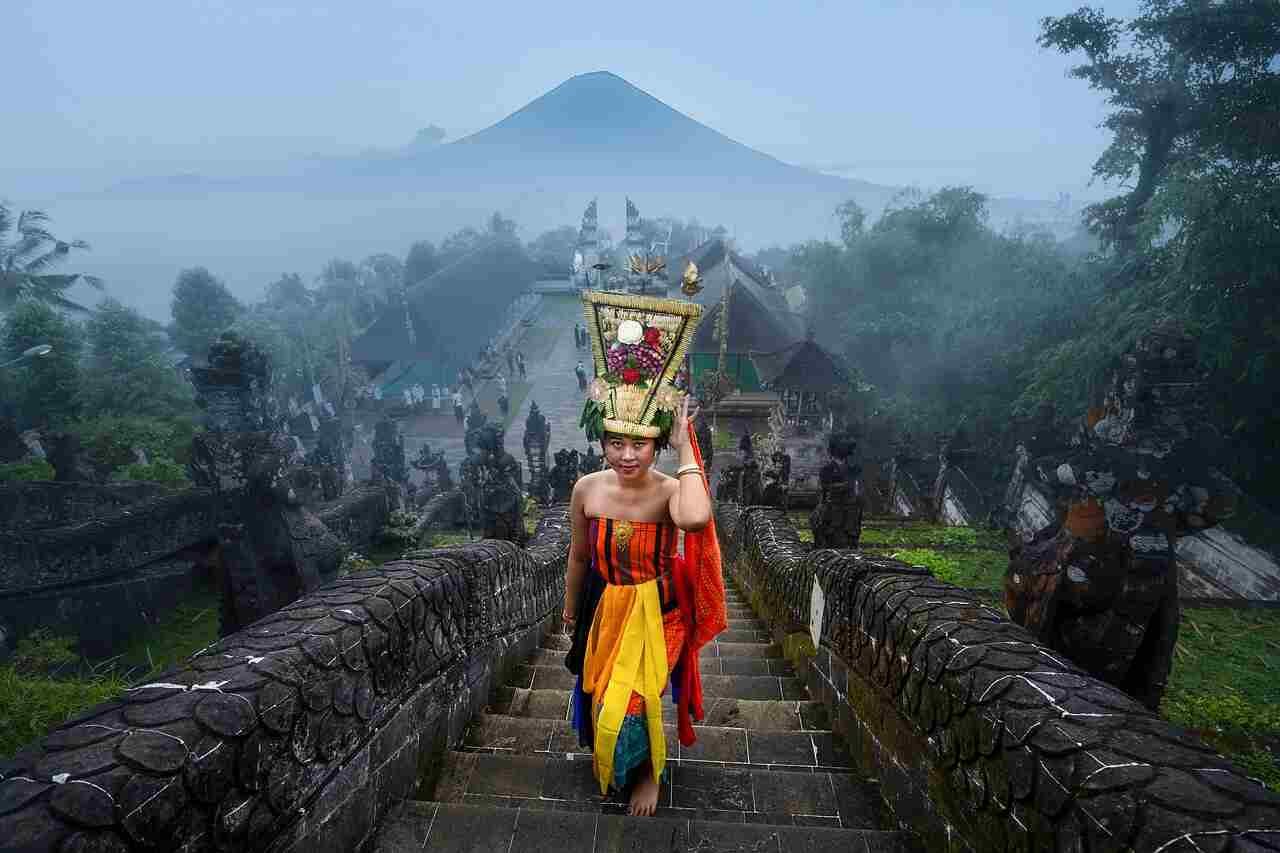
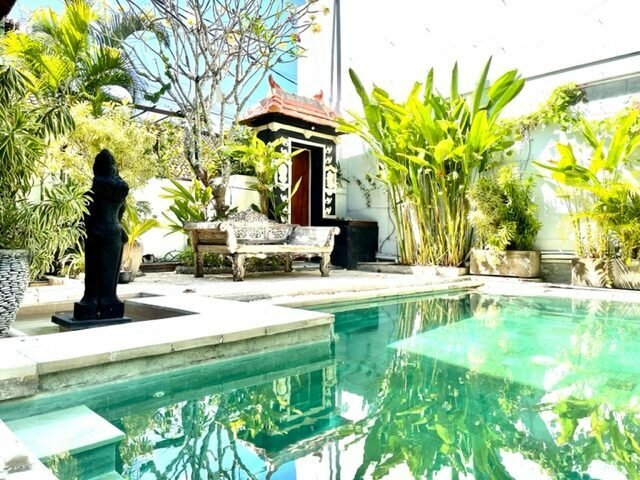


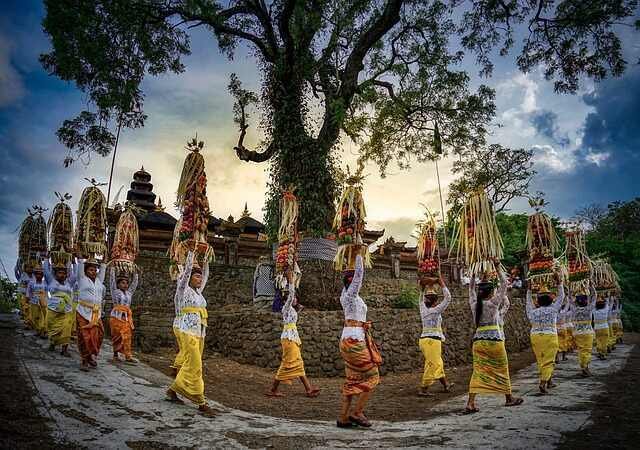
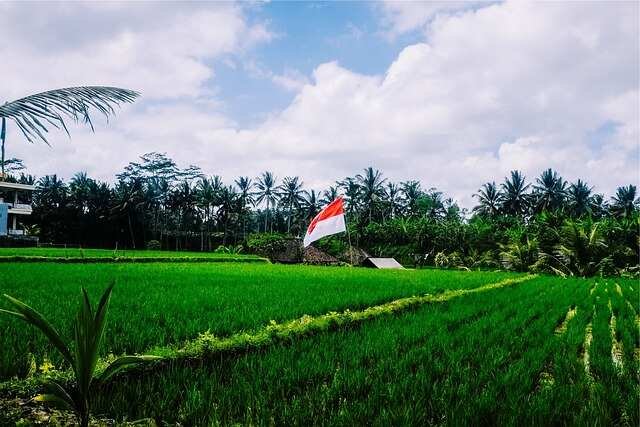


.jpg)
_(10849834325).jpg)
.jpg)
.jpg)


.jpg)