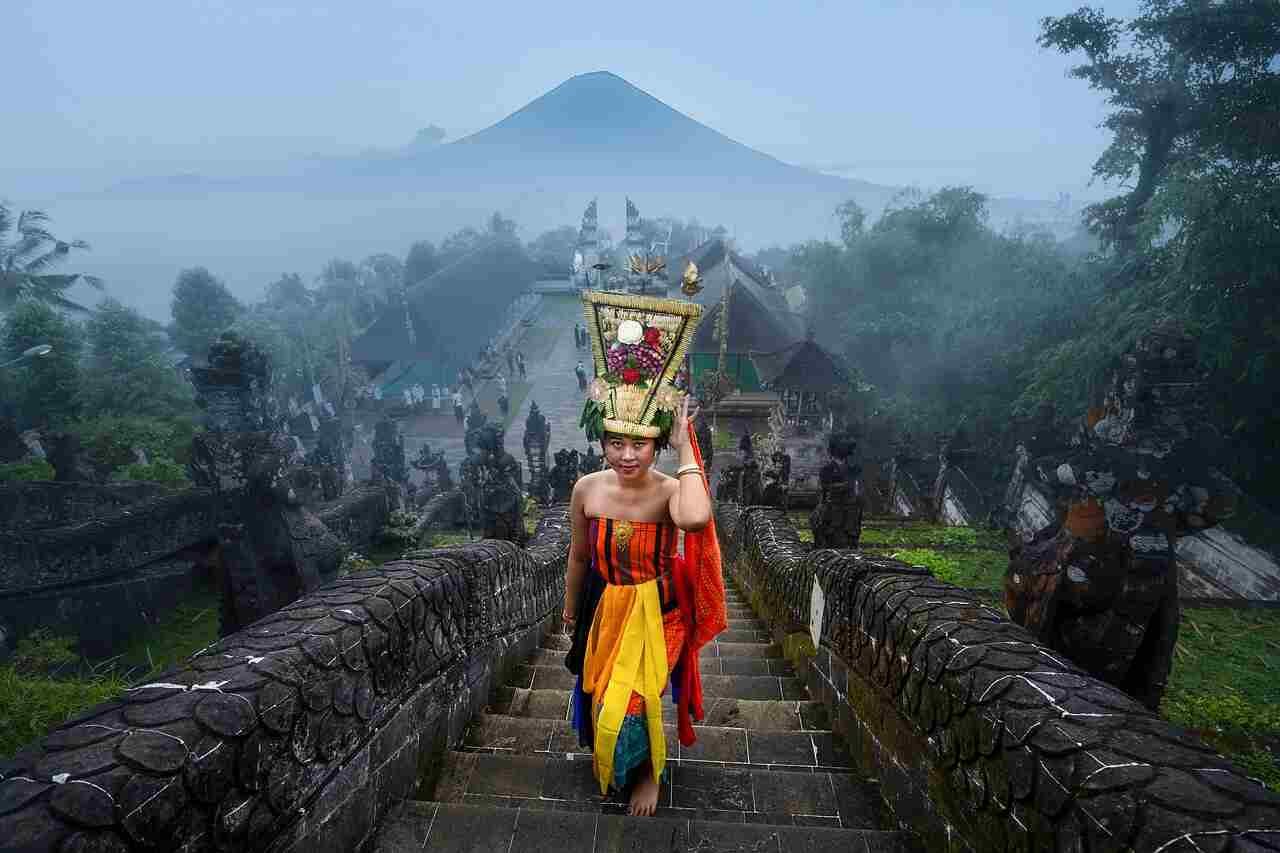
Shop till You Drop: Best Places to Go Shopping in Bali

Shop till you drop: The Best Places to Go Shopping in Bali

Bali is known for its vibrant shopping scene, with a wide variety of markets, boutiques, and malls offering everything from traditional handicrafts to designer fashion. Whether you are thinking of decorating your home, shopping for cloths and accesories, groceries, Bali is a place where shopping is truly tempting. Paintings, stone statues and woodcarvings are among the objects most prized by tourists. There are many shopping places in Bali that you should know.

This guide provides a variety of options for shopping in Bali, from traditional markets to modern shopping centers. Each entry includes the name, opening hours, address, and a link to a review or the store’s website for more information.

Here are some of the top places to go shopping in Bali:

Seminyak

Seminyak Village

This upscale mall is home to a range of international and local brands, as well as trendy cafes and restaurants.

Seminyak Village is a boutique shopping mall that offers a range of fashion, accessories, and lifestyle brands. It’s a popular destination for high-end shopping in Bali, featuring both international and local designers. The mall also has a variety of dining options, from fine dining to casual cafes.

Opening hours: Daily from 10:00 AM to 10:00 PM
Address: Jl. Kayu Jati No.8, Seminyak, Kuta, Kabupaten Badung, Bali 80361, Indonesia
Website: https://www.seminyakvillage.com

Seminyak Square

This place brings together in one place shops, cafes and restaurants. Seminyak Square is located at the end of Oberoi Road. There are big brands like Periplus Bookshop, Quicksilver, Body & Soul, Casa Gourmet… Also take the time to look at the local craft shops which can give you good gift ideas.

Address: Jalan Kayu Aya No.78, Seminyak, Bali
Contact: +62 (0) 361-732106

Boutique and Galeriy John Hardy in Seminyak

Boutique and Galerie John Hardy is a popular shopping destination in Seminyak, Bali. The store showcases an exquisite collection of jewelry, handcrafted by skilled artisans using traditional Balinese techniques. The intricate designs and high-quality materials used in the jewelry make them a unique and timeless purchase.

While you don’t have to travel to Bali to buy fine John Hardy jewelry – which draws inspiration from the island’s rich goldsmithing heritage as well as its natural landscapes and symbolism – the serene setting of the new store and gallery in Seminyak only showcases products available internationally. The signature artisan pieces, handcrafted in Bali from recycled silver and ethically sourced gemstones, are sold alongside a variety of Balinese handicrafts. Shoppers can also check out exhibitions of up-and-coming artists, sample the traditional Indonesian elixir jamu, and eat rotating dishes designed with popular restaurant Locavore.

Opening hours: Monday to Saturday, from 10:00 AM to 7:00 PM. The store is closed on Sundays.
Address : Jl. Raya Petitenget, Kerobokan Kelod, North Kuta
Phone: +62 361 9344 244
Website: https://www.johnhardy.com/boutiques/international/seminyak-bali/

Bintang Shopping Center (super market)

This supermarket has reasonable prices and offers a wide range of local and imported products. The store is located in the middle of Jalan Raya Seminyak. You can also find something to help you out there: souvenirs, mosquito repellent, household items, etc. The Bintang Shopping Center is one of the largest supermarkets in Bali and you will find everything you are looking for there.

It offers a wide selection of items and souvenirs. The prices are practically identical to those of the small shops in the center. Then, for the choices, everything is a question of tastes and colors.

Address: Jl. Raya Seminyak No. 17, Seminyak
Hours: Every day from 7:00 a.m. to 11:00 p.m.
Contact: +62 (0) 361 730552
Website: https://bintangsupermarket.com

Seminyak, Kayu Aya Shopping street

Seminyak’s Kayu Aya Shopping Street is another popular destination for shopping and dining in Bali. Located in the heart of Seminyak, this street is lined with boutiques, shops, and cafes. The area is known for its upscale shopping and designer boutiques, with many international brands having stores here.

Visitors can find a wide range of products on Kayu Aya Shopping Street, including clothing, jewelry, accessories, and souvenirs. The street is also home to a variety of art galleries and home decor shops, offering unique and handmade items.

Apart from shopping, Kayu Aya Shopping Street is also a popular foodie destination, with many cafes, restaurants, and bars lining the street. Visitors can find a variety of cuisines, ranging from traditional Indonesian food to international cuisine.

Overall, Kayu Aya Shopping Street is a great place to explore, shop, dine, and soak up the atmosphere of Seminyak.

Geneva Handicraft Centre (home decor souvenirs)

The Geneva Handicraft Centre is located in the heart of Seminyak, Bali, and is known for selling unique and high-quality handicrafts made by local artisans. The center offers a wide variety of Balinese handicrafts, including wood carvings, stone carvings, textiles, and silver jewelry. Visitors can watch artisans at work, learn about Balinese culture, and purchase souvenirs to take home.

Website: https://www.genevahandicraft.com
Address: Jalan Raya Kerobokan No.100, Kerobokan, Badung, Bali 80361, Indonesia
Opening hours: Daily from 9am to 8pm
Phone: +62 361 733542

Seminyak Art Market

The Seminyak Art Market is a popular destination for art lovers and souvenir shoppers. Located on Jalan Raya Seminyak, the market offers a wide range of traditional Balinese handicrafts, including hand-carved wooden masks, batik textiles, and silver jewelry. Visitors can also find clothing, bags, and other accessories at the market. Bargaining is expected, so be prepared to negotiate the prices.

Jalan Raya Seminyak Street Market

The Jalan Raya Seminyak Street Market is located on the main street of Seminyak and is known for its trendy clothing, accessories, and souvenirs. The market offers a wide range of products, including designer clothing, sunglasses, bags, and other accessories. Visitors can also find a variety of Balinese handicrafts, such as wood carvings and batik textiles, at this market.

Seminyak Flea Market

These are several mini stores that provide a perfect place to stock up on souvenirs to offer. The places are not huge but the products are often the same. Of course, you have to bargain. It’s useful if you can haggle well.

Just be mindful that a few Dollars means little to you but can make a very big difference for some of these families.

Prices are generally higher at this market compared to other markets in Seminyak, but you’ll find unique and high-quality items here.

Check-out: https://en.tripadvisor.com.hk/ShowUserReviews-g469404-d7181552-r428609628-The_Flea_Market_Seminyak-Seminyak_Kuta_District_Bali.html

Kuta

Kuta Square – Located in the heart of Kuta, this open-air shopping complex features a mix of high-end and budget-friendly shops selling everything from fashion to electronics. It’s open daily from 9am to 10pm.

This shopping district is located at a major thoroughfare for tourists commuting between Kuta and Legian, and has become a meeting place for Bali’s crowded shoppers and fixed-price shops and stores.

Most of the shops in Kuta Square are along a 200 yard long lane from south to north. Starting at Kuta Art Market at the southern end, head north as you check out the area’s fashion boutiques, fast food outlets, surf shops, and jewelers.

Kuta Art Market

Opening hours: Daily from 8:00 AM to 10:00 PM
Address: Jl. Bakung Sari, Kuta, Kabupaten Badung, Bali 80361, Indonesia
Website: https://www.tripadvisor.com/Attraction_Review-g297697-d3535089-Reviews-Kuta_Art_Markets-Kuta_Kuta_District_Bali.html

Beachwalk Shopping Center

Beachwalk Shopping Center is a modern shopping complex located in the heart of Kuta. It features a mix of international and local brands, including fashion, beauty, and home decor stores. In addition to shopping, visitors can enjoy a variety of dining options and entertainment, such as a cinema and live music performances.

Experience authentic Bali culture with shopping, dining and entertainment at Beachwalk Mall in Kuta. This indoor and outdoor shopping center brings excitement to the beach promenade. Its boutique section includes brands such as Adidas, Bath & Body Works, Batik Danar Hadi, Glow Living Beauty, and Kate Spade. Prices are low and shopping pleasant in this open and airy space made up of several floors.

File:Beachwalk Shopping Center - Bali.jpg

Beachwalk Shopping Center, Kuta – Bali. HutheMeow, CC BY-SA 4.0, via Wikimedia Commons

With its oceanfront location in Kuta, this mall offers a unique shopping experience, with a mix of local and international brands, as well as restaurants and a cinema.

Address: Jalan Pantai Kuta, Kuta, Badung Regency, Bali 80361
Link: https://beachwalkbali.com

Mal Bali Galeria

A true hub dedicated to shopping, the Mal Bali Galeria is a vast space in Bali where visitors snap up luxury clothing, accessories, electronics and gift items at unbeatable prices. Praised as one of the best malls in the world, Mal Bali Galeria brings together the most prominent brands: Cartier, Calvin Klein, Versace to name a few.

At Mal Bali Galeria, you’ll find a bit of everything, including an Ace Hardware shop and plenty of options for you to eat. Designed as an open space, it features a large food court serving excellent cuisine from all over the world. Want to eat Indonesian, Chinese or a typical American burger? You will surely find your happiness. If you have the chance, visit this mall on a weekend day to enjoy live entertainment such as concerts, gadget demonstrations, tastings, and sometimes even Balinese dancing. You can also go to the Galeria 21 cinema, which is located in the Mal Bali Galeria. The mall is open daily from 9 a.m. to 10 p.m.

Website: https://malbaligaleria.co.id

Discovery Shopping Mall

Directly next to Kuta Beach you can discover the Discovery Shopping Mall, a true paradise for shopping enthusiasts. This oversized complex also has a large outdoor courtyard where merchants, restaurants, and eating areas are located. Visitors can access this mall directly from the beach, or laze on the sand after shopping.

Discovery Shopping Mall is a large mall located in Kuta, featuring a range of stores selling fashion, accessories, and electronics. It also has a cinema, bowling alley, and arcade, making it a popular destination for families. The mall is conveniently located close to the airport.

File:Interior of Discovery Shopping Mall.jpg

Discovery Shopping Mall in Kuta, Bali. Christophe95, CC BY-SA 4.0, via Wikimedia Commons

At the Discovery Shopping Mall, you’ll stroll through several department stores and boutiques from brands such as Billabong, Converse, Electronic city, and more. To eat, choose one of the many chic restaurants or a fast food chain like Baskin Robbins or Burger King. You will have understood: from jewelry to electronic devices, this complex invites you to a unique shopping experience. Check its website when planning your visit to attend one of the many cultural events on offer. The Discovery Shopping Mall is open daily from 10 a.m. to 10 p.m.

Opening hours: 10:00am – 10:00pm
Address: Jalan Kartika Plaza, Kuta, Badung Regency, Bali 80361
Website: https://discoveryshoppingmall.com

Kuta Square

Kuta Square is a popular shopping destination in Kuta, featuring a variety of stores selling clothing, accessories, and souvenirs. It’s a great place to find bargains and deals, and is located close to many hotels and resorts in the area.

File:Kuta Square.JPG

Kuta Square. Sho Horiuchi, CC0, via Wikimedia Commons

Opening hours: 9:00am – 9:00pm
Address: Jalan Bakung Sari, Kuta, Badung Regency, Bali 80361
Website: No official website, but it’s located in the center of Kuta and easily accessible by foot.

Krisna Oleh Oleh Bali

Opening hours: Daily from 8:00 AM to 10:00 PM
Address: Jl. Raya Tuban No.2X, Tuban, Kuta, Kabupaten Badung, Bali 80361, Indonesia
Link: https://www.instagram.com/krisnaoleholehbali

Bali Souvenirs | What to Bring Back from Bali: Unique Souvenirs and Treasures

Legian shopping street

Shopping along Jalan Legian

The road known as Jalan Legian intersects between Kuta and Legian. Along this two-lane avenue and beyond (see below), visitors will find plenty of stand-alone shops, markets and stalls, alongside transport services, restaurants and budget hotels.

Start your Legian shopping spree at the corner of Jalan Legian and Jalan Melasti (Google Maps) and explore the area on foot. Jalan Legian itself contains plenty of high end shops catering to wealthy active types: surf shops and sportswear shops seem to predominate, although there are a fair number of jewelry and houseware shops along the stretch .

Cheaper souvenir stalls and trinket counters are located mainly in the perpendicular streets of Jalan Legian Legian Beach to the west.

Down Jalan Melasti east of Jalan Legian you’ll find the Kuta Art Market (Google Maps) near the beach selling cheap artsy tchotchkes.

Jalan Sahadewa

Jalan Sahadewa (Garlic Lane, Google Maps) passes north of the Art Market, connecting Jalan Melasti and Jalan Padma – this is another hotspot for bargain hunters.

Streets full of shops stretch north through Jalan Padma Utara, Jalan Jalan Werkudara to Arjuna (commonly known as Jalan Double Six). The last two lanes are particularly well known for their fabrics and clothing stores where you can sample local batiks and other textiles.

Jalan Padma (Google Maps) at the northern end of Garlic Lane is jam-packed with shops selling cheap bracelets, jewelery and shell goods.

Nusa Dua

Bali Collection

Description: Bali Collection is a shopping complex located in the Nusa Dua area, offering a mix of international and local brands. It’s known for its upscale shops, fine dining restaurants, and luxury spas. The complex also features a beautiful outdoor setting with landscaped gardens and fountains.

Opening hours: 10:00am – 10:00pm

Address: Kawasan Pariwisata Nusa Dua, BTDC Lot NW 2 & 3, Nusa Dua, Bali 80363
Website: https://www.bali-collection.com

Denpasar

Art Market Kumbasari

Is a vast traditional market stacked three floors above. If you’re in the cheap arts and crafts market, go up to the third floor of the market and get your bargaining game up. There is even a store that sells costumes for traditional Balinese dances.

A stone’s throw from Pasar Badung, this market specializes in Balinese, Javanese and Indian textiles (cottons, silks) but also offers stalls selling spices, fruits and vegetables. Ideal place to buy a Balinese batik, and to see if you are passing through Denpasar, if the culture and the way of life interest you.

Customers and vendors are almost exclusively locals. Be careful though, the place is not the cleanest and the atmosphere can be oppressive, especially if you are traveling alone.

File:Kumbasari-Hariadhi.jpg

Kumbasari Market (Pasar Kumbasari), Bali. Hariadhi, CC BY-SA 3.0, via Wikimedia Commons

Pasar Badung (Badung Market)

Across the river, Pasar Badung offers more bargains for tourists who like to go local. On its eastern flank, you’ll find Jalan Sulawesi, a famous fabric depot lined with shops selling batik, songket, and a variety of fabrics, traditional and modern alike.

File:Pasar Badung Baru 1.jpg

Pasar Badung Baru in Denpasar. Christophe95, CC BY-SA 4.0, via Wikimedia Commons

Pecatu (South Bali)

Drifter

Address: Jl. Labuan Sait No.52, Pecatu
Telephone: +62 817 557 111

You don’t have to be a wave pro to embark on a trip to this beloved surf shop and deliciously healthy cafe on the road to Uluwatu. A salvaged joglo house is home to dozens of technicolor surfboards, intricately crafted by sought-after shapers, as well as the Drifter brand’s artistically patterned tees, international bikini collections, original artwork, boho jewelry, ocean-themed books and more. In season, watch for gallery openings, film screenings and live music nights.

Drifter Pecatu is open daily from 9:00 AM to 9:00 PM. The store is located at Jl. Labuansait No.52, Pecatu, Kuta Sel., Kabupaten Badung, Bali 80361, Indonesia.

Ubud

Ubud Traditional Art Market

This art market open daily from 6am to 6pm, the Ubud Art Market is a must-visit destination for anyone looking for unique Balinese souvenirs like wood carvings, sarongs, and silver jewelry.

Ubud Traditional Art Market is a lively market in the heart of Ubud, offering a wide range of traditional Balinese crafts and souvenirs. Visitors can find unique items such as handmade batik, wood carvings, and paintings. The market is a great place to bargain for prices and experience the local culture.

File:Bali market 5.JPG

Ubud market. Schnobby, CC BY-SA 3.0, via Wikimedia Commons

Opening hours: Daily from 6:00 AM to 6:00 PM
Address: Jl. Raya Ubud No.35, Ubud, Gianyar, Bali 80571, Indonesia
Website: No official website, but it’s located in the center of Ubud and easily accessible by foot.
Website: https://www.tripadvisor.com/Attraction_Review-g297701-d378979-Reviews-Ubud_Traditional_Art_Market-Ubud_Gianyar_Regency_Bali.html

Sukawati Art Market

This market is a favorite among locals and tourists alike for its impressive selection of traditional Balinese handicrafts like batik textiles and handwoven baskets. It’s open daily from 8am to 6pm.

Opening hours: Daily from 6:00 AM to 6:00 PM
Address: Jl. Raya Sukawati No.18, Sukawati, Gianyar, Bali 80582, Indonesia
Website: https://www.tripadvisor.com/Attraction_Review-g297695-d2470752-Reviews-Sukawati_Art_Market-Gianyar_Gianyar_Regency_Bali.html

No matter what your shopping style or budget, Bali has something to offer. From traditional markets to modern malls, these shopping destinations are sure to satisfy your retail cravings.

File:Bali, tiendas 1998 05.jpg

Handmade baskets. Bali, Indonesia. LBM1948, CC BY-SA 4.0, via Wikimedia Commons

Main purchases / souvenirs from Bali

Here are some great ideas for souvenirs from Bali to bring back from your vacation.

Arts and crafts

Sculptures and statues made of wood, stone, bronze and bone are some of the popular souvenirs from the island. Prices vary greatly depending on the material, the manufacturing process and, of course, the store where the works are purchased.

Paintings

All the local markets showcase and sell many paintings that are part of the culture of the island. You will be able to bring back a traditional scene painted on canvas in shimmering colors and of excellent quality as a souvenir of your journey.

Bali is a society with a very artistic soul where painting stands out in particular. The paintings are very colorful, decorative and inexpensive. You can buy canvases longer than one meter for around IDR 200,000 (€12.20).

Sculptures

Traditionally, woodcarving in Bali, inspired by Hindu legends, adorns temples and palaces but is also an integral part of daily Balinese life. In Mas, a village specializing in woodworking, you will find many workshops and shops where these sculptures are sold. Balinese artists are very gifted for this art which they push to perfection, so a statue from Bali is the ideal souvenir and allows you to give your interior a nice exotic touch. You can find stone statues too!

File:Fabrique de statues.jpg

Balinese statues. Eric Bajart, CC BY-SA 3.0, via Wikimedia Commons

Puppets

A true emblem of Indonesia, the leather and wooden puppets mounted on bamboo stalks are staged by wayang kulit, a typical shadow theatre. They can be found in markets and in the Ubud area.

A mask

In Bali, you will find many traditional masks of all sizes, very colorful, made with mahogany wood, and carved with the effigy of gods, animals and demons. They are on sale in souvenir shops or markets.

File:Bali market, masks of wood.JPG

Masks made of wood on a Balinese market. Schnobby, CC BY-SA 3.0, via Wikimedia Commons

Home deco

Handmade Ceramics

Bali is home to many talented ceramic artists who make beautiful plates, bowls, cups, and other home decor items. You can find unique and handmade ceramics at stores like Jenggala Ceramic in Jimbaran or Kevala Ceramic in Ubud.

Incense

Wonderful olfactory memory of your trip to Bali, the scent of incense is omnipresent in temples, homes, shops and even on the beach. It is on sale in all the shops in Bali and can make many happy without taking up space in the luggage.

Batik Tablecloths

Batik is a traditional Indonesian fabric that’s used to make tablecloths, pillowcases, and other home decor items. You can find beautiful batik tablecloths at markets like Ubud Art Market or Sukawati Art Market.

Gastronomy

The most popular gourmet products in Bali are the different types of coffee and tea that are consumed on the island. If you want to buy something special, Kopi Luwak is undoubtedly a very good option (this coffee is said to be one of the rarest in the world).

Coffee

Typical product of Bali, Kopi Luwak coffee with its strong and original aroma can be bought in all the shops and of course at the factory, in the northwest of the island. This unique coffee will seduce and intrigue all its lovers.

Chili pepper

Available in seven varieties, it is the main ingredient of the culinary tradition of Bali and all of Indonesia. It is sold in the Ubud market and is even the subject of cooking classes at Casa Luna in central Ubud.

Clothes and fashions

Kuta is the most important shopping center in Bali, and where most of the clothing stores are located (especially brands like Quicksilver or Billabong). In Seminyak, is more upscale shopping. In Ubud and other cities, you will only find Balinese style clothes (dresses, pareos, t-shirts…).

Woven Rattan Bags

Rattan bags are a popular fashion accessory in Bali, but they also make great home decor items. You can find woven rattan bags at markets and shops all over Bali, including the Tegalalang Handicraft Center in Ubud.

Coconut accessories

The coconut is unavoidable and omnipresent throughout the country and many objects are made from its bark. A pair of earrings, a bag, a carved candle holder are among the most typical souvenirs of the island. You will find it in almost all markets as well as in the specialized store Taru Cendena located in Denpasar.

Traditional clothes

Bali is famous for the beauty and quality of its fabrics, so take the opportunity to bring back a sarong or a colorful tunic, typical Indonesian clothing in batik, silk or linen. You can even attend the design of weaving in the Berdikari institution or in the center of Tohpati.

Jewelry

Bali specializes in silverwork, the main center of which is the village of Celuk where you will find a wide choice of jewelry engraved with traditional as well as Western motifs.

Beauty care products

Natural products are widely used by women who draw on the virtues of the plants that surround them, such as the frangipani flower from which a heavenly-smelling beauty oil is extracted.
To get these miraculous products, go to the Utama Spices store, which specializes in natural cosmetics.

File:Bali, tiendas 1998 04.jpg

Detail of a perfume and souvenir shop. Bali, Indonesia. LBM1948, CC BY-SA 4.0, via Wikimedia Commons

Tips for shopping in Bali

Shopping in Bali is not much different from shopping in other parts of the world. The nicer you are, the more likely you are to get good deals. In Bali, haggling is inherent in the exchanges between customers and merchants. Do not hesitate to ask and negotiate to obtain a reduction in the shops and stalls of the island. Here are some general tips for haggling:

  • Smile! – Be polite and put on your best smile when negotiating.
  • Buy multiple items – Merchants will be more willing to give you a discount if you buy more than one item from them.
  • Stay reasonable – Before starting the negotiation, find out about the true value of the object, to avoid offending the sensitivity of the seller.
  • Remember that it is not possible to haggle in chain stores – In malls and department stores, items carry a price tag and you cannot bargain with cashiers. Indeed, prices are often set by the management of the sign.
  • Check the quality – Bali is famous for its handicrafts and souvenirs, but not all of them are of the same quality. Check the quality of the item before buying it to avoid disappointment later.
And don’t forget to:
  • Be aware of scams – Some sellers may try to scam tourists by selling fake or low-quality items at a higher price. Be aware of these scams and check the authenticity of the item before buying it.
  • Compare prices – Bali has many markets and shops selling similar items. Compare prices at different places to get the best deal.
  • Bring cash: Many small shops and markets do not accept credit cards, so it is always better to carry cash while shopping.
  • Be mindful of baggage restrictions: If you are traveling by plane, be mindful of the baggage restrictions while shopping. Avoid buying heavy or bulky items that may exceed the weight limit.

Photo credit: StockSnap via Pixabay

Best Bali Local Markets | Discovering Balinese Traditional Markets and Must Visit Markets


Ready to book your villa in Seminyak center?

I need more information

Book Your Private Villa

Promotions

Located in Center Seminyak – Bali, Villa Carissa offers a private swimming pool and enclosed garden to guarantee your privacy. You can book your private pool villa here with us.

Whether you’re traveling with family, friends, or on a romantic getaway, villa Carissa in Seminyak center offers the perfect base for exploring Bali’s many attractions and enjoying a relaxing vacation.

Carissa villa in seminyak
Villa Carissa in Seminyak Center

https://www.ubudwritersfestival.com/ Ubud Writers and Readers Festival

The Ubud Writers and Readers Festival is an important literary event that celebrates literature, culture, and ideas from around the world. It provides a platform for writers and readers to engage with. it is an annual 4-day literary festival held every October in Ubud.

The highly expected Ubud Writers & Readers Festival (UWRF) returns for its 18th year, from October 8 to 17, 2021. The theme of the festival will be Mulat Sarira, which translates as self- reflection. Around conferences, readings, films, exchanges, the festival will explore self-reflection, cultural introspection and human rights: examining who we are, what unites and divides us, and what motivates our actions.

The festival features a range of events such as book launches, panel discussions, poetry readings, writing workshops, and cultural performances. The event is held in Ubud, Bali, Indonesia, and has become one of the biggest literary events in Southeast Asia.

Future dates Ubud Writers and Readers Festival (UWRF)

Here are the future dates for the Ubud Writers and Readers Festival:

  • 21-15 October 2026

Location

The Ubud Writers & Readers Festival is held at various venues in and around Ubud, Bali, Indonesia. The festival does not have a specific address as it takes place at different locations throughout the town. However, you can find more information about the festival, including the schedule and the venues, on their official website.

Contacts

Phone

Mobile: +62 812 4683 8459
Land line: +62 361 977408

Website

https://www.ubudwritersfestival.com/

Email
  • For Ticketing enquiries: ticketing@ubudwritersfestival.com
  • For Media enquires: press@yayasansaraswati.org
  • For Partnership Requests: partnership@yayasansaraswati.org
  • For general Inquiries: info@ubudwritersfestival.com
Address

Ubud Writers & Readers Festival
Taman Baca, Jl. Raya Sanggingan
Ubud, Bali, Indonesia 80571

History of the UWRF

The idea for the UWRF was conceived by Janet DeNeefe, an Australian writer and restaurateur who had been living in Ubud for several years.

DeNeefe recognized the potential for a literary festival in Ubud, which was already a popular destination for artists, writers, and other creative types. With the help of a small team of volunteers, DeNeefe launched the first Ubud Writers & Readers Festival in 2004.

The festival has since become one of the most highly anticipated cultural events in Bali, attracting thousands of visitors each year.

Highlights of the UWRF

The Ubud Writers & Readers Festival features a wide range of events, including author talks, panel discussions, writing workshops, book launches, film screenings, and more. Some of the highlights of the festival include:

Main Program

The main program features a lineup of established and emerging writers from Indonesia and around the world. They participate in panel discussions, readings, and interviews, providing insights into their work and the issues they explore.

Emerging Writers Program

The Emerging Writers Program is designed to support and showcase the work of up-and-coming writers from Southeast Asia and beyond. It includes writing workshops, mentoring sessions, and opportunities to present their work to a wider audience.

Food and Literary Events

As a renowned restaurateur, Janet DeNeefe has also incorporated food into the festival. The festival includes culinary events such as cooking demonstrations, food tastings, and literary-themed dinners.

Read also: Balinese food and specialties | Emblematic dishes not to be missed under any circumstances during your stay (Best Local Cuisine)

Fringe Events

The Fringe Events are an important part of the festival, featuring a wide range of cultural and creative events throughout Ubud. These events include art exhibitions, film screenings, music performances, and more.

Author talks

Visitors can hear from some of the most acclaimed writers and thinkers of our time, including Margaret Atwood, Hanif Kureishi, Salman Rushdie, and more.

Workshops

The festival offers a variety of writing workshops for aspiring writers and poets, as well as workshops on other topics such as journalism, publishing, and translation.

Cultural events

The UWRF is a celebration of Balinese culture as well as international literature, and visitors can enjoy traditional dance performances, music concerts, and other cultural events throughout the festival.

Book launches

The UWRF is a great opportunity to discover new books and authors, and visitors can attend book launches and signings by both local and international authors.

Importance of the UWRF

The Ubud Writers & Readers Festival is an important event for several reasons. First, it provides a platform for writers and thinkers to share their ideas, experiences, and stories with a diverse audience. The festival also fosters cross-cultural dialogue and understanding, as writers and readers from different countries and backgrounds come together to explore common themes and issues.

The UWRF also has an important role to play in promoting literacy and education. Through its workshops and other events, the festival inspires and empowers aspiring writers and readers, and encourages a love of learning and creativity.

Finally, the UWRF is a significant contributor to the local economy in Ubud and Bali more broadly. The festival attracts visitors from around the world, who in turn support local businesses such as hotels, restaurants, and shops.

Examples of the UWRF’s Impact

The Ubud Writers & Readers Festival has had a profound impact on the cultural and literary landscape of Bali and beyond. The festival has been instrumental in promoting cultural exchange, creativity, and literacy in Bali and beyond. Here are some examples of the UWRF’s impact:

Some of the festival’s notable achievements include:

Inspiring local writers

The UWRF has helped to inspire a new generation of Balinese writers, who are now sharing their stories and perspectives with the world.

Promoting Indonesian literature

The festival provides a platform for Indonesian writers to showcase their work and connect with an international audience. It has helped to promote Indonesian literature globally and has given a voice to many talented writers from across the country.

Showcasing Balinese culture

The festival has helped to promote Balinese culture and art to a global audience, and has become a showcase for traditional dance, music, and other cultural forms.

Promoting literacy and education

Through its workshops and other events, the festival has encouraged a love of learning and creativity among local residents as well as visitors.

Empowering women

The festival has a strong focus on gender equality and women’s empowerment. It provides a platform for women writers to share their stories and has helped to raise awareness about the issues facing women in Indonesia.

Fostering cross-cultural dialogue

The UWRF has brought together writers and readers from around the world, encouraging cultural exchange and understanding. The festival encourages cross-cultural understanding and promotes a spirit of tolerance and respect.

Supporting the local economy

The UWRF attracts thousands of visitors to Ubud each year, which has helped to boost the local economy. Many local businesses, including hotels, restaurants, and shops, benefit from the influx of tourists during the festival.

Conclusion

The UWRF program is filled with rich, immersive and engaging events that range from panel discussions, literary lunches, writing workshops, musical and artistic performances and film screenings. From day to night, a tapestry of literary, artistic and cultural happenings are on display, with an engaged audience adding to the overall experience.

Photo credit (main picture): Yayasan Mudra Swari Saraswati (CC BY-SA 4.0) via Wikimedia Commons

Photo description: opening ceremony of Ubud Writers & Readers Festival 2022.


Have you booked your private villa in Seminyak center

I need more information

Book Your Private Villa

Promotions

Located in Seminyak Center – Bali, Villa Carissa offers a private swimming pool and enclosed garden to guarantee your privacy. You can book your private pool villa here with us.

Whether you’re traveling as a couple, with friends, or with family, Villa Carissa’s three-bedroom villas offer comfortable and luxurious accommodations in the heart of Seminyak center. With modern amenities and beautiful Balinese design, the bedrooms at Villa Carissa are the perfect place to relax and unwind during your stay in Bali.

Carissa villa in seminyak
Villa Carissa in Seminyak Center

Bali on a Budget: Experience Bali Without Overspending

If Bali attracts so many crowds, it is because the “Island of the Gods” has everything to make everyone happy, from surfers to explorers, to lovers of idleness at the beach. While Bali can be expensive, it’s also possible to visit on a budget without sacrificing the quality of your experience. We share some tips and tricks for traveling to Bali on a budget.

This versatility has led to a sharp increase in tourism and therefore prices over the past ten years. But rest assured, it is always possible to go to Bali without getting angry with your bank account! We prove it to you in this article.

Bali is known for its stunning beaches, lush rice terraces, and vibrant culture. However, it’s also known for being a popular destination for luxury travelers, which can make it seem like an expensive place to visit. But don’t let that deter you – it’s entirely possible to enjoy Bali on a budget. Here are some tips and tricks for affordable travel in Bali:

This article provide useful information for budget-conscious travelers visiting Bali. It covers topics such as:
  • Finding affordable accommodation options in Bali
  • Tips for saving money on transportation, meals, and attractions
  • Budget-friendly activities and experiences in Bali
  • Recommendations for affordable local cuisine and dining options
  • Suggestions for free or low-cost cultural activities and events in Bali

By providing practical advice for travelers on a budget, this article could be a valuable resource for those looking to explore Bali without breaking the bank.

Bali: What do you need to know before you go?

Vaccines

There is no mandatory vaccine to do before traveling to Bali. However, as in many other countries, it is strongly recommended that your vaccination list be up to date against these diseases: diphtheria, tetanus, poliomyelitis, hepatitis A and hepatitis B, whooping cough and measles (for children). We advise you to make an appointment with your doctor a few weeks before your departure to take stock.

To find out more about health and safety during your stay, we invite you to read this article: Health and Safety in Indonesia

Visa

For a 30-day trip: There is no need for a visa (“Visa Free Entry”) if you are traveling to Bali for a maximum of 30 days. However, you must provide proof of return air tickets and a passport valid for another 6 months after your return date to France.

For a 60-day trip: You must obtain a tourist visa. This visa is chargeable (about € 40€). You must apply for it at least 7 days before the expiry of your first visa. You can apply to the Bali immigration office if you are there, or in the Indonesian embassy in your home country. Read also: Entry Requirements to Bali and Navigating Stay Visas in Indonesia

The currency

The currency in Bali is the Indonesian Rupiah (Rp).
Example of the conversion rate in April 2023: AU$ 1 = IDR 10 000. or € 1 = Rp 16 200. or US$ 1 = Rp 15 000

There are cash dispensers in airports, tourist areas and major cities. It is also possible to pay by credit card, but this does not apply in the most local villages.

Tips Bali on a Budget

Here are some tips and tricks for affordable travel in Bali:

Go in the right season

“Avoid the crowds… and the rain”

Bali has two climates: the dry season from April to October, and the wet season from November to March. The monsoon remains reasonable: it does not rain all day and the sun is there! To reduce your budget, it is therefore smart to go to Bali at the end or at the beginning of the wet season. Prices are lower and places less popular with tourists.

Travel during the low season

Bali’s peak season is from June to September, and prices for flights, accommodation, and activities can skyrocket during this time. By traveling during the low season (October to March), travelers can save up to 50% on flights and accommodation. The weather may be a bit rainy, but there are still plenty of things to see and do in Bali.

We do not recommend the period from December to January, and that from July to August when Europeans and Australians are fleeing winter or are on summer vacation.
Prefer the periods from April to June or from September to November. Out of season, there are return tickets Paris – Denpasar for € 900. In August, prices can go up to €2,500. Bali being close to Australia, visiting Indonesia during your WHV is a good idea. You will find out-of-season return trips from Perth at 300€. From the east coast, count at least € 450.

When to book and go to Bali at the best price?
Between the two seasons to have the best “quality-price” ratio

Going to Bali in June or November is a good alternative: we are in a climatic in-between, the tourist peak (located in July and August) is not yet there or has already passed, the prices are therefore reasonable. These are two perfect times to do good business!

In the wet season for small budgets

During this season, there are far fewer tourists in Bali, so accommodation and flight prices are affected. This is where you will find Bali travel deals on sale and where you can bargain most easily and meaningfully. This is also where nature lovers (and photo enthusiasts) will most appreciate the landscapes (rice fields and green plantations, sublime skies…)!

Don’t forget to book your flight to Bali in advance, if you are going on a backpacking trip

You know the song: on the airline market, the earlier you book, the better the prices! Do not hesitate to look and compare prices several months in advance. For accommodation, however, you don’t even have to book (except for your arrival): there will always be room somewhere!

Avoid June-August and Christmas holidays (until mid-January)

These are the two tourist peaks of the island: not only do tourists like to go to dream islands during these periods, but in addition, the Balinese are also on vacation! The prices of flights and stays are strongly affected: it’s really expensive! It is not uncommon to see the prices of package holidays increase by 1000 or 1500€ (when they are available!) and flight prices can easily double! In short, this is not a good plan!

Choose affordable accommodation

While Bali has no shortage of luxury resorts and villas, there are also plenty of affordable accommodation options for budget-conscious travelers.

If you don’t want to spend too much, don’t only favor Instagram’s dream hotels, with infinity pools and views of the jungle (even if that makes you want to!). You can still find very nice accommodation, such as small villas with swimming pool and outdoor shower, at low prices.

Hostels and guesthouses offer clean and comfortable rooms at a fraction of the cost of a hotel, while homestays offer an opportunity to experience Balinese culture firsthand. For those who prefer a bit more privacy, Airbnb is also a great option for finding affordable and unique accommodation in Bali.

Eat like a local

Bali is known for its delicious food, and there are plenty of affordable options for hungry travelers. Local warungs (small restaurants) offer traditional Balinese cuisine at a fraction of the cost of a fancy restaurant. Nasi campur (mixed rice dishes) and mie goreng (fried noodles) are popular and delicious options. For those who prefer to cook their own meals, fresh produce and ingredients are readily available at local markets.

Where to eat cheaply in Bali?

“Enjoy without spending too much”

Our guilty pleasure in Asia? Being able to eat twice a day at the restaurant, without melting your credit card.

The modest prices offered are not worth cooking for yourself! Eat at a warung rather than a restaurant. Warungs are more basic and often exempt from the 15% tax.

You will pay less than €2 for your Nasi Goreng (fried rice), Mie Goreng (noodles and vegetables) or Gado-Gado (vegetables and peanut sauce)… In most restaurants, Balinese cuisine is tasty without being too spicy. If you really don’t like local cuisine, be aware that pasta and pizza in tourist restaurants cost about three times as much.

Finally, alcohol is not the cheapest, compared to the rest of Southeast Asia. But if you come from Australia, you will be delighted to pay 2€ for your beer, feet in the sand, at sunset!

Recommendations for affordable local cuisine and dining options

Bali offers plenty of affordable local cuisine and dining options for those traveling on a budget. Whether you’re looking for traditional Balinese cuisine or international dishes, you’re sure to find something that suits your taste buds and budget. Just remember to practice safe food handling and follow local customs and traditions when dining in Bali.

Eat local in the “warung”

That’s what small local restaurants are called. These are generally small family businesses which can take the form of a stand in the street, a hut by the side of the road, a restaurant, a cabin… This is the most economical way to eat in Indonesia: you can eat local products and typical dishes for very little money. Budget: a dish = 15000/25000 RP or 1€/1.5€. Count – from 4€/pers. per day if you take all your meals in a warung. A word of advice, however: take it easy on the spices, we’re not used to it here…
Note: also buy fruit on the small markets and stands (you have to wash them with mineral water!), it doesn’t cost anything!

Night markets

Night markets are a great place to sample local cuisine and experience the local culture. Bali has several night markets, including Gianyar Night Market, Sanur Night Market, and Kuta Night Market. You can find a variety of local dishes at night markets, including grilled seafood, satay, and Balinese-style suckling pig.

Beachfront cafes

Bali’s beaches are home to many affordable beachfront cafes that offer stunning views of the ocean. These cafes serve a variety of local dishes, including fresh seafood, grilled meats, and Balinese-style curries. Some popular beachfront cafes include Warung Kayu Api Jimbaran, Warung Bejana at Conrad Bali, and Warung Mak Beng in Sanur.

Street food stalls

Bali’s streets are filled with street food stalls that offer a variety of local snacks and dishes. Some popular street foods in Bali include pisang goreng (fried bananas), martabak (pancake with savory or sweet filling), and bakso (meatball soup). You can find street food stalls almost everywhere in Bali, from busy tourist areas to quiet residential neighborhoods.

Local markets

Bali’s local markets are a great place to sample local cuisine and experience the local culture. Some popular local markets in Bali include Pasar Badung in Denpasar, Pasar Kumbasari in Gianyar, and Pasar Ubud in Ubud. You can find a variety of local dishes at local markets, including Balinese-style satay, sambal matah (spicy chili sauce), and babi guling (Balinese-style roasted pork).

Best Balinese Restaurants in Bali | Discover Bali’s Culinary Gems

Get around like a local

Taxis and private drivers can be expensive in Bali, but there are plenty of affordable transportation options available. Motorbikes / scooter can be rented for as little as $5 per day, and are a popular and convenient way to explore the island. Buses and bemos (minivans) are also available and offer an affordable way to get around Bali.

Getting around Bali

“Save more to travel more”

With an area of 153 km by 112 km, Bali is ideal for exploring several destinations without wasting time on transport. Many public buses under €5 connect the main towns.

Get ready for an adventure: in Bali, the notion of time is more blurred than ours. No real departure times, you will have to get up early and wait at the station for the bus to pass. You can also pre-book a mini-van, comfortable and advantageous for groups of 6/9 people.

But the most developed means of transport remains the private driver. You will often be approached on the street by these locals who take you on a day trip or to your next destination. This is the most comfortable solution: a private car picks you up at your accommodation and drops you off at the next one, at the time of your choice. Count around 20 € for Denpasar – Ubud and 30 € for Ubud – Amed or Amed – Munduk.

Finally, to get to the islands, you will have the choice between fast boat (about 20 € for a return trip Sanur – Nusa Lembongan) and local boats (less than 5 €). Be aware, however, that these are not known for their safety.

Once there, it’s time to get used to local customs and get on a scooter! But never forget your helmet, at the risk of returning from vacation with a “Bali Tattoo”. This is the small name given by the locals to the scars of a fall that tourists wear. You can rent your scooter from your hotel for €3.50 per day.

If you are not confident or have never driven before, in South Bali you can get around cheaply with Grab (like Uber) or Mybluebird the local taxi company (require taxi meter).

Negotiate everything!

Taxis, hotels, guides, excursions… And even in shops where prices can always be divided by 3 or 4! If you are the 1st buyer of the day, the merchant will try to make the sale to place the day in good omens. If he accepts your price, buy the item as agreed! Making someone lose face is considered a real lack of respect in Indonesia.

Look for free and budget-friendly activities

Bali is full of free or low-cost activities and attractions. Exploring the island’s beautiful beaches, hiking to waterfalls, visiting local markets, and watching traditional dance performances are all affordable ways to experience Bali’s culture and beauty.

What to do in Bali? “To combine activities… without breaking your bank account”

The best way to save on activities in Bali is to take advantage of the magnificent natural resources. The entrance fee for the rice fields, waterfalls and temples is ridiculous (never more than 2 €). But you will also have a large choice of unforgettable activities.

Bali is internationally recognized for its surf spots. Beginner, book lessons in Kuta, the perfect place to start. You can find cheap internships online. Canggu and Uluwatu will delight more experienced surfers, who can rent a board from locals for around ten euros.

Amed, with its multicolored coral reefs and shipwrecks, is the best place for a first dive on a budget. For snorkeling fans, pack a mask and snorkel in your luggage to avoid paying €2 or €3 for rental on each excursion.

To bring back souvenirs or go shopping, don’t miss the huge Ubud market, its carved wooden statues and colorful sarongs. You will find the best prices in Bali there… Provided you negotiate!

To negotiate: Start by asking 3 times less than the asking price, do not over-negotiate for a few cents and above all, very important in Asia, always keep smiling!

Take masks and snorkels!

No desire or no budget to try diving? With snorkeling, you can observe swarms of colorful fish, plants of all kinds, turtles and even dolphins or (nice) sharks for free… No special skills needed, but a few precautions are necessary: don’t forget don’t wear bathing shoes and put on a t-shirt to avoid painful sunburn on your back. Also pay attention to the currents.

Best spots: Tulamben (wreck of the Liberty), islands of Nusa Penida and Nusa Lembongan (manta rays, small sharks, corals…), Padang bai (coral barrier), island of Menjangen (national park), Coral Garden in Jemeluk- Amed), Japanese shipwreck (a few KM north of Amed), the Gili Islands…

Best Snorkelling Spots in Bali You Can Go

Here are some examples of affordable activities in Bali:

Important things to keep in mind when traveling to Bali on a budget include respecting the local culture, protecting the environment, and taking safety precautions. Bali has a rich cultural heritage, and it’s essential to be respectful of local customs and traditions.

  • Visiting the rice terraces in Ubud: A stunning and iconic attraction in Bali, the rice terraces in Ubud are free to explore on foot or by bike.
  • Surfing lessons: Bali is famous for its surf culture, and many surf schools offer affordable lessons for beginners.
  • Visiting the Tirta Empul temple: A sacred Hindu temple with a beautiful spring-fed pool, entry to Tirta Empul is only US$2.
  • Exploring Bali’s markets: Local markets like Pasar Badung in Denpasar and Ubud Market offer a wide range of affordable souvenirs, clothing, and crafts.
  • Watch the sunset at Tanah Lot: This beautiful temple is located on a rocky outcrop overlooking the ocean, and is a popular place to watch the sunset. Admission is only US$2.

Budget-friendly activities and experiences in Bali

Bali is a popular destination that offers a variety of experiences, from luxurious spa treatments to adventurous outdoor activities. However, for travelers on a budget, there are also plenty of budget-friendly activities and experiences that can be enjoyed without spending too much money.

Here are some suggestions:

Explore Bali’s beaches

Bali is famous for its beautiful beaches, and many of them are free to access. Visitors can swim, sunbathe, and relax on the beaches, or participate in water sports such as surfing, snorkeling, and diving. Some popular beaches in Bali include Kuta Beach, Seminyak Beach, and Nusa Dua Beach. Read also: The Best Beaches in Bali | Most famous beach during your holiday

Go on a nature walk or hike

Bali is also known for its lush nature and scenic landscapes. Visitors can go on a nature walk or hike to explore Bali’s rice paddies, waterfalls, and volcanoes. Some popular hiking trails in Bali include Mount Batur, Campuhan Ridge Walk, and Sekumpul Waterfall. Most hiking trails are free to access, although some may require a small fee. Read also: Hiking and Trekking in Bali | Where to go? Discover Top and the most beautiful hikes

Attend a cooking class

Bali is known for its delicious cuisine, and attending a cooking class is a great way to learn more about Balinese food and culture. Cooking classes are usually affordable, ranging from IDR 250,000 (US$ 17 or AU$ 25 or € 15) to IDR 500,000 (US$ 33 or AU$ 50 or € 30) per person, and include a hands-on lesson on preparing traditional Balinese dishes.

Visit local markets and shops

Bali has many local markets and shops that sell a variety of goods, including handicrafts, clothing, and souvenirs. Visitors can explore these markets and shop for unique gifts and souvenirs, or bargain for the best prices. Some popular markets in Bali include Ubud Art Market, Sukawati Art Market, and Kuta Art Market.

Shop till You Drop: Best Places to Go Shopping in Bali

Experience local traditions and ceremonies

Bali is home to a rich cultural heritage, and visitors can experience local traditions and ceremonies by attending a temple ceremony, a village festival, or a cultural performance. These events are usually free to attend, although visitors may be required to wear traditional dress or make a small donation.

In conclusion, Bali offers many budget-friendly activities and experiences that can be enjoyed by travelers on a budget. By exploring the island’s natural beauty, cuisine, and culture, visitors can have a memorable and enriching experience without spending too much money.

Suggestions for free or low-cost cultural activities and events in Bali

Bali is a culturally rich destination that offers many free or low-cost cultural activities and events. Here are some suggestions:

Visit temples

Bali is known as the Island of the Gods, and there are many temples scattered throughout the island. Visiting these temples is a great way to experience Balinese culture and religion. Most temples are free to enter, although some may require a small donation. Some popular temples in Bali include Pura Tirta Empul, Pura Besakih, and Pura Ulun Danu Bratan. Read also: Must Visit Temples in Bali | You need to visit one of them at least once during your stay in Bali

Watch a traditional dance performance

Bali is famous for its traditional dance performances, which are often accompanied by gamelan music. You can watch these performances at various venues throughout Bali, including temples, cultural centers, and hotels. Some popular dances include the Barong dance, Legong dance, and Kecak dance. Tickets for these performances are usually affordable, ranging from IDR 50,000 (US$ 3.5 or AU$ 5 or € 3) to IDR 150,000 (US$ 10 or AU$ 15 or € 9) per person.

Explore local markets

Bali’s local markets are a great place to experience local culture and interact with the locals. You can find a variety of goods at these markets, including fresh produce, handicrafts, and clothing. Some popular local markets in Bali include Pasar Badung in Denpasar, Pasar Kumbasari in Gianyar, and Pasar Ubud in Ubud. Entrance to these markets is usually free, but be prepared to bargain for the best prices.

Attend a festival

Bali hosts many festivals throughout the year, celebrating everything from religion to art and culture. Some popular festivals include the Bali Arts Festival, Bali Kite Festival, and Nyepi (Day of Silence). Most festivals are free to attend, although some may require a small donation. Check local listings to see what festivals are happening during your visit. Read also: Bali Arts Festival in Denpasar | The Biggest Annual Cultural Event in Bali

Visit museums and art galleries

Bali has several museums and art galleries that showcase Balinese art and culture. Some popular museums include the Agung Rai Museum of Art, Neka Art Museum, and Museum Puri Lukisan. Admission fees for these museums are usually affordable, ranging from IDR 50,000 to IDR 100,000 per person. Read also: Museums in Bali | Explore the Island’s Rich Cultural and Artistic Heritage

In conclusion, there are many free or low-cost cultural activities and events in Bali that allow visitors to experience Balinese culture and traditions. By exploring these options, travelers can gain a deeper appreciation for the island’s rich cultural heritage without breaking the bank.

Things To Do in Bali and What to Visit, Where To Go While Vacationing in Bali? (Top Attractions)

When to book and go to Bali at the best price?

Between the two seasons to have the best “quality-price” ratio

Going to Bali in June or November is a good alternative: we are in a climatic in-between, the tourist peak (located in July and August) is not yet there or has already passed, the prices are therefore reasonable. These are two perfect times to do good business!

In the wet season for small budgets

During this season, there are far fewer tourists in Bali, so accommodation and flight prices are affected. This is where you will find Bali travel deals on sale and where you can bargain most easily and meaningfully. This is also where nature lovers (and photo enthusiasts) will most appreciate the landscapes (rice fields and green plantations, sublime skies…)!

Bali Weather | When to go to Bali? Monthly Bali Tropical Climate

Don’t forget to book your flight to Bali in advance, if you are going on a backpacking trip

You know the song: on the airline market, the earlier you book, the better the prices! Do not hesitate to look and compare prices several months in advance. For accommodation, however, you don’t even have to book (except for your arrival): there will always be room somewhere!

Avoid July-August and Christmas holidays (until mid-January)

These are the two tourist peaks of the island: not only do tourists like to go to dream islands during these periods, but in addition, the Balinese are also on vacation! The prices of flights and stays are strongly affected: it’s really expensive! It is not uncommon to see the prices of package holidays increase by 1000 or 1500€ (when they are available!) and flight prices can easily double! In short, this is not a good plan!

Best Travel Insurance for Bali: A Comprehensive Guide for Visitors from Around the World

What budget per day to plan in Bali to travel?

There is a Bali for all travelers. Everything will depend on the budget you are willing to spend on traveling to Bali. The budget for traveling in Bali can vary depending on the individual’s travel style, preferences, and priorities. However, as a general guideline, here is a breakdown of estimated daily expenses for a budget traveler in Bali:

Small budget

If you are traveling on a low budget in Bali, expect to pay 355,000 to 575,000 IDR (20-35€) per day. This involves staying in a dorm in a hostel, eating food in warungs or cooking most of your meals, renting a bike to get around, and doing a few activities like hiking, snorkeling, or hiking. Balinese dance. It’s really easy to do Bali on a budget if you stay in cheap guesthouses, eat local and stick to the cheapest activities.

Budget comfortable

For an average budget of IDR 920,000 to 1,850,000 (€ 60 to 120) per day: Your stay will be more comfortable. You can then eat in nicer restaurants that cater to Western tastes, stay in a budget hotel or hostel with a private room, rent a scooter to get around Bali, get a massage and do some excursions or go diving . You won’t live in opulence, but you won’t lack for anything.

Budget no limit

For a luxury budget of IDR 4,100,000-5,100,000 (€ 270–300+) per day: Your stay will be very comfortable or even luxurious. You can then stay in international hotels or magnificent luxury villas, take taxis or private minivans with a driver to tour the island, eat Western food and do all the activities and adventures you want. Bali has some of the most luxurious resorts, boutiques, spas and restaurants in the world, so experiencing Bali on a budget without limits is entirely up to you. The sky is the limit here!

Please note that these budget ranges are approximate and can vary depending on factors such as location, time of year, and individual preferences. It’s always a good idea to research and compare prices beforehand to ensure a comfortable and affordable trip.

Cheapest Credit Card to Use Abroad | Maximizing Savings and Convenience, Especially When Traveling to Bali

Expenses comparisons: Backpackers, Comfort, Luxury

Use the table below to get an idea of how much you should budget per day. Spending that fits your travel style. Remember that some days you will spend more, others less. This is an average.

Accommodation Meals Transport Activities Budget / day / person

Backpackers

Accommodation: US$ 6 – 18 ; AU$ 8 – 25 ; € 5 -15
Meals: US$ 6 ; AU$ 8 ; € 5
Transport: US$ 6 ; AU$ 8 ; € 5
Activities: US$ 11 – 22 ; AU$ 16 – 26 ;  €10 – 20
Budget / day / person: US$ 29 – 46 ; AU$ 40 – 50 ; € 25 – 45

Comfort

Accommodation: US$ 23 – 60 ; AU$ 32 – 81 ; € 20 – 50
Meals: US$ 18 ; AU$ 25 ; € 15
Transport: US$ 12 ; AU$ 16 ; € 10
Activities: US$ 22 – 55 ; AU$ 16 – 90 ; € 20 – 55
Budget / day / person: US$ 75 – 145 ; AU$ 89 – 212 ; € 65 – 130

Luxury

Accommodation: US$ 177+; AU$ 250+ ; € 150+
Meals: US$ 41 ; AU$ 57 ; € 35
Transport: US$ 35 ; AU$ 49 ; € 30
Activities: US$ 83 – 171 ; AU$ 114 – 236 ; 70 – 145 €
Budget / day / person: US$ 336 – 364 ; AU$ 470 – 592; € 270 – 300

Expenses table

Accommodation Meals TransportActivities Budget / day / person
BackpackerUS$ 6–18
AU$ 8–25

€ 5 –15
US$ 6
AU$ 8
€ 5 €
US$ 6
AU$ 8
€ 5
US$ 11–22
AU$ 16–26
€ 10 – 20 €
US$ 29–46
AU$ 40–50
€ 25– 45
ComfortUS$ 23–60
AU$ 32–81
€ 20 – 50
US$ 18
AU$ 25
€ 15 €
US$ 12
AU$ 16
€ 10
US$ 22–55
AU$ 16–90
€ 20–55 €
US$ 75–145
AU$ 89–212
€ 65–130
Luxury US$ 177+
AU$ 250+
€ 150+
US$ 18
AU$ 57
€ 35 €
US$ 35
AU$ 49
€ 30
US$ 83–171
AU$ 114–236
€ 70–145 €
US$ 336–364
AU$ 470–592
€ 270–300

With its stunning natural beauty, rich cultural heritage, and affordable attractions and activities, Bali is a perfect destination for budget-conscious travelers looking for adventure and relaxation.

In conclusion, traveling to Bali on a budget is entirely possible with a bit of planning and research. By choosing budget accommodations, eating like a local, using local transportation, and looking for free or affordable activities, you can experience all that Bali has to offer without breaking the bank.

It’s important to note that prices may vary depending on the location and time of year, so it’s best to research and compare prices beforehand to ensure a comfortable and affordable trip.

Photo credit: mdarl670 via Pixabay

International Direct Flights to Bali


Ready to book your villa in the heart of lively Seminyak, Bali?

I need more information

Book Your Private Villa

Promotions

Located in Seminyak Center – Bali, Villa Carissa offers a private swimming pool and enclosed garden to guarantee your privacy. You can book your private pool villa here with us.

Whether you’re traveling with family, friends, or on a romantic getaway, villa Carissa in Seminyak center offers the perfect base for exploring Bali’s many attractions and enjoying a relaxing vacation.

Carissa villa in seminyak
Villa Carissa in Seminyak Center

Mindfulness Meditation: Simple Steps to Practice to Improve Your Well-Being

Mindfulness meditation is a technique that involves focusing your attention on the present moment and observing your thoughts and feelings without judgment. The mindfulness meditation is a form of meditation that helps you to focus your mind on the present moment. It is a powerful tool that can help you to manage stress, reduce anxiety, and improve your overall wellbeing. Here is a complete guide to mindfulness meditation, including how to practice and its benefits.

In this article we will explore the concept of mindfulness meditation, explaining what it is and how it can benefit our mental and physical health. It includes information about scientific research on the topic, as well as anecdotal evidence from people who have incorporated mindfulness into their daily routines. The article could also offer practical tips for those interested in starting a mindfulness practice, such as recommended meditation techniques. Scroll down to read: 10 TIPS FOR STARTING MINDFUL MEDITATION

File:Yoga woman-3053492 1920.jpg
Yoga meditation & relaxation. yoga mats store, CC BY-SA 4.0, via Wikimedia Commons

What is meditation?

For the Buddhist monk

Meditation “essentially allows you to learn to know yourself better and to cultivate an optimal way of being, focused on happiness and altruism”. Meditation is also “avoiding becoming a slave to the flow of negative thoughts that flood the mind”.

Because many of our thoughts are superfluous, even downright harmful: we dwell on it, we create disaster scenarios, we worry… These thoughts poison our minds and distance us from ourselves. They create stress which, in turn, creates its share of problems.

Meditating is not about fighting these thoughts, but rather about letting go: it is about accepting them with kindness, without being captivated by them.

There are many meditation techniques: Vipassana meditation, transcendental meditation, active Osho meditations, tantric meditations, etc.

Mindfulness meditation

It can be seen as the “base” of all forms of meditation: simply being there, in the present moment, without judgment and welcoming all the thoughts, feelings and emotions that come. It allows you to be fully aware of yourself and others, at every moment of your existence.

Meditation can be practiced standing, sitting, walking, eyes open or closed, silently or by repeating a word, the mind focused on an image, on its breathing.

What is the Mindfulness Meditation exactly?

Mindfulness meditation trains our ability to pay attention and discern what is present in the moment (our thoughts, our emotions, our physical sensations, but also the environment and relationships) by integrating a dimension of ethics and kindness.

It is a practice accessible to all which is learned through formal meditations (meditation) or informal practices (presence in daily activities). Its learning, through programs based on Mindfulness that unfold over several weeks such as MBSR (Mindfulness-based stress reduction) or MBCT(Mindfulness-Based Cognitive Therapy), allows it to be fully integrated into one’s daily life, as a new way of living by being fully present.

What does it change for me, if I practice it?

Training your attention allows you to live fully, being more present and more aware. The practice of Mindfulness makes it possible to contact our internal resources, our capacity for resilience to stress, our clarity of mind, our inner calm, our freedom from the usual reactive patterns, our benevolence. It is the relationship we have to ourselves, to others and to the world that can gradually change and calm down, by seeing and understanding more clearly what is at the root of our stress and dissatisfaction.

For 30 years, scientific research has been interested in programs based on Mindfulness which, organized according to a precise protocol, facilitate the replication of studies. Science has thus brought to light many health benefits (stress reduction and resilience to stress, better emotional regulation, concentration, neuroplasticity, etc.) as well as multiple stress-related pathologies (chronic pain, inflammation, psoriasis, hypertension, etc.).

The Benefits of Mindfulness Meditation:

There are many benefits of practicing mindfulness meditation. Here are a few:

  • Reduces stress and anxiety: Mindfulness meditation has been shown to reduce stress and anxiety by helping you to relax and focus your mind.
  • Improves sleep quality: Practicing mindfulness meditation before bed can help you to relax and fall asleep more easily.
  • Increases self-awareness: Mindfulness meditation helps you to become more aware of your thoughts and feelings, which can help you to make better decisions and improve your relationships.
  • Enhances focus and concentration: Practicing mindfulness meditation regularly can help you to improve your focus and concentration.

How to Practice Mindfulness Meditation

Here is a step-by-step guide on how to practice mindfulness meditation:

  • Find a quiet and comfortable place to sit.
  • Sit with your back straight, your eyes closed, and your hands resting in your lap.
  • Focus your attention on your breath. Observe the sensation of air flowing in and out of your nostrils.
  • If your mind wanders, gently bring your attention back to your breath.
  • Continue to observe your breath for a few minutes or as long as you like.

Understanding the Practice

The mindfulness meditation is a technique that involves focusing your attention on the present moment and observing your thoughts and feelings without judgment.

Here are some important points to consider when practicing mindfulness meditation:
  • Mindfulness meditation has been shown to reduce stress and anxiety, improve sleep quality, and increase overall wellbeing.
  • It involves focusing your attention on your breath, body sensations, or a specific object, and bringing your attention back to the present moment when your mind wanders.
  • Mindfulness meditation can be practiced anywhere, anytime, and doesn’t require any special equipment or training.
Practices for Mindfulness Meditation

Here are some practices that you can use to enhance your mindfulness meditation practice:

  • Body scan: This practice involves focusing your attention on different parts of your body, one at a time, and observing any sensations you feel. This can help you to become more aware of your body and reduce tension.
  • Walking meditation: This practice involves walking slowly and mindfully, paying attention to the sensations in your feet and legs. This can help you to improve your focus and concentration.
  • Loving-kindness meditation: This practice involves sending positive thoughts and emotions to yourself and others. This can help to reduce negative feelings and improve relationships.
Examples:
  • When you notice your mind wandering during mindfulness meditation, simply observe the thought or feeling without judgment and bring your attention back to your breath.
  • If you’re feeling stressed or anxious, taking a few minutes to practice mindfulness meditation can help you feel more calm and centered.
How to:
  • Find a quiet and comfortable place to sit or lie down.
  • Close your eyes or gaze softly at a fixed point.
  • Focus on your breath and observe the sensation of air flowing in and out of your body.
  • When your mind wanders, gently bring your attention back to your breath.
  • Continue for a few minutes or as long as you like.

File:Trees with fallen leaves.jpg
Trees with fallen leaves are relaxing, good for meditation and mindfulness. improve sleeps, CC BY-SA 4.0, via Wikimedia Commons

Incorporating Mindfulness Meditation into Your Daily Routine: Tips and Techniques

Incorporating mindfulness meditation into your daily routine can help you feel more present and focused throughout the day. Here are some tips and techniques to help you get started:

  • Start with just a few minutes of mindfulness meditation each day and gradually increase the amount of time you spend practicing.
  • Experiment with different techniques, such as body scans, guided meditations, or visualization exercises, to find what works best for you.
  • Find a regular time and place to practice mindfulness meditation, such as first thing in the morning or before bed.

Examples:

  • Practicing mindfulness meditation during your daily commute can help you feel more calm and centered before starting your day.
  • Taking a few minutes to practice mindfulness meditation before bed can help you relax and improve sleep quality.

How to:

  • Set aside a regular time and place for mindfulness meditation.
  • Choose a technique that works for you, such as focusing on your breath, body sensations, or a specific object.
  • Start with a few minutes of practice each day and gradually increase the amount of time you spend meditating.
  • Use mindfulness techniques throughout the day, such as taking a few deep breaths when you’re feeling stressed or anxious.

Mindfulness Meditation for Stress Relief: Managing Daily Challenges with Mindful Awareness

Mindfulness meditation can be a powerful tool for managing stress and cultivating a sense of calm and balance.

Here are some ways to use mindfulness meditation to manage daily challenges:
  • Practice mindful breathing when you’re feeling stressed or overwhelmed, focusing on the sensation of air flowing in and out of your body.
  • Use mindfulness techniques to stay present and focused during daily tasks, such as washing dishes or walking the dog.
  • Take a few minutes to practice mindfulness meditation before important meetings or events to help you feel more centered and grounded.

Examples:

When you’re feeling stressed or anxious, take a few deep breaths and focus on the sensation of air flowing in and out of your body.
When you’re doing a daily task, such as washing dishes, focus on the sensations of the water and soap on your hands, rather than letting your mind wander.

How to:

Identify daily challenges or stressors that you would like to manage with mindfulness meditation.
Use a technique such as mindful breathing or body scan to help you stay present and centered during these challenges.

Meditation and Mindfulness: Bridging Science and Spirituality

Studies show that Buddhist and mindfulness meditation lead to lasting changes in brain function. This isn’t surprising, as meditation is a form of mental expertise with neural counterparts. The ancient Buddhist view of mind-body interdependence aligns with this.

Cognitive science can enhance Buddhist philosophy, especially in understanding attention, memory, and perception. Buddhism’s focus on empirical understanding of causality aligns with modern scientific findings. Buddhism’s biggest contribution may lie in moral and positive psychology.

Neuroscience often sees mindfulness as an internal observation, but this oversimplifies it. Mindfulness involves various cognitive, emotional, and bodily skills, rooted in ethics and culture. Understanding this through embodied cognition and cognitive ecology offers a more holistic view.

Buddhist meditation is deeply intertwined with specific religious and cultural contexts, shaping one’s way of being. When studied clinically, it’s often detached from these contexts, losing its richness. Meditation isn’t a standalone practice but a part of a broader socio-cultural system. This contextual approach is echoed by scholars like Robert H. Sharf.

File:Barry Kerzin meditating with EEG for neuroscience research.jpg

Buddhist monk Barry Kerzin participating in meditation research. Antoine Lutz, Public domain, via Wikimedia Commons

Scientific research on Mindfulness Meditation

There has been a significant amount of scientific research conducted on the benefits of mindfulness meditation. Here are a few examples of studies and their findings:

These studies, and many others, demonstrate the positive effects of mindfulness meditation on various aspects of mental health and well-being.

Balinese Traditional Medicine | Examples of Ancient Healing Practices


10 TIPS FOR STARTING MINDFUL MEDITATION

Here are a few points on how to practice mindfulness meditation.

1. POSITION

You can opt for the position of the tailor or that of the lotus. In both cases, sit on a carpet (to spare your feet and ankles). Sit on a small cushion. There are two types of lotus position:

the half lotus: legs crossed, left foot against the perineum, right foot above the calf or even the thigh
the whole lotus: legs crossed, the left foot on the right thigh and the right foot on the left thigh. This position is often difficult to hold if you are not used to it, so do not insist if you are not comfortable.
But if you don’t like the lotus position, you can choose the sitting position. There is nothing wrong with that. On the contrary, many meditation experts recommend it for beginners and we fully share this opinion.

File:Lotus position.svg

Mindfulness Meditation with Lotus position. Bryan Helfrich, Alias52, CC BY-SA 3.0, via Wikimedia Commons

In this case, sit on a chair or sofa, back straight, feet flat on the ground. Legs against each other. Hands resting on knees. The back should not lean against the backrest, but remain straight.

It is not recommended to practice mindfulness meditation lying down, as it promotes falling asleep.

2. POSTURE

It is important during meditation to find the right balance for your body. This balance of the body will promote the balance of the mind.

So you should be relaxed, but not too much. Your back should stay straight, not slouch during meditation. However, you do not have to stay tense and contracted throughout the exercise to stay straight. Lengthen the spine, find the right back inclination that will allow you to stay straight without too much effort. Hold this position, and relax the rest of the body.

3. CLOSED OR OPEN EYES

The most common is to practice meditation with your eyes closed. But some experts and some people, like meditating with your eyes open.

In this case have, like the Buddha statues, your eyes half open. Let your gaze settle on a point in front of you on the ground. Don’t look around. Just let your gaze rest.

Try eyes closed and eyes open and just choose what you like best.

4. WHAT NEXT? WHAT DO I DO ?

Contrary to many popular beliefs, meditation is not about not thinking about anything.

Mindfulness meditation is all about keeping your attention in the present moment and observing the faint signals around you. So don’t try to empty your mind. But rather let thoughts, sensations, feelings pass without dwelling on them.

5. INNER AND OUTER SENSATIONS

During your meditation, the important thing is to keep your attention in the present moment. So she can dwell on two types of sensations:

  • Inner sensations: your feelings, thoughts, anxieties, which will flood your mind as you go. Let those thoughts come, write them down, don’t judge them, don’t judge yourself, and let them go.
  • External sensations: these are those provided by your body, and by your senses (hearing, touch, taste, etc.). Note the sounds around you, the movements of air, the feelings of discomfort in your body. As with thoughts, notice these feelings, don’t judge them. Let them go…

Spa and Massage Treatments in Bali at Private Pool Villa Carissa, Seminyak Centre

6. THE THREE FUNDAMENTAL ATTITUDES

According to Christophe André, a famous doctor-psychiatrist who brought meditation into the hospital, mindfulness can be broken down into three fundamental attitudes:

  1. The maximum opening of the attentional field, in other words everything that is present in the mind minute after minute: breathing, bodily sensations, sounds, emotions, thoughts…
  2. The disengagement of tendencies to judge, control, or direct this experience of the present moment.
  3. The “non-elaborative” consciousness in which one does not seek to analyze or put into words, but rather to observe and experience.

7. WHEN YOUR THOUGHTS ASSAULT YOU

When you are overwhelmed by emotions, worries, your brain resumes its usual whirlwind of thoughts:

  • Don’t judge yourself, don’t blame yourself, it’s completely normal to get carried away by thoughts
  • Write down these thoughts, mentally put a “post-it” on them
  • Let them go
  • Refocus on the present moment
  • Hook your attention to a detail (your breathing, your body, a regular noise) to help you refocus your attention in the present

In the beginning, you will often get carried away by your thoughts. But don’t be discouraged. Gradually you will manage to focus your attention better and better…

8. SET A DURATION BEFORE YOU START

Personally, I recommend, at least for beginners, to set a duration and set an alarm before starting the meditation. Indeed, when we meditate, time flies completely differently. The risk is therefore to wonder every 2 minutes how long we have been meditating.

So to avoid this disturbance, set yourself a time in advance to meditate, and program an alarm on your phone. So your thoughts will not be disturbed by the measurement of time. Your phone will take care of informing you that you have reached the desired duration (without obligation to stop at this moment of course!)

9. PRACTICE REGULARLY

To progress in meditation, and feel its effects, you have to practice regularly. 10 minutes a day is a very good pace to obtain noticeable effects, without getting discouraged by a practice that would take too long and be difficult to fit into a busy schedule.

10 minutes a day to fit into your diary is nothing at all. It’s time to read an article or smoke a cigarette. Of course you can practice more if you wish!

10. SET YOURSELF A SCHEDULE

In order to keep this good resolution and to practice your 10 minutes a day, I recommend that you devote a fixed and non-variable time slot to it. Otherwise the risk is to push back each time thanks to the famous “I will do it later”.

Set yourself a daily schedule, or better couple mindfulness meditation before or after another activity that you practice every day like brushing your teeth, taking your shower….

Integrate meditation into a morning routine, like the Miracle Morning, and the effect will be explosive, as I tell you in the article “Miracle Morning, the method that will make you love the morning”!

Photo credit: via Pixabay

Ideas for Day trips in South Bali: Unforgettable Experiences and Adventures

Conclusion

Incorporating mindfulness meditation into your daily routine can have profound effects on your overall well-being. By taking simple steps to practice mindfulness, such as focusing on your breath and being present in the moment, you can cultivate a heightened sense of awareness and clarity. This practice has been shown to reduce stress, enhance emotional regulation, and improve mental focus. Additionally, mindfulness meditation offers a valuable tool for developing a deeper connection with oneself and the world around you.

If you’re seeking to deepen your mindfulness practice, Bali stands as an ideal destination. This Indonesian island is renowned for its serene and spiritual ambiance, making it a perfect backdrop for yoga and meditation. Bali offers a wealth of yoga places and meditation retreats where you can immerse yourself in these practices, surrounded by lush natural beauty and a rich cultural tapestry. These sanctuaries provide a nurturing environment for self-discovery and inner peace, making Bali a haven for those on a journey of mindfulness and holistic well-being.

Finding Serenity in Bali: A Guide to the Island’s Best Yoga Places in Bali and Meditation Retreats


Ready to book your villa in Seminyak center?
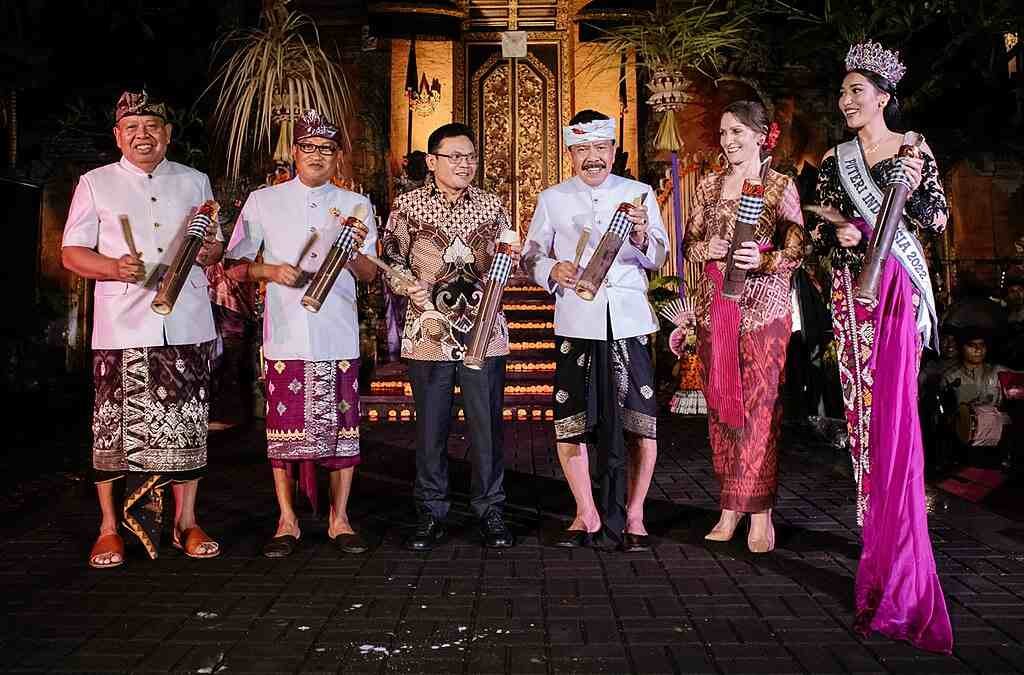
I need more information

Book Your Private Villa

Promotions

Located in Center Seminyak – Bali, Villa Carissa offers a private swimming pool and enclosed garden to guarantee your privacy. You can book your private pool villa here with us.

Whether you’re traveling with family, friends, or on a romantic getaway, villa Carissa in Seminyak center offers the perfect base for exploring Bali’s many attractions and enjoying a relaxing vacation.

Carissa villa in seminyak
Villa Carissa in Seminyak Center

From Bali to Bogor

Bali and Bogor are two popular destinations in Indonesia that offer visitors unique and distinct experiences. While Bali is known for its stunning beaches, vibrant culture, and luxurious resorts, Bogor is famous for its lush greenery, stunning botanical gardens, and cooler climate. Here are some points to keep in mind as you plan your journey from Bali to Bogor and discover the best of both worlds.

There is no direct flight from Bali to Bogor. You need to go from Bali to Jakarta by plane, then by car or train from Jakarta to Bogor. The direct flight from Bali to Jakarta takes 1 hour 35 minutes and this is the fastest way to go from Bali to Jakarta.  Then drive from Jakarta to Bogor, and it takes 1 hour.

For nature lovers and sports enthusiasts, the Bogor region is an absolute must visit, especially since it is far from touristy place.

Bogor is a residential city with a pleasant climate, a holiday resort built by the Dutch, Bogor is located 60 km (37 miles) from Jakarta. It is in no way an obligatory stage except that it has an extraordinary botanical park, one of the most important in the world, not to be missed… And then there is another, even more charming, in the surroundings, in Cibodas. A nice base if you want to avoid Jakarta.

How to go from Bali to Bogor?

There are several ways to travel from Bali to Bogor, including by plane, train, bus, or private car.

1. Take flight from Bali to Jakarta

2. Drive from Jakarta to Bogor

It takes 1 hour to drive from Jakarta to Bogor by car.

Alternatively, you can take a bus from Jakarta to Bogor. The journey by car or bus takes about 2-3 hours, depending on traffic conditions.

Or you can take train

Train from Jakarta to Bogor takes 1 hour 40 minutes.

What to do and see in Bogor and surroundings?

If you’re planning a trip from Bali to Bogor, here are some things to keep in mind:

Bogor, a city in West Java, Indonesia, is a hidden gem waiting to be explored. Its cool climate, lush greenery, and botanical gardens make it an ideal destination for nature lovers. Here are some points to help you plan your trip to Bogor and discover its best attractions:

File:Montage of Bogor.jpg

From top to bottom and from left to right: 1) Bogor Palace; 2) Kujang Monument; 3) Raya Mosque; 4) Botanical Gardens. Yogwi21, CC BY-SA 3.0, via Wikimedia Commons

Botanical Garden (Kebun Raya Bogor)

A beautiful well maintained garden. Since the departure of the Dutch, there has been no fundamental change in the orientation of the Institute and its agricultural school has managed to preserve its reputation.

It is also still a place of leisure, walks, meditation and the interest of the Indonesian public does not waver: people come in droves on Sundays to picnic with the family, admire the beautiful fruits and get drunk on the fragrant woods. and aromatic essences. This large 87 ha park is home to more than 15,000 species of trees and more than 5,000 varieties of orchids. Remaining faithful to its vocation, Bogor now has no less than 17 botanical research institutes. even if, on closer inspection (from the suspension bridges for example), we regret a certain abundance of rubbish in the river.

File:Bogor Botanical Entrance 2018.jpg

Entrance of Bogor Botanical Gardens, 2018. Vysotsky (Wikimedia), CC BY-SA 4.0, via Wikimedia Commons

However, these thousands of different plants and flowers are definitely worth seeing. In particular, the rafflesia, the largest flower in the world. However, you have to be very lucky because you cannot predict its flowering or its location. It must be flushed out like mushrooms, except that it measures up to 1 m in diameter and can weigh 10 kg (22 lbs)!

Bbg001
Once of the entrances to Bogor Botanical Garden. 茂木靜夫, Public domain, via Wikimedia Commons

To the northwest of the park

You can admire the presidential palace (Istana Bogor), which was once (from 1870 to 1942) the summer residence of the governor general of Java, today that of the president of Indonesia. It can be visited by appointment at the tourist office. You have to do it well in advance.

The palace

File:Kebun Raya Bogor 08.jpg

Bogor Botanical Garden (Kebun Raya Bogor West Java Indonesia. Cep Budhi Darma, CC BY-SA 4.0, via Wikimedia Commons

This palace was the residence of the Dutch Governors General. It now contains the art collections of Sukarno who loved to rest there. Some will tell you that we sometimes see the ghost of the former president walking around in his Rolls!

File:Bogor Botanical Gardens Java18.jpg

Memorial to Olivia Mariamne Raffles in the Bogor Botanical Gardens. She was was the spouse of Sir Stamford Raffles, vice governor of Java (1811–1816) from 1805 to 1814 and modern Singapore. A monument was erected to her memory in the botanical garden of Buitenzorg (Bogor). Arabsalam, CC BY-SA 4.0, via Wikimedia Commons

File:Istana Bogor.jpg

Bogor Palace seen from the Bogor Botanical Gardens. It adjoins the Bogor Botanical Garden. Previously, it was that of the Governor General of the Dutch East Indies and was called Paleis te Buitenzorg. Michael J. Lowe, CC BY-SA 3.0, via Wikimedia Commons

At the northeast corner of the park

The orchid garden (Rumah Anggrek, closed from 4 p.m.) presents a superb collection. Finally, we will not fail to take a look at the beautiful collection of bamboos and cacti.

The zoological museum does not seem to have moved since the departure of the Dutch in 1949. The collections are made up of stuffed animals and a gigantic skeleton of a whale that washed up on the Javanese coast.

File:Orchid house Bogor Botanical Garden.JPG

Orchid house, Bogor Botanical Gardens, Bogor, Indonesia. Sakurai Midori, CC BY 3.0, via Wikimedia Commons

Batutulis rock

You can also admire a Hindu Nandi cow statue that is probably 600 years old. Some guides try to make tourists believe that it was discovered in the river that crosses the garden, the Ciliwung and thus confirms the location of the ancient Hindu capital of the Pajajaran kingdom. Others will tell you that it is a good joke and that the statue comes from an Indonesian museum.

Batutulis means “engraved stones”. There are about 800 engravings have been recorded in the area. The best known is Prasati Batutulis, an object of pilgrimage, inscribed by the king of the Pajajaran, Prabu Purana, in honor of his father, Sri Baduga Maharaja Ratu Hajj. Historians hesitate between 2 dates: 1333 or 1533.

Ex President Sukarno, no doubt wanting to benefit from the magic aura of this stone, built his house on the other side and wanted to be buried there. Ex President Suharto preferred to remove the place of burial! Before entering, take off your shoes and pay a small donation.

Pura Parahyangan Agung Jagatkarta (Hindu temple)

Pura Parahyangan Agung Jagatkarttya is a beautiful Hindu temple located in the city of Bogor, Indonesia. This temple is one of the most popular tourist destinations in Bogor, and it is considered to be a significant religious site for Hinduism in the region.

The temple is situated on a hillside, surrounded by lush greenery and overlooking the city. The stunning architecture of the temple features intricate carvings and statues, which are characteristic of Hindu temples. The temple’s design and construction were inspired by the ancient Hindu temples in Bali, and it is considered to be a symbol of Hindu culture and tradition.

Here are some points about Pura Parahyangan Agung Jagatkarttya in Bogor:

Significance

Pura Parahyangan Agung Jagatkarttya is a significant Hindu temple located in Bogor, Indonesia. It is considered a symbol of Hindu culture and tradition in the region and is an essential place of worship for the Hindu community.

Architecture

The temple features stunning traditional Hindu architecture, with intricate carvings and statues. The design and construction were inspired by ancient Hindu temples in Bali.

Location

The temple is situated on a hillside, overlooking the city of Bogor, with beautiful views of the surrounding lush greenery.

Atmosphere

Visitors to the temple can expect a serene and peaceful atmosphere. The temple grounds are spacious and well-maintained, with beautiful gardens and pathways that lead to various shrines and prayer halls.

Religious festivals

The temple is often bustling with activity during important Hindu festivals such as Nyepi, Galungan, and Kuningan. Visitors can witness traditional Hindu ceremonies and rituals during these festivals.

Shopping

There are several small shops and stalls selling souvenirs and religious items, making it a great place to shop for unique gifts.

History

The temple’s name, “Parahyangan Agung Jagatkarttya,” comes from the Javanese language and translates to “the great sacred mountain of the universe.” The temple’s history and significance in Hindu culture make it a fascinating destination for those interested in learning about the religion.

Overall, Pura Parahyangan Agung Jagatkarttya is a must-visit destination for anyone interested in experiencing Hindu culture and tradition in Indonesia. With its stunning architecture, serene surroundings, and rich history, this temple is a true gem in the city of Bogor.

Halimun Salak National Park

The interest of this 40 ha park lies mainly in its hot springs, the crater of the Kawa Ratu volcano and a series of steep slopes, dense jungle and deep gorges, often covered in fog, with a forest of meranti (red wood) and rasamala which is used to make pencils. The park is also home to the rare West Javanese gibbon, a subspecies of the ashy gibbon, the Javan lutung (monkey), and no less than 150 species of birds.

File:Volcanic activity of Kawah Ratu Gunung Salak, Halimun Salak National Park.jpg

Volcanic activity of Kawah Ratu Gunung Salak, Halimun Salak National Park. Toni Wöhrl and Sang Cai, CC BY-SA 4.0, via Wikimedia Commons

Mount Salak

Go on an adventure on this 6.3-km (4miles) round trip route near Bogor, West Java. This course is generally rated as moderate. It’s a popular place for hiking, camping, and hiking, so you’re likely to come across a lot of people on your excursion. The best time to visit is from March to December. You will need to leave your dog at home as they are not allowed on this trail.

File:Gunung Salak dilihat dari Rainbow Hills, Bogor, Indonesia.jpg

Mount Salak seen from Rainbow Hills, Bogor, Indonesia. Hiroshi Sanjuro, CC BY-SA 4.0, via Wikimedia Commons

Terms and Procedures for Climbing Mount Salak

Climbing Quota

The number of climbers climbing Mount Salak is determined by a quota system, namely 200 people/day covering the Cidahu Route, the Cimalati Route and the Pasir Reungit Route.

Hiking Registration

Registration for Mount Salak Climbing is carried out with an online system, with the following conditions:

  • Online bookings apply to prospective climbers, both local and foreign through government’s website.
  • Visit the “Mount Halimun Salak National Park” official website.
After making the payment
  • After making a payment, you will be given a booking code in the form of a QR Code.
  • Online booking registration is opened 1 (one) month before the date of the climb and no later than 1 (one) day before if the quota is still available.
  • The climb is carried out in groups with a minimum number of 4 (four) people and a maximum of 10 (ten) people led by 1 (one) person who is responsible for the completeness of the administration and safety of its members.
  • The QR Code is proof of registration when entering the hiking trail.
  • Climbing registration through online booking cannot be canceled.

File:Volcanic activity of Gunung Salak Kawah Ratu (right) seen from ascent to summit Salak 1 Halimun Salak National Park.jpg

Volcanic activity of Gunung Salak Kawah Ratu (right) seen from ascent to summit Salak 1. Mount Halimun Salak National Park is a 400 km² (154 miles²) conservation area. Toni Wöhrl and Sang Cai, CC BY-SA 4.0, via Wikimedia Commons

How to climb mount Salak?

There are 3 ways to climb mount Salak, as follows:

Cimelati

Address: Pasawahan, Kec. Cicurug, Sukabumi Regency, West Java 43359.

The Kutajaya or Cimelati route is the shortest and fastest hiking trail to the top of Mount Salak, but along the way it will be difficult to find water sources, so clean water must be prepared from below. To get to Kutajaya from Bogor, we take a car to Sukabumi and get off at Cicurug or Cimelati.

Cicurug is a sub-district town that is included in the Sukabumi district, all climbing equipment must be prepared here. From the Cicurug market, which also doubles as a terminal, we can charter a car to Kutajaya for around Rp. 70,000.- or take an ojeg for around Rp. 15,000.- Public transportation is only available in the morning, and even then in very limited quantities.

Cidahu

Address: Kp Panagan, Cidahu Village, Cidahu District, Sukabumi Regency, West Java 43359

Mount Salak via Cidahu, Sukabumi. To climb via the Cidahu route, climbers have an estimated travel time of 7-8 hours. The journey to the top of Salak, starting from the Cidahu Registration Post (PTNW Kawah Ratu Resort) Mount Halimun Salak National Park (TNGHS).

Pasir Reungit (Reungite Sand)

Address: Jl. mt. Bunder, Mt. Picung, Kec. Pamijahan, Bogor Regency, West Java 16810

The hiking trail for Mount Salak via Pasir Reungit is the longest path that needs to be traversed. Because to get to the top of Salak I, climbers have to walk around Kawah Ratu. The Pasir Reungit route has a panorama that is no less beautiful than the Cidahu route. On this route, there are two small craters, namely the Monkey Crater and the Dog Crater. During the rainy season like this, the two craters turn into natural springs that climbers can use.

Photo credit: Arabsalam (CC BY-SA 4.0) via Wikimedia Commons

Photo description: View of the Istana Bogor (Bogor Palace).


Ready to book your villa in Seminyak center?

Book Your Private Villa

Located in Seminyak Center – Bali, Villa Carissa offers a private swimming pool and enclosed tropical garden to guarantee your privacy.

Perfect for couples, families, and friends exploring Bali before continuing their adventure to Java volcanoes like Mount Bromo.

You can also book through
Airbnb.

Carissa villa in seminyak
Villa Carissa in Seminyak Center

Discover the Best Ideas for Day Trips in South Bali

South Bali is home to some of the most iconic and easy-to-reach places on the island, from stylish beach towns and surf beaches to dramatic cliff temples and family-friendly coastal areas. This guide brings together some of the best ideas for day trips in South Bali, whether you want beach time, culture, shopping, watersports, or a relaxed evening with sunset views.

When planning your day trip, consider hiring a driver for the day or joining a tour. This makes the day easier and helps you enjoy more stops without stress. If you prefer to travel independently and at a lower cost, renting a scooter can work well for shorter routes.

Bali is a fascinating destination that offers something for everyone. Whether you want to relax on the beach, immerse yourself in culture, or enjoy a little adventure, South Bali makes it easy to do all three.

Below you will find a practical 8-day inspiration guide. You can follow it exactly or simply use it as inspiration for your own Bali itinerary.

Summary: Day 1 to Day 8

  • Day 1 – Seminyak: Beach club, beach, sunset, drinks
  • Day 2 – Tanjung Benoa: Watersports and turtle-related visits
  • Day 3 – Kuta: Surfing, shopping, Waterbom, nightlife
  • Day 4 – Tanah Lot and Canggu: Temple, brunch, beach, sunset
  • Day 5 – Uluwatu: GWK, Bukit beaches, Uluwatu Temple, Kecak dance
  • Day 6 – Nusa Dua: Beach, Waterblow, shopping, activities
  • Day 7 – Sanur: Beachfront, bike ride, local food, easy day out
  • Day 8 – Gili Islands: Island-hopping or overnight extension

Day 1: Seminyak

Program of the day: beach club, beach, sunset, and evening drinks

Seminyak is one of the most stylish and convenient areas in Bali. It is ideal for a relaxed first day because you can combine beach time, cafés, shopping, and nightlife without long transfers.

A simple plan is to start around lunchtime, head to one of Seminyak’s best-known beach clubs, then spend the late afternoon at the beach and stay for sunset. In the evening, continue with dinner or drinks in the Seminyak center.

Good beach club options include Ku De Ta for a chic lounge atmosphere, Potato Head for one of Bali’s classic lifestyle venues, or La Plancha for a more colorful and casual sunset setting.

Ideas for what to do in Seminyak

Enjoy the beaches

Spend time on Seminyak Beach, Petitenget Beach, or Double Six Beach. You can relax, swim, or try simple beach activities like surfing or stand-up paddleboarding.

Read also:
Seminyak Beach Club | Chic, Glamorous and Flashy | Perfect For Both Day and Night

Explore temples

Visit Pura Petitenget, one of the most important temples in the area, for a cultural contrast to Seminyak’s modern cafés and beach clubs.

Read also:
Must Visit Temples in Bali

Shop and stroll

Browse Seminyak Square, Seminyak Village, and the boutiques around Kayu Aya and Petitenget.

Pamper yourself

Seminyak is one of the easiest places in Bali to book a massage, manicure, or spa treatment.

Read also:
ManiPedi Spa and Beauty Treatments in Seminyak

Experience the nightlife

Seminyak is excellent for cocktails, sunset bars, and stylish late evenings.

Read also:
Bali Nightlife Guide


Day 2: Tanjung Benoa

Program of the day: watersports, Turtle Island, and turtle conservation learning

Tanjung Benoa is the classic South Bali destination for watersports. The sea is generally calmer here than on Bali’s surf beaches, which makes it especially popular for parasailing, jet skiing, banana boats, and similar activities.

Water sports

Tanjung Benoa is best known for watersports. You can try parasailing, jet skiing, banana boating, flyboarding, and more.

Read also:
Fun Water Sports Activities in Bali

Turtle Island

A short boat ride offshore takes you toward Turtle Island-style stops, where many tours include marine animals and turtle-related attractions. Choose operators carefully and favor responsible experiences.

Turtle Conservation and Education Center

You can also visit a turtle conservation center to learn more about sea turtle protection in Bali.

Address:
Pusat Pendidikan Dan Konservasi Penyu
Jalan Tukad Wisata No 4, Serangan


Day 3: Kuta

Program of the day: beach or surfing, shopping, evening drinks

Kuta remains one of Bali’s best-known beach areas. It is lively, practical, and especially good for beginner surfers, shopping, and casual nightlife.

A simple day plan is to start in the morning with beach time or a surf lesson, have lunch nearby, continue with shopping in the afternoon, then finish with drinks or nightlife around Jalan Legian.

Ideas for what to do in Kuta

Surfing at Kuta Beach

Kuta Beach is one of Bali’s classic beginner surf beaches, with many surf schools and board rentals.

Waterbom Bali

Waterbom Bali is one of the best water parks in Asia and a great choice for families or anyone wanting a fun, easy full-day activity.

Bali Bombing Memorial

The Bali Bombing Memorial is a more reflective stop that commemorates the victims of the 2002 tragedy in Kuta.

Shopping at Kuta Square or Beachwalk

Kuta is one of the easiest places in South Bali for mall shopping, souvenir shopping, and casual fashion stops.

Balinese massage

After a long day in the sun, Kuta also offers many massage and spa options.


Day 4: Tanah Lot Temple and Canggu

This day works especially well as a combination: a slow brunch and beach mood in Canggu, then a sunset visit to Tanah Lot.

Tanah Lot

Tanah Lot is one of Bali’s most iconic sea temples, best known for its offshore rock setting and dramatic sunset atmosphere.

A good way to plan this day is to explore Canggu first, then head to Tanah Lot later in the afternoon for sunset.

Read also:
Tanah Lot Bali temple bordering the Indian Ocean

Canggu

Canggu is a great area for brunch, surfing, beach time, boutique shopping, and sunset drinks. It also works well for travelers who enjoy a more casual, modern Bali vibe.

Start with brunch at a café, spend time at Batu Bolong, Berawa, or Echo Beach depending on your surf level, then head to the rice fields north of Canggu or stay near the beach for sunset.

Read also:
Best places to go for couples in Bali


Day 5: Uluwatu

Program of the day: GWK Park, Bukit beaches, Uluwatu Temple at sunset, Kecak Fire Dance

This is one of the strongest sightseeing days in South Bali because it combines cliff views, beaches, temple culture, and one of Bali’s most famous evening performances.

A typical route is: start with Garuda Wisnu Kencana Cultural Park in the morning, continue to one of the Bukit Peninsula beaches, then finish at Uluwatu Temple for sunset and the Kecak Fire Dance.

Read also:
What to do in Uluwatu

Uluwatu Temple

Uluwatu Temple is one of Bali’s most dramatic cliffside temples, set high above the Indian Ocean.

Beach hopping

Good beach options include Padang Padang, Bingin, Balangan, Dreamland, Jimbaran, and Suluban.

Surf lessons

Uluwatu and the Bukit coast are famous surf zones, but choose the right beach for your level.

Sunset dinner

Clifftop restaurants in Uluwatu are excellent for a memorable evening.

Kecak Fire Dance

Watching the Kecak performance at Uluwatu around sunset is one of Bali’s signature cultural experiences.


Day 6: Nusa Dua

Program of the day: watersports, Waterblow, Nusa Dua Beach, shopping, optional evening show

Nusa Dua is one of South Bali’s most polished resort areas, with wide roads, well-kept beachfronts, luxury hotels, and easy family-friendly beach access.

A practical day plan is to start with watersports or beach time, visit Waterblow and the beachfront walk, then continue with shopping or a meal.

Ideas for what to do in Nusa Dua

Nusa Dua Beach

Nusa Dua Beach is one of the easiest and cleanest beach areas in South Bali for swimming and sunbathing.

Geger Beach

Geger is quieter and often preferred by travelers who want a calmer beach atmosphere.

Waterblow

The Waterblow viewpoint is a dramatic coastal stop where waves crash against the rocks and spray high into the air.

Shopping at Bali Collection

Bali Collection is a convenient shopping and dining complex in the Nusa Dua area.


Day 7: Sanur

Program of the day: beach walk, bike ride, local food, relaxed atmosphere

Sanur is one of the calmest and most family-friendly coastal areas in South Bali. It is better known for sunrise than sunset and has a much more laid-back pace than Kuta or Seminyak.

Sanur Beach is best known for sunrise, while Seminyak and Kuta are more famous for sunset.

A relaxed Sanur day can include a beachfront walk, lunch, bicycle rental, and time at the beach or along the promenade.

Ideas for Sanur visits

Walk along the beach

Sanur’s beachfront path is one of the easiest and most pleasant seaside walks in Bali.

Sunrise bike tour

A morning bike ride works especially well in Sanur because the area is flatter and calmer than many other parts of Bali.

Visit Pura Blanjong Temple

This historic temple is known for its ancient inscription stone.

Visit Le Mayeur Museum

The Le Mayeur Museum is a good cultural stop for visitors interested in Bali’s artistic history.

Take a boat trip to Nusa Penida

Sanur is one of the main departure points for fast boats to Nusa Penida.

Read also:
Nusa Penida complete guide


Day 8: Island Hopping to the Gili Islands

The Gili Islands are not in Bali itself, but they are one of the most popular extensions from a South Bali trip. If you have time, this is usually better as an overnight or multi-night trip rather than a rushed day trip.

The three main islands each have a different feel:

  • Gili Trawangan – the liveliest island, known for nightlife and a busier atmosphere
  • Gili Meno – the quietest island, ideal for couples and slower stays
  • Gili Air – a good middle ground, relaxed and friendly

Typical activities include snorkeling, beach time, cycling, and seafood dinners by the water.

Read also:
From Bali to Gili Islands | Complete guide to visit Meno, Air, and Trawangan

Ideas for Gili visits
Snorkeling

Snorkeling is one of the biggest highlights of the Gili Islands, especially around turtle spots and coral areas.

Beach time

Relax on white sand beaches and enjoy the laid-back island atmosphere.

Seafood feast

Fresh grilled seafood by the beach is one of the simple pleasures of staying on the Gilis.

Note: a day trip from Seminyak to the Gili Islands is possible but not ideal. It is better to stay at least one night to enjoy the islands properly.

Photo credit (main picture):
miniwal
via
Pixabay

Read also:
The benefits of mindfulness meditation


Book Your Private Villa in Seminyak, Bali

Looking for the perfect private pool villa in Seminyak? Villa Carissa offers the best of both worlds: a tranquil retreat with your own private swimming pool and lush tropical garden, just steps away from Bali’s vibrant dining, shopping, and nightlife.

I need more information

Book Your Private Villa

Promotions

Whether you’re traveling with family, friends, or on a romantic getaway, Villa Carissa in Seminyak center offers the perfect base for exploring Bali’s many attractions and enjoying a relaxing vacation.

Carissa villa in Seminyak


Villa Carissa in Seminyak Center

Discover the Best Temples in Bali and You Must Visit Them

With over 20,000 temples in Bali, it’s hard to see them all in just 2 or 3 weeks. In this Best Temples in Bali article, we present to you our must visit temples in Bali. Then the choice is yours!

Bali is a tropical paradise that is famous for its stunning beaches, lush rice terraces, and vibrant culture. One of the essential aspects of Balinese culture is religion, and it is reflected in the numerous temples found all around the island. These temples are not just places of worship, but also important landmarks and tourist attractions that offer a glimpse into Bali’s rich history and tradition. Here are some of the must-visit temples in Bali that you need to explore during your stay.

Some of these temples are the most emblematic of Bali and are therefore very popular.

Discover the best temples in Bali, where the rich Hindu heritage is beautifully preserved, and immerse yourself in a spiritual journey that unveils the island’s sacred traditions, breathtaking architecture, and profound cultural significance, offering a unique opportunity to witness vibrant ceremonies, intricate stone carvings, ornate gateways, and serene surroundings that transport you to a realm of divine tranquility.

Here are some of the must-visit temples in Bali that you should add to your travel itinerary:

Tanah Lot

This iconic temple is perched on a rock in the middle of the ocean, making it one of the most photographed temples in Bali.

The temple of Tanah Lot (Tanah Lot means “The land in the sea” in Balinese), located in the South-West of Bali, is famous for its sunsets and its temple surrounded by the ocean according to the tides. At low tide, you can walk to the rock. The temple is dedicated to the sea God, Baruna, and is believed to protect the island from evil spirits.

Perched on a sea rock, it offers a stunning sunset view, making it one of Bali’s most iconic temples.

File:Tanah Lot - bali 2013.JPG

Tanah Lot, Bali. Technob105, CC BY-SA 3.0, via Wikimedia Commons

Tanah Lot is one of the most famous and iconic temples in Bali, and it is located on a rock formation that is surrounded by the sea. The temple is dedicated to the Balinese sea gods, and it offers a magnificent view of the sunset. Tanah Lot is a popular tourist destination, and it can get quite crowded during peak season, but it’s worth the visit.

Walk around Tanah Lot to observe the diverse sights. You will marvel at the beauty of the place, especially at sunset.

Legend

Legend has it that the sage once went to the rocky promontory that was then Tanah Lot, connected to the moor by a natural stone bridge. Captivated by the spectacle of the ocean caressing the banks and by the backwash of the waves, the man would have decided to spend the night there…

And in the early morning, in total harmony with the sea stretched out in front of him, he decided to build the temple to pay homage to this element of nature. Even today, the caves dug by the waves at the foot of the cliffs that surround it are said to be inhabited by sacred serpents, descendants of the former protectors of the site.

File:Tanah Lot beautiful sunset.jpg

Tanah Lot beautiful sunset. Pinterpandai, CC BY-SA 4.0, via Wikimedia Commons

Useful information :
Address: Jl. Tanah Lot, Beraban, Kec. Kediri, Kabupaten Tabanan, Bali 82121, Indonesia
Admission: 60,000 rupees / adult, 30,000 rupees / child (+5,000 rupees for car parking, + 2,000 rupees for scooter parking)
Access: The road is in good condition, so you can easily reach the temple by car or scooter. At high tide, the temple is accessible only by boat.

Tanah Lot Bali | Temples Bordering the Indian Ocean

Besakih Temple

Besakih Temple, nicknamed the “Mother Temple”, is located at the foot of Mount Agung in the village of Besakih, East Bali. At around 1000 meters above sea level, Pura Besakih is the most important and sacred temple in Bali, dedicated to the three deities of Balinese culture.

This is the largest and most important Hindu temple in Bali, and is located on the slopes of Mount Agung. It is a UNESCO World Heritage Site.

This temple is actually a complex of 23 separate temples that are dedicated to different Hindu deities. Each region of Bali has its own temple within Besakih Temple and is responsible for its upkeep. Besakih is an essential pilgrimage site for the Balinese Hindus, and it offers breathtaking views of the surrounding landscape.

Known as the “Mother Temple,” it is the largest and holiest temple complex in Bali, with a breathtaking mountain backdrop.

There are also three temples dedicated to the Hindu trinity: Shiva (the destroyer), Brahma (the creator) and Vishnu (the preserver).

File:Besakih Bali Indonesia Pura-Besakih-02.jpg

Besakih Temple. Photo by CEphoto, Uwe Aranas (CC BY-SA 3.0) via Wikimedia Commons

The visit of Besakih is strongly recommended accompanied by a guide that you have chosen before your arrival on the site, it is one of the essentials in Bali. Indeed many false guides will try by all means to offer their services and they can be more than unpleasant.

File:Pura Gelap in Mother Temple of Besakih - panoramio (1).jpg

Pura Gelap in Mother Temple of Besakih. Tuderna, CC BY 3.0, via Wikimedia Commons

Four of the temples in the complex reflect the four forms of God through the cardinal points: Pura Batu Madeg to the north, Pura Kiduling Kreteg to the south, Pura Gelap to the east, and Pura Ulun Kulkul to the west.

File:Shiva temple, Pura Besakih.jpg

Shiva temple at Pura Besakih. Chainwit., CC BY-SA 4.0, via Wikimedia Commons

Useful information:

Address: Besakih, Rendang, Karangasem, Regency, Bali 80863, Indonesia
Admission: 60,000 rupees / person (loan of the sarong, scooter ride for the climb, guide)
Access: To get there, you can take a taxi or hire a private driver or scooter is located at the entrance of a village where there is a car park. You can then either walk up or continue by scooter. From Kuta or Seminyak. Entrance fee: IDR 60,000 (about USD 4.20).

The bad reputation of the temple and the flight of tourists lead the authorities to react and reorganize access to the temple for tourists in better conditions than before. Here is the update communicated by a lebaliblog reader:
The entrance ticket is IDR 60,000 /person.

For this price there are:
  • loan of the sarong (fabric that’s wrapped around the waist)
  • scooter ride for the climb
  • guide

It is possible not to take the sarongs, the scooter or the guide but the price remains the same. During our visit, there were no requests, so a great experience, certainly to be done given the new organization. To be specified, empty temple, its former bad reputation has taken it out of the standard circuit so good plan at the moment.

Ulun Danu Bratan Temple

This picturesque temple is located on the shores of Lake Beratan and is dedicated to the Hindu gods Brahma, Vishnu, and Shiva.

Ulun Danu Bratan Temple (Ulun Danu means “beginning of the lake” in Balinese), nicknamed the water temple, is located on the shore of Lake Bratan, surrounded by the mountains of Bedugul, in the center of Bali. The ceremonies are dedicated to the goddess of water and rivers, Dewi Danu, to guarantee the irrigation of the entire central region of Bali which finds its source here.

The temple is dedicated to Dewi Danu, the goddess of the lake, and it offers a beautiful reflection of the temple on the lake’s surface. Ulun Danu Beratan is surrounded by lush gardens and beautiful mountains, making it a perfect spot for nature lovers.

File:Pura Ulun Danu Bratan 1998 12.jpg

Shrines at Ulun Danu Bratan temple. Tabanan Regency, Bali, Indonesia. LBM1948, CC BY-SA 4.0, via Wikimedia Commons

Ulun Danu has the famous Meru with 11 roofs, the maximum possible. Merus are wooden towers often found in Balinese temples, always in odd numbers. Their number varies according to the dignity of the god to whom the temple is dedicated.

File:Pura Ulun Danu Bratan, 2022.jpg

Ulun Danu Bratan Temple. A Balinese Hindu temple. LukeTriton, CC BY-SA 4.0, via Wikimedia Commons

Useful information :
Address: Danau Beratan, Candikuning, Baturiti, Kabupaten Tabanan, Bali 82191, Indonesia
Admission: 50,000 rupees / adult, 25,000 rupees / child (+5,000 rupees for car parking, +2,000 rupees for scooter parking)
Access: The road is in good condition, so you can easily reach the temple by car or scooter. Knowing that these are mountain roads with many turns.

Taman Ayun Temple – Ubud

The Taman Ayun Temple (Taman Ayun means “Beautiful Garden” in Balinese) is located in the town of Mengwi to the west of Ubud.

This temple is located in the middle of a lake and is known for its beautiful water features. It is a popular spot for weddings and other special occasions.

Surrounded by a beautiful garden and a moat, it’s a wonderful example of traditional Balinese architecture.

Surrounded by trees, vegetation and ponds, it is very pleasant to walk there. The temple is surrounded by canals, and is thus accessible by a bridge that leads to the entrance. You then arrive in a courtyard with green spaces and a fountain, as well as a cockfighting arena.

File:Pura Taman Ayun 1998 01.jpg

Taman Ayun Temple. Mengwi, Badung Regency, Bali, Indonesia. LBM1948, CC BY-SA 4.0, via Wikimedia Commons

File:Pura Taman Ayun terletak di Mengwi, Bali.jpg

Temple Tower Rows of Taman Ayun Royal Temple at Mengwi, Bali. Cindi CGJ, CC BY-SA 4.0, via Wikimedia Commons

File:Inner temple, Taman Ayun.JPG

View of inner temple, Taman Ayun, Bali. Anthony.bradbury, Public domain, via Wikimedia Commons

Useful information :
Address: Jl. Ayodya No.10, Mengwi, Kec. Mengwi, Kabupaten Badung, Bali 80351, Indonesia
Entrance: 20,000 rupees / person
Access: The road is in good condition, so you can easily reach the temple by car or scooter.

Gunung Kawi Temple – North of Ubud

After crossing some beautiful rice fields and climbing 300 steps, you will discover one of the oldest temples in Bali, Gunung Kawi Temple, located in the middle of the Pakerisan River, north of Ubud.

This temple complex is located in the valley of the kings and is known for its 11th-century rock-cut shrines.

File:Candi Gunung Kawi.jpg

Gunung Kawi Temple, Gianyar, Bali. Joni.photo23, CC BY-SA 4.0, via Wikimedia Commons

Pura Gunung Kawi is an ancient temple complex

It has about ten sanctuaries carved directly into the rock in the 11th century. Pura Gunung Kawi is an ancient temple complex that features ten shrines carved into the rock face. The temple is dedicated to King Anak Wungsu and his family.

File:Cloister, Gunung Kawi, Bali 1633.jpg

Cloister, Gunung Kawi, Bali. This chamber is located at the right-hand corner of the Kings’ Tombs. Given its location, it probably housed the chief priest who maintained the site and carried out devotions to the departed rulers. Many similar chambers were excavated into the rock in and around the site. These living quarters are usually called “cloisters” or “hermitages” in guidebooks, although neither term is accurate; the residents here were priests, not monks or hermits. Michael Gunther, CC BY-SA 4.0, via Wikimedia Commons

Useful information:
Address: Banjar Penaka, Tampaksiring, Kabupaten Gianyar, Bali 80552, Indonesia
Admission: IDR 15,000 / person
Access: The road is in good condition, so you can easily reach the temple by car or scooter.

Exploring the Mystical Beauty of Gunung Kawi Temple in Bali

Tirta Empul Temple – Central Bali, between Ubud and Mount Batur

A holy spring water temple, Tirta Empul is a place of purification and spiritual cleansing. Visitors can participate in the ritual of bathing in the holy water.

This temple is known for its holy springs, where visitors can bathe in the sacred water. It is believed that the water has healing powers.

Tirta Empul Temple, also called Tirta Empul Spring (Tirta Empul means “sacred spring” in Balinese), is located in the town of Tampaksiring between Ubud and Mount Batur, in central Bali.

The site includes basins known for their holy water where the Balinese go for their purification rituals. One can feel the importance of the place by seeing the many Balinese people coming there to pray and purify themselves.

File:Pura Tirta Empul, Bali.JPG

A beautiful and old Hindu temple which hosts rituals. The temple has holy springs in which devotees bathe. Saranabhi, CC BY-SA 3.0, via Wikimedia Commons

Useful information :
Address: Jl. Tampaksiring, Manukaya, Tampaksiring, Kabupaten Gianyar, Bali 80552, Indonesia
Admission: 50,000 rupees / adult, 25,000 rupees / child (5-11 years old)
Access: The road is in good condition, so you can easily reach the temple by car or scooter.

Goa Gajah (Elephant Cave)

Also known as the Elephant Cave, Goa Gajah is a unique temple that features an entrance shaped like a demon’s mouth. The temple’s interior is adorned with ancient carvings and a statue of the elephant-headed god, Ganesha. The temple’s surroundings are equally beautiful, with lush greenery and a river flowing nearby.

This cave temple is known for its intricate carvings, which date back to the 11th century.

File:Goa Gajah Temple Tank 01.jpg

Goa Gajah baths, Bali, Indonesia. Chainwit., CC BY-SA 4.0, via Wikimedia Commons

The temple

Goa Gajah is a Shiava/Buddhist complex that may date from around the 11th century A.D. It consists of the bathing tank seen here, a Rangda cave with statuary and sleeping niches, and the remains of other structures.

It was only excavated and restored in the 1950s, although the cave had been visited by Nieuwenkamp in 1925 (Dutch multi-faceted autodidact. As an artist he was active as a painter, draftsman, sculptor, etcher, lithographer, and designer of book covers and of ex-libris. In addition, he was also known as a writer, architect, explorer, ethnologist and collector of East Asian art.

File:Goa Gajah 1998 01.jpg

Goa Gajah (Elephant Cave). LBM1948, CC BY-SA 4.0, via Wikimedia Commons

Inside Elephant Cave

In a small niches, are arranged statues of Hindu gods including those of Brahma, Ganesh and Shiva. The site also has a central basin with, on its edge, 6 statues of women spitting a trickle of water which would have the magical property of preserving youth.

File:Goa Gajah, Bedulu, Bali, 20220824 0926 0536.jpg

Inside the Goa Gajah. Jakub Hałun, CC BY-SA 4.0, via Wikimedia Commons

Gardens

Continue the visit by following the paths penetrating into the jungle. You will discover a spiritual place, by the river, at the foot of a waterfall where you can swim. Be careful, the passage is narrow and can be very slippery.

File:Goa Gajah gardens, Bedulu, Bali, 20220824 0944 0576.jpg

Goa Gajah gardens (Bali island, Indonesia). Jakub Hałun, CC BY-SA 4.0, via Wikimedia Commons

Goa Lawah Temple (Bat Temple)

Carved out of the foothills of Bukit Tengah Mountain and located off the Balinese coast near Kusamba Beach, Goa Lawah Temple is a combination of a temple and a cave housing thousands of mousetowers.

The temple is dedicated to the god of the underworld and is known for its unique architecture.

File:Goa Lawah Bali53.jpg

Goa Lawah Temple. Arabsalam, CC BY-SA 4.0, via Wikimedia Commons

File:COLLECTIE TROPENMUSEUM Offeraltaren bij de Pura Goa Lawa of Vleermuizengrot TMnr 20018474.jpg

Offering altars at the Pura Goa Lawa or Bat Cave Temple near Kusamba. Tropenmuseum, part of the National Museum of World Cultures, CC BY-SA 3.0, via Wikimedia Commons

Useful information :
Address: Jl. Raya Goa Lawah, Pesinggahan, Dawan, Kabupaten Klungkung, Bali, Indonesia
Admission: 15,000 rupees / person
Access: The road is in good condition, so you can easily reach the temple by car or scooter.

Ubud Monkey Forest Temple

Luhur Uluwatu Temple

The 11th century, Uluwatu temple is located on the southwestern tip of the Bukit peninsula in southern Bali. Built on the cliffs 70 meters (230 ft) high, you can admire a magnificent view of the Indian Ocean and its sunset.

Overlooking the Indian Ocean, it showcases a mesmerizing Kecak Fire Dance performance at sunset.

Take a walk around the temple, in the pleasant gardens, and especially go to the edge of the cliff to enjoy the different views. Beware all the same of the many monkeys very present.

File:Pura Luhur Uluwatu 1998 01.jpg

Luhur Uluwatu Temple. LBM1948, CC BY-SA 4.0, via Wikimedia Commons

Kecak Fire dance

You can also attend a Kecak Fire show, this one tells the epic of the hero Ramayana on an open stage with the ocean in the background, the show ends at night with some pyrotechnic scenes.

In Bali, the Kecak dance tells the epic of the Ramayana. About fifty men will bewitch you with their vocal percussion!

File:Burning fire in Ramayana Kecak Dance.jpg

Flaming Fire in one of scenes of Ramayana Kecak Dance performed in Amphiteater Pura Uluwatu, Bali. Johannnindito Adisuryo (Yohanes Nindito Adisuryo)CC BY-SA 4.0, via Wikimedia Commons

From the top of a cliff, the temple of Uluwatu dominates the sea in Bali, in its southern tip. Pilfering monkeys in large numbers in the temple sow discord among visitors (we saw a woman get a shiny flip-flop by a monkey… to recover it, a guard “traded” the sandal for a banana!). I admit that the presence of these monkeys, sometimes quite massive, in freedom, frightened the children (and me too!).

The architectural ensemble of the Uluwatu temple is splendid, and in the evening, an amphitheater welcomes you, with a view of the setting sun, for an impressive performance: a show of the kecak dance.

Inside the temple

Part reserved for the faithful – a sculpture in the arch of a bhoma (son of the forest) protects the sanctuary. In the middle, three doors are majestically decorated with phoenix wings. On full moon nights, the place gives off a strong power, further reinforced by the foaming swell that breaks below with a tremendous crash.

Be careful

There are a lot of monkeys on the sacred place. They will steal everything they can, and only return the object of the larceny in exchange for fruit or other delicacies. They are not aggressive, but nothing should lie around if you don’t want to be surprised by a macaque.

Useful information :
Address: Pecatu, South Kuta, Badung Regency, Bali, Indonesia
Admission: 20,000 rupees / person (+70,000 rupees for the Kecak dance show)
Access: The road is in good condition, so you can easily reach the temple by car or scooter.

Uluwatu Travel Guide: Must Visit Places Between Temples and Beaches in South Bali

Tirta Gangga Water Palace – East Bali

The Tirta Gangga Water Palace, placed on the sacred waters, is a veritable Balinese Garden of Eden where all is beauty. The nature that surrounds the statues, baths and fountains is wonderful.

An enchanting garden with water features and statues, perfect for a leisurely stroll.

For a change from visiting temples in Bali, schedule a visit to Tirta Gangga Palace. It is a very beautiful temple with a water point. Very interesting to walk around and take pictures!

The “Tirta Gangga Water Palace” is indeed splendid, and yet little visited by tourists. And for good reason: to the east of the island, it is far from the most popular spots like Kuta and Ubud. It is located about fifteen kilometers south of Amed (30 minutes by car). Count 2 hours by road if you come from Denpasar.

File:Tirta Gangga.jpg

Tirta Gangga. S A B R I N A B A L I, CC BY-SA 4.0, via Wikimedia Commons

Tirta means “holy water” and Gangga means “Ganges”, the Indian river which is a symbol of a sacred spring in the Hindu religion. The water palace was built in 1946 by the raja of Karangasem and renovated several times.

Very quiet place, and a very beautiful architecture. Allow 1 to 2 hours for the visit.

Tirta Gangga Palace | The Royal Baths and Beautiful Aquatic Gardens in East Bali

Kehen Temple – East Bali

Kehen temple is a Hindu temple complex located in the village of Cempaga, Bangli Regency, Bali, Indonesia. It is dedicated to the Hindu gods Brahma, Vishnu, and Shiva. The temple is believed to have been built in the 13th century, and is one of the oldest and most important temples in Bali.

The temple is like a storybook with three parts, each for a different god. The first part is for Brahma, who created everything. The second is for Vishnu, who takes care of everything. The last part is for Shiva, who brings change.

File:Pura Kehen 1998 02.jpg

Kehen Temple. Bangli Regency, East Bali, Indonesia. LBM1948, CC BY-SA 4.0, via Wikimedia Commons

Imagine a big gate with two lion statues standing guard. The temple walls are like a picture book with carvings of gods, goddesses, and magical creatures.

People from all over visit this temple to see its beauty and learn about Bali’s culture. It’s not just for tourists; locals come here to pray too. It’s like a special place that connects people to their beliefs.

Luhur Lempuyang Temple

Located on Mount Lempuyang in East Bali, the temple of Luhur Lempuyang is one of the oldest in Bali. It is part of a group of 7 temples along a hiking path leading to the summit. Pura Lempuyang is located on the slopes of Mount Lempuyang and offers stunning views of the surrounding landscape. Lempuyang temple is also known as the “Gateway to Heaven”.

After climbing the 1700 steps for a good hour, you can admire the magnificent view of Mount Agung and the surrounding nature.

File:"Heaven Gate" Pura Lempuyang.jpg

“Heaven Gate” Pura Penataran Agung Lempuyang. Chainwit.CC BY-SA 4.0, via Wikimedia Commons

Useful information:
Address: Bunutan, Abang, Seraya Bar., Kec. Karangasem, Kabupaten Kaangasem, Bali 80852, Indonesia
Admission: 10,000 rupees (minimum donation required)
Access: The road is in good condition, so you can easily reach the temple by car or scooter.

Pura Gunung Lebah

Located along the Campuhan Ridge Walk, it provides a peaceful retreat amidst nature.

A magnificent temple located in the center of Ubud that you can visit quietly… Not to be missed in Ubud.

File:Purah Gunung Lebah4.JPG

Sculpture at Purah Gunung Lebah temple in Ubud. Arabsalam, CC BY-SA 3.0, via Wikimedia Commons

This small temple overlooking a river offers a quiet getaway in a very green site.
A path that runs along it allows a pleasant walk in the countryside.

File:Pura Gunung Lebah2.JPG

Some sculptures waiting for conservation at Purah Gunung Lebah temple in Ubud. Arabsalam, CC BY-SA 3.0, via Wikimedia Commons

After visiting the temple, you can go to the Campuhan rice fields which are just behind.

File:Purah Gunung Lebah3.JPG

Sculptures waiting for conservation at Purah Gunung Lebah temple in Ubud. Arabsalam, CC BY-SA 3.0, via Wikimedia Commons

Samuan Tiga Temple (around Ubud)

A very pretty typical Balinese temple, quiet and very pleasant to see…a pretty place to meditate, take a rest and enjoy the calm of the place.

Samuan Tiga Temple, also known as Pura Samuan Tiga, is an ancient Hindu temple located in the village of Bedulu, Gianyar regency, Bali, Indonesia. This temple is of great historical and spiritual significance, as it is one of the oldest and most sacred temples on the island. The serene and peaceful ambiance of Pura Samuan Tiga makes it an ideal place for meditation and spiritual contemplation.

An ancient temple with three shrines, representing the Hindu trinity.

The name “Samuan Tiga” translates to “Three Meetings” in Balinese, which refers to the temple’s unique feature of having three separate sections, each dedicated to a different god within the Hindu trinity: Brahma, Vishnu, and Shiva. The temple complex is divided into three courtyards, with each courtyard having its own shrines and altars.

File:Pura Samuan Tiga (2022) img 04.jpg

Pura Samuan Tiga. Chainwit., CC BY-SA 4.0, via Wikimedia Commons

The first courtyard is dedicated to Lord Brahma, the creator, and it is where religious rituals and ceremonies are performed. The second courtyard is dedicated to Lord Vishnu, the preserver, and it features a large pavilion where prayers and offerings take place. The third courtyard is dedicated to Lord Shiva, the destroyer, and it contains the main shrine and a sacred bathing pool.

File:Pura Samuan Tiga (2022) img 01.jpg

The main entrance of Samuan Tiga Temple. Chainwit., CC BY-SA 4.0, via Wikimedia Commons

For travelers interested in exploring Bali’s rich cultural heritage and religious sites, a visit to Samuan Tiga Temple is a must. It provides a unique opportunity to witness the spiritual practices and rituals that have been passed down through generations and continue to be an integral part of Balinese life.

Pura Saraswati Temple (Ubud Water Palace) – Ubud

This sacred temple pays homage to the Hindu goddess of knowledge and the arts, Sarasvati. Renowned for its enchanting lotus pond and intricate water features, it stands as a serene sanctuary celebrating spirituality and creativity.

Pura Taman Saraswati, officially Pura Taman Kemuda Saraswati, the Ubud Water Palace, is a captivating Hindu temple in Bali. Designed by sculptor I Gusti Nyoman Lempad, it boasts a lotus pond, a unique bridge, and stunning sculptures.

Constructed in 1951, the temple’s inner sanctum is accessed through red-bricked gates and an aling-aling wall. The padmasana shrine, dedicated to Sarasvati, features cosmic turtle carvings.

The temple also includes a pavilion for the Hindu Trimurti, meru towers, and a bale barong for exorcizing rituals. Pura Taman Saraswati stands as a symbol of Balinese art and spirituality in Ubud.

File:Pura Taman Saraswati (2022) 01.jpg

The lotus pond of Pura Taman Saraswati. Chainwit., CC BY-SA 4.0, via Wikimedia Commons

Masceti Temple – Seminyak

A temple rooted in agriculture, where farmers seek reprieve from rat infestations, and shrewd builders offer prayers for forgiveness before embarking on the construction of yet another villa amidst the serene rice fields.

The Masceti Temple in Seminyak is a more popular tourist destination than the Masceti Temple in Gianyar, as it is located in a more popular tourist area. However, both temples are worth visiting, as they offer a glimpse into Balinese culture and religion.
Nini Luh Masceti” is indeed referred to as the goddess of the forest in Balinese mythology.

Nini Luh Masceti often depicted as a beautiful woman with long black hair and flowing white robes. She is often shown surrounded by animals and plants. She is sometimes also shown carrying a basket of fruit or flowers.

Masceti Temple is a popular destination for religious ceremonies, especially during the Hari Raya Nyepi, the Balinese New Year. On this day, the temple is crowded with worshippers who come to pray for good fortune and prosperity in the coming year.

Masceti Temple – Gianyar near Sanur

Masceti Temple is a Hindu temple located in the village of Keramas, Gianyar Regency, Bali, Indonesia. It is dedicated to Nini Luh Masceti, the goddess of the forest.

The temple is located on the eastern coast of Bali, near the town of Sanur. It is a less popular tourist destination than the Masceti Temple in Seminyak, but it is still a beautiful and sacred place.

The temple is believed to have been founded in the 11th century. It is located on a sacred site that is believed to be the home of Nini Luh Masceti. The temple is one of the nine directional temples of Bali, which are said to protect the island from evil spirits.

Masceti Beach offers a unique mix of elements. Situated about 15km (9.3 miles) east of Sanur, it features a handful of drink vendors and is home to Pura Masceti, one of Bali’s sacred directional temples. The temple, shaped like a garuda (a mythical bird), stands right on the beach and is adorned with vibrant statues. Interestingly, despite the bird-shaped temple, the surrounding area, including a large building, is utilized for cockfights, adding a touch of irony to the scene.

Photo credit (main picture): Keulefm via Pixabay

Things To Do in Bali and What to Visit, Where To Go While Vacationing in Bali? (Top Attractions)


Ready to book your villa in Seminyak center?
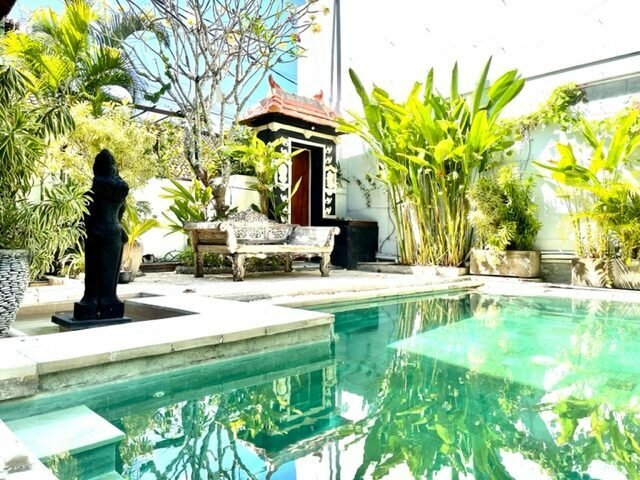
I need more information

Book Your Private Villa

Promotions

Located in Center Seminyak – Bali, Villa Carissa offers a private swimming pool and enclosed garden to guarantee your privacy. You can book your private pool villa here with us.

Whether you’re traveling with family, friends, or on a romantic getaway, villa Carissa in Seminyak center offers the perfect base for exploring Bali’s many attractions and enjoying a relaxing vacation.

Carissa villa in seminyak
Villa Carissa in Seminyak Center

Best Travel Insurance for Bali: leave with a free spirit

Traveling to Bali is an unforgettable experience. From surfing in Canggu and diving in Amed to volcano trekking in Mount Batur and relaxing in Seminyak, Bali attracts millions of travelers every year. But before you board your flight, one important thing should never be overlooked: travel insurance for Bali.

Medical emergencies, scooter accidents, lost luggage, delayed flights, tropical illnesses, volcanic eruptions, and natural disasters can quickly turn a dream holiday into a financial nightmare. Choosing the best Bali travel insurance gives you peace of mind and protects your health, belongings, and travel investment.

This updated guide compares the best travel insurance providers for Bali in 2026, including:

  • medical coverage,
  • scooter and surfing coverage,
  • trip cancellation,
  • emergency evacuation,
  • adventure sports,
  • baggage protection,
  • and travel assistance.

Whether you are visiting Bali from Australia, the USA, Europe, Canada, Asia, or Africa, this guide will help you choose the best policy for your trip.


Why do you need travel insurance for Bali?

Bali is generally safe for tourists, but accidents and unexpected events happen more often than travelers expect.

Common travel risks in Bali include:

  • scooter and motorbike accidents,
  • surfing injuries,
  • food poisoning,
  • tropical infections,
  • lost or stolen phones,
  • delayed or canceled flights,
  • diving accidents,
  • volcanic eruptions,
  • earthquakes,
  • emergency evacuations.

What should the best Bali travel insurance cover?

Before buying a policy, make sure it includes the following:

1. Medical Coverage

Bali is a popular travel destination, but medical emergencies can happen. Look for a travel insurance policy that provides comprehensive medical coverage, including coverage for emergency medical treatment, hospitalization, doctor consultations, medications, ambulance transportation,and medical evacuation if necessary. A minimum of USD $100,000 medical coverage is strongly recommended for Bali.

2. Trip Cancellation, delay, and Interruption

It’s important to be prepared for unexpected events that may cause you to cancel or interrupt your trip. Look for a policy that provides coverage for trip cancellation or interruption due to unforeseen events such as illness, injury, or natural disasters.

Good insurance should reimburse: canceled flights, missed connections, trip interruption, volcanic disruptions, emergency family situations.

3. Personal Belongings Coverage (lost or stolen)

Theft and loss of personal belongings can occur during travel. Look for a policy that offers coverage for lost, stolen or damaged baggage and personal items.

Coverage should include: luggage, passport, electronics, smartphones, cameras, delayed baggage.

4. Adventure Activities

Bali offers many adventure activities such as surfing, scuba diving, and trekking. If you plan on participating in any adventure activities, make sure your travel insurance policy covers them.

Bali is famous for: surfing, snorkeling, scuba diving, rafting, ATV riding, volcano trekking, parasailing.

Make sure these activities are included in your plan.

Read also: Fun Water Sports Activities in Bali | Jet Ski, Flying fish, Parasailing, Banana boat and Flyboard

5. 24/7 Assistance

Look for a policy that offers 24/7 assistance services such as emergency medical assistance and travel assistance.

Choose a company with: worldwide assistance, English-speaking support, emergency hotlines, fast claims process.

6. Policy Exclusions

Make sure to review the policy exclusions, including any pre-existing conditions, to ensure that you have the necessary coverage and are not caught off guard.

For visitors to Bali who plan to rent a scooter or motorbike, it’s important to find a travel insurance provider that offers coverage for these activities.

7. Price

Travel insurance prices can vary widely depending on the provider and the level of coverage you choose. Compare prices and features from multiple providers to find a policy that fits your needs and budget.

Disclaimer: The prices listed in this article are subject to change and may not be accurate at the time of reading. Please refer to the insurance providers’ websites for the latest pricing information. It is important to carefully review the policy details before purchasing travel insurance to ensure it meets your specific needs.

Good to know

When visiting a public hospital in Bali, remember to bring some Indonesian rupiah money with you. The reason you need to do this is because some do not accept payments through a cashless service.

The disadvantage of public hospitals is a fairly limited service compared to private health facilities, but the bill will be lower. In addition, private hospitals also accept payment methods other than cash.

Medical costs in Bali can be very expensive if you are not covered in the event of an accident or a health problem.

What if you have a dental problem in Bali?

Most of dentists in Bali are fluent in English. Some of them have even been trained abroad. However if you have an emergency, it’s like being in Australia, Europe or the U.S. without a good insurance, your credit card will quickly heat up.

All these reasons demonstrate the importance of being insured for your stay in Bali.

Here is a table that compares different travel insurance plans for visitors and travelers to Bali

The cost of travel insurance can vary based on several factors such as the length of your trip, your age, and the coverage limits you select. These costs are just examples for a 1-week trip for a 30-year-old traveler.

The travel insurances listed below are very popular among travellers. However, only your criteria allow you to know which one is the most suitable for your needs.

Insurance CompanyMedical CoverageTrip CancellationBaggage Loss/DelayEmergency EvacuationAdventure Activities CoverageCost
Allianz Global AssistanceUp to $50,000Up to 100% of trip costUp to $1,000IncludedAdditional coverage available for an extra feeStarts at $56 for a 1-week trip
World NomadsUp to $100,000Up to 100% of trip costUp to $1,000IncludedIncluded for certain activities, additional coverage available for an extra feeStarts at $73 for a 1-week trip
AXA Assistance USAUp to $250,000Up to 100% of trip costUp to $1,000IncludedIncluded for certain activities, additional coverage available for an extra feeStarts at $71 for a 1-week trip
Travel GuardUp to $50,000Up to 100% of trip costUp to $1,000IncludedAdditional coverage available for an extra feeStarts at $53 for a 1-week trip
Travelex Insurance ServicesUp to $50,000Up to 100% of trip costUp to $1,000IncludedAdditional coverage available for an extra feeStarts at $49 for a 1-week trip
Seven CornersUp to $250,000Up to 100% of trip costUp to $1,000IncludedIncluded for certain activities, additional coverage available for an extra feeStarts at $45 for a 1-week trip
Note:

Travel insurance is an essential investment for any trip, especially to a destination like Bali where unexpected events can happen. Visitors and travelers should carefully consider their needs and the risks associated with their travel plans when selecting a travel insurance plan. By doing so, they can ensure they are protected and can enjoy their trip with peace of mind.

Read also: Things To Do When Arriving at Bali Airport (DPS) | Tips for Every Traveler As Soon As We Land

MEDICINES IN BALI | Preparing for your trip to Bali


Tips Before Buying Bali Travel Insurance

Before purchasing:

  1. read exclusions carefully,
  2. verify scooter coverage,
  3. confirm surfing/diving coverage,
  4. check claim procedures,
  5. save emergency numbers,
  6. verify COVID, Hantavirus or epidemic clauses.

The best travel insurance for Bali by country of your residence

When it comes to finding the best travel insurance for Bali by country, it’s important to research options that cater to the specific needs of travelers from different countries.

It’s important to note that these are just a few examples of travel insurance providers and plans that are available for visitors to Bali. Without further ado, let’s explore the best travel insurance options for Bali visitors:

Best Travel Insurance for Bali for Visitors from Australia:

Southern Cross Travel Insurance

They offer comprehensive coverage for medical expenses, trip cancellation, and other travel-related risks. Their policy also includes coverage for pre-existing medical conditions, which is particularly important for older travelers. The cost of their policies varies depending on the level of coverage you choose, but you can expect to pay around AUD $80 for a week’s worth of coverage.

Link: https://www.scti.com.au/travel-insurance/bali-travel-insurance

InsureandGo Australia

It offers comprehensive travel insurance plans for Bali starting at AUD $30.68 for a seven-day trip. Link: https://www.insureandgo.com.au

1Cover Travel Insurance

Offers comprehensive travel insurance plans for Bali starting at AUD $26.43 for a seven-day trip. The plan covers emergency medical expenses, trip cancellation, lost or stolen baggage, personal liability, and more. Link: https://www.1cover.com.au

Cover-More

Cover-More offers travel insurance plans for Australian citizens traveling to Bali, Indonesia. Their plans cover medical expenses, trip cancellation and interruption, personal belongings, and more. Link: https://www.covermore.com.au

Best Travel Insurance for Bali for Visitors from the USA:

Allianz Global Assistance: Offers a range of travel insurance plans for Bali starting at USD $25 for a seven-day trip.

Link: https://www.allianztravelinsurance.com/find-a-plan

World Nomads

For travelers from the USA, World Nomads is a popular choice for Bali travel insurance. They offer coverage for medical expenses, trip cancellation, and a range of adventure activities, such as surfing and diving. Their policies are flexible, allowing you to customize your coverage to suit your needs. Prices vary depending on the level of coverage you choose, but you can expect to pay around $70 for a week’s worth of coverage.

Link: https://www.worldnomads.com/usa

Best Travel Insurance for Bali for Visitors from Canada:

Travel Guard

Offers travel insurance plans for Bali starting at CAD $30.50 for a seven-day trip. The plan covers emergency medical expenses, trip cancellation and interruption, baggage loss and delay, and more. Optional coverage is also available for adventure activities such as scuba diving, surfing, and hiking.
Link: https://www.travelguard.ca

Manulife

Manulife offers travel insurance plans for Canadian citizens traveling to Bali, Indonesia. Their plans cover emergency medical expenses, trip interruption and cancellation, baggage and personal belongings, and more. Link: https://www.manulife.ca/personal/insurance/our-products/travel-insurance.html

Best Travel Insurance for Bali for Visitors from Europe:

Columbus Direct (UK)

Offers travel insurance plans for Bali starting at €9.70 for a seven-day trip. Link: https://www.columbusdirect.com/travel-insurance/

AXA Assistance – Platinum Plan (muliple countries)

AXA Assistance offers the Platinum Plan, which includes emergency medical coverage, trip cancellation and interruption coverage, and personal belongings coverage. It also covers adventure activities such as surfing and trekking. The cost for a 10-day trip to Bali for a 30-year-old traveler starts at €48.

AXA offers travel insurance plans for Bali. The plan covers emergency medical expenses, trip cancellation and interruption, baggage loss and delay, and more. Optional coverage is also available for adventure activities such as scuba diving, surfing, and hiking.

Staysure (UK)

Staysure offers travel insurance plans for UK citizens traveling to Bali, Indonesia. Their plans cover medical expenses, trip cancellation, baggage and personal belongings, and more. Link: https://www.staysure.co.uk/single-trip-travel-insurance

Bali Packing List – What to pack for Bali? Best Packing List and Tips for a Perfect Vacation (What to Bring in Your Luggage or Suitecase)

Best Travel Insurance for Bali for Visitors from Asia:

Etiqa Insurance (Singapore)

They offer a range of plans that cover medical expenses, trip cancellations, and adventure activities. Their ePROTECT travel insurance plan starts from SGD $18 for a seven-day trip.

Link: https://www.etiqa.com.sg/personal-insurance/travel-insurance

AIG (Singapore)

Offers travel insurance plans for Bali starting at SGD $35 for a seven-day trip. The plan covers emergency medical expenses, trip cancellation and interruption, baggage loss and delay, and more. Optional coverage is also available for adventure activities such as scuba diving, surfing, and hiking. Link: https://www.aig.sg/personal/travel-guard

Chubb Travel Insurance (Singapore)

Offers travel insurance plans for Bali starting at SGD $17 for a seven-day trip. The plan covers emergency medical expenses, trip cancellation, travel delay, loss of baggage, and more.
Link: https://www.chubbtravelinsurance.com.sg

Mitsui Sumitomo Insurance (Japan)

Offers travel insurance plans for Bali starting at JPY 1,500 for a seven-day trip. The plan covers emergency medical expenses, trip cancellation and interruption, lost or stolen baggage, and more. Optional coverage is also available for adventure activities such as scuba diving, surfing, and hiking. Mitsui Sumitomo Insurance also offers customizable plans and optional coverage for specific activities or situations, such as sports and adventure travel, rental car damage, and more.

Link: https://www.ms-ins.com/english

Tune Protect (Malaysia)

Offers travel insurance plans for Bali starting at MYR 24 for a seven-day trip. The plan covers emergency medical expenses, trip cancellation and interruption, lost or stolen baggage, and more. Optional coverage is also available for adventure activities such as scuba diving, surfing, and hiking. Link: https://www.tuneprotect.com/products/travel-easy-insurance

China Life Insurance

Offers travel insurance plans for Bali starting at CNY 20 for a seven-day trip. The plan covers emergency medical expenses, trip cancellation and interruption, lost or stolen baggage, and more. Optional coverage is also available for adventure activities such as scuba diving, surfing, and hiking.
Link: https://www.e-chinalife.com

Allianz Global Assistance (Philippines)

Allianz Global Assistance offers travel insurance plans specifically designed for travelers visiting Southeast Asia, including Bali. Their plans include coverage for emergency medical expenses, trip cancellation, and travel delays. You can purchase coverage online through their website: https://www.allianzpnblife.ph

Pacific Cross (Philippines)

Pacific Cross offers travel insurance plans for Philippine citizens traveling to Bali, Indonesia. Their plans cover emergency medical expenses, trip interruption and cancellation, personal belongings, and more. Link: https://www.pacificcross.com.ph/#travel

Best Travel Insurance for Bali for Visitors from Africa

Hollard Travel Insurance

They offer comprehensive travel insurance plans that cover medical expenses, trip cancellations, and luggage loss. Their Standard Plan starts from ZAR 398 for a seven-day trip.

Link: https://www.hollard.co.za/travel-insurance

Travel Insurance Consultants

Offers travel insurance plans for Bali starting at ZAR 312 for a seven-day trip. Link: https://www.tic.co.za

Photo credit : stux via Pixabay

Cheapest Credit Card to Use Abroad | Maximizing Savings and Convenience, Especially When Traveling to Bali


Ready to book your villa in the heart of lively Seminyak?

I need more information

Book Your Private Villa

Promotions

Located in Seminyak Center – Bali, Villa Carissa offers a private swimming pool and enclosed tropical garden to guarantee your privacy.

Whether you’re traveling with family, friends, or for a romantic getaway, Villa Carissa is the perfect base for exploring Bali while enjoying a relaxing private villa experience.

Carissa villa in seminyak
Villa Carissa in Seminyak Center


Bali Culture • Ceremonies • 2026 Calendar

Important Days in Bali: Cultural Ceremonies and Events

Important days in Bali are much more than entries on a holiday calendar.
They shape temple life, family duties, village activity, offerings,
processions, music and the rhythm of daily life across the island.

This guide explains Bali’s most important cultural and religious occasions,
including Nyepi, Melasti, Galungan, Kuningan, Saraswati, Pagerwesi, Odalan
and the Tumpek ceremonies.

Updated 2026 dates
Balinese calendar explained
Temple etiquette
Visitor planning tips

Last reviewed: July 2026

Understanding Bali’s Ceremonial Calendar

Bali uses more than one calendar system, which is why many ceremonies do not
remain on the same Gregorian date each year.

The Pawukon calendar follows a 210-day cycle. It determines
many temple anniversaries and recurring holy days, including Galungan,
Kuningan, Saraswati, Pagerwesi and the Tumpek observances.

The Saka calendar follows a lunar system and determines
Nyepi, Bali’s Day of Silence and Balinese Hindu New Year.

The international Gregorian calendar is still used for administration,
tourism, flights and national holidays, but religious dates are calculated
through Bali’s traditional calendar systems.

Bali’s ceremonies are living religious and community events. They should be
approached as acts of worship and cultural responsibility, not simply as
performances arranged for visitors.

Main Calendar Systems

Pawukon, based on a 210-day cycle, and the lunar Saka calendar.

Most Famous Observance

Nyepi, when Bali becomes silent and most public activity stops for
24 hours.

Best Visitor Approach

Dress modestly, maintain distance, follow local guidance and never block
a ceremony.

An introduction to Bali’s relationship between religion, community and
cultural life.

Important Days in Bali in 2026

The table below provides an overview of major island-wide or widely observed
dates. Odalan ceremonies are not included because every temple has its own
anniversary.

Date in 2026OccasionCalendarWhat visitors should know
18 MarchMelasti and Nyepi-eve activitySaka calendar periodPurification processions may occur before Nyepi. Ogoh-ogoh parades
commonly take place on the evening before Nyepi.
19 MarchNyepiSaka New YearBali observes 24 hours of silence. Travelers must remain inside their
accommodation.
20 MarchNgembak Geni and Omed-OmedanDay after NyepiNormal activity resumes. Omed-Omedan is associated specifically with
Banjar Kaja in Sesetan.
4 AprilSaraswatiPawukonA holy day honoring knowledge, learning, literature and the arts.
8 AprilPagerwesiPawukonAssociated with spiritual strength and the protection of knowledge.
17 JuneGalunganPawukonRoads are decorated with penjor and families attend temples.
27 JuneKuninganPawukonThe closing day of the Galungan period.
17 AugustIndonesian Independence DayGregorianNational flags, ceremonies, competitions and community celebrations
take place across Bali.
31 OctoberSaraswatiPawukonThe second Saraswati observance within the Gregorian year.
4 NovemberPagerwesiPawukonThe second Pagerwesi observance within the Gregorian year.
Why some holy days appear twice: the Pawukon cycle lasts
210 days, so some ceremonies can occur twice during one Gregorian year.

Nyepi: Bali’s Day of Silence

Nyepi is the Balinese Hindu New Year and one of the world’s most distinctive
island-wide religious observances.

For approximately 24 hours, Bali becomes quiet. Roads are closed to ordinary
traffic, the airport suspends operations, businesses close and residents and
visitors remain inside their homes or accommodation.

Nyepi is traditionally connected with four forms of restraint known as
Catur Brata Penyepian:

  • Amati Geni: refraining from fire or bright light
  • Amati Karya: refraining from work
  • Amati Lelungan: refraining from travel
  • Amati Lelanguan: refraining from entertainment
2026
Thursday, 19 March 2026The silent period generally begins at approximately 6:00 a.m. and lasts
until approximately 6:00 a.m. on 20 March.

Travel impact
No normal airport or road movementDo not schedule flights, transfers, check-ins, check-outs or excursions
during the silent period.

What Hotel and Villa Guests Must Do

  • Remain inside the accommodation grounds.
  • Keep noise and lighting low.
  • Do not walk onto public roads or beaches.
  • Prepare food, medicine and essentials in advance.
  • Follow instructions from accommodation staff and local authorities.
  • Do not fly drones or create outdoor entertainment.
Important: Nyepi rules apply to visitors as well as residents.
Emergency services continue operating, but ordinary travel and outdoor
activities are not allowed.

Nyepi transforms Bali into a remarkably quiet island for one full day.

Melasti: Purification Before Nyepi

Melasti is a purification ceremony conducted before Nyepi. Temple communities
carry sacred objects in procession toward the sea, a lake, a river or another
sacred water source.

The ceremony symbolizes cleansing the world and the individual before the
beginning of the Saka New Year.

Participants often wear white ceremonial clothing and carry temple objects,
umbrellas, offerings and musical instruments. The exact date and route vary
between communities.

Where Melasti Happens

Processions can be seen near beaches, lakes and sacred water sites across
Bali, particularly in the days immediately before Nyepi.

How to Observe

Stand to the side, keep a respectful distance, avoid interrupting the
procession and ask before taking close photographs.

Melasti processions carry sacred objects to water for ritual purification.

Ogoh-Ogoh Parades on the Eve of Nyepi

On the evening before Nyepi, many villages hold parades featuring
ogoh-ogoh: large sculpted figures representing destructive forces,
negative qualities or mythological beings.

The figures are carried through the streets with music, torches and large
crowds. Their designs often combine traditional mythology with contemporary
themes.

Parade organization can vary by village and year. Road closures and traffic
disruption usually begin before the procession starts.

Planning advice: return to your accommodation early. Roads can
close unexpectedly, and transport becomes increasingly difficult as the
parades approach.

Ngembak Geni: Reconnection After Nyepi

Ngembak Geni takes place on the day after Nyepi. Normal activity resumes, and
the day is associated with forgiveness, family visits, reconciliation and
renewed social relationships.

Roads, businesses and transport begin operating again, although the restart
can be gradual during the morning.

2026 date
Friday, 20 March 2026Allow additional time for transport because many people are visiting family
and resuming normal activity after Nyepi.

Omed-Omedan in Sesetan

Omed-Omedan is a community tradition associated with Banjar Kaja in Sesetan,
Denpasar. It takes place after Nyepi and involves groups of unmarried young
people in a ceremonial pulling and embracing ritual.

It is often described in international media as a “kissing festival,” but that
description oversimplifies its local cultural meaning. The event is connected
with community identity, youth participation and local tradition.

2026 date
Friday, 20 March 2026Expect crowds, limited parking and temporary road restrictions around
Sesetan.

Visitor etiquette: remain outside the participant area,
respect crowd-control instructions and avoid intrusive photography.

Galungan

Galungan is one of Bali’s most important Pawukon-based holy days. It celebrates
the victory of Dharma over Adharma, commonly understood as
the victory of good or righteous order over harmful forces.

Balinese families prepare offerings, visit temples and honor ancestral spirits.
Roads and house entrances are decorated with tall curved bamboo poles called
penjor.

A penjor is decorated with coconut leaves, agricultural products, cloth and
symbolic ornaments. Each household creates its own, so village roads become
highly distinctive during the Galungan period.

2026 date
Wednesday, 17 June 2026Preparations begin before the official day, and family and temple activity
continues throughout the Galungan period.

Galungan is recognizable by temple visits, family offerings and decorated
penjor lining the roads.

Kuningan

Kuningan takes place ten days after Galungan and closes the sacred Galungan
period.

Families prepare distinctive offerings and pray before ancestral spirits are
believed to return to the spiritual realm.

Ceremonial activity is often concentrated in the morning, and travelers may
notice temples and family compounds becoming busy early in the day.

2026 date
Saturday, 27 June 2026Kuningan marks the conclusion of the Galungan cycle.

Kuningan concludes the ten-day sacred period that begins with Galungan.

Saraswati Day

Saraswati Day honors knowledge, learning, literature, art and wisdom. It is
dedicated to the goddess Saraswati.

Books, manuscripts and educational materials may receive offerings. Schools
and educational communities often conduct prayers and ceremonies.

The day demonstrates the importance of knowledge as something sacred rather
than merely practical.

First 2026 cycle
Saturday, 4 April 2026Schools, homes and temples may hold prayers honoring knowledge and
education.

Second 2026 cycle
Saturday, 31 October 2026The 210-day Pawukon cycle allows Saraswati to occur twice during 2026.

Pagerwesi

Pagerwesi is associated with spiritual protection, strength and the safeguarding
of knowledge.

Its name is commonly translated as “iron fence,” symbolizing a strong spiritual
barrier against harmful influences.

Pagerwesi occurs shortly after Saraswati, linking the acquisition of knowledge
with the need to protect and use that knowledge wisely.

First 2026 cycle
Wednesday, 8 April 2026Families may pray at household shrines, village temples and larger temples.

Second 2026 cycle
Wednesday, 4 November 2026Pagerwesi repeats according to the 210-day Pawukon calendar.

Tumpek Ceremonies

Tumpek refers to a sequence of recurring holy days within the Pawukon calendar.
Each Tumpek has a different ceremonial focus.

Tumpek Landep

Honors sharpness, skill and metal objects. Modern observances may include
blessings for vehicles and machinery.

Tumpek Uduh

Honors trees, plants and agricultural fertility. It is also known by
several local names, including Tumpek Wariga.

Tumpek Kuningan

Corresponds with Kuningan and concludes the sacred Galungan period.

Tumpek Krulut

Associated with music, gamelan, art, emotional harmony and compassion.

Tumpek Kandang

Honors animals and expresses gratitude for their role in human and
agricultural life.

Tumpek Wayang

Associated with shadow puppetry, ritual performance and the spiritual
dimensions of traditional theatre.

Because Tumpek observances follow the Pawukon cycle, use a current Balinese
calendar when planning around a specific Tumpek date.

Odalan: Bali’s Temple Anniversary Ceremonies

Odalan is the anniversary ceremony of a Balinese Hindu temple. It generally
returns every 210 days according to the Pawukon calendar.

Bali has thousands of temples, ranging from small family shrines to major
regional temples. This means Odalan ceremonies occur throughout the island
during every part of the year.

During an Odalan, the temple may be decorated with ceremonial cloth, offerings,
flowers and bamboo ornaments. Worshippers arrive in traditional dress, and
music, dance or ritual performance may accompany the prayers.

Why There Is No Single Odalan Date

Each temple follows its own anniversary. A date applying to one temple does
not automatically apply to another.

How to Confirm an Odalan

Ask the temple, village authorities, accommodation staff or an experienced
local guide shortly before your planned visit.

Odalan ceremonies differ according to the temple, community and ceremonial
scale.

Indonesian Independence Day in Bali

Indonesia celebrates Independence Day every year on 17 August. It is a national
occasion rather than a specifically Balinese Hindu holy day, but it is widely
celebrated throughout Bali.

Visitors will see Indonesian flags, community decorations, official ceremonies,
school activities and traditional games.

Annual date
17 AugustPublic institutions, schools and communities may organize ceremonies and
competitions around this date.

How to Observe Bali Ceremonies Respectfully

Visitors are often welcome near public processions and at many temple
ceremonies, but permission to observe does not remove the need for respectful
behavior.

Dress Appropriately

  • Wear clothing covering the shoulders and knees.
  • Use a sarong and sash when required.
  • Avoid beachwear inside temple grounds.

Keep a Respectful Distance

  • Do not stand between worshippers and a shrine.
  • Do not walk in front of people who are praying.
  • Do not enter restricted ceremonial areas.

Photograph Carefully

  • Ask before taking close portraits.
  • Avoid flash during prayer or performance.
  • Do not use drones without clear authorization.

Respect Processions

  • Stand to the side rather than in the route.
  • Allow offerings and ceremonial groups to pass.
  • Follow instructions from local security personnel.
Remember: the ceremony belongs to the worshipping community.
A photograph or unobstructed view is never more important than the religious
activity taking place.

Travel Planning During Major Bali Ceremonies

Expect Traffic Changes

Processions, temple activity and road closures can delay journeys. Add
extra travel time and avoid tightly scheduled transfers.

Book Nyepi Accommodation Early

Choose accommodation where you will be comfortable remaining for the entire
silent period and confirm meal arrangements in advance.

Confirm Opening Hours

Shops, attractions, restaurants and government offices may close or operate
reduced hours around major holy days.

Ask Locally

Ceremony routes and temple anniversaries can change. Accommodation staff
and village residents are often the best source of local information.

Nyepi Preparation Checklist

  • Complete shopping before the evening preceding Nyepi.
  • Confirm accommodation meals and drinking water.
  • Charge phones, power banks and essential devices.
  • Download entertainment for use with headphones.
  • Keep medication and personal necessities available.
  • Return to the accommodation before road closures.
  • Keep curtains closed and lighting subdued at night.

More Bali Culture Guides


Frequently Asked Questions

What are the most important days in Bali?

Major occasions include Nyepi, Melasti, Galungan, Kuningan, Saraswati,
Pagerwesi, Odalan ceremonies and the recurring Tumpek holy days.

What is the most important cultural day in Bali?

Nyepi is one of the island’s most distinctive and important observances,
although Galungan, Kuningan and temple ceremonies are also deeply
significant.

When is Nyepi in 2026?

Nyepi falls on Thursday, 19 March 2026. The silent period continues for
approximately 24 hours into the morning of 20 March.

Can tourists leave their hotel during Nyepi?

No. Visitors must remain within their hotel, resort, villa or accommodation
grounds except in a genuine emergency.

Does Bali Airport close for Nyepi?

Normal airport operations are suspended during the Nyepi silent period,
apart from exceptional emergency or authorized activity.

When are Galungan and Kuningan in 2026?

Galungan is Wednesday, 17 June 2026, and Kuningan is Saturday,
27 June 2026.

Why do some Bali holy days occur twice in one year?

Pawukon-based holy days repeat every 210 days, which is shorter than the
Gregorian year.

What is the difference between Galungan and Kuningan?

Galungan begins the sacred period associated with the victory of Dharma,
while Kuningan takes place ten days later and closes that period.

What is Odalan?

Odalan is a temple anniversary ceremony that generally repeats every
210 days according to the Pawukon calendar.

Why is there no single date for Odalan?

Every temple follows its own anniversary date, so Odalan ceremonies take
place throughout the year.

Can tourists attend Bali ceremonies?

Visitors can often observe public ceremonies if they dress modestly,
maintain a respectful distance and follow local instructions.

Should tourists wear a sarong at a temple?

A sarong and sash are commonly required. Rules vary, so follow the
instructions displayed or provided at the entrance.

What happens on the evening before Nyepi?

Many villages organize ogoh-ogoh parades with large sculpted figures,
music and processions.

What happens after Nyepi?

Ngembak Geni marks the return to ordinary activity and is associated with
forgiveness, family visits and reconciliation.

Sources and Date Verification

Bali holy-day dates should always be checked against current official or
specialist calendars, particularly when planning flights or attending a
specific temple ceremony.

For a temple-specific Odalan, confirm the date directly with the temple,
village, accommodation staff or a knowledgeable local guide.

Stay at Villa Carissa in Central Seminyak

Villa Carissa is a private three-bedroom pool villa accommodating up to eight
guests in central Seminyak.

Its location provides convenient access to Seminyak’s beaches, restaurants,
shops and nightlife, while day trips can be arranged to temples, cultural
events and ceremonies across Bali.

The villa includes a private swimming pool, enclosed tropical garden, equipped
kitchen, fast Wi-Fi and comfortable indoor and outdoor living spaces.

Breakfast is freshly prepared by our staff and served in the comfort of your
villa. For a unique Bali experience, you can also enjoy a floating breakfast
served in your private pool.


Villa Carissa private swimming pool and tropical garden in central Seminyak Bali
Villa Carissa, a private pool villa for up to eight guests in central
Seminyak.

Bali Swings

Bali is a unique and exotic Indonesian island, offering stunning landscapes that attract visitors from all over the world. Swings are a popular tourist activity that allows visitors to swing and soar above the natural beauty of Bali.

From the iconic Tegallalang Rice Terraces in Ubud to the secluded beaches of Seminyak, Bali swings have become a symbol of the island’s adventurous spirit. Each swing offers its own unique panorama, whether it’s the verdant expanse of rice paddies, the shimmering expanse of the ocean, or the lush tropical jungle.

Here is a list of the top scenic Bali swings that you cannot miss:

What types of swings are available in Bali?

There is not just one type of swing to satisfy your photogenic needs on the island of the gods. For the sake of simplicity, we can divide them into two: the large swings and the smaller ones.

The big swings (paying) of Bali

The big swings in Bali are the most photogenic. They are most often located in front of a precipice, and can be several meters long. These are the ones that give the most impressive shots for sure.

These swings are operated by locals, who ensure their safety, your installation and sometimes even the perfect shot. Prices range from $3 to over $50 depending on the swing and package you choose.

Bali’s free little swings

The small swings are certainly less impressive than their elders, but they are also much lower and can therefore be operated alone in complete safety. As a result, most of them are free.

How to choose your swing in Bali?

Unless you are really looking for a unique shot specific to a particular swing, it is recommended to find out the location of most swings in Bali and then visit them when you plan to visit this area.

Many of them are inland near Ubud. So you can just choose one of the ones that you like the most when you have planned to visit the center of the island.

If you don’t want to pay anything to get on a swing, then head straight to our free Bali swings.

Swinging in Paradise List: Uncovering Bali’s Top Swing Destinations

If you’re looking for a thrilling and picturesque experience, “Swinging in Paradise: Uncovering Bali’s Top Swing Destinations” is a must-try, as it takes you on a journey to discover the best and most beautiful swing locations in Bali.

La Plancha Bali, Seminyak

This beachfront bar and restaurant (beach club) in Seminyak has a fun swing that’s perfect for photo opportunities. While it’s not quite as grand as some of the other swings on the island, it’s a great option if you’re looking to enjoy a drink and watch the sunset while swinging.

The swing of Seminyak Petitenget in front of Mano Beach House (Free)

The Petitenget swing is free and allows you to take your unforgettable photos especially at sunset.

Bali Swing – Ubud

Bali Swing is one of the most popular tourist attractions in Bali, located in Tegalalang, near Ubud. You can enjoy the giant swing, bird’s nests, zip lines, seesaws and dreamy photoshoots. Prices vary depending on the duration and the activities offered. To get there, you can take a taxi or a shuttle from Ubud. The average price for a full experience is around 35-40 USD per person.

Bali Swing is located in the village of Bongkasa, around 20 minutes from central Ubud. To get there, it is recommended to hire a taxi or rent a scooter. The address is Jalan Dewi Saraswati No. 7, Bongkasa Pertiwi, Abiansemal, Badung Regency, Bali.

File:Rice terraces on Bali - Tegalalang Rice Terrace - Indonesia 05.jpg

Rice terraces on Bali – Tegalalang Rice Terrace.
Thomas Fuhrmann, CC BY-SA 4.0, via Wikimedia Commons

The entrance fee to Bali Swing is around 500,000 IDR (approximately $35 USD) per person, which includes access to all the swings, nests, and other photo spots in the area. You can book tickets and find more information on their website: https://baliswing.com.

Zen Hideaway – Ubud

Zen Hideaway is a swing set in the rice fields of Ubud, offering panoramic views of the surrounding rice fields and mountains. Visitors can also stay in a unique and tranquil bamboo villa. To get there, you can take a taxi or rent a scooter. The average price for a full experience is around 35-40 USD per person.

Zen Hideaway is located in the village of Bongkasa, around 20 minutes from central Ubud. To get there, it is recommended to hire a taxi or rent a scooter. The address is Jl. Dewi Saraswati No. 803, Bongkasa Pertiwi, Kec. Abiansemal, Kabupaten Badung, Bali 80352.

The entrance fee to Zen Hideaway is around 500,000 IDR (approximately $35 USD) per person, which includes access to the swing and other photo spots in the area.

Ubud Complete Travel Guide and Must Visit Places

Jungle Swing – Ubud

Jungle Swing is a swing that offers stunning views of the surrounding rainforest. Visitors can enjoy the swing, zip lines and suspension bridges. To get there, you can take a taxi or a shuttle from Ubud. The average price for a full experience is around 25-30 USD per person.

Jungle Swing is located in the village of Bongkasa, around 20 minutes from central Ubud. To get there, it is recommended to hire a taxi or rent a scooter. The address is Jalan Raya Bongkasa, Abiansemal, Badung Regency, Bali.

The entrance fee to Jungle Swing is around 400,000 IDR (approximately $28 USD) per person, which includes access to all the swings and other photo spots in the area. You can book tickets and find more information on their website: https://jungleswingbali.com.

Tegalalang Rice Terrace Swing – Ubud

Tegalalang Rice Terrace Swing is a swing set in the famous Tegalalang Rice Terraces, Ubud. Visitors can enjoy the swing, bird’s nests and the panoramic view of the rice fields. To get there, you can take a taxi or rent a scooter. The average price for a full experience is around 10-15 USD per person.

Tegalalang Rice Terrace Swing is located in the Tegalalang area of Ubud, around 15 minutes from central Ubud. To get there, it is recommended to hire a taxi or rent a scooter. The address is Jalan Raya Tegalalang, Tegalalang, Gianyar Regency, Bali.

The entrance fee to Tegalalang Rice Terrace Swing is around 200,000 IDR (approximately $14 USD) per person, which includes access to the swing and other photo spots in the area. You can book tickets and find more information on their website: https://www.tegalalangriceterraces.com.

Bali Nests – Nusa Penida

Bali Nests is a swing set on the neighboring island of Nusa Penida, offering stunning views of the cliffs along the coast. Visitors can enjoy the swing and dreamy photoshoots. To get there, you need to take a boat from Bali to Nusa Penida, then take a taxi or rent a scooter.

Bali Nests is located on Nusa Penida, a small island off the southeast coast of Bali. To get there, first take a ferry or speedboat from Bali to Nusa Penida. The address is Batu Madeg, Nusa Penida, Klungkung Regency, Bali.

The entrance fee to Bali Nests is around 100,000 IDR (approximately $7 USD) per person, which includes access to the nests and other photo spots in the area. The average price for a full experience is around 20-25 USD per person.

The Molenteng Swing – Nusa Penida

The Molenteng Swing is located on Nusa Penida, a small island off the southeast coast of Bali. To get there, first take a ferry or speedboat from Bali to Nusa Penida. The Molenteng Swing is located near the famous Diamond Beach and offers stunning views of the ocean and cliffs. The swing is situated near the famous T-Rex viewpoint, on the eastern side of the island.

The entrance fee to the Molenteng Swing is IDR 10,000 (approximately USD 0.70) per person, and the swing fee is IDR 150,000 (approximately USD 10) per person.

Mahana Point Cliff Jump – Nusa Ceningan

Mahana Point Cliff Jump is located on Nusa Ceningan, a small island off the southeast coast of Bali. To get there, first take a ferry or speedboat from Bali to Nusa Lembongan, then cross the bridge to Nusa Ceningan. Mahana Point Cliff Jump is situated on the western side of the island, near the Devil’s Tear attraction.

The entrance fee to Mahana Point is IDR 25,000 (approximately USD 1.70), and the cliff jumping fee is IDR 75,000 (approximately USD 5.10) per person.

The price to jump from the cliff varies depending on the height of the jump. For the 5-meter jump, the price is around 50,000 IDR (approximately $3.5 USD), and for the 10-meter jump, the price is around 100,000 IDR (approximately $7 USD).

https://villacarissabali.com/nusa-penida-places-not-to-be-missed-and-the-complete-guide-to-visit-the-island/

Wanagiri Hidden Hill – Bedugul

Wanagiri Hidden Hill is located in the Bedugul region of Bali, near Lake Buyan and Lake Tamblingan. To get there, it is recommended to rent a scooter or car and drive through the mountainous roads. The journey from Ubud takes approximately 2 hours.

To get there, you can take a car or motorbike from the main tourist areas of Bali, such as Kuta or Seminyak. Wanagiri Hidden Hill features several photo spots, including a giant bird’s nest, swing, and various viewpoints overlooking the beautiful Twin Lakes. The entrance fee to Wanagiri Hidden Hill is IDR 20,000 (approximately USD 1.40) per person, and additional fees may apply for using the various photo spots.

The entrance fee to Wanagiri Hidden Hill is around 150,000 IDR (approximately $10.5 USD) per person. This includes access to all the swings, nests, and other photo spots in the area.

Campuhan Ridge Walk Swing – Ubud

The Campuhan Ridge Walk Swing is located in Ubud, Bali. To get there, head to the Campuhan Ridge Walk trail and walk along the path until you reach the swing. The swing is located at the end of the trail, overlooking the beautiful rice paddies.

There is no fee to use the swing, but it is recommended to hire a local guide to show you the way and provide some information about the area. The cost of a guide is typically around 50,000 IDR (approximately $3.5 USD).

The price of the swing depends on the operator, but it usually costs around IDR 200,000 to 300,000 (approximately USD 14 to 21) per person.

Bali Pulina, Ubud

Located in the village of Sebatu, near Ubud, Bali Pulina is a coffee plantation that also offers a swing that overlooks a lush green valley. The address is Jl. Raya Tegallalang, Banjar Pujung Kelod, Desa Sebatu, Kec. Tegallalang, Kabupaten Gianyar, Bali 80561. You can book a tour and find more information on their website: https://www.balipulina.com.

The best free swings in Bali

  • The swing facing Anvaya Beach Resort on Kuta Beach
  • The Sanur swing facing the Dream Island
  • The swing of Gili Air facing Pink Coco
  • The Gili Trawangan swing at the Ombak Hotel
  • Bali’s secret swings

The best free swings in Bali

If you are on a budget but still want your idyllic photo in Bali against an exceptional landscape, don’t panic!

Many swings, certainly smaller than those mentioned above, are self-service to show your escapades to Mum and Mami once back home. Here are the ones that should still create the sensation, even without spending money.

The swing facing Anvaya Beach Resort on Kuta Beach

No need to go to the other end of Bali to have your photo on a romantic swing. Even in Kuta, you can get the perfect shot. Wait for the sunset and you’re done.

The Sanur swing facing the Dream Island

Sanur being on the east coast, this swing is ideal for early risers who want their sunrise shot. An effort that is clearly worth it.

The swing of Gili Air facing Pink Coco

Pink Coco’s swing is a must-have for those venturing on Gili Air. If you want to spend a stay in the pink, nothing like the Hotel de la Balançoire for your stay on Gili Air.

The Gili Trawangan swing at the Ombak Hotel

The view from the Ombak Hotel Swing in Gili Trawangan is arguably one of the most spectacular, especially on a clear day. A must at sunset if you are on Trawangan.

Bali’s secret swings

It is certainly a very badly kept secret, but many swings have been installed in recent years in popular places in Bali. It is quite possible that while walking or discovering a beach or an unusual place, you will come across a swing.

Some are set up by restaurants, hotels, while sometimes they are the initiative of locals for local children or even passing tourists. It’s up to you to find the rare pearl!

Each swing offers a unique and different experience with stunning scenery as a backdrop. Prices vary depending on the length of the experience and the activities offered. To get there, you can take a taxi or rent a car. Be sure to check customer reviews and comments before booking to ensure the quality and safety of the facilities. Get ready for an unforgettable Bali experience as you soar above the island’s most breathtaking landscapes!

Photo credit (main picture): Supriyadi.Bali (CC BY-SA 4.0) via Wikimedia Commons

Photo description: The Osh Bali Beach Club – The Swing (Nusa Penida)

Exploring Ubud’s Treasures: From Jungle Swings to Cultural Spectacles Packages

Embark on a captivating journey through Ubud, Bali, where adventure and culture intertwine seamlessly. From exhilarating jungle swings to enchanting cultural spectacles, these guided tours offer a comprehensive experience that showcases the vibrant diversity of this remarkable destination.

Ubud: Jungle Swing Private Tour (4 – 10 hours), Bali:

Embark on an exhilarating journey through the lush landscapes of Ubud with the Jungle Swing Private Tour. This unique adventure offers a blend of adrenaline-pumping excitement and serene natural beauty. Experience the thrill of swinging above the treetops, surrounded by the emerald canopy of the jungle. Whether you’re seeking a quick adrenaline fix or a leisurely exploration, this tour caters to your preferences with flexible durations. Delight in the breathtaking vistas, explore hidden gems, and capture the essence of Ubud’s enchanting wilderness.

Ubud Full-Day Sightseeing Tour with Legong Dance Show (14 hours):

Immerse yourself in the cultural richness of Bali with the Ubud Full-Day Sightseeing Tour. This comprehensive journey takes you through the heart of Ubud’s artistic and historical heritage. Traverse the vibrant local markets, ancient temples, and lush rice terraces that characterize the region. The highlight of the day is the mesmerizing Legong Dance Show, where intricate movements and traditional costumes come together to tell captivating stories. With a full 14 hours at your disposal, you’ll have ample time to explore the essence of Ubud and partake in its cultural treasures.

Ubud: Tegalalang Rice Terrace Photos Tour with Swing Ticket (2-6 hours):

Step into a realm of natural wonder as you embark on the Tegalalang Rice Terrace Photos Tour in Ubud. This unique excursion invites you to capture the breathtaking beauty of Bali’s iconic rice terraces while enjoying the thrill of a swing ride. Wander through the lush green expanses of Tegalalang, a UNESCO World Heritage Site, and witness the meticulous craftsmanship of these centuries-old terraced fields. Capture postcard-perfect shots of this ethereal landscape, where cascading layers of emerald paddies create a mesmerizing vista. The tour also includes the chance to experience the exhilaration of a swing ride, providing an opportunity to capture stunning photos from new heights. Whether you’re an avid photographer or simply seeking an unforgettable adventure, this tour promises an immersive encounter with the natural splendor of Ubud.

Things To Do in Bali and What to Visit, Where To Go While Vacationing in Bali? (Top Attractions)


Ready to book your villa in Seminyak center?

I need more information

Book Your Private Villa

Promotions

Located in Center Seminyak – Bali, Villa Carissa offers a private swimming pool and enclosed garden to guarantee your privacy. You can book your private pool villa here with us.

Whether you’re traveling with family, friends, or on a romantic getaway, villa Carissa in Seminyak center offers the perfect base for exploring Bali’s many attractions and enjoying a relaxing vacation.

Carissa villa in seminyak
Villa Carissa in Seminyak Center