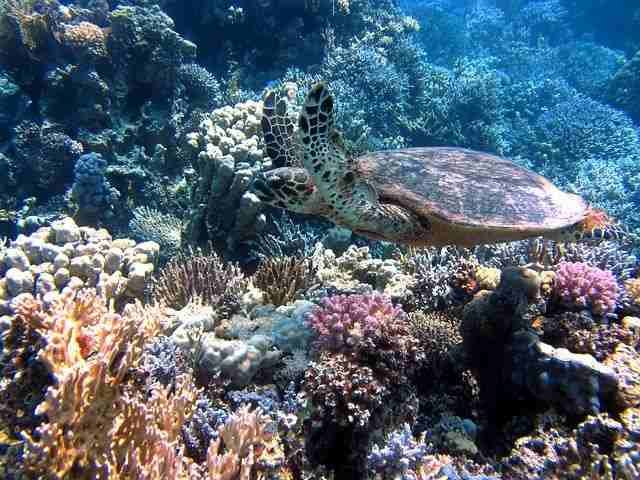
Beginner to Advanced
The Best Dive Spots in Bali
Bali and its surrounding islands offer some of the best diving in Indonesia, from manta ray encounters and
mola mola sightings to wreck dives, macro muck diving, and
beautiful coral gardens. Whether you are a beginner, an intermediate diver, or an experienced underwater explorer,
Bali has a dive site for you.
Most of Bali’s top dive sites are on the north coast, east coast, and around the offshore islands
of Nusa Penida and Nusa Lembongan. This guide will help you choose the right sites by level,
marine life, visibility, and season.
Quick guide: where to dive in Bali
Manta Point, Nusa Penida
Crystal Bay, Nusa Penida
Tulamben / Kubu area
Jepun, Secret Bay, Puri Jati
SD, PED, Sental, Blue Lagoon
Menjangan Island
Where in Bali can you go diving to find the best spots?
Bali is famous for its beaches, volcano views, rich culture, and exceptional underwater life. The best dive sites are mainly found
in Nusa Penida, Padang Bai, Amed, Tulamben,
Pemuteran, and Menjangan Island. Conditions range from calm beginner-friendly bays to advanced sites with stronger currents and cooler upwellings.
1. Manta Point (Nusa Penida & Nusa Lembongan)
Manta Point is one of Bali’s most iconic dives and the best-known place to see giant manta rays.
The site is reached by boat from Bali’s southeast coast and is generally accessible to a wide range of divers.
The cleaning station is relatively shallow, which makes the underwater ballet of manta rays especially memorable.
Conditions can change quickly, though, and swell is sometimes more significant than the current.
- Minimum level: Beginner
- Current: Low to medium, sometimes strong
- Water temperature: 15–28°C (59–82.4°F)
- Maximum depth: 25 m (82 ft)
- Marine life: Manta rays, turtles, occasional reef sharks
- Best time: All year
Why divers love Manta Point
This is one of the easiest places in Bali to have a close but respectful encounter with manta rays.
It is popular, so early departures are often the best option if you want a calmer dive experience.
2. Crystal Bay (Nusa Penida)
Crystal Bay is one of the most famous dive sites in Nusa Penida, known for excellent visibility that can reach
50 m (164 ft) in the right conditions. It is also a well-known site for mola mola sightings.
Conditions can be unpredictable, with sudden downdrafts and colder water caused by upwellings. This is not a site to underestimate:
dive with an experienced guide and respect the briefing carefully.
- Recommended level: Open Water / Level 1 and above, depending on conditions
- Maximum depth: 40 m (131 ft)
- Visibility: Good to excellent
- Temperature: 16–28°C (60.8–82.4°F)
- Highlights: Mola mola, reef fish, strong coral growth, beautiful safety stop area
A classic Crystal Bay dive often combines a deeper look into the blue for pelagic action, followed by a slower exploration of the
coral plateau, where schools of reef fish and healthy corals make the second half of the dive especially enjoyable.
3. SD, PED & Sental (North Nusa Penida)
These three classic drift-style sites on the north coast of Nusa Penida are loved for their coral shelves, reef slopes,
healthy hard corals, and excellent fish life. They are often calmer than southern Nusa Penida and are ideal for divers who enjoy
long reef drifts.
- Recommended level: Level 1 and above
- Maximum depth: 30 m (98.4 ft)
- Visibility: Average to excellent
- Temperature: 17–29°C (62.6–84.2°F)
- What you may see: Reef fish, tuna, rays, reef sharks, occasional mola mola
4. Kubu & Tulamben (Northeast Bali)
Tulamben is world-famous for the USAT Liberty shipwreck, while the broader Kubu–Tulamben area offers
coral gardens, walls, black sand, and a wide range of marine life. It is one of the most important dive regions in Bali.
Some dives are suitable for many levels, while others are better for experienced divers depending on depth and conditions.
The area is especially rewarding for divers who enjoy wrecks, reef life, and easy shore access.
- Recommended level: Intermediate to advanced for deeper profiles; some sites easier
- Temperature: 26–30°C (78.8–86°F)
- Highlights: Wrecks, reef sharks, bumphead parrotfish, barracuda, corals
- Best period: Often very good from February to April, but many sites work year-round
5. Turtle Bay (Padang Bai / East Bali)
If you want a good chance of seeing turtles on a relatively accessible dive, Turtle Bay is one of the best options in East Bali.
Padang Bai is also a great base for beginner-friendly reef diving and short day trips.
- Minimum level: Beginner
- Current: None to medium, occasionally stronger
- Temperature: 20–30°C (68–86°F)
- Highlights: Turtles, rays, reef life
- Best time: All year
6. Jepun (Padang Bai)
Jepun is one of the best-known Padang Bai dive sites for macro photography, reef life, and
blue-spotted stingrays. There is also a small underwater wreck and metal structures around
17 m (56 ft).
- Minimum level: Beginner
- Current: Medium, sometimes stronger
- Temperature: 20–30°C (68–86°F)
- Highlights: Blue-spotted stingrays, frogfish, nudibranchs, small wreck
- Best time: All year
7. Blue Lagoon Beach (Padang Bai)
Blue Lagoon is a beautiful small bay that works well for both snorkeling and easy diving.
It is a good option for travelers who want accessible water entry, calm scenery, and colorful shallow reef life.
Good for: sandy beach, snorkeling, easy reef dives, and relaxed day trips from South Bali.
8. Jemeluk Beach & Gili Selang (Amed area)
The Amed area is known for black sand beaches, clear water, and excellent snorkeling and diving. Jemeluk Beach is one of the easiest
and most scenic spots, while nearby Gili Selang is a much more advanced dive site with stronger currents and more
exposed conditions.
Jemeluk Beach
Good for: sandy and pebbly shoreline, snorkeling, reef diving, and beautiful views toward Mount Agung.
Gili Selang
Located near the eastern tip of Bali, Gili Selang is best reserved for advanced divers. Currents can be strong,
but the reward is excellent coral density and the possibility of seeing larger pelagic life.
- Type: Boat dive
- Depth: 5–25 m (16.4–82 ft)
- Minimum level: Advanced / Level 2
- Visibility: 15–20 m (49–66 ft)
- Current: Medium to very strong
- Temperature: 26–30°C (78.8–86°F)
Related read:
From Bali to the Gili Islands
9. Menjangan Island & Gilimanuk Bay (Northwest Bali)
Menjangan Island, part of West Bali National Park, is a favorite for wall dives, colorful reefs, and clear water.
Nearby Gilimanuk Bay is famous for macro and muck diving, making this area ideal for underwater
photographers and divers who love unusual critters.
- Minimum level: Intermediate for many sites; some easier
- Current: None to medium
- Temperature: 26–30°C (78.8–86°F)
- Highlights: Reef walls, garden eels, colorful corals, macro life, muck-diving
- Best period: Often especially nice from February to April
Eel Garden
A beautiful site with a rich wall, large sponges and gorgonians, followed by a sandy plateau where garden eels sway in the current.
- Maximum depth: 30 m (98.4 ft)
- Level: Easy / Level 1
- Visibility: Very good
- Temperature: 26–30°C (78.8–86°F)
Pos 1
A relaxed, shallow site often suitable for beginners and first dives, with easy entry and a scenic setting.
- Maximum depth: 20 m (65.6 ft)
- Level: Beginner
- Temperature: 28–30°C (82.4–86°F)
Secret Bay, Gilimanuk
Secret Bay is a classic Bali macro site with sandy and muddy bottom, mangroves nearby, and unusual critters.
It is best dived carefully, with controlled finning, especially around rising tide for better visibility.
- Maximum depth: 9 m (29.5 ft)
- Level: Easy / Level 1
- Visibility: Poor to good
- Temperature: 20–26°C (68–78.8°F)
10. Pemuteran & Puri Jati
Pemuteran is a relaxed Northwest Bali base for diving and snorkeling, while Puri Jati is one of Bali’s famous muck-diving sites.
The latter may look simple at first glance, but it is packed with unusual creatures and hidden macro life.
Pemuteran dive sites
- Level: Intro dives to Level 2 depending on site
- Maximum depth: 40 m (131 ft)
- Visibility: Good to fair
- Temperature: 27–30°C (80.6–86°F)
Puri Jati
Puri Jati is all about rare critters, black sand, and patience. It is a dream site for divers who enjoy slow exploration and macro hunting.
- Level: Level 1
- Maximum depth: 20 m (65.6 ft)
- Visibility: Good to poor
- Temperature: 27–30°C (80.6–86°F)
When to dive in Bali
You can dive in Bali all year, but some regions shine more during certain months. Nusa Penida is famous year-round,
with seasonal mola mola sightings usually associated with cooler water periods. Macro and muck sites in the northwest can be especially rewarding in calmer conditions.
| Area | Visibility | Level | Highlights | Best time |
|---|---|---|---|---|
| Nusa Dua | 5–15 m (16.4–49 ft) | Beginner | Sea snakes, frogfish, sea bats | All year |
| Nusa Lembongan & Nusa Penida | 20–45 m (65.6–147.6 ft) | Beginner to advanced | Manta rays, mola mola | All year; mola mola season often June–September |
| Amuk Bay / Padang Bai / Candidasa | 10–30 m (32.8–98.4 ft) | Beginner to advanced | Rays, sharks, reef dives | All year |
| Amed to Gili Selang | 10–25 m (32.8–82 ft) | Beginner to advanced | Reefs, sharks, barracuda | April–November often favorable |
| Tulamben | 10–30 m (32.8–98.4 ft) | Beginner to advanced | USAT Liberty wreck | All year |
| Pemuteran / Menjangan | 10–25 m (32.8–82 ft) | Beginner to advanced | Walls, coral, macro, photography | All year; some divers avoid peak August crowds |
| Gilimanuk Bay | 20–50 m (65.6–164 ft) | Beginner to intermediate | Macro, frogfish, nudibranchs | February–April often rewarding |
Final thoughts
Bali offers an exceptional variety of underwater experiences: wreck dives, coral gardens,
manta ray encounters, mola mola dives, and some of the best macro diving in Southeast Asia.
Whether you are just starting out or already have many dives in your logbook, Bali has a site that will suit your comfort level and your interests.
Dive responsibly, respect marine life, follow your guide’s instructions, and always choose operators with good safety standards.
Related reads:
Best Nusa Penida diving sites
•
Water sports in Bali
•
Best snorkeling spots in Bali
Ready to secure your villa in vibrant Seminyak, Bali?
After a day exploring Bali’s reefs, wrecks, and underwater life, return to the comfort of Villa Carissa in Seminyak Center:
a private 3-bedroom villa with pool, enclosed garden, and easy access to Bali’s top attractions.
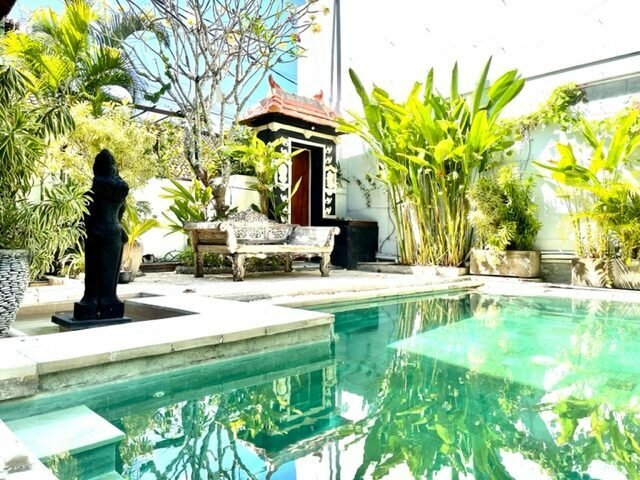
Villa Carissa in Seminyak Center