Once the tickets are purchased, your bag is ready and you know where to sleep during your trip to Bali for your first night, all you have to do is fly quietly to paradise. Once you got your luggages and out from the Customs (Douane), here are things to do when arriving at Bali Airport:
Don’t forget to check how you are covered by your travel insurance!
Once you arrived, you will see that the Balinese culture will jump out at you (or above… we will come back to this!). You may be a bit lost if it’s the first time. But we are here to help and reassure you. So what to do when you arrive at Bali airport? Here are our tips on the 5 things to do when you get off your plane.
1 – Complete the Electronic Customs Declaration (e-CD) before you arrive
This will save you time at the airport and make the immigration process smoother. You can complete the e-CD online up to 4 days before your arrival in Indonesia.
Make sure your passport is valid for at least six months after your departure date from Indonesia. If you are a visa-exempt citizen, you will receive a visa on arrival (VOA) at the airport. If you are not a visa-exempt citizen, you will need to apply for a visa before you travel to Indonesia.
Once you have your documents ready, join the immigration queue. There are separate queues for visa-exempt citizens and those who need a VOA.
4 – Collect your luggage
After you have cleared immigration, you will collect your luggage from the baggage carousel. Safety: Stay cautious of your belongings and be aware of your surroundings, especially in crowded areas. Read here for: Passing through Customs, how will it happen?WELCOME TO BALI and Enjoy your trip to Bali!
5 – Arrival in Bali: withdraw money from the ATM machine at the airport (once you collected your bags)
As you know, your $, €, £, AUD… will clearly not be able to be used in Indonesia! You will have to withdraw Indonesian Rupiahs. As soon as you arrive you will have the opportunity to do so. Moreover, we strongly advise you to withdraw directly from Bali airport so that you are safe for your first purchases. There are several ATMs in the airport you will see after you finish with immigration and customs (douane) and pickup your bags. If you do not know how much to withdraw, we advise you to withdraw the maximum per withdrawal, that is to say IDR 2.5 million around: USD 165 or AUD 245 or EUR 150 or SGD 220 or GBP 130 or CHF 150).
Seen like that, IDR 2.5 million is a lot! But in reality it is only around EUR 150. It’s quite surprising at first, and you can quickly get lost in it. With time and experience you will get used to it.
Duty Free on Bali airport arrival is not at all interesting and extremely expensive. if you can, do your shopping before your arrival if you are stopping over in Singapore, Dubai, Kuala Lumpur. Or when departing from Bali, indeed, the Duty free in Bali on departure is much more interesting and with prices close to those of other airports in Asia.
Your plane lands, you get off and arrive in the hall to collect your luggage and your first instinct will surely be to turn on your phone to tell the parents that you have arrived safely. For that, no problem: there is free wifi in the airport!
We advise you to buy your local SIM card directly at Bali airport. If you wish to use your own SIM, make sure before going to Indonesia, ask your phone company to activate the international option. This is one of the most important things to do when arriving at the Bali Airport, get a SIM card! If you stay in Bali for more than 90 days… scroll down for important info.
But once out, you will need your phone to communicate with someone there or find your direction. In this article we intervene to help you! Recently, stands located in Bali airport have been selling SIM cards at very good prices. You have the choice between SIM cards with internet+call or SIM cards with internet only. It all depends on what you want, but we, for example, only take data, just to use the internet and communicate via WhatsApp. The good thing is that it’s really cheap. We often take between 15 and 20 Gigas for barely EUR 7, and that makes you the whole stay. Or you can buy online an eSIM (Google it: eSIM), or if you want, you can buy Airalo. Revolutionize Your Connectivity with Airalo eSIM!
WHICH OPERATOR TO CHOOSE AT BALI AIRPORT?
There are 6 operators in Indonesia. Some have fairly good global coverage and others cover specific small regions. We advise you to turn to a large operator that covers a large territory with 4G present in Bali, Lombok, Java and Flores. The two biggest are Telkomsel and XL. For having tested both, we advise you to take Telkomsel which covers many more areas than XL and which is not more expensive.
WHY BUY A SIM CARD AND NOT USE WIFI IN HOTELS AND CAFES?
It is above all a story of comfort. We communicate a lot on social networks so we need to have a 24/7 connection, no matter where we are. We use TikTok, WhatsApp, Facebook, Instagram, emails, Skype etc… It is also good to orient you on the island with Google Map or to seek important / emergency information when you are on the move.
SUPER IMPORTANT INFO
Since April 2018, a new law obliges any purchaser of an Indonesian SIM card to present an identity document in order to register the SIM card. We recommend that you buy your SIM card at Bali Ngurah-Rai International Airport (DPS Airport) or in town in an official shop, and not in a small street shop. If you buy from a street shop, your card will not be registered with your passport and will be blocked for a few days after first use. You can’t know everything when you arrive in Bali and that’s why we thought it was important to write this article.
Can I still use my mobile phone in Indonesia without registering the IMEI?
The answer is yes, if you purchased your phone from abroad, and if you are going to stay less than 3 months in Indonesia, you will be able to acquire a SIM card called Telkomsel PraBayar or Telkomsel Tourist Card, which will work for 3 months and it will not be necessary to register the IMEI of your phone. THE BEST is using the eSIM. You can Google them, there are many operators for international eSIM out there. For examples: Holafly, Nomad or you can compare them by using esimdb.
Or if you want, you can buy Airalo (our referral code: ALDO8725 to get US$3 discount, when you buy it for the first time).
Register your IMEI if you wish to stay for more than 90 days, and if you want to use Indonesian SIM
If you are going to stay more than 3 months in Indonesia and want to continue using your phone (purchased abroad) with an Indonesian SIM card, you must register the IMEI at the Customs office in Jakarta or Bali.
If you are planning to stay in Indonesia for over 90 days and wish to use a local SIM card, you will have to register your phone (if it is not already in the database). You can do so at the airport of Jakarta or directly in Bali.
The amount of tax to be paid for foreigners is 40% of the cost of the phone, exceeding the rate of US$500. For example, if your phone costs US$800 the 40% will be charged from US$300, therefore the tax amount would be US$120. No one really finds much fault in the cost of the phone, so it can be understated, but within reasonable limits of course.
If you don’t register the phone within first 5 days, will lose the opportunity to get the discount of USD 500 and must pay 30-40% of the original price of the mobile.
Keep in mind that you must register your phone within 90 days of your arrival in Indonesia if you wish to use it. Alternatively, you can buy a mobile phone in Indonesia and use it as a Wi-Fi modem.
7 – Taxi / driver at Bali airport
Once you have money and a working phone, all you have to do is get out of the airport and discover the wonderful Balinese world. If this is your first time to Bali, please leave a comment to tell us how you felt and how it went! Read also: Bali for the Firstimer | Advice, Good Adresses and Idea for Visit
Some people were very surprised to see about fifty Balinese people literally jumping on clients to get them into their taxi! They felt a little attacked by them and they do not hide it from you. Nowadays they dont really jump on you or a bit less aggresive.
In Bali, they all want to be your driver. After several times, you get used to it, but the first time can be shocking. That’s why we’re telling you about it, so you won’t be surprised. But above all, this is only to give you good ideas about it. Read also: How to Take a Taxi in Bali Without Getting Scammed or Cheated?
WHAT TO DO AT BALI AIRPORT TO NOT BE RIPPED FOR TAXI?
GOOD DEAL N°1
If you’ve followed the steps from our previous article, you’ve likely secured your first night’s stay for a peaceful arrival. Don’t forget to ask your host if they provide airport transfer services. If not, they’ll likely assist you in arranging a reliable driver. Balinese hospitality is renowned for its warmth and exceptional service, ensuring your needs are met with care and attention.
GOOD DEAL N°2
Arranging a driver to pick you up at Bali airport offers great comfort and peace of mind. By negotiating the price in advance, you avoid scams and save time, as your driver already knows your destination.
If you wish, you can even explore the island by taxi. Ask your airport driver if they’re available for future trips or if they can recommend someone reliable.
Alternatively, with internet access on your phone, you can use transport apps like Grab or Gojek to book rides at fair prices. These apps provide a convenient and budget-friendly way to get around Bali.
As a reminder, the price of an Uluwatu / Sanur / Kuta / Seminyak / Canggu / Denpasar airport trip should not exceed Rp 200,000. To go to Ubud, count double of that.
8 – Rent a scooter in Bali
Renting a scooter in Bali is the best way to explore the island, enjoy breathtaking views, meet locals, and experience ultimate freedom.
Traveling with a backpack instead of a suitcase is more practical for scooter rides. Rentals are widely available, and many hotels offer them too.
Here are 3 essential tips to ensure a safe and enjoyable scooter adventure:
Take a helmet, really. It may seem like silly advice to you, but you will see a lot of Balinese and especially a lot of tourists without helmets.
On the other hand, be aware that the roads are still super dangerous and that the traffic is dense. There are serious accidents every day on the island. And then the controls get tighter. Before, they let pass the non-wearing of a helmet. Now they are stricter. It can save you a fine and your life.
DOUBLE CHECK YOUR TRAVEL INSURANCE! insurance for scooter accident overseas. If you have a motorbike accident and are injured overseas, who will pay for your emergency medical treatment and hospital expenses?
Do not rent your small scooter + helmet more than IDR 80,000 per day (= € 5) so as not to be fooled!
Make yourself understood as soon as you arrive at Bali airport. When you speak the same language, it is easier to be understood but above all more difficult to be scammed. So if you want to find a good place to stay in Bali cheap because your travel budget is limited, or even find the best restaurant in Bali, these few words will help you enormously. For this, we give you a small simple list to express yourself a minimum in Indonesian language.
INDONESIAN LANGUAGE BASICS
Ya: Yes
Tidak: No (a word that will be extremely useful for you to get rid of a salesman who is a little too pushy)
Terima kasih: Thank you (soksma in Balinese dialect)
Sama-sama: You’re welcome
Halo: Hi
Sampai jumpa: goodbye
Selamat makan: Bon appetit
Selamat datang: Welcome
Selamat jalan: Have a good trip
Maaf: sorry
MOMENTS OF THE DAY
Pagi: morning
Siang: noon
Sore: afternoon
Malam: evening / night
Selamat tidur: good night
POLITE FORMULAS
Selamat pagi: Good morning (in the morning)
Selamat siang: Good afternoon (noon, from 11 am say)
Selamat sore: Good afternoon (afternoon, between 4 p.m. and 7 p.m.)
Selamat malam: Good evening (evening and night)
Selamat tidur: Good night
The locals often remove the “selamat” to go faster. You can then say “pagi” (morning) to say hello. It’s like you know.
Now you now about things to do when arriving at Bali airport, why don’t you share your experience when the first time you arrived in Bali airport, in the below…
Located in Center Seminyak – Bali, Villa Carissa offers a private swimming pool and enclosed garden to guarantee your privacy. You can book your private pool villa here with us.
Whether you’re traveling with family, friends, or on a romantic getaway, villa Carissa in Seminyak center offers the perfect base for exploring Bali’s many attractions and enjoying a relaxing vacation.
It is well known, Bali and its surrounding islands are full of breathtaking diving spots. And the good news is that there is something for all tastes and all levels! There are so many dive spots on the Island of the Gods (Bali) that it can be difficult to choose. So we made a small selection of the best spots, for beginners, intermediate and advanced levels.
Where in Bali can you go diving to find the best spots for the sport? Most of the best dive sites are located on the coast to the north and east of Bali, or on the islands off these coasts. There are many wide variety of diving spots, whether you are a beginner, a professional or simply curious to try diving, you are bound to find a spot that suits you.
Where in Bali can you go diving to find the best spots for the sport?
Bali is known for its beautiful beaches, breathtaking landscapes, and world-class diving spots.
Most of the dive sites are located on the coast to the north and east of Bali, or on the islands off these coasts. There is really a wide variety of diving spots, whether you are a beginner, a professional or simply curious to try diving, you are bound to find a spot that suits you.
Here are some of the best dive spots in Bali that are sure to offer a memorable underwater experience.
1. Manta Point (Nusa Penida & Nusa Lembongan)
Just a short boat ride from Bali’s mainland, Nusa Penida offers some of the best dive sites in Bali. Here, you can swim with giant manta rays and explore colorful coral gardens.
Located on the southern tip of Nusa Penida, Manta Point is only accessible by boat, in 45 minutes. Diving at Manta Point is quite easy, and the site is shallow (maximum depth of 15 meters). It is therefore widely accessible to all levels of diving. However, it is a very popular site because it is undoubtedly the best spot to swim with manta rays in Bali, so I advise you to dive early in the morning to avoid the crowds of divers!
Minimum level: beginner.
Current: low to medium. sometimes very strong.
Water temperature: 15 to 28°C (59 to 82.5°F).
Max depth: 25m (82ft).
What to see underwater: manta rays.
Best time to dive: all year round.
Manta point is one of the very popular sites of Nusa Penida. And we understand why ! Diving with manta rays is a dream and a joy you can’t get enough of. The dive site is about 1 hour by speed boat from Sanur or Padang Bai, you can admire the superb limestone cliffs of Nusa Penida on the way. The majestic Manta used to come to be pampered at a cleaning station in South Nusa Penida. Diving is easy and is accessible to all levels of certified diver. The site is not very fishy and poor in corals but that is not the point, you might say.
No current but often swell and surf. On the station at a depth of 6 meters (20 ft) the ballet is magical, the mantas spinning around you. Rules are in order not to frighten them and suddenly make them leave, not to dive above the station and not to deliberately approach them too closely. The plateau is quite mineral but good surprises are sometimes present such as white tip sharks, nurses, bamboo and often green turtles. Further west, a small drop off is an opportunity to see if the behemoth Mola Mola is around.
Crystal Bay is “the” site of Nusa Penida. Just as its name suggests, the visibility is breathtaking, it can reach up to 50 m (164 ft). This is because the cool, clear water from the depths rises in the bay, the water temperature can drop really quickly and thermoclines are frequent. The good news is that it’s not just the water that comes up, there’s also the famous sunfish Mola Mola. Indeed the Mola Mola spends its life at great depths and goes back on rare occasions to be dewormed by the fish carriers and the angel fish.
The spectacle of a Mola Mola being dewormed is one of the things to see in the life of a diver because it is quite simply an incredible mastodon. But all good things must be earned, Crystal Bay is a dive site that can be dangerous, downdrafts are frequent and especially sudden, it is important to dive with an experienced guide who knows how to analyze the clues. The best time to dive is a little before the high tide stall, the stall and a bit after.
Diving in Crystal Bay takes place in two stages, the first is to start the dive near the drop-off and follow it to the north if the conditions allow it. You have to look in the blue in case the precious one arises. Secondly, the continuation of the dive on the coral plateau is wonderful, a ballet of banner fish, trevally, small tuna and all the reef fish. The flora is very well preserved and the hard and soft corals are absolutely beautiful. At the end of the dive you can make your safety stop near very beautiful porites where the atmosphere with the crystal clear water and the white sand bottom is magnificent.
Diving level: Level 1 and + (different diving profiles depending on the level)
Max depth: 40m (131ft)
Visibility: Excellent to good
Temperature: 16 to 28°C (60.8 to 82.4°F)
3. SD, PED, Sental (Nusa Penida)
Sental, PED and SD are three dive sites North of Nusa Penida. All three of similar characteristics. Sental most in the East, PED in the center and finally SD abbreviation of Sekolah Dasar (primary school) the site in the West. The topography for all three sites is a slight coral shelf and a steep slope down to the depths. There is often a little current which authorizes to qualify them as drifting.
This part of the island offers calmer waters that are less prone to waves, the plateau is very pretty and essentially made up of hard corals and sponges. On the slope the reef is very well preserved and hard corals mingle with soft corals and different types of sponges. The fauna is very varied and includes the whole panel of Bali reef fish. In the blue, a school of tuna, reef sharks, barracudas, rays, but also Mola Mola can always appear and even a few cases of whale sharks have been reported. Visibility is often very good except in the event of a thermocline, you will have to descend in the cool for better visibility!
Diving level: Level 1 and +
Max depth: 30m
Visibility: Excellent to average
Temperature: 17 to 29°C (55.7 to 84° F).
4. Kubu (Amed, Tulamben), Northeast Bali
Amed is a fishing village on Bali’s northeast coast that offers some of the best diving in Bali. The area is home to a diverse range of marine life, including pygmy seahorses, reef sharks, and sea turtles.
Located on the northeast coast of Bali, Tulamben is famous for its USAT Liberty shipwreck. The wreck is now covered with vibrant coral and teeming with marine life, making it a popular spot for divers of all levels.
This spot is especially suitable for experienced divers. The dive begins on a coral garden, then you descend along a drop-off, where you can see black and white tip reef sharks. On the sandy bottom you will also have the chance to see blue-spotted rays! This site is also home to a beautiful wreck of an Indonesian ship that sank.
Minimum level: advanced.
Current: none to medium.
Water temperature: 26 to 30°C (78.8 to 86°F).
What to see underwater: reef shark, humpback parrotfish, barracuda, wreck of an Indonesian ship
Best time to dive: February to April.
Part of the USAT Liberty shipwreck in Tulamben, Bali and how it is overgrown with hard corals and sponges. Inhabiting fish looking for food or shelter. Tilonaut, CC BY 3.0, via Wikimedia Commons
Tulamben in the North-East of Bali is the essential village for diving in Bali. With its nearby pebble or black sand beaches, Tulamben is world famous thanks to its famous wreck of the USAT Liberty ship. The wreck remains a must do by day and even more so by night.
Some fish couldn’t resist but pose in their natural frame of the USAT Liberty shipwreck in Tulamben, Bali. Tilonaut, CC BY 3.0, via Wikimedia Commons
Soft coral. Shooted in Bali near Amed. AlexeiAVA, CC BY 4.0, via Wikimedia Commons
5. Turtle Bay (Candidasa, Padang Bai), East Bali
Padang Bai is a small fishing village on Bali’s east coast that offers excellent diving opportunities. The Blue Lagoon and Jepun dive sites are popular for their crystal-clear waters, colorful fish, and diverse coral formations.
If you want to swim with turtles, this spot near Padang Bai is undoubtedly the best! You have a 90% chance of encountering beautiful turtles during your dive, and even of seeing rays. Turtle bay is one of the best dive spots in Bali.
Minimum level: beginner.
Current: none to medium. Occasionally the current can be strong.
Water temperature: 20°C to 30°C (68 to 86°F).
What to see underwater: manta rays and turtles.
Best time to dive: all year round.
6. Jepun (Candidasa, Padang Bai)
Jepun is THE essential dive site to see the famous blue-spotted rays, as in the photo below. It is also an excellent spot for macro underwater photography thanks to the many rare aquatic species found there. At 17 meters deep, you can even see a small wreck and some metal structures underwater.
Minimum level: beginner.
Current: medium. Occasionally the current can be strong. Ideal for drift diving.
Water temperature: 20 to 30°C (78.8 to 86°F).
What to see underwater: blue-spotted stingrays, frogfish, nudibranchs, small wreck at 17m (56 ft) depth.
Best time to dive: all year round.
Thornback Cowfish has a pair of large spines that are forward in front of the eye. This species lives in tropical waters, and some of the warm climates of the Indo-Pacific ocean.
Has a unique poison compared to other fish poisons; Pahutoxin (formerly called ostracitoxin), is a neurotoxin that is present in the mucous secretions of the skin of these fish (Ostraciidae), and appears when the animal is under stress. The picture was taken in the waters of Padang-Japan Bay, Padang Bai. victorius eps, CC BY-SA 4.0, via Wikimedia Commons
Chaetodon guttatissimus, Peppered butterflyfish (left) and Chaetodon punctatofasciatus, Spotband butterflyfish (right) amongst Acropora corals. Underwater photograph, Padangbai, Bali, Indonesia. Bernard E. Picton BernardP, CC BY-SA 4.0, via Wikimedia Commons
Very intimate lagoon with mesmerizing blue, located on the edge of Padang Bai. A real haven of peace hidden in the middle of lush vegetation. You will be able to rent fins, mask and snorkel to enjoy the seabed accessible a few meters from the edge.
The village of Amed is renowned for its seabed and its magnificent black sand beaches. One of them stands out for its brightly colored corals and its high concentration of fish: Jemuluk Beach. Also take the time to get your head out of the water to admire the surrounding landscapes, dominated by the imposing Mount Agung.
Gili Selang is a small island located along the coast south of Amed. Also called Waterloo, this site is for experienced divers. Located at the entrance to the Lombok Strait, the site offers an exceptional coral reef, the marine life there is very different from that of the Amed and Tulamben area but similar to that which you can encounter near Nusa Penida. The site is made up of a small bay, the island of Gili Selang closing it and forming the easternmost tip of Bali.
It presents very different diving conditions from the calm and warm waters of Amed and Tulamben. The density of corals and reef fish is exceptional here, it is also very common to encounter Napoleon fish, turtles, reef and pelagic sharks.
Its not only macro in Bali. Excellent big fish action right in front of our doorstep. Gili Selang is shark guarantee for experienced divers 🙂 #giliselang #amedwhitesanddivers
Located at the extreme eastern tip of Bali, this island is already exposed to the famous “Flow Through” current which circulates between Bali and Lombok and connects the Indian Ocean to the Pacific Ocean. Its cold and rich waters allow corals and fish to grow and multiply which gives the dive sites their richness and their colors. Larger life forms are attracted by the stronger currents around the islands and barracuda, trevally or sharks can often be seen. These same currents make them more challenging dive sites so only advanced certified divers with a minimum amount of dives are allowed to dive there. For safety reasons, Gili Selang can only be dived from a boat and dive availability is subject to weather conditions, currents and tides.
Information
Type of dive: Boat dive (a boat that recreational divers or professional scuba divers use to reach a dive site which they could not conveniently reach by swimming)
Depth: 5 – 25 meters (around 16 – 82 ft)
Minimum required level: Advanced – Level 2
Visibility: 15 – 20 meters (around 49 – 66 ft)
Current: Medium to very strong
Temperature: 26 – 30°C (around 78,8 – 86°F)
Access
1 hour by boat from Padang Bai on the east coast of Bali.
Or this site is accessed by traditional Balinese fishing boat, more commonly known as Jukung. About 20 minutes by boat from Lipah Bay.
Menjangan Island is located in West Bali National Park, Menjangan Island is a popular spot for divers and snorkelers. The area offers clear waters, pristine coral reefs, and the chance to see a variety of fish and other marine life.
Located at the northwestern tip of Bali, Menjangan Island or Deer Island is part of the Bali Barat Nature Reserve.
This diving spot in the northwest of Bali will delight fans of muck-diving and underwater photography. It is known for its great biodiversity. Only 40 minutes by boat from Permuteran or Lovina, this site is a must if you want to photograph formidable creatures underwater!
Minimum level: intermediate.
Current: none to medium.
Water temperature: 26 to 30°C (78.8 to 86°F).
What to see underwater: ideal for underwater photography and muck-diving.
Best time to dive: February to April.
Eel Garden at the northwestern tip of the island of Menjangan is a pleasant and surprising site for its topography. You will start your dive with a superb drop-off very rich in gorgonians and sponges. You will follow the one if at a depth not exceeding 30 meters. In the middle of the dive you will arrive on a coral plateau and a white sand bottom where thousands of garden eels live, just waiting for you to photograph them! you will finish your dive by palming from one coral “potato” to another, the shallowest depth guaranteeing you an exceptional panorama of colors.
Diving level: Easy, level 1
Max depth: 30m (98.4 ft)
visibility: Very good
Temperature: 26 to 30°C (78.8 to 86°F)
Pos 1
Pos 1 owes its name in reference to the post number of the rangers of the reserve. It’s the perfect place on earth for a lunch break. A large white sand beach and a breathtaking view of the volcanoes of Java. The dive site is rather reserved for baptisms. Accessible directly from the beach or the pontoon, you will follow a small shallow reef.
The sandy bottom sometimes holds good surprises.
Diving level: Beginner
Max depth: 20m (65.6ft)
Visibility: Good
Temperature: 28 to 30°C (82.4 to 86°F)
Secret Bay, Gilimanuk, Northwest Bali
Located in the northwest of Bali, Secret Bay is a popular spot for macro diving, offering the chance to see a variety of unusual and rare marine species, including seahorses, nudibranchs, and frogfish.
Diving in Gilimanuk Bay will not leave you indifferent! True “Muck” diving par excellence. Gilimanuk is the entry point to Bali from Java, its ferry terminal provides daily connections to cross the 3 km of the Bali Strait. Gilimanuk Bay is quite small (2km or 1.2 miles wide) and shallow. Secret Bay is mostly bordered by mangroves and has two small islets of mangroves, Pulau Kalong and Pulau Burung, respectively bat islet and bird islet.
The proximity of the Bali Strait ensures the rhythm of the tides a considerable supply of nutrients to the fauna and flora of the bay. Secret bay is above all a Macro dive on a sandy or even muddy bottom, visibility can be drastically reduced by an unfortunate blow of the fin not appropriate! It is very important to dive during a rising tide so that the fresh and clear water from the depths of the Bali Strait ensures correct visibility to look for the atypical fauna of the dive site.
Fauna dive at Gilimanuk
We don’t often give information about the fauna of the dive sites to our divers to keep them amazed, however your guides will be on the lookout for Antennarius Hispidus and other Antennaires, Eurypegasus draconis, Rhinopias, Harlequin and Robusta ghost fish, the famous aquarium fish Pterapogon Kauderni and many other things that will surprise you. In general we make two dives, the first on the left side in order to inspect the different structures placed on the sand and the second on the right side up to the coral culture tables.
Diving level: Easy, level 1
Max depth: 9m (29.5 ft)
Visibility: poor to good
Temperature: 20 to 26°C (68 to 78.8°F)
10. Gilimanuk Bay, diving in Pemuteran and Puri Jati
Pemuteran dive site
Pemuteran is a small village in the North West of Bali which took off with the development of diving and the craze for diving in the nearby island of Menjangan. This region of Bali being far from the tumult and the animation of the South of the island has managed to keep its relaxed and family character. The dives in Pemuteran are quite accessible for all levels, but are rather reserved for training. Some beautiful drop-offs, a less loaded fauna than in Menjangan but which is worth the detour in night diving.
Diving level: Baptism at Level 2
Max depth: 40m (131ft)
Visibility: Good to fair
Temperature: 27 to 30°C (80.6 to 86°F)
Puri Jati dive site (Pemuteran)
Puri Jati or PJ for short is one of Bali’s famous Muck dive sites. A priori nothing exceptional at first glance, black sand, black sand and more black sand. Very very few corals, a little seagrass and some soft corals. But there is the charm of this atypical dive, you can’t get bored as the unsuspected fauna is so rich! There are days when it’s all there, some less but every creature you find at PJ will be something rare and something every diver would dream of seeing. you have been warned!
Diving level: Level 1
Max depth: 20m (65.6ft)
Visibility: Good to bad
Temperature: 27 to 30°C (80.6 to 86°F)
When to dive in Bali?
You can dive all year round, but in some places it is best to dive at a specific time of year. Especially if you want to see some particular species underwater.
This table brings together all the details to enlighten you on the best times to dive, depending on the city for best dive spots in Bali:
Visibility
Level
What to see underwater
Number of dive spots
Best time to dive
Nusa Dua
5 – 15 m
(16.4-49ft)BeginnerSea snakes, frogfish, sea bats (bat star, webbed star)2All yearNusa Lembongan & Nusa Penida20 – 45 m
(65-147.6ft)Beginner and advancedSunfish (mola-mola), manta raysMore than 15All year round but the sea is a bit choppy from June to September. Sunfish from June to SeptemberAmuk Bay (Padang Bai – Candi Dasa)10 – 30 m(32.8-98.4ft)Beginner and advancedSharks and sometimes sunfish7All year round but the sea is a bit choppy from June to September. Sunfish from August to SeptemberGili island15 – 25 m(32.8-82ft)Beginner and advancedSea turtles, gray reef sharksMore than 20All year round but reduced visibility from December to JanuaryFrom Amed to Gili Selang10 – 25 m(32.8-82ft)Beginner and advancedBarracudas and gray reef sharks8April to NovemberTulamben10 – 30 m(32.8-98.4ft)Beginner and advancedThe wreck of the USAT Liberty5All yearPemuteran10 – 25 m(32.8-82ft)Beginner and IntermediateTuna and barracuda5All year but avoid AugustMenjangan Island10 – 25 m(32.8-82ft)Beginner and advancedColorful aquatic fauna in the heart of corals, 19th century wrecks9All year but avoid AugustGilimanuk Bay20 – 50 m(65-164ft)Beginner and IntermediateFrogfish, nudibranchs (soft-bodied marine gastropod molluscs). Ideal for macro photography1From February to April
In summary, Bali offers a range of diving experiences, from wrecks to coral gardens, and from large pelagic to macro life. Whether you’re a beginner or an experienced diver, Bali has something to offer for everyone. So, if you’re looking to explore the underwater world, make sure to add these dive spots to your Bali itinerary.
Remember to dive responsibly, follow all safety guidelines, and respect the marine environment. Whether you’re a beginner or an experienced diver, Bali’s dive spots offer unforgettable underwater experiences for all to enjoy. Have fun!
Escape to Villa Carissa, a sanctuary in the heart of lively Seminyak, Bali. Enjoy the utmost privacy with a personal swimming pool and enclosed garden. Book your exclusive pool villa experience now.
Based in Seminyak, Villa Carissa serves as the perfect starting point to explore Bali’s myriad treasures. Ideal for family adventures, memorable friend getaways, or romantic retreats, Villa Carissa offers a tranquil base to discover Bali’s diverse attractions and unwind in serenity.
As one of the main tourist destinations in Southeast Asia, Bali offers a multitude of tourist infrastructures and facilities, including golf courses. There are many best golf courses Bali and some only offer nine-hole half courses. They are located in different places on the island, and each has its own particularity. Here are the best golf courses in Bali:
Bali National Golf Club – Nusa Dua – 18 holes par 72 (7166 yards)
Established in 2013 and located in a luxury resort of Nusa Dua in South Bali, this golf course is ranked as one of the “best golf courses in Asia” according to the American magazine “Fortune”. Designed by a good team of architects (Nelson & Wright), this golf course has a different character on which the course is very hilly and the fairways are quite narrow. As one of the best courses in Southeast Asia with a magnificent panorama of the Indian Ocean and Mount Agung, since its construction in 1991 it has welcomed some prestigious golfers from around the world, including Tigerwood, Vijay Singh , Alfred Dunhill and Colin Montgemerie.
Address: The MAJ Nusa Dua, Kawasan Wisata, Lot S-5, Nusa Dua, Bali 80363
Email: reservations@balinational.com
New Kuta Golf – Uluwatu – 18 holes par 72 (7515 yards)
Built in 2007 and benefiting from the standards to host the major international championships. This golf course designed by Golfplan, Ronald Fream; occupies an area of almost 85 hectares (210 acres) of land on the limestone cliff overlooking the Indian Ocean.
It is located just 20 minutes drive from Denpasar Ngurah Rai International Airport. At the end of the day, this great course also benefits from a magnificent sunset. Designed in 18 holes and each with 4 tees, this golf course obviously allows you to play on a first class championship course. More than just a golf course, this one has enough character to guarantee the satisfaction of all players, whatever their level.
Address: Jalan Raya Uluwatu, Kawasan Pecatu Indah Resort Pecatu, Jimbaran, Kec. Kuta Sel., Kabupaten Badung, Bali 80361, Indonesia
Bali Handara Kosaido Country Club – Near Lake Bedugul – 18 holes par 72 (7024 yards)
Established 1974 and located at 1200 meters above sea level on the mountain of Central West Bali on the edge of the rainforest, this course really offers a spectacular panorama of the nearby high altitude lakes. Benefiting from the good temperature and the freshness of the mountains all year round, this place is really ideal to practice your favorite sport during your holidays on this small island of paradise. Designed by Peter Thompson & Michael Wolveridge on 6 385 meters (20 948 ft) with lots of obstacles, you will find a few more obstructions here than elsewhere.
Address: Desa Pancasari- Singaraja, Bali Indonesia
Experience the pinnacle of golfing luxury at the Bukit Pandawa Golf and Country Club in Bali. Set against the breathtaking backdrop of the Indian Ocean, this par 3 course offers an array of packages, allowing you to choose from 18, 27, or 36 holes based on your preference.
Nestled on the Bukit Peninsula, the Bukit Pandawa Golf Course is a world-renowned destination for golf enthusiasts. Its strategic layout and meticulously manicured greens offer a challenging yet rewarding golfing experience. Combined with its top-notch amenities and idyllic surroundings, this course ensures an unforgettable game for players of all levels.
Address: Jl. Gunung Payung Banjar Panti Giri No.8, Bukit Peninsula – Bali 80361, Indonesia
Nirwana Bali Golf Club – Tanah Lot – 18 holes par 72 (6805 yards) PERMANENTLY CLOSED 🙁
Established in 1997 and located on the southwest coast of Bali, this course is a masterpiece of beauty with the spectacular view of the Indian Ocean and lush tropical vegetation offering a unique experience for golfers of all levels. Designed by world-renowned golfer Greg Norman in the heart of the Balinese rice fields, this 18-hole golf course is ranked as the finest golf course in Indonesia and the most photographed in the world. With three holes on the cliffs overlooking the ocean and also the hearing of the rice terraces, this golf course is one of the most demanding courses offering exceptional obstacles and also testing the precision of each golfer.
Address: Jl. Tanah Lot, Beraban, Kec. Kediri, Kabupaten Tabanan, Bali 82121, Indonesia
Bali Beach Golf Course – Sanur – 9 holes par 36 (3650 yards) PERMANENTLY CLOSED 🙁
Established in 1972 and ocated opposite the Grand Bali Beach Hotel in the resort town of Sanur, this course is the smallest of all the previous four with only nine holes (half course), designed by Rajakulasingham. Initially, this golf course was intended for customers of the Grand Bali Beach hotel who like to seek the pleasure of playing golf that is not too far in the mountains.
Nevertheless, over time the course is now open to the wider public who would like to devote a day or two to indulge in golf in Bali. It is a pretty little course, aesthetically constructed, very well maintained, well planted, of medium difficulty and very friendly staff. As the seaside climate is always warmer, the best time to start here is early in the morning in order to beat the heat.
Address: Kompleks Inna Grand Bali Beach Hotel and Resort
Jalan Hangtuah No 58
Sanur – Bali
Situated in the vibrant heart of Seminyak, Bali, Villa Carissa beckons as a sanctuary of tranquility. With its exclusive features including a private swimming pool and enclosed garden, we hold your privacy in the highest regard. Don’t delay, secure your private pool villa with us today.
Whether you’re embarking on a family adventure, creating lasting memories with friends, or seeking a romantic escape, Villa Carissa in Seminyak center is your perfect starting point for exploring Bali’s diverse attractions and immersing yourself in a truly serene vacation experience.
If you are looking for a peaceful place to spend a family vacation by the sea, Sanur might just be the place for you. With its white sand beaches, calm and shallow waters, children can swim safely while you sip a cocktail on your deckchair.
Sanur is one of Bali’s popular destinations and it’s easy to see why. White sand beach, protected lagoon, luxurious hotels, very good quality restaurants and calm throughout the city, it has something to please almost everyone. It’s only 30 minutes’ drive from Kuta, Seminyak and 40 minutes’ drive from Ubud.
Families, divers and retirees alike love it, but it can definitely win the hearts of many more people. In general terms, Sanur is more expensive than Kuta but cheaper than Seminyak.
Sanur is one of Bali’s oldest and most famous beachside destinations and attracts visitors by the hundreds with its stunning beach and restaurants. Quieter than Bali, Sanur is full of tourist attractions where you can stay, eat and drink, and will be the perfect place to relax for a few days before continuing your journey to other parts of the island or even to other islands, such as Nusa Penida. This little piece of paradise is a popular tourist attraction which, although it lacks some tourist infrastructure, will be the perfect place to take a short getaway from Sanur. Famous for its ornithological sanctuary, various breathtaking diving spots and its superb landscapes, do not hesitate to travel from Sanur to Nusa Penida if you want to discover another side of Bali!
With its four kilometers of beautiful white sand beaches, Sanur is known to have been Bali’s first real tourist and seaside destination from the first half of the 20th century. Today, the sand is still there but Sanur is more of a so-called secondary destination. The small city, which gossips say is sleepy, is in fact a good alternative to Kuta-Legian-Seminyak, with its overcrowded streets, its less clean beaches and its already legendary traffic jams!
The famous white and black checkered fabric (poleng), a notorious symbol of harmony in Balinese Hinduism and of opposing forces that intersect, is the emblem so well chosen of the rival station of Sanur, which we are going to draw here briefly the portrait. A passage by this long beach, which we reach so quickly via the bypass (motorway) just nearby…, a resort that is both old and modern, remains a guarantee of calm in comparison, even if the real tranquility is to be sought elsewhere on the island, in the north and east especially…
It is located in a lagoon east of Bali. Sanur Beach is very family friendly. Children can play at the edge of the shallow water, and parents can watch them while having a drink in one of the many bars that line the beach. If you are looking for a calm and safe beach, this is the beach for you!
The sunrises in Sanur are very beautiful to see especially since the seafront of Sanur offers views of Nusa Penida and pretty scenes of local life in the middle of tourists with its fishermen or even the portions of public beaches of Sanur where the locals come to spend time with family or lovers at the end of the day, especially on weekends. What we like is the long pedestrian promenade that runs along the sea, you can easily walk or cycle there.
The local Pasar Sindu market is a must. When you arrive around 10am, it was already almost a little late and some shopkeepers had already been tidied up. It must be said that with the humid heat, life begins at 5 a.m. in Bali. But you can discover fruits and vegetables that you might not see every day. Like the Salak, a curious fruit in the shape of a snake’s egg (it is also called snake fruit). After peeling it, its texture a little rough, but its taste is close to the apple. Nice discovery!
In the market, there are also many flower stalls for making daily offerings in front of houses and temples. According to local belief, this offering protects and blesses. Before going to work, the Balinese place an offering and say a prayer in front of one of the many small temples in each street. In these flower offerings, the Balinese sometimes also add sweets or crackers, then burn incense. Which diffuses a typical and unique smell in the streets.
3. Le Mayeur Museum
This small museum located north of Sanur hides works of art and the personal history of the painter Adrien-Jean Le Mayeur de Merpres, a Brussels artist in love with Bali and the shores of Sanur. The Le Mayeur Museum is located in the main part of Sanur Beach, behind many art and souvenir stalls. This museum was actually the home of Adrien and his wife who was a Balinese dancer named Ni Wayan Polok Tjeoglik. After Adrien’s death, this house was transformed into a museum.
Unfortunately the beautiful paintings of Le Mayeur are poorly maintained by the Indonesian State and are deteriorating which is a shame.
4. Fishing
On Sanur beach, many fishing companies offer day trips, so you can choose what kind of fishing you want to do. If you want more authenticity, you can also join the local fishermen on a small boat. It’s a great experience and most of the time you can eat your own caught fish afterwards!
5. Dive
The coral reef is mostly damaged, which makes it less attractive to divers. If you want to dive in the most beautiful spots in Bali, a day trip with Dune Atlantis to the Gilis Islands, Padang Bay or one of our many other destinations, is the ideal solution. Read also: Best Dive Spots in Bali
6. Fastboat to Nusa Islands
From Sanur, you can take a fastboat to one of the islands of Nusa. The fastboat only takes half an hour to reach Nusa Penida, Nusa Lembongan or Nusa Ceningan.
This temple, visible from the street, is dedicated to the gods of the sea. At the entrance, you will see a black portal guarded by two black demons, while the altar in the central courtyard will give you a superb view of the ocean. .
Address: Jl. Segara Ayu (near Segara Village Hotel)
Pura Mertasari
Here is a temple that is worth the detour, especially after the spring equinox. Indeed, the Balinese attach great importance to this temple which hosts rites of black magic. During this annual ceremony, a warrior dance is performed, sometimes ending in a violent trance. This temple is located at the southern end of Sanur Beach. So you can easily get there after your walk on the beach. Indeed, the latter extends over more than 4 km and is very popular with joggers.
Address: Jl. Merta Sari, Sanur, Bali.
Pura Blanjong
A temple to go and see because of its age! Vestige of an ancestral era, this very old temple holds a column dating from 914, attesting that the Indian influence was already present at that time. It is still animated today by the Balinese who continue to perpetuate the tradition and to honor the deities with offerings. Read also: Must Visit Temples in Bali | You need to visit one of them at least once during your stay in Bali
Address: Jl. Danau Poso, Sanur, Bali
The Blanjong Temple, Sanur, South Denpasar, Bali. DayakSibiriak, CC BY-SA 4.0, via Wikimedia Commons
8. Try the swings overlooking the sea at Dream Island Park
If you have prepared your trip to Bali, you must have heard of the famous swings in the ocean on the Gili Islands. Note that in Sanur, you can also test these pretty swings with your feet in the water at Dream Island, an ideal park to spend the day with the family. Located on Mertasari Beach, one of the locals’ favorite beaches, Dream Island is also the perfect place to try out various activities such as camel and horse riding, windsurfing, canoeing, diving and snorkeling. You can also enjoy authentic Indonesian meals in their restaurant and relax by the beach in their spa for an unforgettable day in Bali.
Dream Island
Entry: IDR 200,000
Address: Jalan Pengembak No.44, Sanur Kauh, Denpasar Selatan, Kota Denpasar, Bali
Hours: daily from 9 a.m. to 7 p.m.
Telephone: +62 812-3629-7088
9. Visit the abandoned Festival Taman amusement park
If you have children who love ghost stories or if you are a big fan of all things scary yourself, be sure to visit the Taman Festival, one of the spookiest places in Bali! The Taman Festival is a large amusement park in Sanur whose works have never been completed. Since the park and its crocodile pit were abandoned 14 years ago, it has literally collapsed, leaving behind a huge amusement park potential that would no doubt have been very successful…
Today, with crumbling buildings threatening to fall at any moment, missing tiles and treacherous steps, locals refer to this park as a “ghost town”.
10. Swim with sharks with Bali Sharks on Serangan Island
Give your children a unique experience while educating them about environmental conservation.
Unfortunately, unregulated shark fishing is still a reality in Bali, and it is now very rare to see the reef sharks that once prowled the coral-lined shores of the Island of the Gods. Bali Sharks is the island’s premier shark conservation program. The founders even created a man-made “shark island” in Serangan.
Reef sharks, mostly black and white tip sharks, are kept in large pens on the high seas. The sharks are brought near the sanctuary after being bought from fishermen or after being rescued from entanglement in nets. Eventually, healthy sharks are released back into the wild. Embark on this 3-hour ecological excursion that will make you overcome your fears by living an unforgettable experience!
Bali Sharks
Website: http://www.balisharks.com
Address: Jalan Tukad Punggawa No. 25, Serangan
Telephone: +62 361 9965101
Hours: daily from 7 a.m. to 3 p.m.
11. Enjoy an unforgettable underwater walk at Bali Seawalker
Treat your children to a unique water experience on the Island of the Gods with Bali Seawalker! The waters surrounding Bali are teeming with stunning marine life and with Bali Seawalker, even little travelers can swim with the fish or snorkel to admire the aquatic wonders that populate Balinese waters.
Bali Seawalker
Website: http://www.seawalker.co.id
Address: Puri Santrian, Sanur, Denpasar City, Bali 80228
Hours: daily from 9 a.m. to 2 p.m.
Phone: 0813-3739-9432
12. Admire the kites at the Bali Kite Festival
Looking up at the blue skies of Bali, it’s rare not to spot at least one kite, and once a year during the month of July / August, the sky is filled with these colorful wonders, during the Bali Kite Festival in Sanur. The Bali Kite Festival brings together kite teams from all over the island on Padang Galak beach. Kites are an integral part of Balinese culture and the festival is accompanied by traditional gamelan music.
There are many places to eat, here are some of our favourites:
Big Garden Corner
Big Garden Corner is a feast for your eyes and your taste buds! As well as serving delicious, mostly Western-style food, this restaurant also has a large park where your kids can have fun in whimsical huts perched in trees, with lots of colorful umbrellas.
Address: Sanur, Jl. By Pass Ngurah Rai, Kesiman, Denpasar Sel., Kota Denpasar, Bali 80237
Hours: daily from 9 a.m. to 9 p.m.
Warung Little Bird
This little warung is the perfect place to spend a relaxing evening listening to reggae music with a good beer and delicious local specialities! Food and cocktails are perfectly priced and all served by friendly servers. In this local restaurant with a friendly atmosphere, you can even play a piece on the guitar if you feel like it.
Address: Jl. Danau Tamblingan No.34, Sanur, Denpasar Sel., Kota Denpasar, Bali 80228
Opening hours: every day from 11 a.m. to 11:30 p.m.
Warung Dapoer Oma
Located a little further than Sanur, this warung is totally worth the trip! This restaurant in the form of a buffet-showcase presenting a wide choice of local specialties, to accompany with white rice, yellow rice with turmeric or red rice. You have the choice between vegan/vegetarian dishes but also with chicken, beef or fish.
Do you miss Italian food? So don’t hesitate, go to Massimo Bali: they serve the best pizzas and pastas in Sanur! Everything is homemade and the recipes have been carefully concocted by the Italian chef, Massimo, who has been living in Bali for several years. Everything is so good here that this restaurant is always full, so be sure to book a table in advance if you want to taste delicious wood-fired pizzas or real pasta cooked by an Italian starred chef.
Address: Jl. Danau Tamblingan 228
Opening hours: every day from 11 a.m. to 11 p.m.
Telephone: +62 (0361) 288942
History
The word Sanur is made up of the roots saha and nuhur, a denomination echoing the passion for travel and discovery. Originally, it was a small fishing village populated by members of the Brahman caste.
It was at Sanur that the Dutch landed in 1906, and it was from this small village of fishermen and farmers that they reached Denpasar to cause the famous puputan (collective suicide) of sinister memory. Sanur was a small fishing and farming village where there was nevertheless a high proportion of Brahmins.
Later, in the 1930s, Sanur welcomed the photographer Jack Mershon and his choreographer wife Katharane, and several artists such as the Belgian Adrien Jean Le Mayeur de Merfrès who married a young Balinese dancer (Ni Pollok) from Legong dance, renowned for her talent and her beauty.
The German Neuhaus brothers also settled there and created an aquarium and an art gallery. These foreigners, all seduced by the Balinese way of life, are part of the wave of Europeans and Americans who, in Sanur as in Ubud, contributed to making Bali known as the last of the paradises. Tourists began to flock from all over the world and very curiously, like today’s tour operators, bought a 5-day package to visit the island. The Dutch East India Company decided to build a hotel in Sanur (the Sindhu Beach Hotel) and another in Kuta (the Kuta Beach Hotel) in the 1950s.
This is the first attempt to build a Balinese-style hotel relayed by a tourist agency. Under the impetus of President Sukarno, the Bali Beach Hotel was built as war reparations with Japanese capital in 1962, but was not inaugurated until 1966 shortly after the dramatic events that followed the coup d’etat.
Thereafter, in order to counterbalance the disastrous experience of the architecture of Bali Beach which moved the religious and administrative authorities of the island, the first hotel to create a Balinese atmosphere and to found a myth was the Tanjung Sari, became famous in France by Muriel Cerf’s novel, Le Diable vert.
He persisted in representing the model of indigenous tourist architecture, mixing traditional Balinese arts with elements of modernity. Gradually, land prices soared, as Sanur turned out to be Bali’s only resort town.
The Tanjung Sari, of modest size, remained for some time an almost cheap hotel, while the newcomers attracted rather an affluent clientele. Now, Sanur remains the village of Indonesian high society and jet-society, which sets its sights on the most chic hotels, the most southerly.
Its beaches aren’t particularly beautiful, with reefs erupting at low tide in the distance, but the village atmosphere gives off a slightly old-fashioned scent. The tourist manna, older than in Kuta, prefers a ceremonial tranquility. And, while the “summer visitors” are sunbathing in the sun, around certain temples, people still indulge in black magic, a common practice in this part of the island… Evoke Sanur to any Balinese: he will associate black magic and sorcerers with it. The wise advise not to venture late at night in its dark streets…
Sanur town center
Sanur’s bustling town center full of restaurants and bars
Downtown Sanur is not lacking in charm either. Many restaurants, both local and western, are dotted around the streets of Sanur. It is thus easy to leave your hotel and enjoy a meal without necessarily having to take a taxi.
The variety of restaurants in Sanur is great for the pickiest of palates, and the quality is generally very good.
Although there are fewer of them than in other cities in Bali, the bars of Sanur can also be friendly and allow you to watch a football match, play pool or dance with a fresh bintang in your hand in a good-natured atmosphere.
Sanur is a small melting pot made up of locals, expatriates, tourists and other people living in Bali who come to spend an afternoon in Sanur.
Here are the people you will surely meet in Sanur:
Expatriate pensioners: the cliché of Sanur
Expatriate pensioners are a bit of a cliché in Sanur. Like every cliché, there is a part of truth. Many Western expatriates have indeed made Sanur their home.
They appreciate the calm and safety of its beach, the presence of many restaurants, the ease of access to the rest of the island and the unique atmosphere that reigns in this place which has kept its soul of a small village.
Families on holiday in Sanur
Sanur is frequented by many families, and it is easy to see why. Sanur is indeed one of the versatile destinations in Bali.
Parents can enjoy the calm of the beach, the good gastronomy, while the children can have fun safely in the swimming pools of the hotels, in the lagoon or during nautical activities. All in the comfort of a luxurious, even very luxurious hotel that quickly makes you forget the problems of everyday life.
Local tourists on resort in Bali
Sanur is a very popular city with locals. The luxurious hotels do not disorient the most urban tourists of Jakarta who appreciate the comfort between their Balinese escapades.
But Sanur is also popular with Balinese living in Renon or East Denpasar who often go there on weekends to fish, spend time on the beach with family or meet friends in a restaurant.
Divers passing through as expatriates
The east coast of Bali concentrates many diving spots. Many diving schools are based in Sanur and allow those who stay in Sanur to be taken to the most famous spots on the island.
It is also possible to scuba dive directly from Sanur into the lagoon, although most divers prefer to venture a little further north. In any case, you are likely to come across many divers in Sanur, whether they live here or are just passing through.
Which audience can Sanur appeal to?
Now that you have a better idea of what Sanur looks like, here’s what kind of people the town is most likely to appeal to.
You’ll like if you like quiet places
If you are looking for calm during your vacation in Bali, then Sanur is a very good option.
It combines the calm of lost coves with the practical aspects of a seaside resort, all in a rather distinguished and discreet style.
This relative calm can therefore please almost everyone depending on their temperament: young people, couples, families and of course retirees.
Is a good base for divers
If you plan to dive often during your stay in Bali, then Sanur is a very good base.
The most famous spots on the east coast are only a few minutes away by car or boat, and it is even possible to cross to Nusa Lembongan, Nusa Ceningan or even Nusa Penida during the day.
Settling in Sanur allows you to be in a central place for diving, all in greater comfort than what is currently found near more famous spots.
If you want a central destination in Bali
This place is really easy to access, and this is a big advantage for an island like Bali that is often plagued by traffic jams.
Traffic jams are rare both in Sanur and its surroundings. It is therefore very fast to get to Nusa Dua, to Amed, to Kuta and Seminyak and even to Uluwatu. The only really bottled up point in Sanur is when you leave the “bypass” to cross Denpasar (to go to Canggu for example). Apart from these rare cases, all Bali is nearby or almost.
Is a versatile destination for families
Families often like Sanur very much because everything is possible there.
The activities are numerous, the access is simple, the accommodation comfortable and all the infrastructures are in place to spend a stay without organizational headaches.
Who is Sanur likely to displease?
Sanur may be a particularly versatile destination, as all tastes are in nature, not everyone will like Sanur. Here are those who may not find their account.
Sanur is not the most festive place in Bali
If you came to Bali for the party, you won’t find many in Sanur. Sanur is certainly relatively lively, but the entertainment is more like a good family man: “little pub, small restaurant”, than truly a party place with beach bar, big nightclubs and other wild parties.
If you absolutely want to party in Bali, Kuta, Seminyak and Canggu are three particularly lively cities, more or less young, each with their own style and specificities. But unfortunately, Sanur is likely to be too boring for you.
You won’t like it, if you want a rural Bali experience
We are not going to lie to each other, Sanur is a haven of peace in the seaside resorts of Bali. But it remains a westernized seaside resort.
Is therefore not quite the very authentic rural experience that some seek. That said, it’s far from the worst place to see some aspects of Balinese culture, despite the tourism.
Some places in Sanur are not very recommendable
It has a sometimes sulphurous reputation with locals and expatriates, even if the majority of tourists who pass there do not even realize it.
The city is indeed one of the hotspots of Bali for those, foreigners as well as locals, who are looking for “girls of joy”. Admittedly, we are still light years away from prostitution in the eyes of all as in Thailand, but it is possible to come across locals, tourists and even expatriates who are there for reasons other than the white sand of Sanur.
If you want to avoid these places, just don’t go to the (brothel) houses marked with an “X” and don’t go to the bars where there are – oddly enough – almost only women seem to be waiting for something or someone.
Notes: opening hours and rates are subject to change without prior notice.
Nestled within Seminyak Center, Bali, Villa Carissa beckons with a private swimming pool and enclosed garden, ensuring utmost privacy. Secure your private pool villa reservation with us today.
Ideal for family, friends, or a romantic escape, Villa Carissa in Seminyak Center serves as the ultimate launchpad for discovering Bali’s allure while relishing a serene getaway. Unveil the charm of Bali’s attractions and bask in relaxation at Villa Carissa—an oasis of tranquility. Book now to embark on your perfect Balinese vacation.
Important and Practical Tips at (DPS) Bali Airport
Your trip to Bali will soon begin! You have been preparing for this trip for several weeks, looking for the best spots for sunrise, the ideal place to observe the animals, the forest to explore, the temples to visit… You can access the island of Bali and its airport located in Denpasar from the airports of Jakarta, Singapore, Kuala Lumpur, Australia and all major European cities. Here are our practical tips at DPS (Bali Airport) for your arrival and departure.
Location on Google map
There is only 1 airport in Bali. Bali’s airport is small, it has 2 terminals, one for domestic flights and the other for international flights. Bali airport is located in the south of Bali and called I Gusti Nurah Rai (local hero), or you can just simply call it Bali Airport.
Airlines and destinations
Bali’s Denpasar Airport is a hub of Garuda Indonesia. Several Indonesian airlines fly from Denpasar, as well as several major airlines from Asia and Australia: Jetstar, Qantas, Virgin Australia, Garuda Indonesia, Scoot, Air Asia, Batik & Malindo Air (Lion Air).
There is no direct flight from Europe to Bali and you will necessarily need to do a stopover with a change of plane.
From Europe only KLM fly from Amsterdam via Singapore and Turkish Airlines from Istanbul to Bali.
With a stopover, Bali can also be reached with the following airlines: Emirates Airlines flies from Dubai, Singapore Airlines from Singapore, Cathay Pacific from Hong Kong, Qatar Airways from Doha and Thai from Bangkok. You can fly to Denpasar via Taipei with China Airlines. At the moment, American or African companies do not fly to Bali.
Bali Airport (DPS) I Gusti Ngurah Rai International Airport. Pinterpandai.com, CC BY-SA 3.0, via Wikimedia Commons
Arrival Procedures at Bali Airport
Once you landed at the Bali airport international terminal, this is how you get through the airport:
During Covid time, please install PeduliLindungi app (an application developed to help government agencies carry out digital tracking to stop the spread of the Corona virus) on Google Play or Apple Store before you arrive to Bali.
1. Immigration (passport control)
There are 2 sections, 1 for Visa-on-Arrival (VoA) and the other for those who got their visa in advance (“Non Visa on Arrival”).
There are at least 169 nations eligible to enter Indonesia visa-free. Read below for the VOA and free entry.
The waiting time can be quite long during peak season. Please read below for the fast track service (in case you need it).
Follow the “Arrival” instructions to the baggage claim. Check the screen information on the conveyer belt according your flight.
Get a trolley bag if you need one. If the luggage lost, you may contact the airline staff at the Lost and Found counter.
There are porters to help carry your luggages (they will get your luggage, escort you to your car, taxi or pick up service and help you load into the car).
Then you will go the the Customs (Douane)….
But before, you must to fill out the Indonesian custom declaration form. Arriving passenger and crew must fill in the Customs Declaration Form and submit it to the Customs and Excise officer at the Customs Inspection Gate. THIS FORM IS NO LONGER USED!!!! Bali Airport is going paperless!
Indonesian custom declaration form (BC 2.2) in English. Pinterpandai.com, CC BY-SA 3.0, via Wikimedia Commons. This is no longer available.
To fill out the E Customs form
If you’re traveling to Bali and need to fill out the Bali Customs Declaration Form, here is a step-by-step guide that will help you through the process, from providing personal information and flight details to declaring any goods or foreign currency you may be carrying, and submitting the form to the customs officer upon your arrival at the Bali airport.
Going through customs is never much fun. This passage can even be rather long. So, to make it more enjoyable, we advise you to prepare in advance.
After you get your bags from the conveyer belt, you must put all your luggage and hand luggage through a scanner. If the officers don’t pick you for a luggage check; you may exit the airport building.
Go through customs towards the exit sign and give them the electronic tax card (Customs Declaration). You will only need 1 for PER family. Or you can do it online through: NGURAH RAI CUSTOMS
E-CUSTOMS DECLARATION here.
If Custom officers don’t pick you for a luggage check, you can exit the airport building
Make sure you declare if you bring more then IDR 100,000,000 (around € 6500 or US$ 6600) and of course…
Make sure:
You need to make sure that you are not importing prohibited products into Bali.
You cannot enter with more than 200 cigarettes or 50 cigars or 100 grams of sliced tobacco. Regarding alcohol, if you carry more than 1 liter of alcoholic beverage, they will be confiscated.
For airline crews: 40 cigarettes, 10 cigars, or 40 grams of sliced tobacco or other tobacco products, and/or 350 milliliter of alcoholic beverages
You must also declare the import of your cameras, video cameras, binoculars and sports equipment at the time of inspection. This is the only condition to allow their entry into the territory.
You MUST notify the Customs Officer if you are bringing:
Currency and/or bearer negotiable instrument (cheque, traveller cheque, promissory notes, or bilyet giro) in Indonesian Rupiah or other currencies which equal to the amount IDR 100 million (around € 6500 or US$ 6600) or more. If you fail to declare it, administration penalty is applicable (administration penalty is charged 10% from the amount of cash, in accordance to the regulation of Indonesia Ministry of Finance Number 100 in 2018).
Foreign banknotes which equal to the amount of IDR 100 million or more.
Tell them the reason why you need to bring this money (holiday, paying hotels, restaurants?)… Or else, you can bring your credit card or one of the cheapest is by using the Wise card.
Personal goods:
Every personal passenger goods, per person on every arrival, is granted import duties, excise, and taxes exemption of USD 500 on their personal goods (personal effect) that were purchased or obtained abroad and will remain in Indonesia.
Every personal crew goods, per person on every arrival, is granted import duties, excise, and taxes exemption of USD 50 on their personal goods (personal effect) that were purchased or obtained abroad and will remain in Indonesia.
For those who import goods for other purposes than personal use (e.g. the total amount of the goods are unusual for personal use or the goods are used for commercial purposes such as companies/store/institution/industry), are subject to import duties, excise, and taxes.
Obviously, you cannot be armed with a firearm.
No narcotic drugs. You may end up enjoying an “all-inclusive” holiday in Bali’s Kerobokan prison for a very long time, or even face the death penalty.
In general, the importation of drugs is prohibited. So be sure to take your doctor’s prescriptions with you and mark your medication as being for ‘personal use’ on any customs forms. Likewise, no Chinese medicine can enter the country. Read also: Travelers Diarrhea and MEDICINES IN BALI | Preparing for your trip to Bali
Pornographic articles, transmitters and receivers are not allowed in Bali. If you enter with DVDs, these will be filtered by censorship. Better bring your NetFlix or Amazon codes 🙂
Each terminal has it’s own arrival hall, located in the public area after customs & baggage reclaims.
Airport visitors can verify the terminal and designated exit on the airport monitors.
Meeting points are located in each terminal after the baggage reclaim area.
Visa On Arrival (VOA) or Visit Visa on Arrival is granted to Foreign Citizens who intend to visit Indonesia in the context of tourism, socio-cultural visits, business visits, or government assignments.
Visa On Arrival is given by immigration officials to foreign nationals who meet the requirements, upon arrival in Indonesian territory through certain immigration checkpoints.
I Gusti Ngurah Rai (DPS) Airport has 20 Visa on Arrival counters at the international arrivals terminal.
The requirements for applying for a Visa On Arrival are as follows:
1. Travel letter or national passport with a minimum validity period of 6 (six) months.
2. Not listed on the deterrence (obstacle) list.
3. Pay fees in accordance with applicable regulations US$35 or IDR 500 000 (you can pay by cash or credit card).
Official website of Directorate General of Immigration (Ditjen Imigrasi Republik Indonesia): https://www.imigrasi.go.id/en/
Visa On Arrival is granted for a period of 30 (thirty) days with the following conditions:
1.
The immigration permit can be extended for a maximum of 30 (thirty) days
2.
Cannot be changed to another Immigration Permit
Visa On Arrival is given by affixing a visa stamp or sticker on a valid and valid Travel Letter or Nationality Passport.
List of Airports with Visa On Arrival Facilities:
1.
Sultan Iskandar Muda, Banda Aceh
11.
Ahmad Yani, Semarang
2.
Kuala Namu, Medan
12.
Adi Sumarmo, Surakarta
3.
Sultan Syarif Kasim II, Pekanbaru
13.
Juanda, Surabaya (SUB)
4.
Hang Nadim, Batam
14.
Supadio, Pontianak
5.
Minangkabau, Padang
15.
Sepinggan, Balikpapan
6.
Sultan Mahmud Badaruddin II, Palembang
16.
Sam Ratulangi, Manado
7.
Soekarno-Hatta, Jakarta
17.
Sultan Hasanuddin, Makassar
8.
Halim Perdana Kusuma, Jakarta
18.
Ngurah Rai, Bali (DPS)
9.
Husein Sastranegara, Bandung
19.
Selaparang, Mataram
10.
Adi Sutcipto, Yogyakarta
20.
El Tari, Kupang
Based on Presidential Regulation Number 21 of 2016, the following is a list of 169 Citizens of FREE VISA ENTRY:
Albania
Guatemala
Philippines
Algeria
Guyana
Poland
Andorra
Haiti
Portugal
Angola
Honduras
Puerto Rico
Antigua and Barbuda
Hong Kong SAR
Qatar
Argentina
Hungary
Romania
Armenia
Iceland
Russia
Australia
India
Rwanda
Austria
Ireland
Samoa
Azerbaijan
Italy
San Marino
Bahamas
Jamaica
Sao Tome and Principe
Bahrain
Japan
Saudi Arabia
Bangladesh
Jordan
Senegal
Barbados
Kazakhstan
Serbia
Belarus
Kenya
Seychelles
Belgium
Kiribati
Singapore
Belize
Kuwait
Slovakia
Benin
Kyrgyzstan
Slovenia
Bhutan
Laos
Solomon Island
Bolivia
Latvia
South Africa
Bosnia and Herzegovina
Lebanon
South Korea
Botswana
Lesotho
Spain
Brazil
Liechtenstein
Sri Lanka
Brunei
Lithuania
St Kitts and Nevis
Bulgaria
Luxembourg
St Lucia
Burkina Faso
Macau SAR
St Vincent and Grenadines
Burundi
Macedonia
Suriname
Cambodia
Madagascar
Swaziland
Canada
Malawi
Sweden
Cape Verde
Malaysia
Switzerland
Chad
Maldives
Taiwan
Chile
Mali
Tajikistan
China
Malta
Tanzania
Commonwealth of Dominica
Marshall Islands
Thailand
Comoros
Mauritania
Timor-Leste
Costa Rica
Mauritius
Togo
Cote D’Ivoire
Mexico
Tonga
Croatia
Moldova
Trinidad & Tobago
Cuba
Monaco
Tunisia
Cyprus
Mongolia
Turkey
Czech Republic
Morocco
Turkmenistan
Denmark
Mozambique
Tuvalu
Dominican Republic
Myanmar
Uganda
Ecuador
Namibia
Ukraine
Egypt
Nauru
United Arab Emirates (UAE)
El Salvador
Nepal
United Kingdom (UK)
Estonia
Netherlands
Uruguay
Fiji
New Zealand
USA
Finland
Nicaragua
Uzbekistan
France
Norway
Vanuatu
Gabon
Oman
Vatican City
Gambia
Palau
Venezuela
Georgia
Palestine
Vietnam
Germany
Panama
Zambia
Ghana
Papua New Guinea
Zimbabwe
Greece
Paraguay
Grenada
Peru
Please kindly note that rules and regulations may be changed without prior notice. Please contact your Indonesian Embassy near your place before departure and double check about the free visa entry to Indonesia.
The following are the stages that passengers must go through:
1. Security Check
To enter the departure terminal, all passengers must go through the Security Check gate. Things to consider at this stage include:
Prepare your travel documents as follows:
Tickets according to the date of departure
Passport or ID card for doestic flights.
All luggage must be checked through an x-ray machine.
For a smooth inspection process, all metal objects such as cell phones, keys, etc. should be put in a bag.
All passengers must go through the Walk Through Metal Detector (WTMD).
If necessary, passengers and luggage can be checked manually by the Airport Security Officer.
Report to the Airport Security Officer if you:
Using a pacemaker
Bringing a firearm
You are not allowed to bring along sharp objects and dangerous goods, such as knives, folding knives, nail cutting tools, cutters, matches, gas lighters, and so on.
2. Check-in
Prepare your travel documents, as follows:
Tickets according to the date of departure.
Passport.
Queue at the check-in counter that corresponds to your airline. The reporting desk opens 2 hours before departure time.
For flight safety, please report your baggage that weighs more than 7 Kg, and you are only allowed to bring 1 piece of baggage that weighs less than 7 Kg into the aircraft cabin (depending on the cabin class).
Scanning / Tapping Boarding Pass.
Hand over your boarding pass to the tapping officer.
3. Security Check 2
Passengers are required to remove their belts, watches, hats, jackets, keys, coins and empty the contents of their pants/shirt pockets.
4. Departure Hall
After checking-in your departure at the check-in desk, you can wait for the departure time in the Departure Room according to the location listed on the Boarding Pass.
5. Waiting…
The hardest part now is to wait at the airport. In general, this moment is the least interesting of your trip! Yet, with a few very simple tips, you can keep busy during all those hours of waiting.
Take a tour of the press side. The kiosks offer newspapers from all over the world. You will discover unsuspected alphabets there. Why not buy one to have fun translating? You can also take an Indonesian magazine to keep up to date with national news. Likewise, if you forgot to take some books for your vacation, jump at the chance and buy some from the airport bookstore!
After that, it’s time to go to one of the restaurants or cafes. In general, the bigger the airport, the more choice you have. It’s the perfect opportunity to grab a bite before your flight, buy a bottle of water or drool over pastries.
While eating, start contemplating the different planes. They all have a different shape, with a more or less appreciable aestheticism. It’s up to you to classify the most beautiful and imagine to which destinations they fly! You may find inspiration there for a future trip…!
Boarding your flight will begin soon! You can stop shopping around the airport and head straight yo yoour next destination. In the meantime, there is nothing better than to observe the landscape through the porthole. Also take the opportunity to rest. The jet lag will be less hard to bear if you take a nap during the journey!
Important tips:
Excess baggage: take your time, before your departure, to weigh your luggage carefully. You might be surprised when you arrive at the airport when your luggage, exceeding the authorized weight, it will be costly and the cost depending on the destination of your holiday
Services at DPS Airport to make your journey easier
1. Premium Airport Special Services (PASS) both on departure and arrival
Premium Airport Special Services give the best services for all passenger from Check in Assistance, Baggage Handling & Wrapping, Escort Service For Custom & Imigration Clearance (fast track), and Executive Lounge Service. Passenger may choose one of this services at DPS airport:
Domestic PASS
International PASS
Connecting PASS
Operational Hour: 07.00 – 23.00 (local time)
Prices:
PASS International IDR 300 000 for Indonesian and IDR 500 000 for foreigner.
PASS Domestic IDR 200 000.
Contact Number: +62 361 8496997 or +62 878 6062 8178
Email: dps@premium-pass.id
Website: https://premium-pass.id/service (in Indonesian)
2. Lounges Ngurah Rai-Bali Airport (DPS)
Indonesia counts among its international airports, that of Bali, one of the most important. Ngurah Rai Airport has private lounges, where departing passengers of international or local flights are invited to wait for their flights in a pleasant setting.
To ensure comfortable while waiting for your boarding, all lounges are equipped with air conditioning, an information monitor, and are accessible to disabled people. They provide their occupants with alcoholic or non-alcoholic beverages, snacks to eat, but also newspapers, magazines, television, telephones, wifi and showers (certain lounges).
All lounges are non-smoking and proper attire is required.
Garuda Indonesia Lounge
DPS airport’s international terminal can be found airside, one floor above the main departures level. Available for, First Class, Business Class, Garuda Miles Platinum, SkyTeam Elite Plus (for gold and platinum cards if you have Air France KLM, SkyTeam Mileage Card).
You can acces via stairs and elevator located along the wall of the central part of the terminal, and it’s located next to the other two lounges in the terminal – T/G Lounge and Premier Lounge.
Premier Lounge
The Premier Lounge, located on the 3rd floor, welcomes international travelers with a Priority Pass, Dragonpass or Diners Club International card free of charge at any time of the day. Also complimentary are First Class passengers of Cathay Pacific, Dragonair or oneworld, Diamond and Emerald members of oneworld on flights on Cathay Pacific, Dragonair or oneworld airlines.
The stay is limited to 2 hours. Visitors are allowed if space is available. Free for children under 2 years old, the price is 24 euros per person online and IDR 250,000 (about € 18) on site. There is also a supplement to consume more than two drinks per person, for international calls and faxes and to benefit from a massage session. This service is only available in the afternoon. A conference room can also be reserved there.
Dewa Lounge
The Dewa Lounge is located on the 2nd floor of the International Terminal, near Gates 7 and 8. It is open from 5:00 am until the last flights. The entrance fee is IDR 100,000 (around €7). Access is possible for all travelers from the airport.
Prada Priority Lounge
The Prada Priority Lounge, located near Gate 7, at the International Terminal is open from 6:00 a.m. to 3:00 a.m. The entrance fee is IDR 150,000 (around €10). Access is possible for all passengers, except those on flights to Europe. In this lounge, wifi is chargeable and a private prayer room is available.
T/G Lounges
The airport has two T/G Lounges. The first, located in the international departures area on the mezzanine level, is open 24/7. It offers Macs, a cinema room, a pool table and cable television. Visitors also have the opportunity to enjoy a reflexology session in the private massage room. Customers can choose to help themselves to the buffet or enjoy the chef’s dishes that he prepares in public. A wide selection of drinks is offered at the bar.
The second is in the Domestic Terminal near Gate 2. It is open between 5am and 10pm. In addition to the various dishes and drinks served at the buffet, pastries are available. Each armchair in the saline is equipped with a terminal that allows you to recharge your electronic devices (smartphone, tablet, laptop, etc.). There are also meeting rooms and VIP areas. Access to the lounges is free with a Dragonpass and children under 5 years old. The stay is limited to 3 hours.
Concordia Lounge (domestic DPS departure)
Passengers who want to travel through domestic Terminal Bali, will be spoiled with different views from other airport lounge. Our specialty are spacious lounge, iconic design, comfortable and well flavored food. Each sofa in T/G Lounge Bali also equipped with recharging terminal. The total area of T/G Lounge Bali Domestic is 620m² (6673 ft²). For the first step, we built within the land area of 420m² (4520 ft²) with around 110 seats. T/G Lounge is open every day from 5am – 10pm.
If you have a business class or first class ticket, you have access to your company’s VIP lounge (but your company must still have a lounge in the airport from which you are departing, some of them share with one of the lounges available in the airport).
If you have a Mastercard World Elite card, you can access 1000 airport lounges in 120 different countries (be careful, the N26 card is not concerned unless you are UK residents).
Dragon Pass International is a program providing access to lounges at partner airports around the world. Here’s how it works and how you can enter to take advantage of it, using your credit card.
If you have a Revolut card (Premium or Metal only) you can access the 1000 lounges of the Collinson Group. You have free access per year and can buy additional access for GBP 25 (about € 30)
The crypto.com card (from a certain status) offers Key Lounge access allowing free access to many lounges.
You can buy access directly on site at the lounge counter. The prices vary but it takes on average about forty euros. Objectively we find it expensive but why not if you have a very long stopover and want to be able to rest.
Purchase to via LoungeBuddy, to get your airport experience by giving any traveler the ability to discover, book and access premium airport lounges around the world. Previously, access to the lounges was reserved for privileged frequent flyers and certain credit cards only.
By having a Priority Pass card which we will tell you about in more detail just below…
Priority Pass is a subscription that allows access to 1,300 lounges in 600 cities in 148 countries. You will find at least one in all international airports.
Priority Pass offers 3 different formulas:
The Standard offer at €89 per year allowing you to access the exhibitions at the price of €28 / visit
The Standard Plus offer at €259 per year offering you 10 visits. Additional visits will be charged at €28.
The Prestige offer at € 399 / year giving you unlimited access to all lounges.
The Priority Pass subscription is really ideal because it is the way to access as many lounges as possible. You are pretty sure to find one near your boarding gate.
With the Prestige offer, you can even afford to test all the lounges on your terminal until you find the one you prefer.
Note that in addition to the Priority Pass, you must be in possession of a boarding pass for the same day to be admitted to the lounge.
Honestly, we find that unless you travel a lot, the prices remain very high (but this is probably what makes it possible to limit the attendance of the lounges and that they remain “VIP”).
If we take advantage of it, it is because the American Express Platinum card allows you to benefit from a free Priority Pass Prestige subscription.
For information, Priority Pass does not operate the lounges themselves. They negotiate its access for their members to use lounges around the world, so amenities do vary across airports.Please
LoungeKey pass
LoungeKey is owned by the same company as Priority Pass and offers virtually the same service.
Unlike Priority Pass, LoungeKey is not obtained through a subscription but comes in advantage of certain bank cards.
Please note that rules & regulations, opening hours mentioned above; may be changed without prior notice.
Located in Center Seminyak – Bali, Villa Carissa offers a private swimming pool and enclosed garden to guarantee your privacy. You can book your private pool villa here with us.
Whether you’re traveling with family, friends, or on a romantic getaway, villa Carissa in Seminyak center offers the perfect base for exploring Bali’s many attractions and enjoying a relaxing vacation.
This is the only dive site in Bali where you can regularly see Manta all year round and Oceanic Sunfish (Mola) – mainly between July and October. There are many best Nusa Penida diving sites. Bali is home to many reef fish: whitetip sharks, eagle rays and blue-spotted stingrays, lionfish, octopus, moray eel, scorpionfish, turtles, soft corals, tipped reef, blue triggerfish, butterflyfish, barracuda, trevally, snapper, turtles, puffer fish.
Best Nusa Penida diving sites:
SD, Crystal bay, Gamat bay, Manta Point, Toyapakeh
Attention ! The current can be very strong and unpredictable around Nusa Penida and Nusa Lembongan. Currents of 4 knots are not uncommon and most dives are drift dives. Diving there is NOT recommended for beginners and inexperienced divers.
The most beautiful scuba diving sites in Nusa Penida
NUSA PENIDA DIVING: SEKOLAH DASAR OR SD
SD Sekolah Dasar (which means “primary school” in Indonesian) is the diving site located north of Nusa Penida, opposite a primary school (you guessed it) about 50 meters (164 feet) from the shore. It is a site that is well suited to beginner divers because there is little current and few waves. Practical because sandbanks allow you to kneel if you want to do or redo basic exercises and a slope goes down to about 30m (around 90 feet).
Once your wetsuit is on and a rear swing into the water, you can gently descended a few meters deep, to reach a maximum of 12m (39 feet). You may see coral trays, sponges and some fish.
SD diving site. One of the best diving Nusa Penida diving sites. Tilonaut, CC BY 3.0, via Wikimedia Commons
NUSA PENIDA DIVING: CRYSTAL BAY
Many dives took place in the west of the island. A site much more populated by divers because most of the dive centers in Bali and Nusa Lembongan come here to offer snorkeling excursions (mask and snorkel). There can be up to around 50 dive boats per day. But our instructor, who knows the depths by heart, made us dive in a calmer and just as beautiful place.
Nusa Penida scuba diving to 18 meters for the first time in Crystal Bay!
The incredible fauna and flora made us forget the notion of depth and pressure! You will have a good chance of coming across turtles, fish of all shapes and colorful corals. The water is very clear and will offer you almost perfect visibility (hence the name of the bay). Beware of the strong rip currents on this scuba diving site which can become very, very, very sporty!
Crystal Clear Bay in Nusa Penida. Tilonaut, CC BY 3.0, via Wikimedia Commons
NUSA PENIDA DIVING: GAMAT BAY
Here is another dive spot west of Nusa Penida which is very well known now: Gamat Bay. Superb dives await you during which you will undoubtedly come across turtles, thousands of fishes… It is at this precise location that we had the privilege of encountering a family of eight marbled rays.
Nusa Penida scuba diving: one of the best spots in the world known for its aquatic diversity
This dive spot is also well known for seeing the famous Titan triggerfish. It is a fish of about 40 cm (16 inches) with sharp teeth and very hard skin. Be careful, this fish is super territorial and aggressive towards fish or any other animal (divers and swimmers included) that cross its nesting area. He will try to bite you with his sharp teeth and won’t let go until you leave his territory… We can tell you that it’s really weird to be attacked by 40 cm! It’s better not to hang out in his zone.
NUSA PENIDA DIVING: MANTA POINT
One of THE scuba diving site par excellence. The path is longer because the site is located southeast of Nusa Penida. It takes about 40 minutes to get there by boat from the port of Toyapakeh.
Nusa Penida scuba diving with Manta rays: grace incarnate!
Manta Point, as its name suggests, is the site to see manta rays. “The Manta must swim constantly to circulate the water in its gills, it can never rest”…
This dive site is quite special because it is at this precise place that the manta rays come to clean and purge themselves. There are two large patches of coral around which the rays revolve.
Remember to keep an eye on your pressure gauge and the remaining bars in your tank for two reasons:
The currents are strong in this sector and you will be so busy watching the mantas that you risk consuming a lot more air than water.
It would still be a shame to suffer a decompression accident because you don’t have time to make a safety stop during the ascent.
We give you another advice to limit the risk of problems during the ascent, remember to look above your head because this spot is very popular so there are a lot of boats and divers around you.
Manta Point in Nusa Penida. Tilonaut, CC BY 3.0, via Wikimedia Commons
NUSA PENIDA DIVING: TOYAPAKEH
The last scuba diving site we discovered with the Warnakali center is Toyapakeh, just next to the port of Nusa Penida. The bottoms of Toyapakeh are very colorful, the reef fish very present and the current rather strong. The visibility is also very good (this is also why a lot of snorkeling is done here).
Same here, lots to see and rip currents can be very dangerous. So remember to monitor the pressure of the remaining gas (air) so as not to subject your body to a decompression accident during an emergency ascent.
Nusa Penida scuba diving with the Mola Mola
This Indonesian island is the best place to encounter the Mola Mola (or sunfish) between June and October. This mastodon of about 1m80 and 1000kg, accustomed to deep waters, rises to the surface a few times to warm up and be cleaned by the banner fish. And Nusa Penida is the best cleaning station. Think about it if you go there at this time! Warnakali has already seen dozens of them, so it is not impossible that you will come across them on your next dive in Nusa Penida. It seemed awesome.
A dream come true, isn’t it? tell us more if you’ve been diving to the best Nusa penida diving sites
EAST NUSA PENIDA DIVE SITES
The east coast of Nusa Penida is the least visited and certainly the most mysterious. For our part, it is the most preserved coast as well as the most authentic in terms of diving. Dives rich in colors and emotions as we like them. Two sites are not for beginners…. Malibu and Batu Abah… both hidden treasures but for how long?
Sampalan
The Sampalan dive site takes its name from the port of Sampalan. You will have understood that here the speed boats are the first. But that’s without counting the divers that we are. A site to discover and revisit as the beauty and diversity will satisfy you.
Level: Beginner to expert
Max depth: 30 m (98 ft)
Visibility: good to average
Temperature: 19 to 29 (average 25°C or 77°F)
Current: none to strong
Map of Sampalan dive site in East Nusa Penida
Sampalan or Batu Nunggul is an extraordinary diving site as the diversity of corals and sponges will catch your eye. The current in this area is more moderate and will allow you to explore numerous coral patches, each as rich as the other. Launching according to the current of course will allow you to see as much of the dive site as possible. Large barrel sponges will accompany you throughout your dive as well as all the usual reef fish fauna. We like to look for antennas and other macros for which the site has the secret.
Karang Sari
The dive site is named after the small village of Karangsari on the coast. A little more sheltered than other drift dive sites. Karang Sari has a fairly large plateau inviting the exploration of Macro fauna. The slope is less steep than in the North and is ideal for beginners.
Level: Beginner to expert
Max depth: 35 m (114 ft)
Visibility: very good to average
Temperature: 18 to 29 (average 24°C or 75.2°F)
Current: Low to high
The Karang Sari site will undoubtedly offer you a very beautiful dive. The topography is very interesting and suitable for all types of divers. A fairly wide plateau and a level slope invite you to explore all the coral formations. We love this topography which adds a unique atmosphere. Take shelter behind a coral patch to admire the blue. Indeed, like everywhere in Nusa Penida, the blue reserves surprises, here it is sharks that we have the chance to see and not just the little white tip of the reef… You will like to take advantage of the numerous soft corals, moray eels, octopuses, anemones, nudibranchs, frogfish and many others…
Batu Abah
Batu Abah is one of our favorite dive sites, not only because it is unique and can be difficult but also because it is not easy to be able to do it “legally” while respecting the marine reserve of Nusa Penida. We need special authorization to be able to do this and this with conservation or research motivations.
Level: expert, researcher, conservation
Max depth: 35 m (114 ft)
Visibility: good to average
Temperature: 18 to 29 (average 24°C or 75.2°F)
Current: none to strong, undertow
The Batu Abah dive site is the holy grail of Nusa Penida as it is so difficult to dive it. Not only regarding sea conditions but also administratively. In fact it is located in the most protected area (logically!) of Nusa Penida and the dives are for the purpose of inventorying and monitoring the area. On top of that, it is a site that can be extremely dangerous depending on the conditions. The easy part is the plateau sheltered by the island with a multitude of coral formations and a gently descending slope. The currents can be sudden and changing, accompanied by a surf typical of the area. The big ones are often present with of course the famous Mola-Mola, sharks, oceanic manta rays, giant trevally, tuna and many others… A site not given to everyone and which we can boast of putting on his dive log.
Malibu dive site in Bali
The Malibu dive site is the “wild” site on the east coast of Nusa Penida. Unpredictable, currents that take you up or down without warning, we are in a wild site where all the dexterity of your guide will be able to reveal itself. Our favorite with our divers who have become trusted pairs/friends…
Level: Good to expert
Max depth: 35 m (114 ft)
Visibility: very good to average
Temperature: 18 to 29 (average 24°C or 75.2°F)
Current: Weak to very strong
The Malibu Point dive site is undoubtedly the site for seasoned divers. We don’t do Malibu like another Nusa Penida site. We must know ourselves in order to be able to react as quickly as possible in the event of a complication during the dive. Here it is nature that dominates and this makes the even more thrilling diving. The drop-off is magnificent with beautiful coral colonies on the edge of the slope. The plateau is littered with successive colonies of acropora and the fauna parades like in a film. Malibu is the site where there are no limits, everything is possible, from Mola-Mola to schools of eagle rays, blacktip sharks and even more serious ones…
Dive into Adventure: Nusa Penida’s Diving Sites and Activities + Convenient Speed Boat Packages
Nusa Penida, a captivating island off the coast of Bali, is not only renowned for its stunning landscapes but also for its incredible diving sites and aquatic activities. Immerse yourself in the mesmerizing underwater world, teeming with vibrant coral reefs and diverse marine life.
For your convenience, we offer speed boat transfers as part of our packages, ensuring you a hassle-free journey to and from this island paradise. Let us take care of the logistics so you can focus on making the most of your Nusa Penida adventure.
While on the island, there are several must-see destinations that should be on your list. From the breathtaking Diamond Beach to the iconic Kelingking Beach and the secluded beauty of Atuh Beach, each spot offers a unique and awe-inspiring view. The natural wonders continue with the mesmerizing Broken Beach, the enchanting Angel Billabong, and the inviting waters of Crystal Bay.
For those seeking an unforgettable experience, I highly recommend diving or snorkeling to swim with manta rays. This encounter with these majestic creatures is truly one-of-a-kind and promises to be a highlight of your trip. The waters around Nusa Penida are home to these gentle giants, offering you the chance to get up close and personal with these magnificent beings in their natural habitat.
Incorporate diving or snorkeling into your Nusa Penida adventure, and you’ll leave with cherished memories of encountering marine life and exploring the island’s underwater treasures. Don’t miss out on the opportunity to make your trip to Nusa Penida truly exceptional!
Located in Seminyak Center – Bali, Villa Carissa offers a private swimming pool and enclosed garden to guarantee your privacy. You can book your private pool villa here with us.
Whether you’re traveling with family, friends, or on a romantic getaway, villa Carissa in Seminyak center offers the perfect base for exploring Bali’s many attractions and enjoying a relaxing vacation.
With more than 50,000 temples (including those present in houses, caves, shops, restaurants, nightclubs (!), hotels, markets…), Bali deserves its nickname of “the island of the Gods”. Here are useful tips for visiting temples in Bali.
Some consider the island to be a high place of spiritual energies in Indonesia! So much so that many expats-dressed-in-sari will tell you that Bali is located at a point of convergence of particularly powerful energies!
So “spiritual energy” and “particularly powerful energies”, sincerely, I don’t know, but on the other hand what is certain is that the island is located in a very active seismic and volcanic zone and for once very powerful !
Finally, in any case, a visit to Bali would be incomplete if you failed to visit some of its temples. Indeed, the main religion on the island – Hinduism – is an integral part of the Balinese soul. It is so rooted in the culture that it is what gives rhythm to the life of the island, from the offerings placed in the early morning, to the processions to the temples at the end of the day…
And one of the strengths of the Balinese is their deep respect and attachment to religious traditions.
So much so that Bali is today the only place on earth where, for 36 hours, the inhabitants remain cloistered at home, just like tourists who are prohibited from leaving their hotels. The streets – like the beaches, mountains and rice paddies – are deserted. The island finds itself isolated from the world: no plane lands or takes off from the airport, no boat enters or leaves the ports.
And absolute silence reigns over the island…
This unique event in the world is called Nyepi: it is the Balinese New Year.
It is also impossible to open a business without celebrating a blessing beforehand (as explained in this article: Blessing Urbi and Bali); or in any case, it is not recommended at all!
Finally, for many visitors visiting a temple in Bali (or “temples” for that matter, it’s true… why restrict yourself?) is one of the best things to do during your stay (it’s also widely recommended by the Lonely Planet guide) and you should read this useful tips for visiting temples in Bali.
Pura Uluwatu, Pura Ulun Danu, Pura Tirta Empul… So you guessed it: “Pura” (pronounced “Poura”, rolling the “r”) is therefore the name for the Temple in Bali.
Of Sanskrit origin, the word literally means “space surrounded by a wall”.
And while many temples are visible (and again, “many” is an understatement), their construction and meaning are no coincidence because, as with many things in Bali, many small details reveal big symbols.
Thus, the temple is always oriented along a mountain-sea axis; the part facing the mountain contains the sacred heart of the temple, while on the opposite (so, if you follow correctly: facing the sea) is the entrance to the temple.
The mountain they face is Mount Agung, Bali’s sacred volcano.
The temple, like the conception of the Universe in Balinese culture (note also that the houses follow the same architectural scheme), is organized in 3 levels with, from the outside to the inside:
1 > The “Jeroan”
Facing Mount Agung, it is the highest, holiest and holiest (hence the most important) part of the temple. It represents the World of the Gods, or Superior World (“Swah”).
It is here that the ceremonies are organized, that the Balinese come to pray and place the offerings on altars.
2 > The “Jaba Tengah”
Separated from the Jeroan by a large door (“Kori Agung”), this central part of the temple symbolizes the world of Men; the Intermediate World, or Center of the World (“Bwah”), therefore situated between that of the Gods and that of the Demons.
It is in this part of the temple that the Balinese meet to prepare the ceremonies.
Under the “Balés”, the beach (the Balés are a kind of shelter on stilts covered with a roof of tiles or palm leaves), the women make decorations and offerings which will then be deposited in the “Jeroan” during ceremonies.
There is also cooking, and secondary ceremonies can take place there.
3 > The “Jaba Pisan”
Separated from the Jaba Tengah by a door called “Candi Bentar”, it is the part which symbolizes the Lower World (“Bhur”), that of the Demons, outside the temple (although it is inside the walls…). It is therefore the part facing the sea and the lowest part of the temple.
In this area, there are mainly flower gardens, free areas that can be used for religious dances and Bale.
The Balinese also gather there to have lunch together, to play and to organize cockfights (even if they are officially prohibited).
Thus allowing to pass from one part of the temple to another, the different doors (“Candi Bentar” and “Kori Agung”) thus serve as a symbolic passage between the different “worlds” and represent the separation between the material world and the spiritual world.
The Candi Bentar gate would be a representation of Mount Meru, which would have been separated into 2 symmetrical parts by the God Shiva, thus becoming Mount Agung and Mount Batur (the 2 volcanoes of Bali).
The interior walls of the door being smooth, the Candi Bentar door would crush the demons who would like to enter the sacred part of the temple…
– Do you know the story of “Paf le Demon”?
– Uh no…
– So, it’s the story of a demon who wanted to enter the temple and bang the demon” (Balinese variant of “Bang the dog… here, here, here… Sorry!”).
Thus, the most sacred temples are built on the highest parts of the island, therefore in places corresponding to the Swah, or the World of the Gods.
And thanks to the trees, the flowers, and the various offerings placed, the temples are very colorful and fragrant. Symbol carriers, parasols and various fabrics add a little more color. Symbols of the Hindu trinity, 3 colors dominate moreover:
Red, which represents Brahma, the creator God of the universe
Black, which symbolizes Vishnu, the guardian God, the one who maintains and protects the universe
White, which is the color of Shiva, the destroyer God of the world but obviously also of recreation and fertility.
There is also Yellow, to symbolize the God Iswara (it is he who would have given birth to Vishnu, according to Hindu mythology… but at this level, I am a little lost in their Gods and their roles).
Throughout the temple, there is an interwoven black and white checkerboard fabric, the “Poleng”.
Decorative, the Balinese use it to surround, among other things, trees, altars, temples… This motif symbolizes the fact that in life, good and evil, splendor and evil are closely intertwined.
And so for harmony to reign, it is important to maintain a balance between the 2 forces.
Finally, there are also many umbrellas whose color is just decorative white.
Parasols and yellow and white sheets in a temple
Originally, the temples were built of red bricks and white stones. For a long time they were maintained using the same materials. But techniques, materials and technologies are evolving… But now red bricks and white stones are being replaced by new materials: lava stones! These have the significant particularity of being much more resistant to time. But they are also much darker (the aesthetics of the temple is therefore not the same, while the symbolism remains the same).
This is also part of a founding principle of the Hindu religion: construction – maintenance – and destruction (to then be rebuilt)… A symbolism carried by the 3 Gods.
The Meru (towers) of the Temple
In addition to the altars, one of the most important buildings of the temple, and particularly visible (often from outside the temple) is the Meru (pronounced “Meru”, yes, like the fish).
Located in the most sacred part of the temple, the Jeroan, it is a wooden tower erected on a square base built of bricks. Like an arrow pointing towards the sky, the tower is made up of multiple overlapping roofs, made of palm fibers. It symbolizes the mythical Mountain of the Gods of the Hindu religion: Mount Meru.
The number of roofs is always odd and varies according to the importance of the God or the person to whom it is dedicated. This goes up to a maximum of 11 floors. It is located at the Ulun Danu Beratan Temple and is dedicated to Mount Agung – the Sacred Volcano of Bali – and to Shiva (while the Gods Brama and Vishnu are only entitled to 9 floors).
In temples, the Meru is therefore dedicated either to the Supreme Gods of the Hindu pantheon, or to a deified local personality. According to the Balinese, the Meru serves as a “temporary palace” for the gods when they visit for certain ceremonies. However, one does not find in the temples of the statue of the God, or the Goddess, venerated.
Finally, because of its sacred character, the construction is erected on a very, very solid base to prevent the Meru from blowing up (yes, I know, I already made that joke in a previous article, but I got involved in an ecological approach: I recycle the jokes…)!
And as “life is a celebration and a disaster” (Jean d’Ormesson) and the temples in Bali are considered as living beings, each temple celebrates its “semi-anniversary” every 6 months. This is the Odalan ceremony, during which multiple activities celebrate the descent to earth of ancestors from the Odela (uh… beyond, sorry!).
In addition to family temples, each village has 3 types of temples:
1. The Temple of Origins (Pura Puseh), the most important, dedicated to God Brahma (the Creator God) and to the founders of the village. It is located towards Mount Agung.
2. The Village Temple (The Pura Desa), dedicated to Vishnu (the Protector God) is located in the heart of the village; the inhabitants come there to venerate the spirits who protect the community.
3. The Temple of Death (the Pura Dalem), located at the end of the village, towards the sea. It is also the temple of “evil” spirits (not those who make jokes in bad taste) and demons. Indeed, the Balinese also respect the demons in order to maintain a balance between positive and negative energies. It is dedicated to Shiva, the destroyer and regenerator God.
Surprisingly, temples in Bali never have a roof that covers the entire structure. Indeed, the temple is a link between the beyond and the world of the living: it therefore allows the Gods and ancestors who would like to visit the living, to come directly from the beyond. Where a roof would therefore cut communication…
There are also more important temples: some are located in the mountains (like the temple of Besakih, called the “mother” temple, because it was built on one of the slopes of Mount Agung) and others located by the sea (like by example Uluwatu, or even Tanah Lot), which therefore create a kind of spiritual protection that encircles and protects Bali.
The temples in Bali are therefore important places for the life of the village: well decorated, adorned with flowers and trees, they are places of rituals where daily processions take place. Through the various temples and the offerings deposited daily, the Balinese thus attract the good graces of the Gods and also appease the Demons.
The Human Body as a Temple
In the Balinese-style Hindu religion, the Human Being is an integral part of the Cosmos, of which he is both a constituent element and a mirror.
Just as the cosmos is divided into 3 parts, the human body is therefore also (and like the temple) divided into 3 parts:
The Head (directed towards the sky, therefore the Gods; the Swah), therefore the purest (this is why it is recommended not to touch someone’s head);
The Trunk (intermediate zone), “neutral” part;
From the Waist to the Feet (directed towards the ground, therefore the Demons, the Bhur), the impure zone (this is the reason why it is recommended to hide one’s legs during visits).
In Balinese culture, the Universe (and therefore the world) is considered as a living whole.
The material (feminine principle) and spiritual (masculine principle) elements are linked there within an eternal transformation process that unifies 3 forces:
– those of creation (via the God Brahma),
– that of balance (the God Vishnu)
– and that of destruction (the Goddess Shiva).
We also find this balance in a symbol very present in Bali: the swastika, or Hindu swastika.
Still according to Balinese belief, the condition of the human being evolves during cycles of reincarnations, conditioned by karma. These cycles of transmigration of the soul, succession of birth, death, then rebirth (the soul finds itself linked to the body) are called: “Samasara”.
In this way, the human being is fully integrated into the process of transformation of the Universe.
The incarnation is therefore experienced as a condition of suffering that man must strive to overcome, to reach the “Moksa”, namely the ultimate deliverance – or revelation – (the equivalent of Nirvana among the Buddhists): soul and body then return in peace to their cosmic equivalent.
The practice of Yoga, meditation and the respect of certain rules would make it possible to reach this awakened state.
Some Tips before Visiting a Temple in Bali | Useful tips for visiting temples in Bali
When visiting temples in Bali, remember that these are sacred places, and that the Balinese consider them to be “alive”. In addition, remain silent during ceremonies, respect water sources (basins, fountains), offerings or any religious artifacts, because religion is extremely sacred for the Balinese and you should read useful tips for visiting temples in Bali.
In order not to offend the Balinese, here are some rules of good conduct and ethics to follow, whatever the temple:
Shoulders and upper arms covered (therefore: no bare torso or “marcel”),
Knees covered, either by trousers, or otherwise wearing a sarong tied at the waist (no shorts above the knee therefore). The sarong is a kind of sarong to tie around the waist. You can easily buy one in Bali, otherwise you can always rent one at the entrance of the temple (if you don’t mind that it has been worn by several people before you…).
Ideally, tie a scarf or shawl around your waist (like the belt of Balinese outfits: the “sash”)
Wear shoes or flip flops, but don’t go barefoot.
Do not step on the offerings placed on the ground.
Of course: do not spit, do not throw your waste on the ground, do not smoke, do not shout or swear.
Do not walk in front of the faithful during prayers, to avoid disturbing them and disrespecting them.
So stay back, or to the side.
Do not place yourself above the priest during the ceremonies, because to put yourself higher than him is a singular lack of respect.
Finally, if you are a woman, two more specific rules apply to you:
During periods of menstruation – which is considered impure (risks inducing an imbalance of the world, according to the Balinese) – it is possible that access to the temple is simply forbidden to you (so calculate your shot ladies to visit the temples at the right period… or in any case between 2 periods!).
You cannot enter a temple compound if you are pregnant.
Note: during ceremonies and processions, Balinese men cover their heads with an “udeng”. A sort of hat, or turban, it prevents hair from falling and thus defiling the temple.
I hope this information concerning the useful tips for visiting temples in Bali will be useful to you in order to visit the temples in Bali while respecting the beliefs of its inhabitants.
And in a future post we will list my favorite temples, those that I consider essential during your stay in Bali!
Photo description: the Mother Temple of Besakih, or Pura Besakih, in the village of Besakih on the slopes of Mount Agung in eastern Bali, is the most important, the largest and holiest temple of Agama Hindu Dharma in Bali, Indonesia and one of a series of Balinese temples.
Located in Seminyak Center – Bali, Villa Carissa offers a private swimming pool and enclosed garden to guarantee your privacy. You can book your private pool villa here with us.
Tirta Gangga Palace is a former royal palace located in East Bali, between Candidasa and Amed (30 minutes drive from Amed). From Seminyak to Tirta Gangga you need 2 hours 30 minutes drive. It is particularly known for its water palace. Try to visit the water gardens of this palace during our stay in Bali and spent a small part of the afternoon there.
Original: an accessible swimming pool within the royal palace Tirta Gangga!
As you walk around the aquatic garden, you will notice an entrance fee (IDR 15 000 /person or USD 1). It gives access to a small swimming pool whose water comes directly from Mount Agung. What an original experience to swim in this historic place!
Not knowing the existence of this “public swimming pool” before going to Tirta Gangga, we were a little frustrated not to take advantage of it. Only a few locals were peacefully splashing around in the pool… with a view of the aquatic garden. A king’s bath, the best!
Where is Tirta Gangga located?
Tirta Gangga is a village located in eastern Bali, near Mount Agung. Our stay in Bali was based on “star” trips from the villas or hotels we had rented. We visited the eastern part of the island for one day, going back and forth from Kuta. This day also included the visit of the temples of Besakih.
This place is also known by the English name of Tirta Gangga Water Palace. It is under this name that you will find it on Google Maps.
Very quiet place, and a very beautiful architecture. Allow 1 to 2 hours for the visit.
This region of the island is also famous for its beautiful rice fields.
History of Tirta Gangga Palace
Tirta Gangga Palace is a water palace built between 1946 and 1948 by the then ruler of Karangasem. Karangasem is a kubapaten (administrative subdivision in Indonesia) of Bali. It bears the name of an ancient kingdom of Bali. For information Indonesia has about 400 kubapaten, including 8 in Bali.
The springs of Tirta Gangga are considered sacred. The village bears this name because it refers to the sacred river of the Hindus: the Ganges. Indeed, in Hindu, Tirta Gangga means the “water of the Ganges”. This sovereign also appreciating the aquatic environment, therefore decided to build this palace by including some basins. As well as luxurious gardens, many statues, and fountains.
The palace was built on a plot of approximately 1 hectare. Unfortunately almost all of the palace was destroyed in 1963 during the eruption of the nearby Agung volcano. It was subsequently renovated and then opened for visits.
View from the lower part to the upper part of Tirta Gangga water palace. Manuae, CC BY-SA 3.0, via Wikimedia Commons
The walk in the gardens
When you are in the park you will immediately notice that water occupies an important place. And in particular the central element that immediately emerges from the decor: a magnificent 11-storey fountain. In addition to this sculpted fountain, the park is also planted with dozens of Balinese statues.
The different basins have some particularities. There are those in particular in which you can contemplate very beautiful aquatic flowers, or carp. We can thus discover water lilies and lotus flowers. There are also those with a slightly more playful aspect, such as this basin near the entrance to the park, on which flat stones are placed. It is then possible to walk on the basin, stepping over these stones.
Note that a pool is also intended for swimming. You can also meet locals there, and it is not forbidden to enjoy it either if you wish…
The gardens are open daily from 7 a.m. to 6 p.m. For the price it is around one euro per person… Note also that this park is not a temple, therefore is not a religious site. It therefore does not require the wearing of the sarong. Count an hour for the walk, because the gardens are still not very big.
Located in Seminyak Center – Bali, Villa Carissa offers a private swimming pool and enclosed garden to guarantee your privacy. You can book your private pool villa here with us.
Whether you’re traveling with family, friends, or on a romantic getaway, villa Carissa in Seminyak center offers the perfect base for exploring Bali’s many attractions and enjoying a relaxing vacation.
Bali’s rich cultural heritage and traditions have helped make it a unique and fascinating place to visit. From its intricate art and music to its traditional ceremonies and rituals, Bali is an island that celebrates its past while embracing the present. Bali heritage and culture remains extremely lively, coexisting and/or adapting to the new tourist situation, and that’s good!
The island’s culture is deeply rooted in Hinduism, with many traditional ceremonies and rituals taking place throughout the year. Visitors can witness these ceremonies and learn about the island’s customs by attending a temple ceremony or visiting a cultural museum.
Bali may well receive more than 3 million tourists each year, but it has not been distorted. Everywhere on the island – except perhaps around Kuta – you can attend processions, ceremonies or traditional shows. Bali is more than just a tourist destination; it is an experience that touches the heart and soul. The island’s natural beauty, rich culture, and warm hospitality make it an authentic paradise that visitors will never forget.
Bali Heritage and Culture: Traditions, Temples, Dance, and Daily Life
Bali heritage and culture is one of the strongest reasons travelers fall in love with the island. Beyond beaches and resorts, Bali offers a living cultural landscape shaped by Balinese Hinduism, community traditions, and centuries-old rituals that still happen every day, from temple offerings on sidewalks to major ceremonies that bring entire villages together.
Bali’s identity is deeply rooted in a local form of Hinduism blended with older indigenous beliefs. Culture here is not only performed for visitors, it’s woven into everyday life:
1. Dances and musics
Bali is well-known for its traditional dances and music which are an essential part of the island’s rich culture. Balinese dance is often accompanied by gamelan music, which features a unique blend of percussion, gongs, and xylophones.
Dances
Balinese dance is an important aspect of the island’s culture, and it is an expression of the island’s religious beliefs. These dances are usually performed during temple festivals and ceremonies and tell stories of gods and goddesses.
The Balinese dance is one of the most famous art forms in the world. It is a beautiful blend of traditional dance and drama, with intricate movements and colorful costumes. Balinese dance is performed in temples, ceremonies, and festivals, and it is a vital part of Balinese culture.
They are one of the finest and best-known expression of this cultural vitality. There are some 2,000 troupes on the island, which perform in temples, because dance in Bali is linked to the divine and the sacred: many shows are inspired, for example, by the Hindu epic Ramayana.
Under no circumstances miss a performance of legong or kecak (very spectacular): bewitchment guaranteed to the haunting sound of the gamelans (traditional instrument). Another show to discover: the wayang kulit puppets.
Balinese Kecak dance with Legong dancers. Raymonst3, CC BY-SA 4.0, via Wikimedia Commons
Musics
Music is also an integral part of Balinese culture. Gamelan music, which is a traditional Indonesian ensemble, is played during ceremonies, dances, and other important events. The music is made up of gongs, drums, and other percussion instruments.
The beautiful traditional dance costumes of leak dance from Bali. Mufidqa91, CC BY-SA 4.0, via Wikimedia Commons
2. The people
The Balinese people are an ethnic group native to the island of Bali in Indonesia. They make up the majority of the island’s population, with over 4 million people identifying as Balinese. Balinese culture is rich and diverse, with a unique blend of Hinduism, animism, and indigenous traditions.
The Balinese people are a vibrant and resilient ethnic group that resides in the Indonesian island province of Bali. Known for their distinct culture, art, and way of life, the Balinese have a rich heritage that has withstood centuries of political, social, and economic changes.
Ethnic group
The Balinese people are an ethnic group native to the island of Bali in Indonesia. They are part of the wider Indonesian-Malay ethnic group and speak Balinese, a distinct Austronesian language.
Despite facing numerous challenges throughout their history, including Dutch colonialism and the devastating effects of natural disasters, the Balinese people have remained resilient and adaptable. They have managed to maintain their cultural traditions and way of life while embracing modernization and technological advancements.
Today, the Balinese people are a thriving community, with a population of over four million people. They continue to preserve their cultural heritage through their art, music, dance, and religious practices
Traditional Lifestyle
Historically, the Balinese people were primarily farmers and fishermen, with a strong connection to the land and sea. Traditional Balinese houses were built using local materials and featured open-air courtyards, reflecting the importance of community and family in Balinese culture.
The Balinese people have a long and complex history that dates back to the prehistoric era. The earliest evidence of human habitation in Bali dates back to around 3000 BC. Over the centuries, the Balinese people have been influenced by various cultures, including Indian, Chinese, and Javanese, which have left their mark on Balinese art, music, religion, and way of life.
Family and Community
Family and community are important aspects of Balinese culture. The Balinese practice a form of Hinduism that emphasizes the importance of community and social harmony. Family members often live together and work together, with older generations passing down traditional skills and knowledge to younger generations.
Bratan, Bali, Indonesia: Balinese family after the Hindu worship service (“puja”) in Pura Ulun Danu Bratan. The wet rice grains on the foreheads are called “Bija”, meaning “God has blessed us”.
Photo by CEphoto, Uwe Aranas (CC BY-SA 3.0) via Wikimedia Commons
3. Traditional Fashion
Bali has a rich tradition of clothing and textiles, with a variety of styles and fabrics used in traditional Balinese fashion. Some examples of traditional Balinese clothing include:
Kebaya: A fitted blouse with a traditional batik or songket sarong worn as a skirt.
Sarong: A long piece of fabric wrapped around the waist and worn as a skirt by both men and women.
Udeng: A headband worn by men, made from a long piece of cloth that is tied around the head.
Songket: A traditional fabric made from silk or cotton, with intricate patterns and designs woven into the material.
Endek: A hand-woven fabric made from cotton or silk, with a distinctive pattern of squares and rectangles.
Batik: A method of dyeing fabric using wax to create intricate patterns and designs.
Many of these traditional clothing items can still be seen in Balinese culture today, particularly during religious ceremonies and festivals. They can be found in local markets and boutiques throughout Bali, and are often used as inspiration for modern fashion designs.
The Balinese architecture is another example of the thriving Balinese community. Balinese temples and buildings are famous for their intricate carvings, statues, and pagodas. The traditional Balinese house, known as a “compound,” is also a beautiful example of Balinese architecture. It is characterized by a blend of Hindu and Buddhist influences, with elements of traditional Javanese architecture as well.
Balinese temples and buildings are adorned with intricate carvings of mythical creatures, gods, and goddesses. The carvings often depict scenes from Hindu epics, such as the Ramayana and the Mahabharata.
Kori Agung or Paduraksa, also known as kori is a type of gateway covered with towering roof that can be found in the island of Java and Bali, Indonesia. This architectural feature is commonly found in buildings from the classical Hindu-Buddhist period of Indonesia. Arsonal, CC BY-SA 3.0, via Wikimedia Commons
Another prominent feature of Balinese architecture is the use of pagodas, which are multi-tiered towers that serve as a symbol of religious and spiritual significance. Pagodas are often found in Balinese temples and are used to house statues of deities.
Water is also an important element in Balinese architecture, and many temples and buildings are built near rivers, lakes, or the ocean. Pools and fountains are often incorporated into temple designs, and water is used in purification ceremonies.
The second bedroom at Villa Carissa in Seminyak is adorned with a beautifully crafted wooden Buddha statue and a traditional Balinese wooden headboard. The alang-alang natural roof, made from woven grass, adds a touch of traditional charm, creating an atmosphere of artistic elegance.
5. Temples and ceremonies
Temples, or “pura” in Balinese, are scattered throughout the island and are a critical aspect of Balinese culture. Bali is also known for its traditional ceremonies and rituals. One of the most important ceremonies is the Galungan, which is a celebration of the victory of good over evil. During this ceremony, families visit temples, decorate their houses with bamboo poles and offerings, and share traditional dishes.
Temples are the other major expression of Balinese cultural vitality. Throughout the year, even every day, ceremonies take place there. Tourists can attend with respect and discretion.
Cremations (in public) or Ngaben in Balinese are among the most amazing ceremonies in the eyes of Westerners. Generally taking place 6 weeks after the death, they take on a certain splendor, as they constitute a crucial rite of passage for the deceased towards the afterlife.
Another surprising ceremony: the filing of teeth, which marks the adolescent’s entry into the adult world. Finally, there are lots of religious festivals throughout the year, bringing villages and temples to life, but also games, such as cockfighting, bird singing or kite flying competitions…
Another important ceremony is the Nyepi, also known as the Day of Silence. On this day, the island comes to a complete stop, with no lights or sounds, and people are encouraged to stay indoors and reflect.
Ngaben is a profound and sacred ritual deeply embedded in the cultural fabric of Bali. This ancient ceremony serves as a poignant farewell to those who have passed away, guiding their souls towards a realm of eternal peace. The serene island of Nusa Penida, situated within the Klungkung Regency of Bali, holds Ngaben ceremonies in high regard, reflecting the profound spiritual connections that bind the community together. Imadedana, CC BY-SA 4.0, via Wikimedia Commons
Some of the most famous temples in Bali include:
Pura Besakih: Known as the “Mother Temple,” this complex is the largest and most important temple in Bali, located on the slopes of Mount Agung.
Pura Tanah Lot: This temple is situated on a rocky outcrop in the sea and is one of Bali’s most photographed sites.
Pura Ulun Danu Beratan: Located on the shores of Lake Beratan, this temple is dedicated to the goddess of water and is renowned for its stunning reflection on the lake’s surface.
Pura Luhur Uluwatu: This temple is perched on a cliff overlooking the ocean and is known for its spectacular sunset views and traditional dance performances.
Ceremonies, or “upacara” in Balinese, are an integral part of Balinese culture and religion. These rituals are held to honor the gods, ancestors, and spirits, and they can range from small family gatherings to elaborate island-wide festivals.
Some of the most famous ceremonies in Bali include:
Galungan: A ten-day festival that celebrates the victory of good over evil. This festival celebrates the victory of good over evil and is held every 210 days. Balinese families decorate their homes with “penjor,” tall bamboo poles adorned with offerings and decorations.
Nyepi: This is the Balinese Day of Silence, which falls on the day after the new year according to the Balinese calendar. On this day, all activity on the island comes to a complete halt, and the Balinese people spend the day in quiet contemplation.
Odalan: This is a temple anniversary celebration held every 210 days. The temple is decorated, and elaborate ceremonies are held to honor the gods and ancestors.
Kuningan: This festival marks the end of the Galungan period and is celebrated with offerings, dance performances, and traditional Balinese cuisine.
Visiting temples and witnessing ceremonies in Bali is a unique and awe-inspiring experience. It offers visitors a glimpse into the island’s ancient culture and religious traditions and allows them to participate in the island’s vibrant community celebrations.
6. Pictorial and culinary arts
Bali is also renowned for its painting, and in particular its naive paintings in an easily recognizable style, combining vegetation, animals and humans.
Balinese cuisine is unique and flavorful, with a mix of spices, herbs, and fresh ingredients. The Balinese dishes such as Babi Guling (suckling pig) and Nasi Goreng (fried rice) are famous all over the world. Balinese cuisine is also known for its use of traditional cooking methods, such as grilling over coconut husks.
Nicknamed the Island of the Gods, this Indonesian island is perfectly suited to locals and foreigners eager for cultural heritage, respect for traditions, water sports enthusiasts, scuba diving enthusiasts, adventurers of all kinds as well as retirees in search of calm and tranquility, Bali is intended as much for shopaholics as it is for lovers of relaxation.
Tri Hita Karana is a traditional philosophy of life on the island of Bali, Indonesia. The literal translation is roughly the “three causes of well-being” or “three reasons for prosperity.”
The three causes referred to in the principle are as follows:
Harmony between humans
Harmony with nature or environment
Harmony with God
Culture value
By implementing Tri Hita Karana steadily, creatively and dynamically, a harmonious life will be realized which includes the development of a complete human being who is devoted to God Almighty, loves the environment and is in harmony and peace with others.
Illustration of the Tri Hita Karana using the Sustainable Development Goals. Furyanto, Public domain, via Wikimedia Commons
9. Subak, a traditional Balinese irrigation system that has been in use for over a thousand years
Subak, the traditional Balinese irrigation system, has been recognized as a UNESCO World Heritage Site since 2012, highlighting its importance not only to Bali’s agriculture but also to its cultural heritage. This ancient system, which was developed by Balinese farmers over a thousand years ago, is not only a marvel of engineering but also a prime example of sustainable water management.
Jatiluwih Rice Terraces with Subak irrigation system. Imacim, CC BY-SA 4.0, via Wikimedia Commons
Subak Museum in Tabanan, which showcases the history and importance of Subak and its role in Bali’s agricultural traditions. The museum also offers workshops and training programs to local farmers on sustainable agriculture practices, such as crop diversification and water-saving techniques. Their website (in Indonesian language): http://museumsubak.com
By preserving the Subak system and promoting sustainable agriculture practices, these local sustainability projects in Bali are helping to safeguard Bali’s unique cultural heritage and environment. With the UNESCO recognition, the importance of the Subak system has been highlighted on a global scale, encouraging further efforts to conserve and promote this vital piece of Balinese heritage for generations to come.
Origins of Subak
The exact origins of Subak are not entirely clear, but it is believed to have started in Bali around the 9th century during the era of Bali’s ancient kingdoms. The development of Subak was an innovation by Balinese farmers who faced the challenge of supplying water to their rice paddies, which were located at different elevations and distances from water sources.
Balinese altar at Rice terraces of Gunung Batukaru. Arabsalam, CC BY-SA 3.0, via Wikimedia Commons
The farmers developed a system of water management based on the principles of collaboration and cooperation, which became the basis for Subak. Over time, the Subak system evolved to include water temples and irrigation networks that are managed by a democratic organization of farmers known as Subak. Today, Subak remains an integral part of Bali’s agricultural practices and cultural identity, reflecting the island’s history and the ingenuity of its people.
Religion and Festivals
One of the most distinctive aspects of Balinese culture is their unique Hindu religion, which is a blend of Hinduism, Buddhism, and animism. The Balinese believe in a complex system of gods and goddesses, with each deity having a specific role and function in the universe. Balinese religious ceremonies and rituals, which are often accompanied by music, dance, and colorful costumes, are a fundamental part of Balinese culture and identity.
It is a must in Bali, one of the first things you notice on the whole Island of the Gods. Everywhere in the streets, we see sorts of small baskets filled with flower petals. These small colorful baskets, made of coconut or banana leaves, are called “Canang Sari“.
The Balinese Hindu custom consists of depositing daily offerings everywhere. It is in a way a ritual to give back, to share, what has been given by the Gods…
This ancestral Balinese rite has existed for several centuries and continues to this day. These pretty colorful offerings are not created for the pleasure of tourists. They are an integral part of local culture and beliefs. For the Balinese, these offerings help preserve and maintain balance and peace in the world.
Offerings for prayers in Bali with: flowers, fruits, food, perfume scent. Canang sari is one of the daily offerings made by Balinese Hindus to thank the Sang Hyang Widhi Wasa in praise and prayer, as a form of thanking for the peace had given to the world; it is the simplest daily household offering. We will see them in the Balinese temples (pura), on small shrines in houses, and on the ground or as a part of a larger offering. The philosophy behind the offering is self-sacrifice in that they take time and effort to prepare. Canang sari is not offered when there is a death in the community or family. Dennis Sylvester Hurd, CC0, via Wikimedia Commons
Segehan, the offerings to the Demons
These offerings are simply placed on the ground to appease the demons. Unlike the “Canang Sari” which will always be placed high up to thank a deity.
Indeed, the Balinese think that if they pay homage to the Gods, they must also be careful to satisfy the demons! Belief in evil spirits therefore remains as important as belief in benevolent spirits.
It is therefore to maintain the “balance” of these forces and not to offend them that, every day, they place offerings on the ground.
Segehan can contain spoiled food. Indeed, the demons, very voracious, do not even know the difference with good food, unlike the Gods, who are very delicate! Some will tell you that the Segehan are less pretty than the Canang Sari, a matter of taste…
Demons, named Bhuta and Kala, are monsters. Through the offerings presented, the goal of the Balinese is not to make these demons disappear. Indeed, it is impossible since they are part of the universe. All they want is for them to be happy enough and avoid coming forward, to let the population live in peace.
To sum up, you will have understood it, it is enough to walk in the streets in Bali to find yourself in a completely different universe… Here, approximately 90% of the population is Hindu and, consequently, the occasions for celebrations and processions remain endless for Bali heritage and culture…
You have to come to the Island of the Gods to understand this atmosphere and this very special atmosphere. You will see how rituals and temples punctuate the daily life of the majority of Balinese.
More than 10,000 Balinese temples, including the very famous Pura Batukaru Temple, located on the southern slope of the mount of the same name, surrounded by lush vegetation, bordering a lake.
According to the inhabitants, it is a Paradise, nothing is more wonderful than getting up early for a visit to the temple in order to start a magnificent day.
The Balinese tradition imposes appropriate clothing for visiting the temples, the body must be covered with a sarong, this makes it possible to keep the body intact. sacred side of the place. Read also: Useful Tips for Visiting Temples in Bali
Balinese art is another important aspect of the island’s culture. The island is known for its intricate wood carvings, which are used to decorate temples, houses, and other buildings. Balinese paintings are also famous for their vibrant colors and intricate designs.
The center of Ubud is the ideal place to discover Balinese art and the wealth of local crafts.
Bamboo work, household furniture, traditional clothing, Sarongs, toys, artistic paintings, everything that Indonesian craftsmanship can produce can be found in the Ubud market.
Visitors take the opportunity to admire the royal palace located a few steps from the center, where the royal family usually resides.
Bali’s arts and crafts scene is rooted in its rich cultural heritage, and many traditional crafts have been passed down through generations.
Balinese handicrafts are a significant part of Balinese culture. Balinese artisans create beautiful carvings, paintings, and textiles using traditional techniques passed down through generations. Balinese handicrafts are sold in markets and shops all over the island, and they are popular souvenirs for tourists.
Some of the most popular crafts and arts in Bali include:
Batik: Batik is a traditional technique of wax-resist dyeing that is used to create beautiful textiles. In Bali, batik is often used to make clothing, bedspreads, and other decorative items.
Woodcarving: Balinese woodcarving is known for its intricate designs and attention to detail. The island is home to many talented woodcarvers who create everything from statues to furniture.
Silver and Goldsmithing: Bali is known for its beautiful silver and gold jewelry, made using traditional techniques that have been passed down for generations.
Painting: Balinese painting is a unique style that blends traditional and modern techniques. Many local artists sell their paintings in galleries and markets throughout the island.
In the most mountainous regions of the island, the cultivation of rice is a curiosity, terraces are laid out on the sides of the hills allowing the main agricultural activity of rice. Tourist attraction that fascinates apprentice photographers who park their vehicle as close as possible to the summit and thus enjoy the idyllic setting of the rice fields with the valley in the background.
Bar, cafe and restaurants offer exotic dishes made from rice which among the Balinese is the equal of a goddess very appreciated by the population of Bali.
The most famous beach in Bali is of course Kuta Beach, which is often overcrowded, it is nice to know that a few steps from Kuta Beach is Seminyak Beach, which is less popular and therefore less crowded with tourists.
If you have a vehicle or scooter, Sanur beach, known for offering magnificent sunsets, is half an hour away, for peace and quiet, Nusa Dua beach, for privacy, the beaches near Kuta less accessible but delicious, Seminyak beach is glamorous, water sports enthusiasts will find themselves on the beach of Tanjung Benoa where water activities are numerous.
Balinese gastronomy is particularly rich and varied. The national dish is nasi goreng, made from fried rice with pieces of meat, vegetables and eggs. In bakmi goreng, rice is replaced with fried noodles. Sates are small skewers of meat, grilled over a wood fire.
They are usually drizzled with a sauce made from peanuts. We also eat fresh tuna, crab, lobsters, avocado salads, as well as babi gugling [roast suckling pig], bebek betutuh [honey duck] which are the specialties of the island. The fruits are plentiful and tasty: mangoes, pineapples, papayas (which make excellent juices!), guavas and lychees can be found along the busy streets or in the markets.
Duck nasi campur. The Balinese version of this dish may contain grilled tuna, fried tofu, cucumber, spinach, tempeh (fermented soybeans), beef, curried vegetables, corn and chili. Midori, CC BY 3.0, via Wikimedia Commons
Traditional Balinese clothing
Bali an island full of colors. You will never cease to be in awe of the Balinese wearing their most beautiful traditional outfits to go to religious ceremonies or attend a wedding, for example, etc.
For women, or little girls, the hair is important. The favorite hairstyle is the chignon which is reminiscent of that of the pretty princess Drupadi, the wife of one of the Pandawa brothers, in the Mahabharata. Women who have short hair often add false locks in order to be able to wear it. But it is important that those with sufficient length of hair tie it up and be neatly combed so that the strands of hair do not fall into the temple area and the sanctity of the temple is maintained. And for special events, such as their wedding, their teeth filing, or when they dance, a multitude of gold metal flowers are stuck in the girls’ hair, it’s very pretty, but it’s very heavy!
A long time ago, to dress themselves, women wrapped a long piece of cloth called sabuk all around their bust. It was narrower than the saput, but much longer, measuring more than three meters. Dancers and brides today still wear it, but other women wear kebaya. They are very beautiful long-sleeved shirts, mostly in colored and transparent lace and under corsets. Nowadays the fashion is to have our shirts at elbow length or even shorter). They then wrap around their waist a sarong, it is a piece of cloth about two meters long, usually in printed batik that extends to the ankles. And finally, above, they tie a belt: selendang. The set is very colorful, but still well matched. Children dress like adults, but there are ready-made outfits for them bought in the markets, where the sarong is replaced by a long skirt, which is much more practical!
Until the 1930s Balinese women went to ceremonies topless but this changed because of the Dutch who managed to convince them to cover up
Normally women should be dressed simply and correctly to go to the temple, but in recent years there has been a change in fashion in the traditional outfits of women who wear kebaya with mid-length or very short sleeves. This is starting to bother some who take a dim view of this change considering that it almost becomes a beauty contest to go to the temple and it’s too sexy. For example, at the Shiva temple in my village, it has been forbidden for a few months for women to wear kebaya with sleeves shorter than the elbow.
Colors of the kebaya
As for the colors of the kebaya originally, we expect them to be the color of purity and glory: white which symbolizes purity and yellow which represents triumph and prosperity.
During cremation the Balinese will wear black or dark colored kebaya, the highest castes can sometimes wear white if they wish.
Unfortunately in Bali times are changing and from now on the Balinese do not pay too much attention to the meaning and philosophy of all this. Today it’s more about fashion trends, luxury etc. and sometimes there are differences in social status.
From its conception until its death, many ceremonies punctuate the life of a Balinese. Existence is a succession of lives and deaths. The newborn (reincarnation of an ancestor) must not touch impure soil before its 42nd day. On his first birthday (oton – 210 days), a ceremony marks his entry into the community. The filing of the teeth then marks the entry into adult life. This ritual is generally performed at puberty, when the front teeth are filed to counter the animal side in humans.
Marriage represents a sacrifice to lower spirits in order to purify the sexual act. Cremation, on the other hand, allows the soul to reincarnate. It is a question of freeing the soul by destroying the carnal envelope which imprisons it. It is the most important ceremony in the cycle of life which gives rise to great celebrations.
The Balinese use two traditional calendars. The main one is the Pewukon which regulates a large part of Balinese life. It superimposes various cycles over a period of 210 days. The saka calendar, on the other hand, is inherited from the Indian system. Each month begins after the new moon, which gives rise to great ceremonies.
Odalan
Every 210 days (one year according to the Pawukon calendar), the whole village comes together to commemorate the founding of the temple (the odalan). It is then the occasion to pay homage to the divinities by offerings and prayers. With more than 20,000 temples in Bali, the opportunities to attend a ceremony are very numerous!
Odalan temple anniversaty procession. Balinese women dressed in traditional costume on their way to the temple. Midori, CC BY 3.0, via Wikimedia Commons
The inhabitants wear the traditional dress and the women carry the offerings on their heads to take them to the temple. The temples are decorated with many flowers and offerings.
After the prayer, water is sprinkled on the faithful and blessed rice is distributed to them. The faithful then apply it to the temples, throat and forehead.
Every 210 days, Galungan celebrates the creation of the universe. The Balinese believe that the gods and the souls of the ancestors descend to the temples. Bali then comes alive to give rise to countless ceremonies and the festivities culminate ten days later for Kuningan.
On the eve of Galungan, penjor (bamboo arches decorated with coconut leaves) are erected in front of the houses. The altars of domestic temples are dressed in yellow ornaments. Many shops are closed, the administration is idling but the big hotels remain open.
Placing offerings in a temple. Kuningan celebration at end of Galungan festival. Spencer Weart, CC BY-SA 3.0, via Wikimedia Commons
Saraswati
Festival dedicated to the goddess of knowledge. The Balinese pay homage to books by sprinkling sacred water. It is the name of the goddess of knowledge. This event is also celebrated every 210 days. As the “patron saint” of schools, she is celebrated primarily by children who pray and bring offerings to the school temple in her honor. The Balinese also pay homage to the goddess and to the books by sprinkling holy water.
Goddess Saraswati, Goddess of knowledge. This print from the Ravi Varma Press derived from a painting by Raja Ravi Varma follows the iconographic description of Saraswati as found in the 50th chapter of the Agni Purana. She is described in the Agni Purana as being attired in white and playing the Veena with two arms and holding an aksha-mala (a string of pearls) and a pustaka (book) in the other hands. Raja Ravi Varma, Public domain, via Wikimedia Commons
Tumpek
Every 35 days, the Balinese make offerings to precious goods such as iron objects (Tumpek Landep), animals (Tumpek Kandang), shadows (Tumpek Wayang), trees (Tumpek Uduh) or musical instruments , masks and other objects used during ceremonies (Tumpek Krulut).
Pagerwesi
This day is dedicated to spiritual strengthening, called Iron Gate, prayers and offerings are directed to save mankind. This Iron Gate has the meaning of a firm attitude of faith and knowledge possessed by humans, because without science human life will experience darkness.
If they can, the Balinese will go to the big temples such as the Pura Besakih (national temple) or the Pura Jagatnata (large public temple which each kingdom has) or if they cannot go there, they will pray to the evening in their family temple to protect themselves from the negative elements.
Pagerwesi is closely related to Saraswati (day dedicated to the goddess of knowledge) since it is celebrated a few days later. The Balinese mainly honor Shiva on the day of Pagerwesi who transmitted his knowledge during the Sarawati festival. Therefore, it should also be seen that the Balinese also want knowledge to be protected from bad influences and abuse.
An important ceremony for us Hindus is Melasti which consists of the purification of the Pratima (representations of all the gods of the village) as well as other Hindu religious symbols which are carried in procession to the sea for those living not far from it. or to the lake for mountain people.
This Melasti ritual is important because it reminds us of the value of life and how important it is and that we need a day to purify ourselves and the universe. So with this ceremony all the components of the universe have a pure spirit so that the world can survive against the threat of evil.
Melasti ceremony
This Melasti ceremony is one of the Bali heritage and culture and takes place 3/4 days before the Balinese New Year: Nyepi it depends on the rules of each village. This day we must dress in our traditional white outfits: symbol of purity.
Many offerings were prepared for this special day as well as a beautiful traditional welcome dance for the gods.
Our advice: go to any beach that day in Bali to observe these processions.
Melasti ritual is usually carried out to welcome the Nyepi day in Bali. This ritual is carried out in water centers such as lakes, springs and beaches. Imadedana, CC BY-SA 4.0, via Wikimedia Commons
Nyepi
A few days before Nyepi, Melasti is celebrated all over the island. This is the great purification. The Balinese then converge on the sea to purify themselves there. On the eve of Nyepi (New Year of the Saka calendar), all major crossroads receive large offerings that are believed to exorcise evil spirits. In the evening, large processions wander through the streets displaying the ogoh-ogoh. Nyepi is the day of silence, no one has the right to go out in the street or turn on a light.
Ogoh-Ogoh, demonic figures, are paraded in Bali on the eve of Nyepi (Day of Silence). Ngrupuk-Ngrupukan, also known as the Ogoh-Ogoh parade celebrated on the night before Nyepi. MagdaLena7, CC BY-SA 4.0, via Wikimedia Commons
August 17
Bali gathers to celebrate Independence Day. This national holiday is important and allows everyone to remember the hardships they have gone through.
FAQ
What is Bali heritage and culture best known for?
Temple ceremonies, daily offerings, traditional dance, gamelan music, and a community-centered Hindu culture.
Can tourists attend Balinese ceremonies?
Yes, often, if you dress appropriately, stay respectful, and follow local rules.
What is the most unique cultural day in Bali?
Nyepi (Day of Silence), when the island shuts down for reflection.
What is Subak in Bali?
A traditional irrigation system combining agriculture, community governance, and water-temple spirituality (UNESCO-recognized).
Located in Center Seminyak – Bali, Villa Carissa offers a private swimming pool and enclosed garden to guarantee your privacy. You can book your private pool villa here with us.
Whether you’re traveling with family, friends, or on a romantic getaway, villa Carissa in Seminyak center offers the perfect base for exploring Bali’s many attractions and enjoying a relaxing vacation. We look forward to welcoming you to our villa soon!
Going on vacation soon? Don’t forget to bring your medications. Here are some tips on which medications to bring during holidays, whether you’re traveling locally or abroad. This guide provides key advice on choosing the right medications for your trip to keep you healthy and prepared.
Remember, your health is a priority when traveling. Learn what to consider before your trip to maintain optimal health during your travels.
How to prepare your travel medicine kit?
Are you going on a trip soon and wondering which medications, medical documents, and care supplies you’ll need to bring? Always make sure your travel medicine kit is accessible, especially during long flights or journeys, and keep it well-stocked and ready for your next adventure.
Also, ensure to check the expiry dates of your medications to maintain their effectiveness.
Here are some tips to ensure you don’t forget anything, depending on your destination and health condition.
HEALTH: WHAT TO CONSIDER BEFORE A TRIP?
A trip begins with its preparation, and various steps need to be planned several weeks before departure.
Visit your dentist, especially if you have chronic dental issues (like gingivitis) or recurrent problems (such as cavities or abscesses).
Make sure you have a blood group card and an international vaccination booklet for destinations outside your country.
Ensure you have a medical report (in English) if you suffer from a chronic illness.
Request a health insurance card if you are traveling within the relevant area.Take out medical repatriation insurance.
Plan for all the necessary things to be able to:
continue your usual treatments away from home.
treat injuries and minor ailments.
prevent certain infectious or parasitic diseases, especially those transmitted by mosquitoes (e.g., malaria).
There is no one-size-fits-all travel kit. The packing list depends on:
your current health status and medical history.
your destination (e.g., rural or urban area) and its characteristics (permanent presence of certain infectious diseases, precarious hygiene conditions, difficulty accessing medical care, etc.).
the time of your stay (for example, dry or wet season) and its duration.the type of trip you’re undertaking (business or tourism, individual or group, organized or “adventure”) and your accommodation conditions.
What vaccinations before traveling abroad?
Before a trip, several vaccines may be necessary, such as for diphtheria, tetanus, polio, hepatitis A, hepatitis B, meningococcal C, yellow fever, and typhoid fever. Additionally, consider vaccinations for influenza and rabies, depending on your destination and planned activities.
Their requirement depends on:
the administrative obligations of each country.
the actual risks, based on the health situation at your destination at the time of your departure.
To update or get required vaccinations, consult your doctor or visit a tropical medicine center. Ideally, this should be done 4 to 6 weeks before departure to ensure vaccine effectiveness.
WHAT ESSENTIAL MEDICAL EQUIPMENT SHOULD BE INCLUDED IN A TRAVEL FIRST AID KIT?
Plan for treating minor injuries and preventing certain risks, meaning:
A water-and-alcohol-based hand sanitizer for disinfecting hands when water and soap are unavailable.Sterile gauze and bandages, including hemostatic pads to help stop bleeding from cuts.
A cream to soothe sunburns, in addition to high SPF (50+) sunscreen.
Hydrogel dressings (or “interface”) for burns and oozing skin wounds. Depending on the climate and weather conditions of your destination, be mindful of storage conditions for these dressings as they may have heat or humidity restrictions.
Adhesive strips (for proper healing of cuts).A compressive bandage (for treating a sprain or holding a dressing in place), a pair of scissors, and a safety pin for attachment.
Tweezers (for removing splinters) and a tick remover (for removing ticks).
A thermometer.
Compression stockings or socks if you’re flying and/or have a condition predisposing you to the risk of phlebitis.
Male or female condoms to prevent sexually transmitted infections (STIs).
Additionally, consider including antiseptic wipes for quick disinfection, pain relief medication for headaches or fevers, and anti-diarrheal medicine, as gastrointestinal issues are common while traveling. Always check the storage requirements and expiry dates of all items.
It’s advisable to carry various types of medications in your luggage. In any case, bring products you are familiar with (indications, dosages) in their original packaging (not loose), especially to be able to read the instructions if necessary.
Here are some essential items to consider:
Anti-nausea medication for motion sickness, like Dramamine or Bonine.
Topical antiseptic such as Neosporin or Betadine for cuts and scrapes.
Pain relievers (analgesics) like Tylenol (acetaminophen) or Advil (ibuprofen) and fever reducers (antipyretics).
Anti cough, cough suppressant, or expectorant.
Allergy medications such as Benadryl (diphenhydramine) for mild reactions and EpiPen (epinephrine auto-injector) for severe allergies.
Anti-diarrheal medication like Imodium (loperamide) for travel-related gastrointestinal issues.
Rehydration salts or solutions like Oral Rehydration Salts (ORS) or DripDrop to combat dehydration, especially useful in case of diarrhea or high heat environments. These can quickly restore electrolyte balance and prevent dehydration.
Laxatives for constipation relief in a travel kit, such as Dulcolax (bisacodyl).
Eye drops and saline solution in single-use vials, like Systane or Saline Plus.
Antifungal and antibacterial creams such as clotrimazole or mupirocin to treat minor skin infections.
Insect repellent with DEET, picaridin, or lemon eucalyptus oil to prevent insect bites.
Sunscreen with high SPF to protect against sunburn and skin damage.
Aloe vera gel or cooling lotions for after-sun care.
Antacid like Tums or Ranitidine for indigestion or heartburn.
Sleep aids such as melatonin or unisom, especially for those experiencing jet lag.
Nasal spray like saline solution to combat dry airplane air.
Multivitamins to supplement your diet in case you’re not getting enough nutrients.
Personal prescription medications with a copy of the prescription and a letter from your doctor, especially for controlled substances or injectable medications.
Keep medications in original packaging for easy access to dosage info and to avoid customs issues. Check medication legality in your destination, as some over-the-counter drugs may be controlled substances abroad.
RECOMMENDED MEDICATIONS FOR SPECIFIC TRAVEL-RELATED RISKS
Depending on the area you’ll be staying in, you may need specific products:
Tablets or filters to purify water.
Oral rehydration sachets or tablet.
Products to prevent malaria and other mosquito-borne diseases, such as antimalarial medication or insect repellent containing DEET or picaridin.
A website to prepare for your trip based on your destination. You can consult the “Travel Advice by Country” page on their website.
Additionally, consider:
Vaccination certificates for diseases like yellow fever, if required by your destination.
High SPF sunscreen to protect against harmful UV rays.
A basic first-aid kit including bandages, antiseptic wipes, and blister plasters.
Disposable gloves.
Information on the nearest embassy or consulate for emergency assistance.
SOME TRAVEL TIPS IF YOU ARE ON REGULAR MEDICATION
If you regularly take certain medications (for example, to treat high blood pressure, diabetes, etc.), consult your doctor before leaving. This will allow you to properly prepare for your trip and to inquire about several points.
Always consult your doctor before your trip.
Organize yourself to have enough medication for the trip and adjust to the time difference.
Carry your medications safely and legally.
Store and use your medications in very hot and very cold weather.
Plan for refills: investigate options for refilling prescriptions abroad if you’ll be traveling for an extended period.
Carry a medication list: have a list of all medications you’re taking, including generic names, which can be helpful if you need to consult a doctor or pharmacist abroad.
Seek medical advice for a stay abroad of more than 1 month and less than 6 months.
Why informing a trusted contact about your travel and health plans matters?
Informing a relative or someone you trust about your travel plans, especially when you’re on regular medication, serves multiple purposes:
Emergency contact: They can act as an emergency contact, providing critical information to medical personnel if you’re unable to communicate.
Medication details: sharing details of your medication, including dosages and the names of the prescriptions, ensures someone else knows what you’re taking in case you need assistance obtaining more or explaining your needs to healthcare providers.
Health conditions: informing them about your health conditions allows them to better advocate for your needs in an emergency.
Travel itinerary: sharing your travel itinerary helps them keep track of your whereabouts, which is especially important in case of health emergencies or if you need assistance remotely.
Peace of mind: for both you and your trusted contact, knowing there’s a communication plan in place can provide peace of mind during your travels.
This simple step can make a significant difference in managing your health effectively while traveling and ensuring help is readily available if needed.
When flying, check airline rules for carry-on container sizes. Split medications between cabin bags and checked luggage for easy access and backup.
Include prescription medications and verify their legality in your destination to avoid legal problems. Contact the embassy for guidance on restricted or banned drugs abroad.
Remember, this kit is for minor issues and emergencies. For anything more serious, seek professional medical attention.
Always prioritize your health and well-being, and have a contingency plan for medical care while abroad.

_I_Gusti_Ngurah_Rai_International_Airport.jpg) Bali Airport DPS | Important and Practical Tips to Improve your Experience at Ngurah Rai Airport Bali Airport (DPS) I Gusti Ngurah Rai International Airport. Pinterpandai.com, CC BY-SA 3.0, via Wikimedia Commons
Bali Airport DPS | Important and Practical Tips to Improve your Experience at Ngurah Rai Airport Bali Airport (DPS) I Gusti Ngurah Rai International Airport. Pinterpandai.com, CC BY-SA 3.0, via Wikimedia Commons
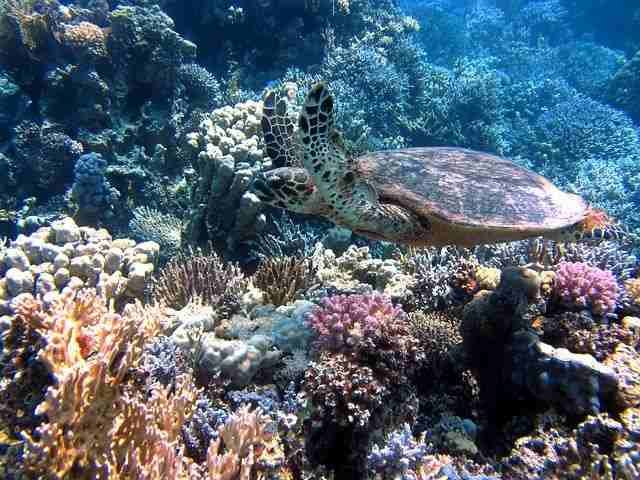
-APiazza.JPG)
-APiazza_cropped.jpg)
.jpeg)
.jpeg)
_3.jpg)


.jpg)
.jpg)

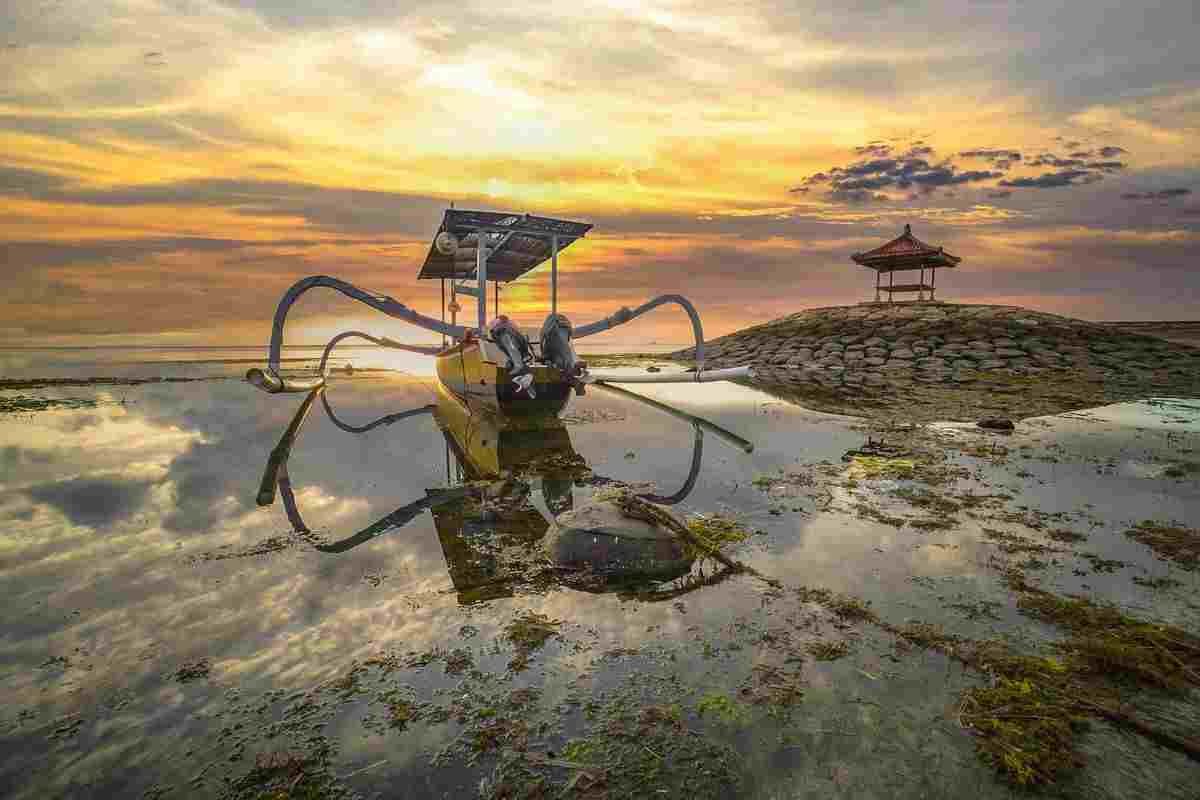
.jpg)
.jpg)


.jpg)
_in_English.jpg)

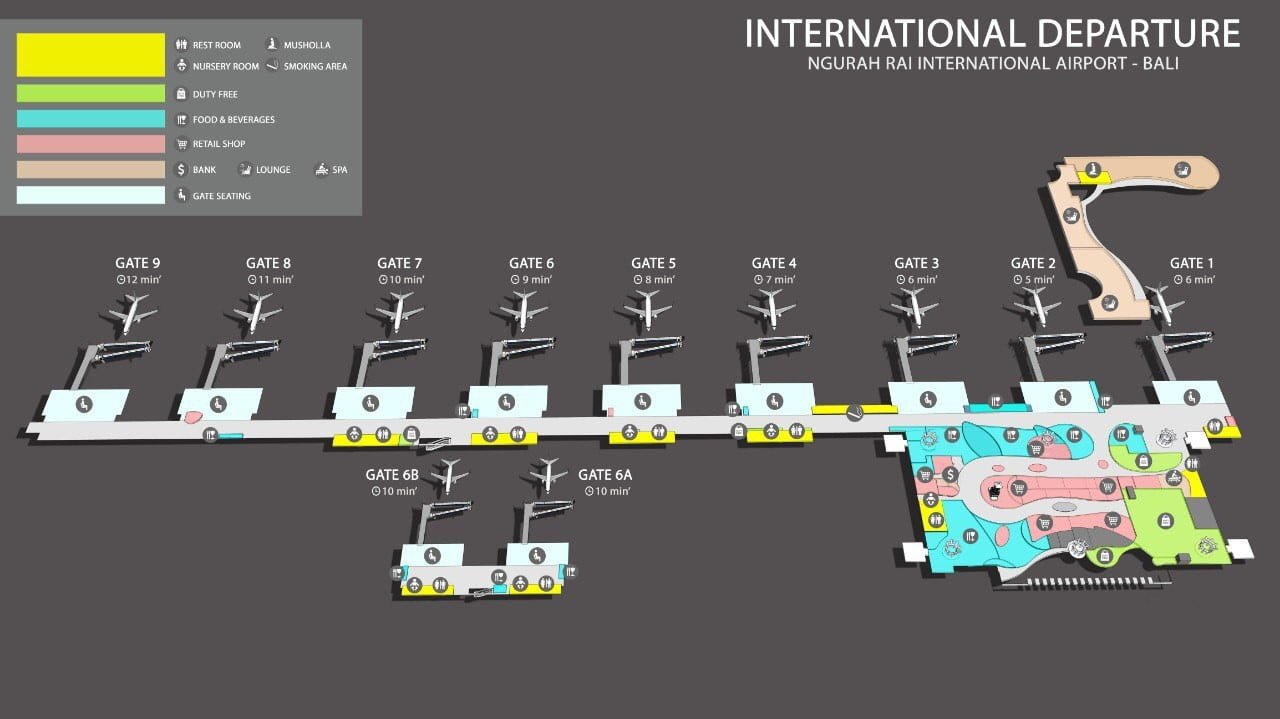


.jpeg)
.jpeg)
.jpeg)