Nature • Wildlife • Responsible Travel
Bali Local Ecosystems: Wildlife, Reefs, Rice Fields and Conservation
Bali’s natural environment includes coral reefs, mangroves, beaches, rice
terraces, river valleys, wetlands, dry forests and volcanic highlands.
This guide explains how Bali local ecosystems support wildlife, farming,
tourism, water management and Balinese culture—and how visitors can explore
them responsibly.
Mangroves
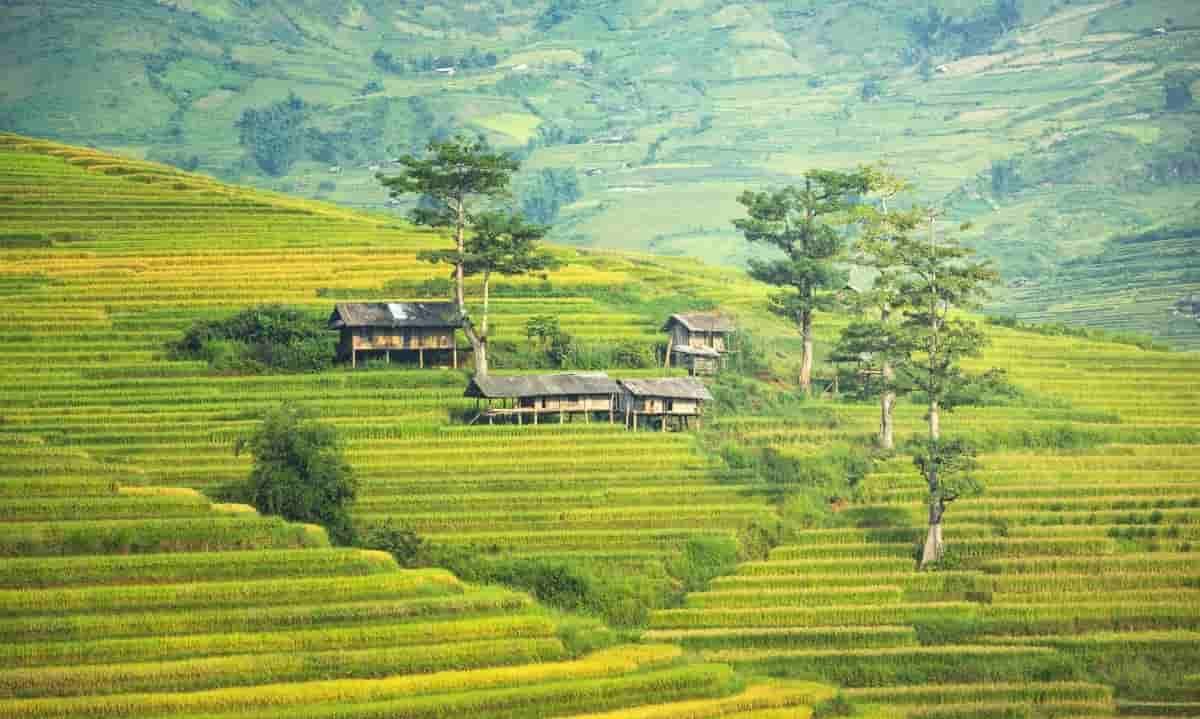
Subak rice terraces
Forests and wildlife
Volcanic landscapes
Why Bali’s Ecosystems Matter
Bali’s ecosystems are not simply attractive landscapes. They provide water,
food, coastal protection, cultural identity, livelihoods and habitat for
wildlife.
Rice terraces depend on water flowing from upland forests and volcanic
catchments. Mangroves and reefs protect coastlines and shelter marine life.
Wetlands slow and store water, while forests help support birds, insects,
reptiles and native plants.
Nature is also closely connected with Balinese spiritual life. Water temples,
sacred trees, temple gardens, lotus ponds, forests and agricultural landscapes
are all part of a relationship between people, the environment and religion.
Key idea: Bali should not be viewed as a collection of separate
tourist attractions. Its beaches, forests, rivers, reefs, farmland and villages
form one connected environmental system.
Main Local Ecosystems in Bali
Bali is relatively compact, yet changes in rainfall, altitude, geology and ocean
exposure create many different habitats.
Bali has volcanic black-sand beaches, lighter coral-sand beaches, limestone
cliffs, rocky shores and intertidal areas.
Coastal habitats support crabs, molluscs, fish nurseries, shorebirds, sea
turtles and vegetation adapted to salt, wind and unstable sand.
Coral reefs occur around Amed, Tulamben, Menjangan, Nusa Penida, Nusa
Lembongan and other coastal areas.
They provide feeding grounds, shelter and breeding habitat for reef fish,
turtles, rays, invertebrates and many smaller organisms.
Mangroves grow in sheltered coastal water and muddy intertidal zones. Their
roots trap sediment, provide fish habitat and reduce wave energy.
Important mangrove areas include the southeast coast near Denpasar and the
mangrove forests around Nusa Lembongan.
Bali’s rice terraces are working agricultural wetlands managed through the
traditional subak irrigation system.
They support farmers while also providing habitat for frogs, insects, birds,
eels and organisms adapted to shallow water and cultivated land.
Western Bali contains areas of seasonally dry forest and savanna-like
vegetation that differ greatly from the humid landscapes around Ubud.
These habitats are important for the Bali Myna and other birds, mammals,
reptiles and native plants.
Central Bali’s river valleys support dense vegetation, streams, waterfalls,
ferns, bamboo, birds, insects and long-tailed macaques.
These shaded landscapes contribute strongly to the green atmosphere
associated with Ubud and inland Bali.
Bali’s lakes, river systems, reservoirs, temple ponds and seasonal wetlands
store water and provide habitat for fish, amphibians, insects and waterbirds.
Lake Batur, Lake Bratan, Lake Buyan and Lake Tamblingan are among the island’s
most important inland water landscapes.
Mount Agung, Mount Batur and Bali’s volcanic uplands create cooler
temperatures, mineral-rich soils and distinct vegetation zones.
Volcanic geology influences farming, water catchments, settlement patterns
and some of Bali’s most dramatic scenery.
Rice Terraces and the Subak System
Bali’s rice terraces are among the island’s most recognizable landscapes, but
they are also sophisticated working ecosystems.
The traditional subak system coordinates irrigation through networks of
canals, weirs, fields and water temples. It is based on cooperation between
farmers rather than only on individual ownership of water.
UNESCO describes the subak landscape as an expression of
Tri Hita Karana, a philosophy connecting the spiritual world, human
society and nature.
Water Management
Subak organizations coordinate the distribution of water from springs,
rivers and canals to rice fields at different elevations.
Agricultural Biodiversity
Flooded paddies can support frogs, dragonflies, aquatic insects, birds and
other species alongside rice cultivation.
Cultural Landscape
Temples, ceremonies, farming schedules, village cooperation and irrigation
infrastructure form one connected cultural and environmental system.
Jatiluwih is one of Bali’s best-known rice-terrace landscapes and part of the
wider cultural story of subak water management.
Visitor etiquette: Rice terraces are workplaces. Remain on
designated paths, avoid stepping into planted fields, do not block irrigation
channels and pay any clearly stated local access fee.
Forests, Jungle Valleys and Sacred Groves
Bali does not contain one uniform rainforest ecosystem. The island includes humid
river valleys, upland forest, bamboo groves, sacred temple forests, plantation
landscapes and drier monsoon forest in the west.
Central Bali’s Humid Landscapes
Around Ubud, rivers cut through deep ravines where shade and moisture support
ferns, vines, bamboo, palms, mosses and many insects.
Sacred forest sites can also support long-tailed macaques, birds and reptiles,
although frequent human contact changes animal behaviour.
West Bali’s Drier Forest
West Bali National Park protects a combination of monsoon forest, savanna,
mangroves, coastal habitat and nearby marine environments.
This region is especially important because it forms part of the historic natural
range of the Bali Myna.
Bali’s interior includes humid valleys, rivers, bamboo groves and cultivated
tropical landscapes.
Volcanic Highlands and Mountain Ecosystems
Bali’s mountains influence rainfall, temperature, soil fertility and the flow of
water toward lower agricultural areas.
Higher elevations are cooler and often wetter than the coast. Vegetation,
farming systems and settlement patterns change as roads climb toward Bedugul,
Kintamani, Mount Batur and Mount Agung.
Mount Batur and Kintamani
The Batur caldera contains a volcanic mountain, Lake Batur, farming villages,
lava fields and hot-spring areas.
The landscape combines active geology with agriculture, tourism and sacred
water traditions.
Mount Agung
Mount Agung is Bali’s highest and most sacred volcano. Its slopes influence
rainfall, river systems, agriculture and the visual identity of eastern Bali.
Hiking conditions and access can change because of weather, ceremonies and
volcanic risk.
The Mount Batur caldera combines volcanic geology, highland farming, freshwater
and tourism.
Lakes, Rivers, Wetlands and Water Catchments
Freshwater connects almost every Bali ecosystem. Rain falling on upland forests
and volcanic slopes enters springs, lakes, rivers and irrigation channels before
reaching farms, villages, cities and the sea.
Highland Lakes
Bali’s principal natural lakes include Batur, Bratan, Buyan and Tamblingan. They
support water supply, agriculture, fisheries, tourism and religious life.
Rivers and Waterfalls
Rivers transport water, nutrients and sediment through the island. They also
carry pollution when waste, wastewater or soil enters upstream drainage systems.
Seasonal Wetlands
Wetlands store water during heavy rain and provide habitat for aquatic insects,
amphibians and birds. When filled or built over, their natural water-storage
function can be reduced.
One connected system: Waste discarded far inland can travel
through drains and rivers before reaching beaches, mangroves and coral reefs.
Mangroves and Coastal Wetlands
Mangroves grow where land and sea meet. They tolerate salty, waterlogged
conditions that many other trees cannot survive.
Their root systems slow water, trap sediment and create shelter for juvenile fish,
crabs, molluscs and birds. Mangroves can also store significant quantities of
carbon in vegetation and waterlogged soil.
Coastal Protection
Dense roots reduce wave energy and help stabilize muddy shorelines.
Marine Nurseries
Young fish and invertebrates use mangrove roots as shelter before moving into
reefs and open coastal water.
Water Filtration
Mangrove soils can trap sediment and some pollutants before they move farther
into coastal ecosystems.
Where to See Mangroves
- Mangrove areas around southeast Denpasar and Benoa Bay
- Nusa Lembongan mangrove forest
- Coastal sections of West Bali National Park
- Smaller estuarine and lagoon environments around the island
Responsible visit: Use established boardwalks or reputable
community boat operators. Do not remove plants, disturb nesting birds or leave
food packaging in mangrove areas.
Coral Reefs and Marine Ecosystems
Bali’s reefs support hard and soft corals, reef fish, sea turtles, crustaceans,
molluscs, nudibranchs and larger marine animals.
The island’s most famous diving and snorkeling regions include Amed, Tulamben,
Menjangan, Pemuteran, Nusa Lembongan and Nusa Penida.
Nusa Penida Marine Ecosystem
Strong currents and seasonal upwelling around Nusa Penida support productive
marine habitats.
Reef manta rays can be seen throughout the year, while ocean sunfish are most
associated with cooler-water periods.
Amed and Tulamben
East Bali contains coral gardens, volcanic slopes and the USAT Liberty
shipwreck ecosystem.
Some sites can be entered from shore, but conditions and currents should
always be assessed by qualified local professionals.
Menjangan Island
Menjangan, near West Bali National Park, is known for reef walls, clear water
and relatively rich coral habitats.
Seagrass Beds
Seagrass is sometimes overlooked because it lacks the colour of coral, yet it
provides feeding and nursery habitat and helps stabilize shallow seabeds.
Tulamben is one of Bali’s best-known diving regions, with coral habitats,
volcanic seabeds and wreck-associated marine life.
Nusa Penida is internationally known for reef manta encounters, strong currents
and productive marine waters.
Reef etiquette: Maintain buoyancy, never stand on coral, do not
touch or chase marine animals and choose operators that use moorings instead of
dropping anchors onto reefs.
Flora of Bali
Bali’s plant life reflects a mixture of native vegetation, long-established
crops, temple plants, ornamental species and plants introduced through trade and
horticulture.
Sacred and Symbolic Trees
Banyan trees are strongly associated with sacred spaces and village life.
Mature trees may be wrapped in black-and-white cloth as a sign of ritual
respect.
Other important trees include coconut palms, lontar palms and many species
used for fruit, medicine, construction and offerings.
Bamboo
Bamboo is used for houses, furniture, baskets, musical instruments,
ceremonial structures and temporary decorations.
Its rapid growth makes it valuable, although responsible cultivation and
treatment are still needed for durable construction.
Temple and Offering Flowers
Frangipani, hibiscus, jasmine, lotus and other flowers appear in temple
grounds, gardens and daily offerings.
Their role is cultural and religious as well as ornamental.
Agricultural Plants
Rice, coconut, coffee, cacao, cloves, bananas, cassava, vegetables and tropical
fruits form cultivated ecosystems across different elevations.
Wildlife in Bali
Bali’s wildlife includes mammals, reptiles, amphibians, birds, insects and marine
species. Some animals are easy to observe, while others are uncommon, nocturnal
or restricted to protected habitats.
Long-Tailed Macaques
Macaques are common around several temple forests. They are intelligent wild
animals that can become bold when fed by visitors.
Keep food hidden, secure glasses and phones and follow local staff
instructions.
Birds
Bali supports waterbirds, kingfishers, herons, bulbuls, sunbirds, munias,
raptors and the endemic Bali Myna.
Wetlands, forest edges, rice fields and mangroves are all valuable bird
habitats.
Reptiles and Amphibians
Geckos, skinks, monitor lizards, frogs and snakes occur throughout Bali.
Most avoid people when left undisturbed.
Insects and Pollinators
Butterflies, bees, beetles, dragonflies and moths support pollination,
decomposition and food chains.
Sea Turtles
Several turtle species occur in Indonesian waters. Coastal development,
fishing activity, plastic and artificial lighting can affect turtles and
nesting beaches.
Manta Rays and Sunfish
Nusa Penida is known for reef manta rays and seasonal ocean sunfish sightings.
Both depend on healthy marine food webs and responsible tourism.
Long-tailed macaques are associated with several sacred forest and temple
environments in Bali.
Never feed wildlife: Feeding changes natural behaviour, can
increase aggression and may expose both animals and people to disease.
The Bali Myna or Jalak Bali
The Bali Myna (Leucopsar rothschildi) is Bali’s best-known endemic bird.
It is mostly white, with black wing and tail markings, a crest and vivid blue
skin around the eyes.
The species is classified as Critically Endangered. Its historic
wild range is concentrated in northwest Bali, particularly around West Bali
National Park.
Illegal trapping and the species’ extremely small range have been major threats.
Conservation work includes breeding, release, habitat management, community
involvement and protection from wildlife trade.
Endemic Species
The Bali Myna occurs naturally only in Bali, making its survival a special
responsibility for the island.
Habitat Protection
Protecting dry forest, savanna edges and suitable nesting habitat is essential
alongside captive breeding.
Wildlife-Trade Risk
Rare birds can be targeted for illegal collection. Visitors should never buy
wildlife or support attractions unable to explain the legal origin of animals.
The Bali Myna is a flagship species for bird conservation in Bali.
Environmental Pressures Affecting Bali
Bali’s ecosystems face a combination of local and global pressures. These do not
affect every region equally, but they are increasingly connected.
Plastic and Solid Waste
Waste can enter rivers and drainage systems when collection and processing
are inadequate.
During heavy rain, discarded material may move rapidly toward beaches and the
sea.
Wastewater
Untreated or poorly managed wastewater can affect rivers, groundwater,
beaches and nearshore marine ecosystems.
Freshwater Demand
Households, farming, hotels, villas, restaurants and swimming pools all depend
on finite water resources.
Water stress can become more serious during dry periods and in densely
developed areas.
Coastal Development
Buildings, roads, lighting and shoreline alteration can reduce natural beach,
dune, wetland and turtle habitat.
Coral Damage
Anchors, careless diving, trampling, pollution, sediment and rising sea
temperatures can damage reefs.
Climate Change
Changing rainfall, extreme heat, ocean warming, sea-level rise and stronger
coastal impacts can affect water, farming and marine habitats.
Habitat Fragmentation
Roads and construction can divide forest, wetland and agricultural habitats
into smaller areas.
Wildlife Disturbance
Feeding, touching, crowding, flash photography and noisy boats can alter the
behaviour of wild animals.
Tourism is both a pressure and an opportunity. Visitor spending
can support protected areas, guides, conservation organizations and sustainable
businesses—but poorly managed tourism can increase waste, traffic, water use and
wildlife disturbance.
How Travelers Can Protect Bali’s Ecosystems
| Travel activity | Better choice | Why it helps |
|---|---|---|
| Drinking water | Use refill stations and a reusable bottle. | Reduces disposable plastic bottles. |
| Shopping | Carry a reusable bag and decline unnecessary packaging. | Reduces plastic entering waste and drainage systems. |
| Snorkeling and diving | Use responsible operators and never touch coral. | Prevents physical damage to fragile reef organisms. |
| Wildlife viewing | Maintain distance and never feed animals. | Protects natural behaviour and reduces conflict. |
| Rice-field visits | Stay on paths and support local guides. | Protects crops, irrigation channels and farmer income. |
| Water use | Take shorter showers and reuse towels when practical. | Reduces pressure on freshwater and wastewater systems. |
| Transport | Group nearby attractions into one trip. | Reduces unnecessary traffic and fuel use. |
| Accommodation | Choose properties with refill water, waste separation and efficient water use. | Rewards better environmental management. |
| Food | Support local and seasonal ingredients where possible. | Can reduce transport and strengthen local producers. |
| Beaches | Take all waste away and join organized cleanups responsibly. | Prevents litter from returning to the ocean. |
Choose Ethical Wildlife Experiences
Avoid attractions that encourage touching, holding, riding or performing with
wild animals. A responsible operation should prioritize animal welfare,
appropriate habitat and conservation rather than visitor photographs.
Be Careful with “Reef-Safe” Claims
Sunscreen labels vary and may not tell the full environmental story. Protective
clothing, shade and limiting unnecessary product use before entering the water
can reduce the amount washed into marine environments.
Support Local Knowledge
Local farmers, fishers, dive guides, forest guides and community organizations
often hold detailed knowledge of seasonal conditions and ecosystem change.
Where to Experience Bali’s Natural Ecosystems
West Bali National Park
Best for dry forest, birdlife, mangroves, coastal habitats and access toward
Menjangan Island.
Jatiluwih
Best for rice terraces, subak irrigation and broad agricultural landscapes.
Munduk and Tamblingan
Best for highland forest, lakes, waterfalls and cooler mountain conditions.
Amed and Tulamben
Best for shore diving, volcanic coastlines, reefs and fishing villages.
Nusa Penida and Lembongan
Best for manta rays, strong-current reef systems, cliffs, mangroves and
seagrass habitats.
Sidemen
Best for rice valleys, village walking, small rivers and views toward Mount
Agung.
Kintamani
Best for volcanic landscapes, Lake Batur and highland agriculture.
Ubud’s River Valleys
Best for forested ravines, rivers, temple gardens and cultural landscapes.
South Bali Mangroves
Best for understanding coastal wetlands near a densely developed urban and
tourism region.
Bali Ecosystems by Region
South Bali
Beaches, limestone cliffs, surf zones, urban mangroves, coral-sand coasts and
heavily developed tourism landscapes.
Central Bali
Rice terraces, river valleys, temple forests, waterfalls, bamboo and
cultivated tropical gardens.
East Bali
Volcanic beaches, coral reefs, dry slopes, Mount Agung, rice valleys and
fishing communities.
North Bali
Black-sand coast, waterfalls, highland lakes, plantations and calmer marine
environments.
West Bali
Monsoon forest, savanna, mangroves, Bali Myna habitat and marine ecosystems
near Menjangan.
Nusa Penida
Limestone cliffs, dry vegetation, coral reefs, strong currents, manta habitat
and seasonal upwelling.
Nusa Lembongan
Mangroves, seagrass, coral reefs, coastal villages and historic seaweed-farming
areas.
Volcanic Highlands
Lakes, calderas, cooler vegetation, farms, springs and important water
catchments.
Frequently Asked Questions About Bali Local Ecosystems
What are the main ecosystems in Bali?
Bali’s principal ecosystems include beaches, coral reefs, mangroves,
rice-field wetlands, lakes, rivers, forested valleys, monsoon forest and
volcanic highlands.
What is Bali’s most famous agricultural ecosystem?
Bali is best known for its rice terraces and subak irrigation system, which
connects farming, water temples, cooperation and landscape management.
What is the subak system?
Subak is a traditional cooperative system through which Balinese farmers
manage irrigation water, canals, planting schedules and water-temple
relationships.
What is Bali’s most famous endemic animal?
The Bali Myna, also called Jalak Bali, is the island’s best-known endemic bird
and is classified as Critically Endangered.
Where can I see coral reefs in Bali?
Popular reef areas include Amed, Tulamben, Menjangan, Pemuteran, Nusa Penida
and Nusa Lembongan.
Where can I see manta rays near Bali?
Reef manta rays are frequently associated with sites around Nusa Penida.
Sightings are never guaranteed and sea conditions can be demanding.
Why are mangroves important?
Mangroves help protect shorelines, trap sediment, store carbon and provide
nursery habitat for fish, crabs and other coastal species.
What are the biggest threats to Bali’s ecosystems?
Important pressures include plastic waste, wastewater, freshwater demand,
coastal construction, habitat fragmentation, coral damage, wildlife
disturbance and climate change.
Can tourists visit West Bali National Park?
Yes. Activities can include guided walks, birdwatching, coastal exploration
and marine trips, subject to park regulations and local conditions.
Is it safe to feed monkeys in Bali?
No. Feeding encourages aggressive behaviour, increases dependence on people
and may expose humans and monkeys to disease.
How can I protect coral while snorkeling?
Maintain distance, avoid standing on the seabed, do not touch coral, secure
loose equipment and follow instructions from responsible local guides.
Are Bali’s rice fields natural?
Rice terraces are human-managed agricultural landscapes. However, they also
function as wetland habitats and are closely connected with rivers, springs,
insects, birds and other organisms.
What is the best region for nature in Bali?
West Bali is strongest for protected forest and birdlife, East Bali for reefs
and volcanic scenery, Central Bali for rice and river valleys, and North Bali
for lakes, waterfalls and mountain landscapes.
How can tourists reduce plastic waste in Bali?
Use refillable bottles, carry reusable bags, decline unnecessary packaging
and choose businesses that provide water refills and waste separation.
Authoritative Sources and Further Reading
Ecosystem status and conservation information can change. These organizations
provide useful authoritative or specialist background.
UNESCO World Heritage Centre – Cultural Landscape of Bali Province and the
Subak System
BirdLife International – Bali Myna Species Factsheet
U.S. Fish and Wildlife Service – Bali Myna
Coral Triangle Center – Nusa Penida Marine Protected Area
UNESCO – Mangrove Ecosystems of Indonesia
World Bank – Plastic Waste Discharges from Rivers and Coastlines in Indonesia
Stay at Villa Carissa in Central Seminyak
Villa Carissa is a private three-bedroom pool villa accommodating up to eight
guests in central Seminyak.
The villa offers a private swimming pool, enclosed tropical garden, equipped
kitchen, fast Wi-Fi and comfortable indoor and outdoor living spaces.
From Seminyak, guests can plan day trips toward rice terraces, mangroves,
waterfalls, temples and coastal ecosystems, while longer journeys to North, East
and West Bali are best combined with overnight stays.
