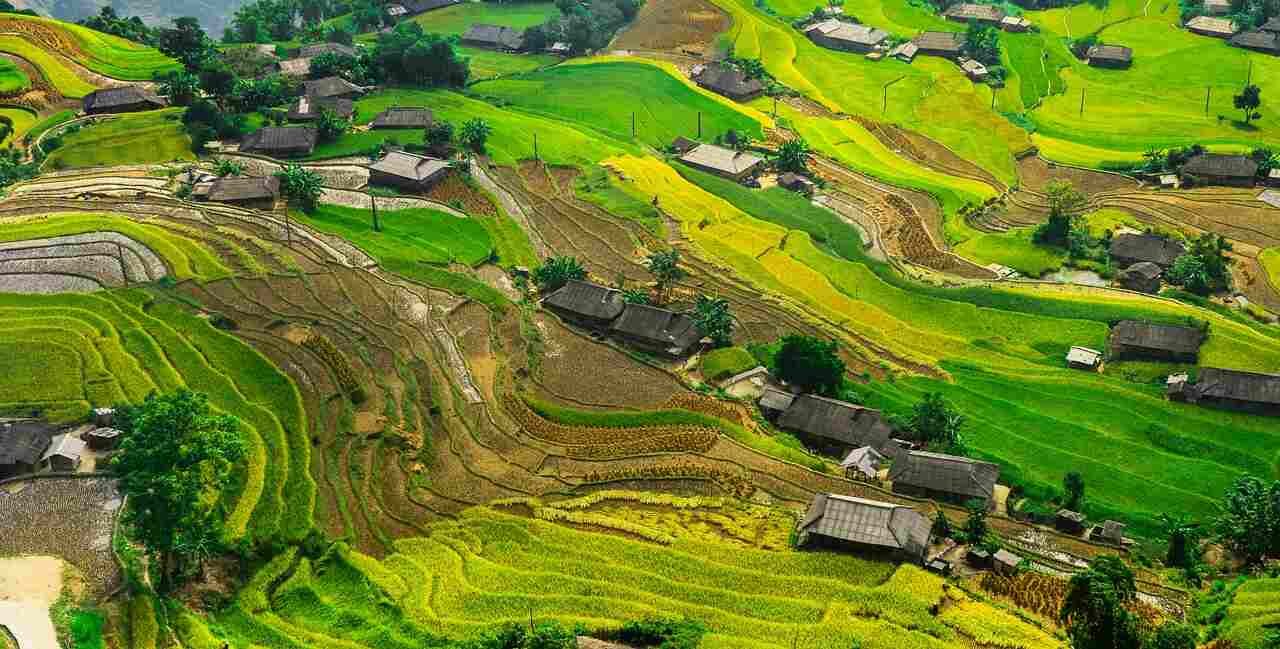
Bali Travel Guide • Culture • Traditional Villages
Beautiful Villages in Bali: A Journey Through Tradition and Scenic Landscapes
Bali’s villages reveal a side of the island that cannot be experienced only
through its beach clubs and resort areas.
This guide introduces traditional communities, rice valleys, fishing villages,
mountain settlements, artisan centres and quiet coastal escapes across Bali.
Rice fields and mountains
Fishing and coastal communities
Day trips from Seminyak
Why Visit Bali’s Villages?
Bali’s villages are living communities rather than outdoor museums. They are
places where farming, religious ceremonies, family compounds, craftsmanship
and local trade remain part of everyday life.
Some villages are known for a particular craft, such as woodcarving in Mas or
silverwork in Celuk. Others are valued for their landscapes, including the
rice terraces of Sidemen and Jatiluwih or the mountain climate of Munduk.
Coastal villages such as Amed, Seseh, Sanur and Pemuteran offer another side
of Bali through fishing traditions, black-sand beaches, snorkeling and a
slower pace.
The most meaningful village visits combine sightseeing with respect for
residents, traditions, sacred spaces and the local environment.
Best for First-Time Visitors
Ubud, Penglipuran, Sidemen, Sanur and Uluwatu are accessible and easy to
include in a first Bali itinerary.
Best for Traditional Culture
Tenganan, Trunyan, Penglipuran, Mas, Celuk and Batuan are especially
interesting for heritage and craftsmanship.
Best for Quiet Landscapes
Munduk, Sidemen, Seseh, Amed and Pemuteran provide a slower alternative to
Bali’s busiest resort areas.
Best Base for Day Trips
Seminyak is convenient for South Bali, Seseh, Sanur, Ubud, Mas and Celuk,
while distant areas are better with an overnight stay.
Jump to a Region
South Bali Villages
South Bali combines limestone cliffs, surf villages, temples and some of the
island’s most dramatic ocean scenery.
Uluwatu and Pecatu
Uluwatu and Pecatu occupy Bali’s southern limestone peninsula. The area
is known for cliff views, surf breaks, small coastal settlements and
Uluwatu Temple.

Crab-eating macaca [Macaca fascicularis] at Uluwatu Temple at sunset, Bali, Indonesia. LBM1948, CC BY-SA 4.0, via Wikimedia Commons
Although the region has developed rapidly, its cliffs and temple
landscape still create one of Bali’s most distinctive settings.
Surf culture
Sunset temple
- Highlights: Uluwatu Temple, Bingin, Padang Padang and Balangan.
- Recommended time: One full day or two nights.
- Best for: Surfing, sunsets, beaches and cliff scenery.
Uluwatu’s cliffs, temple and coastal scenery in South Bali.
Jimbaran
Jimbaran developed from a fishing community into one of South Bali’s
best-known coastal areas.

Sunset Dinner in Jimbaran: Golden hour beams radiating over a seaside restaurant along the shores of Jimbaran Bay, famous for freshly grilled seafood and front-row seats to Bali’s iconic evening skies. Akmaie Ajam, CC BY-SA 4.0, via Wikimedia Commons
The broad bay remains associated with fishing boats, seafood markets and
evening meals served on the sand.
- Highlights: Jimbaran Bay, fish market and sunset dining.
- Recommended time: Half a day or one night.
- Best for: Families, seafood and airport convenience.
Nusa Dua and Tanjung Benoa
Nusa Dua is a carefully planned resort district, while nearby Tanjung
Benoa retains more of a coastal-village character alongside hotels and
water-sports businesses.

Sunrise at Nusa Dua: Silhouetted fishermen lined up along the breakwater at sunrise on Nusa Dua beach, where calm, golden-hued waters meet the tranquil coastline of southern Bali. GdML, CC BY-SA 4.0, via Wikimedia Commons
The area includes temples, beaches, local neighbourhoods and traditional
religious sites representing several faiths.
- Highlights: Beaches, water sports and Puja Mandala.
- Recommended time: One day.
- Best for: Families, calm beaches and organized activities.
Southwest Bali Villages
Southwest Bali ranges from the lively resort areas of Seminyak and Canggu to
quieter coastal settlements surrounded by rice fields.
Seminyak
Seminyak is one of Bali’s most convenient resort bases. It combines
beach access, restaurants, boutiques, spas, nightlife and private-villa
accommodation.

Seminyak Beach: Located along Bali’s southwestern coast, Seminyak Beach is famous for its long stretches of golden-dark sand, world-class surf breaks, vibrant beach clubs, and colorful beanbag umbrellas set against iconic sunsets over the Indian Ocean. Christophe95, CC BY-SA 4.0, via Wikimedia Commons
It is not a traditional rural village, but its central location makes it
useful for trips to Seseh, Ubud, Sanur, Uluwatu and other parts of Bali.
- Highlights: Seminyak Beach, restaurants, shopping and beach clubs.
- Best for: A comfortable first or final base in Bali.
- Stay: Villa Carissa accommodates up to eight guests.
Seseh
Seseh offers a quieter coastal atmosphere beyond the busiest parts of
Canggu. Rice fields, village temples and a dark-sand beach create a
calmer setting.

Sunset at Seseh Beach: Two silhouettes sitting on the dark volcanic sand of Seseh Beach, enjoying the tranquil twilight sky along the quiet coastline of Badung, Bali. Rafifa29, CC BY-SA 4.0, via Wikimedia Commons
The water can be powerful, so Seseh is generally better for walks,
scenery and sunsets than casual swimming.
- Highlights: Seseh Beach, rice fields and local temples.
- Recommended time: Half a day.
- Best for: Quiet sunsets and countryside near Seminyak.
Canggu
Canggu has changed from a collection of coastal villages and rice fields
into a busy destination for surfing, cafés, fitness, nightlife and
longer stays.
Traditional temples and neighbourhood life still exist, but rapid
development and traffic are now important parts of the visitor
experience.
- Highlights: Batu Bolong, Berawa and Echo Beach.
- Recommended time: One day or several nights.
- Best for: Surfing, cafés, fitness and nightlife.
Southeast Bali Villages
Southeast Bali includes calm coastal communities, ferry ports, royal heritage
and island gateways.
Sanur
Sanur is one of Bali’s oldest resort areas and retains a relaxed
seaside-village atmosphere.
Its long beachfront path is suitable for walking and cycling. The east
coast also offers sunrise views and generally calmer water than Bali’s
western beaches.
- Highlights: Beach promenade, Sindhu Market and sunrise.
- Recommended time: One day or two nights.
- Best for: Families, relaxed beach stays and island transfers.
Padangbai
Padangbai is both a working port and a small coastal settlement. Ferries
and fast boats depart for Lombok and the Gili Islands.
Visitors who stay longer can explore Blue Lagoon, Bias Tugel Beach and
nearby diving locations.

Bias Tugal Beach (Pantai Bias Tugal): Tucked away near the port town of Padangbai in Karangasem, this secluded cove—also known as White Sand Beach or Secret Beach, features fine white sand, turquoise waters surrounded by lush green headlands, and views stretching across the ocean towards Gili Bia. tinofrey, Public domain, via Wikimedia Commons
- Highlights: Blue Lagoon, Bias Tugel and the harbour.
- Recommended time: One night before or after a crossing.
- Best for: Diving, snorkeling and onward island travel.
Kusamba
Kusamba is known for traditional salt production, fishing activity and
its black-sand coastline.
It provides insight into coastal livelihoods and can be included on a
route toward Klungkung, Goa Lawah or East Bali.

Traditional Salt Maker of Kusamba Village: A local farmer practicing centuries-old sea salt harvesting techniques along the black-sand shores of Kusamba in Klungkung Regency, Bali. Seawater is gathered using bamboo buckets, poured over raked sand, filtered, and then left to evaporate in hollowed palm-trunk troughs under the equatorial sun. Wiaskara, CC BY-SA 4.0, via Wikimedia Commons
- Highlights: Salt farming and fishing traditions.
- Recommended time: One or two hours.
- Best for: Local culture and photography.
Klungkung
Klungkung, also called Semarapura, was an important royal centre. Its
historic complex includes Kerta Gosa and the Bale Kambang floating
pavilion.
The town is useful for understanding Bali’s royal and judicial history
before continuing toward Sidemen or the east coast.

Klungkung Palace (Puri Agung Semarapura): Located in the heart of Semarapura, Klungkung, this historic royal palace complex dates back to the late 17th century. It is famous for its surviving royal heritage structures, including the Kertha Gosa court pavilion and the Bale Kembang floating pavilion, both renowned for their intricate Wayang-style ceiling paintings depicting Hindu epics and local folklore. Anandajoti, CC BY-SA 4.0, via Wikimedia Commons
- Highlights: Kerta Gosa, painted ceilings and royal history.
- Recommended time: Two to three hours.
- Best for: History, architecture and culture.
Nusa Lembongan
Nusa Lembongan is an offshore island rather than a mainland village, but
it fits naturally into a southeast Bali itinerary.
It offers mangroves, seaweed-farming history, beaches, snorkeling and a
quieter atmosphere than Nusa Penida.
- Highlights: Jungut Batu, mangroves, Dream Beach and Devil’s Tear.
- Recommended time: Two or three nights.
- Best for: Island relaxation, snorkeling and coastal scenery.
Central Bali Villages
Central Bali is known for art, temples, rice fields, family workshops and
traditional crafts.
Ubud
Ubud is Bali’s most famous cultural centre. Its surrounding area includes
villages, temples, workshops, rice fields and museums.
The central streets can be busy, but the wider Ubud region still offers
opportunities to walk through rice landscapes and visit smaller
communities.
- Highlights: Ubud Palace, markets, museums and rice walks.
- Recommended time: Three or four nights.
- Best for: Art, culture, wellness and central Bali trips.
Mas
Mas is known for woodcarving. Workshops range from small family studios
to larger galleries producing traditional and contemporary pieces.
A good visit should include time to observe the carving process and ask
about the materials, symbolism and amount of handwork involved.
- Highlights: Woodcarving studios and artisan workshops.
- Recommended time: One to two hours.
- Best for: Craftsmanship and locally made objects.
Celuk
Celuk is associated with gold- and silversmithing. Visitors can see
jewellery production and compare traditional and modern designs.
Ask whether an item was made in the workshop and confirm the metal
content before buying expensive pieces.
- Highlights: Jewellery workshops and silver craftsmanship.
- Recommended time: One to two hours.
- Best for: Jewellery, artisan visits and shopping.
Batuan
Batuan is known for painting traditions and temple architecture. Its
artistic style is often associated with dense, detailed scenes and
mythological subjects.
The village can be combined with Mas and Celuk during an art-focused
journey south of Ubud.
- Highlights: Batuan Temple and painting workshops.
- Recommended time: Two hours.
- Best for: Painting, temples and artistic heritage.
Penglipuran
Penglipuran is one of Bali’s best-known traditional villages. It is
recognized for its orderly main lane, gateways, family compounds and
nearby bamboo forest.
.jpg)
Penglipuran Village (Desa Penglipuran): Located in the highlands of Bangli, Central Bali, this award-winning traditional village is famous as one of the cleanest in the world. Renowned for its well-preserved Balinese architecture, pristine stone-paved pedestrian street, sacred bamboo forest, and adherence to the Tri Hita Karana philosophy. ::::=UT=::::, CC BY-SA 3.0, via Wikimedia Commons
The village receives many visitors, so arriving earlier can provide a
calmer experience.
- Highlights: Traditional gateways, village lane and bamboo forest.
- Recommended time: Two to three hours.
- Best for: Architecture, photography and village organization.
Jatiluwih
Jatiluwih is a farming community surrounded by expansive rice terraces.
The landscape is connected with Bali’s traditional subak irrigation
system.
Walking and cycling routes provide a better understanding of the area
than simply stopping at the roadside viewpoint.
- Highlights: Rice terraces, walking routes and agricultural landscapes.
- Recommended time: Half a day.
- Best for: Scenery, walking and rural culture.
East Bali Villages
East Bali offers traditional communities, royal landscapes, rice valleys,
diving villages and views toward Mount Agung.
Tenganan Pegringsingan
Tenganan is one of Bali’s best-known Bali Aga communities. The village
is associated with distinctive customs, architecture and geringsing
double-ikat weaving.
Visitors should remember that Tenganan is a living community. Enter
family compounds only when invited and ask before photographing people.

Tenganan Pegringsingan Village: Located in Karangasem, East Bali, Tenganan Pegringsingan is one of the island’s most famous Bali Aga (indigenous Balinese) villages. It is renowned for preserving ancient walled architecture, pre-Hindu traditions, and the rare art of weaving double ikat fabric (geringsing). Arthamade, CC BY-SA 4.0, via Wikimedia Commons
- Highlights: Geringsing weaving, village compounds and Bali Aga traditions.
- Recommended time: Two to three hours.
- Best for: Textile traditions and cultural heritage.
Sidemen
Sidemen lies in a green valley of rice fields, villages and hills with
views toward Mount Agung.
It is one of the best places in Bali for walking, resting and
experiencing a quieter rural environment.

Rice Harvest in Sidemen, Karangasem: Local farmers harvesting rice among the lush, terraced fields of the Sidemen Valley in Karangasem, Bali, set against a backdrop of tropical greenery and the majestic silhouette of Mount Agung. rahmat nugroho, CC BY-SA 4.0, via Wikimedia Commons
- Highlights: Rice walks, weaving, valley views and village life.
- Recommended time: Two or three nights.
- Best for: Couples, walkers and slow travel.
rice fields. Paths cross working farmland, irrigation channels and
private areas.
Amed
Amed describes a series of fishing villages along Bali’s northeast
coast. The area is known for volcanic beaches, traditional boats,
snorkeling and diving.
The pace is slower than South Bali, and distances between bays make a
driver or scooter useful.
- Highlights: Jemeluk Bay, Lipah, fishing boats and coral reefs.
- Recommended time: Three or four nights.
- Best for: Snorkeling, diving and peaceful coastal stays.
Bebandem
Bebandem is a less-visited district in Karangasem surrounded by
agricultural landscapes, temples and villages.
It suits travelers who prefer countryside routes and local scenery over
famous photo stops.

Mount Agung View from Budakeling Market: A striking vista of Mount Agung rising majestically over Budakeling village in Bebandem, Karangasem, Bali, captured from the bustling open-air grounds of the local traditional market. Pemerintah Desa Budakeling, CC0, via Wikimedia Commons
- Highlights: Rural roads, farming landscapes and local temples.
- Recommended time: Half a day as part of an East Bali route.
- Best for: Off-the-beaten-path countryside.
Tirta Gangga Area
Tirta Gangga is best known for its royal water garden, but the
surrounding countryside contains rice fields, villages and views toward
the mountains of Karangasem.
It combines naturally with Amed, Tenganan, Sidemen or Lempuyang.
- Highlights: Water palace, rice fields and mountain scenery.
- Recommended time: Two hours at the palace or one night nearby.
- Best for: Gardens, photography and East Bali road trips.
Highland Bali Villages
Bali’s central and northeastern highlands offer cooler air, volcanic scenery,
lakes and traditional mountain communities.
Kintamani
Kintamani overlooks Mount Batur and Lake Batur. It is a highland district
rather than a single village and contains viewpoints, cafés, temples and
farming communities.
Many visitors pass through quickly, but staying overnight creates time
for sunrise, hot springs and villages around the caldera.
- Highlights: Mount Batur, Lake Batur, Penelokan and hot springs.
- Recommended time: One day or one night.
- Best for: Volcano views, cooler air and sunrise hiking.
Trunyan
Trunyan is a Bali Aga village on the eastern shore of Lake Batur. It is
known for cultural traditions and funerary practices that differ from
those found in many other parts of Bali.
The village and cemetery are normally reached by boat. Visit with a
responsible local guide and approach the experience with cultural
sensitivity.
- Highlights: Lake crossing, village traditions and cultural history.
- Recommended time: Half a day.
- Best for: Visitors with a serious interest in local culture.
North Bali Villages
North Bali is quieter than the south and combines mountain villages,
waterfalls, historic towns and black-sand beaches.
Munduk
Munduk is a mountain village surrounded by forest, plantations,
waterfalls and views toward Bali’s central lakes.
Its cooler climate makes it ideal for walking. Several trails pass
through clove, coffee and cacao-growing areas.

Munduk Waterfall (Air Terjun Munduk): Tucked away in the misty highlands of North Bali near Buleleng, this serene waterfall cascades dramatically down a lush, jungle-clad cliff surrounded by clove plantations, wild orchids, and dense rainforest foliage. Jean-Marie Hullot, CC BY 3.0, via Wikimedia Commons
- Highlights: Waterfalls, plantations, forest walks and lake views.
- Recommended time: Two or three nights.
- Best for: Hiking, nature and cool mountain weather.
Gitgit
Gitgit is best known for waterfalls and green hills south of Singaraja.
It is often visited during a journey between Bedugul and North Bali.
The area can be combined with other waterfalls, but avoid attempting too
many sites in one day.

Gitgit Waterfall: Cascading roughly 35 meters down a rocky cliff, Gitgit Waterfall is one of North Bali’s most famous natural landmarks. Tucked deep within the lush jungle of Gitgit Village (Desa Gitgit) in Sukasada, Buleleng Regency, it is reached via a scenic foot trail lined with clove plantations, spice gardens, and local craft stalls. Rainhard Findling, CC BY-SA 3.0, via Wikimedia Commons
- Highlights: Gitgit Waterfall and mountain scenery.
- Recommended time: Two hours.
- Best for: Nature stops during a North Bali journey.
Lovina
Lovina refers to several coastal villages west of Singaraja. The coast
is known for calm water, black sand and early-morning dolphin trips.
It is a practical base for Banjar, Brahmavihara-Arama, waterfalls and
the North Bali countryside.
- Highlights: Beach, dolphin tours, Banjar and waterfalls.
- Recommended time: Two nights.
- Best for: Relaxed coastal stays and North Bali exploration.
distance and avoid surrounding or chasing animals.
Singaraja
Singaraja was Bali’s colonial administrative centre and remains the
largest city in the north.
Its historic streets, markets and harbour area provide a different view
of Bali from the resort towns of the south.

Banyumala Twin Waterfalls (Air Terjun Banyumala): Hidden in the lush, cool highlands of Wanagiri Village in Sukasada, Buleleng Regency (near Singaraja, North Bali), Banyumala Waterfall features dramatic twin curtains of water cascading down a moss-covered rock face into a clear, natural swimming pool surrounded by dense tropical rainforest. Chainwit., CC BY-SA 4.0, via Wikimedia Commons
- Highlights: Old town, markets, harbour history and museums. Banyumala waterfall.
- Recommended time: Half a day.
- Best for: History and everyday urban life.
Seririt
Seririt is a local town west of Lovina. It is useful as a transport and
market centre when traveling toward Pemuteran and West Bali.
Although it is not a major sightseeing destination, the surrounding
roads reveal orchards, villages and a less touristic side of the north.
- Highlights: Market life and North Bali countryside.
- Recommended time: A short stop during a road journey.
- Best for: Local atmosphere and regional travel.
West Bali Villages
West Bali is more spacious and less developed, with national-park landscapes,
diving villages, farms and long coastal roads.
Pemuteran
Pemuteran is a quiet coastal village known for diving, snorkeling and
marine-restoration projects.
It is one of the best bases for trips to Menjangan Island and West Bali
National Park.

Menjangan Island (Pulau Menjangan): Situated off the northwestern tip of Bali within West Bali National Park, Menjangan Island is famous for its thriving marine sanctuary and crystal-clear waters. Beyond being a haven for the endangered Bali Starling on land, the island boasts pristine coral reefs, wall diving, and exceptional underwater biodiversity. Annisa F, CC BY-SA 4.0, via Wikimedia Commons
- Highlights: Coral reefs, Menjangan and peaceful beaches.
- Recommended time: Three nights.
- Best for: Diving, snorkeling and quiet coastal travel.
Negara
Negara is the principal town of Jembrana Regency. The surrounding area
is associated with agriculture, village life and the Makepung buffalo
races.
Events take place according to local schedules, so visitors should
verify dates before making a special journey.

Fishermen’s Boats in Pengambengan Village: A vibrant fleet of traditional selerek fishing boats, adorned with colorful paint and ornate wooden carvings, docked at the fishing harbor of Pengambengan in Negara, Jembrana Regency—the heart of West Bali’s fishing industry. Pangeran Kurchilds, CC BY 4.0, via Wikimedia Commons
- Highlights: Rural scenery and Makepung traditions.
- Recommended time: Half a day or an event-based visit.
- Best for: Travelers exploring less-visited West Bali.
Suggested Bali Village Routes
Group nearby destinations together. Crossing the island repeatedly from
Seminyak creates unnecessary time in traffic.
Easy Day Trip from Seminyak
- Mas woodcarving village
- Celuk silver village
- Batuan Temple
- Ubud
This route works well for travelers interested in art and craftsmanship.
South Bali Coastal Route
- Jimbaran
- Padang Padang or Bingin
- Uluwatu Temple
- Sunset dinner
Begin later in the day if the main objective is sunset at Uluwatu.
East Bali Overnight Route
- Sidemen
- Tenganan
- Tirta Gangga
- Amed
Allow at least two or three nights to avoid turning the journey into one
long driving day.
North Bali Mountain Route
- Jatiluwih
- Bedugul
- Munduk
- Lovina
Stay overnight in Munduk or Lovina rather than returning to South Bali on
the same day.
Volcanic Highland Route
- Penglipuran
- Kintamani viewpoint
- Lake Batur
- Hot springs or overnight stay
Add Trunyan only when you have sufficient time and have arranged a
responsible guide and boat.
West Bali Slow-Travel Route
- Jatiluwih or coastal Jembrana
- Negara
- Pemuteran
- Menjangan Island
This route deserves at least three or four nights because of the distance
from South Bali.
Practical and Responsible Village Travel Tips
Respect Sacred Places
- Wear appropriate clothing at temples.
- Use a sarong when required.
- Do not enter restricted ceremonial areas.
- Follow signs and local instructions.
- Do not interrupt prayers or processions.
Photograph Responsibly
- Ask before photographing residents.
- Never photograph private ceremonies without permission.
- Avoid using homes as photography props.
- Do not fly a drone without checking local restrictions.
Support Local Communities
- Use local guides for village walks.
- Buy crafts directly from artisans where possible.
- Choose locally owned restaurants and accommodation.
- Pay fair prices rather than bargaining aggressively.
Plan Transportation Carefully
- Group nearby villages into one regional route.
- Allow extra time for traffic.
- Use an experienced driver for long regional days.
- Stay overnight when traveling to North, East or West Bali.
Important: Travel times from Seminyak vary greatly with
traffic, weather, ceremonies and road works. Treat map estimates as guidance,
not guaranteed arrival times.
Frequently Asked Questions About Bali Villages
Which villages in Bali are best for first-time visitors?
Ubud, Penglipuran, Sidemen, Sanur and Uluwatu are good starting points.
They offer a combination of culture, scenery and relatively practical
access.
Which Bali villages are best for traditional culture?
Tenganan, Trunyan and Penglipuran are particularly well known for cultural
traditions. Mas, Celuk and Batuan are strong choices for craftsmanship and
art.
Which villages are best for quiet landscapes?
Munduk, Sidemen, Amed, Pemuteran and Seseh are among the best options for
travelers seeking a slower atmosphere and attractive natural scenery.
Can I visit Bali villages on day trips from Seminyak?
Uluwatu, Seseh, Sanur, Mas, Celuk, Batuan and Ubud can be visited as day
trips. Amed, Munduk, Pemuteran and other distant regions are better with
an overnight stay.
How many village regions should I visit in one week?
Choose two or three connected regions. For example, combine Seminyak with
Ubud and Sidemen rather than attempting to cross the entire island several
times.
Do I need a guide to visit traditional villages?
A guide is not always compulsory, but a knowledgeable local guide can
explain customs, architecture and sacred areas while helping visitors
behave respectfully.
What should I wear when visiting a Bali village?
Lightweight clothing is suitable for most village walks. Carry a sarong
and clothing that covers the shoulders and knees when visiting temples or
ceremonial areas.
Which Bali village is best for crafts?
Mas is known for woodcarving, Celuk for silverwork, Batuan for painting
and Tenganan for geringsing double-ikat weaving.
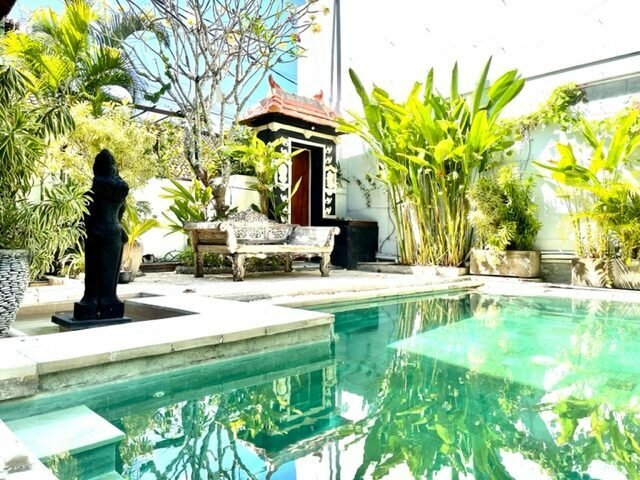
Stay at Villa Carissa While Exploring Bali’s Villages
Villa Carissa is a private three-bedroom pool villa for up to eight guests in
central Seminyak.
The villa offers a private swimming pool, enclosed tropical garden, equipped
kitchen, fast Wi-Fi and comfortable indoor and outdoor living spaces.
Its Seminyak location is convenient for South Bali and central Bali day trips,
while longer journeys to East, North and West Bali can be combined with
overnight stays.
Seminyak.
I am glad to visit beautiful villages in Bali!
We’re happy to hear that. Enjoy exploring the beautiful villages of Bali!