Balinese Massage: Delving into a Spiritual Healing Tradition
Originating from the mystical lands of Bali, the Balinese massage is a revered tradition that transcends mere physical relaxation. This ancient practice intertwines spirituality, healing, and rejuvenation to create an experience that touches both the body and soul.
The Roots of Balinese Massage
Balinese massage was developed in the Indonesian province of Bali, with influence from the traditional medicine systems of India, China, and Southeast Asia.
Balinese massage is a centuries-old therapeutic practice steeped in local Balinese customs and ancient healing techniques. This massage style is an amalgamation of various cultural influences, drawing from traditional Indonesian, Ayurvedic, and Chinese medicine. Rooted in the belief that the body, mind, and spirit must be in harmony, Balinese massage aims to restore this equilibrium through skilled touch and energy manipulation.
What distinguishes Balinese massage is its unique combination of techniques. Therapists employ a blend of acupressure, reflexology, gentle stretching, and aromatherapy to stimulate the flow of blood, oxygen, and energy throughout the body. These techniques help alleviate tension, soothe muscles, and promote a sense of profound relaxation.
At its core, Balinese massage intertwines a diverse array of techniques to provide a comprehensive healing session. From acupressure and skin rolling to gentle and firm strokes, practitioners incorporate a spectrum of movements. Essential oils are seamlessly blended into this therapy, delivering not just aromatic delight but aiding in relaxation, easing fascial restrictions, and invigorating the lymphatic system and the circulation of both blood and qi.
Additionally, stone massage is often integrated into Balinese massage, adding a dimension of soothing warmth and further enhancing the overall experience. The synergy of manual manipulation and aromatherapy creates an environment ideal for relaxation while also stimulating the body’s natural mechanisms for healing and restoration.
Moreover, Balinese massage comes in varied types tailored to specific needs:
Traditional Balinese Massage:
The quintessential full-body experience employing long, flowing strokes to unwind tension and stimulate circulation.
This is the cornerstone of Balinese massage, offering a holistic approach to relaxation and rejuvenation. It involves a series of long, rhythmic strokes, gentle stretches, and palm-and-thumb pressure techniques. Therapists use a blend of techniques, including acupressure, rolling, and percussion movements, to ease tension in muscles and joints. The massage aims to improve blood circulation, relieve stress, and restore balance to the body and mind.
Shirodhara (oil casting):
A specialized massage centered on the head and neck, involving the gentle pouring of warm oil to induce relaxation.
Focused primarily on the head and neck, Shirodhara is a deeply calming massage. Warm herbal oils or medicated liquids are streamed gently onto the forehead in a continuous flow. This method induces a profound sense of tranquility, reduces anxiety, and promotes mental clarity. It’s known for its efficacy in alleviating stress-related ailments and enhancing sleep quality.
During the Ayurvedic practice of Shirodhara, warm oil is gently poured over the forehead in a continuous and rhythmic stream, carried out by hand massage. Imeinklang, CC BY-SA 3.0, via Wikimedia Commons
Udakara Foot Massage:
Focusing on the feet, this technique uses pressure points to invigorate circulation and energy flow.
This technique concentrates on the feet, targeting specific pressure points. By applying precise pressure, the therapist stimulates the body’s energy flow and circulation. Udakara massage is believed to restore balance, relieve fatigue, and improve overall vitality. Additionally, it helps to release tension from the lower limbs, promoting a sense of lightness and well-being.
Each type of these massages offers unique therapeutic benefits, catering to various needs and preferences. Whether seeking relaxation, stress relief, or specific targeted therapy, these techniques can provide a holistic approach to wellness and healing.
Foot Reflexology chart. Anguxxx, CC0, via Wikimedia Commons
Hand Palm Massage
The Bali hand and palm massage is a deeply relaxing technique that focuses specifically on the hands and palms. It involves gentle kneading, circular movements, and pressure applied to the hand muscles and palms, aiming to release tension and improve circulation. This massage method is often combined with aromatherapy using essential oils to enhance relaxation and rejuvenation.
Example of areas of the hand allegedly corresponding to different parts of the body numbered in reflexology: 1. Pituitary gland 2. Neck 3. Side of the head, brain 4. Top of the head, brain 5. Sinus 6. Eye 7. Proboscis Eustachian 8. Ear 9. Thyroid 10. Lung 11. Heart 12. Solar plexus 13. Liver 14. Spleen 15. Stomach and pancreas 16. Small intestine 17. Colon 18. Bladder 19. Urethra 20. Kidney 21. Adrenal 22 . Shoulder 23. Ovary / testicle 24. Sciatic nerve. User:ARBAY, CC BY-SA 3.0, via Wikimedia Commons
Healing Benefits
Beyond physical relaxation, Balinese massage is revered for its therapeutic benefits. It can relieve stress, ease muscle pain and joint stiffness, and improve blood circulation. The gentle kneading and pressure techniques are particularly effective in releasing built-up tension, offering relief from headaches and migraines.
The manifold advantages of Balinese massage encompass a spectrum of wellness enhancements:
Stress Relief: It serves as a soothing balm, easing away accumulated stress and tension from the body and mind.
Circulation Improvement: The methodical strokes aid in revitalizing blood flow, contributing to improved circulation throughout the body.
Muscle Relaxation: By targeting specific points, Balinese massage effectively reduces muscle pain and stiffness, facilitating a sense of suppleness.
Holistic Well-being: Beyond the physical, it nurtures mental relaxation, promoting overall mental and emotional balance.
Enhanced Sleep: Its calming effects often lead to improved sleep quality, fostering a sense of tranquility and restfulness.
Immune Boost: Regular sessions can fortify the immune system, contributing to a healthier constitution.
What sets Balinese massage apart is its spiritual essence. Practitioners infuse positive energy, known as “prana,” into their touch, aiming to restore the body’s natural flow of energy. Balinese massage embraces the Balinese Hindu philosophy of balance and harmony, making it a holistic healing experience.
Embracing Balinese Massage Today
In Bali, spas and wellness centers abound, offering authentic Balinese massages. Visitors to the island can immerse themselves in this ancient tradition by indulging in spa experiences that incorporate Balinese massage techniques. From luxurious resorts to quaint local spas, the essence of Balinese massage is available to all who seek its therapeutic touch.
Preparing for a Balinese massage involves wearing loose attire, cleansing the skin, avoiding heavy meals, and staying hydrated.
During the session, expect to lie comfortably as warm oil is meticulously applied, followed by the therapist’s adept manipulation of muscles and joints. While the massage may elicit some intensity, it should not induce pain.
Post-massage, rehydrate adequately to flush out released toxins. Rest and avoid strenuous activity for the day, as the massage’s relaxing effects may linger for several hours.
In essence, Balinese massage extends beyond relaxation; it’s a gateway to holistic rejuvenation, infusing your life with tranquility, vitality, and overall wellness.
Balinese massage transcends the realms of ordinary massage therapies, delving into a profound cultural and spiritual practice. Its holistic approach to healing and relaxation invites individuals to immerse themselves in the rich traditions of Bali, experiencing a rejuvenation that touches not just the body, but the spirit as well.
Let Villa Carissa be your home away from home for your ideal Balinese getaway. With its luxurious accommodations, private pool, and convenient location, Villa Carissa is the perfect setting for relaxing, exploring, and creating unforgettable memories. Contact us today to book your stay and start planning your perfect Balinese escape.
Bali offers some fantastic options for steak lovers! Embark on a carnivorous journey through Bali’s culinary landscape by discovering the best steakhouse restaurants. These establishments offer a symphony of flavors and premium cuts, inviting you to savor succulent meats in an ambiance designed for an unforgettable dining experience. Discover the best steakhouse restaurants in Bali that offer exquisite cuts and premium dining experiences. Here are a few highly regarded steakhouse restaurants:
SEMINYAK AREA STEAKHOUSE
Exploring the culinary scene in Bali, particularly Seminyak, unveils a rich array of exceptional dining experiences. Among these, the best steakhouse restaurants in Seminyak stand out as havens for steak enthusiasts. Offering premium cuts, innovative preparations, and inviting atmospheres, these establishments redefine the art of steak dining in this vibrant area of Bali.
Salazon Bali $$$
Salazon is a highly regarded restaurant in Bali, known for its delectable steak offerings and fine dining experience. It’s considered a premium venue, denoted by the “$$$” sign, which indicates that it falls into a higher price range. The restaurant specializes in serving quality steaks and seafood, often featuring a selection of prime cuts cooked to perfection. If you’re seeking an upscale dining experience with top-notch steaks, Salazon is a great choice, although it’s always a good idea to check reviews or menus to ensure it aligns with your preferences and budget.
Salazon in Bali’s bustling Seminyak district is a distinguished eatery located at the heart of the vibrant Eat Street. This contemporary woodfire grill boasts unique offerings like a private dining room, a dry-aging showroom, and an exclusive kitchen counter dining setup that lets guests dine in close proximity to the chefs. Recently, they’ve expanded their operational hours to include lunch, introducing The Terrace, an al fresco dining area for a more laid-back experience.
Tokyo Skipjack $$
With a focus on delivering quality steaks, this establishment provides a culinary experience centered around meat, ensuring patrons enjoy a range of flavorful and excellently prepared steak options. For those considering dining at Tokyo Skipjack, exploring recent reviews or their menu can offer a clearer understanding of the steak offerings and overall dining experience available at this venue.
Boy’N’Cow in Seminyak is an established steakhouse that perfectly blends a contemporary dining atmosphere with classic, high-quality meat offerings. The restaurant boasts a refined, industrial-chic ambiance that adds to its overall allure. Its menu is centered around expertly prepared meat dishes, ensuring that each bite is a flavorful experience. Beyond its delectable food, Boy’N’Cow also stands out for its creative cocktail concoctions, adding an extra layer of sophistication to your dining journey. It’s a sought-after spot for those seeking a memorable dining experience in Bali’s vibrant culinary scene.
The Butchers Club Steakhouse Seminyak: Steak & Burger $$
Experience the sizzle of steak and the perfection of burgers at The Butchers Club Steakhouse Bali! Our story is all about delicious steaks and mouthwatering burgers. Come join them on a culinary adventure through Bali, where burgers and steaks are kings. The atmosphere here is great. The steak was big and cooked perfectly.
Address: Jl. Petitenget Jl. Cendrawasih No.1, Kerobokan, Kec. Kuta Utara, Kabupaten Badung, Bali 80361
The Grumpy Butcher $$$
For a stellar American-style barbecue fix right in the bustling heart of Seminyak/Kerobokan, pull up a chair at The Grumpy Butcher. Brought to life by the masterminds behind Bali’s famous Boy’N’Cow steakhouse, this vibrant, industrial-chic smokehouse elevates the classic backyard BBQ to an art form. Tucked away with an open-air dining space that overlooks rare, serene rice fields, the kitchen specializes in the patient, ancient craft of slow-cooking over aromatic coffee wood.
Their standout stars are the legendary 12-hour smoked beef brisket, fall-off-the-bone BBQ pork ribs, and snappy house-made artisan sausages. Paired with a rotating tap of ice-cold beers, craft cocktails, and Southern comfort sides like mac & cheese, it’s the ultimate carnivore’s paradise. Come hungry—this is serious, low-and-slow barbecue that completely delivers.
The Restaurant at The Legian Seminyak offers a diverse culinary journey, featuring Indonesian, Italian, and seafood specialties alongside their impressive Prime Steak Selection. This fusion of flavors allows patrons to explore a wide range of cuisines, from traditional Indonesian dishes to authentic Italian creations, complemented by an exquisite array of seafood options.
Additionally, their Prime Steak Selection offers a premium range of beef cuts, promising an exceptional steak experience with each carefully crafted dish. Their collection spans various cuts and flavors, including the Wagyu MB 6 Tenderloin, Tokusen, and the Black Angus 100 days Grain Fed Sirloin from Stockyard, each accompanied by your choice of truffle jus or black pepper sauce.
Whether you’re craving local delicacies, Italian classics, fresh seafood, or indulgent prime steaks, this restaurant offers a culinary journey that caters to varied tastes and preferences.
Website: LHM
NUSA DUA STEAKHOUSE
Steaksmith Restaurant $$$$
As an authentic American and South American-inspired open-fire kitchen, Steaksmith takes grilling back to its roots. Expect premium, juicy cuts of meat perfectly seared over live flames, infusing every bite with that signature smoky, rustic flavor. Combined with the upscale yet welcoming Marriott hospitality, it’s the ultimate dinner spot for meat lovers and foodies alike.
Looking for a stylish escape in Canggu? Discover ESKQ Bar, a chic, inviting wine bar and restaurant that keeps the energy alive until the late hours.
Whether you’re after an intimate date spot or a lively place to gather with friends, ESKQ Bar offers a sensory journey where fine wine meets culinary craft. The menu features a thoughtful selection of hot dishes and savory snacks designed to pair perfectly with their expertly curated wine list and signature cocktails.
It’s the go-to spot for those who appreciate a relaxed, cozy ambiance paired with high-quality ingredients and a touch of sophistication. Open until 2 AM, it’s the perfect place to linger over a glass of wine or dive into an unforgettable tasting experience.
Swing by and discover your new favorite Canggu hangout!
This local gem beautifully fuses the bold, smoky passion of authentic Argentinian BBQ with a refined Mediterranean twist. Every dish is crafted using traditional open-flame methods over an exclusively wood-fired grill. Batubara takes pride in every ingredient, sourcing premium grass-fed beef, free-range pork, and fresh organic produce. It’s a cozy, fire-lit dining experience that captures the rustic soul of South American grilling right in Bali.
Perfect for a deeply satisfying, flame-kissed dinner!
Located in Center Seminyak – Bali, Villa Carissa offers a private swimming pool and enclosed garden to guarantee your privacy. You can book your private pool villa here with us.
Whether you’re traveling with family, friends, or on a romantic getaway, villa Carissa in Seminyak center offers the perfect base for exploring Bali’s many attractions and enjoying a relaxing vacation.
Location of Private Pool Villa Carissa in Central Seminyak
Situated within metres of the island’s most exciting restaurants, spas and shopping and a short walk to the beach, Villa Carissa is the perfect place for experiencing the magical atmosphere of tropical Bali, in Central Seminyak. Location of Private Pool Villa Carissa in Central Seminyak is known today for its high-end restaurants, beach clubs, rooftop bars and numerous shops, Seminyak is an ever-evolving destination! You won’t be bored in this city that has become a real center of entertainment.
Location, location, location! Our location is in Seminyak Center.
You can cook in the comfort and privacy of your villa kitchen. In addition, the renowned Italian restaurant, Italian Job, is just a 3-minute walk from Villa Carissa.
Where is Private Pool Villa Carissa Located in Central Seminyak?
Private Pool Villa Carissa is conveniently located in Central Seminyak, Bali, just a 2-minute walk from the renowned “Eat Street”.
“Eat Street” in Seminyak, Bali, is a nickname for Jalan Laksmana (also known as Jalan Kayu Aya). It’s famous for its vibrant array of dining options, ranging from high-end restaurants to local warungs, cafes, and bars. This street is a culinary hotspot, attracting both tourists and locals alike with its diverse food offerings, lively atmosphere, and stylish venues. It’s a destination in itself for those seeking to experience the flavors and nightlife of Seminyak.
It’s ideally situated for easy access to some of the island’s most popular restaurants, spas, and shopping areas, and is just a short walk away from the beach. This prime location in Seminyak offers guests a perfect balance of excitement and relaxation, making it a sought-after destination for visitors to Bali.
What to expect when you book our Villa Carissa?
When booking Villa Carissa in Seminyak, expect a premium and convenient stay. The villa is centrally located, offering easy access to beaches, high-end restaurants, spas, and shopping. It combines comfort, privacy, and style, making it an ideal retreat in the vibrant Seminyak area. Guests can enjoy modern Balinese decor, a private pool, and spacious rooms, along with amenities designed for a relaxing and memorable stay in Bali. For detailed information, visit the Villa Carissa website.
The Main Door of Villa Carissa: A stunning Balinese welcome
Very private pool in the heart of Seminyak
Villa Carissa in Seminyak Centre
Private Pool at Villa Carissa in Seminyak Center.
The first bedroom on the ground floor of Villa Carissa provides a charming view of the private pool.
The second bedroom’s balcony offers a peaceful escape, featuring cozy seating with a pool view, ideal for enjoying coffee or drinks.
Enjoy TV Entertainment in the Living Room
Bathroom n° 3 at Villa Carissa offers a rejuvenating rain shower and a stylish marble countertop for the hand wash sink.
The versatile living space, you can open or close for your comfort at Villa Carissa
Enjoy in-villa private massage and spa services during your holiday. If you dream of a moment of pure relaxation where all your daily worries disappear, then Seminyak is the ultimate destination for you. Allow yourself to be pampered by its welcoming establishments, solely dedicated to fulfilling your desires and ensuring a blissful escape from the everyday hustle.
Bali breakfast spots & coffee shops:Revolver, Sea Circus, Nalu Bowls, Bali Bowls, Strawberry Fields, Milk & Madu, Livingstone, The Loft.
Bali’s Best Lunch Spots: Ginger Moon,Sisterfields, Bossman Burger, Motel Mexicola for Mexican cuisine, and Revolver Espresso for great coffee and light bites. These spots offer diverse menus and vibrant atmospheres, perfect for a satisfying lunch in Seminyak..
Why choose the location of Villa Carissa in Central Seminyak?
The location of Villa Carissa in Central Seminyak is the favorite part of Seminyak and they are:
Convenience
Seminyak is a well-developed area with excellent infrastructure, including good roads, public transportation, and easy access to the airport. This makes it an ideal location for tourists who want to explore Bali without any hassles. Villa Carissa is located in a convenient spot that is easy to access and navigate.
Security
Safety is always a concern when traveling, and Seminyak is known for being a safe area with low crime rates. Villa Carissa is located in a secure and gated complex that offers 24-hour security, giving guests peace of mind during their stay.
Privacy
While Seminyak can be a bustling and lively area, Villa Carissa offers a peaceful and private retreat for guests. The villa is surrounded by a lush tropical garden and has its own private swimming pool, allowing guests to relax and unwind in complete privacy.
Fashionable
The fashionable and stylish town of Seminyak – described as the St. Tropez of South East Asia – is the center of social life for travelers and expats in South Bali. You will find a plethora (abundance) of restaurants, clubs, galleries and shops, which add to the colorful and vibrant vibe of the city. Ultra-cool beach clubs and breezy bars line the coast, inviting vacationers to sit back, relax and take in the spectacle of the sunset before partying the night away. The shores are less crowded than those you’ll find in Kuta, and offer a family-friendly setting for vacationers traveling with their little ones.
Chic
Your Seminyak villa will place you directly in the heart of the city. Chic restaurants, cozy cafes, trendy boutiques and wonderful spa centers are just steps from your doorstep. The fun and action may be nearby, but the serene setting and ultimate privacy will make you feel like you’re miles away from the crowds.
Fun
Enjoy fun-filled family time with your little ones at SuperHero Factory Bali. You’ll need lots of energy and an adventurous spirit for this attraction as you navigate a glow-in-the-dark obstacle course, overcome obstacles or attempt a 5-meter high jump. If you want to keep your fun family activities a bit more expensive, try the Totem Room Escape Bali, where you’ll rack your brains over the clues to escape.
Your gateway to Bali’s enchanting attractions
When you stay with us, unparalleled adventures await, from the serene landscapes of the Tegallalang Rice Terraces to the spiritual ambiance of Uluwatu Temple, the thrilling slides of Waterbom Bali, and beyond.
Seminyak is renowned for its vibrant nightlife and lively party scene. The area is dotted with trendy beach clubs, chic bars, and pulsating nightclubs, making it a prime destination for those looking to dance the night away. Iconic venues like Potato Head Beach Club, Ku De Ta, and La Favela offer an electrifying atmosphere, where music, cocktails, and good company come together for an unforgettable party experience. Seminyak’s nightlife caters to a diverse crowd, with options ranging from sophisticated lounges to high-energy clubs. Whether you’re looking for a relaxed sunset session or a high-octane dance floor, Seminyak has something to suit every party-goer’s taste.
Impulse shoppers will enjoy shopping at Jalan Laksmana (Oberoi Street), Jalan Raya Seminyak and Jalan Mertanadi, or at Seminyak Square. There’s something for every shopper – from those seeking the hottest designer novelties, to sourcing homeowners for Bali-inspired homewares. Check out Warisan Furniture, Press Ban, Coco and Ginger, Indigo Kids and Saint Tropez.
With all that walking, your feet (or your body) could do with a soothing massage treatment. A treatment at Prana Spa, with its beautiful Indian and Moroccan decorations and ultra-luxe rituals, will leave you feeling incredibly pampered and relaxed. If your villa has a private spa room, best to call a massage therapist! Read also: ManiPedi (Manicure Pedicure) Spa and Beauty Treatments in Seminyak
You are hungry? Refuel with a bite to eat in a beautifully appointed dining venue; places such as La Favela, Bambu, Tiger Palm (Seminyak Village) and Deus Ex Machina come to mind. Or stay indoors for an alfresco one-on-one dinner crafted to perfection by your in-home chef.
Allocate some leisure time for coastal adventures at Seminyak Beach, conveniently just a 10-minute walk from your villa or a short distance from the coast. A tranquil walk along the shoreline offers exceptional relaxation, while thrill-seekers can seize the opportunity to surf the waves by bringing along their surf gear. Whether it’s a peaceful stroll or an energetic surf session, Seminyak Beach offers the perfect setting for both.
Depending on your mood, you might want to relax and stay indoors for a rest, or go on an excursion to visit some of the island’s best attractions, such as Ubud and Bukit Peninsula. Both destinations are approximately an hour’s drive from Seminyak, and if your vacation rental does not include a private car and driver, your villa manager will gladly help arrange transportation.
Located in Center Seminyak – Bali, Villa Carissa offers a private swimming pool and enclosed garden to guarantee your privacy. You can book your private pool villa here with us.
Whether you’re traveling with family, friends, or on a romantic getaway, villa Carissa in Seminyak center offers the perfect base for exploring Bali’s many attractions and enjoying a relaxing vacation.
You can also secure your reservation through renowned platforms such as AirBnB, Booking.com, and Agoda.
People who come to see us in Indonesia (not only in Bali….) always ask what medicine to bring. We are not in the jungle even outside of Bali… There is everything on site in pharmacies, especially for non-prescription drugs. Mostly mosquito repellent. It is useless to buy this 3 times the price in Australia, Europe or the US!! Here are some medicines in Bali (medications).
Of course, take your usual medicines or in case of complicated pathology… Basically all the following is available on site and this is what we put in our first aid kits for the attention of our customers and travelers.
1 VOLTAREN – GEL: Muscle pain, sprains
2 BIOPLACENTON 15g: Wound healing
3 AUTAN LOTION (sachets or bottles): Anti-mosquito lotion
4 BETADINE 30ml: Disinfectant
5 VICKS GOSOK (Vaporub) 10g: Balm (cold snaps)
6 SAN HONG 12ml: Against insect bites (Chinese oil)
7 INSTO: or similar Eye Drops
KIMIA FARMA state pharmacies and GUARDIAN pharmacies (in tourist areas) are very well stocked. Ask to speak to the pharmacist in person. Sales assistants usually know a little bit or nothing at all.
You don’t buy whole boxes of medicine here. But according to the dose prescribed in small sachets or they write you the dosage in case of prescription: down with the mess (most people do not have Social Security here and are not reimbursed…); you can ask for the leaflet if you doubt something, they don’t care.
Before coming to Bali, it is important to check the following:
1. INSURANCE
Firstly, we recommend that you obtain travel/repatriation insurance from your assistance company. Ensure that comprehensive health insurance is included in your policy. If you intend to rent a scooter (moped), verify that your insurance coverage extends to accidents, including 3rd party liability..
2. HOSPITALS
Bali has private clinics and hospitals that will be perfectly suited for minor problems and accidents. However, if it comes to more serious problems, know that Singapore, which is only two hours away by plane, has the necessary infrastructure to welcome you. You will understand, no reason to worry! Read also: Important Numbers in Bali | Essential numbers and addresses
3. VACCINES
A few months before your departure, do not neglect a medical visit with your doctor to take stock of the vaccines to be done. Being preventive is important when venturing to a tropical island.
Generally, the vaccines that we are recommended to do are the following:
– Diphtheria: a bacterial infection that causes breathing difficulties and heart problems.
– Tetanus: a bacterial infection that causes muscle spasms and lockjaw.
– Polio (Poliomyelitis): a viral infection that causes paralysis.
– Hepatitis A: a viral infection that causes liver inflammation.
To discuss with your doctor:
– Rabies: a viral infection that affects the brain and spinal cord, typically transmitted through animal bites.
– Typhoid fever: a bacterial infection that causes fever, diarrhea, and abdominal pain.
– Hepatitis B: a viral infection that causes liver inflammation and can lead to liver cancer.
– Japanese encephalitis: a viral infection that affects the brain, typically transmitted through mosquito bites.
– Pertussis (Whooping cough): a bacterial infection that causes severe coughing and lung damage.
Note that preventive treatment for Malaria (also called Paludisme) is not necessary if you are content to stay in Bali (malaria is almost non-existent there). But, if you plan to travel elsewhere in the archipelago, you may be recommended to take it.
Note: These tips do not replace the advice of your doctor.
4. MEDICINES AND PRESCRIPTION
If you need to come to Bali with your medication, remember to bring your prescription or a photocopy of it, as well as your glasses or contact lenses prescription.
Contact local (Bali) healhtcare / pharmacies if they have a special medication that you need, before you leave your country
When bringing medicines into or out of Indonesia, you should check the list of prohibited medicinal substances available.
Declare the drug as prescribed medication for personal use whilst travelling
Declare the drug as “Prescribed medication for personal use whilst travelling” on your customs form and keep the doctors letter/prescription in the same package as the medication. It is advisable, that you make a 2nd photocopy of the letter or prescription (or both) and carry that separately in your hand luggage.
Strong painkillers
For strong painkillers, such as Oxycodone tablets or Fentanyl Patches, special rules apply. The supporting doctor’s letter and prescription needs to be in English AND Indonesian. The drugs must be declared on the pre-arrival customs form.
The drugs must be in their original packaging and the total amount being imported must not exceed the amount prescribed for the duration of the visit. To be clear for example; if Oxycodone liquid is prescribed for 10mg four times a day (40mg total) and the medicine you bring is 5mg per ml strength and your trip to Indonesia is for 10 days then the maximum amount of drug you can import is 40mg x 10 days = 400mg or 80ml.
Traveling to Indonesia with prescribed medication
If you are travelling to Indonesia and you are bringing medication with you, there should be no problem at the customs if it is clear that the medicine is for personal use. You must declare your medication by using customs declaration (CD) and present a letter from your physician stating the amount of medicine you use per day and the listing of the medication and/ or a copy of original prescription to customs officer. If you are questioned about the medication by the customs officer, you need to have these documents to prove that the medication is legally prescribed.
Physician letter, the listing of the medication and a copy of original prescription must be translated into Indonesian or English. These documents do not require Embassy legalization. Source: Indonesian Embassy in Oslo.
Contact the nearest Indonesian Embassy before you leave your country, for any further information concerning MEDICINES AND PRESCRIPTION.
5. IN YOUR BAGGAGE
Finally, don’t forget to bring mosquito repellent spray as well as for insect bites and sunscreen. In Indonesia, the sun is particularly strong, which is why it is important to protect yourself – especially during the first exposures – and to stay well hydrated (never drink tap water, only bottled water).
And make emergency plans
Talk to the people you’re travelling with; about your and their medical needs. You may need to support each other if one of you gets sick overseas and incase you need a certain medications that might not be available in Indonesia. Have an action plan. If you carry emergency medication or use any medical or mobility aids, show your travelling companions what to do.
Located in Center Seminyak – Bali, Villa Carissa offers a private swimming pool and enclosed garden to guarantee your privacy. You can book your private pool villa here with us.
Whether you’re traveling with family, friends, or on a romantic getaway, villa Carissa in Seminyak center offers the perfect base for exploring Bali’s many attractions and enjoying a relaxing vacation.
Itinerary in Bali, Lombok and Gili in 8 Dream Steps
Looking for the perfect 3-week itinerary in Bali, Lombok and the Gili Islands? This route combines the energy of South Bali, the culture of Ubud, the waterfalls of Munduk, the reefs of Amed, the postcard beaches of the Gilis, the wild beauty of South Lombok, the rice terraces of Sidemen, and the peaceful coast of Sanur and Nusa Lembongan.
It is designed for travelers who want a first trip to Indonesia that feels complete: beach time, temples, landscapes, snorkeling, local culture, and beautiful places to stay.
Good first trip Classic highlights + quieter stops
Great for couples, friends and families Easy to adapt
Finish in Seminyak Perfect before the airport
Step 1 — Kuta, Legian, Seminyak, Canggu or South Bali (2 days)
Start your journey in South Bali, where the island feels lively, social and easy to enjoy after a long flight. Kuta is energetic and famous for surfing, Legian sits in between, Seminyak is more polished and stylish, and Canggu brings a more laid-back surf-and-café atmosphere.
This first stage is perfect for beach time, shopping, sunset drinks and your first Balinese temple visits. It is also a very practical base to visit Tanah Lot and the Bukit Peninsula, including the spectacular Uluwatu Temple and the world-famous surf breaks around Uluwatu Beach.
Transition idea: begin with South Bali to recover gently, enjoy the coast, and ease into the rhythm of the trip before moving inland.
Step 2 — Ubud, the essential stop in a 3-week Bali itinerary (4 days)
After the coast, Ubud is the natural next step. The change of atmosphere is immediate: greener landscapes, rice fields, temples, waterfalls, and a stronger sense of Balinese spirituality and culture.
Ubud works beautifully as a base because it lets you explore the center of the island while still having plenty of cafés, markets, spas and restaurants nearby. Between morning walks in the rice terraces, temple visits, rafting, and traditional dance performances, there is no shortage of things to do.
A stay in Ubud is always an opportunity to discover the culture and traditions of the Island of the Gods. Continue with our complete Ubud guide.
Step 3 — Visit Munduk between waterfalls and rice fields (2 days)
Munduk is one of the most charming mountain villages in Bali. Perched in green hills, it offers cooler air, jungle landscapes, rice fields and beautiful waterfall walks. It feels slower, calmer and more intimate than the busy south.
The region has a quietly elegant atmosphere, with colonial-era touches, coffee plantations, and a strong sense of nature. It is a perfect stop to reset before heading to the drier east coast.
If you love off-the-beaten-path landscapes, Munduk is one of Bali’s best hidden gems.
Step 4 — Amed, its beach and its seabed (2 days)
From green Munduk, travel east to Amed. This drive usually takes several hours, but the reward is a completely different side of Bali: fishing villages, volcanic beaches, quiet coves and some of the best snorkeling and diving on the island.
Amed has an almost Mediterranean mood in some places, but with Balinese character. The coast is cut into small bays, and the underwater world is the real star. This is where many travelers slow down, spend long mornings by the sea, and enjoy sunrise and sunset in a quieter setting.
It is one of the most restorative steps in a long Bali itinerary.
Step 5 — The coral atolls of the Gili Islands: Trawangan, Air and Meno (4 days)
The Gili Islands are the classic island escape after Bali. White sand, clear water, snorkeling, diving and lazy afternoons define the rhythm here. If Bali’s beaches did not feel tropical enough to you, the Gilis usually change that very quickly.
Gili Trawangan, Gili Air and Gili Meno each offer a different feel: more social, more relaxed, or more romantic. For many travelers, this is where the postcard version of Indonesia truly begins.
If you have the time, compare the islands before choosing where to stay the longest.
Step 6 — Stay in Kuta south of Lombok between jungle and heavenly beaches (3 days)
Kuta Lombok lies on the south coast of Lombok, roughly 70 km (43 miles) from the Gili Islands depending on your route. The journey takes about 2 hours and passes through villages, plantations and palm groves before opening onto dramatic coastal scenery.
If you are looking for more open landscapes, cleaner horizons and beautiful beaches with fewer crowds, South Lombok is a brilliant contrast to Bali. It feels more spacious and often more rugged.
For many travelers, this step becomes one of the biggest surprises of the whole trip.
Step 7 — Sidemen or stay in an authentic village inside Bali (2 days)
Back in Bali, Sidemen is the ideal final inland stop. It is a quiet valley dominated by Mount Agung, surrounded by rice fields, village life and soft rolling landscapes.
Sidemen feels authentic without trying too hard. It is peaceful, photogenic and deeply rooted in local rhythms. After islands and coastlines, it brings the itinerary back to something grounded and intimate.
If you want one place in Bali that still feels serene, Sidemen is a strong candidate.
Step 8 — Sanur and Nusa Lembongan (2 days)
End your trip softly with Sanur and Nusa Lembongan. Sanur is calmer than Seminyak and works very well before departure, while Nusa Lembongan adds one last island chapter without demanding too much travel energy.
Nusa Lembongan is around 6 km (3.7 miles) long and 3 km (1.9 miles) wide, making it easy to explore by scooter, bicycle, on foot, or with a driver.
Seaweed farms, mangroves, beaches and cliff viewpoints make it a beautiful final stop before returning to Bali proper.
Book Your Private Pool Villa in Prime Seminyak, Bali
Discover your tranquil haven at Villa Carissa, nestled in the heart of bustling Seminyak. With a private pool and lush garden exclusively for you, your privacy comes first while staying close to Bali’s best restaurants, beach clubs and sunsets.
Best Bars in Bali to Spend an Unforgettable Evening
Bali is an island with everything to offer, whether you spent the day surfing, hiking in beautiful scenery or soaking up the local culture. Bali has great nightlife spots, perfect for unwinding after a day in this Indonesian paradise. Check out this list of the best bars in Bali to spend an unforgettable evening.
There are a number of vibrant venues ranging from the hippest to the most down-to-earth in Bali. It offers spectacular views and innovative cocktails, not to mention world-class dining, all while picking you a resting place from our top vacation rental in Seminyak Center. Here is a list of the best bars in Bali for a memorable nightlife experience:
Bali has many amazing bars that offer unforgettable experiences, whether you’re looking for a stunning view, a beachfront location, or a unique atmosphere. Here are some of the best bars in Bali to spend an unforgettable evening:
Kudeta Bar, Seminyak $$$
Incredible spot! Tailor-made service, excellent food quality, music at the top! Admittedly a little expensive but it is well worth the price given the quality! Kudeta is a stylish beachfront bar and restaurant with a great view of the ocean. It’s a popular spot for sunset drinks and has a great atmosphere.
The Ku De Ta is a must if you come to Bali. This bar with beach club offers an exceptional setting to enjoy the sunset, with good music, pretty lighting, a swimming pool and a breathtaking view of the sea.
This beach club exudes (release, send out) a lounge atmosphere with its chic and hype decor. There is no entry fee and there is no minimum spend at Ku De Ta and it’s really just a restaurant/bar.
Opening hours: daily 08:00 am – 11:59 pm.
Remember this name: Seminyak. This is the best place to go out in Bali with many choices of bars, beach club, discotheques.
Réserver une table KU DE TA, Seminyak sur Tripadvisor : consultez 11 062 avis sur KU DE TA, noté 4 sur 5 sur Tripadvisor et classé #129 sur 599 restaurants à Seminyak.
La Plancha, with its two floors, really adds a splash of color to your nighttime adventure. The wooden rooftop and the seafront dotted with colorful umbrellas will allow you to relax to wild rhythms and watch the magnificent sunset.
True to its name, the beach bar serves a wide variety of delicious Spanish dishes a la plancha. The talented live DJs take nothing away from this enticing tableau! Opening hours: daily 09:00 am – 11:59 pm.
Nestled in the heart of the Balinese landscape where the jungle meets the ocean, La Plancha opened its doors in 2010 and was the original (and the first) Chiringuito styled restaurant and bar in Seminyak. The brightly coloured, vintage inspired structure was designed to bring something different to Bali.
Sunset Park at Desa Potatohead, Seminyak $$$
Good times on rooftop, surrounded with panoramic views over the ocean. Opening hours from Monday to Sunday: 5.00 pm – 9.00 pm.
Sunset Park At Desa Potato Head, Seminyak : consultez 5 avis sur Sunset Park At Desa Potato Head, noté 5 sur 5 sur Tripadvisor et classé #354 sur 599 restaurants à Seminyak.
Woobar, W Hotel Seminyak $$$
Woobar is one of Bali’s top rated bars and therefore one you absolutely must visit – it’s a recommended place to experience a lively night out!
This beachfront bar at the W Bali – Seminyak offers stunning views of the ocean and the sunset. It has a chic and modern atmosphere, great music, and a delicious cocktail menu.
This bar is located on the shore of the beach. This beautiful place includes free access to the swimming pool, as well as pizzas in the oven. Along with the comfortable facilities, the eclectic beats and signature cocktails should not only keep you coming, but staying for the entire evening!
Opening hours: daily 10:00 am – 01:00 am.
Rock Bar, Jimbaran Bay $$$
Perched on a cliff overlooking the ocean, Rock Bar Bali is a favorite among locals and tourists alike. The bar’s unique setting, with its sunsets and waves crashing below, is not to be missed. Be sure to dress up a bit for this upscale spot.
The Rock Bar Bali located at the Ayana Resort & Spa presents a panorama that covers the surrounding cliffs with the Indian Ocean as a backdrop. The bar is perched on a cliff overlooking the Indian Ocean, and you can watch the sunset while sipping a cocktail.
This is the best place to enjoy a romantic dinner overlooking the sunset. Try the unique cocktails here to indulge in a sweet evening with your partner.
One of the bars in Bali to spend an unforgettable evening! The place is an institution in Bali, especially do not miss the sunset clinging to the side of the cliff. After descending by a small funicular which drops you off near the bar and the seawater swimming pool you can while waiting for the time to have a fabulous cocktail and revisited tapas.
If you’re heading to Jimbaran Bay, missing the Smoqee Lounge and Sky Bar would be a big mistake. Once of the perfect bars to admire the sun dipping into the Indian Ocean and meet up with friends or travelers, whether you knew them before arriving or not!
For those who can’t wait to dance, step onto the lounge’s dance floor and enjoy the retro 90s music from the DJs, as well as the best cocktails.
Smoqee Lounge and Sky Bar is one of few places offering upper-level sunset views of the famous Jimbaran Bay.
Delpi Rock Lounge – Uluwatu $$
On a large rock, surrounded almost entirely by the sea, sit on a deckchair and enjoy: the dream exists. The ideal is to come there in the morning and leave there at the end of the day, after admiring the sunset.
Delpi Rock Lounge is a quiet place, where you can take many beautiful photos of the turquoise waters and hydrate yourself with a good fresh juice or a coconut.
Réserver Delpi Hotel, Bali sur Tripadvisor : consultez les 17 avis de voyageurs, 37 photos, et les meilleures offres pour Delpi Hotel, classé n°68 sur 156 chambres d’hôtes / auberges à Bali et noté 3,5 sur 5 sur Tripadvisor.
Single Fin – Uluwatu $$$
An unrivaled location for the best après-surf, located on top of a cliff, the Single Fin offers magnificent views of the Indian Ocean. Hosting a number of wildly popular music nights and DJ sets, Single Fin attracts a cool crowd.
With its beach-bar vibe, head straight to this bar after surfing or swimming in the sea and enjoying an ice-cold beer. Alternatively, get ready for a night of dancing on the terrace.
Canggu, is a digital nomad ambience / laidback ambiance!
La Brisa is a large beach club located just opposite the mythical surf spot in Canggu: the Eco Beach. The setting is beautiful and very trendy, the decoration gives a hipster atmosphere with many hammocks to relax or nooks to sit and chat. With all these corners to take pictures, La Brisa is undoubtedly the ideal place for Instagram followers!
Nestled on the foreshore of Echo Beach, one of the most well known beaches in Bali, La Brisa is home to an absolutely breathtaking, sustainably sourced food and genuine Balinese hospitality. The very concept of the beach club is written in the name – La Brisa which means sea breeze wild and enchanting yet pleasantly soothing.
Located in Center Seminyak – Bali, Villa Carissa offers a private swimming pool and enclosed garden to guarantee your privacy. You can book your private pool villa here with us.
Whether you’re traveling with family, friends, or on a romantic getaway, villa Carissa in Seminyak center offers the perfect base for exploring Bali’s many attractions and enjoying a relaxing vacation.
Exploring Bali’s Cultural Gems and Natural Wonders: A UNESCO Sites and Geopark in Bali
Bali, the captivating island of Indonesia, is renowned for its stunning beaches, vibrant culture, and mesmerizing natural beauty. Exploring these UNESCO Sites and Geopark in Bali offers an enriching experience, diving into the island’s cultural depth and natural splendor.
Beyond its idyllic landscapes, Bali holds a rich cultural heritage, recognized by UNESCO with the inscription of three remarkable sites as World Heritage Sites. Additionally, Bali boasts the Batur UNESCO Global Geopark, a natural wonderland that showcases the island’s geological heritage. Embark on an immersive journey through Bali, discovering its cultural treasures, natural wonders, and the unique geological features that make it a UNESCO-designated destination.
While transportation is primarily by road, guided tours or local guides can enhance the understanding and appreciation of these significant landmarks.
Bali’s rich cultural tapestry is further enriched by three distinct genres of traditional dance, each with its own unique style, purpose, and significance. These dance forms, collectively known as the “Three Genres of Traditional Dance in Bali,” have been inscribed on the UNESCO Representative List of the Intangible Cultural Heritage of Humanity in 2015.
Whether you’re seeking an adrenaline-pumping hike, a relaxing boat ride on Lake Batur, or a cultural immersion into Balinese traditions, the Batur UNESCO Global Geopark offers an unforgettable experience for everyone. Embark on a journey of discovery and unveil the wonders of this volcanic paradise.
UNESCO World Heritage Sites in Bali:
Subak System of Cultural Landscape
Pura Ulun Danu Bratan (temple)
Pura Besakih (temple), has been nominated for UNESCO recognition due to its profound cultural and religious significance within Balinese Hinduism
Unveiling Bali’s Cultural Treasures: UNESCO World Heritage Sites
Subak System of Cultural Landscape: A Symphony of Water and Rice
Venture into the heartland of Bali and discover the Subak System of Cultural Landscape, a UNESCO World Heritage Site since 2012. This intricate irrigation system, dating back to the 9th century, showcases the harmonious relationship between Balinese farmers and their environment. The Subak system, comprising terraced rice paddies, temples, and water canals, reflects the profound understanding of Balinese people of water management and their deep connection to nature.
Trek through the terraces, interact with locals, and experience the Subak irrigation process. Relax at nearby cafes offering scenic views.
No matter what you do, we’re sure you’ll be impressed by the Subak System of Cultural Landscape. It’s a truly special place that showcases the beauty and ingenuity of Balinese culture.
How to Get There:
The Subak System of Cultural Landscape is spread across five villages in Bali: Catur Angga Batukaru, Pakerisan, Jatiluwih, Manikaya, and Subak Sempol. The easiest way to access these villages is by car or motorbike. From Denpasar, you can follow the Jalan Raya Puputan toward Ubud. From Ubud, you can take the Jalan Raya Tegalalang to reach the Jatiluwih Rice Terraces. Renting a car or scooter allows flexibility to explore at your own pace. Maps and GPS navigation aid in reaching these sites.
Jatiluwih rice terraces
What to Do:
Explore the Jatiluwih Rice Terraces
Witness the breathtaking expanse of the Jatiluwih Rice Terraces, a UNESCO World Heritage Site within the Subak System. Stroll along the pathways amidst the lush greenery and marvel at the intricate irrigation system that supports the rice cultivation.
Jatiluwih, a UNESCO World Heritage site in Bali, showcases the captivating beauty of traditional Balinese rice terraces. Imacim, CC BY-SA 4.0, via Wikimedia Commons
Hike through the rice paddies
This is the best way to get a sense of the scale and beauty of the Subak System. There are several different hiking trails to choose from, so you can find one that’s the right length and difficulty for you.
Pakerisan Valley
Visit ancient temples, explore archaeological sites, and learn about Bali’s historical settlements. Some guided tours include stops at nearby historical landmarks.
Subak Landscape of Pekerisan Watershed
The Subak Landscape of Pekerisan Watershed is home to a variety of rice varieties, including local heirloom varieties that are no longer grown in other parts of Bali. The rice fields are also home to a diverse range of wildlife, including birds, butterflies, and reptiles.
Subak Landscape of Catur Angga Batukaru
The Subak Landscape of Catur Angga Batukaru is a UNESCO World Heritage Site located in the northeastern part of Bali, Indonesia. It is a complex system of rice terraces that has been managed by local communities for over 1,000 years.
The rice terraces of Gunung Batukaru form a UNESCO World Heritage Site since 2012, showcasing the exceptional Subak landscape—a testament to Bali’s traditional farming practices and the harmony between culture and nature. Arabsalam, CC BY-SA 3.0, via Wikimedia Commons
Visit Pura Taman Ayun (Royal Water Taman Ayun Temple)
Taman Ayun Temple, also known as the Water Garden Temple, is a beautiful and serene temple located in Mengwi, Badung Regency, Bali, Indonesia.
Immerse yourself in the spiritual atmosphere of Pura Taman Ayun, a royal temple dating back to the 17th century. Admire the temple’s intricate architecture and learn about its significance in Balinese culture.
Taman Ayun Temple, also known as the Water Garden Temple, is a beautiful and serene temple located in Mengwi, Badung Regency, Bali, Indonesia. It is a UNESCO World Heritage Site and is one of the most important temples in Bali. The temple was damaged in the 1917 earthquake, but it was restored in the 1930s. It was declared a UNESCO World Heritage Site in 2012.
Taman Ayun Temple. Mengwi, Badung Regency, Bali, Indonesia. LBM1948, CC BY-SA 4.0, via Wikimedia Commons
The main temple is dedicated to the Hindu gods Brahma, Vishnu, and Shiva. The bathing pavilion is used for religious ceremonies and purification rituals. The garden is a beautiful and peaceful place to relax and enjoy the natural beauty of Bali. The temple is also a symbol of the Mengwi kingdom. It is a reminder of the power and influence of the Mengwi dynasty.
Engage with Local Farmers
Interact with local farmers and gain insights into the traditional rice cultivation practices in Bali. Learn about the Subak system’s sustainable approach to agriculture and its role in preserving Balinese culture.
Pura Ulun Danu Bratan: A Sacred Temple on Serene Waters
Embark on a journey to the shores of Lake Bratan and discover Pura Ulun Danu Bratan, a UNESCO World Heritage Site since 2012.
This magnificent temple complex, perched on the edge of the lake, exudes an aura of serenity and spiritual significance. The temple’s intricate architecture, with its meru towers and traditional Balinese carvings, reflects the island’s deep reverence for nature and spirituality. This stunning temple complex, dedicated to the goddess of the lake, Dewi Danu, showcases traditional Balinese architecture amidst a serene and picturesque setting.
Ulun Danu Bratan Temple’s tranquil ambiance, combined with its breathtaking natural surroundings, makes it a must-visit destination for those seeking both cultural enrichment and serene landscapes in Bali. Johannnindito Adisuryo (Yohanes Nindito Adisuryo), CC BY-SA 4.0, via Wikimedia Commons
How to Get There:
Pura Ulun Danu Bratan is located in the village of Bedugul, about 54 kilometers from Denpasar. To reach the temple by car or motorbike, take the Jalan Raya Puputan toward Ubud. From Ubud, follow the Jalan Raya Singapadu toward Bedugul.
What to Do:
Witness the Sunrise
Experience the magical spectacle of the sunrise over Lake Bratan, casting a golden glow upon Pura Ulun Danu Bratan. The temple’s reflection in the serene waters creates an unforgettable sight.
Experience the serene morning bliss next to Bedugul at Ulun Danu Bratan Temple. Javier Prieto, CC BY 3.0, via Wikimedia Commons
Explore the Temple Complex
Wander through the temple complex and admire the intricate architecture, including the three-tiered Meru towers, the intricately carved gates, and the serene courtyards.
The Ulun Danu Bratan Temple complex features several intricately designed shrines dedicated to various deities. These shrines, adorned with traditional Balinese architecture, stand gracefully within the serene surroundings of the temple. Each shrine holds its own significance in the religious and cultural practices, inviting visitors to admire their beauty and learn about the spiritual heritage of Bali.
At Ulun Danu Bratan Temple, discover ornate shrines honoring different deities amidst breathtaking surroundings. LBM1948, CC BY-SA 4.0, via Wikimedia Commons
Embrace the Spiritual Atmosphere: Immerse yourself in the peaceful ambiance of the temple grounds and observe the Balinese people engaged in their spiritual rituals.
Pura Besakih: The “Mother Temple” of Bali
Ascend the slopes of Mount Agung and discover Pura Besakih, a UNESCO World Heritage Site since 1996. Revered as the “Mother Temple” of Bali, Pura Besakih is a complex of 22 temples, each representing a different aspect of Balinese spirituality. The temple’s sacred location and its rich history make it a pilgrimage destination for Balinese people and a captivating cultural attraction for visitors.
Besakih Temple, often referred to as the Mother Temple, holds unparalleled significance in Balinese Hinduism. Located in the village of Besakih on Mount Agung’s slopes, it stands as the largest and most sacred Hindu temple in Bali. Its cultural and religious importance draws pilgrims and visitors alike to experience the profound spirituality and architectural magnificence of this revered site. Schnobby, CC BY-SA 3.0, via Wikimedia Commons
How to Get There:
Pura Besakih is located in the village of Besakih, about 70 kilometers from Denpasar. To reach the temple by car or motorbike, take the Jalan Raya Kintamani.
What to Do:
Witness the Sunrise
Arrive early to witness the breathtaking spectacle of the sunrise over Mount Agung, casting a golden glow upon Pura Besakih. The temple’s silhouette against the radiant sky creates an unforgettable sight.
Explore the Temple Complex
Wander through the vast temple complex and admire the intricate architecture, characterized by towering Meru shrines, intricately carved gates, and serene courtyards. Each temple within the complex holds its own unique significance and represents a different aspect of Balinese spirituality.
Observe Traditional Ceremonies
If you’re fortunate enough to visit during a religious ceremony, immerse yourself in the spiritual atmosphere and observe the Balinese people engaged in their rituals. Witness the offerings, dances, and chanting that embody the deep-rooted beliefs and traditions of Balinese culture.
The Ida Batara Turun Kabeh ceremony at Besakih Temple, held yearly in Sasih Kedasa, symbolizes a gathering of all Gods at Pura Besakih to grant blessings based on people’s devotion and karma. Paco Pater, CC BY-SA 4.0, via Wikimedia Commons
Seek Blessings at the Holy Springs
Visit the sacred springs within the temple complex and partake in the ritual of cleansing. Balinese Hindus believe that the waters possess healing properties and offer spiritual purification.
Engage with Local Guides:
Seek the guidance of local temple guides who can provide insights into the temple’s history, symbolism, and significance in Balinese culture. Their knowledge will enhance your understanding and appreciation of this sacred site.
The reasons for Pura Besakih’s non-inscription are multifaceted and include:
Pura Besakih, the “Mother Temple” of Bali, was nominated for UNESCO World Heritage Site inscription in 2012 but was not ultimately inscribed. While it remains a revered cultural and spiritual site for Balinese Hindus, it has not yet met the strict criteria for UNESCO World Heritage Site designation.
Conservation Concerns: The temple complex faces challenges related to preservation and maintenance, with some structures showing signs of deterioration.
Community Engagement: The nomination process requires active participation and support from the local community, which has been a complex aspect for Pura Besakih.
Management Plan: A comprehensive management plan that outlines clear preservation, development, and tourism strategies is crucial for UNESCO consideration.
Documentation and Research: Thorough documentation of the temple’s history, significance, and cultural impact is essential for the evaluation process.
Authenticity and Integrity: The temple complex must demonstrate authenticity and integrity in terms of its original form, materials, and spiritual essence.
Several factors, including ongoing conservation efforts, conflicts regarding its management, or the need for more comprehensive preservation plans, could impact its consideration for UNESCO recognition. Additionally, UNESCO designations often involve complex evaluations that may take time, and sites might undergo multiple considerations before potential recognition.
Despite these challenges, Pura Besakih remains a highly significant cultural and spiritual site for Balinese Hindus. Efforts are ongoing to address the concerns raised during the UNESCO nomination process, and there is hope that the temple may be reconsidered for inscription in the future.
Nestled amidst the lush landscapes of Bali, the Batur UNESCO Global Geopark is a haven for nature enthusiasts and adventure seekers alike. Home to the majestic Mount Batur, a still-active volcano, and a captivating array of volcanic wonders, the geopark offers visitors an unforgettable journey into the heart of Bali’s geological heritage.
Hike Mount Batur for a breathtaking sunrise trek. Visit the volcanic craters, hot springs, and take in the mesmerizing views of Lake Batur.
The journey from Denpasar to Batur Geopark by motorbike offers a more scenic and adventurous experience. Follow the same route as mentioned above, but take the time to stop along the way and enjoy the breathtaking views of the surrounding landscapes.
What to Do:
Withness the sunrise
The sunrise view from Batur is simply breathtaking. As the sun begins to ascend, it paints the sky with vibrant hues, casting a mesmerizing glow over the entire landscape. Below, Lake Batur shimmers in the early morning light, creating a tranquil and reflective surface.
Catch the sunrise from Batur and witness the magic unfold as Lake Batur and Mount Agung come alive in the morning light. glimpsing Mount Rinjani on Lombok adds to the enchantment of the view.
In the distance, the silhouette of Mount Agung stands majestically, adding a sense of grandeur to the panorama. Its prominence in the backdrop adds a dramatic touch to the sunrise scene. To the left, the outline of Mount Rinjani on Lombok emerges, creating a stunning vista that showcases the interconnected beauty of Bali and its neighboring island.
This picturesque view from Batur captures the essence of Bali’s natural splendor, combining the serenity of the lake, the awe-inspiring presence of Mount Agung, and the distant allure of Mount Rinjani. It’s a sight that evokes a sense of wonder and appreciation for the breathtaking landscapes of Indonesia.
The sunrise from Batur is stunning. Below, Lake Batur reflects the early morning light. In the distance, Mount Agung and, to the left, Mount Rinjani on Lombok, complete the breathtaking view. Aaron Rentfrew, CC BY-SA 4.0, via Wikimedia Commons
Hike Mount Batur for a Breathtaking Sunrise Trek at 1717 meters (5633 ft)
Embark on a thrilling sunrise trek to the summit of Mount Batur, where you’ll witness a panoramic spectacle as the sun paints the sky with hues of gold and crimson. The challenging ascent is rewarded with breathtaking views of the surrounding landscapes, including the shimmering waters of Lake Batur and the verdant rice paddies that blanket the foothills.
Venture into the heart of the geopark and discover the awe-inspiring volcanic craters, remnants of Mount Batur’s explosive past. These craters are evidence of the volcano’s historical eruptions and form an intriguing part of the geopark’s landscape. Descend into the Batur Caldera, a vast depression formed by a massive volcanic eruption thousands of years ago.
After the trek, unwind in the natural hot springs nearby, a perfect way to soothe tired muscles while relishing the stunning vistas of the lake and the volcanic terrain. Feel the warmth of the earth beneath your feet as you explore the geothermal landscapes, including steaming vents and bubbling mud pools.
Visit Kintamani Plateau
Kintamani is a district in the Bangli Regency of Bali, Indonesia. It is located in the northeastern part of the island, and is known for its stunning natural beauty, including Mount Batur, Lake Batur, and the Kintamani Plateau.
Mount Batur, Kintamani region in Bali. The Mount Batur area in Bali encompasses the stunning Kintamani plateau and surrounding regions, offering breathtaking views and a wealth of experiences for visitors. Eka343, CC BY-SA 4.0, via Wikimedia Commons
Discover the Serenity of Lake Batur
Immerse yourself in the tranquility of Lake Batur, a serene crater lake nestled amidst the volcanic landscapes. Take a refreshing boat ride on the lake’s tranquil waters, soaking in the breathtaking views of Mount Batur and the surrounding peaks.
The lake sits within the caldera of Mount Batur and offers visitors opportunities for activities like hiking, hot springs bathing, and enjoying the serene ambiance. The area around Lake Batur is also known for its traditional villages, making it a compelling destination for exploring both natural beauty and local culture.
Lake Batur is a beautiful volcanic lake located in Bali, Indonesia. It’s renowned for its stunning views, surrounding landscapes, and the cultural significance it holds for the local community. LBM1948, CC BY-SA 4.0, via Wikimedia Commons
Unveil the Geological Heritage of Batur Geopark
Embark on a journey of geological discovery as you explore the Batur Geopark’s unique rock formations, lava flows, and volcanic ash deposits. Learn about the geological processes that shaped the geopark’s diverse landscapes, and gain a deeper appreciation for the interconnectedness of nature’s wonders.
Mount Batur crater. Exploring the Mount Batur crater provides an immersive experience into the island’s volcanic history and offers a chance to marvel at the raw, unspoiled beauty of this geological wonder. Steijlen, Fridus, CC BY 4.0, via Wikimedia Commons
Embrace the Cultural Essence of Bali
As you explore the Batur Geopark, immerse yourself in the vibrant culture of Bali. Engage with local communities, learn about their traditions, and savor the flavors of authentic Balinese cuisine. Discover the harmonious coexistence between the Balinese people and their natural environment, a testament to their deep respect for nature.
Near Lake Batur in the Bangli Regency of Bali, Indonesia, you can often find charming wayside shrines or small temples known as “penunggun karang” or “penungguh karang.” These shrines hold significant cultural and spiritual importance for the local Balinese community. LBM1948, CC BY-SA 4.0, via Wikimedia Commons
Three genres of traditional dance in Bali, The National Intangible Cultural Heritage of Indonesia UNESCO
Balinese dance comes in three types: some are religious, some are partly religious, and others are for everyone’s enjoyment. Dancers wear colorful outfits with shiny decorations, showing flowers and animals. These dances are about nature and represent different traditions and beliefs. Dancers use special moves and expressions to show feelings like happiness or sadness. Music from instruments called gamelan accompanies the dances.
Dancers need more than just skill—they also need to have a special kind of energy and be humble and disciplined. In Bali, kids usually learn these dances from a young age in groups. They start with simple moves and keep practicing until they remember everything.
Learning these dances helps people feel connected to their culture and ancestors, making them feel proud of their heritage.
Tari Wali:
Tari Wali, meaning “sacred dance,” is the most revered form of Balinese dance, reserved for religious ceremonies and temple rituals. These dances embody deep spiritual beliefs and are performed by trained dancers who possess a profound understanding of their sacred significance. Exampels of Wali Sacred Dances (Rejang, Sanghyang Dedari, Baris Upacara).
Rejang is a sacred Balinese dance performed in religious ceremonies. Female dancers, adorned in traditional attire, move gracefully with precise gestures, symbolizing purity and devotion to the gods. This revered dance invokes blessings and harmony during temple rituals, embodying deep spiritual significance in Balinese culture. EGimaging, CC BY-SA 4.0, via Wikimedia Commons
Tari Bebali:
Tari Bebali, meaning “semi-sacred dance,” serves as a bridge between the sacred and the secular, often performed during religious festivals and community events. These dances are characterized by their lively rhythms, intricate movements, and captivating storytelling, showcasing the island’s vibrant cultural heritage. Exampels of Bebali Semi sacred Dances (Topeng Sidhakarya/Topeng Pajegan, Gambuh dance drama, Wayang Wong dance drama).
The Sidakarya Mask Dance is a traditional Balinese dance that portrays stories from ancient folklore and Hindu epics. Dancers wear vibrant masks, each representing characters like gods, demons, or animals. Through intricate movements and expressions, the dancers bring these characters to life, telling tales of battles, love, and mythology. The dance is a captivating blend of artistry, cultural heritage, and storytelling that continues to enchant audiences with its vibrant display of Balinese traditions. Made Gianni Kania Dewi, CC BY-SA 4.0, via Wikimedia Commons
Tari Balihan Dance:
Tari Balihan, meaning “dance for entertainment,” is the most widely performed genre, captivating audiences with its energetic movements, expressive facial gestures, and playful interactions with spectators. These dances range from humorous and lighthearted to more stylized and sophisticated performances. Exampels of Balih-balihan Entertainment Dances (Legong Kraton, Joged Bumbung, Barong Ket).
The Legong Kraton dance is a classic and enchanting Balinese dance known for its grace and beauty. Typically performed by young girls, it tells tales of love and mythical stories through intricate movements, delicate gestures, and vibrant costumes. Accompanied by the mesmerizing sounds of the gamelan orchestra, this dance captivates audiences with its elegance, portraying Balinese cultural richness and storytelling traditions. Flying Pharmacist, CC BY-SA 3.0, via Wikimedia Commons
Located in Center Seminyak – Bali, Villa Carissa offers a private swimming pool and enclosed garden to guarantee your privacy. You can book your private pool villa here with us.
Whether you’re traveling with family, friends, or on a romantic getaway, villa Carissa in Seminyak center offers the perfect base for exploring Bali’s many attractions and enjoying a relaxing vacation.
From Bali to Nusa Penida | Places Not to Be Missed
Nusa Penida is the dream island facing the east coast of Bali, attracting travelers with breathtaking views, limestone cliffs, and vibrant marine life.
The largest of the three Nusa islands, Nusa Penida is a little gem located southeast of Bali, just 30 minutes from Sanur. Despite its growing popularity, it remains a haven for those seeking adventure, lush jungles, and a chance to swim with Manta Rays.
⏱️ Ferry Duration
The ride from Bali typically takes 30 to 45 minutes. Times vary based on sea conditions and departure points.
🛵 Seminyak to Nusa Penida
Best way: Car to Sanur Beach Port, then a 30-min fast boat. Total time: ~1 hour including transfers.
🚤 Port Information
Common ports: Sanur Beach, Padang Bai, and Serangan. Choose your port based on your speedboat provider.
🛳️ Public Transport
Bus and ferry options take ~3h 40m, costing between Rp 260,000 – Rp 350,000.
Top Destinations in Nusa Penida
#1 – BROKEN BEACH (Pantai Pasih Uug)
A rock-like coastal formation on the southwest coast marked by an arch where waves crash through. Keep an eye out for manta rays swimming near the surface!
#2 – DIAMOND BEACH
“The most beautiful beach on the island.” Formerly Korawa Beach, this idyllic setting features white sand and turquoise water accessed by a steep rock staircase.
#3 – GOA GIRI PUTRI (The Cave)
A unique cultural attraction accessed through a narrow opening. This massive cellar can hold 5,000 people and houses both Hindu and Buddhist temples.
#4 – CRYSTAL BAY
Famous for snorkeling, scuba diving, and sunsets. The perfect spot for a cold Bintang on the west coast.
#5 – PEGUYANGAN WATERFALL
Conquer 750 blue steps for a vertiginous descent. A spiritual and adventurous source that flows directly into the sea.
#6 – SEGARA KIDUL TEMPLE
Located near Peguyangan, this temple is dedicated to the Queen of the South Sea. It features sacred springs for spiritual purification.
#7 – TEMPLE POINT / BUDDHA TEMPLE
Located 7 meters deep between Nusa Ceningan and Penida. Stunning underwater statues of Buddha and stupas—a dream for sea lovers.
#8 – KELINGKING BEACH (The T-Rex)
The island’s icon. Kelingking means “little finger.” The steep trek down takes 20 mins and offers the most majestic views in Indonesia.
Note: Currents are very strong; swim with extreme caution.
#9 – ANGEL’S BILLABONG
A natural infinity pool. Incredible at low tide for swimming, but stay clear during high tide as monstrous waves can be life-threatening.
#10 – TANGLAD WEAVING VILLAGE
A remote haven where women create traditional Cepuk and Rangrang fabrics by hand on manual looms. A true moment of peace and art.
#11 – SUWEHAN BEACH
Almost unknown to tourists. 300 steps down lead to an uncrowded white shore. Visit in the morning for the best sun coverage.
#12 – PALUANG TEMPLE (Car Temple)
Features stone altars shaped like cars. An extraordinary and interesting site rooted in unique local history.
#13 – RUMAH POHON (Treehouse)
Instagram-famous spot near Atuh Beach. Located at the Thousand Islands viewpoint, this house offers legendary sunrise views.
#14 – MANTA POINT
A cleaning station for giant Manta Rays. We advise organizing trips with professional diving clubs for safety against strong currents.xxx
#15 – PURA DALAM PENATARAN PED
The island’s most famous temple. A place of pilgrimage for protection and balance between the corporeal and invisible worlds. Learn about Bali Heritage.
#16 – TEMBELING FOREST NATURAL POOL
A lush hike through green vegetation leading to spiritual pools and a tranquil beach. Native birds and tranquility await at the end of the path.
#17 – SEGANING WATERFALL
For adrenaline lovers! A narrow, dangerous staircase along the cliff leads to a pool of fresh water facing the crashing ocean waves.
Embark on a Culinary Adventure with Best Indian Restaurants in Bali
Bali, known for its diverse culinary scene, offers an array of exceptional dining experiences. If you’re craving the bold and aromatic flavors of Indian cuisine while exploring this tropical paradise, look no further. Here’s a curated list of some of the best Indian restaurants in Bali that promise to tantalize your taste buds.
The cuisine offers a wide array of dishes, both vegetarian and non-vegetarian, with each region having its own specialties. Some popular Indian dishes include biryani, tikka masala, butter chicken, curry, samosas, dosas, naan bread, and various lentil-based dishes like dal.
The use of various ingredients like rice, lentils, vegetables, meats, and dairy products like ghee (clarified butter), paneer (cottage cheese), and yogurt is prevalent in Indian cooking. The food culture in India is diverse, influenced by historical, cultural, and religious factors, resulting in a vast and varied cuisine.
As you explore the enchanting island of Bali, let your taste buds embark on a tantalizing journey through the vibrant flavors of India. From traditional North Indian delicacies to South Indian specialties, Bali’s culinary scene offers an array of exceptional dining experiences that will awaken your senses and leave you craving more.
Here is a breakdown of the price range categories:
$: Budget-friendly, with meals typically costing less than US$10 per person.
$$: Moderately priced, with meals typically costing between US$10 and US$20 per person.
$$$: Upscale, with meals typically costing more than US$20 per person.
Indian Restaurants in Seminyak
Spice Mantraa Seminyak Bali $
Spice Mantraa Seminyak. This restaurant is located in Seminyak and serves traditional North Indian food. The menu features dishes like tandoori chicken, butter chicken, and saag paneer. The restaurant is open from 11:00 AM to 11:00 PM and is priced moderately.
Gateway Of India Seminyak. This restaurant is located in Seminyak and serves Indian food with a focus on vegetarian and vegan options. The menu features dishes like vegetable samosas, palak paneer, and chana masala. The restaurant is open from 11:00 AM to 11:00 PM and is priced moderately.
Queen’s Tandoor Bali Seminyak is an Indian restaurant that serves authentic North Indian cuisine with a modern twist. The restaurant is located in Seminyak, Bali, and has become a favorite among tourists and locals alike. The restaurant has an elegant and comfortable atmosphere. The interior is dominated by bright colors and Indian-inspired décor.
Location: Jalan Raya Seminyak No. 1A, Seminyak
Cuisine: Authentic North Indian dishes with a modern twist
Highlights: Butter Chicken, Tandoori Platter, and Garlic Naan
Opening Hours: 11 AM – 11 PM
Chai’ba Street Kitchen & Bar. This restaurant is located in Seminyak and serves Indian street food. The menu features dishes like samosas, pakoras, and chaat. The restaurant is open from 10:00 AM to 10:00 PM and is priced moderately.
Nestled amidst the vibrant streets of Legian, Bali, Atithi, Indian Restaurant & Bar emerges as a culinary oasis, beckoning with its tantalizing aromas and authentic flavors of North Indian cuisine. This family-run establishment has been captivating the hearts and taste buds of locals and tourists alike for over a decade, earning a well-deserved reputation as one of Legian’s premier dining destinations.
Restaurant Information:
Address: Jl. Melasti Lebak Bena, 6x, Legian Kelod, Kuta 80361 Indonesia
Phone Number: +62 361 759839
Website: https://atithibali.com
Opening Hours: Daily from 11:00 AM to 11:00 PM
Indian Restaurants in Kuta
Ganesha Ek Sanskriti, Kuta $$
The restaurant is located in Kuta, Bali, and is a popular spot for both tourists and locals. The restaurant has a warm and inviting atmosphere. The interior is decorated with traditional Indian artwork and furnishings.
Location: Jalan Kartika Plaza No. 9X, Kuta
Cuisine: Authentic Indian flavors with a focus on vegetarian dishes
Highlights: Aloo Gobi, Chana Masala, and Jalebi
Opening Hours: 10 AM – 10 PM
Gateway Of India Kuta Bali $$
Gateway Of India Kuta. This restaurant is located in Kuta and serves Indian food with a focus on vegetarian and vegan options. The menu features dishes like vegetable samosas, palak paneer, and chana masala. The restaurant is open from 11:00 AM to 11:00 PM and is priced moderately.
Nestled in the heart of Jimbaran, Bali, Restaurant Indian Tandoor beckons with its tantalizing aromas and authentic flavors of North Indian cuisine. This family-run establishment has been captivating the hearts and taste buds of locals and tourists alike for over a decade, earning a well-deserved reputation as one of Jimbaran’s culinary gems.
Address: Jl. Raya Uluwatu No.12, Jimbaran, Kabupaten Badung, Bali, Indonesia
Phone Number: +62 361 704584
Website: http://indiantandoorbali.com
Opening Hours: Daily from 11:00 AM to 11:00 PM
Indian Restaurants in Canggu
Mumbai Kitchen at Finns beach club, Canggu- Bali $$
Mumbai Kitchen. This restaurant is located in Seminyak and serves traditional North Indian food. It is a popular spot for tourists and locals alike. The menu features a wide variety of dishes, from tandoori chicken to saag paneer. The restaurant is open from 11:00 AM to 11:00 PM and is priced moderately.
Natti’s Indian Specialty Restaurant Bali. This restaurant is located in Ubud and serves traditional South Indian food. It is a great place to try dosa, a type of fermented rice and lentil crepe. The restaurant is open from 10:00 AM to 10:00 PM and is priced moderately.
Pesona Lounge Ubud. This restaurant is located in Ubud and serves Indian food with a modern twist. The menu features dishes like lamb vindaloo and chicken tikka masala. The restaurant is open from 11:00 AM to 11:00 PM and is priced moderately.
The Royal Kitchen Bali. This restaurant is located in Nusa Dua (South of Bali) and serves traditional Indian food with a focus on royal cuisine. The restaurant is housed in a stunning colonial-style building, with a lush garden setting that provides a tranquil atmosphere for dining.
The menu features dishes like lamb vindaloo, chicken tikka masala, and biryani. The restaurant is open from 11:00 AM to 11:00 PM and is priced moderately.
NU Delhi @ Nusa Dua. This restaurant is located in Nusa Dua and serves traditional North Indian food. The menu features dishes like tandoori chicken, butter chicken, and saag paneer. The restaurant is open from 11:00 AM to 11:00 PM and is priced moderately.
In addition to the restaurants listed above, there are many other great Indian restaurants in Bali. When choosing a restaurant, it is important to consider your budget, your dietary restrictions, and the type of cuisine you are interested in.
Please note that prices, opening hours, and menus may vary, so it is always best to check with the restaurant before you go.
Step into your private sanctuary, where elegance and comfort intertwine to create a haven of serenity. Our spacious villa boasts tastefully furnished bedrooms, each with its own en suite bathroom, providing the ultimate in privacy and indulgence.
As you step outside, your private pool awaits, beckoning you to indulge in refreshing dips and leisurely moments of sun-kissed relaxation. Surrounded by lush tropical gardens, your private oasis offers a tranquil escape from the vibrant energy of Seminyak.
Reserve your private pool villa today and let us pamper you in the heart of Seminyak. Our dedicated staff is committed to ensuring your stay is nothing short of exceptional, providing personalized service and attention to detail that will make your Balinese escape truly unforgettable.
Bali Travel Guide • Culture • Traditional Villages
Beautiful Villages in Bali: A Journey Through Tradition and Scenic Landscapes
Bali’s villages reveal a side of the island that cannot be experienced only
through its beach clubs and resort areas.
This guide introduces traditional communities, rice valleys, fishing villages,
mountain settlements, artisan centres and quiet coastal escapes across Bali.
Traditional villages Rice fields and mountains Fishing and coastal communities Day trips from Seminyak
Why Visit Bali’s Villages?
Bali’s villages are living communities rather than outdoor museums. They are
places where farming, religious ceremonies, family compounds, craftsmanship
and local trade remain part of everyday life.
Some villages are known for a particular craft, such as woodcarving in Mas or
silverwork in Celuk. Others are valued for their landscapes, including the
rice terraces of Sidemen and Jatiluwih or the mountain climate of Munduk.
Coastal villages such as Amed, Seseh, Sanur and Pemuteran offer another side
of Bali through fishing traditions, black-sand beaches, snorkeling and a
slower pace.
The most meaningful village visits combine sightseeing with respect for
residents, traditions, sacred spaces and the local environment.
Best for First-Time Visitors
Ubud, Penglipuran, Sidemen, Sanur and Uluwatu are accessible and easy to
include in a first Bali itinerary.
Best for Traditional Culture
Tenganan, Trunyan, Penglipuran, Mas, Celuk and Batuan are especially
interesting for heritage and craftsmanship.
Best for Quiet Landscapes
Munduk, Sidemen, Seseh, Amed and Pemuteran provide a slower alternative to
Bali’s busiest resort areas.
Best Base for Day Trips
Seminyak is convenient for South Bali, Seseh, Sanur, Ubud, Mas and Celuk,
while distant areas are better with an overnight stay.
South Bali combines limestone cliffs, surf villages, temples and some of the
island’s most dramatic ocean scenery.
Uluwatu and Pecatu
Uluwatu and Pecatu occupy Bali’s southern limestone peninsula. The area
is known for cliff views, surf breaks, small coastal settlements and Uluwatu Temple.
Crab-eating macaca [Macaca fascicularis] at Uluwatu Temple at sunset, Bali, Indonesia. LBM1948, CC BY-SA 4.0, via Wikimedia Commons
Although the region has developed rapidly, its cliffs and temple
landscape still create one of Bali’s most distinctive settings.
Cliff scenery Surf culture Sunset temple
Highlights: Uluwatu Temple, Bingin, Padang Padang and Balangan.
Recommended time: One full day or two nights.
Best for: Surfing, sunsets, beaches and cliff scenery.
Uluwatu’s cliffs, temple and coastal scenery in South Bali.
Jimbaran developed from a fishing community into one of South Bali’s
best-known coastal areas.
Sunset Dinner in Jimbaran: Golden hour beams radiating over a seaside restaurant along the shores of Jimbaran Bay, famous for freshly grilled seafood and front-row seats to Bali’s iconic evening skies. Akmaie Ajam, CC BY-SA 4.0, via Wikimedia Commons
The broad bay remains associated with fishing boats, seafood markets and
evening meals served on the sand.
Highlights: Jimbaran Bay, fish market and sunset dining.
Recommended time: Half a day or one night.
Best for: Families, seafood and airport convenience.
Nusa Dua is a carefully planned resort district, while nearby Tanjung
Benoa retains more of a coastal-village character alongside hotels and
water-sports businesses.
Sunrise at Nusa Dua: Silhouetted fishermen lined up along the breakwater at sunrise on Nusa Dua beach, where calm, golden-hued waters meet the tranquil coastline of southern Bali. GdML, CC BY-SA 4.0, via Wikimedia Commons
The area includes temples, beaches, local neighbourhoods and traditional
religious sites representing several faiths.
Highlights: Beaches, water sports and Puja Mandala.
Recommended time: One day.
Best for: Families, calm beaches and organized activities.
Southwest Bali Villages
Southwest Bali ranges from the lively resort areas of Seminyak and Canggu to
quieter coastal settlements surrounded by rice fields.
Seminyak
Seminyak is one of Bali’s most convenient resort bases. It combines
beach access, restaurants, boutiques, spas, nightlife and private-villa
accommodation.
Seminyak Beach: Located along Bali’s southwestern coast, Seminyak Beach is famous for its long stretches of golden-dark sand, world-class surf breaks, vibrant beach clubs, and colorful beanbag umbrellas set against iconic sunsets over the Indian Ocean. Christophe95, CC BY-SA 4.0, via Wikimedia Commons
It is not a traditional rural village, but its central location makes it
useful for trips to Seseh, Ubud, Sanur, Uluwatu and other parts of Bali.
Highlights: Seminyak Beach, restaurants, shopping and beach clubs.
Best for: A comfortable first or final base in Bali.
Stay: Villa Carissa accommodates up to eight guests.
Seseh offers a quieter coastal atmosphere beyond the busiest parts of
Canggu. Rice fields, village temples and a dark-sand beach create a
calmer setting.
Sunset at Seseh Beach: Two silhouettes sitting on the dark volcanic sand of Seseh Beach, enjoying the tranquil twilight sky along the quiet coastline of Badung, Bali. Rafifa29, CC BY-SA 4.0, via Wikimedia Commons
The water can be powerful, so Seseh is generally better for walks,
scenery and sunsets than casual swimming.
Highlights: Seseh Beach, rice fields and local temples.
Recommended time: Half a day.
Best for: Quiet sunsets and countryside near Seminyak.
Canggu
Canggu has changed from a collection of coastal villages and rice fields
into a busy destination for surfing, cafés, fitness, nightlife and
longer stays.
Traditional temples and neighbourhood life still exist, but rapid
development and traffic are now important parts of the visitor
experience.
Highlights: Batu Bolong, Berawa and Echo Beach.
Recommended time: One day or several nights.
Best for: Surfing, cafés, fitness and nightlife.
Southeast Bali Villages
Southeast Bali includes calm coastal communities, ferry ports, royal heritage
and island gateways.
Sanur
Sanur is one of Bali’s oldest resort areas and retains a relaxed
seaside-village atmosphere.
Its long beachfront path is suitable for walking and cycling. The east
coast also offers sunrise views and generally calmer water than Bali’s
western beaches.
Highlights: Beach promenade, Sindhu Market and sunrise.
Recommended time: One day or two nights.
Best for: Families, relaxed beach stays and island transfers.
Padangbai is both a working port and a small coastal settlement. Ferries
and fast boats depart for Lombok and the Gili Islands.
Visitors who stay longer can explore Blue Lagoon, Bias Tugel Beach and
nearby diving locations.
Bias Tugal Beach (Pantai Bias Tugal): Tucked away near the port town of Padangbai in Karangasem, this secluded cove—also known as White Sand Beach or Secret Beach, features fine white sand, turquoise waters surrounded by lush green headlands, and views stretching across the ocean towards Gili Bia. tinofrey, Public domain, via Wikimedia Commons
Highlights: Blue Lagoon, Bias Tugel and the harbour.
Recommended time: One night before or after a crossing.
Best for: Diving, snorkeling and onward island travel.
Kusamba
Kusamba is known for traditional salt production, fishing activity and
its black-sand coastline.
It provides insight into coastal livelihoods and can be included on a
route toward Klungkung, Goa Lawah or East Bali.
Traditional Salt Maker of Kusamba Village: A local farmer practicing centuries-old sea salt harvesting techniques along the black-sand shores of Kusamba in Klungkung Regency, Bali. Seawater is gathered using bamboo buckets, poured over raked sand, filtered, and then left to evaporate in hollowed palm-trunk troughs under the equatorial sun. Wiaskara, CC BY-SA 4.0, via Wikimedia Commons
Highlights: Salt farming and fishing traditions.
Recommended time: One or two hours.
Best for: Local culture and photography.
Klungkung
Klungkung, also called Semarapura, was an important royal centre. Its
historic complex includes Kerta Gosa and the Bale Kambang floating
pavilion.
The town is useful for understanding Bali’s royal and judicial history
before continuing toward Sidemen or the east coast.
Klungkung Palace (Puri Agung Semarapura): Located in the heart of Semarapura, Klungkung, this historic royal palace complex dates back to the late 17th century. It is famous for its surviving royal heritage structures, including the Kertha Gosa court pavilion and the Bale Kembang floating pavilion, both renowned for their intricate Wayang-style ceiling paintings depicting Hindu epics and local folklore. Anandajoti, CC BY-SA 4.0, via Wikimedia Commons
Highlights: Kerta Gosa, painted ceilings and royal history.
Recommended time: Two to three hours.
Best for: History, architecture and culture.
Nusa Lembongan
Nusa Lembongan is an offshore island rather than a mainland village, but
it fits naturally into a southeast Bali itinerary.
It offers mangroves, seaweed-farming history, beaches, snorkeling and a
quieter atmosphere than Nusa Penida.
Highlights: Jungut Batu, mangroves, Dream Beach and Devil’s Tear.
Recommended time: Two or three nights.
Best for: Island relaxation, snorkeling and coastal scenery.
Mas is known for woodcarving. Workshops range from small family studios
to larger galleries producing traditional and contemporary pieces.
A good visit should include time to observe the carving process and ask
about the materials, symbolism and amount of handwork involved.
Highlights: Woodcarving studios and artisan workshops.
Recommended time: One to two hours.
Best for: Craftsmanship and locally made objects.
Celuk
Celuk is associated with gold- and silversmithing. Visitors can see
jewellery production and compare traditional and modern designs.
Ask whether an item was made in the workshop and confirm the metal
content before buying expensive pieces.
Highlights: Jewellery workshops and silver craftsmanship.
Recommended time: One to two hours.
Best for: Jewellery, artisan visits and shopping.
Batuan
Batuan is known for painting traditions and temple architecture. Its
artistic style is often associated with dense, detailed scenes and
mythological subjects.
The village can be combined with Mas and Celuk during an art-focused
journey south of Ubud.
Highlights: Batuan Temple and painting workshops.
Recommended time: Two hours.
Best for: Painting, temples and artistic heritage.
Penglipuran
Penglipuran is one of Bali’s best-known traditional villages. It is
recognized for its orderly main lane, gateways, family compounds and
nearby bamboo forest.
Penglipuran Village (Desa Penglipuran): Located in the highlands of Bangli, Central Bali, this award-winning traditional village is famous as one of the cleanest in the world. Renowned for its well-preserved Balinese architecture, pristine stone-paved pedestrian street, sacred bamboo forest, and adherence to the Tri Hita Karana philosophy. ::::=UT=::::, CC BY-SA 3.0, via Wikimedia Commons
The village receives many visitors, so arriving earlier can provide a
calmer experience.
Highlights: Traditional gateways, village lane and bamboo forest.
Recommended time: Two to three hours.
Best for: Architecture, photography and village organization.
Jatiluwih
Jatiluwih is a farming community surrounded by expansive rice terraces.
The landscape is connected with Bali’s traditional subak irrigation
system.
Walking and cycling routes provide a better understanding of the area
than simply stopping at the roadside viewpoint.
Highlights: Rice terraces, walking routes and agricultural landscapes.
East Bali offers traditional communities, royal landscapes, rice valleys,
diving villages and views toward Mount Agung.
Tenganan Pegringsingan
Tenganan is one of Bali’s best-known Bali Aga communities. The village
is associated with distinctive customs, architecture and geringsing
double-ikat weaving.
Visitors should remember that Tenganan is a living community. Enter
family compounds only when invited and ask before photographing people.
Tenganan Pegringsingan Village: Located in Karangasem, East Bali, Tenganan Pegringsingan is one of the island’s most famous Bali Aga (indigenous Balinese) villages. It is renowned for preserving ancient walled architecture, pre-Hindu traditions, and the rare art of weaving double ikat fabric (geringsing). Arthamade, CC BY-SA 4.0, via Wikimedia Commons
Highlights: Geringsing weaving, village compounds and Bali Aga traditions.
Recommended time: Two to three hours.
Best for: Textile traditions and cultural heritage.
Sidemen
Sidemen lies in a green valley of rice fields, villages and hills with
views toward Mount Agung.
It is one of the best places in Bali for walking, resting and
experiencing a quieter rural environment.
Rice Harvest in Sidemen, Karangasem: Local farmers harvesting rice among the lush, terraced fields of the Sidemen Valley in Karangasem, Bali, set against a backdrop of tropical greenery and the majestic silhouette of Mount Agung. rahmat nugroho, CC BY-SA 4.0, via Wikimedia Commons
Highlights: Rice walks, weaving, valley views and village life.
Recommended time: Two or three nights.
Best for: Couples, walkers and slow travel.
Walking tip: Use a local guide for longer routes through
rice fields. Paths cross working farmland, irrigation channels and
private areas.
Amed
Amed describes a series of fishing villages along Bali’s northeast
coast. The area is known for volcanic beaches, traditional boats,
snorkeling and diving.
The pace is slower than South Bali, and distances between bays make a
driver or scooter useful.
Highlights: Jemeluk Bay, Lipah, fishing boats and coral reefs.
Recommended time: Three or four nights.
Best for: Snorkeling, diving and peaceful coastal stays.
Bebandem is a less-visited district in Karangasem surrounded by
agricultural landscapes, temples and villages.
It suits travelers who prefer countryside routes and local scenery over
famous photo stops.
Mount Agung View from Budakeling Market: A striking vista of Mount Agung rising majestically over Budakeling village in Bebandem, Karangasem, Bali, captured from the bustling open-air grounds of the local traditional market. Pemerintah Desa Budakeling, CC0, via Wikimedia Commons
Highlights: Rural roads, farming landscapes and local temples.
Recommended time: Half a day as part of an East Bali route.
Best for: Off-the-beaten-path countryside.
Tirta Gangga Area
Tirta Gangga is best known for its royal water garden, but the
surrounding countryside contains rice fields, villages and views toward
the mountains of Karangasem.
It combines naturally with Amed, Tenganan, Sidemen or Lempuyang.
Highlights: Water palace, rice fields and mountain scenery.
Recommended time: Two hours at the palace or one night nearby.
Best for: Gardens, photography and East Bali road trips.
Bali’s central and northeastern highlands offer cooler air, volcanic scenery,
lakes and traditional mountain communities.
Kintamani
Kintamani overlooks Mount Batur and Lake Batur. It is a highland district
rather than a single village and contains viewpoints, cafés, temples and
farming communities.
Many visitors pass through quickly, but staying overnight creates time
for sunrise, hot springs and villages around the caldera.
Highlights: Mount Batur, Lake Batur, Penelokan and hot springs.
Recommended time: One day or one night.
Best for: Volcano views, cooler air and sunrise hiking.
Trunyan is a Bali Aga village on the eastern shore of Lake Batur. It is
known for cultural traditions and funerary practices that differ from
those found in many other parts of Bali.
The village and cemetery are normally reached by boat. Visit with a
responsible local guide and approach the experience with cultural
sensitivity.
Highlights: Lake crossing, village traditions and cultural history.
Recommended time: Half a day.
Best for: Visitors with a serious interest in local culture.
North Bali is quieter than the south and combines mountain villages,
waterfalls, historic towns and black-sand beaches.
Munduk
Munduk is a mountain village surrounded by forest, plantations,
waterfalls and views toward Bali’s central lakes.
Its cooler climate makes it ideal for walking. Several trails pass
through clove, coffee and cacao-growing areas.
Munduk Waterfall (Air Terjun Munduk): Tucked away in the misty highlands of North Bali near Buleleng, this serene waterfall cascades dramatically down a lush, jungle-clad cliff surrounded by clove plantations, wild orchids, and dense rainforest foliage. Jean-Marie Hullot, CC BY 3.0, via Wikimedia Commons
Highlights: Waterfalls, plantations, forest walks and lake views.
Recommended time: Two or three nights.
Best for: Hiking, nature and cool mountain weather.
Gitgit
Gitgit is best known for waterfalls and green hills south of Singaraja.
It is often visited during a journey between Bedugul and North Bali.
The area can be combined with other waterfalls, but avoid attempting too
many sites in one day.
Gitgit Waterfall: Cascading roughly 35 meters down a rocky cliff, Gitgit Waterfall is one of North Bali’s most famous natural landmarks. Tucked deep within the lush jungle of Gitgit Village (Desa Gitgit) in Sukasada, Buleleng Regency, it is reached via a scenic foot trail lined with clove plantations, spice gardens, and local craft stalls. Rainhard Findling, CC BY-SA 3.0, via Wikimedia Commons
Highlights: Gitgit Waterfall and mountain scenery.
Recommended time: Two hours.
Best for: Nature stops during a North Bali journey.
Lovina
Lovina refers to several coastal villages west of Singaraja. The coast
is known for calm water, black sand and early-morning dolphin trips.
It is a practical base for Banjar, Brahmavihara-Arama, waterfalls and
the North Bali countryside.
Highlights: Beach, dolphin tours, Banjar and waterfalls.
Recommended time: Two nights.
Best for: Relaxed coastal stays and North Bali exploration.
Wildlife tip: Choose dolphin operators that maintain
distance and avoid surrounding or chasing animals.
Singaraja
Singaraja was Bali’s colonial administrative centre and remains the
largest city in the north.
Its historic streets, markets and harbour area provide a different view
of Bali from the resort towns of the south.
Banyumala Twin Waterfalls (Air Terjun Banyumala): Hidden in the lush, cool highlands of Wanagiri Village in Sukasada, Buleleng Regency (near Singaraja, North Bali), Banyumala Waterfall features dramatic twin curtains of water cascading down a moss-covered rock face into a clear, natural swimming pool surrounded by dense tropical rainforest. Chainwit., CC BY-SA 4.0, via Wikimedia Commons
Highlights: Old town, markets, harbour history and museums. Banyumala waterfall.
Recommended time: Half a day.
Best for: History and everyday urban life.
Seririt
Seririt is a local town west of Lovina. It is useful as a transport and
market centre when traveling toward Pemuteran and West Bali.
Although it is not a major sightseeing destination, the surrounding
roads reveal orchards, villages and a less touristic side of the north.
Highlights: Market life and North Bali countryside.
Recommended time: A short stop during a road journey.
Best for: Local atmosphere and regional travel.
West Bali Villages
West Bali is more spacious and less developed, with national-park landscapes,
diving villages, farms and long coastal roads.
Pemuteran
Pemuteran is a quiet coastal village known for diving, snorkeling and
marine-restoration projects.
It is one of the best bases for trips to Menjangan Island and West Bali
National Park.
Menjangan Island (Pulau Menjangan): Situated off the northwestern tip of Bali within West Bali National Park, Menjangan Island is famous for its thriving marine sanctuary and crystal-clear waters. Beyond being a haven for the endangered Bali Starling on land, the island boasts pristine coral reefs, wall diving, and exceptional underwater biodiversity. Annisa F, CC BY-SA 4.0, via Wikimedia Commons
Highlights: Coral reefs, Menjangan and peaceful beaches.
Recommended time: Three nights.
Best for: Diving, snorkeling and quiet coastal travel.
Negara
Negara is the principal town of Jembrana Regency. The surrounding area
is associated with agriculture, village life and the Makepung buffalo
races.
Events take place according to local schedules, so visitors should
verify dates before making a special journey.
Fishermen’s Boats in Pengambengan Village: A vibrant fleet of traditional selerek fishing boats, adorned with colorful paint and ornate wooden carvings, docked at the fishing harbor of Pengambengan in Negara, Jembrana Regency—the heart of West Bali’s fishing industry. Pangeran Kurchilds, CC BY 4.0, via Wikimedia Commons
Highlights: Rural scenery and Makepung traditions.
Recommended time: Half a day or an event-based visit.
Best for: Travelers exploring less-visited West Bali.
Suggested Bali Village Routes
Group nearby destinations together. Crossing the island repeatedly from
Seminyak creates unnecessary time in traffic.
Easy Day Trip from Seminyak
Mas woodcarving village
Celuk silver village
Batuan Temple
Ubud
This route works well for travelers interested in art and craftsmanship.
South Bali Coastal Route
Jimbaran
Padang Padang or Bingin
Uluwatu Temple
Sunset dinner
Begin later in the day if the main objective is sunset at Uluwatu.
East Bali Overnight Route
Sidemen
Tenganan
Tirta Gangga
Amed
Allow at least two or three nights to avoid turning the journey into one
long driving day.
North Bali Mountain Route
Jatiluwih
Bedugul
Munduk
Lovina
Stay overnight in Munduk or Lovina rather than returning to South Bali on
the same day.
Volcanic Highland Route
Penglipuran
Kintamani viewpoint
Lake Batur
Hot springs or overnight stay
Add Trunyan only when you have sufficient time and have arranged a
responsible guide and boat.
West Bali Slow-Travel Route
Jatiluwih or coastal Jembrana
Negara
Pemuteran
Menjangan Island
This route deserves at least three or four nights because of the distance
from South Bali.
Practical and Responsible Village Travel Tips
Respect Sacred Places
Wear appropriate clothing at temples.
Use a sarong when required.
Do not enter restricted ceremonial areas.
Follow signs and local instructions.
Do not interrupt prayers or processions.
Photograph Responsibly
Ask before photographing residents.
Never photograph private ceremonies without permission.
Avoid using homes as photography props.
Do not fly a drone without checking local restrictions.
Support Local Communities
Use local guides for village walks.
Buy crafts directly from artisans where possible.
Choose locally owned restaurants and accommodation.
Pay fair prices rather than bargaining aggressively.
Plan Transportation Carefully
Group nearby villages into one regional route.
Allow extra time for traffic.
Use an experienced driver for long regional days.
Stay overnight when traveling to North, East or West Bali.
Important: Travel times from Seminyak vary greatly with
traffic, weather, ceremonies and road works. Treat map estimates as guidance,
not guaranteed arrival times.
Frequently Asked Questions About Bali Villages
Which villages in Bali are best for first-time visitors?
Ubud, Penglipuran, Sidemen, Sanur and Uluwatu are good starting points.
They offer a combination of culture, scenery and relatively practical
access.
Which Bali villages are best for traditional culture?
Tenganan, Trunyan and Penglipuran are particularly well known for cultural
traditions. Mas, Celuk and Batuan are strong choices for craftsmanship and
art.
Which villages are best for quiet landscapes?
Munduk, Sidemen, Amed, Pemuteran and Seseh are among the best options for
travelers seeking a slower atmosphere and attractive natural scenery.
Can I visit Bali villages on day trips from Seminyak?
Uluwatu, Seseh, Sanur, Mas, Celuk, Batuan and Ubud can be visited as day
trips. Amed, Munduk, Pemuteran and other distant regions are better with
an overnight stay.
How many village regions should I visit in one week?
Choose two or three connected regions. For example, combine Seminyak with
Ubud and Sidemen rather than attempting to cross the entire island several
times.
Do I need a guide to visit traditional villages?
A guide is not always compulsory, but a knowledgeable local guide can
explain customs, architecture and sacred areas while helping visitors
behave respectfully.
What should I wear when visiting a Bali village?
Lightweight clothing is suitable for most village walks. Carry a sarong
and clothing that covers the shoulders and knees when visiting temples or
ceremonial areas.
Which Bali village is best for crafts?
Mas is known for woodcarving, Celuk for silverwork, Batuan for painting
and Tenganan for geringsing double-ikat weaving.
Stay at Villa Carissa While Exploring Bali’s Villages
Villa Carissa is a private three-bedroom pool villa for up to eight guests in
central Seminyak.
The villa offers a private swimming pool, enclosed tropical garden, equipped
kitchen, fast Wi-Fi and comfortable indoor and outdoor living spaces.
Its Seminyak location is convenient for South Bali and central Bali day trips,
while longer journeys to East, North and West Bali can be combined with
overnight stays.


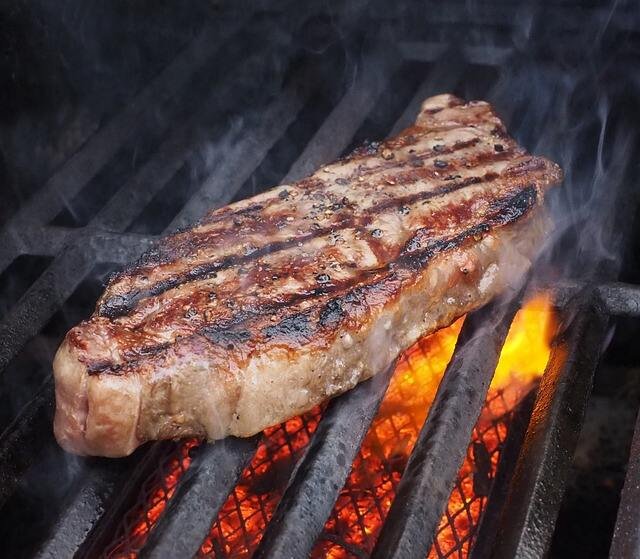










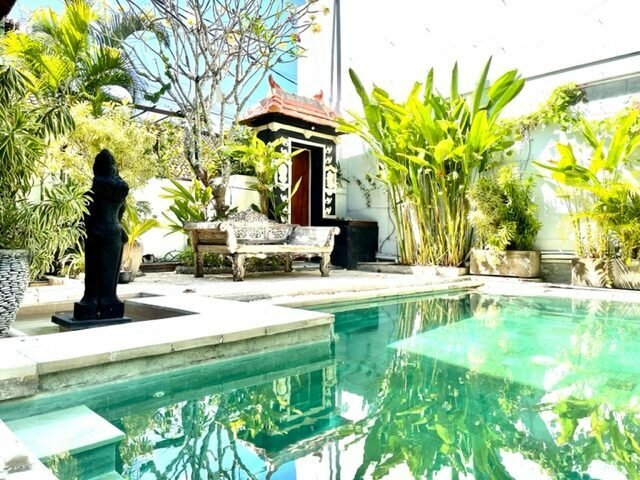


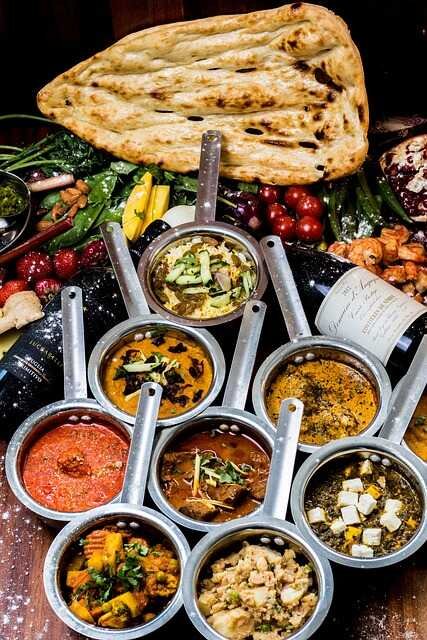
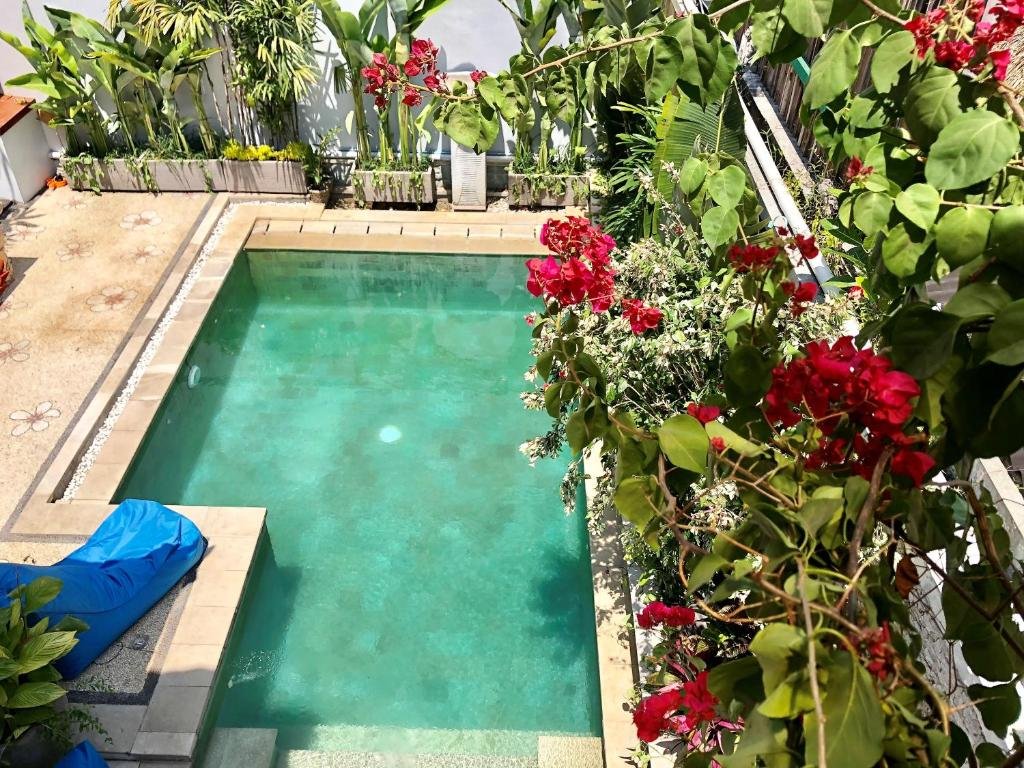



.jpg)


